
Postpartum Tooth Pain — Causes, Relief & Dental Safety
✨ This article was AI edited. Editorial responsibility: BlossomingMotherhood.Com.
Postpartum tooth pain is acute oral discomfort, dentin hypersensitivity, or gingival inflammation occurring after childbirth. Driven by pregnancy-induced hormonal vascular changes, maternal calcium and vitamin D mobilization, nocturnal bruxism (clenching) from newborn sleep deprivation, and acid erosion from morning sickness or dietary shifts, resolving dental pain requires targeted remineralization and lactation-safe clinical therapies.
Childbirth and the fourth trimester bring profound physiological demands that extend directly into oral health. While old folklore claimed “a tooth is lost for every baby,” modern dental science and obstetrics reveal that postpartum tooth sensitivity and dental pain stem from specific, treatable biochemical and behavioral mechanisms. Addressing postpartum dental pain swiftly is crucial not only for maternal comfort but also for preventing long-term periodontal disease and enamel demineralization.
Contents
Key Causes of Postpartum Tooth and Jaw Pain
The etiology of dental discomfort following delivery involves a combination of endocrine, nutritional, behavioral, and immunological factors:
- Estrogen and Progesterone Fluctuations (Pregnancy Gingivitis & Postpartum Periodontitis): Elevated progesterone levels during gestation dilate blood vessels in the gingiva, increasing blood flow and exaggerated inflammatory responses to dental plaque. In the postpartum drop, healing tissues may feel acutely tender, inflamed, or prone to bleeding.
- Nutritional Depletion & Bone Mineral Mobilization: During the third trimester and lactation, the maternal skeleton mobilizes calcium and phosphate to support fetal bone formation and breast milk synthesis. If dietary calcium, magnesium, and vitamin D3/K2 intake is insufficient, alveolar bone density supporting tooth roots can become compromised.
- Sleep Deprivation & Nocturnal Bruxism (Teeth Grinding): The extreme stress and fragmented sleep patterns of caring for a newborn frequently trigger unconscious nocturnal clenching and grinding. This causes sharp morning tooth sensitivity, enamel micro-fractures, and temporomandibular joint (TMJ) soreness.
- Altered Salivary pH and Dry Mouth: Postpartum hormonal shifts, nursing-induced dehydration, and mouth breathing during fragmented sleep reduce salivary flow. Reduced saliva impairs the oral cavity’s natural buffering capacity, accelerating enamel demineralization and bacterial proliferation.
Clinical Comparison: Postpartum Dental Conditions vs. Standard Toothache
Differentiating between hormonal gum tenderness, enamel demineralization, and deep pulpal infection determines the appropriate treatment path:
| Dental Condition | Clinical Symptoms | Underlying Postpartum Cause | Recommended Intervention |
|---|---|---|---|
| Dentin Hypersensitivity | Sharp pain with cold, hot, or sweet foods | Enamel erosion from acid reflux; exposed root surfaces | Nano-hydroxyapatite or potassium nitrate toothpaste |
| Postpartum Gingivitis / Periodontitis | Swollen, bleeding, tender gums around tooth base | Vascular hyperpermeability and plaque accumulation | Professional periodontal scaling; warm saline rinses |
| Bruxism & Occlusal Trauma | Aching jaw, dull multi-tooth soreness on waking | Stress-induced clenching during newborn sleep cycles | Custom dental nightguard; masseter muscle release |
| Pulpal Infection (Abscess) | Throbbing, constant localized pain, fever, swelling | Deep bacterial infiltration into the tooth nerve | Immediate endodontic therapy (root canal) or extraction |
Lactation-Safe Pain Relief and Clinical Interventions
Nursing mothers frequently hesitate to seek dental care due to concerns regarding medication safety. However, numerous dental procedures and medications are completely compatible with active breastfeeding:
1. Safe Over-the-Counter Analgesics
Acetaminophen (Tylenol) and Ibuprofen (Advil/Motrin) are the gold standard first-line analgesics for postpartum dental pain. Both medications transfer into human breast milk in negligible amounts (Infant Relative Dose < 1%) and are rated Category L1 (Safest) in lactation pharmacology. Ibuprofen is particularly effective due to its potent anti-inflammatory properties on dental pulp and gingiva.
2. Local Anesthetics and Dental X-Rays
Routine dental treatments, including cleanings, cavity fillings, and root canals, are completely safe while breastfeeding. Local anesthetics such as Lidocaine with Epinephrine have low oral bioavailability and do not require “pumping and dumping” breast milk. Modern digital dental X-rays use focused micro-radiation with protective thyroid and abdominal shielding, posing zero risk to breast milk.
3. At-Home Remineralization and Soothing Protocols
- Warm Salt Water Rinses: Dissolve 1/2 teaspoon of pure sea salt in 8 ounces of warm water. Swish gently for 60 seconds three times daily to reduce bacterial load and soothe inflamed gingival tissue.
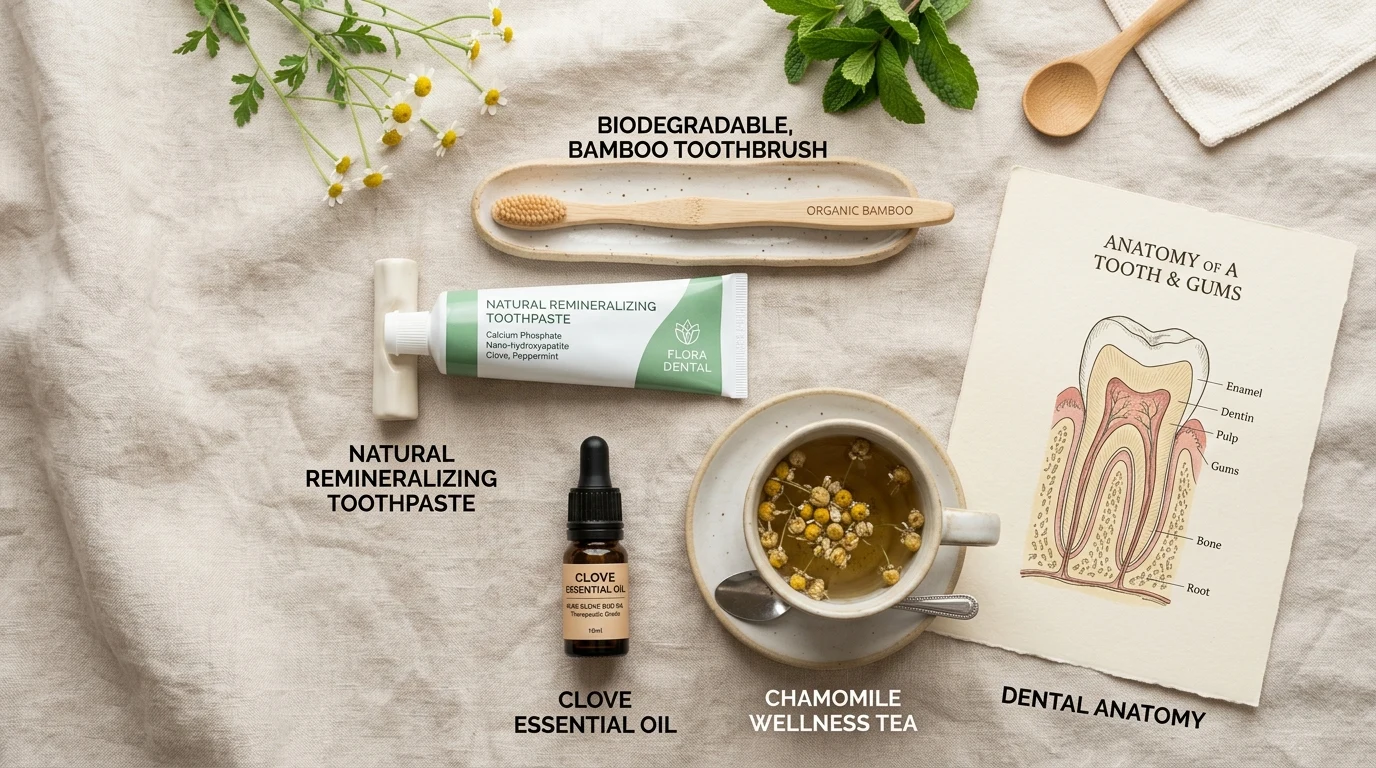
- Clove Oil (Eugenol) Spot Application: Dilute 1 drop of pure clove essential oil in 1 teaspoon of organic olive or coconut oil. Apply with a clean cotton swab to the affected tooth for natural, temporary topical numbing.
- Nano-Hydroxyapatite (nHa) Toothpaste: Brush with synthetic hydroxyapatite toothpaste, which actively binds to open dentin tubules and remineralizes microscopic enamel lesions without systemic toxicity.
Preventing Long-Term Dental Damage in the Fourth Trimester
Maintaining dental health while caring for a newborn requires simple, sustainable oral hygiene habits:
- Hydrate Continuously: Keep a water bottle at every nursing and pumping station to stimulate saliva production and prevent dry mouth.
- Rinse After Night Feedings: If you consume late-night snacks or electrolyte drinks during nocturnal feeds, rinse thoroughly with plain water before returning to sleep.
- Schedule a Comprehensive Postpartum Dental Exam: Visit your dentist within 3 months postpartum for a routine cleaning and periodontal evaluation. Inform your dental team that you are breastfeeding so they tailor any necessary prescriptions appropriately.
Frequently Asked Questions
Does breastfeeding leach calcium directly from teeth?
No. Fetal and infant calcium demands draw from maternal bone stores, not teeth. Enamel has no cellular blood supply to release calcium into the bloodstream. Tooth decay during lactation is caused by dry mouth, dietary changes, and acid erosion, not direct calcium depletion.
Is it safe to have dental fillings or root canals while nursing?
Yes. Routine dental restorations using composite resin, porcelain, and local anesthetics like lidocaine are completely safe. There is no need to discard breast milk after receiving local anesthesia for dental work.
What can I do for severe tooth nerve pain at 2 AM with a newborn?
Take an anti-inflammatory dose of ibuprofen (400–600 mg as directed by your physician), apply a cold ice pack to the outside of your jaw for 15 minutes, perform a warm salt water rinse, and sleep with your head elevated on extra pillows to reduce vascular pressure in the head.
Get our latest guides, news, and insights highlighted in your Google Search & AI Overviews.


 CRITICAL DEVELOPMENT WINDOW