
Postpartum Tooth Pain — Causes, Relief & Dental Safety
✨ This article was AI edited. Editorial responsibility: BlossomingMotherhood.Com.
Postpartum health encompasses maternal physiological restoration, endocrine recalibration, bone and dental remineralization, and perinatal psychological wellness during the critical fourth trimester following childbirth.
Clinical evaluation of postpartum anxiety treatments, SSRI safety profiles, and therapeutic interventions supporting maternal well-being.
Examining postpartum estrogen drops, salivary pH alterations, bruxism from exhaustion, and dental remineralization strategies.
Safe dental procedures, local anesthesia (lidocaine), and analgesic options compatible with ongoing lactation.
Navigating dental appointments, X-rays with thyroid shielding, and antimicrobial oral rinses during the postpartum period.
The postpartum transition involves the most dramatic endocrine shift in human biology. Following placental expulsion, circulating levels of progesterone and estradiol plummet to baseline levels within 72 hours, while prolactin and oxytocin surge to govern lactation. This sudden estrogen withdrawal affects systemic tissues: mucous membranes dry out, periodontal tissues become vulnerable to inflammation, and parathyroid hormone-related protein (PTHrP) mobilizes maternal bone calcium to enrich breast milk. Neglecting maternal recovery during this phase can lead to dental sensitivity, pelvic floor weakness, and psychological distress.
Comprehensive postpartum care requires addressing both structural healing and mental equilibrium. Postpartum tooth pain—frequently triggered by nocturnal clenching under sleep deprivation and acidic salivary shifts—can be resolved with remineralizing hydroxyapatite pastes, protective nightguards, and routine dental visits. Dental procedures involving X-rays and local lidocaine are 100% compatible with breastfeeding, with zero interruption needed.
| Physiological Vector | Biological Mechanism | Clinical Postpartum Protocol |
|---|---|---|
| Dental & Enamel Health | Estrogen drop, acidic salivary shifts, nocturnal bruxism | Use nano-hydroxyapatite paste, wear custom nightguards; safe to undergo cleanings and fillings |
| Endocrine & Hormonal Recalibration | Abrupt withdrawal of progesterone and placental estrogen | Monitor for postpartum thyroiditis; maintain dense nutrient intake rich in choline and zinc |
| Perinatal Mental Wellness | Neurotransmitter fluctuations exacerbated by sleep fragmentation | Screen for PPD/PPA; utilize validated first-line SSRIs (sertraline) and cognitive therapies |
| Bone & Mineral Metabolism | PTHrP-mediated calcium mobilization into breast milk | Consume 1,000–1,200 mg bioavailable calcium daily alongside adequate Vitamin D3 |
Postpartum tooth pain is typically caused by three factors: the precipitous drop in estrogen causing gum sensitivity, nocturnal clenching or grinding (bruxism) driven by severe sleep deprivation, and increased salivary acidity. It is not caused by the baby ‘leaching calcium from your teeth.’
Yes. The American Dental Association confirms that routine dental care, diagnostic dental X-rays (with apron shielding), and local anesthesia like lidocaine do not transfer into breast milk in significant amounts and do not require pumping and dumping.
Baby blues typically peak around day 4–5 and resolve within two weeks as initial hormones level out. Persistent feelings of overwhelming dread, panic attacks, insomnia unrelated to infant waking, or profound detachment lasting beyond two weeks indicate PPA/PPD and warrant medical evaluation.
✨ This article was AI edited. Editorial responsibility: BlossomingMotherhood.Com.
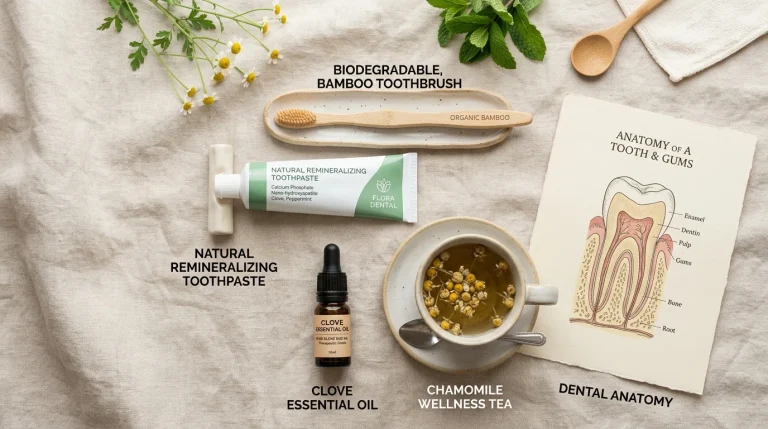
✨ This article was AI edited. Editorial responsibility: BlossomingMotherhood.Com. Postpartum tooth pain is acute oral discomfort, dentin hypersensitivity,…
Anxiety medications while breastfeeding can feel like a daunting topic, but finding a safe balance between your mental…
If you find your teeth hurting postpartum, you are experiencing a surprisingly common condition that affects countless mothers…
 CRITICAL DEVELOPMENT WINDOW
