
Postpartum Tooth Pain: Causes, Relief, and When to See a Dentist
Postpartum tooth pain is a highly common but rarely discussed condition caused by abrupt hormonal shifts, residual enamel erosion from pregnancy, and changes in oral hygiene routines during the exhausting fourth trimester. If you are experiencing sudden, sharp discomfort in your gums or teeth after welcoming your little one, you are not alone.
Contents
- Why Does My Tooth Hurt After Having a Baby?
- Hormonal Changes and Postpartum Gingivitis
- The Calcium Myth: Does Breastfeeding Ruin Your Teeth?
- Hidden Causes: Morning Sickness, Stress, and New Routines
- Safe and Effective Home Remedies for Sensitive Teeth
- When It’s Time to See a Dentist (And Why You Shouldn’t Feel Ashamed)
- Frequently Asked Questions
Why Does My Tooth Hurt After Having a Baby?
Welcoming a new baby brings endless joy, but it also delivers a host of completely unexpected physical challenges. Suddenly, you might find yourself dealing with intensely sensitive teeth after giving birth.
Many new mothers report an agonizing ache when sipping a hot cup of tea or biting into a cold, refreshing snack. This sharp, shooting sensitivity often strikes out of nowhere, leaving moms anxious about their long-term oral health.
The journey of Motherhood is physically demanding, pushing every system in your body to its absolute limits. Your mouth is certainly no exception to this intense physical toll.
During the postpartum period, the body is desperately trying to heal while simultaneously producing milk and managing sleep deprivation. This creates a perfect storm of vulnerability for your smile.
From wildly shifting hormones to sleep-deprived, middle-of-the-night snack choices, multiple factors conspire against your dental fortitude. Understanding the biological root causes of this discomfort is the very first step toward effective postpartum dental care.
You don’t have to suffer through the pain in silence. By identifying the triggers of your dental distress, you can take immediate action to protect your smile and focus on bonding with your newborn.
Hormonal Changes and Postpartum Gingivitis
Your body experiences a massive biochemical reset immediately after delivery. The steep, sudden drop in Estrogen and Progesterone heavily influences your immune system and your mouth’s natural defense mechanisms.
During pregnancy, elevated hormone levels increase blood flow to your delicate gum tissue. This exaggerated vascular response often triggers a condition known as Pregnancy Gingivitis, making your gums incredibly tender and prone to swelling.
Unfortunately, this inflammation doesn’t magically vanish the moment you give birth. The residual effects of hormonal changes and teeth sensitivity can linger for months as your body slowly stabilizes its endocrine system.
Furthermore, these extreme hormonal swings directly alter the delicate balance of your Oral Microbiome. Your mouth is home to billions of bacteria, and hormonal shifts can favor the growth of pathogenic, acid-producing strains.
A disrupted microbiome creates an ideal breeding ground for harmful bacteria, leading directly to chronic bleeding gums after pregnancy. Every time you brush, you might notice pink in the sink, a clear sign of persistent gingival inflammation.
Without proper intervention, this low-grade inflammation weakens the supportive structures holding your teeth in place. It is a vital warning sign from your body that your oral environment needs extra support.
The Calcium Myth: Does Breastfeeding Ruin Your Teeth?
If you’ve spoken to older relatives, you’ve likely heard the terrifying warning that a baby “steals” calcium from your teeth. It is time to firmly and scientifically debunk the calcium deficiency myth.
Your teeth are solid, crystallized structures that do not participate in your body’s active calcium metabolism the way bones do. Once fully formed, Calcium cannot be extracted directly from your tooth enamel to enrich breast milk or nourish a growing fetus.
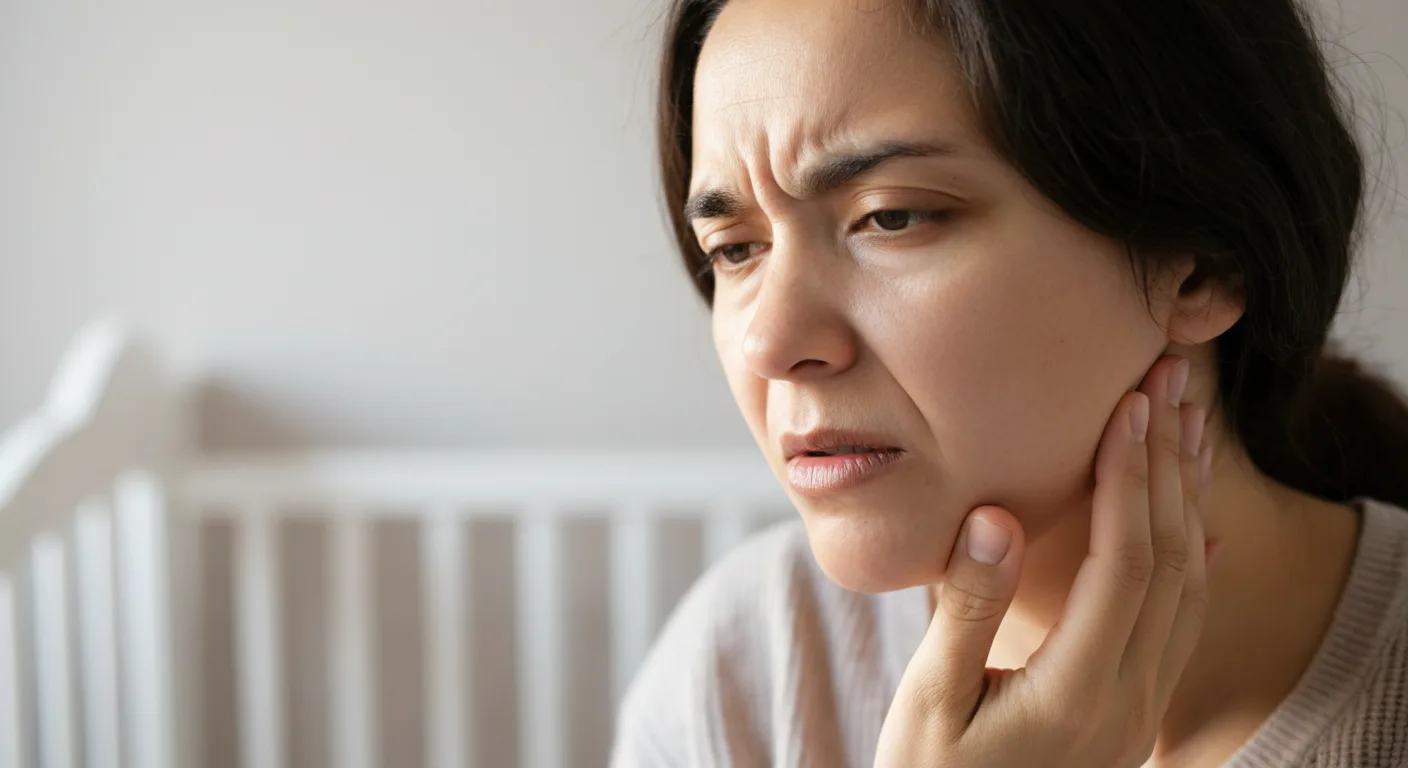
So, what actually causes nursing mothers teeth issues? The truth lies in nutritional gaps, severe systemic dehydration, and massive shifts in daily saliva production.
Breastfeeding requires massive amounts of metabolic energy and fluids. When new mothers become dehydrated, their salivary glands drastically reduce their output, leading to chronic dry mouth (xerostomia).
Because saliva naturally washes away food particles, remineralizes early lesions, and neutralizes cavity-causing acids, a dry mouth rapidly accelerates tooth decay after pregnancy.
Without the protective buffering capacity of adequate saliva, even a tiny amount of sugar from a healthy snack can trigger an intense acid attack on your teeth.
The Myth: Your body aggressively leaches essential minerals from your smile to feed your newborn, directly causing massive cavities and permanently weakening your overall bite structure.
The Reality: Poor hydration, acidic late-night cravings, and skipping your standard brushing routine due to pure physical exhaustion are the actual biological culprits of sudden dental decline.
Hidden Causes: Morning Sickness, Stress, and New Routines
Sometimes, the severe pain you feel postpartum actually started months earlier during the first trimester. Frequent vomiting from severe morning sickness or chronic Acid Reflux bathes your teeth in potent, highly destructive stomach acids.
This prolonged chemical exposure leads to aggressive Enamel Erosion. Stripped, weakened enamel exposes the highly sensitive, nerve-filled underlying dentin, making every single bite of cold or hot food deeply uncomfortable.
Another silent saboteur destroying your dental comfort is intense postpartum stress. The sheer anxiety of keeping a newborn alive, combined with intense sleep deprivation, frequently leads to severe jaw clenching postpartum.
This subconscious, stress-induced grinding, known medically as Bruxism, puts extreme mechanical pressure on your teeth. Over time, it causes invisible micro-fractures, radiating jaw pain, and debilitating tooth sensitivity.
Finally, we must address the messy reality of newborn survival mode. When you are desperately surviving on two hours of broken sleep, comprehensive Postpartum Care often takes a backseat to basic survival.
Skipping the nightly floss or falling asleep without brushing allows soft plaque to quickly solidify into hardened tartar. This rapid, uncontrolled buildup quickly irritates already fragile gum tissue and kickstarts the decay process.
Safe and Effective Home Remedies for Sensitive Teeth
Finding genuine relief while juggling the demands of a newborn requires practical, low-effort solutions. Proper Health routines don’t need to be overly complicated or time-consuming to be highly effective.
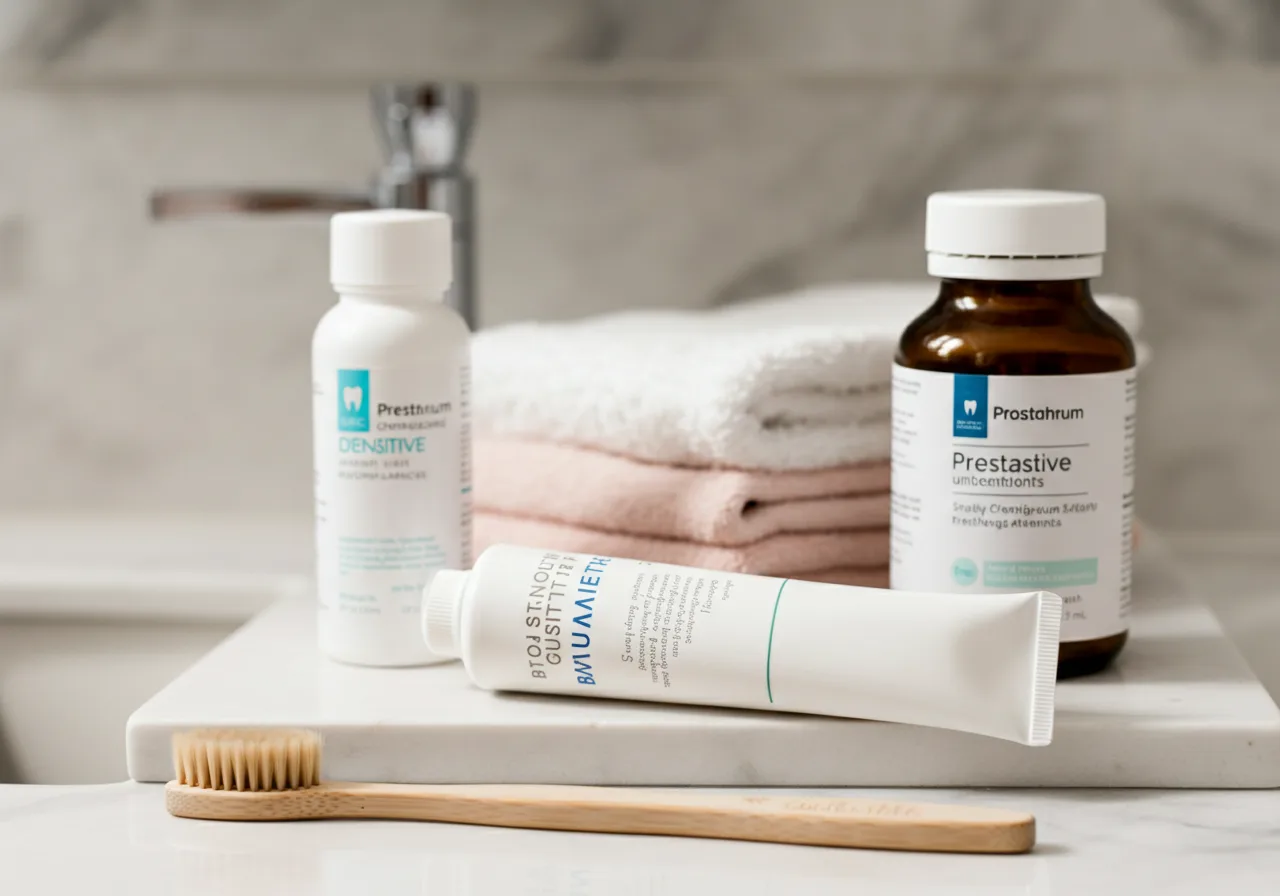
First, immediately switch your daily paste to a toothpaste specifically formulated for sensitive teeth. These advanced products contain potassium nitrate, an active ingredient that effectively blocks pain signals from traveling to the central dental nerve.
Next, throw away your old toothbrush and invest in a brand new soft-bristled option. Aggressive brushing with firm bristles will only worsen gum recession and massively exacerbate bleeding gums after pregnancy.
Systemic hydration is absolutely critical for your mouth’s ecosystem. Keep a large, easily accessible water bottle right next to your primary nursing or pumping station.
Drinking water continuously throughout the day and night helps aggressively stimulate saliva production. This natural saliva flow neutralizes harmful mouth acids and washes away sticky plaque.
Furthermore, do not stop taking your daily supplements just because the baby has safely arrived. Continuing to diligently take high-quality Prenatal Vitamins ensures your body receives the vital minerals required to support cellular repair and holistic Wellness.
Finally, be intensely mindful of your midnight snacking habits. If you instinctively reach for sugary, processed carbs during a 2 AM feeding session, make a strong effort to vigorously swish water around your mouth immediately afterward to clear away destructive sugars.
When It’s Time to See a Dentist (And Why You Shouldn’t Feel Ashamed)
While diligent home care provides incredible relief for minor symptoms, persistent or throbbing aching absolutely requires professional intervention. You should strongly prioritize scheduling a comprehensive appointment with your Dentist within the first three to six months postpartum.
Many overwhelmed new mothers delay these vital dental visits because they feel deeply embarrassed about their visibly declining oral hygiene. Please know that dental professionals have seen absolutely everything, and they intimately understand the pure chaos of the newborn phase.
If your tooth pain abruptly wakes you up from whatever precious sleep you manage to get, or if you notice visible facial swelling and chronic, heavy bleeding, do not wait another day. Untreated oral infections can spread rapidly to other parts of your body.
A compassionate, experienced provider will offer highly targeted treatments tailored for nursing moms. From protective fluoride varnishes to custom-fitted night guards for stress-induced bruxism, clinical intervention is incredibly effective.
Getting professional help is the smartest, most proactive step you can possibly take to reclaim your physical comfort. You deserve to smile at your baby without wincing in pain.
Frequently Asked Questions
Is it normal for teeth to hurt after having a baby?
Yes, it is incredibly common. Fluctuations in hormones, increased psychological stress, dietary shifts, and residual acid from pregnancy sickness can all strongly contribute to suddenly sensitive teeth after giving birth.
Does breastfeeding pull calcium out of my teeth?
No. The pervasive idea that breastfeeding directly leaches calcium from your hardened enamel is a widespread myth. However, severe dehydration from nursing can drastically reduce protective saliva production, which heavily increases your risk of cavities.
How long does pregnancy gingivitis last postpartum?
For most women, gum inflammation, swelling, and bleeding gradually resolve within a few months postpartum as estrogen and progesterone levels finally return to their pre-pregnancy baseline. Consistent brushing and gentle flossing actively accelerate this healing process.
What can I do about jaw pain after delivery?
Intense postpartum stress frequently leads to subconscious nighttime jaw clenching (bruxism). Applying warm compresses to your jaw muscles, practicing mindful relaxation before bed, and consulting a dental professional for a custom night guard can provide immense, long-lasting relief.
[contact_form]
Get our latest guides, news, and insights highlighted in your Google Search & AI Overviews.


 CRITICAL DEVELOPMENT WINDOW