
Is Tretinoin Safe While Breastfeeding? Expert Safety Facts
Did you know that many new moms wonder if the skincare products they used before pregnancy, like tretinoin, are still safe while breastfeeding? Tretinoin, a popular treatment for acne and skin renewal, raises vital questions about infant safety during lactation. Understanding how this topical medication interacts with breast milk can help you make confident choices for both your skin and your little one’s well-being. In this post, we gently unpack the latest expert insights on tretinoin use while nursing, offering clear, evidence-based information alongside a caring perspective. Whether your seeking reassurance or practical guidance, we honor your unique journey and the delicate balance of caring for your body and baby. Let’s explore together what science tells us,so you can nurture yourself with both wisdom and warmth during this precious postpartum time.
Contents
- Understanding Tretinoin’s Role in Skincare During Breastfeeding
- How Tretinoin enters Breast milk: What Science Says
- Evaluating the Risks: Is Tretinoin Safe for Nursing Babies?
- Expert Guidelines for Using Tretinoin Postpartum
- Safe Alternatives to Tretinoin While Breastfeeding
- Step-by-Step: How to Use Tretinoin Safely If You Choose To
- Signs to Watch: When to Stop Tretinoin During lactation
- Real Mom Stories: Navigating Skincare and Breastfeeding
- Balancing Tretinoin Use with Holistic Postpartum Care
- How Hormones Affect Skin and Tretinoin Needs After Birth
- Faq
- Q: How does topical tretinoin compare to oral tretinoin in terms of safety while breastfeeding?
- Q: Can using topical tretinoin cause skin irritation that might affect breastfeeding comfort?
- Q: What precautions should I take if I want to resume tretinoin after breastfeeding ends?
- Q: Are there any natural skincare ingredients that support skin healing for breastfeeding moms avoiding tretinoin?
- Q: How can I monitor my baby for any potential effects if I use tretinoin while breastfeeding?
- Q: Why do experts recommend avoiding oral tretinoin during breastfeeding but often allow topical use?
- Q: How soon after applying topical tretinoin can I safely breastfeed my baby?
- Q: Can the hormonal changes during lactation impact how my skin reacts to tretinoin?
- To Wrap It Up
Understanding Tretinoin’s Role in Skincare During Breastfeeding
Many new moms find themselves navigating a shifting landscape of self-care while adjusting to the beautiful but demanding rhythm of breastfeeding. Skincare often plays a surprisingly important role in this postpartum journey—offering both comfort and a small slice of normalcy. Among the popular skincare ingredients that raise questions during lactation is tretinoin, a powerful form of vitamin A known for its ability to renew skin and gently fight acne or signs of aging. As the skin can feel sensitive and hormonal changes may spark flare-ups, many mothers wonder whether tretinoin can safely remain part of their routine without compromising their baby’s well-being.
Tretinoin acts by speeding skin cell turnover, encouraging fresh, healthy cells to rise to the surface. This can brighten dull skin and smooth fine lines—a perk many postpartum women appreciate after sleepless nights and fluctuating hormones. Importantly, when applied topically, tretinoin is absorbed only in very small amounts into the bloodstream.This limited absorption means that the theoretical transfer of tretinoin into breast milk is minimal to negligible, making it generally considered low risk for breastfeeding infants. Still,this delicate balance invites thoughtful care and open conversations with healthcare providers to tailor skincare choices to each mother’s unique situation and comfort level.
- Tip: If you feel unsure about introducing tretinoin postpartum, consider starting with a low concentration and applying it to small skin areas away from the chest.
- example: One mom shared that she waited until her baby was a few weeks old before gently reintroducing tretinoin,choosing nights when she felt less rushed,which helped her maintain both her skin health and peace of mind.
- Remember: Postpartum skin can be more reactive due to hormonal shifts, so listening to your body—and honoring its need for gentler care—is always a wise approach.
Approaching skincare as a tender extension of self-care, rather than a checklist item to “fix” changes quickly, encourages a kind and patient dialog between your evolving needs and your baby’s safety. Whether tretinoin remains on your shelf for now or becomes a fixture in your routine, the most important ingredient is your intuition coupled with expert guidance, ensuring both you and your little one thrive during this special season.
How Tretinoin enters Breast milk: What Science Says
Many new mothers wonder exactly how topical skincare ingredients like tretinoin might affect their breastfeeding journey, especially when it comes to what little passes into breast milk. The reassuring truth, drawn from scientific investigations and clinical observations, is that tretinoin, when applied to the skin, is absorbed into the bloodstream only in trace amounts. As of its minimal systemic absorption, the amount of tretinoin that could realistically enter breast milk is very low—so low that it’s considered negligible in terms of exposure to nursing infants.
This tiny transfer happens because topical tretinoin molecules face multiple barriers before reaching the bloodstream, including the skin’s protective outer layer and subsequent metabolic breakdown. Even when a small fraction does circulate systemically, the drug is quickly metabolized by the liver. As a result,very little of the active ingredient reaches the milk-producing glands. Studies and expert reviews have found no evidence that the small amounts of tretinoin that theoretically could pass into breast milk cause harm or adverse effects in babies.
- Real-world example: one thoughtful mom chose to resume tretinoin after her baby was a few weeks old, applying it only to areas away from the chest to further reduce any chance of transfer during breastfeeding.
- Practical advice: If you decide to use tretinoin, try a low concentration at first and apply it in the evening, allowing plenty of time for absorption before the next feed.
- Safety note: Avoid oral tretinoin during lactation, as this form results in higher systemic exposure and is not recommended while nursing.
Understanding Minimal Systemic Absorption
The science shows that topical tretinoin’s lipophilic (oil-loving) nature helps it bind primarily within the skin rather than freely circulating in blood. This means it does not readily enter the bloodstream in quantities large enough to raise safety concerns for breastfed infants. This limited systemic presence directly correlates with a low likelihood of passing into breast milk, which is why dermatologists often consider tretinoin topical use compatible with breastfeeding—with proper precautions and personalized guidance.
Taking this gentle, evidence-informed approach empowers mothers to care for their skin without needless worry, honoring the tender balance between self-care and infant safety. Every breastfeeding journey is unique; open dialogue with your healthcare provider can definately help tailor the timing and method of tretinoin use to fit your individual needs and rhythms.

Evaluating the Risks: Is Tretinoin Safe for Nursing Babies?
Many new moms hesitate to use tretinoin during breastfeeding, wondering if it could affect their little one’s health. The reassuring truth is that topical tretinoin poses minimal risk to nursing babies.As tretinoin is absorbed through the skin in only tiny amounts—and even then,it is indeed rapidly broken down by the liver before it can reach breast milk—the actual exposure to an infant is negligible. This means that the chances of tretinoin causing any harm when applied topically are very low, allowing many moms to continue their skincare routines without undue worry.
Still, it’s important to approach tretinoin use postpartum with mindfulness and respect for your unique body and breastfeeding journey. Some mothers choose to apply tretinoin only on areas far from the chest, such as the face or back, which can further reduce any theoretical transfer. Starting with a low concentration in the evening and allowing plenty of time before feeding supports skin healing while maintaining baby’s safety. Oral tretinoin, conversely, is not recommended during lactation due to higher systemic levels and potential risks.
- Real-world advice: One mom shared that she began tretinoin a few weeks after delivery, timing application to her sleep schedule to ensure no product lingered near feeding times.
- Practical tip: Wash your hands thoroughly after applying tretinoin to avoid accidental ingestion by your baby during nursing.
- Health provider guidance: Always check with your midwife, pediatrician, or dermatologist to personalize usage based on your skin needs and breastfeeding stage.
The Bottom line for Nursing Moms
The current body of scientific evidence supports tretinoin’s topical use as generally safe during breastfeeding, provided you follow sensible precautions. Trusting your instincts and partnering with healthcare professionals can help you maintain a sense of balance—caring for yourself gently without compromising your baby’s wellbeing. Every postpartum journey is diffrent; what feels right for one mother might shift for another. Embrace that flexibility and celebrate your self-care choices, knowing you’re honoring both your own skin health and your nursing baby’s safety.

Expert Guidelines for Using Tretinoin Postpartum
Many new moms wonder how to navigate tretinoin use safely while their bodies are still healing and their babies are nursing. The good news is that topical tretinoin,when used thoughtfully,can be incorporated into your postpartum skincare routine with minimal risk to your little one. Experts advise starting low and slow—begin with the smallest effective concentration (often 0.025% or less) and apply it only once daily, preferably in the evening when breastfeeding might be less frequent. This gentle approach helps your skin adjust without overwhelming it during a time when your body is already busy healing.
- timing matters: Apply tretinoin well after your last feeding or ideally before bedtime, giving the product time to absorb fully and reduce any chance of transfer through skin-to-skin contact.
- Location is key: Focus on areas away from the chest—like your face, back, or shoulders—to further limit any theoretical exposure. Avoid applying near the nipples or breast tissue.
- Hygiene helps: Always wash your hands thoroughly after application to prevent your baby from accidentally ingesting any residual product during nursing.
Many lactation consultants and dermatologists emphasize the importance of listening to your body and maintaining open communication with your healthcare providers. some moms find it helpful to combine tretinoin use with nourishing creams or oils that support skin barrier repair, especially as hormonal shifts postpartum can make skin more sensitive. Remember, your postpartum journey is unique; what works harmoniously for one mother may require tweaking for another. One experienced mom shared, “I waited six weeks before gently reintroducing tretinoin and spaced it around nighttime feedings.My skin improved gradually without irritation, and I felt confident my baby was safe.”
Partnering With Your Healthcare Team
Before beginning tretinoin,chat with your midwife,pediatrician,or dermatologist. They can tailor advice specifically for your skin type, breastfeeding frequency, and stage in postpartum recovery. Some recommend pausing tretinoin if you notice important skin irritation or if your baby shows signs of unusual fussiness or rash, though such reactions are rare. Your trusted providers create a safe space to explore these decisions without pressure—honoring both your self-care goals and your baby’s wellbeing.
In this tender time,balancing effective skincare and breastfeeding safety is both an art and a science. Embracing patience and gentle care allows your skin—and your confidence—to flourish alongside your newborn.
Safe Alternatives to Tretinoin While Breastfeeding
It’s completely natural to feel cautious about skincare choices while breastfeeding, especially when it comes to powerful ingredients like tretinoin. Fortunately, there are thoughtful alternatives that offer skin-renewing benefits without stirring worry. Many gentle options support your postpartum glow and address concerns like acne, dullness, or uneven tone—all while respecting the delicate balance of nursing and healing.
- Azelaic Acid: this superstar is especially beloved for new moms. It’s a naturally occurring acid with anti-inflammatory and antibacterial qualities,which can calm postpartum breakouts and reduce redness.Plus, it’s well-tolerated on sensitive skin and has minimal systemic absorption, making it a safe choice during lactation. Many women find it refreshingly gentle yet effective for brightening and smoothing.
- Glycolic Acid: If exfoliation is a goal, low-concentration glycolic acid products (typically 5-10%) are a mild option. derived from sugarcane, glycolic acid gently removes dead skin without aggressively stripping moisture—ideal for skin that is hormone-shifting and potentially more sensitive postpartum. Experts recommend using it sparingly and observing how your skin reacts,especially around breastfeeding times.
- Bakuchiol: This plant-based ingredient is gaining praise as a “nature-kind retinol alternative.” It offers antioxidant benefits and supports collagen production with none of the irritation often linked to conventional retinoids, making it a nurturing pick for moms wanting that rejuvenating effect without the risk.
Practical Tips to Embrace Alternatives Safely
- Start low, go slow: Introduce any new product gradually, perhaps every other night, to give your skin time to adapt during this sensitive postpartum phase.
- Avoid the chest area: Always apply treatments on the face or other distant areas from the breasts to minimize any chance of transfer.
- Maintain good hygiene: Wash hands thoroughly after application to ensure no accidental contact with your baby.
Real moms frequently enough share how they navigated this skincare balancing act. One mom said, “Switching to azelaic acid was a lifesaver. It calmed my hormonal acne and reassured me that I wasn’t putting my baby at risk.” Others have mixed gentle exfoliation with hydrating serums rich in niacinamide and ceramides,fostering skin repair while honoring the body’s natural pace.Remember, your journey is beautifully unique. Consulting your dermatologist or lactation consultant can help tailor a routine that fits your skin’s changing needs and your baby’s safety. This collaborative, gentle approach allows you to uplift your skin while embracing the nurturing rhythms of motherhood.
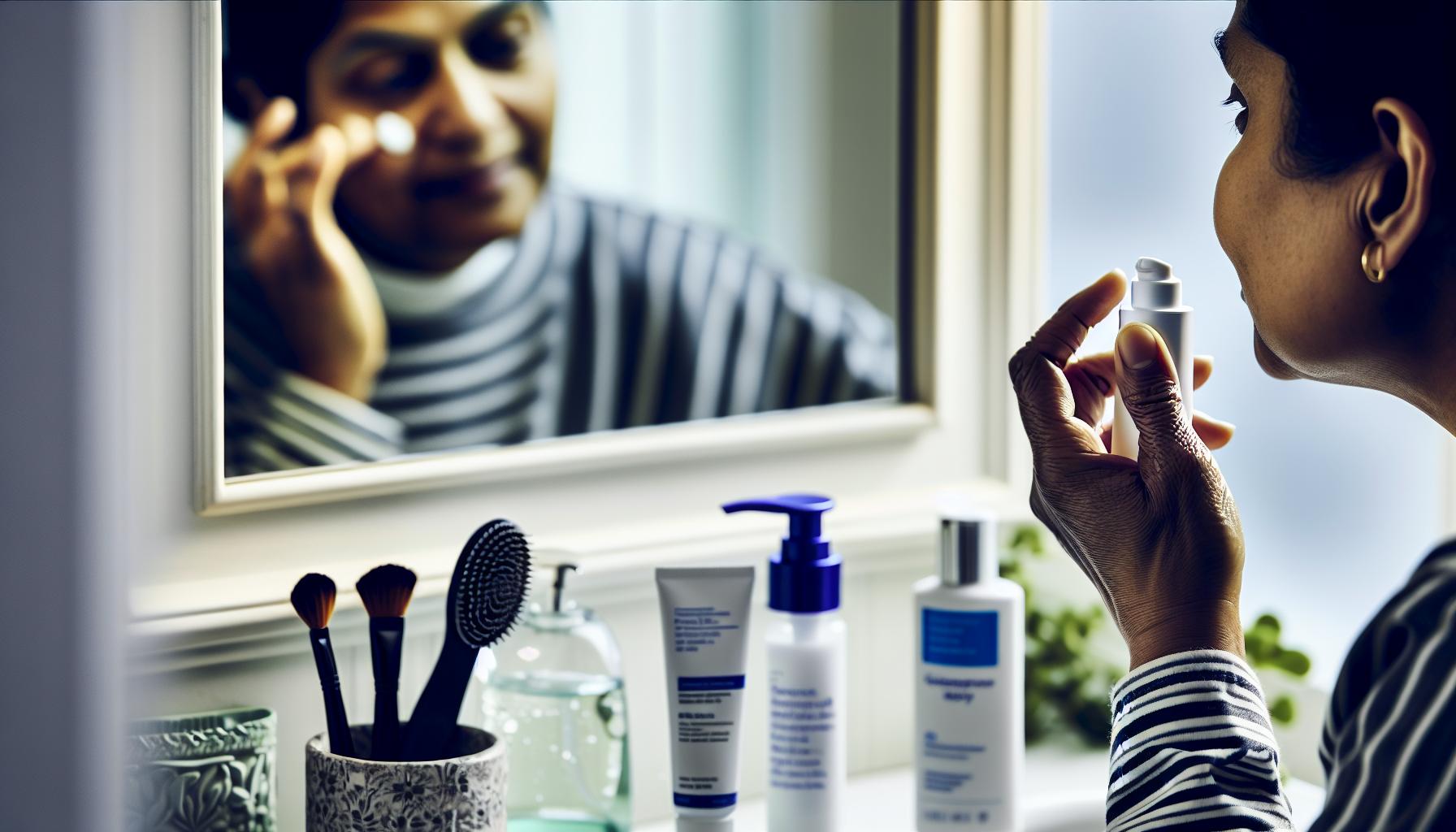
Step-by-Step: How to Use Tretinoin Safely If You Choose To
Many breastfeeding moms feel a gentle tension between their desire to care for their skin and the need to protect their little one.While evidence suggests topical tretinoin is generally safe during lactation, using it thoughtfully can definitely help ease worries and support your postpartum wellness journey. Because tretinoin is applied in small amounts and minimally absorbed into the bloodstream, the chances of it passing into breast milk are very low, but careful application and timing matter. Embracing a mindful routine honors both your skin’s healing and your baby’s safety.
Simple Steps to Tretinoin Use During Breastfeeding
- Choose the right timing: Apply tretinoin at night after your baby’s last feeding to allow maximum absorption and minimize any residue during nursing hours.
- Target safe areas: Limit tretinoin application to your face, avoiding the chest or any skin that comes into direct contact with your baby, reducing the risk of transfer via touch.
- Use a small amount: A pea-sized portion is enough — more is not better and can increase irritation without additional benefits.
- Practice meticulous hygiene: Always wash your hands thoroughly after applying tretinoin to keep your baby safe from accidental exposure.
- gentle cleansing: Before nursing, consider washing your face with a mild cleanser if any product residue persists to further minimize transfer risk.
- Introduce slowly: Start with two or three nights per week and observe how your skin responds—this pacing helps your skin adjust while respecting postpartum sensitivity.
Personalizing Your Routine with Compassion
Remember, your experience is unique. One mom shared, “I began using tretinoin just twice a week, then gradually increased as my skin settled. Knowing I applied it away from my baby’s reach and washed my hands gave me peace.” Pairing tretinoin with nourishing moisturizers can reduce dryness and support the skin’s barrier, especially during those early postpartum months when hormonal shifts make skin more delicate.
A gentle reminder is that every mother’s body and baby are different — what feels right for one may differ for another. Checking in regularly with your dermatologist or lactation consultant can provide individualized guidance tailored to your skin type and breastfeeding routine. This nurturing approach not only respects your body’s healing process but also uplifts your confidence, allowing you to enjoy the radiant joy of motherhood without compromise.
Rapid Safety Recap Table
| key Step | Why It Matters |
|---|---|
| Apply at night post-last feeding | Ensures minimal baby contact with tretinoin residue |
| Avoid chest application | Prevents accidental transfer to baby’s skin |
| Wash hands thoroughly afterward | Eliminates product residue on hands |
| Start slowly (2-3x/week) | Reduces irritation, supports skin adaptation |
| Use minimal product (pea-sized) | Limits systemic absorption and side effects |
By weaving these practical steps into your self-care routine, you honor both your skin’s needs and your breastfeeding relationship. This approach mirrors the gentle, loving rhythm of motherhood—balancing care for yourself with tender vigilance for your baby’s well-being.
—
Sources confirm topical tretinoin’s low risk profile during breastfeeding but, as always, open communication with your healthcare providers remains key to feeling secure in your choices [[1]](https://www.tiktok.com/@draleksandrabrown/video/7307435928610475307?lang=en) [[3]](https://www.scriptderm.com/post/is-tretinoin-safe-during-pregnancy-and-breastfeeding).
Signs to Watch: When to Stop Tretinoin During lactation
Even with careful use, tuning into your body and your baby’s responses is a vital part of confidently navigating tretinoin during breastfeeding. Though topical tretinoin is typically absorbed in tiny amounts and poses low risk, every mom’s journey is unique, and knowing when to pause or stop can bring peace of mind. Your skin or your baby’s wellbeing may signal the need to adjust your routine—trusting those gentle nudges is a form of caring for yourself and your little one.
If you notice increased skin irritation such as persistent redness, peeling, itching, or discomfort beyond mild dryness, it’s wise to take a break or reduce tretinoin use. Postpartum skin can be especially sensitive due to shifting hormones and the sometimes overwhelming demands on rest and nutrition. Similarly, if you experience symptoms like headaches or unusual fatigue, discussing these with your healthcare provider alongside your use of tretinoin can help rule out any indirect effects.Remember, less is more during this phase; easing back does not mean failure, but honoring your body’s healing rhythm.
Watch your baby closely for any signs of sensitivity that might be subtle but critically important—such as unusual fussiness after feedings, skin changes near nursing areas, or digestive upset. While evidence shows almost no detectable transfer of tretinoin through breast milk when used topically, sometimes infants have sensitivities to fragrances or other skincare ingredients, so a cautious approach helps. When in doubt or if you notice anything unusual, pause tretinoin and consult your pediatrician or lactation consultant to ensure your peace of mind and baby’s comfort.
Helpful Tips to Recognize When to Pause or Stop
- Skin reactions: Persistent redness, burning, or swollen skin at application site
- Baby’s behavior changes: Increased irritability, rash, or diaper area inflammation
- Physical symptoms in mom: Headaches, unusual fatigue, or systemic discomfort
- Product residue concerns: Difficulty fully cleansing tretinoin off skin before nursing
- Healthcare advice: Any professional proposal to discontinue based on personal health or baby’s condition
Taking breaks from tretinoin doesn’t mean abandoning your skincare goals. Use this time to nourish your skin gently with hydrating, barrier-supportive ingredients like aloe vera, ceramides, or gentle oils. Some moms find solace in calming herbal teas like chamomile or rooibos during break periods—not only for skin but for overall wellbeing. Your postpartum journey, rich with its ebbs and flows, is an opportunity to deepen self-trust, attuning to both the visible and quiet signals from your body and your baby, without pressure or judgment.
Above all, remember this journey is not just about skin appearance but creating enduring, loving care practices that wrap you and your child in safety and grace. The dialogue you maintain with yourself, your healthcare team, and your circle of support enriches your ability to make empowered decisions, honoring both motherhood’s joys and its challenges.
—
Sources emphasize topical tretinoin’s low absorption and low transfer risk during breastfeeding but highlight the importance of individualized care and responsive adjustments based on symptoms [[1]](https://www.lesielle.com/us/blog/retinol-while-breastfeeding-is-it-safe-to-use-2024-update-110) [[3]](https://www.infantrisk.com/content/retinoid-skincare-and-nursing-what-new-moms-should-know).
Many new moms find that caring for their skin while breastfeeding is a balancing act filled with trial, grace, and learning. Tretinoin, a powerful skincare tool, brings peace of mind to some but hesitation to others, especially when baby’s wellbeing is the top priority. One experienced mom shared how she introduced tretinoin gradually postpartum, starting with once or twice a week and closely noting both her skin’s reaction and her baby’s behavior. Her tip: always cleanse thoroughly before nursing to avoid residue near the breast,creating a safe little buffer zone. She emphasized that the minimal systemic absorption of topical tretinoin helped her feel agreeable continuing a gentle routine without worry.
Another mother’s story highlights the emotional texture behind decisions around skincare in this phase. She chose to pause tretinoin during the initial three months of breastfeeding due to sensitive skin and simply used nourishing oils and barrier creams instead. She found this approach both protective for her healing skin and a soothing ritual that honored her body’s shifting needs. At four months postpartum, with guidance from her dermatologist and pediatrician, she reintroduced tretinoin slowly—underscoring that postpartum skin can be unpredictable, and timing is personal. This gradual return gave her control and confidence, reminding her that self-care is not about rushing “bounce back” but about fostering resilience and glow from within.
- start Low and Slow: Begin tretinoin treatments at reduced frequency to watch for skin sensitivity or baby’s subtle reactions.
- Cleanse Meticulously: Use gentle, non-irritating cleansers to remove tretinoin residue before nursing to minimize any transfer risk.
- Listen to Your Body: Postpartum hormones can heighten skin reactivity; if irritation arises, take breaks and incorporate calming ingredients like aloe vera or colloidal oatmeal.
- Prioritize hydration: Keep skin barrier strong with ceramide-rich moisturizers to reduce peeling and dryness.
- Keep Open Communication: Stay connected with your healthcare providers and lactation consultants about any worries or observations on baby’s behavior or your skin changes.
- Respect Individual Timing: There’s no “right” timeline—what works at six weeks postpartum may differ at six months, and that’s okay.
Below is a simple evening self-care routine inspired by moms balancing tretinoin use and breastfeeding—with ingredients and steps easy to adapt:
| Step | action | Ingredients/Notes |
|---|---|---|
| 1 | Gentle Cleansing | Mild, fragrance-free cleanser; lukewarm water |
| 2 | Tretinoin Application | Apply thin layer on dry skin; start 1-2x per week, increase slowly |
| 3 | Hydrating moisturizer | Cream with ceramides, hyaluronic acid, or natural oils like jojoba |
| 4 | Calming Boost (Optional) | Aloe vera gel or chamomile-infused toner to soothe sensitive skin |
| 5 | Breast Area Precautions | wash hands thoroughly; avoid applying tretinoin on or near chest before nursing |
Acknowledging the emotional complexity new mothers experience, it’s inspiring to hear how women support each other in online groups and local meetups, sharing honesty about frustration and joy alike. Some celebrate their skin’s gradual improvement as a form of self-love, while others comfort themselves with natural remedies and temporary pauses. This community spirit is a nurturing embrace, reminding every mom tuning into tretinoin and breastfeeding that she is not alone in her journey.Through careful observation, open hearts, and gentle persistence, many find a rhythm that honors both their skin’s health and their baby’s safety.
Balancing Tretinoin Use with Holistic Postpartum Care
Motherhood is a journey that invites gentle balance—not only between sleep and wakefulness, but between caring for your skin and honoring your baby’s needs.Integrating tretinoin use into postpartum skincare while breastfeeding requires thoughtful care,mindful pacing,and an thankfulness for your body’s natural rhythms. Since topical tretinoin minimally absorbs systemically and shows little evidence of entering breast milk, many moms find it possible to include tretinoin safely with proper precautions [1]. Still, true holistic care means blending medical insight with your personal self-care rituals, emotional wellness, and cultural traditions to nurture both yourself and your baby.
Mindful Timing and Responsive Self-Care
Postpartum healing is as much about tuning in to your skin’s changing needs as it is indeed about respecting your emotional landscape.Some women postpone tretinoin until their skin calms or breastfeeding is well-established, choosing to soothe sensitive skin with nourishing oils (such as rosehip or jojoba) and barrier creams. Others reintroduce tretinoin gradually—starting once or twice a week—to build tolerance without overstimulation. remember, there’s no one-size-fits-all approach; your hormonal fluctuations and sleep patterns influence skin sensitivity, so staying flexible supports both resilience and glow. Clear communication with your healthcare providers—dermatologists, lactation consultants, midwives—can guide you through these transitions without pressure.
cultivating a Supportive Skincare Ritual
Blending tretinoin use with holistic postpartum care can turn simple routines into moments of self-love and restoration. Here’s a gentle evening ritual that respects both tretinoin safety and your wellness:
- Cleanse Gently: Use a fragrance-free, soap-free cleanser with lukewarm water to wash away impurities and tretinoin residue—especially near the chest area before nursing.
- Thin Layer Application: Apply a pea-sized amount of tretinoin to fully dry skin, focusing on target areas, avoiding the breast skin.
- Moisturize Generously: Follow with a hydrating cream rich in ceramides, hyaluronic acid, or natural oils to rebuild the skin barrier and reduce peeling.
- Soothing Boost: Consider calming botanical allies like aloe vera gel or chamomile-infused toner to ease any irritation and support skin comfort.
Holistic Nourishment to Support Skin and Milk Production
Incorporating nourishing foods and herbal teas can complement your skincare and support lactation. Here’s a safe and nurturing herbal tea blend to enjoy during early postpartum:
| Ingredient | Benefits | Preparation |
|---|---|---|
| Fenugreek Seeds | Supports milk supply | 1 tsp steeped 10 min in hot water |
| Nettle Leaf | Rich in iron and vitamins | 1 tsp steeped 10 min |
| red Raspberry Leaf | Supports uterine tone and skin healing | 1 tsp steeped 10 min |
Combine equal parts of these herbs; steep 1 teaspoon of the blend in a cup of hot water for 10 minutes. Drink up to 2 cups daily, avoiding herbs you may be allergic to or those contraindicated in your medical history.Always check with your healthcare provider before adding herbal supplements.
Creating a Gentle, Non-Judgmental Community
Sharing experiences and learning from others offers powerful comfort and insight. Whether you choose to pause, continue, or slowly reintroduce tretinoin, your decisions deserve celebration—not comparison. Every mother’s skin journey postpartum is uniquely hers, woven through with hormonal shifts, emotional changes, and practical realities of caring for a new life. Embracing this complexity with kindness toward yourself fosters long-term wellbeing that shines far beyond the surface.
Through this nurturing blend of expert guidance,mindful pacing,and heartfelt support,many mothers discover a balanced path—honoring their baby’s safety alongside vibrant,healthy skin.
How Hormones Affect Skin and Tretinoin Needs After Birth
In the delicate postpartum months,your body is awash with hormonal shifts that can profoundly influence your skin’s condition and how it responds to skincare treatments like tretinoin. Estrogen and progesterone levels, which where elevated during pregnancy, drop sharply after birth, often triggering changes such as increased sensitivity, dryness, or even new breakouts. These fluctuations can make the skin more reactive, meaning what worked before pregnancy may now feel too harsh or irritating. Understanding this natural ebb and flow creates space to adapt your tretinoin use gently while nurturing your skin’s unique needs during recovery.
Because tretinoin can initially cause irritation, redness, or peeling, new mothers may find it helpful to pause or slow its use postpartum, especially when breastfeeding. The skin’s barrier may be more fragile due to hormone-induced dryness or sensitivity.Slowly reintroducing tretinoin with careful timing—perhaps starting with a small dose once or twice a week—and pairing it with calming, hydrating ingredients can maintain skin health without overwhelming this delicate balance. Such as, integrating nourishing oils like rosehip or squalane and moisturizers rich in ceramides can support barrier repair, reducing irritation while helping tretinoin work effectively.
Balancing Hormones, Skin, and Skincare: Tips for Postpartum Glow
- Listen to Your Skin: hormonal changes can vary greatly; what works the first postpartum week may differ by month two. Check in regularly and adjust tretinoin frequency or switch to gentler alternatives if needed.
- Prioritize Moisture: Use hydrating serums or creams with hyaluronic acid to counterbalance tretinoin’s drying effect, especially helpful when breastfeeding reduces sleep and hydration.
- Time Your Application: Apply tretinoin away from breastfeeding areas to avoid contact with your baby. evening routine is ideal to minimize UV sensitivity and skin dryness.
- Incorporate Soothing Botanicals: Ingredients like aloe vera, calendula, or chamomile can calm inflammation and offer comfort after using tretinoin.
Remember, every mother’s hormonal journey is unique. Some women experience postpartum “glow,” while others face “maskne” or dermatitis, all influenced by lactation hormones and sleep patterns. Sharing your experiences in gentle mom communities or with your healthcare provider ensures you’re supported and heard without judgment. This compassionate approach honors the beautiful complexity of your postpartum body, allowing you to care for your skin safely and lovingly alongside your breastfeeding journey.
Faq
Q: How does topical tretinoin compare to oral tretinoin in terms of safety while breastfeeding?
A: Topical tretinoin is generally considered much safer than oral tretinoin during breastfeeding because it absorbs minimally into the bloodstream and transfers little to breast milk. Oral tretinoin has not been studied and is recommended to be avoided during lactation and for one week after stopping the drug. For detailed safety tips, see our guidelines on using tretinoin postpartum and the section on how tretinoin enters breast milk.
Q: Can using topical tretinoin cause skin irritation that might affect breastfeeding comfort?
A: Yes, topical tretinoin may cause skin irritation, dryness, or redness, which can be uncomfortable for nursing moms, especially if the treated area is near the chest. To minimize discomfort, start with a low concentration, use gentle moisturizers, and avoid applying tretinoin on or near the breast area during feeding times. For safe usage advice, check our step-by-step guide on tretinoin application.
Q: What precautions should I take if I want to resume tretinoin after breastfeeding ends?
A: It’s safe to resume tretinoin use once breastfeeding has fully stopped and the drug has cleared from your system—usually about one week after the last topical or oral dose. Consult your healthcare provider about timing and safer reintroduction, and consider your skin’s hormonal changes postpartum as explained in our section on hormonal effects on tretinoin needs after birth.
Q: Are there any natural skincare ingredients that support skin healing for breastfeeding moms avoiding tretinoin?
A: Yes, breastfeeding moms can safely use natural ingredients like vitamin C serums, niacinamide, and gentle plant oils (jojoba, rosehip) to promote skin healing and brightness without risks. These alternatives are gentle, nourishing, and good options if you prefer to avoid tretinoin during lactation. Explore our safe alternatives to tretinoin while breastfeeding for recipes and ingredient guidance.
Q: How can I monitor my baby for any potential effects if I use tretinoin while breastfeeding?
A: Monitor your baby for unusual symptoms such as rash, fussiness, or digestive issues, though this is very rare with topical tretinoin due to minimal breast milk transfer. If any concerning signs arise, stop tretinoin and consult your pediatrician. For more on when to stop tretinoin during lactation, refer to our signs to watch section.
Q: Why do experts recommend avoiding oral tretinoin during breastfeeding but often allow topical use?
A: Experts recommend avoiding oral tretinoin because it circulates systemically at higher levels, increasing exposure risks to the nursing infant through breast milk. Topical tretinoin’s absorption is low, making it safer when used properly. These distinctions are highlighted in our article section on evaluating tretinoin risks for nursing babies.
Q: How soon after applying topical tretinoin can I safely breastfeed my baby?
A: As topical tretinoin has minimal systemic absorption, it is indeed generally safe to breastfeed once the applied cream has fully absorbed and wiped away from the breast area. Waiting about 1-2 hours can offer extra caution. Avoid applying tretinoin directly on the nipple or areola for baby’s safety. See our safe usage tips for detailed timing advice.
Q: Can the hormonal changes during lactation impact how my skin reacts to tretinoin?
A: Yes, hormonal shifts postpartum can make skin more sensitive or change its responsiveness to topical treatments like tretinoin. This means you might experience increased dryness or irritation and may need to adjust tretinoin use accordingly. For nurturing postpartum skincare advice, visit our section on balancing tretinoin use with hormonal changes after birth.
For personalized guidance and more nurturing skincare tips while breastfeeding, explore our full article and join the community of moms sharing real stories and expert advice.
To Wrap It Up
navigating skincare while breastfeeding can feel overwhelming, but understanding tretinoin’s safety helps you make confident choices for both you and your little one. While topical tretinoin shows minimal absorption and is generally considered safe during lactation, it’s critically important to listen to your body and consult your healthcare provider to tailor what’s right for your unique postpartum journey. For gentle self-care ideas, explore our nourishing postpartum smoothie recipes and herbal tea blends crafted to support hormonal balance and skin health during this tender phase.
If you’re curious about other skin-safe ingredients or natural alternatives to tretinoin, check out our guides on retinol use during breastfeeding and holistic postpartum skincare rituals.Staying informed empowers you to create a nurturing, effective routine that honors your body’s healing and your motherhood experience.Don’t forget to join our community newsletter for expert tips, trusted advice, and real mom stories that uplift and inspire. Share your thoughts or questions below—we love hearing from you and supporting each step of your breastfeeding and self-care path.
Get our latest guides, news, and insights highlighted in your Google Search & AI Overviews.





 JUST 15 MINUTES A DAY