
Is Saffron Safe While Breastfeeding? The Safety Facts
Did you know saffron, ofen celebrated as a precious spice for mood and eye health, is also a popular natural remedy cherished across cultures? If you’re breastfeeding, you might wonder whether adding saffron to your diet is safe for you and your little one. As a new mother, your top priority is nourishing your baby while honoring your own healing and well-being—so understanding the safety of herbs like saffron during lactation matters deeply. This gentle guide will help you navigate the benefits and precautions of using saffron while breastfeeding, offering clear, evidence-supported insights alongside nurturing advice. Whether you’re drawn to saffron’s traditional uses or curious about its place in your postpartum self-care, you’ll find the answers you need here to feel confident, informed, and supported every step of the way. Let’s explore saffron’s safety together, with warmth and respect for your unique journey as a mother.
Contents
- Understanding saffron’s Effects on Breastfeeding Moms
- Is Saffron Safe for Your Baby’s Health?
- How Saffron Impacts Milk Supply and lactation
- Recommended Saffron dosages for Nursing Mothers
- Preparing Saffron Teas and Recipes for Postpartum Care
- Common Side Effects and How to Spot Them
- Combining Saffron with Other Herbs Safely
- Expert Insights: What Lactation Consultants Say About Saffron
- Real Mom Stories: Using Saffron While Breastfeeding
- When to avoid Saffron During Postpartum Recovery
- Balancing Traditional Wisdom with Modern Safety Guidelines
- Frequently Asked Questions
- Q: Can saffron affect a breastfeeding mother’s mood or stress levels?
- Q: How soon after breastfeeding can I safely consume saffron?
- Q: Is saffron likely to cause allergic reactions in breastfeeding moms or babies?
- Q: Can saffron interact with medications while breastfeeding?
- Q: Does the method of preparing saffron (tea, powder, supplement) affect its safety during breastfeeding?
- Q: How can I introduce saffron into my breastfeeding diet without affecting my baby’s digestion?
- Q: Are ther any specific times postpartum when saffron use is safer or riskier?
- Q: What should I do if I experience side effects from saffron while breastfeeding?
- Final Thoughts
Understanding saffron’s Effects on Breastfeeding Moms
Many breastfeeding moms wonder how the delicate balance of nourishing themselves affects their little ones—especially when it comes to herbs like saffron, treasured for centuries across cultures. Saffron offers more than its celebrated vibrant golden threads and aromatic warmth; it’s also known for mood-enhancing properties and potential health benefits, making it a comforting addition for new mothers navigating the emotional and physical waves postpartum. though, understanding how saffron interacts specifically with the breastfeeding body is essential to use it wisely and safely.Gentle yet potent, saffron contains bioactive compounds believed to influence mood and appetite. This can be especially comforting during postpartum days when many moms experience fluctuating emotions or mild blues. some evidence hints that saffron may even support improved mood without harsh side effects, creating a calming presence for both mom and baby. however,because every mother’s hormonal and lactation journey is beautifully unique,saffron’s effects may vary. In some, it could subtly encourage relaxation and emotional balance, while in others, it might do little or feel stimulating. Listening to your body’s cues and pacing your intake with care is key.
- How might saffron influence your milk and mood? Its compounds are thought to impact serotonin levels gently, which can uplift mood and possibly reduce appetite, a common postpartum challenge. While this mood boost may be nurturing for many moms, if appetite changes are noticeable, monitor your overall nutrition closely.
- Is it safe for your breastfed baby? Traditional use has shown saffron used in very small amounts likely poses minimal risk, but high doses or concentrated extracts require caution, as scientific research specific to nursing infants remains limited.
- Timing and dosage matter deeply. Starting with low amounts, such as a pinch in herbal tea, allows you to observe any subtle shifts in your milk supply, baby’s feeding patterns, or mood without overwhelming your system.
Many cultures treasure saffron as a supportive postpartum herb, frequently enough celebrating it in nourishing teas or light meals meant to honor the body’s healing rhythms. Approached mindfully, saffron can be a warm, gentle companion through those delicate early weeks—an honoring of both tradition and gentle self-care. As with all new herbs, incorporating it slowly, observing your body’s response, and staying connected with your healthcare provider or lactation consultant helps build a safe path forward. Your unique motherhood journey deserves this careful blending of ancient wisdom and modern safety, held with kindness and respect.
Is Saffron Safe for Your Baby’s Health?
Many new moms gently wonder how the herbs they cherish might pass through their milk to impact their little ones. Saffron, renowned for its mood-lifting qualities and gentle appetite modulation, is generally safe when taken in small, culinary amounts during breastfeeding. Traditional wisdom from cultures that use saffron in postpartum teas and meals has shown it is indeed unlikely to harm a nursing baby when consumed moderately. Because breastfeeding transfers many nutrients and compounds from mom to baby in small amounts, the key with saffron is mindful, minimal use to honor both mom’s healing and baby’s delicate system.
Scientific studies specifically examining saffron’s safety for breastfed infants are limited, so the safest approach is to keep saffron intake low—think a pinch or a few threads steeped in a warm tea—rather than high-dose supplements or concentrated extracts. This gentle introduction allows moms to observe their baby’s behavior and feeding patterns closely. Most babies tolerate this well, showing no signs of discomfort or altered feeding. If you notice fussiness, changes in sleep, or feeding reluctance, pause and consult your healthcare provider. Remember, every mother’s milk and baby’s response are beautifully unique, so tuning in to these subtle signals is a powerful tool.
Practical tips for Using Saffron Safely While Nursing
- Start Small: Use a few strands of saffron steeped in hot water for 5–10 minutes to prepare a calming tea.
- Observe Baby: Watch for any changes in mood, feeding, or digestion over the next 24 hours.
- Avoid Concentrates: Skip saffron supplements or extracts unless cleared by your doctor.
- Balance Intake: Combine saffron teas with nourishing meals rich in hydration and nutrients to support milk quality.
Honoring the age-old use of saffron while embracing modern caution creates a warm bridge of care for both mother and child. By starting slowly, paying close attention to the baby’s responses, and staying connected with lactation experts, saffron can become a gentle ally in your postpartum wellness without compromising your baby’s safety. This thoughtful, nurturing approach embraces the complexity of motherhood while celebrating the tender bond sustained through breastfeeding.
How Saffron Impacts Milk Supply and lactation
Milk supply and lactation are deeply influenced by a mother’s nutritional, emotional, and hormonal balance. Saffron,traditionally cherished in many cultures for its comforting and mood-enhancing properties,may gently support this delicate breastfeeding period in subtle ways,though its direct impact on milk production is still an area inviting more research. What makes saffron special during lactation is its potential to ease maternal stress and uplift mood—factors that can indirectly foster better milk flow, since stress and anxiety often inhibit let-down reflexes.
Many new mothers have found that enjoying a warm cup of saffron tea offers a nurturing ritual, calming restless evenings or postpartum blues, which can definitely help smooth the breastfeeding experience. Because oxytocin, the “love hormone” responsible for milk ejection, works best when moms feel relaxed and supported, saffron’s mild calming effect may create a more receptive environment for breastfeeding without overstimulating the system. while it is not classified as a galactagogue (an herb that directly increases milk supply), saffron’s holistic benefits can reinforce a mother’s overall well-being—one of the foundational pillars for a healthy milk supply.
- Calming Effect: Saffron is known to ease mild anxiety and mood swings which can otherwise disrupt milk let-down.
- Moderate Use: Gentle amounts—think a pinch of threads in tea—are safe and unlikely to interfere with lactation or baby’s comfort.
- Observe and Adjust: Every mom’s body responds uniquely; if you notice any changes in feeding patterns, adjusting your saffron intake or consulting your lactation consultant can help.
Some moms share that adding saffron to their postpartum diet bolstered their sense of calm confidence,easing the overwhelming flood of new emotions. This, in turn, helped breastfeeding feel more natural and less pressured. Remember, nourishing yourself is the most powerful step you can take for your milk flow, and small botanical allies like saffron can gently lift that journey without forcing it.
Tips for Using Saffron to support Lactation
- Start with gentle teas: Brew 3–5 saffron strands in warm water for 5–7 minutes. Sip slowly during quiet moments to enhance relaxation.
- Combine with Hydration: Pair your saffron tea with water-rich foods and fluids to support overall milk production.
- Balance with nutrient-Dense Meals: Complement with iron, calcium, and vitamin B-rich foods—which naturally support lactation.
- avoid High-Dose Supplements: Skip potent saffron extracts unless advised by your healthcare provider.
By embracing saffron as a gentle supporter—rather than a magic milk-booster—you honor your body’s rhythm and the tender, complex process of breastfeeding. This mindful approach offers space for healing, festivity, and trust in your unique journey.
Recommended Saffron dosages for Nursing Mothers
One of the most comforting parts of embracing saffron during breastfeeding is knowing that a little goes a long way. Nursing moms often worry about how much saffron is safe—not just for themselves but for their delicate little ones. The good news is that saffron’s effects tend to be gentle and mild when used in small, carefully measured amounts. Traditional wisdom and modern safety guidelines both encourage keeping saffron intake modest to support mother and baby without overwhelming the system.
To enjoy saffron’s calming and mood-enhancing benefits without risks, it’s best to start with a pinch of saffron threads—about 3 to 5 threads per serving. This amount is enough to infuse a warm tea or sprinkle into recipes, providing soothing effects without exceeding safe consumption levels. For daily use, staying within this small range helps avoid potential side effects like overstimulation or irritability, which are rare but possible if taken in larger doses.
- Typical Dosage: Start with 3–5 saffron threads per cup of warm water for a simple tea.
- Frequency: Limit intake to once or twice daily,especially in the first postpartum weeks,until you know how your body and baby respond.
- Avoid High Doses: Avoid using concentrated saffron supplements or extracts without medical advice, as these may contain higher active compounds.
Practical Tips for Measuring and Using Saffron
As saffron threads are delicate and potent, here’s an easy way to prepare your daily saffron infusion safely:
| Step | Instruction | Why It Matters |
|---|---|---|
| 1.Measure 3–5 saffron threads | Use clean fingers or a small spoon to pick a pinch. | Small amounts ensure gentle effects and avoid overstimulation. |
| 2. Soak in warm (not boiling) water | Let threads steep for 5–7 minutes. | Preserves delicate nutrients and aromas without degradation. |
| 3. Sip slowly | Drink gradually during relaxed moments. | Encourages calming benefits and mindful self-care. |
Each mom’s experience with saffron may differ—some find that this small ritual becomes a nurturing pause in a busy day, while others may notice subtle shifts in mood or stress levels. It’s always wise to observe how you and your baby respond for a few days, noting any changes in sleep, feeding, or mood, then adjust accordingly.
Traditional postpartum cultures frequently enough celebrate saffron as a gentle tonic, honoring Mother’s healing journey with warmth and respect. By approaching saffron with awareness and moderation, you allow it to support your breastfeeding experience gently—like a tender, botanical hug—helping you feel calm, centered, and cared for during this stunning but challenging time.

Preparing Saffron Teas and Recipes for Postpartum Care
Many mothers find that a warm cup of saffron tea becomes a gentle ritual of self-care during the delicate postpartum period.Saffron’s subtle floral notes and comforting hue can feel like a small, nurturing celebration—both honoring your body’s healing and soothing the mind amidst the whirlwind of new motherhood. Preparing saffron in simple, nourishing recipes helps you harness its mood-lifting and calming properties while staying mindful of safety for you and your baby. Just a pinch—about 3 to 5 threads—is enough to infuse warmth and wellness without overwhelming your system.
Here’s an easy way to prepare a delicate saffron infusion,perfect for postpartum comfort:
Simple Saffron Tea for New moms
Ingredients:
- 3–5 saffron threads
- 1 cup warm (not boiling) filtered water
- Optional: ½ teaspoon honey or a slice of fresh ginger for extra soothing properties
Preparation:
| Step | Instruction | Why It Matters |
|---|---|---|
| 1. Gently crush saffron threads | Use clean fingers or a mortar and pestle to lightly crush the threads. | Releases natural oils and pigments, enhancing flavor and benefits. |
| 2. Soak threads | Place saffron in a cup and pour warm water over it (about 130°F/54°C). | preserves delicate nutrients; avoids bitterness that comes from boiling. |
| 3. Steep | Let the mixture sit for 5–7 minutes, occasionally swirling the cup. | Allows enough time for active compounds to infuse into the water gently. |
| 4. Add optional ingredients | Stir in honey or ginger if desired,for added taste and digestive comfort. | Supports hydration and mild postpartum digestion issues, without overstimulation. |
| 5. Sip slowly | Enjoy your tea during relaxed moments, ideally away from distractions. | Encourages mindfulness, reduces stress, complements lactation support. |
This tea can be savored once or twice a day in the first several weeks after birth, allowing you to observe how you and your baby respond. Remember, every mom’s system is unique, so gentle moderation is key.
Incorporating Saffron into Postpartum Meals
Besides tea, saffron’s golden threads can gently elevate wholesome meals that support recovery. A small pinch stirred into warm milk or blended into smoothies creates a soothing bedtime drink. It also blends beautifully in rice dishes, nourishing soups, or oatmeal, adding both color and mild aromatics. For example, try adding saffron to a comforting vegetable stew or a small serving of warm, spiced porridge to combine nutrients, flavor, and gentle mood support.
When mixing saffron into foods, keep these tips in mind:
- use minimal amounts: A pinch per serving is sufficient to avoid any risk of overstimulation.
- Pair with calming ingredients: Cardamom, cinnamon, fennel, and chamomile can complement saffron’s effects and add depth.
- Prep with care: Add saffron threads during the last few minutes of cooking to preserve their delicate nature.
Saffron is a beautiful thread connecting modern mom life with ancient postpartum traditions, where botanicals are embraced with reverence. Whether steeped in tea or stirred into your favorite meals, approaching saffron with love and mindfulness can gently support your physical and emotional well-being as you nurture your baby.
—
If you’re curious about incorporating other herbs alongside saffron, always talk to a healthcare professional who understands herbal safety in breastfeeding, since some botanicals can interact or effect milk supply differently. Listening to your body and honoring your unique journey with patience and kindness creates the safest, most supportive postpartum experience.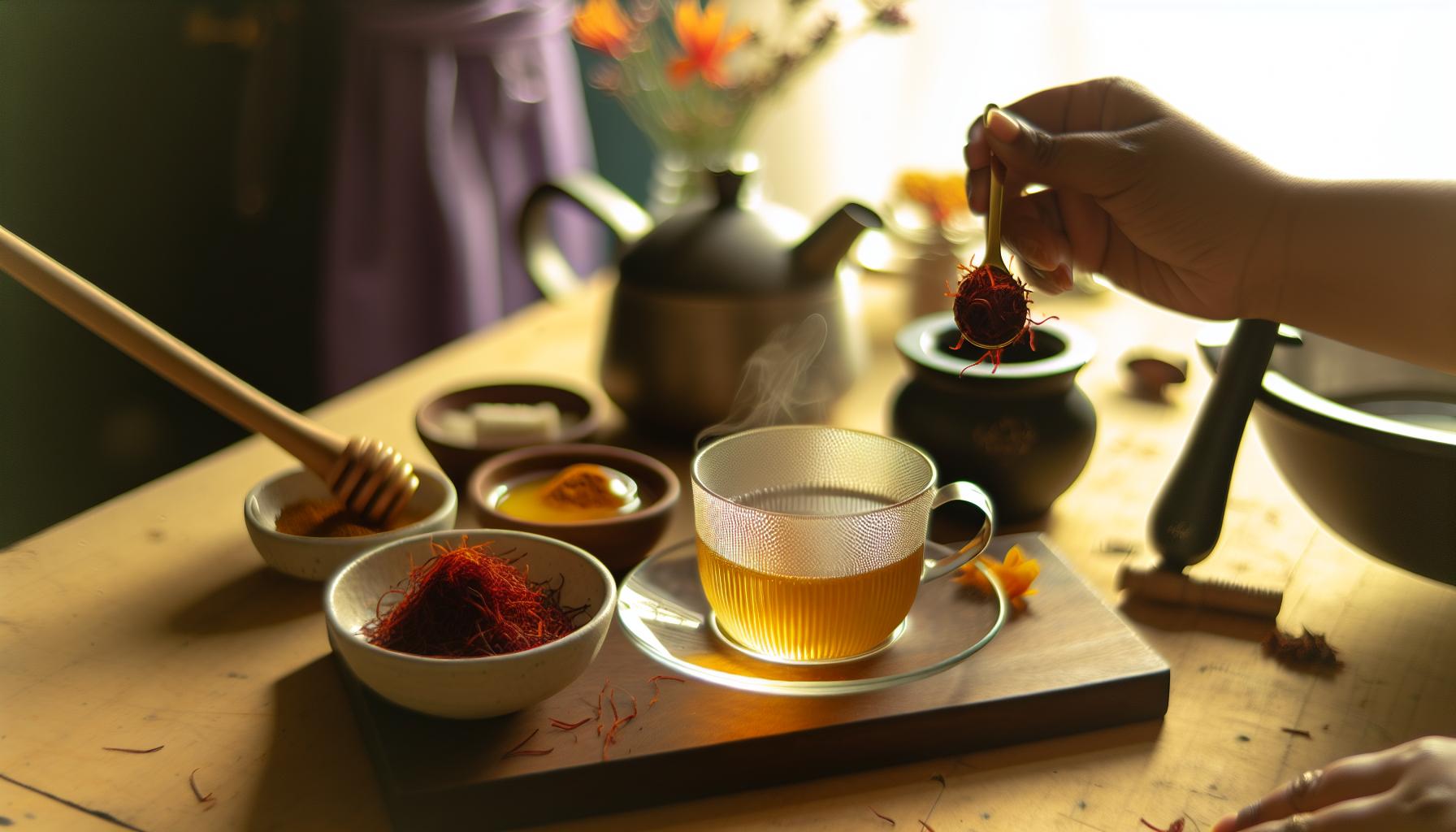
Common Side Effects and How to Spot Them
saffron is cherished for its warm, calming qualities, but like any herbal supplement, it’s significant to recognize how your body responds, especially during the sensitive breastfeeding period.While saffron used in small amounts (such as a few threads in tea or food) is generally considered safe, being attentive to subtle changes can help you and your baby stay comfortable and well. Some rare side effects may emerge, but knowing what to watch for empowers you to enjoy saffron’s benefits mindfully and gently.
Most moms experience no issues with moderate saffron use, but occasionally, some may notice mild digestive upset, such as slight nausea or an uneasy stomach. This can usually be managed by reducing the quantity or adjusting how saffron is prepared—like avoiding boiling water or combining it with soothing ingredients such as ginger or honey, which ease digestion and promote gentle comfort. Additionally, a few breastfeeding mothers have reported mild headaches or dizziness, often a signal to pause and hydrate, rest, and revisit dosage later. If you detect any unusual mood shifts or increased irritability in yourself or your baby, it’s wise to step back and consult your healthcare provider.
Signs to Keep an Eye On
- Skin Sensitivities: Though uncommon, some moms may develop mild skin rashes or redness, signaling a potential allergy.
- Digestive Changes: Bloating,mild cramps,or nausea—these usually resolve with smaller amounts or when paired with calming foods.
- Sleep Disruptions: If you or your baby experience unusual restlessness or difficulty settling, consider reducing saffron intake temporarily.
- Baby’s Behavior: Watch for fussiness, rash, or digestive discomfort in your little one, as breastfed babies can be sensitive to certain herbal compounds.
Being gentle with your body is key. If you spot symptoms like these or anything more severe—such as swelling, breathing difficulties, or persistent stomach pain—seek medical advice promptly. Remember, your postpartum journey is unique, and tuning in to your body’s signals is the most loving step you can take.
Monitoring Your Response: Practical Tips
| What to Watch | Common Mild Symptoms | What to Do |
|---|---|---|
| Digestive Upset | Nausea, bloating, mild cramps | Reduce saffron amount; add soothing herbs like ginger; sip water slowly |
| Skin reaction | rash, redness, itching | Stop saffron; monitor symptoms; consult provider if worsening |
| Sleep Changes | Restlessness, difficulty falling asleep | Adjust timing of saffron intake; avoid close to bedtime |
| Baby’s Fussiness | Unusual irritability, rash, tummy discomfort | Pause saffron; track any correlation; discuss with pediatrician |
Honoring your postpartum body means honoring the subtle whispers it sends.Small,mindful doses of saffron can support your wellbeing while breastfeeding,but always pause and assess your reaction—and your baby’s. Together, you’ll find the balance that feels nourishing and safe for this precious time.
Combining Saffron with Other Herbs Safely
Many breastfeeding moms turn to herbs like saffron for gentle support during postpartum, seeking natural ways to nurture both body and spirit. When blending saffron with other herbs,mindful choices make all the difference—not just for your own wellbeing,but also for your baby’s delicate system. Combining herbs can enhance benefits, but it’s essential to keep safety front and center, respecting the delicate balance of hormones, milk supply, and baby’s tolerance.
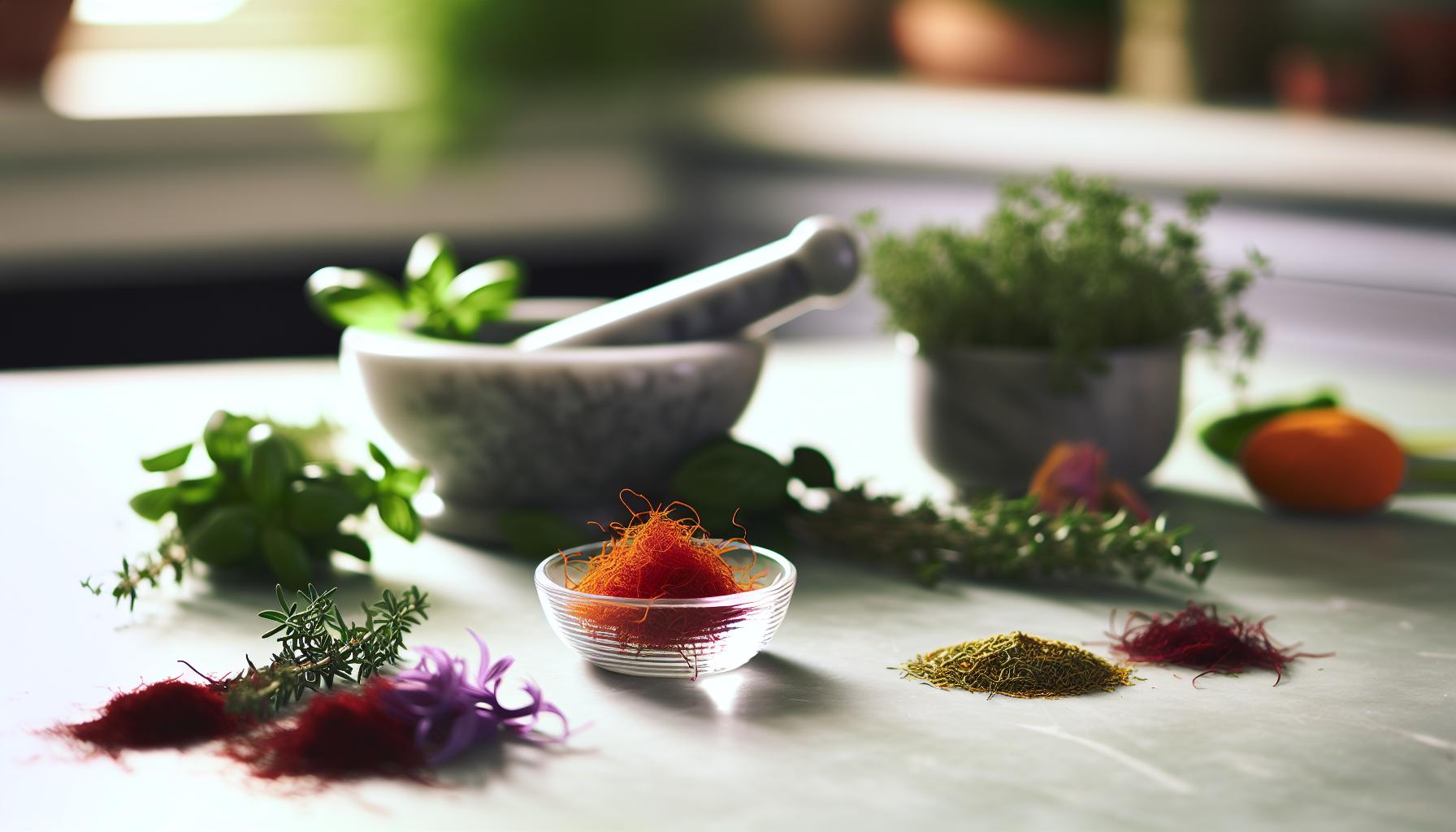
Saffron pairs beautifully with mild, soothing herbs such as ginger, chamomile, or lemon balm, which can aid digestion, ease occasional stress, and promote restful sleep. These herbs are frequently enough well-tolerated during breastfeeding and can complement saffron’s calming effects without overwhelming your system. However, it’s wise to avoid mixing saffron with stimulating or blood-thinning herbs like ginseng, dong quai, or high doses of cinnamon, as these may affect milk production or interact unpredictably.
Practical Tips for Herbal Blends
- Start Small: Introduce one new herb at a time alongside saffron. This makes it easier to notice any sensitivities or reactions in you or your baby.
- Watch Timing and Dosage: Sip herbal blends earlier in the day to avoid disrupting sleep, and keep saffron portions gentle—just a few threads per cup.
- Source Quality: Use high-quality, organic herbs free from additives or contaminants to protect your health and your baby’s.
- Consult Professionals: Lean on lactation consultants, midwives, or herbalists familiar with postpartum and breastfeeding needs to personalize combinations safely.
Here’s a simple saffron and ginger tea recipe to cozy up to during your postpartum moments:
Cozy Saffron-Ginger Tea
| Ingredients | steps |
|---|---|
|
|
Remember,every mom’s journey is unique. What soothes one may feel different for another. keep a gentle journal of herbs you try and any baby reactions, sharing these notes with your healthcare provider. This mindful approach turns herbal blending into a personalized ritual of care—not pressure—and celebrates the gift of nurturing yourself as you nourish your little one.
Expert Insights: What Lactation Consultants Say About Saffron
Many lactation consultants highlight saffron as a gentle, traditional ally for some breastfeeding moms, though they approach it with thoughtful care and respect for each mother’s unique postpartum journey. Saffron’s subtle calming effects and potential mood-lifting properties often appeal to moms navigating the emotional ups and downs after birth. however, experts emphasize the importance of moderation — small amounts, such as a few delicate threads per serving, typically pose minimal risk, but larger doses are seldom recommended during breastfeeding due to limited research on safety and infant sensitivity.
A few core principles guide lactation professionals when moms bring up using saffron:
- Start with Low Doses: Introducing saffron gradually helps monitor both maternal well-being and any baby reactions, protecting the delicate breastfeeding balance.
- Observe Baby Closely: As newborns’ digestive and nervous systems are still maturing, consultants suggest watching for changes in feeding, sleep, fussiness, or skin reactions after mom consumes saffron.
- Integrate With Holistic Care: Saffron is seen as one piece of a larger postpartum self-care puzzle — including rest,hydration,nutrition,and emotional support — rather than a standalone remedy.
Many lactation professionals also acknowledge the rich cultural traditions that include saffron for postpartum healing. Respecting these practices while applying an evidence-based lens is a balancing act.They encourage open, judgement-free conversations, where moms feel empowered to share their herbal use openly so any subtle effects on milk supply or baby behavior can be addressed thoughtfully. When combined safely with gentle companion herbs like chamomile or lemon balm, saffron can be part of a nurturing herbal ritual, but consultants caution against mixing it with stronger stimulants or blood thinners, which could affect milk flow or baby’s well-being.
Practical Guidance from Lactation Consultants
| Advice | Description |
|---|---|
| Use Small Amounts | Limit saffron to 2-4 threads per day to minimize risk and watch for tolerability. |
| Introduce One Herb at a Time | Pair saffron with mild herbs and avoid complex blends initially to identify any sensitivities. |
| Track Maternal and Infant Response | Keep a simple journal noting dose timing, sleep patterns, feeding behaviors, and mood to share with healthcare providers. |
| Keep Interaction Open | Be honest with your lactation consultant about all supplements to ensure personalized, safe guidance. |
Lactation consultants remind new moms that the postpartum period is an intricate phase of healing and hormonal shifts. What works harmoniously for one family may feel overwhelming for another. They invite moms to trust their instincts,honor the body’s signals,and lean into a community of support. saffron, when approached with care, can be a warm, golden thread woven into that sacred postpartum tapestry—celebrating motherhood’s strength without pressure or perfection.
Real Mom Stories: Using Saffron While Breastfeeding
Many mothers find that a gentle touch of saffron during breastfeeding offers a comforting balm—not only for mood but also for the sacred rhythms of postpartum self-care.One new mom shared how introducing just two saffron threads steeped in warm water helped ease her occasional postpartum blues and fostered calm evenings without affecting her baby’s feeding or sleep. She stressed the importance of starting with very small amounts and keeping a close eye on her baby’s response, honoring that every mother-infant pair is beautifully unique.
Another story comes from a mother who grew up in a culture where saffron tea is a cherished postpartum ritual. She spoke warmly about carrying this tradition into her own experience, blending saffron with mild chamomile: a soothing, golden cup shared gently during quiet moments between nursing sessions. She made sure to consult her lactation consultant first, who supported her small-dose approach and advised monitoring for any signs of fussiness or changes in baby’s digestion. For her, saffron became part of a nurturing daily ritual, weaving ancient wisdom with modern safety practices.
These experiences highlight some key takeaways for moms curious about saffron in their breastfeeding journey:
- Start Low and Go Slow: Begin with 1-2 threads per day to observe both your well-being and your baby’s comfort.
- Watch for Baby’s Signals: Note any changes in feeding habits, sleep patterns, or mood to ensure tolerance.
- Honor Traditions with Care: Blend saffron into gentle herbal teas or meals—avoiding strong stimulants or complex mixes—building a personalized postpartum ritual.
Simple Saffron Tea Recipe for Breastfeeding Moms
| Ingredients | Preparation Steps | Dosage Guidance |
|---|---|---|
|
| Limit to 1 cup per day. Observe baby and mom’s response before deciding on continuation. |
Sharing real experiences like these creates a supportive space where the joys and challenges of herbal use in breastfeeding are acknowledged without judgment. Remember, your instincts are powerful allies—if anything feels off, trust yourself and seek guidance. Saffron, when embraced with care and respect, can be a gentle thread woven into your postpartum story—a quiet source of calm amid the beautiful complexity of new motherhood.
When to avoid Saffron During Postpartum Recovery
Sometimes, even the gentlest herbs call for a pause, especially during the delicate early days of postpartum recovery.Although saffron can offer comforting benefits, it’s important to know when it’s best to hold off. If your body is still healing—whether from a cesarean birth, perineal tear, or any surgical intervention—introducing saffron too soon might not feel right. Saffron’s natural compounds can have mild blood-thinning effects, so when you’re experiencing active bleeding or increased sensitivity around your uterus and perineum, waiting until the bleeding subsides can provide safer healing space for your body.
For mothers managing hormone fluctuations, mood swings, or physical exhaustion, it’s wise to approach saffron use thoughtfully. while many find saffron supportive for mild postpartum blues, if you are working with diagnosed postpartum depression or anxiety and currently taking medication, consulting your healthcare provider is crucial. Saffron may interact with antidepressants or other medications, so professional guidance can help prevent unintended effects for both you and your baby. Similarly, if your infant has shown any sensitivities or allergies to herbs or spices in the past, even gentle additions like saffron deserve a cautious pause.
In moments of uncertainty, your intuition—combined with open communication with your trusted midwife, lactation consultant, or pediatrician—is your best guide. The postpartum period flows uniquely for everyone. Sometimes waiting for the right timing to include saffron is part of honoring your body’s natural rhythm and your baby’s wellbeing.
When to Avoid Saffron During Postpartum Care
- Active Bleeding or Heavy Lochia: Pause saffron consumption until bleeding lightens, supporting safe uterine healing.
- Recent Cesarean or Perineal Surgery: Delay use until your healthcare provider clears you, to avoid potential blood-thinning effects.
- Medication Interactions: Discuss with your doctor if you’re on antidepressants or other medications, as saffron may interact.
- Allergic or sensitivity Concerns: If either you or your baby have known sensitivities to herbs, introduce saffron only under guidance.
- Infant Digestive Upset or Fussiness: Temporarily stop saffron if you notice changes in baby’s digestion or behavior after use.
These thoughtful guidelines are not meant to discourage but to empower your self-care journey. Sharing your experiences with your care team and listening to your own body’s messages helps weave saffron gently into your unique postpartum story,when the moment feels wholly right.
Balancing Traditional Wisdom with Modern Safety Guidelines
Saffron’s rich history as a cherished herb in many cultures—valued for its comforting warmth and gentle mood-enhancing effects—reminds us that traditional wisdom frequently enough holds deep, time-tested insight. Many families around the world have passed down the use of saffron to nurture new mothers, believing it supports emotional well-being and postpartum recovery. yet, blending these loving traditions with modern safety standards creates a balanced pathway that honors both your body’s unique needs and your baby’s safety.
Approaching saffron while breastfeeding calls for mindful respect for your postpartum journey. Modern research highlights saffron’s potential to ease mild mood fluctuations and reduce appetite gently, but also cautions about its blood-thinning properties and possible interactions with medications. This means timing, dosage, and individual health factors shape saffron’s role in your care. Listening to your body and consulting healthcare providers familiar with herbal use during lactation ensures you can safely enjoy saffron’s benefits without worry.
- Start Small and Monitor: Introduce saffron in very small amounts—such as a few strands steeped in warm water—to observe how you and your baby respond.
- Respect Healing Phases: Hold off on saffron if you’re experiencing active bleeding, recent surgery, or taking blood-thinning medications, allowing your body’s natural healing rhythms to unfold.
- blend Tradition with Evidence: Use saffron as part of nurturing rituals—like calming teas or gentle meals—while keeping portion sizes in check (often just 1–3 small threads per cup of tea).
- Seek Support: Share your saffron use with your midwife, lactation consultant, or pediatrician. This open dialogue builds a safe, supportive space for your herbal journey.
Simple Saffron tea for Postpartum Well-being
Here’s an easy, soothing recipe that honors both tradition and safety:
- Ingredients: 2–3 strands of saffron, 1 cup boiling water, 1 teaspoon honey (optional), a small slice of fresh ginger (optional)
- Preparation: Steep saffron strands and ginger in boiling water for 5–7 minutes. Add honey if you like.
- Dosage: Enjoy 1 cup daily, preferably after bleeding has slowed and with your healthcare provider’s blessing.
this ritual gently supports mood and nourishment without overwhelming your system or your baby’s delicate digestion.
Remember, motherhood’s path is as varied as each mother and baby duo. What feels nurturing to one might call for caution in another. Balancing traditional herbs like saffron with today’s safety insights empowers you to make choices rooted in both heritage and science—celebrating your postpartum strengths while embracing informed, gentle care. Your journey is uniquely yours, and both your wisdom and your body’s signals lead the way.
Frequently Asked Questions
Q: Can saffron affect a breastfeeding mother’s mood or stress levels?
A: Yes, saffron may have mood-enhancing properties that can definitely help reduce stress and mild postpartum depression. However, nursing moms should consult a healthcare provider before use to ensure safe dosages. for gentle self-care, try saffron teas in moderation, linking to how saffron impacts lactation and emotional health for moms.
Q: How soon after breastfeeding can I safely consume saffron?
A: It’s best to consume saffron after breastfeeding sessions to minimize infant exposure. Waiting 1-2 hours post-feed before taking saffron allows your body to metabolize active compounds gently. Refer to recommended saffron dosages for nursing mothers for tailored guidance.
Q: Is saffron likely to cause allergic reactions in breastfeeding moms or babies?
A: Allergic reactions to saffron are rare but possible.Watch for symptoms like rash, itching, or swelling in both mom and baby. If any reaction occurs, stop using saffron and consult your healthcare provider instantly. Learn how to spot side effects in our detailed section on common saffron reactions.
Q: Can saffron interact with medications while breastfeeding?
A: Saffron can interact with some medications,such as antidepressants or blood thinners. Breastfeeding moms taking prescriptions should check with their doctor before using saffron to avoid unwanted effects. Combining saffron safely with herbs is also discussed in our extensive guide.
Q: Does the method of preparing saffron (tea, powder, supplement) affect its safety during breastfeeding?
A: Yes, the preparation method influences saffron’s potency and safety. Saffron tea is generally milder, while concentrated supplements might carry higher risks. Nursing moms should prefer gentle preparations like teas and follow dosage advice from our postpartum saffron recipes section.
Q: How can I introduce saffron into my breastfeeding diet without affecting my baby’s digestion?
A: Start with very small amounts of saffron to monitor how your baby reacts. Gradually increase if no digestive changes occur. Incorporate saffron into foods or beverages as recommended in postpartum care recipes to balance benefits with baby’s comfort.
Q: Are ther any specific times postpartum when saffron use is safer or riskier?
A: Saffron is typically safer after the first 6 weeks postpartum, once breastfeeding and maternal health stabilize. Early postpartum use may be riskier due to hormonal shifts. Check our section on when to avoid saffron during postpartum recovery for more precise timing.
Q: What should I do if I experience side effects from saffron while breastfeeding?
A: If you notice any side effects like nausea, dizziness, or unusual infant behavior, stop saffron immediately and consult a healthcare professional. Monitoring symptoms closely helps keep both you and baby safe. You can find more advice in our common saffron side effects section.
For more on dosing, recipes, and expert advice, be sure to explore your Recommended Saffron Dosages for Nursing Mothers and Preparing saffron Teas and Recipes for Postpartum Care sections. Remember, your breastfeeding journey is unique—embrace gentle, evidence-based self-care with a warm support system.
Final Thoughts
Navigating the question of saffron safety while breastfeeding is an empowering step in your postpartum journey. Remember, moderate saffron use—whether in teas, smoothies, or meals—can offer comforting benefits when approached with mindful dosing and awareness of your body’s unique needs. For personalized guidance, consider consulting with a lactation expert or exploring our detailed Herbal Remedies safe for Nursing Moms and Postpartum Nutrition tips to support your holistic self-care routine.
If you’re curious about gentle herbal recipes or want to deepen your understanding of nurturing postpartum wellness, our DIY Herbal Teas for New Mothers offers simple, step-by-step ideas tailored for each phase after birth. Embrace this time with confidence, knowing your choices contribute to both your and your baby’s well-being. Have questions or stories about saffron and breastfeeding? Share them below — your experience might be the insight another mom needs. Keep exploring, caring, and connecting here with our supportive community where every mother’s path is honored.
Get our latest guides, news, and insights highlighted in your Google Search & AI Overviews.


 WARNING TO PARENTS