
Is Fenugreek Safe for Breastfeeding? Benefits and Risks
Many new mothers look for gentle, natural ways too support breastfeeding—and fenugreek is often a go-to herbal remedy known for its milk-boosting potential. But is fenugreek safe for you and your baby during this vulnerable postpartum time? Understanding both the benefits and possible risks can help you make confident choices that honor your body’s unique healing journey. With motherhood’s hormonal and emotional changes,every sip and supplement matters,so it’s critically importent to explore how fenugreek works,its traditional uses,and what the latest insights say about safety and effectiveness. Whether you’re curious about fenugreek teas, capsules, or incorporating it into meals, this guide will walk you through practical tips, gentle precautions, and real experiences to empower your breastfeeding path—nurturing both you and your little one with care and confidence.
Contents
- Understanding Fenugreek: What it is indeed and How it effectively works for Milk Supply
- Proven benefits of Fenugreek During Breastfeeding
- Possible Side Effects and Safety Concerns for Nursing Moms
- How to Use Fenugreek Safely: Dosage and Preparation Tips
- Fenugreek Tea, Capsules, and Foods: Easy DIY Recipes for Moms
- Who Should Avoid Fenugreek? Special Precautions and Risks
- Balancing Fenugreek with Other Natural Lactation Boosters
- Recognizing When Fenugreek Isn’t Enough: Signs to See a Lactation expert
- Real Mom Stories: Fenugreek Experiences and Tips for New Mothers
- Integrating Fenugreek into Your Postpartum Self-Care Routine
- Q&A
- Q: How soon can I expect to see an increase in milk supply after starting fenugreek?
- Q: Can fenugreek interact with medications while breastfeeding?
- Q: Is fenugreek safe for babies if passed through breastmilk?
- Q: Can fenugreek cause allergic reactions when breastfeeding?
- Q: How does fenugreek affect breastmilk taste and smell?
- Q: Can I use fenugreek alongside prescription lactation medications?
- Q: What’s the best time of day to take fenugreek for breastfeeding benefits?
- Q: Can fenugreek help with low milk supply caused by medical conditions?
- Wrapping Up
Understanding Fenugreek: What it is indeed and How it effectively works for Milk Supply
Fenugreek has been cherished for centuries as a natural ally for nursing mothers seeking gentle support with milk supply. This humble herb, recognizable by its small, golden-brown seeds, contains compounds that may help encourage the body’s lactation process. Its effectiveness is believed to stem from phytoestrogens—plant-based chemicals that mimic estrogen, a hormone closely linked to milk production during and after pregnancy. For many women, fenugreek offers a comforting, herbal option that honors the body’s natural rhythms while helping to ease some common worries about milk sufficiency.
When consumed, fenugreek is thought to stimulate sweat glands, including those in the breast tissue, which can lead to an increase in milk production. This effect is often correlated with its historical use in traditional medicine across diverse cultures—from Ayurvedic practices in India to indigenous remedies in North America. While the exact mechanisms are still studied,many mothers notice a positive change within a few days to a week of consistent fenugreek use.It’s important to remember that every body responds differently; some moms experience noticeable improvements, while for others, fenugreek is a gentle complement to other lactation supports.
How Fenugreek Works in Your Body
- Phytoestrogens: These mimic estrogen, potentially promoting the growth of milk-producing cells in the breasts.
- Stimulation of sweat glands: fenugreek seeds encourage glandular activity, supporting milk secretion naturally.
- Anti-inflammatory properties: By supporting overall health and reducing mild postpartum swelling, it may create a better environment for lactation.
Trusting your body and tuning in to how it responds to fenugreek can be empowering during the delicate postpartum period. Many find that pairing fenugreek with mindful breastfeeding practices—like frequent nursing and skin-to-skin contact—helps build confidence and nurtures both physical and emotional healing. Remember, this is about supporting your unique journey in motherhood with kindness and patience.
Proven benefits of Fenugreek During Breastfeeding
Many nursing mothers find that fenugreek offers a gentle, natural boost during their breastfeeding journey—sometimes just the kind of support a tired, overwhelmed body needs. For centuries, cultures worldwide have turned to this humble herb, not only to encourage milk production but also to ease the emotional weight of postpartum challenges. Fenugreek’s unique blend of plant compounds works subtly, promoting both the physical process of lactation and nurturing confidence when supply feels uncertain.
Research and anecdotal experience highlight several ways fenugreek may benefit breastfeeding moms. Its phytoestrogens can help encourage the growth and function of milk-producing glands,making the body more responsive to breastfeeding demands. Many mothers report noticing an increase in milk supply within a few days of regular use,especially when combined with frequent nursing or pumping—a reminder that fenugreek shines best as part of a caring,consistent routine. It also offers anti-inflammatory benefits that may soothe mild postpartum swelling or discomfort around the breast, supporting a more comfortable feeding experience.
Holistic benefits for Mom and Baby
- Natural milk supply support: Fenugreek gently enhances the body’s lactation signals without the intensity or side effects of pharmaceuticals.
- Emotional reassurance: Knowing there’s a nurturing herb helping can reduce anxiety around feeding, which often improves let-down reflexes.
- Traditional wisdom meets modern care: Using fenugreek honors cultural practices that view breastfeeding as a sacred and supported phase of motherhood.
Every mother’s response is unique—some experience ample increases in supply, while others find fenugreek to be a comforting complement alongside hydration, nutrition, and skin-to-skin care. It’s this gentle, integrated approach that can make a real difference, turning the tide from worry to confidence, and helping create space for the joyful bonding that breastfeeding can bring.
Possible Side Effects and Safety Concerns for Nursing Moms
It’s important to remember that while fenugreek is often celebrated as a gentle, natural helper for milk supply, it isn’t without its considerations. Some moms may experience side effects that range from mild to more noticeable, and knowing what to watch for helps you stay both safe and supported. Fenugreek’s powerful plant compounds, including its phytoestrogens, can affect the body differently depending on individual sensitivities, dosage, and overall health. This variability means that trusting your intuition and observing your body’s response is just as vital as following recommended guidelines.
Common experiences include a distinct maple-syrup scent in sweat or urine—a harmless yet surprising trait that some moms find amusing, while others may feel self-conscious. Occasionally, fenugreek may cause mild digestive upset, such as bloating or gas, especially when starting supplementation or using it in strong forms like concentrated teas or capsules. Allergic reactions, though rare, are possible and can show up as rash, swelling, or breathing difficulties. If you notice any of these signs, it’s crucial to stop use instantly and consult your healthcare provider to ensure both your safety and your baby’s.
Guidelines for Safe Use and Monitoring
- Start low and slow: Begin with a small dose—like 1,000 mg of fenugreek seed extract daily or a mild fenugreek tea—to gauge your body’s response before gradually increasing.
- Stay hydrated: Fenugreek has a diuretic effect, so drinking plenty of water supports your body as it adjusts.
- Watch baby’s reaction: Though fenugreek is generally safe during breastfeeding, any unusual fussiness, rash, or digestive distress in your baby should prompt re-evaluation.
- Consult before combining: If you’re taking other herbs, medications, or have pre-existing conditions like diabetes or thyroid problems, discussing fenugreek with a informed provider safeguards against unwanted interactions.
Many moms find comfort in sharing their experiences within supportive communities, revealing how fenugreek fit uniquely into their lactation journeys. one mother described how introducing fenugreek tea in small sips helped ease her anxiety around supply without overwhelming her sensitive stomach. Another appreciated the herb’s gentle effect but switched to a different booster when mild heartburn surfaced. Each story underlines that this herb, while powerful, is not a one-size-fits-all solution but rather a tool best used with mindfulness and care. Honoring your body’s signals and seeking help when needed keeps you both strong and nourished on this gorgeous path of nursing.
How to Use Fenugreek Safely: Dosage and Preparation Tips
many mothers find that fenugreek, while a time-honored aid for milk supply, offers its best results when introduced thoughtfully and mindfully. Using fenugreek safely starts with listening closely to your body and taking gentle steps, especially during the delicate postpartum period when you’re still adjusting hormonally and physically.Starting with a low dose helps you notice how your body and baby respond before increasing amounts or switching forms. This patient approach honors your unique postpartum journey without adding pressure, allowing fenugreek to be a supportive companion rather than a cause for stress.
Getting started: Dosage Guidelines
Most lactation experts and herbalists suggest beginning with approximately 500 to 1,000 mg of fenugreek seed extract daily, divided into two or three doses. This lower starting point allows your digestive system to adapt and helps you observe any subtle effects. If you choose to use fenugreek tea, brewing it mild initially is key—steep one teaspoon of crushed fenugreek seeds in one cup of hot water for about 5-7 minutes. Sip slowly rather than drinking quickly to minimize digestive upset, which some moms experience as mild bloating or gas. After 3-5 days, if you feel comfortable, you can gradually increase the dose but avoid exceeding 3,000 mg per day without medical guidance.
Preparation Tips and Practical Uses
Fenugreek comes in many forms—teas, capsules, powders, and even as a culinary spice—each with its gentle rhythm of introduction. Here are some nurturing ways to include fenugreek into your routine:
- Fenugreek Tea: Use whole seeds or lightly crushed ones. Brew 1 teaspoon per cup of boiling water, cover to trap essential oils, and steep 5-7 minutes. Strain well and drink warm or cooled. Limit to 2-3 cups daily initially.
- Capsules: Easy for precise dosing but start with half the recommended dose to test tolerance. Take with meals to avoid stomach upset.
- Fenugreek in Food: Add a small pinch of fenugreek powder to smoothies, soups, or stews—this method lets you combine benefits with comforting nourishment.
Hydration is beautifully important here; fenugreek has natural diuretic properties, so drink plenty of water throughout the day to support your body gently as it acclimates.
Remember, your baby’s reactions are just as valuable as your own. if your little one shows any changes in feeding, fussiness, or digestion, it may be worth slowing down or pausing fenugreek use and chatting with your healthcare provider. Every body is wonderfully unique, and flexibility is a gift during this time.
| Form | Starting Dose | Frequency | Preparation Tips |
|---|---|---|---|
| Fenugreek Tea | 1 tsp whole or crushed seeds | 2-3 cups per day | Steep 5-7 minutes in hot water, strain well, sip slowly |
| Capsules | 500-1,000 mg daily | 2-3 times a day | Take with meals, start low to test tolerance |
| Powder in Foods | Pinch to 1 tsp | As desired | Add to smoothies, soups, or stews gradually |
This thoughtful, step-by-step approach lets fenugreek unfold its magic gently—inviting you to honor your body’s pace and your breastfeeding needs without overwhelm. It’s one more tool in your nurturing postpartum toolkit,to hold space for your unique breastfeeding story.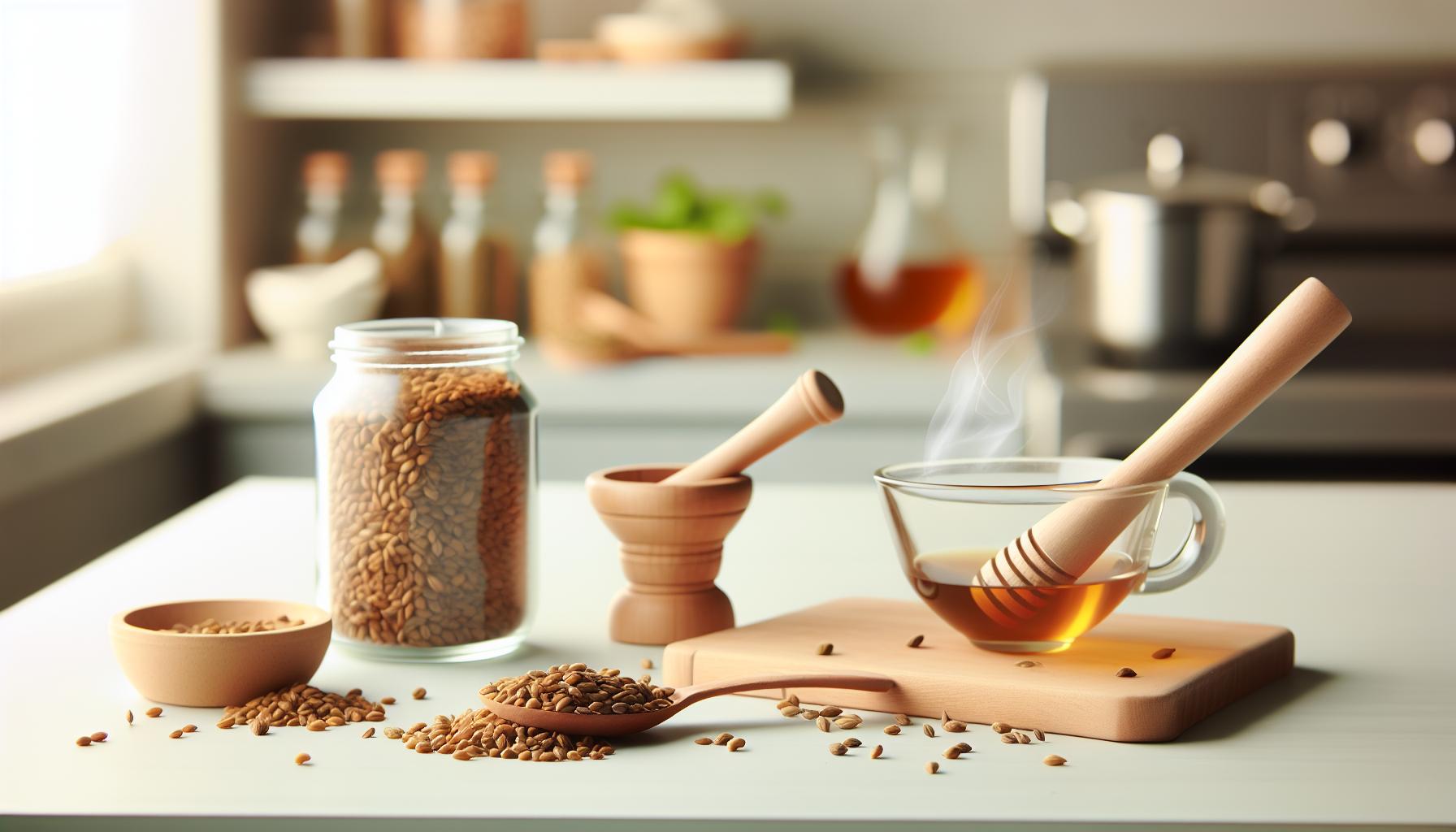
Fenugreek Tea, Capsules, and Foods: Easy DIY Recipes for Moms
Fenugreek has long been cherished in many cultures as a gentle and natural way to support milk supply during breastfeeding. its warm, slightly sweet aroma and mild flavour invite comfort during those quiet moments of postpartum self-care. Whether you prefer sipping a soothing cup of fenugreek tea,swallowing convenient capsules,or gently layering the spice into your meals,there are nurturing,easy-to-follow ways to include fenugreek in your routine that honor your body’s rhythm and your baby’s unique needs.
Fenugreek Tea: A Warm Hug in a Cup
Begin with a simple, calming fenugreek tea, especially helpful in the early postpartum days when hydration and rest are precious. Here’s a gentle recipe to get you started:
- Ingredients: 1 teaspoon whole or lightly crushed fenugreek seeds, 1 cup boiling water
- Preparation: Place the seeds in a cup and pour boiling water over them. Cover the cup to trap the delicate, aromatic oils. Let it steep for 5-7 minutes.
- Enjoyment: Strain well, than sip slowly, ideally 2-3 times a day.Drinking gently helps your digestion and warms your heart during the busy days of nursing.
Some moms cherish adding a touch of honey or a slice of lemon for an extra layer of comfort, but it’s also perfectly fine to enjoy it plain. Start with small amounts to watch your body’s responses and respect your baby’s cues.
Capsules: Convenient and Measured support
For those who juggle feeding schedules and need tea-free alternatives, fenugreek capsules offer a quiet, consistent way to take this herb. Here’s how to weave them safely into your day:
- Dosage guidance: Start with 500 mg onc a day, taken with a meal to minimize stomach upset.
- Gradual increase: Depending on how well you feel, you can increase the dose to 1,000 mg two to three times daily.remember, it’s not a race—slow adjustments protect your comfort.
- Listening carefully: Keep an eye on any changes in digestion or your baby’s feeding patterns, as some infants may notice flavor shifts in breastmilk.
This method is perfect for moms who want precise control over their fenugreek intake and appreciate a no-fuss, portable option.
Cooking with Fenugreek: Nourishing Foods for Milk and Soul
Incorporating fenugreek directly into meals blends tradition with gentle nourishment—a wonderful expression of care to yourself and your family. Try adding a pinch of fenugreek powder to:
- Warm smoothies: Combine 1/4 teaspoon fenugreek powder with ingredients like banana, almond milk, and a touch of cinnamon for a soothing, lactation-pleasant treat.
- Hearty soups and stews: Sprinkle a teaspoon into lentil soups or vegetable stews to invite both savory depth and lactation support.
- homemade bread or flatbreads: For those who enjoy baking, fenugreek seeds ground into your dough impart a subtle nutty flavor and ancient goodness.
These culinary ways are gentle reminders that nourishing the body feeds the soul—and your milk supply—without stress or pressure.
| Form | Starting Dose | Frequency | Preparation Tips |
|---|---|---|---|
| Fenugreek Tea | 1 tsp whole or crushed seeds | 2-3 cups per day | Steep 5-7 min in boiling water, cover, strain, sip slowly |
| Capsules | 500 mg daily | 1-3 times a day | Take with meals, start low to test tolerance |
| Powder in Foods | ¼ tsp to 1 tsp | Daily, as desired | Add gradually to smoothies, soups, stews, baked goods |
Remember, each mother’s journey is unique. What feels nurturing and supportive for one mom may be different for another. taking gentle,mindful steps with fenugreek—paired with hydration and tuning into your baby’s cues—helps you create a postpartum self-care ritual without overwhelm. This warm, simple approach transforms fenugreek from a supplement into a loving companion on your breastfeeding journey.
Who Should Avoid Fenugreek? Special Precautions and Risks
Many moms turn to fenugreek hoping for gentle support in boosting milk supply, but it’s important to recognise when this soothing herb might not be the best choice for everyone. while fenugreek has a long history of safe use, some women may experience discomfort or health concerns, especially during the delicate postpartum phase. Listening to your body and understanding any underlying conditions can help you avoid unwanted side effects and make informed decisions on your breastfeeding journey.
Certain pre-existing health conditions and sensitivities may call for extra care.As a notable example, if you have a history of allergies—especially to plants in the Fabaceae family (like peanuts or chickpeas)—fenugreek could trigger a reaction. Similarly, fenugreek has natural blood-thinning properties, so if you are taking anticoagulant medications or have bleeding disorders, it’s wise to consult your healthcare provider before starting.Fenugreek can also lower blood sugar levels, so moms managing diabetes or hypoglycemia need professional guidance to avoid dips that could affect both their own energy and milk production.
Who Might Need to Skip Fenugreek or Approach with Caution?
- Allergic sensitivities: If you notice itching, rash, swelling, or breathing difficulties after fenugreek intake, discontinue use immediately and seek medical advice.
- Diabetes or blood sugar issues: Fenugreek can impact glucose metabolism—monitor blood sugar carefully and work with your healthcare team.
- Bleeding or clotting disorders: Fenugreek’s blood-thinning effect means it may increase bleeding risk during surgery or postpartum recovery.
- Pregnancy concerns: while this guide focuses on breastfeeding, fenugreek can stimulate uterine contractions, so during pregnancy it is generally advised to avoid fenugreek supplements or high doses.
- Babies sensitive to taste changes: Some infants notice changes in breastmilk flavor with fenugreek,which may lead to fussiness or feeding reluctance.Watch for these cues and adjust usage if needed.
A practical approach is to start fenugreek slowly with small doses, observing both your body and your baby’s responses, stepping back if any discomfort or unexpected signs arise. Sharing your fenugreek routine with your midwife, lactation consultant, or doctor creates a safety net of support. They can offer personalized advice that honors your unique health history and cultural practices while prioritizing both you and your baby’s wellbeing.
| Potential Risk | Signs to Watch For | suggested Actions |
|---|---|---|
| Allergic reaction | Hives, swelling, itching, breathing difficulty | Stop fenugreek immediately, seek urgent medical help |
| blood sugar imbalance | Dizziness, shakiness, confusion, fatigue | Monitor sugars, consult healthcare provider, adjust dosage |
| Impact on infant feeding | Baby fussiness, feeding refusal, changes in stool | Pause fenugreek, observe baby’s cues, try alternatives |
| Bleeding risk | Excessive bruising, bleeding gums | Inform your doctor, avoid fenugreek near surgery or trauma |
Remember, motherhood is a journey awash with nuances, and fenugreek’s gift is best embraced with gentle respect for your body’s messages and your baby’s unique needs.It’s always okay to pause, ask for help, or explore other nurturing ways to support your breastfeeding goals without pressure or guilt. Your well-being—physical, emotional, and spiritual—is the heart of thriving breastfeeding, and thoughtful safety steps help keep both you and your child glowing.
Balancing Fenugreek with Other Natural Lactation Boosters
Fenugreek is often a go-to herb for breastfeeding moms looking to gently encourage milk production, but combining it thoughtfully with other natural lactation boosters can create a well-rounded, holistic support system for your nursing journey. Many moms find that blending gentle remedies helps balance effects,reduce the chance of side effects,and nurture both body and spirit. Integrating a few time-tested herbs, foods, and lifestyle practices can offer a more harmonious approach than relying on fenugreek alone.
Some powerful companions to fenugreek include blessed thistle, fennel seeds, and moringa leaf — all known for their lactogenic properties and longstanding cultural use worldwide. Blessed thistle gently stimulates milk flow and can ease digestion, which is helpful when babies experience gassiness or hiccups after feeding. Fennel seeds bring a mild sweetness plus calming qualities that support digestion for both mom and baby, sometimes helping with colic or reflux. moringa leaf is a nutrient powerhouse, rich in vitamins and minerals that replenish postpartum energy while encouraging milk supply without over-stimulating the system. These herbs tend to be gentler, making them great additions or alternates for moms sensitive to fenugreek’s stronger effects or distinctive flavor.
Practical Tips for Combining Lactation Helpers
Try starting with small amounts of each, tuning into how your body and your baby respond. A nurturing ritual like a warm lactation tea blend can turn wellness into a moment of calm, connecting your physical needs with mindfulness. Here’s a simple recipe to try:
- 1 tsp fenugreek seeds
- 1 tsp blessed thistle
- 1 tsp fennel seeds
- Boiling water (1 cup)
- Sweetener to taste (honey or maple syrup)
Steep herbs in hot water for 10 minutes, strain, and sip slowly once or twice daily. If the flavor feels strong, add a bit more water or mild honey to soften it. Record any subtle changes in milk volume or your baby’s reactions to stay tuned in.
- Safety first: Avoid combining herbs without checking for allergies or potential medication interactions.
- Timing matters: Herbs may take several days up to two weeks to influence milk supply; patience supports realistic expectations.
- Consult support: Sharing your herbal routine with a lactation consultant or healthcare provider ensures expert guidance tailored to your unique needs.
In addition to herbs,don’t overlook nutrition and hydration. Nutrient-dense foods rich in healthy fats, proteins, and complex carbs—like oats, almonds, and leafy greens—offer sustained fuel for milk production. Hydration is critical; water-rich smoothies with lactation-boosting ingredients, like flaxseed or brewer’s yeast, add variety and nutrients.
Each mother’s path is beautifully individual,and what blends best will reflect your body’s rhythm,your baby’s cues,and your emotional wellness. Combining fenugreek with gentle herbs and nourishing meals fosters a complete, compassionate approach to breastfeeding support that honors both science and tradition, helping you feel empowered and cared for during this tender time.
Recognizing When Fenugreek Isn’t Enough: Signs to See a Lactation expert
Many moms begin using fenugreek hoping to gently support their milk supply, but sometimes this herbal aid isn’t quite enough to meet the unique breastfeeding journey ahead. It’s perfectly normal to feel unsure about when to continue self-care at home and when to seek the comforting guidance of a lactation expert. Trusting your instincts while noticing certain signs early can make a significant difference for both you and your baby’s well-being. Remember, reaching out for help is a sign of strength—never a failure.
If you’ve been consistent with fenugreek and other natural methods for a couple of weeks but still notice your baby seems unsatisfied after feedings, or if your milk volume feels stagnant or decreasing, it may be time to consult a professional. Babies who frequently fuss, show poor weight gain, or have fewer wet and dirty diapers than expected are gently waving a signal flag. Likewise, if you experience persistent nipple pain, low milk output despite regular feeding, or feel emotionally overwhelmed by feeding challenges, a lactation consultant can provide tailored support and troubleshoot root causes beyond herbal remedies.
When to Reach Out: Key Signals to Watch for
- Poor infant weight gain: Your pediatrician confirms slow or no growth over several checkups.
- Infrequent wet/dirty diapers: Fewer than six wet diapers or irregular bowel movements after the first week postpartum.
- Persistent latch or suck issues: Baby struggles to stay latched,slips off frequently,or shows weak sucking.
- Ongoing breast discomfort: Sore, cracked, or bleeding nipples remain despite proper positioning and care.
- Emotional distress: Feelings of burnout, anxiety, or sadness related to feeding.
- Milk supply concerns not improving: No increase in milk despite fenugreek use over 7-14 days.
Sometimes,underlying factors like tongue-tie,hormonal imbalances,or insufficient glandular tissue influence supply or feeding comfort,and these are best addressed through expert evaluation. A lactation consultant brings compassionate, evidence-informed help—offering guidance on positioning, pumping strategies, supplementation if needed, and emotional encouragement that honors your unique story and wellness.
supporting Yourself While Seeking Help
Keep nourishing your body gently with balanced meals, hydration, and rest as much as possible. If fenugreek’s flavor or effects feel harsh, soften your intake rather than abandoning care entirely.Trust that every step you take—whether herbal, nutritional, or hands-on—is part of a larger healing and nurturing process.Caring for yourself with kindness and patience invites the positive energy your milk, your baby, and you need most.
If you find yourself hesitant or unsure about when to call a specialist,consider this gentle rule of thumb: if there’s any doubt about your baby’s well-being,peace of mind is worth the visit. Lactation experts are allies devoted to making breastfeeding a joyful, enduring experience for you both. They respect cultural traditions and your personal feeding goals—helping you weave safety, comfort, and confidence into this beautiful phase of motherhood.
Real Mom Stories: Fenugreek Experiences and Tips for New Mothers
Many mothers find that fenugreek can be a gentle and natural helper in boosting milk supply, but the journey with this herb is often as unique as each breastfeeding experience. One mom shared how she started fenugreek tea shortly after birth, mixing a teaspoon of crushed seeds into hot water and letting it steep for 10 minutes. She noticed her milk flow increased within a few days, though the flavor took some getting used to. Another mom found capsules more manageable, especially during those early weeks when time and energy were scarce. She emphasized the importance of staying well-hydrated alongside fenugreek use, as it seemed to amplify the benefits. These stories echo a common theme: fenugreek works best when paired with patience, self-kindness, and gentle nourishment.
Practical Tips from Experienced Moms
- Start slow: Begin with a small dose—about 1,000 mg of fenugreek capsules or 1 teaspoon of fenugreek seeds in tea once daily—to observe your body’s response before gradually increasing.
- Mix flavors: Some mothers add a splash of lemon or a cinnamon stick to their fenugreek tea to soften the naturally bitter, slightly maple-like taste, making it more palatable.
- Listen to your body: Fenugreek can cause mild side effects like body odor changes or digestive upset. If these occur, taper your dose or switch to food-based fenugreek like seed-infused smoothies or gentle curries.
- combine wisely: Pair fenugreek with other supportive actions like frequent nursing or pumping, balanced meals, and adequate rest to optimize results.
One breastfeeding mother shared how fenugreek alone didn’t fully meet her milk supply goals. After consulting a lactation specialist, she integrated fenugreek with targeted feeding strategies and feel empowered by the holistic, personalized approach. Her advice encourages new moms to honor their unique path and seek help without hesitation when needed. Remember, while fenugreek can be an ally, it’s never a one-size-fits-all solution—but with time, support, and self-compassion, each mother finds her rhythm.
Simple Fenugreek Tea Recipe for Beginners
| Ingredients | Steps |
|---|---|
|
|
Each mother’s body and breastfeeding journey are different, so tuning in to what feels right for you—and honoring those rhythms—is a beautiful act of self-care. Fenugreek is one thread in a larger tapestry of postpartum wellness, woven with love, patience, and community support.
Integrating Fenugreek into Your Postpartum Self-Care Routine
Fenugreek can gently become a comforting companion in the rhythm of postpartum self-care, offering more than just potential milk supply support. Integrating this time-honored herb thoughtfully into your daily routine invites moments of calm and intention during what can frequently enough feel like a whirlwind of new motherhood. Remember, your body is navigating a complex dance of hormones, healing, and nurturing a tiny human—all while your emotional landscape is as tender as your physical one.Fenugreek, when used wisely, can complement these transitions naturally and holistically.
Start by pairing fenugreek with nurturing hydration rituals.For example, steeping fenugreek seeds into a warm tea can become a peaceful pause—a moment to rest, breathe, and reconnect with your body. To soften the distinctive maple-like bitterness, add a slice of lemon or a cinnamon stick, making each cup inviting rather than medicinal. You might enjoy your tea alongside a nourishing snack or during a cuddle with your baby, making this practice a gentle anchor in your day. If drinking tea isn’t always practical, capsules work well, especially during busy naps or pumping sessions. Always listen gently to your body’s signals and adjust your dose or form as needed, honoring how you feel from day to day.
Incorporating Fenugreek into a Balanced Postpartum Routine
- Prioritize rest: fenugreek is not a substitute for sleep or self-care. Make it a part of a larger wellness plan that includes restful breaks, nutritious meals, and moments of relaxation.
- Combine with nourishing foods: Adding fenugreek to warm dishes like mild curries, soups, or smoothies can ease digestive comfort while boosting lactation. for example, fenugreek seed powder stirred into a smoothie with banana, oats, and almond milk offers both flavor and sustenance.
- Connect with community: Sharing your fenugreek journey with friends, support groups, or a lactation consultant creates space for encouragement and personalized guidance, which can be as nourishing as the herb itself.
Simple Fenugreek Smoothie to Support Milk Supply and Well-Being
| Ingredients | Preparation Steps |
|---|---|
|
|
Keep in mind that each mother’s experience is beautifully unique. What melts seamlessly into one mom’s routine might feel overwhelming or unsuitable to another. Observe how your body and baby respond, and never hesitate to pause or seek advice when needed. Fenugreek becomes a thread woven into a tapestry of holistic postpartum care—celebrating your strength, embracing your vulnerabilities, and honoring your individual path as you nourish both yourself and your little one.
Q&A
Q: How soon can I expect to see an increase in milk supply after starting fenugreek?
A: Most women notice an increase in milk supply within 24 to 72 hours of taking fenugreek.However, individual responses vary, so monitor your baby’s feeding and diaper output closely. For best results, combine fenugreek with other natural lactation boosters and consult our dosage tips in the article.
Q: Can fenugreek interact with medications while breastfeeding?
A: Yes, fenugreek can interact with blood thinners, diabetes medications, and thyroid drugs. Nursing moms should consult a healthcare provider before use to avoid adverse interactions. Learn more about safe usage and precautions in the “Who Should Avoid Fenugreek?” section of the article.
Q: Is fenugreek safe for babies if passed through breastmilk?
A: Fenugreek is generally considered safe for babies when used in recommended amounts by nursing mothers.Trace amounts pass into breastmilk, usually without side effects, but watch for allergies or fussiness and consult your pediatrician if concerned.
Q: Can fenugreek cause allergic reactions when breastfeeding?
A: Yes, some women may experience allergic reactions like rash, swelling, or breathing difficulties. If you notice allergies, stop fenugreek immediately and seek medical advice. Allergy risks and symptoms are detailed in our “Possible Side Effects and Safety Concerns” section.
Q: How does fenugreek affect breastmilk taste and smell?
A: Fenugreek may cause a slightly sweet or maple-like scent in breastmilk, which is harmless. Some babies might initially resist the change but typically adjust quickly. tips for managing taste changes can be found under “Fenugreek Tea, Capsules, and Foods” in the article.
Q: Can I use fenugreek alongside prescription lactation medications?
A: Fenugreek is frequently enough safe to use with prescribed lactation aids but check with your healthcare provider first. Combining fenugreek with other boosters may enhance milk supply but requires careful monitoring for side effects. Refer to “Balancing Fenugreek with Other Natural Lactation Boosters” for guidance.
Q: What’s the best time of day to take fenugreek for breastfeeding benefits?
A: Taking fenugreek in divided doses throughout the day—such as morning, afternoon, and evening—helps maintain steady blood levels for optimal milk production. Avoid taking it late at night to reduce potential digestive discomfort. Visit our dosage section for tailored timing advice.
Q: Can fenugreek help with low milk supply caused by medical conditions?
A: Fenugreek may support milk production in cases related to mild hormonal imbalances but is not a substitute for medical treatment. If a medical condition affects supply, consult a lactation expert promptly. Our article’s “Recognizing When Fenugreek Isn’t Enough” section guides next steps.
For gentle,step-by-step advice on fenugreek use and other natural lactation support,explore the full article and share your story—every mom’s journey is unique,and support is always here.
Wrapping Up
Fenugreek can be a helpful ally in supporting lactation, but its safety and benefits depend on your unique postpartum journey.Remember, while many moms find fenugreek teas or capsules soothing and effective for boosting milk supply, it’s critically important to listen to your body and consult your healthcare provider before starting any herbal supplement. Each mother’s experience differs, so honoring your individual needs and comfort is key.
If you’re curious about gentle, natural ways to enhance breastfeeding or want step-by-step recipes for lactation smoothies and teas, explore our [Holistic Postpartum Care Tips] and [Safe Herbal Remedies for New Moms]. These guides blend expert insights with real mom stories to support you with nurturing care. Don’t forget to sign up for our newsletter for regular updates and personalized advice tailored to feeding challenges and postpartum wellness.
Your breastfeeding journey is as unique as you are. Feel free to share your thoughts or questions below—we’re here to create a compassionate space where motherhood is celebrated and supported. For more on breastfeeding safety and herbal supplements, keep browsing our site to empower your choices with confidence and kindness.
Get our latest guides, news, and insights highlighted in your Google Search & AI Overviews.


 CRITICAL DEVELOPMENT WINDOW