
Best Beer for Breastfeeding: Myths and Safe Alternatives
Many new mothers wonder if enjoying a beer while breastfeeding is safe—or if it might affect their milk or baby. This question often comes wrapped in myths and mixed advice, leaving moms unsure about what’s truly okay. In this gentle guide, we’ll explore the facts behind alcohol and breastfeeding, clarify common misunderstandings, and suggest safe, nourishing alternatives too support your well-being and your baby’s health. Whether you’re craving a relaxing treat or seeking natural, lactation-friendly options, you’ll find thoughtful, evidence-based insights paired with warm encouragement. Navigating postpartum is complex, and honoring your body’s healing while making informed choices is key. let’s walk this path together, with kindness and clear guidance that respects your unique journey.
Contents
- Understanding Alcohol and Breastfeeding Safety
- Common myths About Beer and Milk Supply
- How Alcohol Affects Lactation and Baby’s Health
- Safe Timing and Limits for Drinking Beer while Nursing
- Nutritional Considerations for Breastfeeding Moms
- Non-Alcoholic Beer and Better Hydration Alternatives
- Herbal Teas and Natural Drinks to Support Milk Supply
- Simple DIY Lactation smoothies and Recipes
- Listening to Your Body: Individual Variations in Alcohol Tolerance
- When to Avoid Beer: Medical and Emotional Warning Signs
- Expert Tips for Balancing Social Life and Breastfeeding
- Honoring Traditions: Cultural Perspectives on Alcohol and Nursing
- Q&A
- Q: Can drinking beer ever increase breast milk supply for nursing moms? A: Moderate beer consumption does not reliably increase breast milk supply. The myth that beer boosts lactation is mainly linked to barley’s nutrients but alcohol actually may reduce milk production. For safe alternatives, try herbal teas or lactation smoothies with oats and fenugreek, as discussed in our Herbal Teas and Natural Drinks section. Q: what types of beer are safest for breastfeeding moms if they choose to drink?
- Q: How long should breastfeeding moms wait after drinking beer before nursing?
- Q: Are there herbal or natural alternatives that mimic beer’s lactation benefits?
- Q: Why is it critically important to listen to your body’s signals about alcohol tolerance during breastfeeding?
- Q: can social drinking while breastfeeding affect mental health or bonding with baby?
- Q: What cultural traditions involve beer during breastfeeding, and how can they be adapted for safety?
- Q: How can breastfeeding moms balance social life with safe beer consumption?
- Closing Remarks
Understanding Alcohol and Breastfeeding Safety
Alcohol passes relatively quickly into breast milk, roughly mirroring the alcohol levels found in the mother’s bloodstream. This means that when a breastfeeding mom enjoys a beer, small amounts of alcohol can be transferred to her baby. But here’s the comforting reality: having an occasional, moderate drink with mindful timing generally poses minimal risk to your little one. The key is understanding how alcohol moves through your body and how to plan around feeding, so you protect both your well-being and your baby’s safety.
When alcohol enters the bloodstream, it peaks within 30 to 90 minutes, depending on various factors such as whether you’ve eaten and your individual metabolism. As breast milk alcohol concentration parallels blood alcohol levels, waiting about 2 to 3 hours per standard drink before nursing helps ensure alcohol has largely cleared. If you’re ever unsure or find yourself needing extra reassurance,consider pumping beforehand or offering previously expressed milk for that feeding. This thoughtful approach honors your body’s natural rhythm and prioritizes baby’s health without shaming or pressure.
Balancing Safety with Self-Care
Navigating alcohol while breastfeeding isn’t about perfection; it’s about informed choices that reflect your unique physical and emotional landscape. Some moms notice that drinking affects their milk flow — often a temporary slowdown — which is normal. Rather than relying on myths (like beer magically boosting milk supply), focus on what genuinely supports your lactation health: staying hydrated with water and nourishing foods, resting when you can, and tuning into your body’s signals. The occasional social sip, with good timing and self-compassion, is a way to maintain joyful connections and honor your own identity beyond motherhood. Remember, every mom’s journey is distinct, and it’s okay to set boundaries that feel right for you and your baby.
Practical Tips for Safe Enjoyment
- Eat before drinking: A full stomach slows alcohol absorption, reducing peak blood levels.
- Limit to one standard drink: About 12 ounces of beer at 5% ABV counts as one standard drink.
- Time feedings thoughtfully: Plan breastfeeding or pumping sessions about 2-3 hours after drinking.
- Stay hydrated: Water alongside your beer supports milk production and helps clear alcohol faster.
- Use support networks: Don’t hesitate to lean on partners, family, or friends for help during your alcohol-free feeding windows.
Approaching alcohol with awareness, kindness toward yourself, and respect for your baby creates a nurturing breastfeeding experience that blends safety with real-life motherhood. Your body is resilient and responsive—trust that you can make choices to safeguard your baby’s health while embracing moments of connection and joy.
Sources confirm that while alcohol in any amount should be consumed cautiously, occasional moderate use paired with safe nursing practices does not have to disrupt your breastfeeding journey, especially when guided by timing and hydration strategies[[1]](https://www.who.int/initiatives/SAFER/alcohol)[[2]](https://www.mayoclinic.org/healthy-lifestyle/nutrition-and-healthy-eating/in-depth/alcohol/art-20044551).
Common myths About Beer and Milk Supply
It’s a common image: a chilled beer glass raising hopes of a milk boost for nursing moms. The idea that beer, especially varieties like dark lagers or those brewed with barley, reliably increases milk supply is deeply rooted in many cultures and personal anecdotes. Yet, scientific insight invites us to take a gentler, more thoughtful look at these claims. Alcohol, including that in beer, doesn’t stimulate the body’s lactation hormones—in fact, it may have the opposite effect by temporarily slowing milk production or changing a baby’s feeding pattern. This nuance is critically important: the comforting ritual of a beer doesn’t equate to a magic milk-maker.
Many mothers find reassurance in traditional wisdom or family stories where a “beer helped their supply,” but what frequently enough goes unmentioned is the balance of hydration, nutrition, rest, and emotional well-being that comes with those moments.Beer’s reputation as a galactagogue—a substance that promotes lactation—is better understood as a myth mingled with practical self-care. true lactation support comes from consistent breastfeeding or pumping,proper hydration (plain water is your best friend),and nutrient-rich foods—not from the alcohol content itself.
Separating Fact from Fiction
- Beer doesn’t increase prolactin effectively: Prolactin is the hormone responsible for milk production. While small, temporary rises might occur after drinking alcohol, these don’t translate into sustained increase in milk supply.
- Alcohol can slow milk ejection: The let-down reflex, triggered by oxytocin, might potentially be delayed due to alcohol’s calming effect on the nervous system, causing feelings of slowed flow and even fussiness in some babies.
- Hydration matters most: the myth that beer “hydrates and feeds” overlooks that alcohol is dehydrating. Choosing water, herbal lactation teas, or nourishing smoothies supports milk production far more reliably.
- Individual responses vary: Some moms report no change, others feel their supply dips temporarily. Listening to your body, rather than strict myths, is always the wisest path.
If you wish to include beer in your breastfeeding journey, consider it a small, mindful treat—not a lactation enhancer.Supporting your milk supply with dedicated nursing or pumping,paired with gentle nutrition and hydration,will always be the most effective and safe approach. Embracing this balanced viewpoint can ease anxiety, honor traditional practices with modern knowledge, and most importantly, keep your baby thriving.
How Alcohol Affects Lactation and Baby’s Health
The old image of an occasional beer as a soothing, nurturing companion in nursing mothers’ routines often masks a more complex reality about alcohol’s impact on lactation and infant health. When alcohol enters the mother’s bloodstream, it passes quickly into breast milk, reaching similar concentrations. This means that—even in small amounts—baby is exposed to alcohol through nursing, which can subtly influence their feeding behavior, sleep patterns, and overall comfort. Knowing this helps mothers make empowered choices grounded in both love and science.
Alcohol consumption tends to slow the milk ejection reflex, the natural flow triggered by the hormone oxytocin, which moms rely on to get milk moving smoothly.This can lead to babies fussing or feeding less efficiently, impacting their intake and satisfaction. Meanwhile, the perceived “milk boosting” effect some attribute to beer may actually stem from the sedative qualities of alcohol calming mom—and sometiems baby—rather than any real physiological increase in milk supply.In truth, alcohol may temporarily reduce the amount of milk produced, and consistent nursing or pumping remains the true cornerstone of maintaining supply.
Each body handles alcohol differently, so it’s vital to tune in to personal responses. Such as, some mothers notice that even one drink makes them feel dehydrated or more fatigued, which can indirectly affect milk production and emotional well-being. Others find their babies more sleepy or unsettled after feeds following alcohol use. Prioritizing hydration with water or soothing herbal lactation teas helps counterbalance alcohol’s dehydrating effects and supports gentle milk flow. Ultimately, mindful moderation, attentive self-care, and open dialog with healthcare providers create a safe nest for both mother and baby’s thriving health.
key Points to Keep in Mind
- Alcohol transfers into breast milk: It reaches similar blood levels,exposing babies directly.
- Milk ejection may slow: Oxytocin-triggered let-down reflex can be delayed, causing feeding challenges.
- No real lactation boost: Alcohol does not increase prolactin sustainably; any perceived increase in supply is more myth than fact.
- Individual variation: Baby’s reaction and milk supply changes vary; observe carefully and trust your instincts.
- Hydration and nutrition matter most: Water, nutrient-dense foods, and rest support milk production far better than alcohol.
Creating a gentle, loving routine around feeding and wellness embraces both tradition and modern understanding, helping mothers honor their cultural histories while protecting their baby’s health. With warmth and patience, every mom can navigate the delicate balance of social life and breastfeeding, feeling supported rather than judged on her unique journey.
Safe Timing and Limits for Drinking Beer while Nursing
many new mothers wonder how to enjoy a social drink without compromising their baby’s well-being or milk supply. The key is understanding that alcohol peaks in breast milk about 30 to 60 minutes after drinking and then gradually leaves the system, much like it does from the bloodstream. Planning the timing of beer consumption around breastfeeding sessions is one of the most effective ways to minimize any impact. such as, nursing or pumping right before having a beer allows your body more time to metabolize the alcohol before the next feed. Waiting at least 2 to 3 hours per standard drink—a typical 12 oz beer with about 5% alcohol content—helps reduce the amount of alcohol passed to your baby.Remember,“pumping and dumping” (expressing milk after drinking alcohol and discarding it) doesn’t speed up alcohol clearance but can make you feel more comfortable. Instead, focus on establishing a feeding schedule that respects your baby’s needs and your body’s rhythm. Some moms find keeping track with a simple log or app helpful, noting when they consume alcohol and when feeding occurs next. this approach fosters mindfulness rather than guilt, supporting a loving and attentive breastfeeding journey.
- Limit intake to one standard beer: More than this increases alcohol levels in breast milk and the risk of feeding and sleep disruptions for baby.
- Space out drinks thoughtfully: Allow at least 2-3 hours per drink before nursing again. Time is your ally.
- Stay well hydrated: Drink plenty of water alongside beer to counter alcohol’s dehydrating effects and support milk production.
- Listen to your body: Fatigue, mood changes, or unusual baby behavior may signal the need to slow down or pause drinking.
Practical Example: A Gentle Evening Plan
If you plan to have a beer after your baby’s bedtime feed at 7 p.m., consider nursing or pumping at 6:30 p.m. Enjoy your drink mindfully around 7:30 p.m., and wait until 10 p.m.or later before offering another breastfeed.This spacing allows your liver to process the alcohol while reducing baby’s exposure. On days when your schedule is unpredictable,non-alcoholic beers or soothing herbal teas rich in lactogenic properties (like fenugreek or blessed thistle) offer nurturing alternatives without the worry.
Each mother-baby duo is beautifully unique. Some babies might potentially be more sensitive even to small amounts of alcohol, while others tolerate occasional drinks without issue. Trust your instincts and reach out to your healthcare provider for personalized guidance when needed. Balancing the enjoyment of social moments with attentive breastfeeding care is possible with gentle planning, self-compassion, and a supportive community by your side.
Nutritional Considerations for Breastfeeding Moms
There’s a beautiful synergy between nourishing your body and nurturing your baby’s growth, especially during breastfeeding. Your nutritional needs gently rise to meet the demands of milk production, making it more critically important than ever to choose foods and drinks that support your energy, hormonal balance, and hydration. While it can be tempting to think that a “beer for breastfeeding” might offer a rapid relaxation or even boost supply, true nourishment comes from mindful choices that honor your body’s ongoing healing process and your baby’s well-being.
Hydration plays a key role in sustaining a healthy milk supply. Alcohol, even in moderate amounts, can contribute to dehydration, which may temporarily reduce milk production or make you feel more fatigued. To navigate this, pairing any occasional alcoholic drinks with plenty of water or herbal infusions rich in lactogenic herbs—like fenugreek, nettle, or blessed thistle—can provide gentle support. These herbs have been embraced in many cultures for their potential to promote healthy lactation, but be sure to introduce them gradually and observe how your body responds. Some moms find herbal teas a comforting ritual that nourishes both body and soul while staying alcohol-free.Key Nutritional Focus Areas for Breastfeeding Moms:
- Balanced meals: Prioritize whole foods rich in protein, healthy fats, and complex carbohydrates to fuel energy and support milk quality.think colorful vegetables,legumes,whole grains like quinoa or brown rice,and omega-rich foods such as flaxseeds or fatty fish.
- Micronutrient Support: Vitamins A, D, B12, and minerals including iron, calcium, and zinc play vital roles in postpartum healing and breastfeeding. Including dairy or fortified plant-based options, leafy greens, nuts, and seeds can help meet these needs.
- Gentle Indulgences: For those choosing to enjoy an occasional beer, aim for a light or low-alcohol option, and always complement it with hydrating fluids and nutrient-dense snacks that stabilize blood sugar and mood.
Simple Energy-Boosting Snack Idea
Ingredients:
- 1 small apple, sliced
- 2 tablespoons almond butter (or other nut/seed butter)
- Sprinkle of cinnamon
- Optional: 1 teaspoon chia seeds
Preparation: Spread almond butter on apple slices, sprinkle cinnamon and chia seeds on top. This snack offers fiber for digestion, healthy fats to keep energy steady, and natural sweetness for a mood lift. Pair with a tall glass of water or herbal tea to stay centered and hydrated.
Remember, postpartum is a time of gentle reverence for your body’s shifting needs. Some days you may crave more nourishing meals and calm herbal teas; other moments might call for that social sip of low-alcohol beer timed carefully between feedings. Both are valid as long as you listen lovingly to your body’s signals. And don’t hesitate to lean on your healthcare provider or lactation consultant—with their guidance,you can craft a nutrition plan that feels empowering and safe for you and your baby. Your nourishment is not just food on a plate, but an ongoing act of love and care in this remarkable journey.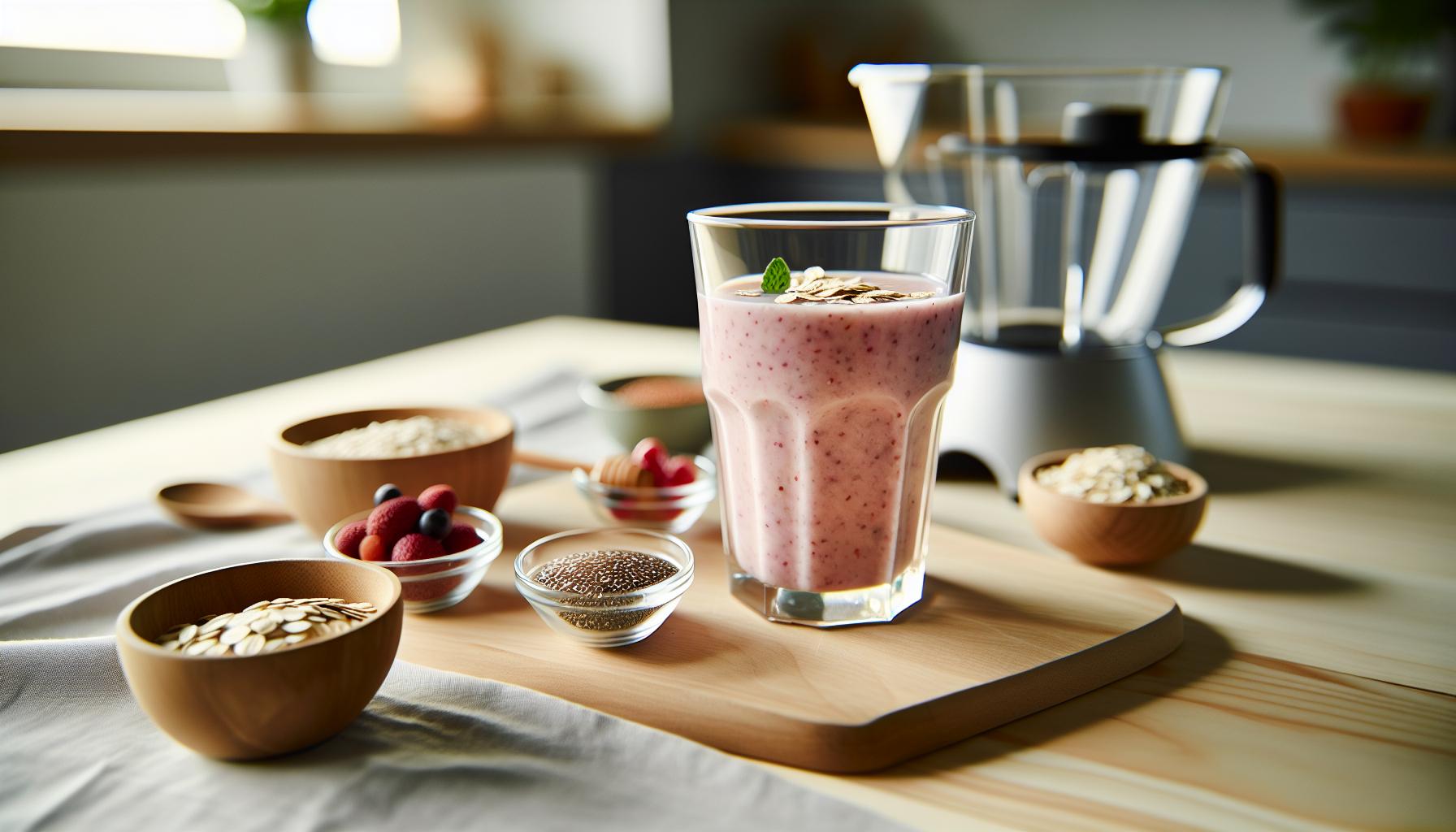
Non-Alcoholic Beer and Better Hydration Alternatives
Choosing beverages that support both your hydration and well-being during breastfeeding can feel like a delicate balance. Non-alcoholic beers offer a gentle option for moments when you crave that familiar taste without introducing alcohol to your system. These drinks typically contain very low alcohol levels—often less than 0.5%—which is generally safe for nursing moms when consumed mindfully. Still, it’s critically important to check labels carefully, as “non-alcoholic” doesn’t always mean alcohol-free. If you opt for non-alcoholic beer, pairing it with plenty of water supports hydration, which is crucial since even small amounts of alcohol or fermented drinks can have a mild diuretic effect.
Beyond non-alcoholic beers, richer hydration alternatives can nurture your body and boost milk quality without compromising safety. Herbal infusions featuring lactation-supportive herbs like fenugreek, nettle, and blessed thistle create comforting rituals while gently encouraging milk supply. These herbs have been cherished through generations across many cultures and can be sipped throughout the day or reserved for moments when you’d typically reach for a social drink. keep in mind that introducing herbs slowly and paying attention to how you feel helps you avoid any sensitivities or digestive upset—a perfect example of honoring your body’s unique postpartum needs.
Refreshing Hydration Recipes to Nourish You and your milk Supply
- Fenugreek & Lemon Herbal Tea
Ingredients: 1 teaspoon fenugreek seeds, juice of ½ lemon, 1 cup hot water
Preparation: Steep fenugreek seeds in hot water for 10 minutes. Strain, add lemon juice, and enjoy warm or chilled.
Note: Fenugreek can mildly influence milk production and mood, but avoid excessive daily use (limit to 1-2 cups). - Nettle & mint Cooling Infusion
Ingredients: 1 teaspoon dried nettle leaves, a few fresh mint leaves, 1 cup boiling water
Preparation: Steep the herbs for 8–10 minutes. Serve over ice or warm as preferred.
Benefits: Nettle is rich in iron and minerals that replenish postpartum stores, while mint adds digestive comfort. - Hydrating Cucumber & Ginger Cooler
ingredients: 1 cucumber slice, 1 small piece fresh ginger, juice of ½ lime, 1 cup water
Preparation: Muddle cucumber and ginger gently, add lime juice and water. Chill and sip throughout the day for gentle hydration and anti-inflammatory support.
By creating these mindful drink moments, you weave nourishing care into your breastfeeding journey. staying hydrated supports your milk supply and energy,so balance these choices with quiet self-compassion. If craving a social experience, try non-alcoholic beer accompanied by one of these herbal companions, and always listen to your body’s rhythms. Small, mindful sips—whether herbal or bubbly—can brighten your days without worry, helping you feel fully supported in this tender season of motherhood.
Herbal Teas and Natural Drinks to Support Milk Supply
Many nursing moms find herbal teas and natural drinks to be a soothing, nourishing way to support their milk supply while embracing gentle postpartum self-care. Herbs like fenugreek, nettle, and blessed thistle have long been staples in lactation traditions around the world, valued not only for their potential to promote milk production but also for their calming, mineral-rich properties that replenish the body after birth. These herbal infusions offer a natural alternative to beer myths while providing hydration and comfort without alcohol’s unpredictable effects on breastfeeding.
Starting herbal rituals with simple blends allows you to tune into your body’s unique postpartum needs. It’s important to introduce herbs gradually and observe how you and your baby respond, as individual tolerance can vary. Remember, these teas are not magic potions but supportive companions—hydration, rest, and emotional wellness remain key pillars for good lactation. Preparing your own infusions also creates precious moments of calm, a chance to pause and honor your motherhood journey with gentle intention.
Simple Herbal Teas to Encourage Milk Supply and Well-Being
- Fenugreek & Lemon Herbal Tea
Ingredients: 1 teaspoon fenugreek seeds,juice of ½ lemon,1 cup hot water
Preparation: Steep fenugreek seeds in hot water for 10 minutes. Strain, add lemon juice, and enjoy warm or chilled.
Guidance: Fenugreek is perhaps the most popular galactagogue, meaning it may encourage milk flow. Start with 1 cup daily and do not exceed 2 cups to avoid digestive upset or unpredictable milk changes. - Nettle & Peppermint Cooling Infusion
Ingredients: 1 teaspoon dried nettle leaves,a few fresh peppermint leaves,1 cup boiling water
Preparation: Steep herbs for 8–10 minutes. Serve warm or over ice.
Benefits: Nettle is rich in iron and trace minerals critical for energy and postpartum recovery. Peppermint gently soothes digestion but can sometimes reduce milk supply,so monitor your response. - Blessed Thistle & Orange Peel Tea
Ingredients: 1 teaspoon dried blessed thistle, small piece dried orange peel, 1 cup boiling water
Preparation: Steep for 8 minutes, strain, and sip slowly.
Expert Tip: Blessed thistle is traditionally used to support healthy lactation, often combined with fenugreek for enhanced effects.
Safety and Self-Care with Herbal Choices
While many herbs are gentle,not all are appropriate for every mom or baby. If you have allergies, a history of hormonal conditions, or are on medications, it’s wise to consult your healthcare provider before adding new herbs. Avoid herbs contraindicated in pregnancy if you continue to nurse an infant under six months, and always observe your baby for any changes in feeding patterns or behavior.Using these natural drinks to support milk supply aligns beautifully with a holistic postpartum recovery—honoring ancient wisdom alongside modern knowledge. Drinking warm herbal teas can be a soothing ritual to reclaim a sense of calm amidst the whirlwind of early motherhood, helping you nurture both your body and your baby with kindness and care.
Simple DIY Lactation smoothies and Recipes
Nourishing your body with gentle, homemade smoothies can be a delightful way to support lactation without relying on beer or alcohol-based myths. these recipes blend carefully selected ingredients known for their galactagogue properties—foods and herbs believed to help encourage milk production—while also providing the vitamins, minerals, and hydration essential to postpartum healing and vibrant energy. Making these smoothies at home offers a moment to slow down, celebrate your strength, and honor your body’s unique journey through breastfeeding.
Each recipe listed here balances supportive ingredients like oats, flaxseed, and leafy greens with lactation-friendly herbs such as fenugreek and blessed thistle. Start slowly, paying attention to how your milk supply and mood respond, becuase every mother’s experience with herbs and foods can vary. These smoothies also work beautifully as snacks or light meals during busy days when nourishing yourself feels extra challenging. They’re free from alcohol, so you can sip with confidence anytime.
Oat & Banana Smoothie for Milk Flow
- Ingredients: ½ cup rolled oats (soaked 10 minutes), 1 ripe banana, 1 tablespoon ground flaxseed, 1 cup almond milk (or preferred milk), 1 teaspoon honey (optional), pinch of cinnamon.
- Preparation: Blend soaked oats, banana, flaxseed, milk, honey, and cinnamon until smooth.
- Benefits: Oats are rich in iron and fiber, which can help replenish postpartum energy and support healthy lactation. Flaxseed provides omega-3 fatty acids critically important for baby’s brain development and hormone balance.
Green Goddess Lactation Boost
- Ingredients: 1 cup spinach or kale (packed),1 small apple (chopped),½ avocado,1 teaspoon fenugreek powder,1 cup coconut water,juice of ½ lemon.
- Preparation: Blend all ingredients until smooth and creamy.
- Guidance: Fenugreek has a long history as a lactation aid; however, some moms may find it affects their milk flavor. Introduce gradually and watch baby’s reaction.
Warm Spiced Lactation Smoothie
- Ingredients: 1 cup oat milk, 1 tablespoon roasted almond butter, 1 teaspoon ground ginger, ½ teaspoon turmeric, 1 teaspoon honey, 1 teaspoon blessed thistle infusion (cooled).
- Preparation: Warm oat milk gently (do not boil). Blend warmed oat milk with remaining ingredients until smooth.
- Benefits: Ginger and turmeric help ease digestion and inflammation, while blessed thistle traditionally supports milk production. Almond butter adds protein and healthy fats for sustained energy.
| Ingredient | Supportive Role | Notes |
|---|---|---|
| Oats | Rich in iron and fiber, may help improve milk volume | Soaked oats are easier to digest postpartum |
| Fenugreek | Common galactagogue with potential to boost milk supply | Can alter taste of milk; start with small amounts |
| Flaxseed | Provides omega-3s and fiber | Ground flaxseed optimizes absorption |
| Blessed Thistle | Traditionally supports lactation and digestion | Use as infusion or powder carefully; consult provider if unsure |
When adding new ingredients or herbs, keep portions moderate and space out intake to observe effects on both you and your baby. Listening deeply to your body’s signals during this sensitive postpartum phase is the most nurturing advice. These nourishing blends help you take care of yourself,fueled by wisdom passed down through generations,in a form that feels fresh and comforting today. Embrace the process with patience and pride, knowing every small step supports your breastfeeding journey—mindfully, confidently, and lovingly.
Listening to Your Body: Individual Variations in Alcohol Tolerance
Every mother’s body dances to its own rhythm—especially in the postpartum months when hormones, sleep cycles, and emotional currents are in constant flux. This unique physiology means that how alcohol affects lactation and your baby can differ widely. Some moms find that a small sip of beer or a glass of wine has little to no impact on their milk supply or their mood, while others notice shifts in milk flow, taste, or their own energy and emotional balance. Paying close attention to these nuances lets you care for yourself and your baby with kindness and wisdom, rather than following rigid rules or myths.
It’s important to remember that alcohol passes into breastmilk in similar concentrations as in your bloodstream, but the timing, quantity, and your body’s metabolic rate shape how much reaches your baby. Factors like your body weight, diet, hydration level, and even genetics influence alcohol processing speed. for example, a mom with a slower metabolizing rate might notice feeling tipsy longer and milk supply changes more quickly than another nursing parent drinking the same amount. Honoring these differences means trusting your intuition and pacing alcohol intake based on your personal experience,not comparing to others.
Practical Tips for tuning into Your Body’s Signals
- Start low and slow: If you choose to enjoy a beer or alcoholic beverage, begin with a small amount and track how you feel physically and emotionally over the next few hours.
- Observe milk patterns: Notice if your milk flow feels fuller or lighter and if your baby’s feeding behavior or mood changes afterward.
- Hydrate and nourish: Drinking plenty of water before and after alcohol can definitely help your metabolism and reduce dehydration, which can affect lactation.
- Time your feeds: Plan your nursing sessions to allow at least 2–3 hours after a drink before feeding baby again, giving your body time to clear alcohol from your milk.
- Honor rest and mood changes: Be gentle with fluctuating emotions or fatigue levels, which alcohol can sometimes amplify postpartum.
Listening Beyond the Physical
Motherhood is an emotional and hormonal journey, and alcohol can interact in complex ways with postpartum anxiety, mood shifts, and stress. Some moms find comfort in social sipping, while others feel unsettled or irritable afterward. Your emotional safety is just as critically important as your physical well-being. When in doubt, leaning into supportive self-care practices—like relaxing herbal teas or nurturing smoothies—can honor your body’s needs without compromise.
| Factor | Impact on Alcohol Tolerance & Lactation | helpful Advice |
|---|---|---|
| Body Weight & Metabolism | Heavier or faster metabolisms can clear alcohol quicker | Adjust drink size; monitor personal reactions closely |
| Hydration & Nutrition | Dehydration worsens alcohol effects and may reduce milk supply | Drink water and eat balanced meals before drinking |
| Hormonal Fluctuations | Postpartum changes can alter mood and tolerance | Track emotional shifts and rest when needed |
| Genetic Variability | Differences in alcohol processing enzymes affect impact | respect your individual limits; avoid comparisons |
| Baby’s Sensitivity | Infants vary in reaction to alcohol in milk | Observe baby’s feeding, sleep, and behavior carefully |
Ultimately, your wisdom as a mother, combined with gentle observation and patience, creates the safest and most loving feeding habitat. There’s no one-size-fits-all approach—only your unique journey, supported by knowledge and grace. If you ever feel uncertain, reach out to trusted healthcare providers or lactation consultants who honor your values and focus on your well-being alongside your breastfeeding goals.
When to Avoid Beer: Medical and Emotional Warning Signs
Many breastfeeding moms cherish the occasional sip of beer as a moment of relaxation or social connection. Yet,there are times when it’s safest to set the glass aside altogether. Recognizing the signs that suggest avoiding alcohol can protect both your well-being and your little one’s health during this vulnerable season. Alcohol doesn’t only affect milk supply and taste—it can also influence your emotional balance, physical healing, and the baby’s sensitivity in ways that deserve gentle attention.
Certain medical conditions and postpartum stages call for heightened caution. If you’re still recovering from birth trauma—such as perineal tears, cesarean incision healing, or severe fatigue—it’s wise to avoid alcohol until your body has more strength. Alcohol can impair wound healing and amplify exhaustion, making recovery longer and more uncomfortable. Likewise, if you have postpartum depression or anxiety, even small amounts of alcohol may worsen mood swings or interfere with medications prescribed to support you. Your emotional safety is just as critical as physical health, so tuning in to how alcohol shifts your feelings is important.
Babies vary widely in how they react to even small traces of alcohol in breastmilk. Premature infants, those with health challenges, or very young newborns are especially vulnerable and may show fussiness, sleep difficulties, or feeding troubles after maternal drinking. If you notice any changes in your baby’s behavior following your alcohol intake, it’s best to pause and reassess. Trust your intuition and observe carefully as your little one’s sensitivity can guide your choices better than any rulebook.
Signs You Might Want to Skip Beer for Now
- Physical recovery is ongoing: Healing from delivery is fragile; alcohol slows this process
- Medication use: Any prescription (especially for mood,pain,or infection) may interact harmfully with alcohol
- Mood instability: Feelings of anxiety,depression,or irritability increase with alcohol consumption
- Baby’s reaction: Increased fussiness,poor feeding,or unusual sleep patterns seen after you drink
- Breastfeeding challenges: Meaningful drop in milk supply or milk taste changes that baby rejects
Listening Deeply to Your Body and Baby
Remember,avoiding alcohol is not a failure or deprivation but a form of loving self-care during an exquisitely delicate time.Some moms find that taking a break from beer supports clearer milk flow and helps stabilize hormones delicately shifting postpartum. Others choose non-alcoholic alternatives or herbal blends to honor social rituals and still nourish themselves. Celebrate your unique rhythm and don’t hesitate to lean on trusted healthcare providers for personalized guidance, especially if medical or emotional concerns arise.
By honoring these warning signs—physical, emotional, and relational—you create a safe bubble where both you and your baby thrive. This means your choices around beer or any alcohol reflect kindness, respect, and deep listening to the beautiful complexity of motherhood’s journey.
| warning Sign | Why It Matters | Helpful Next Steps |
|---|---|---|
| Healing from birth trauma | Alcohol impairs tissue repair and increases fatigue | Delay alcohol until medical provider confirms healing milestones |
| Taking medication | Possible negative interactions with alcohol affect safety | Consult your pharmacist or doctor before drinking |
| Mood instability postpartum | Alcohol can exacerbate anxiety or depression symptoms | Monitor feelings, seek mental health support if needed |
| Baby shows sensitivity | Infant fussiness or feeding disruption signals intolerance | Pause alcohol intake and track baby’s behavioral changes |
In the realm of motherhood, grace is found in knowing when to say “not now.” Your attentive self-care invites healing and creates a nurturing space for your baby to flourish without compromise.
Expert Tips for Balancing Social Life and Breastfeeding
Finding a comfortable rhythm between enjoying social moments and honoring your breastfeeding journey can feel like a delicate dance. It’s entirely possible to nurture your well-being and relationships without compromising your baby’s health or your own healing process.The key lies in clear boundaries, thoughtful planning, and tuning in to your body’s unique signals. Remember, choosing when and how to include alcohol—or deciding to skip it entirely—is deeply personal and valid. This space is about support, not pressure.
Start by considering timing with intention. Alcohol takes time to clear from your system—roughly 2 to 3 hours per standard drink—so spacing social events or beverages around your feeding schedule helps keep your baby safe from alcohol passing through breastmilk. For example, if you plan to have a single small beer, allow a buffer of a few hours before the next nursing session.Pumping beforehand can provide a safe stash of milk if you want extra peace of mind. This approach empowers you to enjoy social time without worry.
- Communication is your ally: Share your boundaries and needs honestly with friends or family. A simple note like “I’m nursing and watching alcohol carefully for now” invites understanding without lengthy explanations.
- Explore nourishing alternatives: Non-alcoholic beers with natural ingredients or herbal-infused sparkling waters can honor the ritual of sharing drinks in social settings, keeping hydration and mood balanced.
- Practice gentle self-kindness: Some days you may want to say no, and other times you may feel ready for a small sip. Both choices are beautiful acts of self-care, respecting your body’s healing and your emotional landscape.
Simple tips to Stay Centered During Social Events
- Plan your exit strategy: Arrive and leave on your terms, so fatigue doesn’t push you into uncomfortable territory.
- Bring a nourishing snack: Protein-rich, hydrating foods help stabilize blood sugar and mood, reducing alcohol’s disruptive effects.
- Use mindfulness tools: Deep breathing or brief moments of quiet can soothe overwhelming social energy and maintain emotional balance.
Every mother’s experience is different—one mom might find a single organic, low-alcohol beer relaxing without fuss in her baby, while another may discover non-alcoholic options are a better fit for her body and mood. Trust your intuition and honor your own pace without guilt. The heart of social connection during breastfeeding is not the drink itself but the shared laughter, support, and moments that nourish your spirit. Embrace a community that holds space for your choices, encouraging wellness in all its complex, beautiful forms.
Honoring Traditions: Cultural Perspectives on Alcohol and Nursing
Many cultures around the world hold rich and varied traditions around alcohol consumption during nursing, frequently enough rooted in long-standing beliefs about herbs, nutrition, and the social fabric of motherhood. While some customs celebrate a moderate intake of beer or fermented beverages believed to boost milk supply, others advocate abstinence or offer herbal alternatives that align with nurturing the lactating body gently and safely.Understanding these perspectives can definitely help new mothers feel seen and supported as they navigate their own choices, integrating cultural wisdom with modern health insights.
In parts of Europe and Latin America, for example, it’s common to find family recipes incorporating low-alcohol or malted beers, traditionally thought to enhance lactation through natural ingredients like barley and hops. These communities often emphasize drinking small amounts after feeding or during social gatherings, coupled with nutrient-dense foods known to support postpartum recovery. Importantly, many mothers share practical knowledge about timing—waiting several hours before nursing again to minimize alcohol exposure to the baby—echoing modern guidance on alcohol metabolism and breastmilk safety.
Cultural Traditions Meet Modern Understanding
- Herbal Enhancers: In cultures with Ayurvedic or Traditional Chinese medicine roots, herbal teas such as fenugreek, fennel, or blessed thistle are favored lactation aids, sometimes replacing alcoholic beverages altogether.
- Community and Ritual: Mealtime and social rituals including shared drinks honor kinship and maternal transition, providing emotional nourishment beyond physical sustenance.
- Respecting Boundaries: many cultures emphasize the mother’s intuition and body signals, encouraging her to decide when or whether to consume alcohol, rather than prescribing rigid expectations.
Honoring these diverse traditions with an open heart allows mothers to weave their heritage into a safely balanced postpartum lifestyle. When combined with evidence-based practices—such as limiting alcoholic intake, ensuring thoughtful timing around nursing, and choosing non-alcoholic alternatives when in doubt—this blend of old and new fosters both wellness and connection. Respecting cultural narratives also helps create a space where mothers feel empowered to embrace self-care, free from guilt and supported by community.
in this spirit, consider gathering your own nurturing recipes that echo the flavors and herbs of your background, adapted safely to postpartum needs. Whether that’s a lightly brewed barley infusion, a cooling herbal tea, or a hydrating sparkling drink, these rituals become expressions of love—for yourself, your baby, and the lineage of mothers before you.
| Traditional Practice | Common Purpose | Modern Adaptation |
|---|---|---|
| Low-alcohol malt drinks (Europe, Latin America) | Support milk production; social bonding | Strict limits on quantity; spacing from nursing times |
| Fenugreek, fennel herbal teas (Ayurveda, TCM) | Increase milk supply; soothe digestion | Careful dosing; checking for allergies |
| Fermented grain beverages (Africa, Asia) | postpartum nourishment; community party | Non-alcoholic versions; hydration support |
Remember, each mother’s path is unique—what feels healing and culturally meaningful for one may differ for another. The heart of honoring tradition is holding space for your individual experience, trusting your body, and choosing what best supports your breastfeeding journey with love and safety.
Q&A
Q: Can drinking beer ever increase breast milk supply for nursing moms?
A: Moderate beer consumption does not reliably increase breast milk supply. The myth that beer boosts lactation is mainly linked to barley’s nutrients but alcohol actually may reduce milk production. For safe alternatives, try herbal teas or lactation smoothies with oats and fenugreek, as discussed in our Herbal Teas and Natural Drinks section.Q: what types of beer are safest for breastfeeding moms if they choose to drink?
A: Non-alcoholic and low-alcohol beers are the safest options while breastfeeding. They minimize alcohol exposure to the baby and help maintain hydration. Always consume in moderation and time feeding accordingly, guided by our Safe Timing and Limits for Drinking Beer While nursing advice.
Q: How long should breastfeeding moms wait after drinking beer before nursing?
A: Wait at least 2 to 3 hours after drinking one standard beer before breastfeeding. This allows alcohol levels in breast milk to drop significantly, protecting baby’s health. Timing depends on quantity, body weight, and metabolism—see Safe timing and Limits for tailored guidance.
Q: Are there herbal or natural alternatives that mimic beer’s lactation benefits?
A: Yes,herbal teas with ingredients like fennel,blessed thistle,and anise can support milk supply safely. these natural options hydrate and nourish without alcohol risks. Try simple DIY lactation smoothie recipes featured in our article for a nurturing boost.
Q: Why is it critically important to listen to your body’s signals about alcohol tolerance during breastfeeding?
A: Individual alcohol tolerance varies widely postpartum,affecting milk production and mood. Paying attention to your body helps avoid negative effects and supports emotional well-being. Explore our Listening to Your Body section for personalized strategies and self-care tips.
A: Occasional, moderate drinking is unlikely to harm bonding but excessive use may affect mood and responsiveness. Mindful drinking and emotional awareness protect your mental health and parenting connection—see When to Avoid Beer: Medical and Emotional Warning Signs for support.
Q: What cultural traditions involve beer during breastfeeding, and how can they be adapted for safety?
A: Many cultures use beer or barley drinks in postpartum rituals to support lactation. Adapt traditions by choosing non-alcoholic options or herbal infusions that honor heritage while ensuring baby’s safety. our article section on Honoring Traditions offers thoughtful guidance on this balance.
A: Plan ahead: opt for non-alcoholic drinks, pace your intake, and use pumping to manage timing. Prioritize hydration and nutrition, and don’t hesitate to say no. Expert tips in our Expert Tips for Balancing Social Life and Breastfeeding section help you enjoy community safely and joyfully.
For more on timing, nutrition, and gentle herbal drinks to support lactation, explore the detailed sections in our article. Feel empowered to nurture yourself and your baby with mindful choices!
Closing Remarks
Navigating the world of breastfeeding and alcohol can feel overwhelming, but understanding the facts about the best beer for breastfeeding, safe alternatives, and timing can definitely help you make choices that support both your wellbeing and your little one’s health. Remember, every mom’s journey with lactation is unique—what works for one family may differ for another. If you’re curious about nourishing postpartum recipes or gentle herbal teas that complement breastfeeding, be sure to explore our [Holistic Postpartum Nutrition Guide] and [Herbal Remedies for New Moms]. These resources offer step-by-step preparation tips and safety insights that honor your healing process.
If you have questions or want personalized support, don’t hesitate to join our nurturing community by signing up for our newsletter. You’ll receive expert advice, real mom stories, and updates on safe self-care practices, helping you feel confident and connected.Your breastfeeding experience matters—to you and your baby—and we’re here to help you embrace this special chapter with clarity and compassion.Share your thoughts or favorite soothing recipes below,and let’s continue this empowering conversation together.
Make BlossomingMotherhood.Com a Preferred SourceGet our latest guides, news, and insights highlighted in your Google Search & AI Overviews.
✓ Preferred Source Added
Get our latest guides, news, and insights highlighted in your Google Search & AI Overviews.


 WARNING TO PARENTS