
Is It Safe to Drink Alcohol While Breastfeeding? The Facts
Many new mothers wonder if enjoying a drink while breastfeeding is truly safe—for both themselves and their little ones. Alcohol is known to pass into breast milk, raising concerns about its effects during this delicate postpartum time. Understanding how alcohol interacts with lactation can definitely help you make informed, gentle choices that honor your body’s healing and your baby’s well-being.Navigating motherhood brings joy alongside endless questions, especially when balancing self-care with your baby’s health.This article offers compassionate guidance, blending evidence-based insights with respect for your unique rhythm, cultural values, and traditions. You’ll find practical tips on timing, quantities, and alternatives, so you can feel confident and cared for—no judgment, just support. Whether you’re curious about occasional sips or seeking ways to nourish without worry, reading on will help you create a safe, nurturing environment both for your milk supply and your peace of mind.
Let’s explore the facts together, so you can continue embracing motherhood with strength, warmth, and wisdom.
Contents
- Understanding Alcohol’s Impact on Breast Milk and Baby
- How Much Alcohol Is Safe While Breastfeeding? Guidelines and Limits
- timing Your Drink: When to Nurse After Alcohol Intake
- Common Myths and Truths About Alcohol and Breastfeeding
- Signs Your baby Might Be affected by Alcohol
- Natural Ways to Support Milk Supply and Hydration
- Safe Non-Alcoholic Alternatives for New Moms
- Balancing Social Life and Breastfeeding with Confidence
- Expert Advice and Real Mom Stories on Drinking and Nursing
- Herbs, Supplements, and Alcohol: What’s Safe Postpartum?
- Emotional Effects of Alcohol on New Mothers and Bonding
- creating Your Personalized, Gentle Drinking Plan While Breastfeeding
- Faq
- Q: How does alcohol affect breast milk production beyond safety concerns?
- Q: Can occasional drinking while breastfeeding impact a baby’s sleep patterns?
- Q: What are the best practices for storing breast milk if I plan to drink alcohol?
- Q: Are there differences in alcohol’s effects on breast milk depending on the baby’s age?
- Q: How can I communicate with family or caregivers about my alcohol use while breastfeeding?
- Q: What non-alcoholic drinks can definitely help satisfy cravings while breastfeeding?
- Q: Why is it critically important to understand the emotional effects of alcohol on breastfeeding mothers?
- Q: How do supplements or herbs interact with alcohol during breastfeeding?
- Closing Remarks
Understanding Alcohol’s Impact on Breast Milk and Baby
It’s natural to wonder how alcohol travels through your body and what it means for your breastfeeding baby. When you drink,alcohol passes quickly into your bloodstream and then into breast milk,usually in similar concentrations as found in your blood. This means that your little one is getting exposed to alcohol,even if it’s a small amount. Because newborns and infants process alcohol much more slowly than adults, their tiny systems hold onto it longer, which can affect sleep patterns, feeding behavior, and progress, notably if exposure is frequent or heavy.
Understanding this helps you make gentle, informed choices that honor both your needs and your baby’s safety.Alcohol doesn’t stay in breast milk forever—it typically clears out at roughly the same rate it leaves your bloodstream, generally about one standard drink over two to three hours. this also means timing your feedings to minimize alcohol content can significantly reduce your baby’s exposure. Remember, even moderate drinking has subtle effects that can add up with regular consumption, so awareness and careful planning are your best friends during this gorgeous postpartum journey.
What Happens When Alcohol Enters Breast Milk?
- Transfer Rate: Alcohol concentration in breast milk closely mirrors blood alcohol levels, peaking 30 to 60 minutes after drinking.
- Baby’s Sensitivity: Infant livers metabolize alcohol more slowly, making them more vulnerable to its effects, such as disrupted sleep or reduced milk intake.
- Impact on Milk Supply: Contrary to old myths, alcohol can actually decrease milk production by inhibiting oxytocin, the hormone responsible for milk let-down.
By viewing alcohol’s impact through this nurturing lens—with kindness toward yourself as a mother balancing many roles—you can navigate these early months with both compassion and clarity. Many moms share that setting personal, flexible guidelines around alcohol helps them feel more confident, reducing anxiety about feeding choices. Trusting your intuition, combined with knowledge about timing and effects, can create a caring rhythm that supports your baby’s well-being and your emotional health.
For example,sipping a nonalcoholic herbal tea after feeding or engaging in a relaxing postpartum ritual may feel supportive when the urge to drink arises. Each mother’s path is unique, and approaching alcohol use with gentle mindfulness can foster a safe, loving environment for you and your baby.
How Much Alcohol Is Safe While Breastfeeding? Guidelines and Limits
Many new mothers wonder about alcohol’s safety during breastfeeding, balancing the desire for a modest drink with the deep obligation of nourishing their baby. The good news is that moderate,occasional alcohol use can be compatible with breastfeeding when approached mindfully and informed by a few gentle guidelines. While no amount of alcohol is absolutely risk-free, understanding limits and timing helps nurture your well-being without compromising your little one’s safety.
A practical benchmark often recommended by lactation experts is to limit intake to no more than one standard drink per occasion—this might look like a 5 oz glass of wine, 12 oz of beer, or 1.5 oz of distilled spirits. Consuming alcohol in moderation and spacing it out allows your body to metabolize the alcohol so that it’s mostly cleared from your milk by the time your baby nurses again. Remember that infant metabolism is slower, so erring on the side of caution protects your baby’s sensitive system.
- Listen to Your Body: Everyone’s metabolism is unique; some moms clear alcohol more quickly than others. Tracking how you feel and timing feedings to minimize infant exposure creates a nurturing rhythm.
- Hydrate and Nourish: Drinking plenty of water and maintaining a balanced diet supports your liver’s ability to process alcohol and preserves milk quality.
- Set Personal Boundaries: Every mother’s comfort zone differs—some find even one drink unsettling, while others feel confident with occasional moderate use. Honor your feelings without guilt.
Understanding “Standard Drink” and Safe Limits
| Type of Drink | Typical Volume | Approximate Alcohol Content |
|---|---|---|
| Wine | 5 ounces | 12% ABV (alcohol by Volume) |
| Beer | 12 ounces | 5% ABV |
| Distilled Spirits (Vodka,Whiskey,etc.) | 1.5 ounces (1 shot) | 40% ABV |
Many mothers find it empowering to set flexible, compassionate guidelines based on their lifestyle. For instance, choosing alcohol-free days, avoiding heavy drinking, or planning feeds and milk expression ahead of social events allows you to enjoy a glass when you feel ready, without stress or self-judgment. Sometimes, mothers use milk thawing or pumping to provide expressed milk when their blood alcohol is high—this is one tool among many, not a mandate.
- Real Mom Insight: “I enjoy a glass of wine with my partner on weekends. I wait 2-3 hours before nursing and make sure I’m drinking water the rest of the day. It feels like a gentle balance.”—Emily,7-month postpartum
- Expert Tip: “Avoid drinking to cope with fatigue or stress—it can interfere with mood and the vital bonding moments.”—Certified Lactation Consultant
By approaching alcohol use with kindness and knowledge, you protect your baby while embracing your own sense of joy and social connection during these transformative months. It’s perfectly natural to adjust your guidelines as you learn what feels right, each step honoring both your body’s healing and your baby’s needs.

timing Your Drink: When to Nurse After Alcohol Intake
Alcohol naturally enters breast milk in similar concentrations to the bloodstream but also clears out at a steady pace, making timing a kind and effective way to protect your baby. Your body processes roughly one standard drink every 2 to 3 hours, depending on factors like your weight, metabolism, and what you’ve eaten. Waiting at least 2 hours after a single standard drink before nursing can greatly reduce your baby’s exposure to alcohol, giving your body time to metabolize it and keeping your milk safe and nourishing.
If you’re planning to enjoy a little wine or a beer, think of your feeding schedule as a gentle dance with your body’s natural rhythms. Nursing right before you drink ensures the freshest milk for your baby, followed by a planned gap before the next feeding. If you need to feed sooner, consider pumping beforehand to have a stash ready. This thoughtful approach creates a nurturing environment that honors both your and your baby’s needs.
- Eat and hydrate well: Food slows alcohol absorption, so sipping wine with a meal and drinking plenty of water supports your liver and milk quality.
- Track your own metabolism: Some moms clear alcohol faster—note how you feel over time and adjust your nursing intervals accordingly.
- Use pumping as a tool: Express milk before drinking or after waiting a few hours to feed when your alcohol level is low.
Sample Timing Guide for Nursing After Drinking One Standard Drink
| Time After Drinking | Expected Alcohol Level in Milk | Recommended Action |
|---|---|---|
| Immediately after drinking | High | Feed first, then wait |
| 1 hour | Moderate | Prefer pumping or wait longer if possible |
| 2–3 hours | Low to negligible | Safe to nurse |
| 4+ hours | Minimal to none | Safe, optimal |
Every mother and baby duo is unique, so trust your instincts alongside these guidelines. Open, loving dialog with your support circle can ease anxiety around timing and caregiving choices. Remember, your thoughtful pacing nourishes your baby safely while nurturing your own need for community and joy—a balance worth celebrating.
Common Myths and Truths About Alcohol and Breastfeeding
It’s common to hear all kinds of advice about drinking alcohol while breastfeeding, and sorting fact from fiction can feel overwhelming. One reassuring truth is that alcohol does pass into breast milk, but not in the same concentration as in your bloodstream—it mirrors your blood alcohol level and gradually clears out as your body metabolizes it. This means that a carefully timed nursing schedule can greatly minimize your baby’s exposure, allowing you to nourish your little one while still enjoying a special treat now and then.
Many myths can add needless worry. Such as, the idea that “pumping and dumping” after every drink is essential isn’t always accurate. As alcohol leaves your milk as your blood alcohol level drops, waiting 2 to 3 hours after one standard drink before nursing can effectively protect your baby without wasting precious milk. Another myth is that any alcohol passed through breastfeeding will cause long-term harm. In reality, occasional moderate drinking with thoughtful timing is unlikely to affect healthy babies, though it’s always critically important to be attentive to your baby’s behavior and development.
- Myth: Alcohol stays in breast milk for days.
Truth: Alcohol clears within hours, depending on metabolism and quantity consumed. - Myth: Drinking kills milk supply.
Truth: Moderate drinking doesn’t reduce supply; however, heavy or frequent drinking can interfere with milk production and your baby’s feeding patterns. - Myth: Nursing right after drinking is safe if your baby doesn’t seem “affected.”
Truth: Fresh milk containing alcohol may impact infant sleep and development subtly, so timing feeds is key for safety and comfort.
Think of alcohol and breastfeeding like a gentle dance—you learn your body’s rhythms and adjust moves accordingly, without rushing or guilt. As one experienced mother shared, “I enjoy a glass of wine now and then by nursing right before drinking and then waiting a few hours.It helps me relax and feel connected socially without compromising my baby’s well-being.” Listening to your body and your baby’s cues alongside clear information creates a nurturing balance. Remember, every journey is unique—compassion for yourself and your choices shines brightest in challenging moments.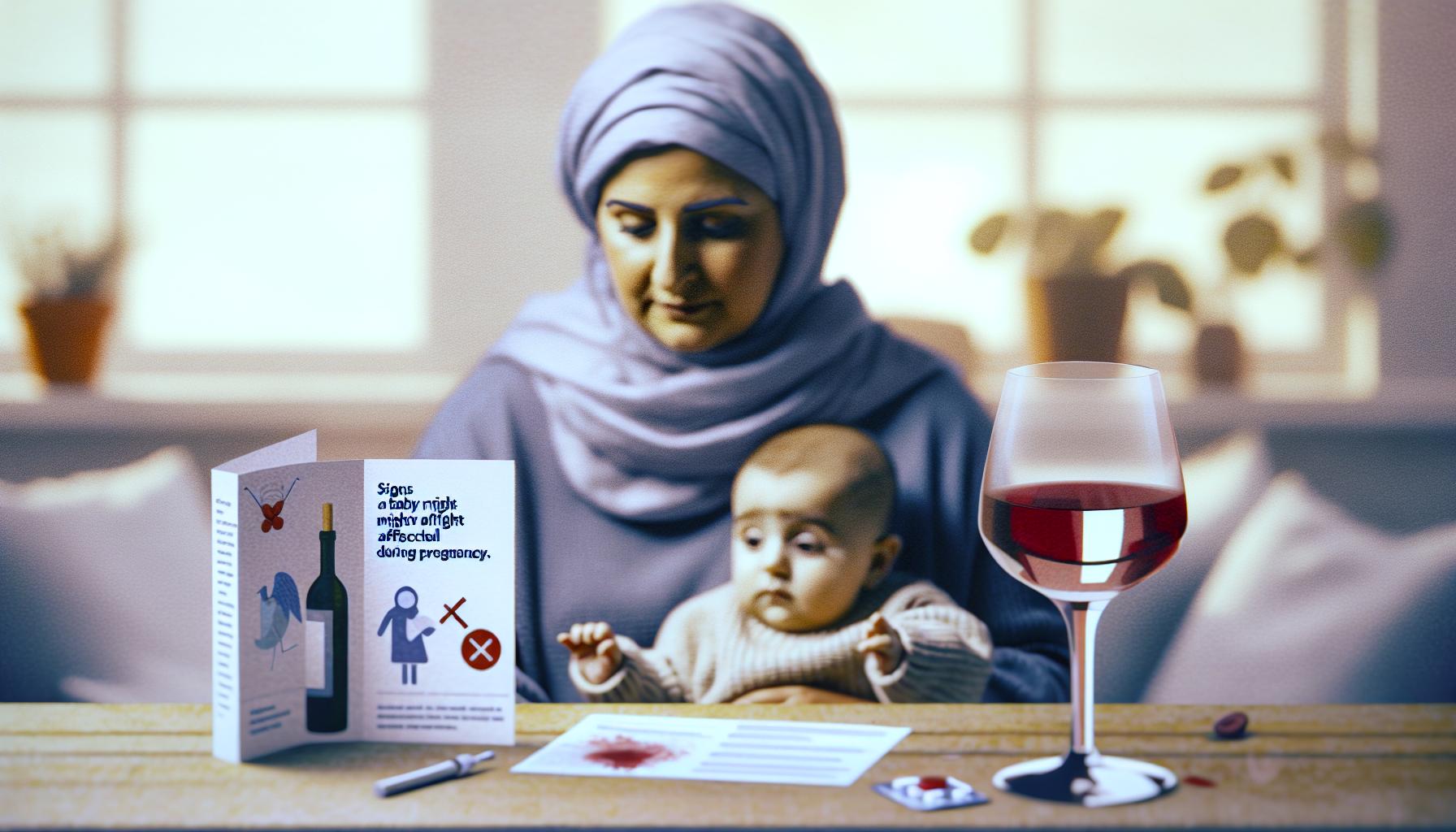
Signs Your baby Might Be affected by Alcohol
Alcohol’s subtle presence in breast milk can sometimes create changes in your baby’s behavior or well-being—signs you may not expect but are critically important to recognize. since every infant is unique, their responses vary, but knowing what to watch for helps you gently tune into their needs and adjust your nursing routine accordingly. Trusting your maternal instincts while observing your little one’s patterns is key to keeping both of you safe and agreeable.
Some common signals that alcohol might be affecting your baby include unexpected fussiness or irritability, changes in feeding habits such as refusing the breast or shortened nursing sessions, and altered sleep patterns—perhaps your baby sleeps less soundly, wakes more frequently, or has difficulty soothing. These could be subtle and intermittent, so keep a simple journal of feeding times, moods, and sleep to notice any correlations. Sometimes babies appear more lethargic than usual or weak in their suckling reflex, which can also relate to recent alcohol exposure.
What to Look For in Your Baby’s Behavior
- Increased Fussiness: If your baby seems unsettled or cries more after feedings, especially following your alcohol intake, this may indicate mild discomfort.
- Sleep Disturbances: Altered sleep cycles—such as fragmented sleep or more frequent waking—can be a hint that alcohol is affecting your baby’s rest.
- Feeding Difficulties: Notice if your baby fusses at the breast, feeds for shorter periods, or seems sleepy during feeds, which might mean the milk quality or taste is briefly altered.
- Lethargy or Reduced Alertness: A more passive or drowsy baby than usual can suggest sensitivity to alcohol exposure, especially if coinciding with your drinking times.
Remember, these signs can have many causes unrelated to alcohol, such as normal developmental phases or minor illnesses. But if you spot patterns shortly after you have consumed alcohol, adjusting your timing or choosing alcohol-free moments to nurse can be very helpful. sharing your observations with your healthcare provider provides reassurance and tailored advice. As a seasoned mom-midwife often reminds new mothers, “You know your baby best—being gentle with yourself and your little one as you figure this out is the real win.” This space is here for you to explore these experiences without judgment, honoring the deep connection between you and your baby through each transition.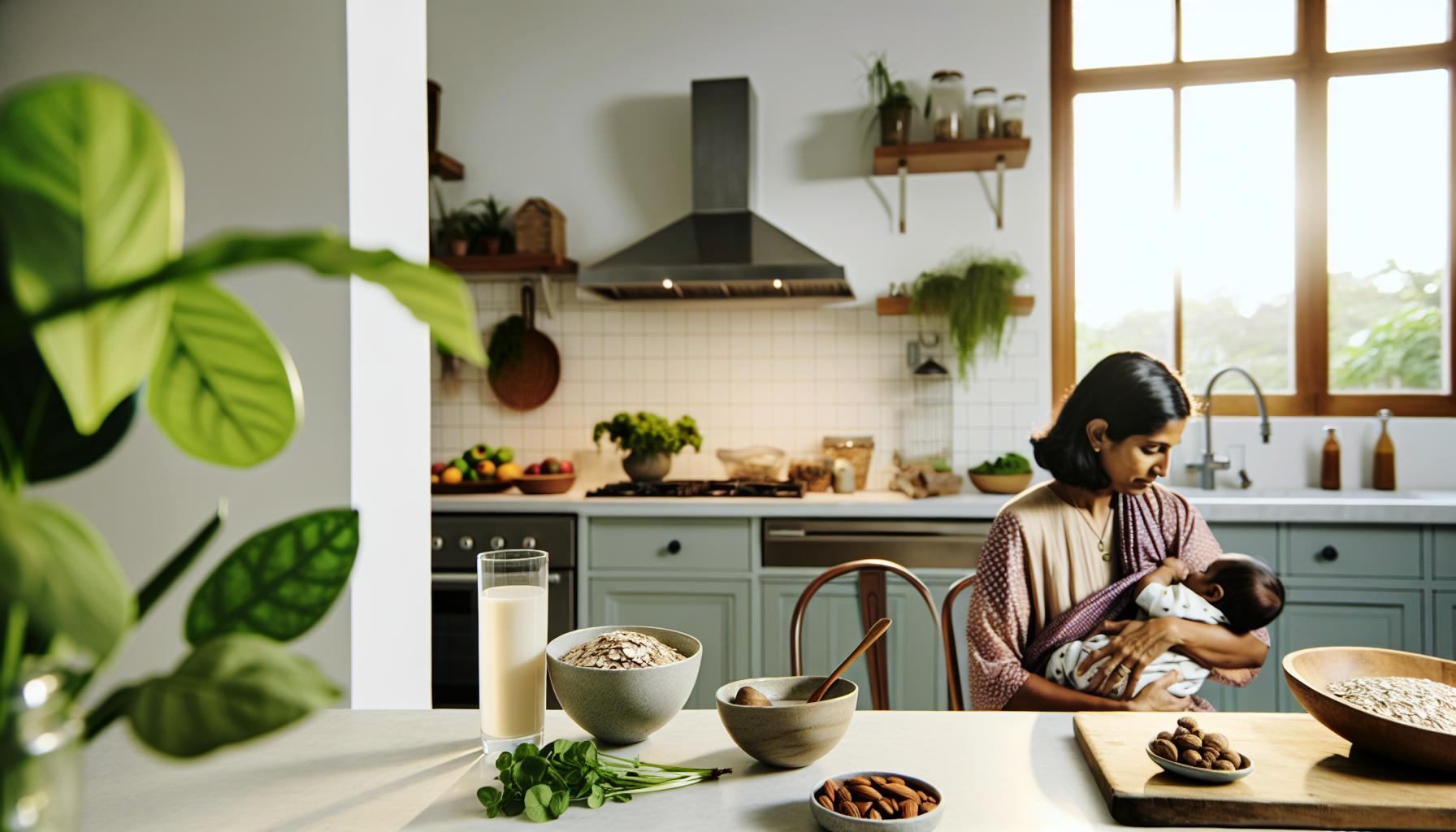
Natural Ways to Support Milk Supply and Hydration
many new moms find that their bodies respond beautifully when supported by simple, natural habits focused on nourishment and hydration.After welcoming your little one, gentle self-care is key—not only for your well-being but also to foster a steady, satisfying milk supply. Staying hydrated is especially important because breast milk is mostly water; even mild dehydration can subtly affect your milk production and overall energy. Choosing fresh, whole foods and mindful fluids can strengthen your body’s natural rhythm as it heals and nurtures.
Hydration Habits to Nourish Milk Flow
Hydration is the foundation of milk-making, but it’s less about guzzling water constantly and more about listening to your body’s needs. A helpful tip is to keep a glass of water or herbal tea near you during nursing sessions, sipping slowly and mindfully. This teaches you to hydrate in tune with your baby’s feeding cues. Besides water, herbal infusions like fennel, chamomile, and nettle can gently support hydration and digestion—plus, they offer calming moments that honor your postpartum healing.
Simple Hydrating Tea Recipe for Moms
- 1 tsp dried fennel seeds
- 1 tsp dried nettle leaves
- 1 tsp dried chamomile flowers
- 1 cup hot water
Steep herbs for 10 minutes, strain, and sip warm. Limit to 2–3 cups daily. Always check herbs with your healthcare provider if you’re nursing or have health concerns.
Foods That Gently Boost Milk Production
Wholesome meals rich in whole grains,healthy fats,and protein create the building blocks for nourishing milk. Some moms find that galactagogues—foods or herbs believed to support milk supply—help ease anxiety around milk volume. Examples include oatmeal, cooked flaxseeds, almonds, and cooked leafy greens. These ingredients not only have gentle lactation-supporting properties but also provide steady energy to manage the physical demands of motherhood.
Oatmeal Power Bowl for Milk Support
- ½ cup rolled oats
- 1 cup water or milk of choice
- 1 tbsp ground flaxseed
- Handful of chopped almonds
- Fresh berries and a drizzle of honey (optional)
Cook oats in liquid on medium until soft. Stir in flaxseed and almonds. Top with berries and honey. Enjoy warm, ideally at breakfast or as a comforting snack.
Respecting Your Unique Rhythm and Needs
Remember, each body is beautifully unique. What gently supports one mother’s lactation journey may not be the same for another. Pay attention to how your body and baby respond to different foods and fluids. Rest when you can, eat mindfully, and honor conventional practices that resonate with your culture and personal healing. Be patient with yourself—postpartum is a time of transformation, so nurturing nourishment and hydration create a loving space where your milk and your confidence can blossom naturally.
If you ever feel uncertain or notice changes in your milk supply, reach out for support—be it from lactation consultants, midwives, or trusted mom communities who can offer guidance without judgment. Your journey deserves kindness,both from others and yourself.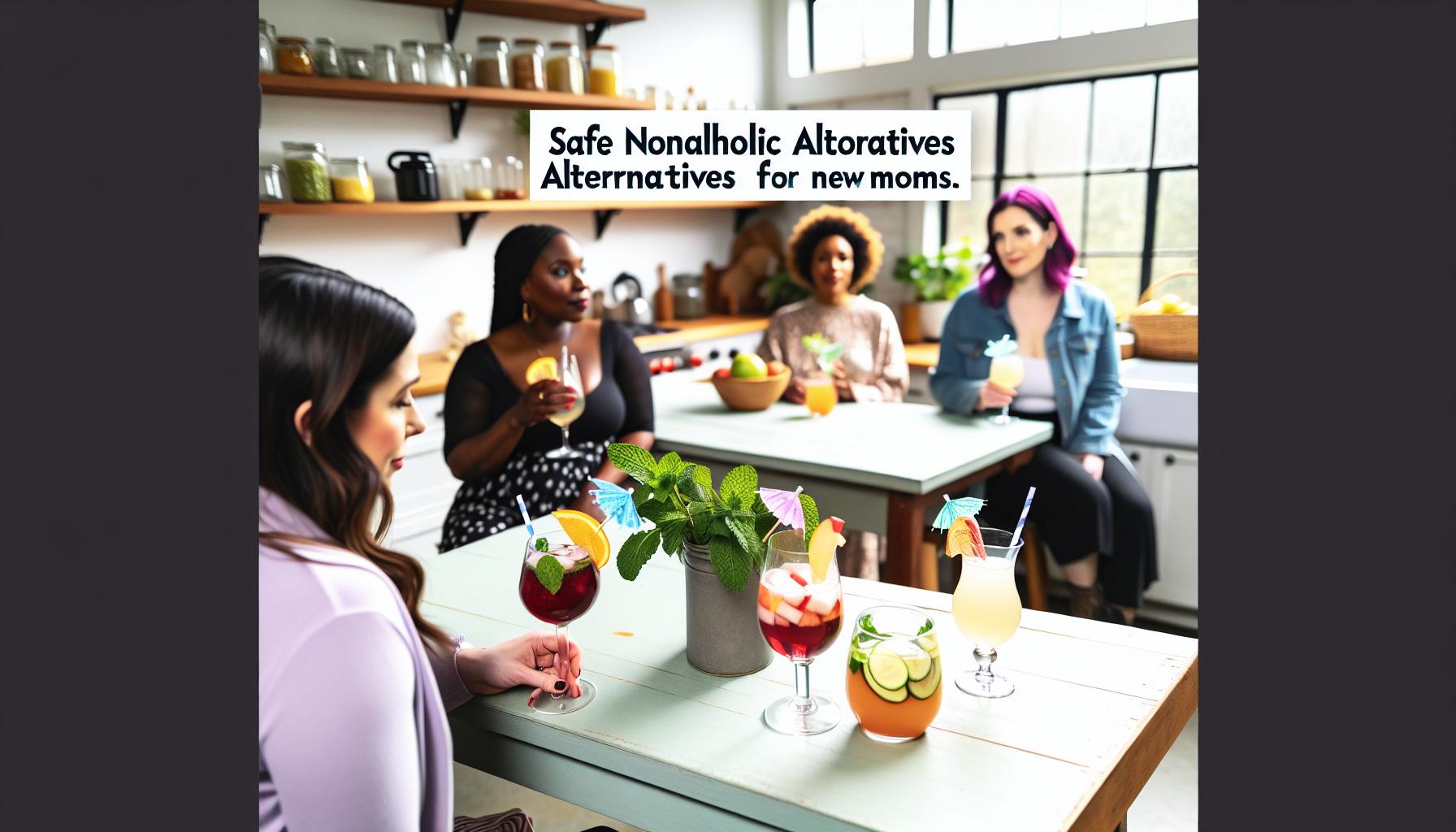
Safe Non-Alcoholic Alternatives for New Moms
Many new moms find that savoring a comforting, flavorful drink can be just as satisfying as sharing a glass of wine or cocktail, especially when breastfeeding calls for extra mindfulness. Choosing safe, non-alcoholic alternatives not only supports your body’s healing and milk production but also honors your emotional well-being amidst the whirlwind of postpartum life. These beverages can become cozy rituals—moments of calm and self-care—that nurture your spirit without compromising your baby’s safety or your milk supply.
Herbal Teas for Hydration and Calm
Herbal teas can be gentle allies for nursing mothers. Ingredients like fennel, chamomile, and nettle provide soothing warmth and hydration, and are known in many traditions to gently support milk flow. always check with your healthcare provider about herbs, as individual sensitivities and medical conditions vary. Here’s a simple, nurturing tea you can enjoy throughout the day:
- 1 tsp dried fennel seeds
- 1 tsp dried nettle leaves
- 1 tsp dried chamomile flowers
- 1 cup hot water
Steep for 10 minutes, strain, and sip slowly. Limit to 2–3 cups daily. This blend aids digestion, supports hydration, and offers a calm moment in your busy day.
Refreshing and Nourishing Smoothies
Smoothies can be a delightful way to boost energy and hydration without alcohol. Combining hydrating fruits, mild spices, and lactation-amiable ingredients creates a wholesome drink that celebrates your body’s needs. Try this easy recipe to sip between feedings:
- 1 cup coconut water (hydration and electrolytes)
- ½ cup fresh or frozen berries (antioxidants)
- 1 tbsp ground flaxseed (fiber and gentle galactagogue)
- ½ cup plain yogurt or plant-based yogurt (protein and probiotics)
- 1 tsp honey or maple syrup (optional, for slight sweetness)
Blend until smooth and enjoy right away. This smoothie supports gentle nourishment and can be tailored to your taste and dietary preferences.
Classic Non-Alcoholic Favorites with a Twist
You might miss the ritual of wrapping your hands around a glass with a fizzy or citrusy touch. Consider sparkling water infused with fresh herbs and fruit slices—it feels celebratory without the risks. Try muddling fresh mint and lime in a glass with sparkling water for a refreshing, festive drink. Or steep a little rosehip or hibiscus tea, chill it, and serve over ice for a naturally vibrant treat rich in vitamin C.
These simple,safe alternatives help keep you connected to your social moments while wholeheartedly prioritizing your baby’s health and your body’s restoration. Celebrating motherhood doesn’t need to include alcohol—there is a world of flavors and traditions to explore that soothe your body and soul, glass after glass.
Balancing Social Life and Breastfeeding with Confidence
It’s completely normal to crave social connection after welcoming a new baby, yet the journey of breastfeeding frequently enough brings a special kind of mindfulness about what we put into our bodies.navigating social events while honoring your baby’s safety and your own well-being can feel like a delicate balance, but it’s one that many moms find empowering with the right approach. Remember, you are not alone in this, and choosing to enjoy your social time without alcohol—or thoughtfully timing your intake—can preserve your confidence and peace of mind.
Many moms find it helpful to plan ahead when attending gatherings where alcohol is present. Knowing your limits and timing feeds strategically can reduce stress. For example, having a nourishing meal and hydrating with water or herbal teas before your event sets a strong foundation. If you do choose to have a drink, waiting at least 2–3 hours afterwards before nursing allows your body time to metabolize the alcohol, keeping your milk safe for baby. Some mothers carry expressed milk or formula as a backup, providing flexibility and reassurance in social moments.This simple planning honors your body’s healing postpartum and respects your baby’s delicate need for gentle care.
Tips for Confident Socializing While Breastfeeding
- Create your own signature non-alcoholic drink—sparkling water with fresh citrus, cucumber slices, or mint can feel festive without risks.
- Bring a support buddy—a trusted friend or family member who understands your choices can help ease social pressure.
- Practice gentle communication—it’s okay to say no or explain your reasons simply; true friends will respect your priorities.
- Remember that every mother’s journey is unique—what works for one might not for another.Compassion for yourself is key.
Sharing real stories from moms who have walked this path can also inspire confidence. One mom reflected, “I used to feel isolated until I discovered a sparkling water and rosehip tea blend that made me feel included at celebrations.” Another shared, “Planning my feeding and drinking times helped me relax and enjoy a friend’s birthday without worry.” These examples illuminate how gentle planning and honoring your instincts can transform social experiences during breastfeeding.
You carry not only your baby but also a world of love,resilience,and wisdom. Moving through social moments with intention fosters self-care that uplifts both you and your little one, weaving connection, joy, and safety into the rich tapestry of motherhood.
Expert Advice and Real Mom Stories on Drinking and Nursing
It’s empowering to know that many mothers navigate the delicate balance of enjoying a social drink while breastfeeding without compromising their baby’s safety. Health experts consistently emphasize that moderate alcohol, timed thoughtfully, typically poses minimal risk. the liver metabolizes alcohol at about one standard drink per two to three hours, so planning your nursing schedule around this can help keep your milk clear. Remember, alcohol does not accumulate in breast milk; instead, its concentration parallels your blood alcohol level and diminishes as your body processes it. This understanding helps many moms feel confident rather than anxious about occasional drinking.
Real-life experiences also shed light on what works in the postpartum journey. One mother shared how she found gentle reassurance simply by carrying a small stash of expressed milk or formula to social events, offering freedom to enjoy company while knowing her baby had safe feeding options. Another mom found making a habit of hydrating with herbal teas before and after a drink not only helped her metabolize alcohol more smoothly but also supported her milk supply and relaxation. These practical steps, coupled with mindful self-care, reflect the wisdom that thrives in community and open conversations, not judgment or pressure.
- Trust your body’s signals. If you feel tired or “off,” consider postponing nursing or using stored milk as a buffer.
- Use the “2-3 hour rule” after a single drink to allow your body time to clear alcohol before feeding.
- Hydrate generously with water or lactation-supportive herbal teas like fennel or raspberry leaf to nourish both you and baby.
- Build a support system with friends, family, or lactation consultants who respect your choices and offer encouragement.
Voices From the Heart: Wisdom From Fellow Moms
Many women find strength in shared stories. One mom reflected, “I felt isolated initially, worrying that a single glass of wine would harm my baby. But learning about how alcohol moves through breast milk and hearing others’ stories eased my fears.” Another noted the power of setting clear boundaries with loved ones: “Saying no was hard, but my true friends respected my choice completely. That honesty created peace.” These narratives remind us that breastfeeding and mothering involve honoring our unique rhythms and needs—sometimes that means abstaining, other times, savoring a mindful sip.
Every mother’s path is personal, filled with small decisions that add up to big love. Embracing flexibility, knowledge, and kindness—both for yourself and your baby—helps you move confidently through the postpartum months, crafting a nurturing, safe space for bonding, growth, and joy.
Herbs, Supplements, and Alcohol: What’s Safe Postpartum?
Some herbs and supplements have long been cherished for their nurturing effects during the postpartum period, especially for supporting milk supply and overall maternal wellness. Yet, when you combine these with alcohol consumption, gentle caution is key. Alcohol can interfere with the metabolism of certain herbs and supplements, which may alter their effectiveness or, in rare cases, cause unexpected side effects. It’s empowering to remember that your body is uniquely healing after birth,and tending to it with both love and knowledge makes all the difference.
Many common lactation-supportive herbs like fenugreek, fennel, and blessed thistle are generally safe when consumed in recommended amounts. These herbs are frequently enough brewed into teas that soothe and hydrate,complementing your breastfeeding routine beautifully. However, if you decide to enjoy an occasional drink, it’s best to avoid concentrated herbal extracts or supplements taken simultaneously with alcohol. Alcohol may amplify sedative effects or lead to nausea when combined with potent supplements.A simple strategy is to space out intake, sipping your herbal tea during the day and reserving alcohol for a separate, later time, always observing how your body responds.
Safe Herbal Tea Recipes for postpartum Hydration and Milk Support
- Fenugreek Milk Booster Tea
Ingredients: 1 tsp fenugreek seeds, 1 tsp fennel seeds, 1 cup boiling water
Preparation: Steep seeds in boiling water for 10 minutes. Strain and sip warm, up to 3 cups daily. Fenugreek has a mild maple-like flavor and is renowned for encouraging milk production. - Raspberry Leaf Relaxing Tea
ingredients: 1 tbsp dried raspberry leaf, 1 cup hot water
preparation: Steep for 10–15 minutes. Drink once or twice daily for uterine health and hydration, especially soothing during hormonal shifts.
Herbs and Supplements to Approach With Care
| Herb/Supplement | Considerations with Alcohol | Postpartum Advice |
|---|---|---|
| St. John’s Wort | May increase sensitivity to alcohol, cause sedation | Avoid combining; consult healthcare provider |
| Valerian Root | Enhances alcohol’s sedative effects | Best reserved for alcohol-free times |
| Lavender (oral/supplement form) | Potential mild sedation and interaction with alcohol | use cautiously, limited doses |
| Vitamin B Complex | Generally safe; may support metabolism of alcohol | Helpful to replenish nutrients postpartum |
Remember, individual responses vary widely. What feels comforting and safe for one mom may not be the same for another. Always check with a lactation consultant or your healthcare provider before introducing new herbs or supplements postpartum, especially if alcohol is in the picture. Trust your intuition, honor your body’s signals, and allow yourself grace during this intricate, beautiful phase of motherhood.
To nurture both your milk and wellbeing, pairing supportive herbal routines with mindful alcohol consumption creates a balanced rhythm. As one experienced mom-midwife shared, “I found peace in preparing my own fenugreek tea fresh each day, knowing it sustained my milk. I saved the occasional glass of wine for after I’d nursed and hydrated fully.That rhythm felt respectful to my body and my baby.” Your gentle care forms the foundation for a joyful, connected postpartum experience—one sip and one step at a time.
Emotional Effects of Alcohol on New Mothers and Bonding
New mothers frequently enough feel a delicate blend of joy, exhaustion, and vulnerability, as their bodies and hearts adjust to the profound changes of postpartum life. Introducing alcohol into this emotional landscape can influence mood and bonding in subtle ways that deserve mindful attention. While a modest drink might feel like a comforting moment of calm or social connection,alcohol is a central nervous system depressant and may alter your emotional responses,sometimes amplifying feelings of sadness,anxiety,or fatigue—common experiences in the postpartum period.
It’s important to recognize that even moderate alcohol intake can impact the sensitive dance of mother-baby bonding. your attunement to your baby’s cues—those gentle smiles, feeding rhythms, or sleepy snuggles—relies on your emotional presence and responsiveness. When alcohol affects your mood or sleep, it may make those tender moments feel a little more challenging or less intuitive. This doesn’t mean you can’t enjoy occasional drinks, but pacing yourself and prioritizing hydration, rest, and nurturing practices creates a safer, more connected experience for both you and your baby.
- Mindful Timing: Choose to enjoy alcoholic drinks when your baby is asleep or in trusted care, allowing you ample time to fully wake and engage emotionally before the next feeding or bonding session.
- Stress-Supportive Practices: Combine alcohol-free moments with gentle self-care rituals—such as warm herbal teas, soothing baths, or light movement—that support emotional balance without sedation.
- Check In With Yourself: After drinking, pause to notice any shifts in mood, anxiety levels, or physical sensations. Journaling or sharing with a trusted friend or doula can definitely help clarify whether alcohol is supporting or interfering with your emotional needs.
One mother shared, “After my third glass of wine one evening, I realized I felt disconnected the next day—more irritable and less patient. Since then, I’ve chosen to have just a single glass on rare occasions and always after my baby’s bedtime. It’s important for me to feel fully present during the daylight hours.” Such awareness helps you celebrate the joys of motherhood while honoring your healing body and heart.
creating Your Personalized, Gentle Drinking Plan While Breastfeeding
Sometimes, having a quite moment with a favorite drink can feel like a much-needed breath of fresh air during the whirlwind of new motherhood. But crafting a thoughtful, gentle approach to alcohol while breastfeeding isn’t about rigid rules—it’s about honoring your body’s healing, respecting your baby’s needs, and finding balance within your unique rhythm. Remember, alcohol does pass into breast milk, but with mindful planning and empowering choices, you can savor occasional drinks while keeping your little one safe and nurtured.
The foundation of a personal drinking plan begins with understanding how alcohol moves through your system and its timing in relation to nursing. Alcohol typically reaches peak blood concentration within 30 to 90 minutes and can linger roughly 2 to 3 hours for a standard drink, depending on factors like body weight, metabolism, and food intake. By spacing your drink to allow this natural clearance, you reduce alcohol presence in your milk, minimizing exposure for your baby.
Steps to Build Your Gentle plan
- Set Clear Intentions: Reflect on why you want to drink and how frequently enough. is it for social connection, relaxation, or celebrating milestones? Write down your intentions to keep clarity and self-kindness in focus.
- Choose Your Timing Wisely: Favor moments when your baby is about to sleep longer stretches or is with trusted caregivers. Such as, enjoying a glass of wine after your baby’s bedtime creates a safer window before nursing resumes.
- Plan for Hydration and Nutrition: Pair your drink with a full meal and plenty of water. This slows alcohol absorption and supports your overall energy and milk supply.
- monitor Your Mood and Energy: Note how alcohol affects your emotional state and responsiveness the next day. Adjust your plan accordingly, always prioritizing your baby’s wellbeing and your own recovery.
- Keep Non-Alcoholic Alternatives Handy: Herbal teas, sparkling water with fresh fruit, or adaptogenic tonics can offer ritual and relaxation without alcohol, helping you diversify your self-care toolkit.
Real Mom Insight
One mom shared, “I realized after a couple of evenings with a drink, I was less patient and energetic during daytime feedings. Now,I limit myself to a single glass about three hours before nursing,then spend extra time hydrating and journaling. Having this plan has made drinking feel like a mindful treat rather of a source of worry.” This example reflects the beauty of tailoring your approach based on honest observation and gentle self-compassion.
| Factor | Consideration | Practical Tip |
|---|---|---|
| Body Weight & Metabolism | Heavier/larger bodies may process alcohol faster. | Use hunger and hydration as cues; avoid drinking on an empty stomach. |
| Type of Alcohol | Higher alcohol by volume (ABV) means longer clearance time. | Stick to lower-ABV beverages like beer or wine instead of spirits. |
| Frequency of Intake | Frequent drinking can lead to accumulation in milk. | Limit alcohol-containing days; consider alcohol-free days to support milk supply. |
honor your cultural and personal traditions around drinking, making adaptations that work for you in this special phase. Keep conversations open with care providers or lactation consultants who welcome your questions without judgment. Creating your personalized drinking rhythm is less about perfection and more about empowerment—knowing your limits, listening kindly to your body, and weaving moments of joy safely into your postpartum journey.
Faq
Q: How does alcohol affect breast milk production beyond safety concerns?
A: Alcohol can temporarily reduce milk supply by inhibiting the let-down reflex, making breastfeeding less effective.To support healthy lactation, consider natural hydration methods and gentle nursing routines described in our article’s Natural Ways to Support Milk Supply and Hydration section. This helps maintain both quantity and quality of breast milk.
Q: Can occasional drinking while breastfeeding impact a baby’s sleep patterns?
A: Yes, even small amounts of alcohol in breast milk may disrupt baby’s sleep by causing lighter, more fragmented sleep cycles. To minimize effects, follow timing guidelines from Timing Your Drink: When to Nurse After alcohol Intake for safer feeding intervals after drinking.
Q: What are the best practices for storing breast milk if I plan to drink alcohol?
A: The safest approach is to pump and store milk before drinking, then feed stored milk to your baby while your body metabolizes alcohol. Refer to the article’s guidance on Creating Your Personalized, Gentle Drinking Plan for step-by-step tips on coordinating expression and feeding times.
Q: Are there differences in alcohol’s effects on breast milk depending on the baby’s age?
A: Yes, newborns and premature babies metabolize alcohol more slowly, making them more vulnerable. older infants process alcohol faster but caution is still important. Adjust your drinking and nursing habits accordingly, as discussed under How Much Alcohol Is Safe While Breastfeeding? Guidelines and Limits.
Q: How can I communicate with family or caregivers about my alcohol use while breastfeeding?
A: Open, honest conversations built on evidence and personal boundaries help.Share your personalized plan from Balancing Social Life and Breastfeeding with Confidence to reassure loved ones. This fosters support without judgment and helps create a safe, understanding family environment.
Q: What non-alcoholic drinks can definitely help satisfy cravings while breastfeeding?
A: Non-alcoholic options like herbal teas, infused waters, or lactation smoothies are great alternatives. Explore Safe Non-Alcoholic Alternatives for New Moms for recipes combining hydration and nurturing ingredients that support milk supply and postpartum wellness.
Q: Why is it critically important to understand the emotional effects of alcohol on breastfeeding mothers?
A: Alcohol can affect mood and bonding, potentially leading to feelings of guilt or anxiety. Recognizing this helps promote self-compassion and emotional balance, as highlighted in Emotional Effects of Alcohol on New Mothers and Bonding. Practicing mindful drinking supports both mother and baby wellbeing.
Q: How do supplements or herbs interact with alcohol during breastfeeding?
A: Some herbs and supplements may amplify alcohol’s effects or affect milk quality. Always consult healthcare providers before combining them. For safe choices and dosing,see the Herbs,Supplements,and alcohol: What’s Safe Postpartum? section to protect your baby and support your health.
For more customized guidance, explore the full breastfeeding and alcohol safety plan in our article. Remember, every mother’s journey is unique—gentle, informed choices empower you through postpartum phases with confidence and care.
Closing Remarks
Navigating alcohol consumption while breastfeeding involves thoughtful timing and understanding how it affects you and your little one.Remember, occasional, moderate choices paired with mindful planning can support both your well-being and your baby’s safety. If you’re unsure about how alcohol interacts with lactation or postpartum recovery,exploring resources like our guide on [Healthy Postpartum Nutrition] or [Safe Herbal Teas for Nursing Moms] can offer comforting,practical support tailored to your unique journey.
Every mother’s body and breastfeeding experience are beautifully individual—what feels right for you may differ from others, and that’s okay. To help you make informed, confident decisions, consider signing up for our newsletter filled with expert tips, gentle self-care ideas, and real stories from moms navigating this path. If questions remain or you want personalized support, don’t hesitate to explore our [lactation consultation services]—we’re here to walk alongside you.
Embrace this time with kindness and patience, honoring your body’s healing while nurturing your baby. Share your experiences or questions below and join our caring community where mothers uplift each other through every stage. For more on balancing postpartum health and lifestyle, dive deeper into topics like [Managing Hormonal Changes After Birth] or [Holistic Self-Care Practices for New Mothers]. Your journey matters—and we’re here every step of the way.
Get our latest guides, news, and insights highlighted in your Google Search & AI Overviews.


 CRITICAL DEVELOPMENT WINDOW