
Teas Safe for Breastfeeding: Soothing Options for Moms
Did you no that sipping certain herbal teas can offer gentle comfort and support during breastfeeding, without risking your baby’s health? Navigating postpartum can feel overwhelming, and finding safe, soothing options to nurture yourself while feeding your little one is crucial.This guide explores teas that are not only safe for breastfeeding moms but also crafted to ease common challenges like stress, digestion, and milk flow.
Here, we honour the unique journey of motherhood with warmth and care—celebrating your strength while acknowledging the tender, sometimes tricky moments of postpartum. You’ll find practical, easy-to-follow recipes, clear ingredient lists, and friendly advice on timing and dosage, all chosen to respect your body’s healing and your baby’s well-being. Whether you’re drawn to time-honored herbal traditions or curious about modern evidence-based tips, this gentle guide offers nurturing choices without pressure or judgment.let’s create a cozy space to support your self-care, calm your worries, and celebrate the stunning complexity of this breastfeeding chapter together.
Contents
- Safe Herbal Teas to Soothe Breastfeeding Moms
- How Herbal Ingredients Affect Milk Supply
- preparing and Brewing Teas for Optimal Benefits
- Timing and Dosage Guidelines for Postpartum Teas
- Alleviating Common Nursing Discomforts with Tea
- Holistic Benefits Beyond Breastfeeding Support
- Cautions: Herbs and Teas to Avoid While Nursing
- Incorporating Teas into Your Nourishing self-Care Routine
- Real Mom Stories: Tea Rituals That Comfort and Connect
- Expert Tips for Choosing Quality, Safe Tea Blends
- Faq
- Q: How can I safely incorporate new herbal teas into my breastfeeding routine? A: Start by introducing a small amount of the new herbal tea once daily, monitoring both your baby and yourself for any reactions.Choose blends with well-known breastfeeding-safe herbs and avoid those flagged in safety cautions. Gradually increase intake only if no adverse effects appear. For guidance, explore our sections on Preparing and Brewing Teas and Herbal safety for moms. Q: What are the best herbal teas to support postpartum emotional wellness while breastfeeding?
- Q: Why should breastfeeding moms avoid caffeine in teas, and what are good caffeine-free alternatives?
- Q: How soon after childbirth can I safely drink herbal teas to aid nursing comfort?
- Q: Can herbal teas help with milk production issues without using medications?
- Q: What should I do if my baby shows a reaction after I drink an herbal tea?
- Q: Are loose-leaf teas or tea bags better for breastfeeding moms seeking soothing options?
- Q: how can I create a calming tea ritual that supports breastfeeding self-care?
- The Conclusion
Safe Herbal Teas to Soothe Breastfeeding Moms
Many breastfeeding mothers find comfort not only in the nourishing bond with their baby but also in gentle rituals that calm the mind and body.Herbal teas can become such a nurturing ally—offering warmth, hydration, and soothing benefits tailored to the unique needs of new moms. When chosen thoughtfully, safe herbal teas can ease common postpartum discomforts and enhance wellbeing without interfering with milk supply or your baby’s sensitive system.
Some timeless herbs have supported breastfeeding moms for generations because of their gentle, calming properties.For exmaple, chamomile is celebrated for its mild relaxant effects, which can ease anxiety and promote restful sleep during those exhausting early months.Likewise, rosemary in moderation offers a comforting aroma and can gently boost circulation and energy levels, helping mothers who feel fatigued. And then there’s red raspberry leaf, a classic favorite not only for pregnancy but also in postpartum recovery, as it supports uterine health and tones muscles after birth.
Simple Herbal Tea Ingredients Safe for Breastfeeding Moms
- Chamomile: Soothing and gentle, chamomile helps reduce stress and can ease mild digestive upset.
- Red Raspberry Leaf: Includes important vitamins and minerals and supports postpartum uterine recovery.
- Ginger: A natural anti-inflammatory that combats nausea and aids digestion, ideal if birth caused digestive discomfort.
- Fennel: Can help alleviate gas and colic in both mom and baby by mildly relaxing the digestive tract.
- Lavender: With calming effects that soothe the nervous system and promote better sleep.
While incorporating these herbs, it’s essential to remember that “natural” does not always mean risk-free. please always introduce new teas slowly, observing your body’s unique reactions and your baby’s response.Consulting your healthcare provider or a lactation consultant can provide personalized guidance, especially if your baby is premature, has allergies, or if you’re managing underlying health concerns.
Blending these herbs into your daily self-care moments can create a comforting ritual—a warm cup held lovingly between hands, time to pause and breathe deeply, spaces where you honor your body’s healing journey. Whether sipped from a favorite mug during a quiet afternoon or shared as part of a new evening routine,these teas hold more than nutrients—they carry the gentle intention of nurturing both mother and child.
How Herbal Ingredients Affect Milk Supply
Many moms wonder how the herbs they sip might influence their milk supply—and it’s a thoughtful question.The process of lactation is wonderfully complex, driven by hormones like prolactin and oxytocin, and nurtured through frequent, effective breastfeeding or pumping. Certain herbs are traditionally considered “galactagogues,” meaning they may help gently encourage milk production, while others support overall wellbeing without direct effects on supply. It’s important to remember that every mother’s body responds differently, and what works beautifully for one might be less noticeable for another.
Herbs like fenugreek and fennel often come up in conversations about boosting supply. Fenugreek contains compounds that mimic estrogen and may help stimulate the breast tissue to produce more milk, but it’s best used cautiously and in moderation. Fennel, with gentle digestive and anti-spasmodic properties, can soothe both mom and baby’s tummies, indirectly supporting feeding comfort and frequency—key factors for a healthy milk flow. Meanwhile, red raspberry leaf, though famous for postpartum uterine support, is less studied as a galactagogue but offers restorative minerals that can nourish the breastfeeding mom’s body during recovery.
It’s equally nurturing to recognize herbs that help balance stress and fatigue because a calm, well-rested mom often finds it easier to produce milk. Chamomile and lavender are gentle allies here, easing tension and improving sleep—though they don’t directly increase supply, their supportive role is vital.Beyond individual herbs, the art of brewing a tea ritual itself encourages relaxation and hydration, both crucial for milk production. A warm cup held with intention can create a pause, a moment of connection with your body and baby.
- Try starting with small amounts: For example, steep 1 teaspoon of dried fenugreek seeds in hot water, sipping 1-2 times daily and observing how your body responds.
- Blend thoughtfully: Combine calming herbs like chamomile with supply-supporting ones like fennel to nourish both body and mind.
- Hydration counts most: keep sipping water along with teas to maintain fluid levels that support milk volume.
Listening closely to your body and your baby’s cues remains the most reliable guide. If you find your supply shifts or your baby reacts differently, gently adjust your intake. and always lean on your healthcare provider or lactation consultant for tailored advice.In this rich, sometimes challenging postpartum journey, herbal teas can be one beautiful thread in the supportive tapestry you weave to honor your unique path.
preparing and Brewing Teas for Optimal Benefits
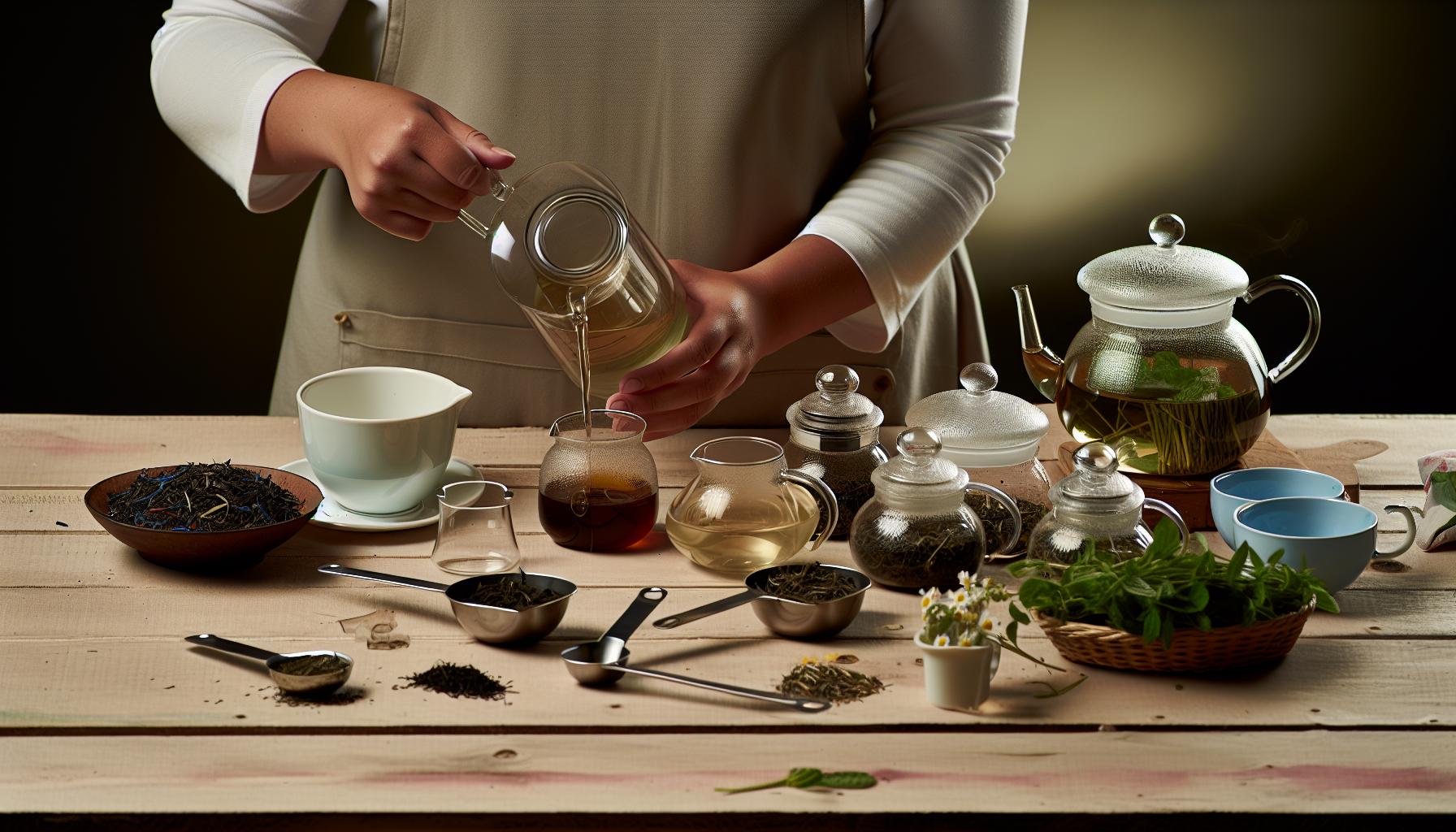
There’s a gentle magic in the way a thoughtfully brewed cup of herbal tea can cradle a new mother’s spirit. Preparing tea with care not only unlocks the herbs’ beneficial properties but also invites a moment of calm—a precious pause amid the beautiful chaos of postpartum life. For breastfeeding moms,the readiness method matters: it can influence both the potency of supportive compounds and the soothing qualities that turn tea time into self-care ritual.
Use fresh,high-quality dried herbs whenever possible. Loose-leaf options often retain more of the essential oils and nutrients than tea bags, lending a richer flavor and greater therapeutic potential. When steeping, water temperature and timing matter. Most galactagogue herbs like fenugreek, fennel, and red raspberry leaf release their treasures best in water just off the boil—around 200°F (93°C). Steeping for 8 to 10 minutes allows time for beneficial compounds to infuse fully without becoming bitter.
Simple Brewing Ritual for a Nourishing Cup
- Measure: Use 1 teaspoon of dried herbs per 8-ounce cup. For seed-based herbs like fenugreek,lightly crush seeds to unlock oils before steeping.
- Heat water: Bring fresh, filtered water to a boil, then let it cool for about 1 minute to reach ideal temperature.
- Steep: Pour hot water over herbs in a teapot or infuser. Cover the vessel to keep aromatic oils from escaping.
- Time it: Let steep for 8–10 minutes, then strain or remove the herb sachet.
- Savor slowly: Drink your tea warm, giving yourself permission to slow down and connect with your body’s needs.
Blending for balance and Comfort
Moms frequently enough find joy and greater benefit in gentle blends rather than single-herb brews. Combining a well-studied galactagogue like fenugreek with calming herbs such as chamomile creates a tea that supports milk production while soothing postpartum anxiety or tension. Start small, with half teaspoon portions of each herb, adjusting based on how your body feels and your taste preferences.
| Herb | preparation Tips | Notes |
|---|---|---|
| Fenugreek Seeds | Lightly crush before steeping; 8–10 minute steep | Can be strong in flavor—mix with sweeter herbs like fennel |
| Fennel Seeds | Crush gently before steeping; water just off boil | Soothes digestion for mom and baby, mild anise flavor |
| Red Raspberry Leaf | Use slightly cooler water (190°F); steep 8–10 minutes | Rich in minerals; good for postpartum recovery, less direct effect on supply |
| Chamomile Flowers | Use delicate flowers; steep 5–7 minutes to avoid bitterness | Calms nerves, improves sleep, gentle flavor |
Hydration is key during lactation, so alongside your herbal tea, keep water close. remember, tea isn’t just a functional beverage—it’s an invitation to nurture yourself.Create this ritual in a cozy spot, perhaps with a soft blanket or a journal to jot down feelings or breastfeeding moments. This kind of intentional brewing empowers you to honor your body’s rhythms and the tender, sometimes unpredictable flow of motherhood.
Timing and Dosage Guidelines for Postpartum Teas

Finding the perfect rhythm for sipping postpartum teas can be like tuning in to your own body’s gentle signals during this tender time. Herbal teas are supportive allies,but timing and dosage play essential roles in ensuring both safety and effectiveness.Starting with small amounts helps you become familiar with how your body responds, especially since every mother’s lactation journey and postpartum recovery unfold uniquely.
Most nourishing postpartum teas can be enjoyed safely in doses of about 1 to 3 cups per day, spaced evenly to maintain hydration and continuous herbal support. For herbs like fenugreek and fennel, which are traditionally used to gently encourage milk supply, drinking one cup mid-morning and another mid-afternoon often fits harmoniously with feeding schedules and self-care moments. Red raspberry leaf, treasured for its mineral content and uterine toning effects, is typically enjoyed in the later postpartum weeks and can be sipped once or twice daily. Chamomile, while calming and mild, is best limited to 1–2 cups daily to prevent over-sedation for sensitive individuals.
Guidelines to Keep Your tea Time Safe and Satisfying
- Start low and go slow: Begin with half a cup or a weaker brew, especially if you’re introducing a new herb. Monitor how you and your baby feel before increasing.
- Stick to recommended doses: Avoid excessive consumption. Such as, fenugreek doses typically do not exceed 2 teaspoons of seeds steeped per cup.
- Allow time for effects: herbal galactagogues may take several days to influence milk supply, so maintain consistent daily use for 1-2 weeks before adjusting.
- Listen to your body: If you notice any digestive upset, rashes, or change in milk quality, pause or reduce intake and consult a healthcare provider.
- Keep a consistent routine: Enjoy teas at calm, regular times—perhaps after morning nursing or as an afternoon pause—to support both digestion and relaxation.
timing by Postpartum Stage
| Postpartum Phase | Herbs & Timing | Dosage Tips |
|---|---|---|
| Early postpartum (0–6 weeks) | Gentle herbs like chamomile, small doses of fenugreek; focus on hydration and calming support | 1 cup daily; fenugreek limited to 1 tsp seeds per brew; avoid overstimulation |
| Subacute phase (6 weeks–3 months) | Introduce red raspberry leaf for uterine tone; fenugreek and fennel for milk support | 1–2 cups daily; fenugreek up to 2 tsp seeds; adjust based on tolerance |
| Later postpartum (3–6 months) | Maintain balanced blends; chamomile for relaxation; adjust herbs to ongoing needs | 1–3 cups daily; emphasize variety and self-care ritual rather than quantity |
Real-life experience often shows that the ritual of drinking tea at quiet moments—between feedings or during a shared pause with baby—adds to its benefits beyond physical nourishment. For some, sipping a warm cup after morning nursing not only soothes a mild postpartum chill but also gently supports milk flow for the next feeding.For others, an afternoon cup brings a welcomed break from the rhythm of care, a chance to breathe deeply and connect inwardly.
Remember: your body’s healing and milk supply are influenced by many factors—rest, hydration, nutrition, emotional support—not just herbs. use these guidelines as a supportive framework,honoring your own rhythm,and adjusting along the way. Consulting with a lactation specialist or midwife can offer personalized insights that honor your journey,culture,and unique physiology. Your self-care is sacred; let gentle sips of herbal tea be part of the loving care you gift yourself in this powerful postpartum time.
Alleviating Common Nursing Discomforts with Tea

Finding gentle, natural ways to ease common nursing discomforts can be a comforting balm during the postpartum months. Many breastfeeding moms encounter challenges such as mild breast tenderness, clogged ducts, nipple soreness, or digestive upset—small hurdles that, when addressed kindly, can deepen the joy and ease of feeding. Herbal teas, when chosen thoughtfully and brewed with care, offer nurturing relief that works both on the body and the spirit. They provide more than hydration; they deliver soothing anti-inflammatory,calmative,and lactation-supporting compounds that honor the complexity of your healing and nursing journey.
Certain herbs widely embraced in customary wisdom support breastfeeding comfort without overwhelming your system or baby. For instance, chamomile tea is known for its gentle anti-inflammatory and calming properties, helping to ease breast tenderness and promote relaxation when those nursing hours feel taxing. Similarly, fennel tea, a classic postpartum ally, may help reduce bloating and digestive discomfort for both mama and baby, supporting smoother digestion and happier tummies. For clogged milk ducts, warm compresses remain a frontline remedy, but sipping on red raspberry leaf tea can also gently support uterine and breast tissue health with its nourishing mineral profile, encouraging natural tissue tone and easing mild inflammation.
- Chamomile Tea Recipe for Nursing Comfort
Steep 1 teaspoon dried chamomile flowers in 8 ounces of hot water for 5–7 minutes.Sip slowly once or twice daily. Limit to 1–2 cups to avoid over-sedation.
- Fennel Tea to Soothe Digestion
Use 1 teaspoon crushed fennel seeds per cup. Pour boiling water,steep for 10 minutes,strain,and enjoy. Drink after meals to ease nursing-related indigestion or infant colic symptoms.
- Red Raspberry Leaf Tea for Tissue Support
Steep 1 tablespoon of dried red raspberry leaves in 8 ounces boiling water for 10 minutes. start in the later postpartum phase (6 weeks+). Drink 1–2 cups daily for mild anti-inflammatory and toning effects.
Gentle Practices to Complement Tea Support
- Combine warm tea with warm compresses for congested breasts. The gentle warmth increases circulation, while the herbs calm inflammation and support milk flow.
- Practice mindful sipping: Use tea moments as pauses to tune into your body’s needs—breathing slowly, resting briefly, and acknowledging the emotional complexity of nursing.
- Observe your baby’s reactions: Some herbs can mildly affect milk flavor or baby’s digestion, so introduce any new herbal tea gradually and watch for changes in nursing cues or baby’s comfort.
Each mother’s body and healing process is beautifully unique. What soothes one person might feel different to another, and this is perfectly okay. Embrace these humble herbal helpers as part of a loving postpartum toolkit—alongside rest, hydration, nourishing foods, and community support—that honors your journey without pressure or expectation.If nursing discomfort persists or intensifies, seeking guidance from a trusted lactation consultant or herbal-savvy healthcare provider can offer personalized wisdom and peace of mind.
| Common Nursing Discomfort | Herbal Tea(s) | Benefits & Notes | Timing & Dosage |
|---|---|---|---|
| Mild breast tenderness or inflammation | Chamomile | anti-inflammatory; calming; supports relaxation | 1–2 cups daily; steep 5–7 mins; start with weaker brew |
| Clogged milk ducts (adjunct to warm compresses) | Red raspberry leaf | Tissue toning; mineral-rich; mild anti-inflammatory | 1–2 cups daily; best after 6 weeks postpartum |
| Digestive upset (mother & baby) | Fennel | Carminative; eases bloating and gas; gentle on digestion | 1 cup after meals; steep 10 mins; limit to 2 cups daily |
Holistic Benefits Beyond Breastfeeding Support
Many breastfeeding-friendly herbal teas carry gentle benefits that ripple beyond just supporting milk supply or soothing nursing discomforts. sipping these comforting brews can also nurture your emotional well-being, calm postpartum anxiety, and gently aid digestion—a true balm for both body and soul during a beautifully complex season of change. When you take a few mindful moments with a warm cup in hand, you’re not only honoring your physical healing but also weaving a peaceful ritual that sustains your spirit through long days and sleepless nights.
Herbs like chamomile and lemon balm are treasured not just for their lactation-safe qualities but also for their calming, mood-balancing properties. These teas invite a pause—a chance to breathe deeply, ground yourself, and let go of feelings of overwhelm that often accompany new motherhood.For example,chamomile’s mild sedative effects can promote restful sleep,which we all know is precious during those early months. Meanwhile, fennel and ginger teas soothe digestion gently for both mama and baby, easing gas and bloating without harsh medicines.These subtle physical comforts often translate into emotional ease—a reminder that self-care is holistic, blending the physical and emotional into a unified nurture.
Integrating Herbal Tea Rituals into Everyday Wellness
Embracing a simple tea ritual can become an empowering act of self-kindness. Here are gentle ways to elevate your tea moments:
- Create a calming habitat: Sit down with your tea in a cozy spot, maybe with soft lighting or your favorite blanket, letting your senses slow down.
- Use your senses fully: Notice the aroma, feel the warmth of the cup, and savor each sip mindfully to ground yourself in the present.
- Celebrate cultural traditions: many mothers find connection in passing down herbal tea recipes or incorporating cultural plants—these rituals strengthen identity and community support.
- Journal or reflect: Pair your tea with a few moments of writing or gentle reflection to process emotions naturally unfolding in postpartum life.
Every mother’s experience with herbal teas is unique. what soothes one heart may feel mild for another, and that’s the beauty of listening to your own body’s wisdom. If you’re curious or cautious,consulting with a lactation consultant or herbalist familiar with postpartum care can help tailor your tea choices to your personal story—supporting you as a whole person,not just a milk-producing vessel. After all, nurturing yourself deeply lays the foundation for nourishing your baby warmly and confidently.
Cautions: Herbs and Teas to Avoid While Nursing
It’s a delicate balance when choosing herbal teas during breastfeeding—the same comforting cups that soothe and support can sometimes carry unexpected risks. While many herbs are gentle and nurturing, certain teas and plants might affect your milk supply, interact with medications, or even cause sensitivities in your baby.Approaching herbal choices with awareness helps protect your newborn while honoring your healing postpartum body.
Some herbs traditionally celebrated for other health benefits can be too stimulating or even perhaps harmful during lactation.For example, herbs like sage, parsley, and peppermint in large amounts may reduce milk production and are best limited or avoided early on if you’re concerned about supply. Others such as licorice root and pennyroyal have compounds that can be unsafe for breastfeeding infants or can cross into milk with uncertain effects.Even common spices found in teas—like star anise—may pose allergy risks or mimic estrogen-like activity, which could influence hormones during this sensitive time.
- Start slow and observe: Introduce any new tea gently, with just one small cup and watch your baby for fussiness, rash, changes in feeding patterns, or sleep disturbances.
- Avoid teas with caffeine or high caffeine content: classic black, green, or robust chai teas can disrupt baby’s sleep or cause irritability if consumed in excess.
- Be wary of blends with unknown ingredients: Many commercial “herbal” teas may include herbs like eucalyptus, comfrey, or others that lack safety data for breastfeeding and could even be toxic.
- Consult trusted professionals: Your lactation consultant, herbalist, or midwife can provide tailored advice, helping you weigh traditional wisdom with modern safety knowledge.
Because each body and baby is unique, what is perfectly safe for one mother-child pair may need to be adjusted for another. Some mamas find that teas containing chamomile or lemon balm work beautifully, while others notice sensitivity or mild allergic reactions—with no judgment attached, this gentle tuning is part of mindful self-care. If you experience any unusual symptoms or if your baby seems unsettled, pause the tea and check in with your healthcare provider.
| Herb/Tea | Potential Concerns | Recommended Action |
|---|---|---|
| Sage | May reduce milk supply if consumed in large amounts | Use sparingly; avoid early postpartum unless guided |
| Licorice Root | May affect hormones; potential risk for baby | Avoid during breastfeeding |
| Peppermint | Possible milk supply reduction in high doses | Use moderately and observe baby’s response |
| Comfrey, Pennyroyal | Potentially toxic; insufficient safety data | Avoid entirely |
by embracing careful choices and gentle experimentation, you create a safe, soothing tea practice that honors your unique postpartum journey. Remember, it’s perfectly okay to pause, ask questions, and adjust your herbal tea rituals to what feels best for you and your baby—as always, your nurturing intuition is your strongest guide.
For more on what to watch for and detailed lists of safe herbs, seek expert lactation resources or communities that celebrate motherhood’s evolving path with warmth and wisdom. Your tea time can remain a peaceful,healing space—full of connection,care,and respect for both you and your little one.
Incorporating Teas into Your Nourishing self-Care Routine

Nurturing yourself with a warm cup of herbal tea can become a gentle anchor in the swirl of new motherhood—a moment carved out just for you amid feeding schedules, diaper changes, and sleepless nights. This simple ritual not only offers hydration but also invites calm, presence, and gentle restoration, which are essential for your postpartum well-being. Integrating herbal teas thoughtfully into your daily routine can support your physical healing, soothe emotional fluctuations, and create sacred pockets of self-care, nurturing you as deeply as you nurture your baby.
Start by choosing mild, safe herbs known for their calming and milk-supportive properties, such as chamomile, lemon balm, and rooibos. Brew small batches that fit into your day without pressure—perhaps a warm mug before a feeding, after a peaceful walk, or during a quiet moment to recharge.Keep a simple “tea corner” stocked with loose herbs or trusted tea bags, a favorite cup, and a kettle nearby. This ease of access can transform drinking tea from a task into a soothing ritual that honors your needs and rhythms.
Easy DIY Calming Tea Blend
- Ingredients: 1 teaspoon chamomile flowers, 1 teaspoon lemon balm leaves, 1 teaspoon rooibos tea
- Preparation: Steep herbs in 8 ounces of boiling water for 5-7 minutes
- Dosage: 1-2 cups daily, preferably in the afternoon or early evening to promote relaxation without interfering with nighttime feeds
- Tip: Add a dash of organic honey or a slice of fresh ginger for extra soothing comfort and taste
Remember, your tea ritual is yours alone—what nourishes one mama may differ for another. Some find that sipping on a gentle fennel and anise blend eases digestion and postpartum cramping,while others simply delight in the peaceful pause a warm cup provides. Listen to your body’s signals and watch your baby’s responses, adjusting teas accordingly. If ever in doubt, consult your midwife or lactation consultant for personalized guidance that honors both tradition and safety.
Real Mom Stories: Tea Rituals That Comfort and Connect

A simple cup of herbal tea has woven itself into many mothers’ postpartum routines as more than just a comforting drink — it becomes a quiet ritual, a moment of pause that nurtures both body and soul amid the whirlwind of new motherhood. For Anna, a first-time mom from Oregon, her evenings were gently anchored by a warm cup of chamomile and lemon balm tea. She found it not only eased her racing mind after long days but also helped soothe her tender perineum discomfort. “It was my little sacred pause,” she shares, “a reminder to breathe, to connect with my own healing while breastfeeding.” These intimate tea moments became part of her daily rhythm, offering calm in the chaos and a feeling of self-kindness.
Mothers often discover that the right tea blend can be incredibly personal, shaped by cultural traditions, taste preferences, and individual body responses. One mom from Texas swears by a fennel and anise infusion to gently relieve digestion issues postpartum, a tradition passed down through generations. Another participant in a local breastfeeding group described how rooibos tea’s naturally sweet, caffeine-free profile fit perfectly into her late-night feeding routine, soothing her and providing hydration without interrupting sleep. These shared experiences highlight how herbal teas become a bridge—connecting the physiological needs of lactation support with emotional comfort and a sense of community.
Creating Your Own Tea Ritual
If you’re ready to find your own comforting blend, here’s a simple guide inspired by real mom practices to get started:
- Listen to Your Body: Begin with mild, breastfeeding-safe herbs like chamomile, lemon balm, rooibos, or fennel. Notice how your body and baby respond.
- Set a Cozy Moment: Choose a time that feels restful—perhaps mid-afternoon when energy dips or shortly before bedtime to unwind.
- Prepare with Intention: Use fresh or quality loose teas; steep for 5-7 minutes in boiling water, then savor slowly. Add a touch of honey or fresh ginger if it resonates with you.
- Share and Connect: Invite a partner, friend, or fellow mom to join your tea time either in person or virtually. rituals become richer when shared, offering emotional support and gentle encouragement.
as one seasoned mama midwife advises, “Your tea ritual is a form of self-respect and nourishment.It’s not just about boosting milk—it’s about honoring your transition, your feelings, and your healing. Be patient and kind to yourself. every sip is a step forward.” Through these tender tea moments,breastfeeding moms find not only physical relief but a warm connection to themselves and their motherhood journey.
Expert Tips for Choosing Quality, Safe Tea Blends

Choosing the right herbal tea blend during such a tender postpartum time is both an art and a mindful practice. Quality matters deeply—not only for taste but for safety and nurturing healing. Look for teas crafted from organically grown herbs, free from pesticides and additives. When possible, opt for loose leaves rather than pre-packaged tea bags; this allows you to observe the purity of the herbs and adjust quantities more easily for your body’s response. Trusted brands that specialize in herbal wellness for nursing moms often provide blends thoughtfully balanced to support lactation and soothe postpartum discomfort without overstimulating the body.
Think about sourcing teas that highlight gentle, well-researched herbs like chamomile, lemon balm, rooibos, or fennel, each celebrated for their calming and nourishing properties. Always double-check that the herbs included are recognized as safe in breastfeeding, since some can interfere with milk supply or affect your baby. For personalized care, keep a simple herbal tea journal—note the flavors you enjoy, any changes you notice in your milk supply or mood, and how your baby responds. This self-awareness empowers you to tweak your blends confidently, honoring the unique rhythm of your postpartum journey.
Tips for Selecting and Preparing Safe Herbal Teas
- read Ingredients Closely: Avoid blends with unknown exotic herbs or added stimulants.Simple, single-herb teas or blends designed for breastfeeding provide reassurance.
- Seek Organic or Wildcrafted: Herbs grown without chemicals reduce exposure to toxins, supporting both your healing body and your baby’s developing system.
- Purchase from Reputable sources: Specialty herbal shops, local apothecaries, or trusted online brands with clear sourcing and testing practices ensure higher quality.
- steep Correctly: Use fresh boiling water and steep for 5-7 minutes to unlock gentle beneficial compounds without extracting bitterness.
- Start Small: Begin with one cup a day, observing how you and your baby respond before increasing quantity.
Some moms find it helpful to create their own blends, layering herbs that suit their taste and needs. For example, a calming postpartum brew might combine equal parts chamomile and lemon balm with a hint of fennel for digestion. A warm cup of rooibos offers antioxidant support and naturally caffeine-free hydration for sleepy evening feeds. By nurturing your tea ritual with attentive choices and gentle experimentation, you cultivate a soothing, safe, and deeply personal source of postpartum comfort. Remember—the best tea is the one that feels right for you and supports your wellbeing without pressure or expectation.
Faq
Q: How can I safely incorporate new herbal teas into my breastfeeding routine?
A: Start by introducing a small amount of the new herbal tea once daily, monitoring both your baby and yourself for any reactions.Choose blends with well-known breastfeeding-safe herbs and avoid those flagged in safety cautions. Gradually increase intake only if no adverse effects appear. For guidance, explore our sections on Preparing and Brewing Teas and Herbal safety for moms.Q: What are the best herbal teas to support postpartum emotional wellness while breastfeeding?
A: Herbal teas like lemon balm, chamomile, and lavender gently promote relaxation and stress relief without impacting milk supply. These calming options can ease postpartum anxiety and support restful sleep.Incorporate them into your self-care rituals,as detailed in Holistic Benefits beyond Breastfeeding Support,to nurture your emotional wellness safely.
Q: Why should breastfeeding moms avoid caffeine in teas, and what are good caffeine-free alternatives?
A: Breastfeeding moms should limit caffeine to prevent irritability or sleep disturbances in babies. Opt for caffeine-free herbal teas such as rooibos, peppermint, or ginger, which soothe digestion and support hydration without caffeine risks. Our article’s Cautions and Tea Preparation sections explain safe substitutions and benefits.
Q: How soon after childbirth can I safely drink herbal teas to aid nursing comfort?
A: Generally, herbal teas can be introduced once breastfeeding is well established, around 2-4 weeks postpartum. Begin with small doses to gauge comfort and efficacy. Refer to the Timing and Dosage Guidelines for Postpartum Teas to understand best practices for integrating teas in your early nursing journey.
Q: Can herbal teas help with milk production issues without using medications?
A: Certain breastfeeding-safe herbs like fenugreek and blessed thistle are traditionally used as natural galactagogues to gently support milk supply. Use these teas alongside proper nursing techniques.Our How Herbal Ingredients Affect Milk Supply section highlights safe, effective options for moms seeking natural support.
Q: What should I do if my baby shows a reaction after I drink an herbal tea?
A: If your baby shows fussiness, rash, or digestive changes after you consume herbal tea, stop drinking that tea instantly. Consult your healthcare provider and track any symptoms. Always reintroduce teas cautiously, as shared in Preparing and Brewing Teas, ensuring gentle care for both you and your baby.
Q: Are loose-leaf teas or tea bags better for breastfeeding moms seeking soothing options?
A: Loose-leaf teas frequently enough offer fresher, higher-quality herbs, preserving more active components beneficial for postpartum wellness. however, tea bags provide convenience and consistent dosing. Choose organic, reputable sources and refer to Expert Tips for Choosing Quality, Safe Tea Blends to make informed decisions.
Q: how can I create a calming tea ritual that supports breastfeeding self-care?
A: Craft a daily tea ritual by selecting safe, soothing blends like chamomile or lemon balm. Brew mindfully using the Preparing and Brewing Teas for Optimal Benefits guide, and pair tea time with deep breathing or journaling. This nurtures both emotional well-being and physical healing during the postpartum phase.
Feel warmly encouraged to explore our detailed sections on tea preparation, herbal safety, and nurturing self-care for personalized, comforting tea experiences tailored to your unique breastfeeding journey.
The Conclusion
Choosing safe, soothing teas during breastfeeding supports both your well-being and your little one’s health. Remember, gentle herbs like chamomile or fennel can ease postpartum discomfort and promote lactation, but always start with small amounts and observe how your body responds. If questions linger or your breastfeeding journey feels overwhelming, exploring our Lactation Support Tips and Postpartum Self-Care Guides can offer trusted, nurturing advice tailored for new moms.
To deepen your comfort and knowledge, don’t miss our easy-to-follow tea recipes designed for each postpartum phase, complete with ingredient lists and preparation steps. Signing up for our newsletter connects you to real mom stories and expert insights—helping you feel supported every step of the way. Your calm moments matter; let’s continue this journey together with mindful self-care and safe, natural remedies. share your experiences or questions below—we’re here to listen and grow with you.
Explore more about breastfeeding nutrition and herbal safety, and find peace in choosing what’s right for your unique motherhood path.
Make BlossomingMotherhood.Com a Preferred SourceGet our latest guides, news, and insights highlighted in your Google Search & AI Overviews.
✓ Preferred Source Added
Get our latest guides, news, and insights highlighted in your Google Search & AI Overviews.


 STRUGGLING READER TRANSFORMED