
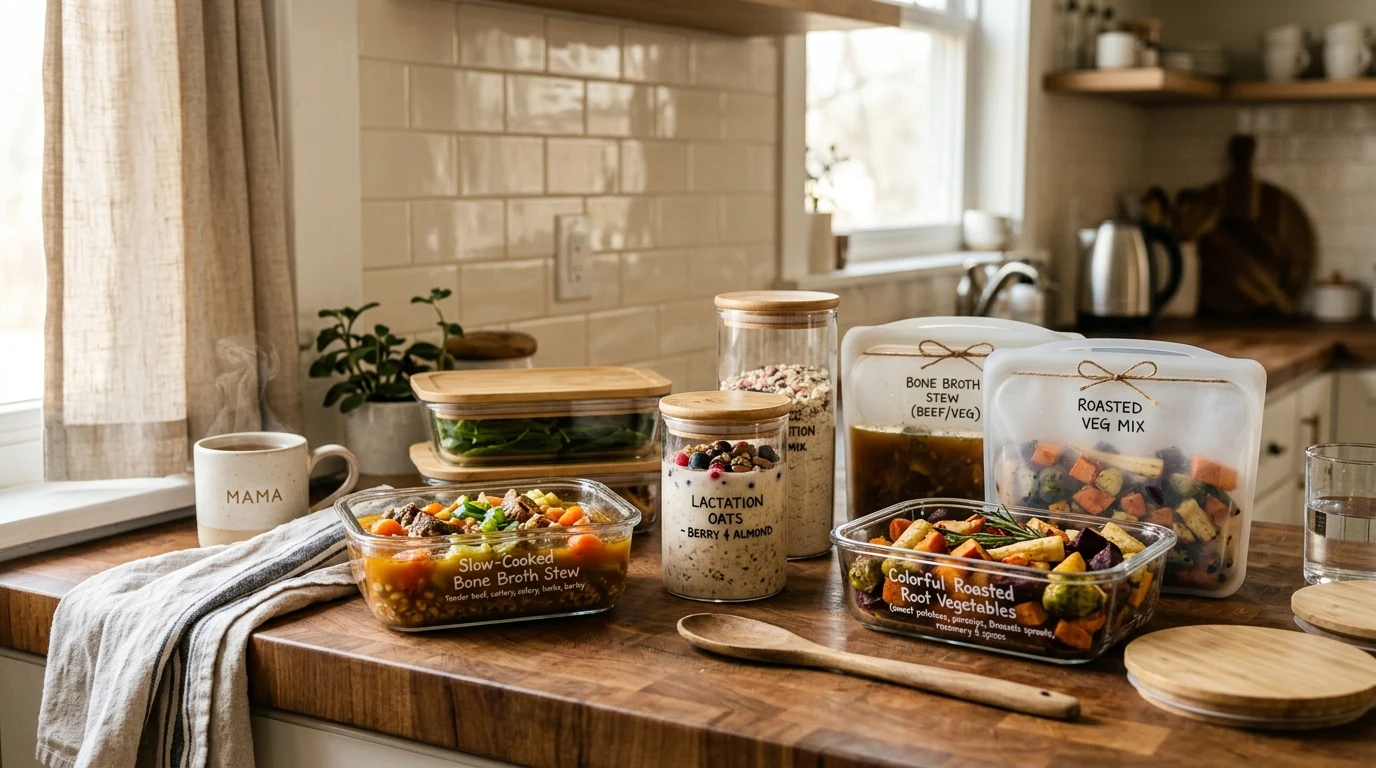
Freezer Meals for Postpartum Moms — Prep Guide
✨ This article was AI edited. Editorial responsibility: BlossomingMotherhood.Com.
Postpartum freezer meals are nutrient-dense, easily digestible pre-cooked or assemble-and-freeze dishes prepared before childbirth to support physical recovery, hormonal balance, and lactation. Rich in collagen, bioavailable iron, complex carbohydrates, and healthy fats, these restorative meals ensure new mothers receive continuous caloric and micronutrient support during the fourth trimester without culinary labor.
The fourth trimester demands immense physiological recovery. Following delivery, a mother’s body undergoes acute tissue healing, hormonal shifts, uterine involution, and the caloric demands of breast milk synthesis—which requires an additional 450 to 500 calories daily. Navigating newborn care while experiencing severe sleep deprivation makes daily meal preparation virtually impossible. Having a freezer stocked with strategically planned postpartum meals is not merely a convenience; it is a foundational pillar of postpartum maternal health.
Contents
Nutritional Physiology of Fourth Trimester Recovery
Postpartum nutrition differs substantially from general adult dietary guidelines. Traditional postpartum healing modalities across global cultures—such as Traditional Chinese Medicine and Ayurvedic postnatal care—consistently emphasize warm, easily digestible, nutrient-dense foods over cold or raw preparations. Modern nutritional science corroborates this wisdom through specific biochemical requirements:
- Collagen & Glycine for Tissue Repair: Childbirth involves significant stretching and micro-tearing of pelvic floor muscles and perineal tissues, as well as abdominal recovery. Slow-simmered bone broths, braised meats, and gelatinous cuts supply glycine and proline, the rate-limiting amino acids required for collagen synthesis.
- Bioavailable Heme Iron: Blood loss during delivery depletes maternal iron stores, increasing the risk of postpartum fatigue, cognitive fog, and mood dysregulation. Grass-fed beef, pastured poultry, and organ-meat blends provide bioavailable heme iron along with vitamin C co-factors.
- Galactagogues & Complex Carbohydrates: Sustained lactation relies on steady blood glucose regulation. Beta-glucan-rich whole oats, barley, quinoa, and root vegetables promote prolactin secretion and steady energy release without blood sugar spikes.
- Anti-Inflammatory Healthy Fats: Omega-3 fatty acids (DHA/EPA), pastured ghee, and coconut milk support neuroprotection, reduce systemic inflammation, and enrich the lipid profile of human milk.
Postpartum Nutrient Matrix vs. Standard Meal Prep
Standard freezer meal prep often focuses on lean proteins and low-calorie vegetables. In contrast, postpartum meal planning requires calorie density, gut-soothing textures, and specific micronutrients. The following comparative matrix outlines these key structural differences:
| Nutritional Element | Standard Freezer Meal Prep | Postpartum Therapeutic Meal Prep | Physiological Benefit |
|---|---|---|---|
| Core Protein Source | Skinless chicken breast, lean ground turkey | Bone-in chicken thighs, chuck roast, oxtail, lentils | High glycine, collagen, and healthy fats for cellular repair |
| Liquid Base | Water, low-sodium vegetable stock | Mineral-rich beef/chicken bone broth, coconut milk | Replenishes electrolytes, minerals, and joint integrity |
| Vegetable Profile | Raw salads, cruciferous vegetables, peppers | Slow-cooked root vegetables, butternut squash, spinach | Gentle on postpartum gut microbiome; prevents maternal bloating |
| Digestive Spices | Chili powder, cayenne, raw garlic | Ginger, turmeric, cumin, fennel seed, cinnamon | Enhances digestive fire, stimulates circulation, supports lactation |
| Caloric Density | Low to moderate (350–450 kcal) | High nutrient density (600–750 kcal) | Meets metabolic energy expenditure of lactation and tissue recovery |
Essential Postpartum Freezer Meal Categories
1. Restorative Slow-Cooked Stews and Bone Broths
Stews cooked with rich bone broth provide readily absorbable micronutrients that require minimal digestive effort. They freeze exceptionally well for up to six months without textural degradation.
- Classic Beef Bourguignon with Root Vegetables: Grass-fed chuck roast braised with carrots, parsnips, and bone broth. Provides dense iron, zinc, and collagen.
- Golden Turmeric Chicken & Wild Rice Soup: Bone-in chicken thighs simmered with freshly grated turmeric, ginger, leeks, and antioxidant-rich wild rice.
- Hearty Moroccan Lentil and Sweet Potato Stew: Plant-based folate and soluble fiber cooked with warming cumin, cinnamon, and coconut cream.
2. One-Handed Nourishing Handhelds
When contact napping or nursing, sitting down with a fork and knife is often unfeasible. One-handed freezer meals are essential for solo daytime feeding sessions.
- Pastured Egg & Sweet Potato Breakfast Burritos: Scrambled pastured eggs, roasted sweet potato cubes, black beans, grass-fed cheddar, and spinach wrapped in sprouted grain tortillas.
- Savory Lactation Meatballs: Grass-fed beef and pork blended with ground flaxseed, brewer’s yeast, grated zucchini, and garlic. Baked and flash-frozen on sheet pans.
- Quinoa & Vegetable Egg Muffins: Baked egg cups packed with steamed spinach, feta, and cooked quinoa, individually foil-wrapped for instant 60-second microwave reheating.
3. Oven-Bake Casseroles & Comfort Classics
Larger family-sized dishes that can be transferred directly from the freezer to the oven provide effortless evening dinners with multiple servings of leftovers.
- Butternut Squash and Spinach Lasagna: Layered with whole-milk ricotta, pureed roasted butternut squash, organic spinach, and bone broth bechamel.
- Shepherd’s Pie with Bone Broth Gravy: Minced lamb or beef simmered with peas, carrots, and rich bone broth, topped with a velvety sweet potato and Yukon gold mash.
- Creamy Wild Salmon and Brown Rice Bake: Wild-caught salmon flakes folded with brown jasmine rice, sweet peas, and a lemon-dill coconut cream sauce.
Freezer Storage, Defrosting & Food Safety Protocol
Preserving the nutrient integrity and flavor of freezer meals requires proper packaging techniques to eliminate freezer burn and ice crystallization:
- Cool Completely Before Freezing: Never place hot dishes directly into the freezer. Allow meals to cool to room temperature, then chill in the refrigerator for two hours before freezing to prevent condensation and large ice crystals.
- Flash Freeze Handhelds: Freeze meatballs, burritos, and lactation cookies individually on parchment-lined baking sheets for two hours before transferring them into long-term storage bags. This prevents them from sticking together.
- Airtight Barrier Selection: Use heavy-duty silicone freezer bags (such as Stasher bags) or BPA-free vacuum seal bags. For glass containers, use borosilicate glass with at least 1/2 inch of headspace to allow for liquid expansion.
- Label with Precise Reheating Instructions: Label every container with the dish name, prep date, use-by date (typically 3 to 6 months), and specific heating directions (e.g., “Bake from frozen at 375°F for 55 mins”).
- Safe Defrosting Hierarchy: Thaw overnight in the refrigerator whenever possible. For quick thawing, submerge sealed bags in cold water, or use the defrost setting on your microwave. Ensure all poultry and meat dishes reach an internal temperature of 165°F (74°C).
Frequently Asked Questions About Postpartum Freezer Meals
When is the best time during pregnancy to prep postpartum freezer meals?
The optimal window is between 32 and 36 weeks of pregnancy. During this timeframe, nesting energy is typically high, and meals will remain within their peak 3-to-6-month freshness window throughout the immediate postpartum period. Prepping earlier than 28 weeks increases the risk of freezer burn before delivery.
How many freezer meals should I prepare for the postpartum period?
Aim for 20 to 30 dinners and 15 to 20 handheld breakfasts or lunches. This volume comfortably covers the critical first 4 to 6 weeks of recovery when parental fatigue is most acute, allowing support visitors to assist with fresh produce and pantry replenishment.
Can postpartum freezer meals affect breast milk supply?
Yes, positively. Meals incorporating natural galactagogues (such as whole oats, brewer’s yeast, flaxseeds, and fennel) combined with adequate hydration and calorie density provide the foundational substrates for robust breast milk production. Conversely, restrictive or low-calorie dieting can diminish milk supply.
What foods should be avoided when prepping freezer meals for breastfeeding?
Avoid excessive dairy or soy if there is a known family history of infant protein sensitivities. Steer clear of high-mercury fish and overly spicy or gas-inducing unfermented legumes if your digestive tract is sensitive. Opt for gentle, well-cooked ingredients that support smooth digestion.
Get our latest guides, news, and insights highlighted in your Google Search & AI Overviews.


 WARNING TO PARENTS