
Breast Orgasms — Oxytocin Science & Intimacy Guide
✨ This article was AI edited. Editorial responsibility: BlossomingMotherhood.Com.
A breast orgasm is a physiologically verified, non-genital climactic response triggered by sensory stimulation of the nipples and breast tissue. Mediated by the vagus nerve, lateral cutaneous branches of the intercostal nerves, and massive hypothalamic oxytocin release, breast stimulation can activate the cerebral sensory cortex identically to genital stimulation.
Human sexuality and maternal physiology share profound neuroendocrine pathways. While cultural discourse frequently isolates sexual pleasure to genital stimulation, modern neuroimaging and endocrinological research confirm that the breasts possess an extensive sensory receptor density capable of inducing full physiological orgasms. For postpartum and lactating women, understanding this neurochemical bridge between nursing reflexes, oxytocin surges, and intimate responsiveness is essential for embracing normal maternal sexuality without confusion or shame.
Contents
Neurobiological Mechanisms of Breast-Induced Climax
The ability of nipple and breast stimulation to produce sexual climax relies on complex neural circuitry connecting peripheral tactile receptors directly to the brain’s pleasure and reward centers:
- Sensory Innervation Pathways: The nipple-areolar complex is heavily innervated by the lateral and anterior cutaneous branches of the 4th, 5th, and 6th intercostal nerves. Sensory signals travel through the spinothalamic tract directly to the secondary somatosensory cortex (S2).
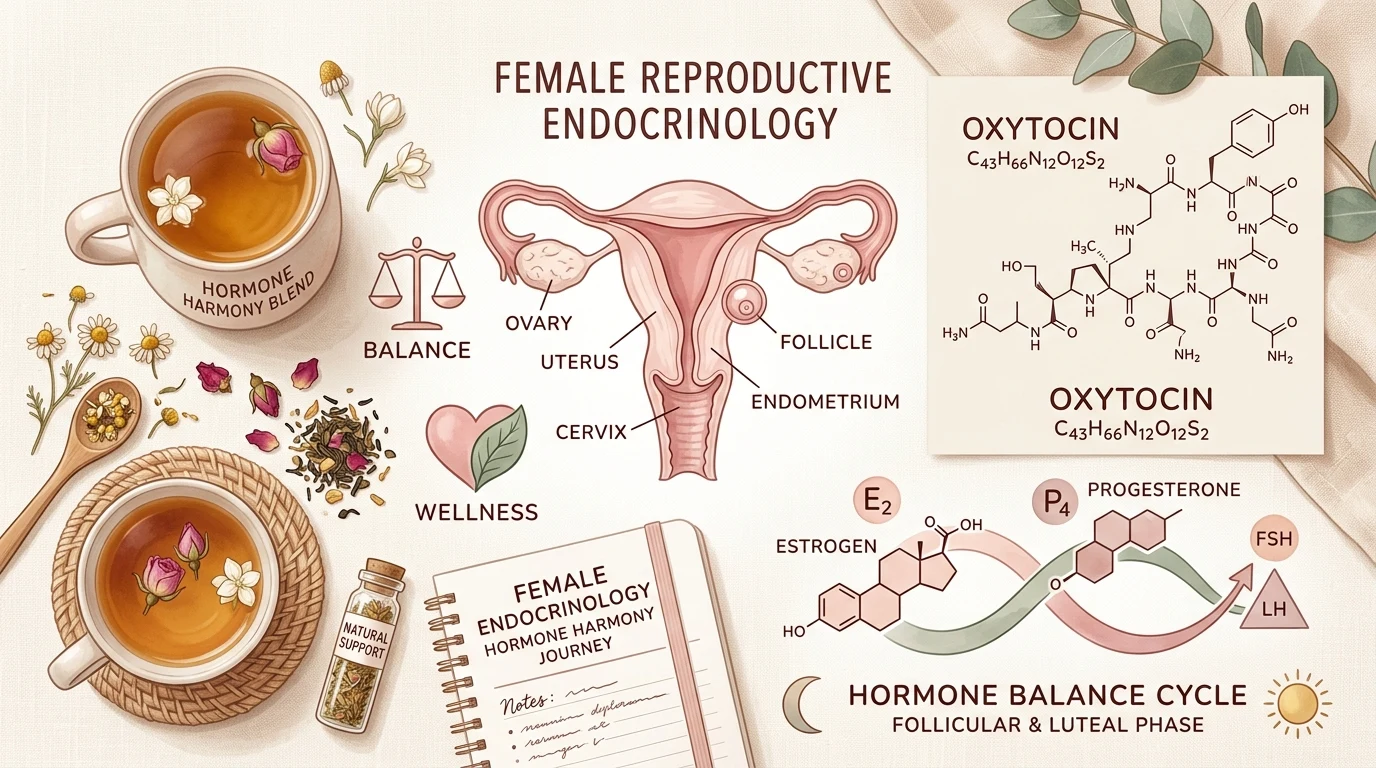
- The Oxytocin-Dopamine Cascade: Tactile pressure stimulates mechanoreceptors in the areola, triggering hypothalamic signals to the posterior pituitary gland to release pulses of oxytocin. This systemic surge prompts rhythmic micro-contractions of smooth muscle cells in both the mammary ducts (the milk-ejection reflex) and the pelvic floor musculature (mimicking uterine orgasmic contractions).
- Genital Sensory Cortex Cross-Activation: Landmark functional MRI (fMRI) studies conducted by neuroscientists (such as Komisaruk and Whipple) revealed that nipple stimulation activates the exact same genital sensory cortex region in the brain as direct clitoral and vaginal stimulation.
- Vagus Nerve Transmission: Beyond spinal nerve pathways, evidence indicates that sensory signals from deep thoracic and reproductive organs can travel via the vagus nerve, bypassing severed or injured spinal pathways to register euphoric climax in the brainstem and limbic system.
Comparative Physiology: Breast Orgasm vs. Clitoral Orgasm
While both climax types share central nervous system processing and involuntary smooth muscle contractions, their physiological induction parameters and somatic sensations exhibit distinct characteristics:
| Physiological Parameter | Clitoral Orgasm | Breast / Nipple Orgasm | Underlying Neurological Mechanism |
|---|---|---|---|
| Primary Neural Pathway | Pudendal nerve (S2–S4 sacral plexus) | 4th–6th Intercostal nerves & Vagus nerve | Direct spinal vs. mixed thoracic-cranial transmission to somatosensory cortex |
| Core Neurotransmitter Surge | Dopamine, adrenaline, endorphins | Oxytocin, prolactin, endorphins | High oxytocin emphasis generates deep emotional relaxation and diffuse warmth |
| Onset Dynamics | Direct, localized, rapid crescendo (2–5 mins) | Gradual, diffuse, cumulative somatic build-up | Requires continuous rhythmic tactile arousal and parasympathetic relaxation |
| Muscular Contractions | Rhythmic contractions of pubococcygeus (PC) muscle | Coordinated uterine, pelvic floor, and mammary myoepithelial contractions | Oxytocin receptor activation across reproductive and breast tissues |
| Post-Climax Sensation | Local genital relaxation, refractory period | Full-body somatic calm, elevated bonding, extended plateau | Prolonged parasympathetic tone driven by sustained oxytocin circulation |
Lactation, Nursing Arousal, and Postpartum Endocrinology
During the postpartum period, elevated levels of prolactin and oxytocin prime the breast tissue for heightened responsiveness. Many breastfeeding women experience unexpected physical arousal or fleeting orgasmic sensations during nursing sessions or breast pumping. Navigating these sensations requires clear clinical context:
1. The Involuntary Milk Let-Down Reflex
When an infant latches or a breast pump stimulates the areola, the body immediately releases oxytocin to trigger the let-down reflex. Because oxytocin is the exact same hormone responsible for sexual orgasm and uterine involution, the neurological sensation can trigger involuntary feelings of warmth, uterine cramping, or genital vascular engorgement. This is a purely biological, autonomic reflex with zero moral or psychological implication.
2. Dysphoric Milk Ejection Reflex (D-MER) vs. Pleasure Surges
While some women experience pleasurable sensations, others experience sudden, transient drops in dopamine just before milk release—a condition known as Dysphoric Milk Ejection Reflex (D-MER), characterized by brief waves of anxiety or sadness. Recognizing that both euphoric let-down sensations and D-MER are purely neurochemical fluctuations helps mothers normalize their postpartum somatic experiences.
3. Reconnecting with Intimate Sensuality After Birth
Pregnancy and childbirth can temporarily alter genital sensation due to perineal healing, pelvic floor fatigue, or estrogen depletion during lactation. For many postpartum women, gentle non-genital intimacy focused on breast and chest touch provides a safe, low-pressure avenue to rediscover somatic pleasure and emotional connection with a partner.
Step-by-Step Somatic Techniques for Breast Arousal
Experiencing breast orgasms typically requires intentional somatic awareness, relaxed breathing, and gentle pacing:
- Cultivate Parasympathetic Tone: High cortisol inhibits oxytocin release. Create a calm, warm, dimly lit environment and engage in slow diaphragmatic breathing to signal autonomic safety.
- Broad Warm-Up Strokes: Begin with light, feather-touch strokes across the clavicle, neck, upper chest, and perimeter of the breasts before touching the areola. This builds neurological receptivity.
- Varying Temperature and Texture: Using warm natural oils (such as organic jojoba or sweet almond oil) reduces friction and enhances mechanoreceptor sensitivity. Alternating between gentle palms and light fingertips activates diverse cutaneous nerve endings.
- Continuous Rhythmic Stimulation: Unlike rapid friction, breast arousal thrives on sustained, rhythmic circular rolling, gentle pinching, or light suction that mirrors the tempo of natural oxytocin release.
- Mind-Body Sensory Anchoring: Focus attention on sensations of warmth spreading from the chest into the pelvis. Relax the pelvic floor muscles to allow uterine and pelvic contractions to flow naturally.
Frequently Asked Questions About Breast Orgasms
Can any woman experience an orgasm through breast stimulation alone?
Yes. While sensitivity varies based on individual anatomy, nerve density, and psychological comfort, research confirms that all female bodies possess the neurological wiring connecting breast mechanoreceptors to the genital sensory cortex. Developing the capacity often requires focused mindfulness and unhurried tactile exploration.
Is it normal to feel sexually aroused while breastfeeding?
Yes, it is completely normal and purely biological. The hormone oxytocin governs both the milk let-down reflex and sexual climax. Experiencing physical sensations or uterine contractions during nursing is a functional endocrine response, not a sexualization of the infant.
Do breast surgeries (reduction, augmentation) prevent breast orgasms?
Not necessarily. While surgical procedures that sever the 4th intercostal nerve can temporarily or permanently diminish areolar sensation, deep tissue mechanoreceptors, vagal pathways, and cutaneous nerves frequently maintain or regenerate erotic sensitivity over time.
Why do breast orgasms feel different from clitoral orgasms?
Breast orgasms are dominated by diffuse oxytocin release rather than localized pudendal nerve spikes. As a result, they are often described as warm, full-body somatic waves of relaxation and emotional intimacy rather than sharp, rapid localized spasms.
Get our latest guides, news, and insights highlighted in your Google Search & AI Overviews.


 CRITICAL DEVELOPMENT WINDOW