
Breastfeeding Safe Sunscreen: Top Picks for Nursing Moms
Did you know that the sunscreen you choose while breastfeeding can affect both your skin health and your baby’s safety? Finding a gentle, effective sun protection option that respects your body’s delicate postpartum changes and keeps your nursing little one safe is essential. Many moms worry about ingredients absorbing into their skin and possibly into breast milk,but non-nano mineral sunscreens,especially those with zinc oxide,offer a protective barrier without systemic absorption—making them a trusted choice for breastfeeding families.This guide warmly supports your journey by offering thoughtful, practical recommendations that honor your unique needs and the natural healing process of motherhood. As you navigate the stunning complexities of postpartum life, we’re here to help you feel confident in your self-care with safe, nourishing options that protect you and your baby under the sun, so you can focus on what matters most: your wellbeing and your bond with your little one. Let’s explore the top breastfeeding-safe sunscreens together, blending expert insights and mama-tested wisdom for peace of mind every sunny day.
Contents
- understanding Sunscreen Safety While Breastfeeding
- Key Ingredients to Seek and Avoid in Sunscreens
- Top Dermatologist-Recommended Breastfeeding-Friendly Sunscreens
- How sunscreen Absorbs Into Your Body and Milk Supply
- Natural and DIY Sunscreen alternatives for Nursing Moms
- Applying Sunscreen Safely on Sensitive Skin Postpartum
- Timing and Routine: When and How to Reapply Sunscreen
- Addressing Common Concerns: Allergies, Irritation, and Breakouts
- Balancing Sun Protection with Vitamin D Needs During Nursing
- Expert Tips and Real Mom Stories on Sunscreen Use
- Eco-Friendly Sunscreen Options Safe for Moms and Babies
- Navigating Sunscreens with Cultural and Holistic Perspectives
- Frequently asked questions
- Q: Can breastfeeding moms safely use spray sunscreens, or should they avoid them? A: Breastfeeding moms should avoid spray sunscreens because they can be inhaled or ingested by babies during nursing. Instead, opt for mineral-based lotions like non-nano zinc oxide applied away from the breast to ensure both effective sun protection and baby safety. For more tips, see our section on safe sunscreen application. Q: How can nursing moms prevent sunscreen from irritating sensitive postpartum skin?
- Q: What sun protection alternatives are safe for breastfeeding moms who prefer natural products?
- Q: Why is non-nano zinc oxide recommended as the safest sunscreen ingredient for nursing mothers?
- Q: How frequently enough should breastfeeding moms reapply sunscreen to maintain optimal protection?
- Q: What precautions should nursing moms take to avoid sunscreen transfer to their babies?
- Q: Is it safe for breastfeeding moms to use chemical sunscreens occasionally if mineral options aren’t available?
- Q: How do cultural practices influence sunscreen choices for breastfeeding mothers?
- Future Outlook
understanding Sunscreen Safety While Breastfeeding
It might surprise new moms to know that not all sunscreens are created equal—especially when breastfeeding. As your body is already delicately balanced to nurture your little one, understanding how sunscreen ingredients interact with your skin and potentially your milk supply is a gentle yet powerful step in your self-care journey. Your skin is the first line of defense against the sun’s harmful UV rays, but postpartum skin can be more sensitive, and some ingredients can absorb into your system differently during this time.Choosing the right kind of sunscreen helps protect both you and your nursing baby without needless worry.
Most pediatricians and dermatologists agree that mineral-based sunscreens—those featuring zinc oxide or titanium dioxide—are generally the safest choice for nursing mothers. These minerals sit on the skin’s surface and physically block UV rays rather than penetrating deeply. This is comforting as some chemical filters found in traditional sunscreens, like oxybenzone, have been detected in breast milk in trace amounts, raising understandable concerns for moms wishing to avoid any potential exposure to their nursing infants [2[2]. While the scientific community continues to study the exact effects, opting for mineral sunscreens is a loving and precautionary way to minimize risk.
What Matters Most for You as a Nursing Mom
- Choose fragrance-free, gentle formulas that respect your skin’s postpartum sensitivity and reduce the chance of irritation or allergic reactions.
- Look for “broad-spectrum” protection to guard against both UVA and UVB rays, which helps prevent sunburn and long-term skin damage.
- Apply sunscreen at least 15 minutes before heading outdoors, and remember that consistent reapplication is key, especially after nursing sessions or sweating.
Remember, breastfeeding isn’t just a physical experience—it’s emotional, hormonal, and deeply personal. Selecting a safe sunscreen can be part of reclaiming gentle self-care amid the whirlwind of new motherhood. As you honor your body’s healing and your baby’s needs, it’s perfectly okay to seek sunscreen options that align with your comfort level. You’re not alone on this path; many moms find reassurance in sharing their sunscreen choices and experiences, building a warm, informed community of support.
For even safer daily habits, try pairing sun protection with shade, protective clothing, and hats, especially for your little one.This layered approach eases anxiety about chemical exposure,supports skin health,and nurtures your shared well-being under the sun’s warmth.Your body, your baby, and your peace of mind deserve nothing less.
Key Ingredients to Seek and Avoid in Sunscreens

A gentle reminder for nursing moms: what you put on your skin doesn’t just stay there—it can gently interact with your body and, potentially, your milk supply. this makes choosing the right sunscreen ingredients more notable now than ever. Mineral sunscreens with zinc oxide and titanium dioxide are celebrated for their safety because they act as physical blockers, sitting on the skin’s surface instead of being absorbed deeply. This means less chance for chemicals to enter your bloodstream or transfer into breast milk. Many moms find peace of mind in these soothing, straightforward ingredients, which also tend to be kind to sensitive, postpartum skin[[[2]](https://www.chop.edu/news/health-tip/sunscreen-safe).
At the same time, it’s wise to avoid certain common chemical filters that have raised concerns.Ingredients like oxybenzone, avobenzone, homosalate, octinoxate, and octocrylene can absorb into the skin more readily and have been detected in trace amounts in breast milk in some studies. While the full impact is still being understood, opting out of sunscreens with these chemicals is a cautious, nurturing choice for your and your baby’s health. Fragrance, parabens, and preservatives like phthalates can also irritate delicate, healing skin or trigger allergies, so fragrance-free and minimal-ingredient formulas are often the best fit during postpartum months[[3]](https://www.skindepth.com.au/blogs/news/sunscreens-in-pregnancy-1?srsltid=AfmBOopN_zuhSd5a3D8H5ZcfnqDdXTqiyS3gfo8XQaYi7V-Nsl6SvpmV).
Ingredients to Look For
- Zinc Oxide: Creates a physical barrier against UVA and UVB rays; gentle and non-irritating.
- Titanium Dioxide: Another mineral blocker that is mild on sensitive skin and provides sun protection without deep absorption.
- Vitamin E: A natural antioxidant that supports skin healing and soothes inflammation, often included in natural formulas.
- Plant-Based Oils (e.g., sunflower oil, calendula, chamomile): Offer gentle moisture and calming benefits, perfect for postpartum skin’s vulnerability.
Ingredients to Avoid
- Oxybenzone: Linked to potential hormone disruption and found in breast milk; avoid to reduce risk.
- Octinoxate and Octocrylene: Chemical filters that can irritate sensitive skin and have uncertain absorption risks.
- Fragrances and Parabens: Often unnecessary and can increase skin irritation or allergic reactions.
- Retinoids and Salicylic Acid: common in anti-aging and acne products but not recommended during breastfeeding due to systemic absorption.
Every body heals differently, and what feels nurturing one day may need tweaking the next. Testing a small patch before full request helps honor your skin’s current needs and protects against surprises. Many nursing moms share that transitioning to mineral-based sunscreens brought a welcome calm to their sensitive skin, alongside the relief of knowing their milk supply remains free of concerning chemicals. This heartfelt balance—between protection, comfort, and mindful ingredient choices—is a cornerstone of postpartum self-care.For gentle homemade options, explore DIY zinc oxide-based sticks or balms infused with safe herbal oils, keeping in mind to use pure, non-nano zinc oxide and to avoid essential oils that might be too strong during breastfeeding.Always patch test homemade sunscreens and consult your healthcare provider if you have questions about herbal supplements or oils in your skincare routine.
Embracing safe sunscreen ingredients honors the amazing work your body is doing during lactation and beyond, wrapping your skin in love while helping protect your nursing journey.
Top Dermatologist-Recommended Breastfeeding-Friendly Sunscreens
Many breastfeeding moms find peace of mind by choosing sunscreens that protect their skin without risking baby’s health or irritating their own healing postpartum skin. Dermatologists often recommend mineral-based formulas containing non-nano zinc oxide or titanium dioxide, as these ingredients sit on the skin’s surface rather than being absorbed. This means your sunscreen acts like a physical shield against harmful UVA and UVB rays while minimizing any chance of chemicals passing into breast milk. Plus, these mineral sunscreens tend to be gentle enough for sensitive or hormonally reactive skin—a common challenge after giving birth.
While you might see a variety of sunscreens marketed as “natural” or “safe for babies,” focusing on trusted dermatologist favorites adds a layer of reassurance. Look for products that are fragrance-free, free from parabens and harsh preservatives, and designed with the needs of postpartum skin in mind. Here are some features that nursing moms appreciate:
- Broad-spectrum protection: Shields you from both UVA and UVB rays,crucial for long-term skin health and preventing post-pregnancy pigmentation.
- Non-nano mineral filters: Zinc oxide and titanium dioxide physically block sunrays without penetrating the skin deeply.
- Moisturizing and calming components: Ingredients like sunflower oil, calendula, or chamomile help soothe sensitive, healing skin.
- Lightweight, non-greasy textures: Easy to apply daily without clogging pores or leaving heavy residues.
Examples of dermatologist-Recommended Breastfeeding-Safe Sunscreens
| brand & Product | key Ingredients | Notable Features |
|---|---|---|
| Ceres Chill Mineral Sunscreen | Non-nano Zinc Oxide, titanium Dioxide, Fragrance-Free | Gentle, reef-safe, ideal for sensitive moms and babies alike[[[1]](https://www.cereschill.com/blogs/news/your-complete-guide-for-safer-sunscreen-for-pregnancy-nursing-and-your-little-ones?srsltid=AfmBOorSZQ2VTkwXbB7Vxkoq_E_iVBq3nwIeca-uNoDuxPyi6B8x3tnb) |
| EltaMD UV clear Broad-Spectrum SPF 46 | Zinc Oxide, Niacinamide | Lightweight, calming, great for sensitive or acne-prone skin during postpartum hormone shifts |
| Thinkbaby Safe Sunscreen SPF 50+ | non-nano Zinc Oxide, Organic Sunflower Oil | Water-resistant, chemical-free with added moisturizers, well-loved by breastfeeding mothers |
| Blue Lizard Sensitive mineral Sunscreen SPF 30+ | Zinc Oxide, Titanium Dioxide | Hypoallergenic, fragrance-free, dermatology-tested, designed for sensitive skin conditions |
Planning your sunscreen routine with these trusted options can ease the mental load during postpartum months. A mom shared her experience: “Switching away from chemical sunscreens to a mineral-based one was a game-changer. Not only did my skin calm down from the postpartum breakouts,but I felt reassured every time I applied it,knowing it wasn’t entering my breast milk.” This balance of effective sun protection and nurturing care reflects the gentle wisdom guiding moms through breastfeeding and self-care.
Remember, no sunscreen is one-size-fits-all, so patch testing new products and consulting your healthcare provider if questions arise helps tailor your choice to your unique skin and lactation journey. Embracing these dermatologist-guided picks supports you in protecting your skin beautifully while honoring the sacred work of nursing your little one.
How sunscreen Absorbs Into Your Body and Milk Supply
The worry many nursing moms share is understandable: if sunscreen enters your bloodstream, could it reach your breast milk and affect your little one? the reassuring truth is that not all sunscreens behave the same way. Mineral-based sunscreens, especially those containing non-nano zinc oxide or titanium dioxide, act as a physical barrier on the skin rather than absorbing deeply. This means their active ingredients stay mostly on the surface, doing their job by reflecting and scattering harmful UV rays without entering your circulation or milk supply [2].
Chemical sunscreens, by contrast, contain ingredients designed to absorb into the skin, where they convert UV rays into heat. Some of these chemicals can penetrate the skin and enter the bloodstream to varying degrees, which raises understandable questions about their safety during breastfeeding. Though, experts agree that even chemical sunscreens, when used properly, pose far less risk than the damage caused by sunburn—and the occasional use of these products is still preferred over prolonged unprotected sun exposure. Always apply sunscreen carefully, avoiding the breast and washing your hands afterward to reduce any chance of the product transferring to baby [2].
- Non-nano Mineral Sunscreens: Their particles are large enough not to penetrate the skin, creating a physical shield.
- Chemical Sunscreens: May enter the bloodstream to some extent, though research indicates transmission into breast milk is minimal, and risk is low with standard use.
- Application Tips: Apply sunscreens away from breast tissue, allow time to absorb/dry, then wash hands before nursing or touching baby.
Because every mother’s body is unique, and skin absorption can be influenced by factors such as hormonal changes postpartum and skin sensitivity, it’s always wise to observe how your skin reacts and consult your healthcare provider if you have specific concerns. Some moms have shared that switching to mineral-based sunscreens led to not only better skin comfort but also peace of mind knowing their breast milk remained free from sunscreen ingredients—a comfort that nourishes both mom and baby alike.
By choosing carefully and applying mindfully, you create a safe sun protection routine that honors your postpartum healing journey and breastfeeding bond. The goal is balanced protection—caring for you, your skin, and your precious milk supply, while embracing the joy and wonder of motherhood without unnecessary worry.
Natural and DIY Sunscreen alternatives for Nursing Moms

for nursing moms seeking gentle, safe sun protection, natural and DIY sunscreen options can be a comforting choice. These alternatives often rely on mineral-based ingredients like non-nano zinc oxide to physically block harmful UV rays without chemical absorption into the skin or milk supply. Because your postpartum skin may be more sensitive and hormonally influenced, these options offer a nurturing way to shield yourself while honoring your body’s healing process and your baby’s well-being.
Creating your own sunscreen can also feel empowering and deeply personal. Simple, wholesome ingredients such as coconut oil, shea butter, raspberry seed oil, and carrot seed oil can be blended to moisturize skin and boost natural sun defense. Raspberry seed oil, in particular, has been celebrated for its mild SPF properties, adding a subtle layer of protection. Using natural butters like cocoa butter or oils rich in antioxidants supports skin repair and hydration, essential for postpartum care.
Easy DIY Sunscreen Recipe for Nursing Moms
- 2 oz. virgin coconut oil (moisturizing, soothing)
- 2 oz. shea butter or cocoa butter (nourishing, skin barrier support)
- 2 oz. olive oil or avocado oil (rich in vitamins A and E, antioxidant)
- 2 tablespoons non-nano zinc oxide (physical UV blocker—do not inhale powder)
- Optional: 1 teaspoon carrot seed oil or raspberry seed oil (natural SPF boost)
Readiness steps: Gently melt the butters and oils together in a double boiler, stirring slowly. Remove from heat, then carefully whisk in the zinc oxide powder until fully incorporated (wear a mask to avoid inhaling zinc oxide dust). Add any essential oils if desired, then pour into a clean container to solidify. Apply generously to all exposed skin at least 15 minutes before sun exposure. Reapply every two hours or after sweating/swimming.
While homemade sunscreens won’t have a lab-confirmed SPF rating, they serve well for everyday protection during brief outdoor moments, especially in shaded environments or lower UV periods. It’s important to patch test new mixes on a small skin area to check for sensitivity or irritation—a common postpartum skin consideration. Always keep in mind that even natural sunscreens require thoughtful application and sun-smart habits: wearing hats,seeking shade,and avoiding peak sun hours.
Safety Notes and Real Mom Wisdom
- Use only non-nano zinc oxide: Its larger particles stay on the skin surface and won’t penetrate to bloodstream or breast milk.
- Essential oils caution: not all are safe during breastfeeding—carrot seed and raspberry seed oils are generally gentle but use sparingly and avoid strong fragrances.
- Individual variation: what soothes one mom’s skin may irritate another’s—trust your instincts and consult your healthcare provider or lactation consultant if unsure.
One mom shared that switching to DIY mineral sunscreen brought not only physical peace for her sensitive postpartum skin but also comfort knowing she minimized chemical exposure for her baby. Another found making small batches together with her partner helped weave moments of calm connection into busy days. These simple rituals support both skin health and maternal well-being, an invaluable gift in early motherhood.
Ultimately, these natural alternatives invite you to treat sunscreen as part of your self-care ritual—gentle, intentional, and safe. You honor your skin’s unique postpartum journey, protect your precious milk supply, and nurture your baby’s safety outside the direct protective circle of breastfeeding. If you decide to explore DIY sunscreen, approach it with kindness to your body, curiosity, and openness to discovering what truly feels right for you and your family.
For more detailed recipes and tips on making natural sunscreens, many homestead and herbalist communities offer warm guidance and shared experiences [1], [2]. Remember, every mother’s breastfeeding and postpartum experience is a beautiful, evolving story—let your sunscreen choices reflect your unique path.
Applying Sunscreen Safely on Sensitive Skin Postpartum
New moms often find that their skin feels more delicate and reactive in the postpartum period, a natural result of fluctuating hormones, physical healing, and the exhaustion that accompanies early motherhood. Choosing and applying sunscreen during this tender time requires gentle care and mindfulness—not only does your skin need protection from the sun’s damaging rays, but it also demands products that support healing and won’t exacerbate irritation. Remember, you’re nourishing a body that has just undergone profound change, and your routines can honor this conversion with kindness and simplicity.
Many breastfeeding-friendly sunscreens recommend mineral-based ingredients, especially non-nano zinc oxide and titanium dioxide, because they sit on top of the skin, reflecting UV rays without penetrating deeply—this reduces the risk of sensitivity or affecting breast milk composition. When applying sunscreen,use gentle,deliberate motions—lightly pat or smooth the lotion over your skin rather than rubbing vigorously,which can aggravate postpartum skin or disrupt healing areas such as the perineum or any incision sites. If you notice redness, itching, or discomfort, pause use and try a small patch first next time to better gauge tolerance.
- choose mild, fragrance-free sunscreens: Pregnancy and postpartum skin may react negatively to synthetic fragrances or preservatives common in conventional sunblocks.
- Opt for minimal ingredient lists: The simpler, the better—this lowers the chance of allergic reactions or breakouts during a time when your skin barrier is more vulnerable.
- hydrate first: Apply a gentle, fragrance-free moisturizer or calming serum before sunscreen to bolster hydration and reduce potential irritation.
- Patch test anything new: Apply a small amount of product on your inner arm and wait 24 hours to see if any redness or itchiness occurs.
- Restore after sun exposure: After sun time, nourish skin with soothing natural oils like rosehip or calendula, which promote healing and comfort.
Practical Tips from Real Moms
One mother found that switching to a mineral-based sunscreen healed her “postpartum redness and peeling,” while another shared how layering a cooling aloe gel underneath her sunscreen helped keep postpartum eczema at bay during summer months. These simple rituals do more than protect—they create a moment of calm self-care in the midst of overwhelming days.
Above all, listen to your body’s whispers. Some days your skin may thirst for extra moisture or call for a break from products altogether—that’s okay. Embrace your postpartum skin with patience and love. Whatever your feeding journey or birth story, sunscreen can become a gentle ally, not a source of anxiety, as you navigate early motherhood.
Timing and Routine: When and How to Reapply Sunscreen

Sunscreen’s protective power doesn’t last all day—especially when fresh air, gentle sweat, or a loving touch can wear it away. For nursing moms, this creates a beautiful dance between staying sun-safe and honoring your body’s delicate postpartum rhythm. Experts recommend reapplying every two hours during outdoor time to maintain effective protection, but there are compassionate ways to make this easy, gentle, and nurturing for both skin and spirit.
Think of sunscreen reapplication as a small, mindful pause—a moment to slow down, check in with your body, and practice a loving ritual of self-care.After about two hours outside, or more frequently enough if swimming, sweating, or wiping little hands away, softly cleanse or pat dry your skin before applying a fresh layer. Use your fingertips to lightly press the sunscreen into your skin rather than rubbing, respecting postpartum sensitivity and any healing areas like the perineum or cesarean scars. This method reduces irritation and helps maintain your skin’s natural barrier.
- Set gentle reminders: If you’re breastfeeding or busy with baby, it’s easy to lose track. Use your watch, phone, or baby’s nap times as cues for sunscreen reapplication.
- Carry a travel-sized mineral sunscreen: Mineral-based formulas with non-nano zinc oxide or titanium dioxide are especially gentle and safe for nursing mothers.
- Layer hydration first: refresh your complexion with a fragrance-free moisturizer or calming aloe gel before sunscreen—a tip many moms swear by for soothing sensitive postpartum skin.
- Wear protective clothing and hats: Sunscreen is one part of sun safety. Broad-brimmed hats, soft breathable scarves, and shade give your skin extra love, reducing how often you need to reapply sunscreen during long outdoor moments.
Real moms frequently enough share how syncing sunscreen reapplication with everyday parenting rhythms—like diaper changes or outdoor stroller walks—makes it a natural part of self-care rather than a chore. One mother found setting a gentle alarm helped her remember reapplication as “a little gift to myself,” especially on busy days when her skin felt tender or her mind was full.
Remember, your skin’s safety is a form of nourishing your whole self—like the way breastfeeding nurtures your baby. Trust your instincts: if your skin feels dry or you’ve been in the sun longer than two hours,a fresh layer brings reliable protection and supports your body’s healing journey. Your routine can be an act of kindness, a rhythm woven into the joyful, sometimes challenging dance of new motherhood.
For safe and sustainable protection, aim for:
| Situation | How Often to Reapply | Additional Tips |
|---|---|---|
| Everyday outdoor activities (walking, errands) | Every 2 hours | Use mineral SPF 30+ and layer with protective clothing |
| Swimming or sweating | Every 40–80 minutes, or instantly after towel drying | Apply water-resistant mineral sunscreen |
| Extended sun exposure | Every 2 hours without fail | Seek shade regularly and wear sun hats |
Approaching sunscreen with this loving, patient rhythm honors your body’s postpartum changes and your precious time with baby. It’s protection that feels like a soft hug—a daily ritual that nurtures you as much as it shields your skin.
Addressing Common Concerns: Allergies, Irritation, and Breakouts

Many new mothers find themselves caught between the desire to protect their skin with sunscreen and the worry that products might cause irritation, allergies, or breakouts during this particularly sensitive postpartum period.It’s important to remember that your skin is undergoing a unique transformation after birth—shifting hormones, healing wounds, and possibly increased sensitivity all play their part. Choosing the right sunscreen isn’t just about blocking UV rays; it’s also about nurturing delicate skin without adding stress or discomfort.
Opt for mineral-based sunscreens containing non-nano zinc oxide or titanium dioxide—these ingredients sit on top of the skin, creating a gentle barrier rather than soaking in, which lowers the risk of allergic reactions and irritation. Avoid sunscreens with chemical filters like oxybenzone or avobenzone, which are more likely to trigger sensitivity or allergic responses in postpartum skin. Many moms find that fragrance-free formulas or those labeled hypoallergenic reduce unwanted redness or breakouts.Keeping your routine simple and consistent can soothe the skin’s barrier and support healing.
Practical Tips to Manage and Prevent Sensitivity
- Patch test new products: Before applying broadly, try a small amount on your inner forearm to check for reactions over 24–48 hours.
- Layer thinly: Postpartum skin can feel tender. Use just enough sunscreen for protection but avoid thick layers that may clog pores.
- Incorporate hydration first: Applying a calming moisturizer—think aloe vera or ceramide-rich creams—before sunscreen helps maintain your skin’s moisture and reduces irritation.
- Avoid heavy makeup afterward: Let your skin breathe after sunscreen, especially if you’re prone to breakouts.
When Breakouts Occur: Gentle Healing Approaches
Breakouts can be discouraging, but they’re often linked to hormonal fluctuations and the healing process itself. Instead of reaching for harsh acne treatments—which may not be safe or suitable during breastfeeding—consider gentle, natural remedies:
- Green tea extract or chamomile-infused face mists provide soothing antioxidants and calm inflammation.
- Honey-based masks offer antibacterial and wound-healing properties without irritation.
- Consult your healthcare provider before trying topical treatments to ensure they won’t interfere with breastfeeding or healing.
Real mom stories often highlight the power of patience and gentleness. One mother shared how switching to a mineral sunscreen and pairing it with lavender-infused moisturizer helped her skin calm down over weeks without disrupting her nursing routine. Hormonal shifts mean that what worked pre-baby might not suit your skin now—and that’s perfectly okay. Listen to your body, adjust gently, and lean into a self-care approach that embraces both protection and compassion.
By understanding your unique skin’s postpartum needs, selecting nourishing ingredients, and embracing a mindful skincare rhythm, you create a protective shield that supports both your skin’s health and your peace of mind during this beautiful, demanding chapter.
Balancing Sun Protection with Vitamin D Needs During Nursing
Sunshine gifts us more than just warmth—it’s a natural source of vitamin D, essential not only for mothers but also for their nursing babies. Yet, while safeguarding your skin from harmful UV rays through sunscreen use is vital postpartum, many breastfeeding moms wonder how to maintain healthy vitamin D levels without compromising sun protection. Striking this balance is both possible and important, as vitamin D supports your baby’s bone growth and immune system development through breast milk.
Because mineral sunscreens containing non-nano zinc oxide or titanium dioxide act as physical barriers rather than being absorbed systemically, they allow you to protect your skin safely without affecting your milk supply or vitamin D synthesis. However, it’s true that full and frequent sunscreen application can reduce your skin’s ability to produce vitamin D naturally. Luckily, nursing mothers have multiple supportive options to maintain adequate vitamin D:
- Timed and limited sun exposure: Short periods—about 10 to 15 minutes a few times per week—of gentle sunlight on uncovered arms and legs can stimulate vitamin D production while minimizing sunburn risks. Early morning or late afternoon sun is frequently enough gentler and still beneficial.
- Vitamin D supplementation: Taking a daily prenatal or postnatal vitamin with vitamin D is a reliable and safe way to ensure both you and your baby get enough. Research shows that maternal supplementation at doses like 4,000–6,400 IU/day can enrich breast milk vitamin D levels sufficiently to meet infant needs without adverse effects [[3]].
- Nutrition-rich diet: Incorporate foods naturally high in vitamin D—such as fatty fish (salmon, mackerel), fortified dairy or plant milks, and egg yolks—to complement sunlight and supplements.
Simple steps for New Moms
- Start your day with a 10-minute sun session: Sit with exposed arms or legs in gentle sunlight before applying sunscreen, allowing your skin to naturally boost vitamin D without overexposing.
- choose mineral sunscreens: Apply non-nano zinc oxide or titanium dioxide-based sunscreens after your sun exposure period to protect delicate postpartum skin.
- discuss supplementation with your healthcare provider: They can guide you on doses tailored to your unique needs, especially if you or your baby have limited sun exposure.
Each mother’s body and breastfeeding journey is beautifully unique, and balancing sun protection with vitamin D requirements may mean adjusting habits to what feels nurturing and safe for you both. Embracing modest sun exposure paired with mindful use of breastfeeding-safe sunscreens ensures you can enjoy the sun’s benefits while protecting your radiant skin and supporting your little one’s healthy growth.
Expert Tips and Real Mom Stories on Sunscreen Use
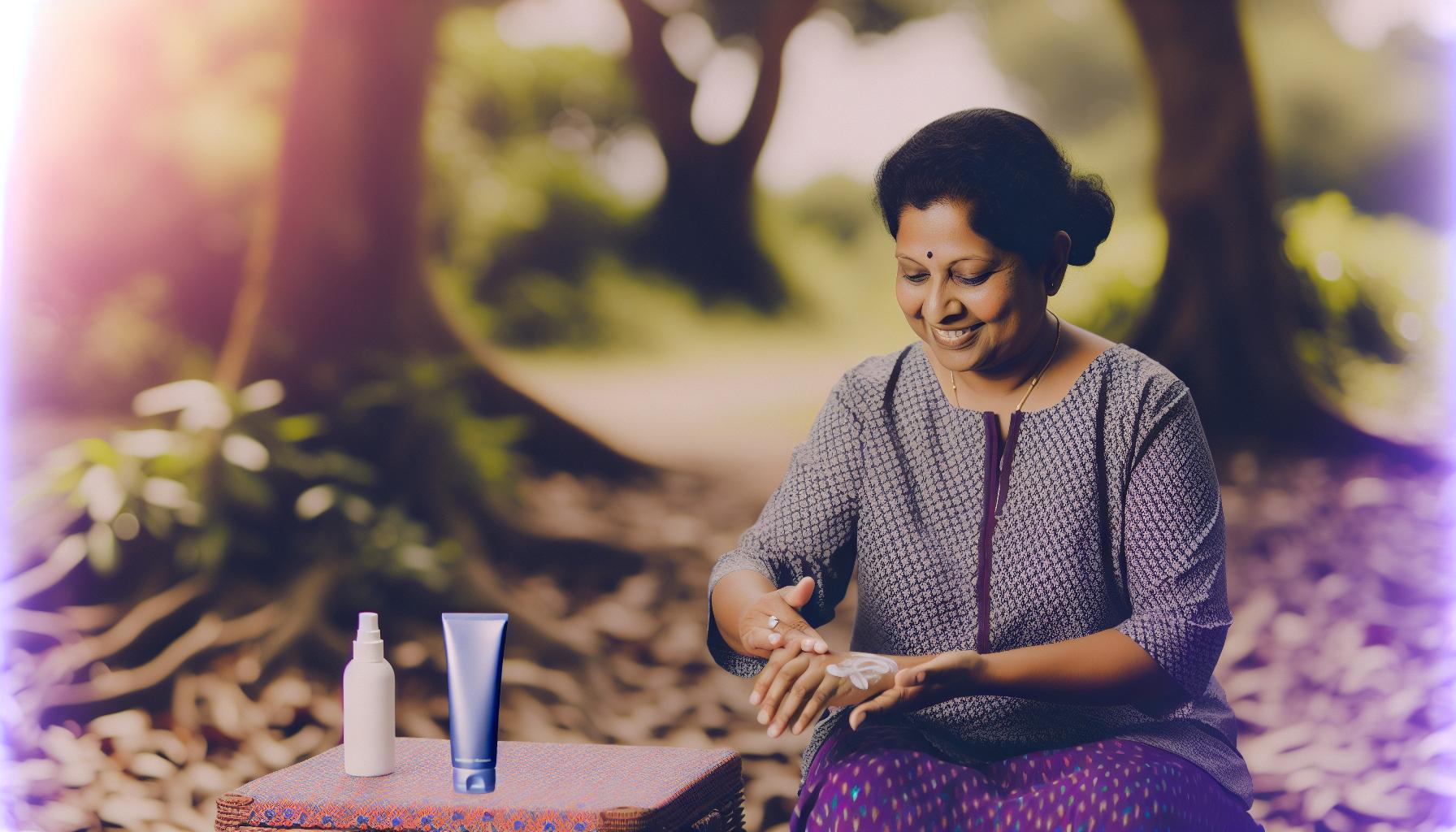
Few things feel more nurturing than protecting your skin while breastfeeding, knowing that your choices also safeguard your little one. Many moms find that switching to mineral-based sunscreens—especially those with non-nano zinc oxide or titanium dioxide—brings peace of mind as these ingredients sit on the skin’s surface and reflect UV rays without entering the bloodstream or breast milk. One mom shared how she chose a mineral sunscreen after learning it posed zero risk to her baby, feeling relieved and empowered to enjoy outdoor moments worry-free.Another mom appreciated printing labels and keeping her sunscreen by the diaper bag, reminding her to reapply without fuss during unpredictable nursing schedules.
Trusting your intuition is key. For some, a creamy mineral sunscreen feels comforting and soothing on sensitive postpartum skin. Others prefer lightweight sticks or sprays for swift, no-mess application. Here are some gentle guidelines moms have found helpful:
- Apply sunscreen away from the breast area: To prevent any chance of your baby ingesting sunscreen during nursing, choose areas like your face, arms, and legs. Wash hands afterward.
- Use a small dab first: Patch-test new sunscreen on a small skin area to ensure no irritation, especially when skin feels tender postpartum.
- Combine sun protection with hats and shaded breaks: Sunscreen is only one part of nurturing your skin—wide-brimmed hats and timing sun exposure to avoid peak UV hours are wonderful allies.
Stories from the Village of Moms
Many breastfeeding women find comfort in shared wisdom.One mom recounted feeling anxious about chemical sunscreens until a lactation consultant reassured her that mineral options posed no risk to milk supply or baby’s delicate skin. Another trusted a traditional herbal oil for UV protection, combining it with minimal sun exposure and modern mineral sunscreen on exposed areas, honoring her cultural heritage while prioritizing safety. These lived experiences remind us there is no single “right” way—only what feels good and safe for you.
By weaving expert advice with real mom stories, this community embraces gentle, evidence-based self-care. When your skin glows with care, so does your confidence—and that radiant energy is a gift to your breastfeeding journey.
Eco-Friendly Sunscreen Options Safe for Moms and Babies

Few choices in postpartum care feel as empowering as selecting a sunscreen that protects both you and your baby while caring gently for our planet. Many breastfeeding moms naturally gravitate toward mineral-based sunscreens with ingredients like non-nano zinc oxide or titanium dioxide—not just for their safety profile, but because these ingredients tend to be reef-safe and biodegrade more readily than many chemical sunscreens. Choosing eco-friendly options aligns beautifully with the nurturing spirit of motherhood, honoring both your family’s well-being and the environment you cherish.
When shopping for sustainable sunscreen, look for products clearly labeled as “mineral-based,” “reef-safe,” and free from oxybenzone and octinoxate, which are known to harm marine ecosystems. Brands often use non-nano zinc oxide as the physical blocker; this ingredient sits on the skin’s surface, minimizing absorption into your body and breast milk alike—offering peace of mind while nursing. Some moms appreciate tinted mineral sunscreens, which provide additional visible coverage to help track even application. The texture varies from creamy lotions to sticks, so you can find what comforts your postpartum skin best.
Practical Tips for Choosing and Using Eco-Friendly Sunscreens
- Read ingredient lists carefully. Seek zinc oxide (non-nano) and titanium dioxide; avoid chemical UV filters that may impact hormones or water quality.
- Patch test new products. Postpartum skin can be sensitive and reactive—especially with hormonal changes—so a small trial on your arm before full use can prevent irritation.
- Apply sunscreen away from the breast. This reduces the chances of your baby ingesting any residue during nursing.
- Combine sunscreen with sun-smart habits. Wide-brimmed hats, protective clothing, and timing outdoor time outside peak UV hours complement your eco-friendly routine.
One mother shared how she made the switch after learning that her previously favorite chemical sunscreen contained ingredients harmful to coral reefs and potentially risky for nursing infants. She now reaches for a creamy zinc oxide formula, relishing time outside knowing she’s taking care of her sensitive postpartum skin, her nursing baby, and the oceans her children may one day explore. Another mom combined traditional herbal oils, like red raspberry leaf infused in jojoba, with modern mineral sunscreens, creating a personalized ritual steeped in culture and evidence-based safety.
by embracing eco-conscious sunscreen choices, you are weaving a thread of gentle stewardship into your motherhood journey. This mindful balance between self-care, infant safety, and environmental respect nurtures both your well-being and the broader world your child will grow in.
many cultures around the world have long embraced natural, earth-based methods of sun protection that honor both the body’s needs and the environment. In breastfeeding and postpartum periods, this wisdom becomes even more valuable, as the skin is more sensitive and the body is in a unique state of healing and hormonal adjustment. Traditional approaches often blend botanical oils, mineral clays, and herbal infusions—ingredients cherished for their calming, protective, and nourishing qualities. These age-old remedies can serve as gentle complements or alternatives to modern mineral sunscreens, providing new mothers with a more holistic, intuitive way to safeguard their skin while caring deeply for their nursing babies.
Such as, cultural practices might include applying a thin layer of red raspberry seed oil, known for its natural SPF properties and skin-healing antioxidants, either alone or mixed with non-nano zinc oxide for reliable sun protection. In parts of Asia and Africa, mineral clays combined with safe plant oils act as physical barriers against sun exposure, supporting the delicate postpartum skin barrier without harsh chemicals. These traditions align beautifully with today’s emphasis on mineral-based sunscreens that sit on top of the skin rather than absorbing into the body or breast milk. They honor the body’s natural rhythms and enhance skin resilience through nourishing, plant-powered ingredients.
Practical Ways to Support your Sunscreen Ritual Holistically
- Explore gentle plant oils: Try incorporating small amounts of raspberry seed,jojoba,or calendula-infused oils as soothing moisturizers or mixing into mineral-based sunscreens for enhanced skin comfort.
- Homemade soothing pastes: Mix non-nano zinc oxide powder with a carrier like shea butter or aloe vera gel to create your own gentle, physical sunscreen blend, mindful to patch test first for sensitivity.
- Honor cultural grounding: If you have traditional remedies passed through your family or community, explore their safety and compatibility with breastfeeding, sharing these rituals with your care providers to ensure a confident, integrated approach.
- Mindful application rituals: Take sunscreen application as a moment to connect with yourself and your baby—light massage motions, deep breaths, and affirmations can nurture your mental and emotional well-being alongside physical care.
Recognizing that every mother’s body and cultural background is beautifully unique, it’s empowering to blend evidence-based safety with spiritual and holistic traditions that resonate personally. This creates a nurturing embrace around your postpartum journey—supporting your skin, your breastfeeding experience, and your sense of self with compassion and confidence.
Frequently asked questions
Q: Can breastfeeding moms safely use spray sunscreens, or should they avoid them?
A: Breastfeeding moms should avoid spray sunscreens because they can be inhaled or ingested by babies during nursing. Instead, opt for mineral-based lotions like non-nano zinc oxide applied away from the breast to ensure both effective sun protection and baby safety. For more tips, see our section on safe sunscreen application.Q: How can nursing moms prevent sunscreen from irritating sensitive postpartum skin?
A: To prevent irritation, choose fragrance-free, mineral-based sunscreens with soothing ingredients like aloe or chamomile. Test a small skin area before full use, and avoid applying directly on freshly healed or sensitive skin.Incorporate gentle skincare routines from our “Applying Sunscreen Safely on Sensitive Skin Postpartum” guide for added comfort.
Q: What sun protection alternatives are safe for breastfeeding moms who prefer natural products?
A: Breastfeeding moms can use natural sun barriers like wide-brim hats, UPF clothing, and shade to minimize sun exposure. DIY mineral sunscreens with zinc oxide are safe when prepared carefully. for step-by-step recipes and ingredient lists, check the article’s “Natural and DIY Sunscreen Alternatives for Nursing Moms.”
Q: Why is non-nano zinc oxide recommended as the safest sunscreen ingredient for nursing mothers?
A: Non-nano zinc oxide is preferred as it sits on the skin’s surface without systemic absorption, eliminating transfer into breast milk. It provides effective, broad-spectrum UV protection without chemical risks, making it ideal for sensitive skin and infant safety during breastfeeding. Learn more in the “Key Ingredients to Seek and Avoid in Sunscreens” section.
Q: How frequently enough should breastfeeding moms reapply sunscreen to maintain optimal protection?
A: Breastfeeding moms should reapply mineral-based sunscreen every two hours, or immediately after swimming or sweating. Applying sunscreen at least 15 minutes before sun exposure helps maximize protection. Our article’s “Timing and Routine: When and How to Reapply Sunscreen” section offers detailed guidance on establishing a safe, effective sun care schedule.
Q: What precautions should nursing moms take to avoid sunscreen transfer to their babies?
A: Avoid applying sunscreen directly on the breasts and wash hands thoroughly after application to prevent baby ingestion. Wearing protective clothing and breastfeeding in shaded areas further reduces risk. These simple precautions empower safe sun protection without compromising nursing comfort. See “How Sunscreen Absorbs Into your Body and Milk Supply” for deeper insights.
Q: Is it safe for breastfeeding moms to use chemical sunscreens occasionally if mineral options aren’t available?
A: Yes, when mineral sunscreens aren’t available, chemical sunscreens are better than risking sunburn, but use them sparingly. apply away from the breast, wash hands after use, and monitor skin reactions. prioritize mineral-based options for regular use, as explained in our “Understanding Sunscreen Safety While Breastfeeding” section.
Q: How do cultural practices influence sunscreen choices for breastfeeding mothers?
A: Cultural traditions frequently enough favor natural sun avoidance methods like clothing and shade, integrating holistic approaches. Recognizing these perspectives can guide personalized, respectful sun care tailored to each mom’s values. Explore “Navigating Sunscreens with Cultural and Holistic Perspectives” for nourishing ways to blend safety with tradition.
—
For continued support and tailored advice, explore our full article sections on breastfeeding-safe sunscreen choices and practical application routines. Your comfort and your baby’s safety are always top priority.
Future Outlook
Choosing the right breastfeeding-safe sunscreen is a gentle yet powerful way to protect your skin and nurture your little one’s wellbeing. By focusing on mineral-based, non-toxic ingredients, you’re prioritizing both safety and comfort during this precious postpartum phase. Remember, every mom’s journey is unique—listen to your body and feel confident in selecting products that honor your individual needs and breastfeeding routine.
For more nurturing tips on postpartum skincare and holistic self-care, explore our guides on Natural postpartum Healing and Safe Baby Care Essentials. If you want to stay updated on mindful motherhood practices and receive expert-backed advice straight to your inbox, join our community by signing up for our newsletter below. Have questions or personal favorites? Share your experience in the comments—we love hearing from moms supporting moms.
Your skin deserves protection that aligns with your values and lifestyle. Taking this simple step today can bring peace of mind and empower your breastfeeding journey. Let’s continue this caring conversation together—as when moms thrive, families flourish.
Make BlossomingMotherhood.Com a Preferred SourceGet our latest guides, news, and insights highlighted in your Google Search & AI Overviews.
✓ Preferred Source Added
Get our latest guides, news, and insights highlighted in your Google Search & AI Overviews.


 JUST 15 MINUTES A DAY