
Best Sunflower Lecithin for Breastfeeding: Prevent Clogs
Did you know that manny breastfeeding moms face painful clogged milk ducts, which can disrupt nursing and cause discomfort? Sunflower lecithin is a gentle, natural supplement known to help prevent these clogs by thinning milk and promoting smooth flow. If you’ve struggled with blocked ducts or want to keep your breastfeeding journey comfortable and joyful, understanding the best sunflower lecithin options can make a real difference. This guide offers warm, practical advice on choosing and using sunflower lecithin safely, with attention to your unique postpartum needs. Let’s explore how this simple addition can support your body’s natural rhythm, helping you nurture your baby with ease and confidence.
Contents
- What Is Sunflower Lecithin and How It Works
- Why Sunflower Lecithin Helps Prevent Breastfeeding Clogs
- Safe Dosage and Timing for New Moms
- How to Choose the Best Sunflower Lecithin Supplement
- Step-by-Step Guide to Using Lecithin for Milk Flow
- Natural Recipes with Sunflower Lecithin for Nursing Moms
- signs You Might Need lecithin during Breastfeeding
- Common Myths and Truths About Lecithin and Milk Supply
- Expert Tips for Managing and Preventing Plugged Ducts
- Real Mom Experiences: Success with Lecithin Use
- Balancing lecithin with Other Natural Supportive Herbs
- When to Consult Your Lactation Professional
- Faq
- Q: How soon can I expect relief from clogged milk ducts after starting sunflower lecithin? A: Most moms notice improvement within 24 to 48 hours of taking sunflower lecithin consistently. To maximize benefits, take the recommended dosage daily and continue for at least one week. If clogs persist beyond this, consult your lactation professional for personalized guidance and support. Q: Can sunflower lecithin be combined with other natural remedies to prevent breastfeeding clogs?
- Q: Does sunflower lecithin affect breast milk supply while preventing clogs?
- Q: Are there any side effects of using sunflower lecithin during breastfeeding?
- Q: What should I look for when selecting the best sunflower lecithin supplement for breastfeeding?
- Q: Can sunflower lecithin help prevent mastitis linked to clogged ducts?
- Q: How do I adjust sunflower lecithin use if my breastfeeding routine changes or I wean?
- Q: Can sunflower lecithin support moms with oversupply issues who experience frequent clogs?
- Key Takeaways
What Is Sunflower Lecithin and How It Works
Many breastfeeding moms find themselves struggling with frustrating blocked milk ducts, which can quickly turn into uncomfortable, even painful experiences. Sunflower lecithin offers a gentle and natural way to support milk flow and reduce the viscosity of breast milk,making it less likely to form those pesky clogs. Derived from sunflower seeds, this lecithin is a phospholipid — a fat-like substance that naturally occurs in the body and plays a critical role in keeping cell membranes healthy and flexible.In the context of breastfeeding, it acts as an emulsifier, helping to thin thick breast milk and allowing it to flow more smoothly through tiny ducts.
Unlike soy-based lecithin, sunflower lecithin is free from common allergens and genetically modified ingredients, making it a preferred choice for many sensitive moms and babes. The key to its effectiveness lies in its ability to reduce the stickiness of fat molecules in breast milk. This less sticky milk is less prone to forming blockages or plugged ducts that interfere with comfortable feeding and milk expression. Many lactation consultants and experienced mothers recommend incorporating sunflower lecithin into a self-care routine as an accessible first step before turning to more intensive therapies.
How Sunflower Lecithin Supports Your Breastfeeding Journey
- Enhances Milk Flow: By breaking down thick milk fats, it promotes smoother, less obstructed milk passage.
- Gentle and Natural: Sourced from sunflower seeds, it aligns well with holistic postpartum care practices.
- Non-Allergenic: Ideal for moms and babies with sensitivities toward soy or dairy.
- Easy to Incorporate: Available in liquid, granule, or capsule forms, fitting naturally into daily routines.
Think of sunflower lecithin as a simple yet potent ally during those times when your body needs just a little extra help keeping milk flowing freely. Many moms find that its regular use reduces the uncomfortable pressure of engorgement and prevents the repetitive cycle of ducts becoming blocked—helping breastfeeding stay a joyful and nurturing experiance.
Why Sunflower Lecithin Helps Prevent Breastfeeding Clogs
Blocked milk ducts can sneak up on breastfeeding moms as stubborn, tender lumps that disrupt the natural rhythm of nursing. one gentle and effective support comes from sunflower lecithin, which works by reducing the thickness and stickiness of breast milk.When the milk fat clusters become less sticky, they flow more easily through the narrow ducts, lowering the chance of clogs forming in the first place. This simple shift helps ease pressure and discomfort, letting moms and babies reconnect without pain or frustration.
Sunflower lecithin’s power lies in its natural emulsifying action—it gently breaks down milk fats, preventing them from sticking together. Imagine a river running freely rather than pooling into slow, sticky patches.For many moms, this can mean fewer interruptions during feeding and less need to resort to painful manual expressions or warm compresses. It’s especially helpful during periods of oversupply or when milk changes texture, times when ducts are most vulnerable.
How to Use sunflower Lecithin to Keep Milk Flowing Smoothly
- Start with consistent small doses: Taking lecithin regularly—often 1,200 mg to 1,800 mg daily, divided into two or three doses—helps maintain milk fluidity throughout the day.
- Pair with frequent breastfeeding or pumping: This supports clearing milk from ducts before thickening can lead to blockages.
- Combine self-care strategies: Stay hydrated, practise gentle breast massage, and wear well-fitted nursing bras to avoid added pressure on ducts.
Each mother’s body is unique, and some find that adding sunflower lecithin may also help reduce inflammation associated with plugged ducts, gently supporting the body’s natural healing. It’s a safe, non-allergenic option that respects the sensitive balance of your postpartum body, inviting you to take empowered steps toward comfort and nurturing care.
Safe Dosage and Timing for New Moms

Finding the right balance in dosing sunflower lecithin can feel like a gentle dance with your body’s natural rhythm, especially when you’re navigating the stunning, sometimes unpredictable journey of breastfeeding. Most lactation experts suggest starting with a daily intake of 1,200 to 1,800 mg, split into two or three doses throughout the day. This approach supports steady milk flow and helps keep those stubborn milk fat clusters from causing blockages. It’s kind of like adding just enough oil to keep your bike chain running smooth—too little, and things get sticky; too much, and it might feel overwhelming. Most new moms find this dosing is both safe and effective, but tuning in to your body’s unique signals is key.
The timing of taking lecithin can also make a difference in how well it works for you. Incorporating doses before or between feedings maximizes its fluidizing effects, helping milk move more freely when your baby latches or during pumping sessions. Listening to your body’s cues—such as noticing awkward feedings or early signs of tenderness—can guide you on when to adjust your intake. For example,if you’re experiencing an oversupply phase or milk texture changes as the baby grows,those can be perfect moments to ensure consistent lecithin support.
Practical Tips to Make Supplementing Easy and Safe
- Choose high-quality, sunflower lecithin supplements free from common allergens and additives.
- Start low and go slow: if you’re trying lecithin for the first time, introduce it gradually to see how your body responds.
- Take lecithin with meals or snacks to ease digestion and support nutrient absorption.
- Check for interactions: while lecithin is generally safe, if you’re taking medications or other herbal supplements, discuss with your healthcare provider to avoid any surprises.
- Stay hydrated: lecithin works best alongside plenty of fluids, which also helps maintain milk production and duct flexibility.
Remember, every mother’s postpartum journey is beautifully unique. Some find that slightly adjusting their doses during times of increased nursing or stress helps keep clogs at bay. Others may notice gentle improvements when combined with complementary self-care like warm compresses or mindful breast massage. If you ever find yourself unsure, a lactation consultant or trusted midwife can provide personalized guidance, ensuring you feel safe and supported while nourishing both yourself and your little one.
How to Choose the Best Sunflower Lecithin Supplement
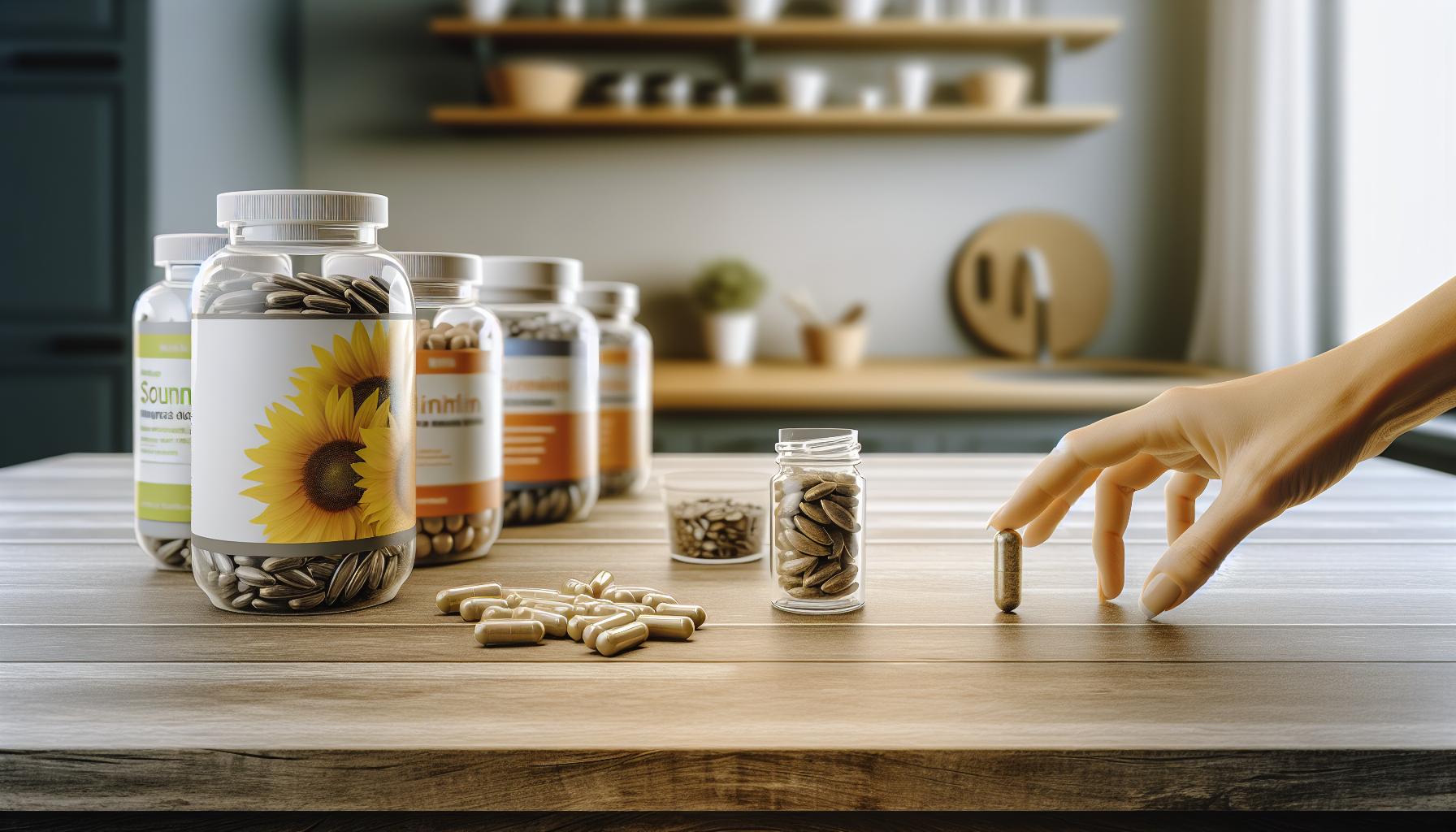
Not all sunflower lecithin supplements are created equal, especially when your goal is gentle, effective support for breastfeeding and preventing clogs. When choosing a supplement, quality and purity should be your first priorities.Look for products labeled as non-GMO and organic if possible, as these tend to have fewer pesticides and additives that coudl irritate your system or your baby’s developing sensitivities. As lecithin is frequently enough sourced from sunflower seeds, it’s critically important to select supplements extracted through cold-press or non-chemical methods, which better preserve its natural beneficial properties without harsh residues.
another key factor is the supplement’s ingredient list. Simple is best—ideally, only sunflower lecithin without fillers, artificial colors, preservatives, or allergens like soy or dairy. Remember, your body is recovering and tuning into nourishing your baby, so less clutter on your supplement label means less stress for your digestive system. If capsules are your preference, make sure the capsule shell is vegetarian-pleasant and free from gluten or gelatin. Some moms also appreciate powdered lecithin, which can easily be added into smoothies or warm drinks for versatile nursing-friendly recipes.
Smart Shopping Tips for Your Supplement
- Check dosage per serving: Most lactation experts recommend starting around 1,200–1,800 mg daily, so package labeling should clearly state this to help track your intake.
- Seek third-party testing or quality seals: Certifications from independent labs ensure you’re getting what the label promises without hidden contaminants.
- Read reviews from breastfeeding moms: Real experiences can provide insight on tolerability, taste, and effectiveness—valuable when your priority is comfort and ease.
- Consult your healthcare provider: Especially if you have allergies, take medications, or use other supplements, get personalized advice about brands or formulations that suit your unique needs.
- consider local and small-batch producers: Sometimes smaller companies follow more trusted, ethical practices and offer fresher supplements.
Keep in mind that what works wonderfully for one mom might require adjustments for another. Such as, some women notice better digestion with lecithin powders mixed into warm milk or teas, while others prefer capsules on the go. Celebrating this uniqueness and quietly listening to your body’s whispers will help you find the perfect product that feels like a gentle partner in your breastfeeding journey.
Step-by-Step Guide to Using Lecithin for Milk Flow
Supporting milk flow during breastfeeding is both an art and a science, especially when clogged ducts cause discomfort. Introducing sunflower lecithin thoughtfully can ease milk movement by naturally thinning the milk, helping it glide through milk ducts more smoothly and reducing the chances of blockages. Its gentle action makes it a favorite among many moms who prefer a nurturing, non-invasive approach to lactation challenges.
Begin with a reliable, high-quality lecithin supplement—powder or capsules based on your preference. Aim for a starting dosage of about 1,200 mg to 1,800 mg per day, divided into two or three smaller doses to support steady milk flow throughout the day. For example, taking 600 mg three times daily works well for many women, but always listen to your body and adjust if needed. Consistency is key: daily intake for at least 5–7 days allows your body to respond, though some experience relief sooner.
Simple Step-by-Step Routine to Incorporate Lecithin
- Morning: Take your first dose with a soothing warm drink, such as herbal tea or warm water. Adding lecithin powder hear can be a gentle start, especially if you enjoy ritualistic morning moments focused on self-care.
- Midday: Incorporate lecithin with a light snack or smoothie. Here’s a swift recipe:
| Ingredient | Amount | benefit |
|---|---|---|
| Unsweetened almond milk or your favorite plant milk | 1 cup | Hydration and gentle nourishment |
| Sunflower lecithin powder | 600 mg (approx. 1/3 teaspoon) | Supports milk flow and prevents clogs |
| Banana (ripe) | 1 small | Natural sweetness and potassium |
| ground flaxseed | 1 tablespoon | Omega-3s for overall milk quality |
| Optional: Honey or maple syrup | 1 teaspoon | Added flavor (for babies over 1 year) |
- Blend all ingredients until smooth and enjoy mindfully, knowing you’re nourishing both yourself and your milk supply.
- Evening: Another dose before bedtime supports overnight milk production and duct health.
Helpful Tips for Success
- Stay well-hydrated: Water works alongside lecithin to keep milk flowing freely.
- Monitor your body’s cues: Some moms find they need to adjust lecithin amounts depending on milk thickness or sensation of fullness.
- Support with gentle breast massage: Use light circular strokes while nursing or pumping to encourage duct clearing.
- Pair lecithin with good nutrition: Balanced meals rich in whole foods enhance the body’s ability to maintain healthy milk.
- Consult your lactation professional if you experience ongoing or severe blockages—lecithin supports but does not replace medical advice.
This step-by-step rhythm fosters a gentle, intentional approach to easing milk flow, weaving nourishment into your day with care and practicality.Remember, each mother’s experience is unique—embrace what feels nurturing and effective for your individual breastfeeding journey.
Natural Recipes with Sunflower Lecithin for Nursing Moms

Brightening your breastfeeding experience with sunflower lecithin can be as simple and nourishing as blending a comforting smoothie or sipping a soothing warm drink. Many nursing moms find that incorporating lecithin into everyday recipes not only supports milk flow but also adds gentle nourishment during the often overwhelming postpartum period. The key lies in combining lecithin with hydrating, nutrient-rich ingredients that amplify its milk-thinning, clog-preventing properties while honoring your body’s need for rest, healing, and gentle support.
A Nourishing Morning Smoothie to Start Your day
This easy-to-make recipe blends natural sweetness with healthy fats and fiber, fueling your energy and smoothing milk flow simultaneously.
| Ingredient | Amount | Benefit |
|---|---|---|
| Unsweetened almond milk (or oat/coconut milk) | 1 cup | hydrating base rich in gentle nutrients |
| Sunflower lecithin powder | 600 mg (about 1/3 teaspoon) | Helps prevent milk clogs by thinning milk consistency |
| Ripe banana | 1 small | Natural sweetness and potassium to enhance milk quality |
| Ground flaxseed | 1 tablespoon | Omega-3 fatty acids supporting milk nutrition |
| Fresh or frozen blueberries | ½ cup | Antioxidants for immune support and gentle flavor |
| Optional: Honey or maple syrup | 1 teaspoon | Sweetens naturally (for babies over 1 year) |
- Planning: Combine all ingredients in a blender. blend until smooth. Sip slowly, savoring the nurturing self-care moment.
- Timing proposal: Enjoy mid-morning or early afternoon to maintain steady support for milk flow throughout your day.
Gentle Evening Warm Drink for Milk Duct Health
Wind down your day with a warm, calming herbal tonic enhanced by sunflower lecithin. This recipe gently encourages overnight milk production and duct health — a wonderful ritual to soothe body and mind.
| Ingredient | Amount | Benefit |
|---|---|---|
| Warm water or herbal tea (e.g.,chamomile or fennel) | 1 cup | Hydration and calming effect on nervous system |
| Sunflower lecithin powder | 600 mg (about 1/3 teaspoon) | Reduces milk thickness,supports duct clearance |
| Fresh lemon juice | 1 teaspoon | Vitamin C for immune health and refreshing flavor |
| Optional: Small slice of ginger | 1 thin slice | Aids digestion and mild anti-inflammatory action |
- Preparation: stir lecithin powder into warm tea or water until fully dissolved. Add lemon juice and ginger slice. Sip slowly while breathing deeply to relax.
- Safety note: Ensure herbs chosen are lactation-safe and avoid any known personal allergies.
Tips for Using Lecithin in Homemade Recipes
- Start small: Begin with 600 mg (1/3 tsp) of lecithin per serving to assess tolerance.
- Stay consistent: Daily use over several days enhances benefits in milk flow and duct health.
- Customize flavor & texture: Lecithin powder blends well but may slightly affect thickness; pairing with fruits and nuts helps balance texture.
- Hydration matters: Always pair lecithin intake with plenty of water to support its emulsifying effects.
- Listen to your body: Adjust amounts and recipes according to what feels best for you and your milk supply.
Through these gentle, simple recipes, you create moments of nourishment that extend beyond nutrition – embracing self-care, honoring your body’s unique journey, and weaving wellness into everyday motherhood rhythms. Remember, no single approach fits all. Exploring such flavorful, practical ways to include sunflower lecithin might ease blockages gracefully while celebrating the sacred work of nursing your baby.
signs You Might Need lecithin during Breastfeeding
Breastfeeding is a beautiful journey, but sometimes, stubborn milk clogs sneak in to challenge your flow and comfort.Recognizing the early signs that your body might benefit from sunflower lecithin can definately help you ease discomfort before it turns into a plugged duct or mastitis. Many nursing moms notice subtle signals—like thicker,lumpier milk or repeated small blockages—that hint at sticky milk causing minor bottlenecks in the milk ducts. These moments call for gentle self-care and thoughtful support to keep milk flowing smoothly.
- Persistent lumps or knots in the breast: These feel like localized hard spots that don’t fully clear after feeding or pumping. The milk thickening reduces its natural slip,making these clogs more likely.
- Sharp or shooting pain during letdown or feeding: It might happen suddenly or persist throughout the nursing session. This sometimes happens when milk ducts are partially blocked, causing uneven pressure.
- Breast fullness that doesn’t improve with feeding: When your breasts remain uncomfortably full or engorged, even after nursing, it can signal poor milk flow and accumulation behind a clog.
- Repeated bouts of blocked ducts: Experiencing clogs in the same area multiple times or chronic recurring milk duct issues often signals a need for a gentle thinning support like lecithin.
- changes in the texture of your milk: If you notice your milk is thick or “sticky” rather than flowing freely, it’s a subtle clue that lecithin might help by naturally thinning the milk to ease duct clearance.
Listening to Your Body’s Whisper
Some moms find it helpful to keep a small breastfeeding journal, noting when discomfort or lumps appear, what feeding or pumping looks like, and dietary or lifestyle changes.This can reveal patterns linked to milk viscosity. One experienced mother shared, “Taking sunflower lecithin helped me glide past recurring clogs that no other fixes seemed to touch. It’s like it unlocked a stuck river inside me.” Remember, every mother’s body is unique, and what works beautifully for one may differ for another; gentle experimentation and patience are your allies.
When to Consider Adding Lecithin
Starting lecithin early—ideally at the first hint of sticky lumps or persistent fullness—can keep small blockages from growing into painful plugged ducts. Many lactation consultants suggest a daily dose of about 1200-2400 mg split through the day, but beginning with 600 mg per serving (roughly 1/3 teaspoon of sunflower lecithin powder) and carefully observing your response is a nurturing way to start. Paired with adequate hydration and skin-to-skin nurturing, lecithin supports your milk’s natural flow without harsh interventions.
| Common Signs You Might Benefit from Lecithin | How Lecithin Helps |
|---|---|
| Persistent lumps that don’t clear after feeding | Thins milk to ease flow and reduce clog risk |
| Sharp pain during letdown or nursing | Supports duct clearance to relieve pressure |
| Repeated milk duct blockages | Prevents sticky milk from forming plugs |
| Breast fullness after feeding | Encourages smooth milk movement for comfort |
Trusting your intuition and respecting your body’s rhythms is key during postpartum and breastfeeding phases. If you encounter discomfort, remember that sunflower lecithin can be a gentle yet powerful ally in fostering comfort and uninterrupted nourishment. Sharing your journey with a lactation professional ensures you stay safe, supported, and connected on this tender path of motherhood.
Common Myths and Truths About Lecithin and Milk Supply

Many moms wonder if taking sunflower lecithin will actually boost their milk supply or if it simply helps with clogged ducts—and the truth lies somewhere in between. lecithin isn’t a magical milk booster, but rather a natural aid that improves milk flow by reducing its thickness and stickiness. this can make feeding more comfortable and prevent the painful blockages that often make breastfeeding challenging. It’s important to understand that lecithin supports the quality and flow of milk, rather than increasing volume directly.
One common misconception is that lecithin can replace the need for frequent nursing or pumping. While lecithin helps keep milk smooth and moving, it doesn’t take the place of regular milk removal, which is the key to maintaining a healthy supply. Think of lecithin as a helpful helper—kind of like a gentle stream keeps water flowing freely—rather than the source of water itself. Many moms find that combining lecithin with attentive feeding or pumping schedules, hydration, and self-care provides the best results for comfort and milk flow.
Separating Fact from Fiction
- Myth: Lecithin causes an oversupply of milk.
Truth: Lecithin helps thin milk but doesn’t stimulate additional milk production. physically removing milk regularly signals your body to maintain supply. - Myth: all breastfeeding problems mean you need lecithin.
truth: While lecithin is excellent for preventing thick, sticky milk and clogged ducts, other feeding challenges like low supply or latch issues require different approaches and professional support. - Myth: Lecithin is unsafe during breastfeeding.
Truth: Sunflower lecithin is generally considered safe for most breastfeeding moms when taken within recommended doses. As with any supplement, consulting your healthcare provider is a wise step, especially if you have allergies or health conditions.
In my experience working alongside mothers, many have shared relief when they finally tried lecithin after struggling with repeated plugged ducts. One mom described feeling “like a dam broke” after adding lecithin to her routine—her milk flowed easier, discomfort lessened, and she could focus more on nurturing her baby than on pain and worry. Yet, every journey is unique, and while lecithin offers gentle support, honoring your body’s signals and seeking guidance when needed remains paramount.
| Common Myths | Reality |
|---|---|
| Lecithin dramatically increases milk supply. | Supports milk flow by thinning milk but does not directly increase supply. |
| Taking lecithin means you don’t need to nurse or pump often. | Frequent milk removal is essential; lecithin complements but doesn’t replace this. |
| Lecithin is unsafe for breastfeeding mothers. | generally safe in recommended doses; consult your healthcare provider if unsure. |
Remember, your breastfeeding experience is deeply personal and ever-changing. Embracing tools like sunflower lecithin as part of a nurturing self-care plan—with kindness to yourself and your body—can bring comfort and smoother milk flow, but always walk this path with gentle curiosity and the support of those who understand your unique story.
Expert Tips for Managing and Preventing Plugged Ducts
clogged milk ducts can sneak up unexpectedly, creating uncomfortable, sometimes painful blockages that interfere with the natural flow of breast milk. Fortunately, nurturing your body with a few thoughtful habits can make a significant difference in both preventing and easing these blockages. Many moms find that combining sunflower lecithin with gentle self-care routines supports a smoother breastfeeding experience by reducing milk’s thickness and stickiness,allowing it to flow freely.Start by ensuring frequent and complete milk removal—this is the cornerstone of preventing plugged ducts. Nursing or pumping every 2 to 3 hours helps avoid milk stasis, the main culprit behind blockages. When you feed, try varying your baby’s position to fully drain different breast areas. Warm compresses before feeding gently loosen hardened milk, while a cool compress afterward soothes any inflammation. Incorporating gentle breast massage during feeding—massaging from the blocked area toward the nipple in slow, circular motions—can help break up clumps and encourage drainage without adding discomfort.
Additional Gentle Strategies to consider
- Hydration and Nutrition: Staying well-hydrated thins milk naturally, complementing lecithin’s effect. Nourishing your body with whole foods rich in omega-3s and antioxidants supports healing and milk quality.
- Sunflower Lecithin Supplementation: Follow recommended doses of 1,200 to 1,800 mg daily, usually divided into two or three doses, to keep milk flowing freely. Always introduce supplements gradually and observe how your body responds.
- Rest and Stress Reduction: Emotional and physical stress can impact milk let-down. Gentle breathing exercises,warm baths,and quiet moments help balance hormones that support lactation.
- Comfortable Clothing: Avoid tight bras or clothing that put pressure on your breasts, as these can contribute to duct compression and blockages.
Many mothers describe a turning point when combining lecithin with these self-care steps, sharing stories of relief as milk began flowing more easily and discomfort faded. Such as,one mom noted that a warm tea infused with fennel and chamomile—known for their lactation-supportive and anti-inflammatory properties—helped her during early plugged duct episodes. Remember, each body is unique; gentle experimentation guided by listening to your own needs and partnering with a lactation consultant can create a personalized plan that honors your breastfeeding journey.
| Tip | Why It Helps |
|---|---|
| Frequent feeding or pumping every 2–3 hours | Prevents milk buildup and reduces risk of blockages |
| Warm compress before nursing | Softens hardened milk, easing flow |
| Breast massage toward nipple | Promotes milk drainage and breaks up clumps |
| Hydration and nutrient-rich diet | Supports milk quality and thinning |
| Sunflower lecithin supplements as directed | Reduces milk stickiness, preventing plugs |
| Wearing loose, comfortable clothing | Avoids duct compression and irritation |
Trust your body’s rhythm and honor moments when extra rest or care is needed. Remember, managing plugged ducts is not just a physical task—it’s a tender act of loving your postpartum self, creating space for healing, and embracing the beautiful complexity of motherhood. Reach out if pain persists or worsens,as early intervention fosters both comfort and confidence in your breastfeeding path.
Real Mom Experiences: Success with Lecithin Use
It’s powerful how something as simple as sunflower lecithin can become a quiet hero in many breastfeeding journeys, especially when stubborn milk clogs threaten comfort and confidence. Many moms share that introducing lecithin brought noticeable relief—not by rushing the process but by gently supporting their bodies to keep milk flowing smoothly and reduce the frustrating stickiness that often leads to plugged ducts.
One mom described how starting a daily dose of lecithin,combined with her usual routine of frequent nursing and warm compresses,transformed her experience after struggling with repeated blockages. she noticed less pain and quicker resolution when clogs did appear.Another mother found that consistency was key; taking lecithin right from early postpartum helped prevent blockages before they took hold,giving her peace of mind and making breastfeeding feel less like a battle. These real stories emphasize how patience and tuning into one’s unique rhythm—rather than chasing a quick fix—can create enduring relief.
Personal Tips from Moms Who Use Lecithin
- Start Slowly: Begin with a lower dose (around 1,200 mg per day) and increase gradually, paying attention to how your body responds to avoid any digestive upset.
- Pair It with Hydration: Drinking plenty of water enhances lecithin’s thinning effect on breast milk, helping it flow more easily through ducts.
- Incorporate Gentle Massage: Massaging breasts while nursing or pumping complements lecithin’s action by physically easing milk movement.
- Listen to Your Body: Some moms notice changes right away, while others find their bodies need a week or two to respond fully.Honor your pace without pressure.
Many mothers also blend lecithin into simple recipes like smoothies or warm herbal teas, making supplementation both enjoyable and nourishing. Below is a quick, calming tea recipe shared by a breastfeeding mom who credits it with easing early signs of clogged ducts while supporting overall breastfeeding wellness.
| Soothing Herbal Tea with Sunflower Lecithin | preparation Steps |
|---|---|
|
|
Every mother’s story highlights one clear message: sunflower lecithin isn’t a magic bullet, but a gentle ally that, when paired with self-care and attentive breastfeeding habits, can ease discomfort and sustain milk flow. Embracing this natural supplement with kindness toward your body honors both the challenges and miracles of nursing—a shared journey of growth, healing, and love.
Balancing lecithin with Other Natural Supportive Herbs
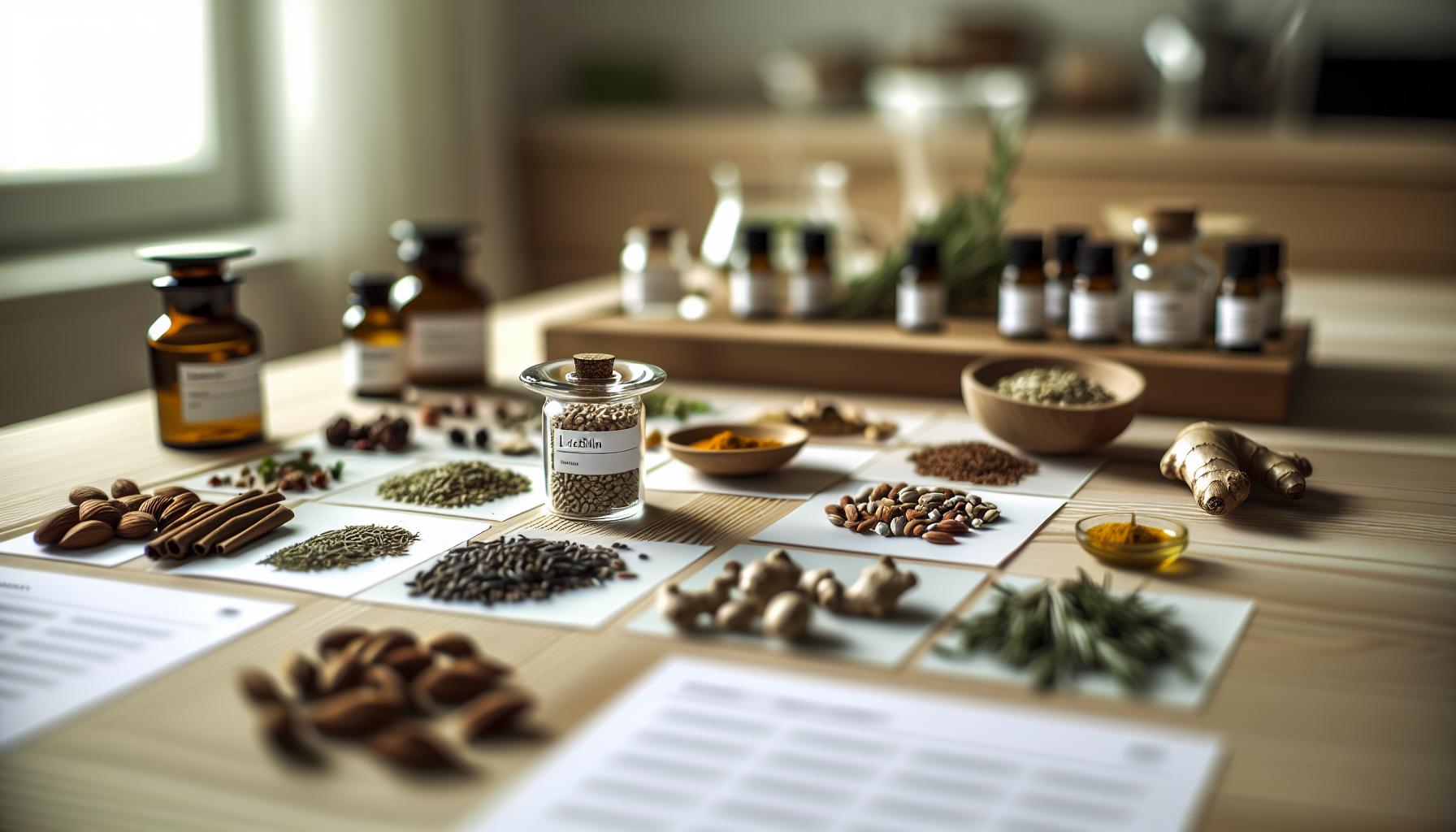
Combining sunflower lecithin with thoughtfully chosen natural herbs creates a nurturing blend that supports your breastfeeding journey beyond just unblocking ducts. Herbs like chamomile, fennel, and blessed thistle have long histories of soothing inflammation, encouraging milk flow, and easing digestion—qualities that beautifully complement lecithin’s role in gently thinning milk and preventing stickiness inside breast ducts. This holistic approach can make managing breastfeeding challenges feel more balanced and empowering, especially when honored with patience and self-compassion.
Many nursing mothers find that integrating these herbs into daily routines not only helps keep milk flowing smoothly but also supports overall postpartum well-being. For instance, while lecithin works on the micro-level to reduce blockage risks, calming herbs like chamomile can ease the tension and discomfort often tied to plugged ducts or mastitis flare-ups. Meanwhile, fennel and blessed thistle gently stimulate milk production without overstimulating the body or causing side effects, providing a mild but consistent supportive lift. Always listen closely to your body and avoid overloading on multiple herbs at once; starting small and monitoring your response allows each plant ally to reveal its unique benefit.
Herbal Allies to Pair with Sunflower Lecithin
| Herb | Benefits for Nursing Moms | Safe Dosage Tips |
|---|---|---|
| Chamomile | soothes inflammation, alleviates nipple soreness, aids relaxation to reduce milk stasis | steep 1 tsp dried flowers in hot water, drink 1–2 cups daily; avoid if allergic to ragweed |
| Fennel | Supports milk supply, improves digestion for mom and baby, reduces colic symptoms | Use 1 tsp crushed seeds steeped or tincture as directed; consult if on hormone therapy |
| Blessed Thistle | gentle galactagogue (milk booster), helps reduce inflammation in ducts | 250 mg 1-3 times daily in capsule or tea form; not recommended in pregnancy |
| Calendula | Topical use to heal cracked nipples and skin irritation | Use as salve or compress; avoid oral ingestion without professional guidance |
By rotating these herbs with daily sunflower lecithin supplementation, you build a well-rounded, gentle system that honors your body’s natural rhythm. A breastfeeding mom shared how sipping a homemade blend of chamomile and fennel tea, enhanced with lecithin powder on days when ducts felt tender, brought a comforting ritual that calmed both mind and breast tissue. This kind of mindful combination—infused with warmth, hydration, and gentle massage—creates space for your body to heal and thrive.
remember, while many herbs carry nurturing histories, each breastfeeding journey is unique. It’s important to check in with a trusted lactation consultant or herbalist before introducing new herbs, especially if you have underlying health concerns or take medications. With guidance and respect for your own pace, this natural, layered approach can gently support milk flow and ease common breastfeeding obstacles, helping you savor those precious moments with your baby, grounded in kindness and care.
When to Consult Your Lactation Professional
Many breastfeeding challenges can feel overwhelming, especially when clogged ducts linger despite your best efforts with sunflower lecithin and natural remedies. It’s important to trust your instincts and seek expert support when your body signals that extra care is needed. Consulting with a lactation professional doesn’t mean you’ve failed—it’s a compassionate step in nurturing yourself and your little one through the complex postpartum journey.
A lactation consultant can provide personalized guidance tailored to your unique breastfeeding experience, whether that’s addressing persistent plugged ducts, nipple pain, or concerns about milk supply. They can help you identify subtle signs that lecithin alone may not resolve, such as:
- Recurring or painful clogged ducts despite consistent lecithin use and gentle breast massage
- Signs of mastitis—redness, swelling, warmth, fever, or flu-like symptoms that signal infection needing medical attention
- Challenges with baby’s latch or feeding patterns that might contribute to milk stasis or uneven drainage
- Questions around combining lecithin with herbal supplements or medications to ensure safety for both mom and baby
- Emotional or physical exhaustion, when the stress of breastfeeding difficulties feels too heavy to carry alone
Benefits of Professional support
Lactation experts offer not only clinical knowledge but also warm, empowering care that honors the full complexity of postpartum health. they can teach hands-on techniques to improve milk flow, recommend safe and effective supplement plans, and provide reassurance that your body is healing steadily. Many moms find that stepping into this supportive relationship lifts a heavy weight—transforming frustration into confidence and gentle self-care.
For example, one mom shared how a consultant helped her adjust her nursing position and introduced a milk duct massage routine that, paired with sunflower lecithin, finally cleared stubborn blockages that had lasted weeks. Another found that checking in with a pro helped her balance herbs like fennel and chamomile safely alongside supplements, easing both physical discomfort and feeding anxiety.
Knowing When to Reach Out
You might want to schedule a consultation sooner rather than later if you notice any of the following:
| Signs | Why Timely Help Matters |
|---|---|
| Persistent lump or redness lasting more than 24-48 hours | Could indicate early mastitis requiring prompt treatment to prevent infection |
| Severe pain during or after feedings | May signal latch issues or duct inflammation needing hands-on assessment |
| Fever or flu-like symptoms | Often a sign of infection needing medical and lactation intervention immediately |
| BABY feeding poorly or losing weight | Could be related to milk transfer issues that need expert evaluation |
| Questions about supplement safety or dosage | Expert advice ensures supplements like sunflower lecithin fit your health profile safely |
Remember, lactation professionals are your allies—offering evidence-based advice coupled with respect for your feeding goals, cultural traditions, and personal rhythms. Their guidance brings an extra layer of care that can definitely help you overcome breastfeeding obstacles in a way that feels kind, sustainable, and empowering. don’t hesitate to reach out early; nurturing yourself is a foundational gift to your baby’s well-being and your shared journey.
Faq
Q: How soon can I expect relief from clogged milk ducts after starting sunflower lecithin?
A: Most moms notice improvement within 24 to 48 hours of taking sunflower lecithin consistently. To maximize benefits, take the recommended dosage daily and continue for at least one week. If clogs persist beyond this, consult your lactation professional for personalized guidance and support.Q: Can sunflower lecithin be combined with other natural remedies to prevent breastfeeding clogs?
A: Yes, sunflower lecithin pairs well with gentle breast massage, warm compresses, and staying hydrated. Combining these natural strategies enhances milk flow and reduces duct blockages. For detailed combinations and recipes, see our section on balancing lecithin with supportive herbs to safely boost your nursing wellness.
Q: Does sunflower lecithin affect breast milk supply while preventing clogs?
A: Sunflower lecithin primarily helps thin milk to prevent clogs and does not decrease milk supply. Actually, by reducing duct blockages, it may improve milk flow. If you notice any changes, review our tips on common myths about lecithin and milk supply for reassurance and next steps.
Q: Are there any side effects of using sunflower lecithin during breastfeeding?
A: Sunflower lecithin is generally safe with minimal side effects.Some moms report mild digestive upset or headaches, which often resolve quickly. Always start with a lower dose and increase gradually, as explained in our safe dosage and timing guide, to minimize discomfort and ensure gentle support.
Q: What should I look for when selecting the best sunflower lecithin supplement for breastfeeding?
A: Choose non-GMO, organic sunflower lecithin supplements that are free of additives and allergens. Look for clear labeling of dosage and purity. Our detailed guide on how to choose the best sunflower lecithin supplement helps you find trusted products tailored for nursing moms.
Q: Can sunflower lecithin help prevent mastitis linked to clogged ducts?
A: Yes, by preventing persistent clogged ducts, sunflower lecithin indirectly reduces the risk of mastitis, a painful breast infection. Consistent use helps keep milk flowing smoothly, lowering inflammation risk. Combine this with expert tips for managing plugged ducts for effective prevention.
Q: How do I adjust sunflower lecithin use if my breastfeeding routine changes or I wean?
A: When breastfeeding frequency decreases or you start weaning, reduce your lecithin intake gradually. This helps your milk adjust naturally and prevents unexpected clogs. For personalized advice on timing and dosage adjustments, refer to our section on safe dosage and timing for new moms.
Q: Can sunflower lecithin support moms with oversupply issues who experience frequent clogs?
A: Absolutely.Sunflower lecithin helps thin thick milk caused by oversupply, easing flow and reducing duct blockages. Pair with strategies targeting milk balance, like paced feeding, outlined in our expert tips for managing plugged ducts**, to support comfortable and healthy breastfeeding.
For more detailed steps and real mom stories, explore the full guide on how to use lecithin for milk flow and join our supportive community of breastfeeding moms finding comfort with natural solutions.
Key Takeaways
Choosing the best sunflower lecithin can be a gentle, effective step to help prevent clogged milk ducts while supporting your breastfeeding journey. Remember, safety and timing matter—start with recommended doses and observe how your body responds, honoring your unique postpartum experience. For extra support, explore our DIY nipple balm recipes and soothing lactation teas to nurture comfort naturally. If you’re navigating challenges like engorgement or low supply, check out our detailed guides on breastfeeding positions and milk flow tips for practical relief.
Ready to take the next step? Dive deeper into nourishing your lactation health by signing up for our newsletter, filled with expert advice and real mom stories, or browse our trusted product reviews for safe supplement options. Your breastfeeding success is a journey, and we’re here to walk it with you—share your experiences or questions below to build our supportive community.Together, we celebrate every small victory in motherhood’s beautiful complexity, keeping you confident, informed, and empowered on this nurturing path.
Make BlossomingMotherhood.Com a Preferred SourceGet our latest guides, news, and insights highlighted in your Google Search & AI Overviews.
✓ Preferred Source Added
Get our latest guides, news, and insights highlighted in your Google Search & AI Overviews.


 WARNING TO PARENTS