
Same-Sex Postpartum Intimacy & Nursing Guide
✨ This article was AI edited. Editorial responsibility: BlossomingMotherhood.Com. Same-sex postpartum intimacy encompasses the emotional, hormonal, and physical…
Postpartum recovery encompasses neuroendocrine restoration, oxytocin-mediated uterine involution, pelvic floor rehabilitation, sexual wellness, and systemic musculoskeletal repair following childbirth and during active lactation.
Examining the neurobiology of oxytocin release, sensory nerve pathways, and intimacy during the postpartum period.
Navigating relationship dynamics, emotional intimacy, hormonal shifts, and sexual reconnection after welcoming a baby.
Managing postpartum dental sensitivity, calcium mobilization, and hormonal changes affecting oral health.
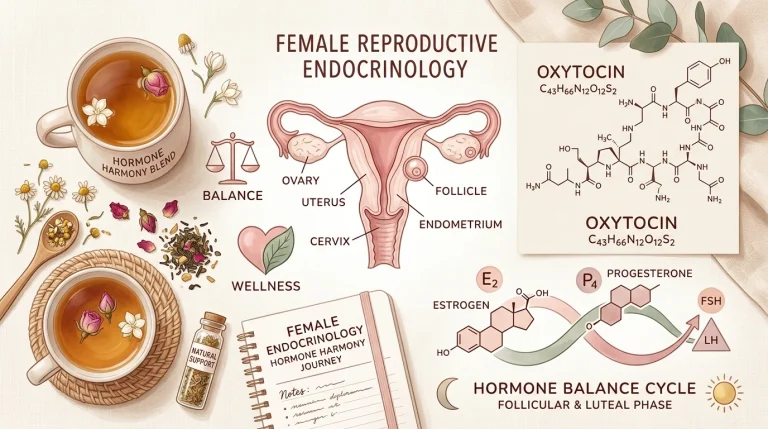
Postpartum recovery is a multifaceted physiological journey that extends far beyond the traditional 6-week obstetric checkup. At the core of early recovery is oxytocin—a neuropeptide synthesized in the hypothalamus and released in rhythmic pulses during infant suckling and skin-to-skin touch. Oxytocin drives myoepithelial contractions in both mammary alveoli (the milk let-down reflex) and uterine myometrium (fundal involution). While these afterpains can be intense during the first postpartum week, they are vital for compressing open placental vessels and preventing postpartum hemorrhage.
Concurrently, prolactin elevates to sustain milk production while suppressing gonadotropin-releasing hormone (GnRH), inducing a state of relative hypoestrogenism. This physiological low-estrogen environment can cause vaginal dryness, joint laxity, and delayed tissue elasticity. Open communication regarding physical recovery, pelvic floor physical therapy, and respecting biological healing timelines empower mothers to navigate postpartum intimacy and physical restoration with confidence.
| Recovery Dimension | Neurobiological Mechanism | Clinical Recommendation |
|---|---|---|
| Uterine Involution | Oxytocin-induced rhythmic myometrial contractions | Normal ‘afterpains’ confirm healthy uterine contraction; manage with warm packs and ibuprofen |
| Pelvic Floor & Tissue Elasticity | Hypoestrogenism from lactation, tissue microtrauma | Undergo pelvic floor therapy evaluation; utilize high-quality water-based lubricants for intimacy |
| Emotional & Neuroendocrine Bonding | Pulsatile oxytocin release paired with dopamine pathways | Prioritize maternal skin-to-skin touch and emotional partner support to lower cortisol |
| Systemic Tissue & Bone Remodeling | Calcium mobilization regulated by PTHrP and prolactin | Consume nutrient-dense whole foods rich in calcium, Vitamin D3, and collagen precursors |
These cramps, known as afterpains, are caused by oxytocin release during infant nursing. Oxytocin stimulates the uterus to contract back to its pre-pregnancy size, a critical process that prevents postpartum bleeding.
Lactation causes prolactin levels to rise and estrogen levels to drop. Low estrogen causes vaginal tissue thinning and decreased natural lubrication. Using a liberal amount of water-based or silicone lubricant and taking things slowly makes intimacy much more comfortable.
While initial wound healing occurs within 6 to 8 weeks, full physiological restoration—including pelvic floor remodeling, abdominal wall recovery, and hormonal stabilization—typically takes a full 9 to 12 months.

✨ This article was AI edited. Editorial responsibility: BlossomingMotherhood.Com. Same-sex postpartum intimacy encompasses the emotional, hormonal, and physical…
✨ This article was AI edited. Editorial responsibility: BlossomingMotherhood.Com. A breast orgasm is a physiologically verified, non-genital climactic…
Teeth hurting postpartum is often caused by a rapid shift in hormones, sleep deprivation leading to jaw clenching,…
 CRITICAL DEVELOPMENT WINDOW
