
Birth Control Safe for Breastfeeding: Your Options Explained
Did you know that choosing the right birth control while breastfeeding can protect both yoru health and your baby’s feeding journey? Navigating postpartum contraception is a delicate balance—finding options that support your body’s healing,respect lactation,and fit your family’s rhythm without adding stress. This guide gently unwraps safe, effective birth control choices designed with nursing mothers in mind, helping you make informed decisions tailored to your unique postpartum phase. Whether you’re wondering how hormonal methods affect milk supply or seeking natural alternatives, we’ll walk through clear, nurturing options—and share practical tips to empower your self-care journey. As honoring your body’s recovery and your breastfeeding goals matters deeply, let’s explore your birth control choices in a way that feels warm, supportive, and just right for you.
Contents
- Birth Control and Breastfeeding: What’s Safe and Why
- How Hormones Affect Milk Supply and Lactation
- non-Hormonal Birth Control Options for Nursing Moms
- Progestin-Only Methods: Safe Choices Explained
- Timing Your Birth Control: When to Start Postpartum
- Natural and Barrier Methods Compatible with Breastfeeding
- Herbal and Holistic Birth Control: Benefits and Cautions
- Managing Side Effects While Breastfeeding and Using Contraceptives
- Common Myths About Birth Control and Nursing—Debunked
- Personalizing Your Birth Control Plan: Expert Tips and Mom Stories
- Frequently Asked Questions
- Q: Can breastfeeding itself act as a natural form of birth control?
- Q: How do I know if my birth control method is affecting my milk supply?
- Q: Are IUDs safe to use while breastfeeding, and when can I get one postpartum?
- Q: What should I do if I experience side effects from birth control while breastfeeding?
- Q: Can I use emergency contraception safely while breastfeeding?
- Q: Does birth control affect the taste of breast milk and infant feeding habits?
- Q: How soon after stopping breastfeeding can I switch to combined hormonal birth control safely?
- Q: Are fertility tracking apps reliable for birth control while breastfeeding?
- To Wrap It Up
Birth Control and Breastfeeding: What’s Safe and Why
Many new mothers worry about how birth control might affect their breastfeeding journey—and rightly so. The good news is that not all contraceptives interfere with milk production or your baby’s well-being. Understanding which options are safe can help you protect your health while honoring your breastfeeding goals. Breastfeeding itself offers a natural, though not foolproof, form of birth control called the Lactational Amenorrhea Method (LAM), which can be wonderfully empowering in the early postpartum months. Yet, as your body heals and your feeding patterns change, layering in birth control thoughtfully is key.
Why Safety Comes First for Breastfeeding Moms
when choosing birth control postpartum,safety revolves around protecting both your milk supply and your baby’s exposure to hormones or medications. Estrogen-containing contraceptives—common in many combination pills—may reduce milk volume and are generally avoided during early breastfeeding. In contrast, progestin-only methods (often called mini-pills) and non-hormonal options typically support continued lactation without risk to your baby. Every mother’s body responds differently, so it’s crucial to observe your own supply and any subtle changes when introducing contraception.
Some real-world wisdom: one mom shared, “I delayed starting the pill until about six months after birth because I was worried about my milk supply.When I finally switched to progestin-only pills, my lactation stayed steady, and I felt more at ease.” This highlights the gentle balance of timing and method choice that honors your unique postpartum rhythm.
Practical Tips for Choosing Birth Control While Nursing
- Discuss with your healthcare provider: tailor your birth control plan around your baby’s age, your feeding style (exclusive breastfeeding or mixed feeding), and any medical history.
- Watch for changes: minor fluctuations in milk supply can happen. Track feedings, diaper output, and even baby’s satisfaction cues to ensure all is well.
- Explore non-hormonal options: Barrier methods like condoms or diaphragms add protection without touching hormonal balance.
- give your body time: Your postpartum body is still healing. If you can wait a few weeks or months before starting hormonal birth control, it may help preserve milk flow and ease emotional shifts.
Gentle self-compassion and staying informed about your options create a space where you can nurture your baby and yourself without extra stress. Most importantly, remember: breastfeeding is a stunning journey, and birth control is just one part of your supportive postpartum toolkit.
| Birth Control Type | Safe During Breastfeeding? | Impact on Milk Supply | Additional Notes |
|---|---|---|---|
| Progestin-only pills (mini-pills) | Yes | Minimal to none | Started any time postpartum |
| Combined estrogen-progestin pills | No (usually avoided early) | May reduce milk supply | Consider after 6 months or after milk supply established |
| Non-hormonal methods (condoms, diaphragms) | Yes | None | Safe at any time |
| Progestin injections (Depo-Provera) | Yes, but with caution | Possible slight reduction | Discuss timing closely with provider |
| Intrauterine Device (IUD) | Yes (especially non-hormonal copper IUD) | None | Can be inserted postpartum after healing |
How Hormones Affect Milk Supply and Lactation
milk production is a delicate dance of hormones, each playing a vital role in nurturing your baby and supporting your breastfeeding journey. After birth, the hormone prolactin is your best friend—it stimulates your breasts to produce milk and helps maintain supply as you nurse or pump. Oxytocin, often called the “love hormone,” supports milk ejection, the little let-down reflex that sends milk flowing to your baby when they latch. Together, they create a natural rhythm tuned to your baby’s needs. However, introducing hormonal birth control can subtly shift this balance, especially methods containing estrogen, which may sometimes slow or reduce milk production.
Progestin-only contraceptives tend to be more breastfeeding-pleasant because they don’t significantly interfere with prolactin’s work. In contrast, estrogen can signal the body to pull back milk production, which is why many healthcare providers recommend waiting to start combined hormonal birth control until at least six weeks postpartum, and often longer if milk supply is still establishing. Some moms report subtle changes in milk quantity or let-down timing when starting hormones, while others feel no difference at all. Listening closely to your body—and your baby’s cues—is key here. Such as, one mother shared, “I was nervous about losing my milk supply, but switching to progestin-only pills felt gentle, and my baby kept thriving.”
Tips to Support Your Milk Supply While Using Hormonal Birth Control
- Start hormonal methods carefully: If you choose progestin-only pills,you can often begin anytime postpartum without disrupting lactation. For combined pills, consider waiting until your milk supply is steady—usually after 6 months.
- Monitor milk supply and baby satisfaction: Track diaper counts, feeding length, and your baby’s contentment after feedings. Small shifts in milk flow can happen; sometimes adding skin-to-skin or extra nursing sessions helps replenish supply quickly.
- Support your body with nourishing foods and herbs: Galactagogues, like fenugreek or blessed thistle, can sometimes boost milk supply but should be used thoughtfully and discussed with your healthcare provider, especially when taking other medications.
- Practice gentle self-care: Stress and fatigue also influence hormones. Rest when possible, stay hydrated, and create calming breastfeeding rituals to encourage oxytocin release.
Some moms find herbal lactation teas helpful; a simple DIY recipe is:
Ingredients: 1 tsp fenugreek seeds, 1 tsp fennel seeds, 1 tsp chamomile flowers per cup of hot water.
Preparation: Steep for 10-15 minutes, strain, and drink 1-2 cups daily.
(note: Avoid fenugreek if you or your baby have allergies to peanuts or chickpeas.)
Remember, every breastfeeding journey is unique. Hormones act differently in each body,and your milk supply is influenced by more then just birth control. Stay gentle with yourself, ask for support when needed, and trust your intuition as you find the birth control method that honors both your health and your baby’s nourishment.
non-Hormonal Birth Control Options for Nursing Moms
It’s empowering to know that effective birth control doesn’t have to interfere with your breastfeeding journey or your body’s natural rhythms. Non-hormonal options offer a nurturing way to prevent pregnancy without risking your milk supply or exposing your baby to hormones through breastmilk. These choices honor your postpartum healing and the delicate hormonal dance that breastfeeding depends on, all while giving you control over your family planning.
Many nursing moms find comfort in methods like the copper IUD, barrier options, and fertility awareness techniques. The copper IUD,for example,is a long-acting device placed by your healthcare provider that offers highly effective,hormone-free protection for up to 10 years. Since it doesn’t introduce hormones to your system, it won’t affect milk production or your baby’s nursing habits. Another beautifully simple and immediate method is barrier protection—think condoms, diaphragms, or cervical caps—which protect during intercourse without any hormonal changes. These methods are accessible, have no systemic side effects, and can be used whenever you feel ready, even promptly postpartum.
For moms interested in tuning into their cycles, fertility awareness methods combine keen observation with gentle self-knowledge. By tracking signs like basal body temperature, cervical mucus, and menstrual calendar patterns, you can identify fertile and infertile windows. It’s a mindful practice that fosters body attunement and works well with exclusive breastfeeding, especially when combined with other methods for added confidence.
Popular Non-Hormonal Options Suitable for Breastfeeding Moms
- Copper Intrauterine Device (IUD): Hormone-free,long-lasting protection. Can be inserted any time postpartum onc the uterus has healed, usually around 6 weeks. Some spotting is common initially.
- condoms: Widely available and easy to use. Also provide protection against sexually transmitted infections.Use consistently and correctly for best effectiveness.
- Diaphragm or Cervical Cap: Silicone devices inserted before intercourse to block sperm entry. Must be fitted by a provider and used with spermicide. Reusable and hormone-free.
- Fertility Awareness-Based Methods (FAMs): Includes tracking basal body temperature, cervical mucus changes, and cycle timing. Most effective when combined with abstinence or barrier methods during fertile windows.
- Sponge with Spermicide: Over-the-counter device that provides barrier protection and spermicide but might potentially be less effective for moms who’ve had a vaginal birth.
Practical Tips to Make Non-Hormonal Methods Work for You
- plan your timing: if you opt for a copper IUD, discuss postpartum healing with your midwife or doctor to find the best insertion time that respects your recovery.
- Master the method: Barrier methods rely on consistent, correct use—keep extra condoms or diaphragms handy and practice insertion when not in a hurry.
- Combine approaches: you might find peace of mind using fertility awareness alongside a barrier method to cover fertile days safely.
- Stay gentle with yourself: It’s normal to need time to adjust to a new method, and every mom’s body responds differently.Seek support from lactation consultants or birth workers experienced in postpartum family planning.
Real mom wisdom flows here: one nurse-mom shared how she chose the copper IUD after her baby was six weeks old, appreciating that it didn’t disrupt her supply or breastfeeding routine. Another mother cherished the ritual of charting her cycles—it helped her feel in touch with her body and postpartum changes without adding physical side effects. Whatever your choice, you’re doing a fantastic job balancing your health and your family’s needs.
The postpartum period is a sacred time for your body’s recovery and your baby’s growth. Non-hormonal birth control honors that process with gentle options that support your breastfeeding relationship and give you freedom in family planning on your terms. Trust your intuition, reach out for personalized support, and remember: your journey is unique and beautifully yours.
Progestin-Only Methods: Safe Choices Explained
Progestin-only birth control methods are a gentle and effective way to prevent pregnancy while supporting breastfeeding. Unlike combined hormonal contraceptives, they don’t contain estrogen, which means they’re less likely to interfere with milk supply—a common concern for nursing moms. Many mothers appreciate that progestin-only options work with the body’s postpartum rhythms rather than against them, offering both reliable protection and peace of mind during this vulnerable and transformational time.
these methods come in several forms,including the progestin-only pill (often called the mini-pill),implants like the etonogestrel rod,and hormonal intrauterine devices (IUDs). Each offers unique benefits and considerations. Such as, the mini-pill requires daily dosing at the same time each day to maintain effectiveness, which can feel like an empowering ritual of self-care but might need gentle reminders during busy newborn days. Implants provide a “set it and forget it” approach, lasting up to three years, which can be especially comforting when sleepless nights make daily pills tricky. Hormonal IUDs, inserted by your healthcare provider, deliver localized hormone release directly to the uterus, often minimizing systemic effects and preserving milk supply effectively.
Benefits and Practical Tips for Breastfeeding Moms
- Milk supply preservation: Progestin-only methods generally do not reduce breast milk production. This is a crucial reassurance, as postpartum milk supply can be sensitive to hormonal changes.
- Timing matters: Starting progestin-only contraception immediately postpartum or after six weeks depends on your health provider’s advice and breastfeeding status. Many experts support early use as safe during exclusive breastfeeding.
- Managing breakthrough bleeding: Some moms experience spotting or irregular bleeding with progestin-only methods. It’s a common side effect that usually settles within a few months—stay patient and connect with your healthcare team if bleeding becomes heavy or disruptive.
- Ease into routine: Setting phone alarms,associating pill intake with daily baby feeding,or involving supportive partners can help maintain consistency without added stress.
- Personal stories: One mother shared that switching to a progestin implant after her postpartum bleeding eased gave her freedom from daily pills and reassurance in its milk-friendly profile.Another appreciated the mini-pill’s gentle hormonal profile during her early breastfeeding weeks, valuing the sense of control paired with nurturing care.
Understanding How Progestin Works with Lactation
Progestin mimics the natural hormone progesterone but in lower doses focused on preventing ovulation or thickening cervical mucus to block sperm.Because it avoids the estrogen component,it’s less likely to interfere with prolactin—the hormone responsible for milk production. This subtle chemical dance means your body can keep nourishing your baby uninterrupted, supporting that sacred bond while you care for your own health.
If you’re considering a progestin-only method, remember: your experience might differ based on individual hormone sensitivity, lifestyle, and feeding patterns. Trust your body’s signals, and don’t hesitate to seek support from lactation consultants or trusted birth professionals who honor your unique postpartum journey. Your self-care and well-being matter deeply—not just for you but for your growing family.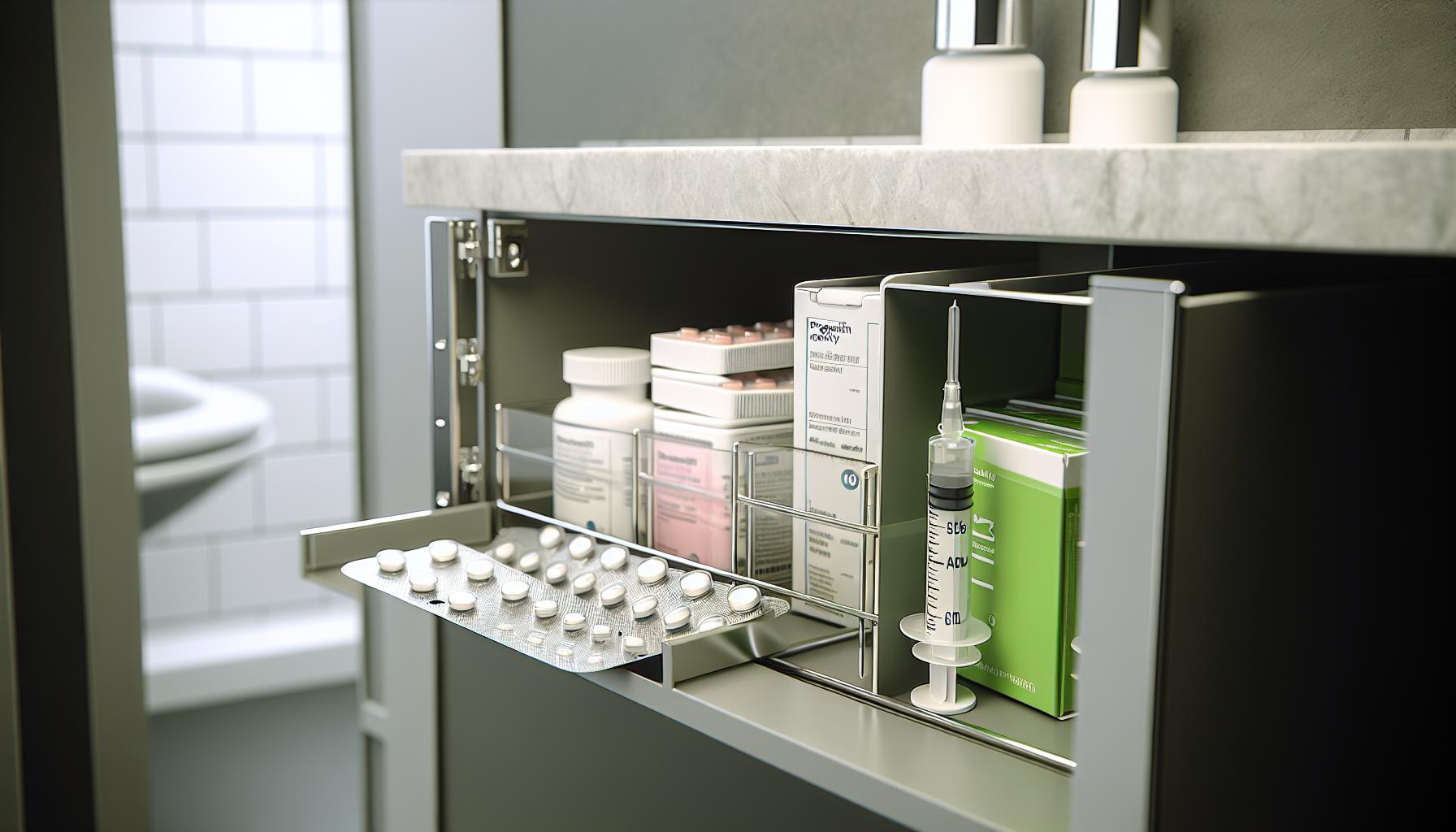
Timing Your Birth Control: When to Start Postpartum
Many new mothers wonder when the safest and most effective time is to begin using birth control after giving birth. The answer, while personalized, frequently enough balances your body’s natural healing, breastfeeding patterns, and your comfort in taking on contraception without added stress. Starting contraception too soon might feel overwhelming or disrupt your delicate hormonal rhythms, but delaying too long could increase the chance of an unplanned pregnancy, especially as fertility can return unpredictably even before menstruation resumes.most healthcare providers recommend waiting until at least six weeks postpartum before beginning hormonal methods,giving your body time to recover from childbirth—whether vaginal or cesarean—and allowing your milk supply to settle. However, for mothers exclusively breastfeeding, progestin-only methods are considered safe to start earlier, sometimes within weeks after birth, since they are less likely to interfere with lactation. Listening to your body and working closely with your provider ensures timing fits your unique postpartum journey rather than following a rigid calendar.
Practical Steps to Find Your best Start Time
- Check in on your recovery: Your uterus,perineum,and overall energy are still healing after birth. Feeling physically and emotionally ready to begin contraception helps it succeed without adding stress.
- Consider breastfeeding status: If you’re fully or mainly breastfeeding, fertility often stays low for a period (called lactational amenorrhea).This natural effect can guide when to start contraception, but remember, it’s not foolproof, especially if feeding patterns change.
- Choose your method first: Some methods (like the progestin-only pill or implant) are safe immediately postpartum, while combined hormonal contraceptives usually wait until after six weeks or breastfeeding reduction to protect milk supply.
- make a gradual transition: Introducing hormones can bring side effects. Start when you can monitor how your body responds, and keep interaction open with your provider or support circle.
real stories from moms show how individual this timing can be. One mother found starting a progestin-only implant at four weeks postpartum gave her peace of mind while exclusively breastfeeding. Another waited eight weeks until heavy bleeding from delivery settled; she chose the mini-pill and felt empowered by the daily routine linked to feeding times. Both approaches are equally valid—your timing is an act of honoring your body’s pace and choices.
Timing Table: Postpartum Birth Control Start Guidelines
| Method | Typical Safe Start Time | Notes |
|---|---|---|
| Progestin-only pill (mini-pill) | Immediately postpartum to 6 weeks | Safe during exclusive breastfeeding; requires daily dosing |
| Progestin implant | Immediately postpartum to 6 weeks | Long-acting; ‘set it and forget it’ method |
| Hormonal IUD | 4 to 6 weeks postpartum | Insertion by provider; minimal impact on milk supply |
| Combined hormonal contraceptives (pill, patch, ring) | After 6 weeks postpartum | Contains estrogen; may affect milk supply; usually avoided early |
| Non-hormonal methods (copper IUD, barrier) | As soon as comfortable postpartum | No hormonal interference with lactation; can be started early |
Trusting your instincts while weaving in medical advice creates a gentle postpartum rhythm.Remember, no one plan fits all. Your timing is as unique and beautiful as your motherhood story. Reach out to doulas, lactation consultants, and midwives for warm, informed guidance tailored to your rhythm.
Natural and Barrier Methods Compatible with Breastfeeding
Many new mothers find comfort in knowing that there are safe birth control options that support their breastfeeding journey without introducing hormones or affecting their milk supply. Natural and barrier methods stand out as gentle, non-invasive choices that align well with your body’s ongoing healing and the delicate hormonal balance during postpartum. These methods offer trustworthy protection, empower you to stay in tune with your body’s signals, and avoid any interference with lactation, making them a nurturing first step as you adjust to motherhood.
Barrier methods, including condoms, diaphragms, and cervical caps, provide physical protection by preventing sperm from reaching the egg—all without altering your natural hormones or milk production. These options can be started as soon as you feel physically comfortable after birth, frequently enough immediately postpartum, as they have no known impact on breastfeeding. Plus, they offer the added benefit of protecting against some sexually transmitted infections (STIs), creating peace of mind as you and your partner navigate intimacy in the months following birth.
Natural family planning and fertility awareness-based methods (FAMs) rely on tracking your body’s subtle signs of fertility, such as basal body temperature, cervical mucus changes, and menstrual cycle timing. While these methods require commitment and careful observation, many moms appreciate the body-affirming nature of this approach.It naturally complements breastfeeding’s unique fertility suppression period—called lactational amenorrhea—though it’s critically important to remember this is not foolproof once breastfeeding patterns change.Partner communication and consistency are key to making FAMs work well.
Practical Tips for Using barrier and Natural Methods Successfully
- Start when you’re ready: Healing from birth is unique for everyone. Begin barrier methods like condoms whenever you feel comfortable, and consult your provider before inserting diaphragms or cervical caps to ensure proper fit postpartum.
- Learn your body’s signals: Using fertility awareness means observing your cycle daily.Consider apps, journals, or help from a fertility counselor specialized in postpartum periods to navigate hormonal fluctuations gently.
- Combine methods if desired: Some mothers use condoms alongside fertility awareness for extra reassurance. This layered approach respects your body’s rhythms and adds a safety net without hormones.
- Communicate openly: Share your contraceptive plan with your partner. Teamwork and patience go a long way—especially as you’re adjusting to new parenting rhythms.
Examples From Real Moms
One mother shared how she chose to use condoms exclusively during the early postpartum weeks while exclusively breastfeeding, finding the method simple and freeing without any concerns about her milk. Another mom used fertility awareness along with barrier methods after six weeks postpartum and felt empowered by tuning into her body’s natural cues, reporting increased confidence and connection to her reproductive health.
| Method | When to Start | Benefits | Considerations |
|---|---|---|---|
| Male condoms | Immediately postpartum | Non-hormonal, STI protection, easy to use | Requires partner cooperation; consistent use important |
| Female condoms | Immediately postpartum | Non-hormonal; can be inserted before sex | Less common; may require trial for comfort |
| Diaphragm/Cervical cap | After 6 weeks postpartum (fit check needed) | Non-hormonal; reusable with spermicide | Must be fitted by provider postpartum; proper use essential |
| fertility Awareness Methods (FAMs) | After bleeding settles; ideally 6+ weeks postpartum | Hormone-free; connects you deeply with your cycle | Requires daily tracking; less effective if breastfeeding changes |
Remember, no two postpartum journeys are the same.Choosing non-hormonal birth control can be a respectful way to honor your body’s recovery and your breastfeeding goals while still maintaining control over your reproductive health.Listen warmly to your body, seek support from trusted health providers or lactation consultants, and remember that your choices are valid and worthy—however you decide to navigate them.
Herbal and Holistic Birth Control: Benefits and Cautions
Many new moms are drawn to the idea of herbal and holistic birth control as a gentle, natural approach that aligns with their desire to nurture both body and baby during the postpartum period. The allure lies in using nature’s gifts—plants, roots, and flowers—to support reproductive health without introducing synthetic hormones that might impact milk supply or mood. However, while herbal methods can offer a comforting sense of connection to traditional wisdom, it’s important to approach them with both care and curiosity. Not every herb is safe for nursing mothers, and the effects of many plants on fertility and lactation are still not thoroughly researched.
Herbs like *chasteberry* (Vitex agnus-castus), *red clover*, and *wild yam* are often cited in herbal communities for their hormonal-balancing properties, but their impact on milk production can vary widely. Some moms report that chasteberry helps regulate postpartum cycles without disrupting breastfeeding, while others have noticed a dip in supply. Because herbal compounds can act subtly yet potently on the endocrine system, timing and dosing matter greatly. Starting any new herbal regimen ideally happens after your body has settled into a breastfeeding rhythm and always in consultation with a knowledgeable provider well-versed in lactation-safe botanicals.
Safe Herbal Options and Preparation Tips
- Nettle Leaf Tea: Rich in iron and supportive of postpartum recovery, nettle can be enjoyed daily as a nourishing tea with gentle effects on lactation.
- Red Raspberry leaf Infusion: Traditionally used to tone the uterus, raspberry leaf is usually considered safe in moderate doses and can be incorporated as a warm tea.
- Fenugreek: Often taken to support milk supply, fenugreek’s contraceptive effects are not reliable, so it’s best combined with barrier methods.
Herbal Birth Control: What to Watch For
A cautious approach helps you sidestep common pitfalls:
| Herbal Approach | Benefits | Considerations |
|---|---|---|
| Chasteberry (Vitex) | May help regulate hormones and return cycles | Possibly lowers milk supply; varies by individual; avoid early postpartum |
| Red Clover | Phytoestrogen-rich, supports hormonal balance | unclear safety profile in breastfeeding; consult provider |
| Wild Yam | used traditionally for hormonal support | No strong evidence for contraception; safety during lactation uncertain |
| Essential Oils (e.g.,Clary Sage) | Some use for menstrual regulation | Not recommended during breastfeeding; potential risks to baby |
Remember,herbal birth control is not as rigorously studied as pharmaceutical options. While some moms share empowering stories of using herbal blends alongside fertility awareness methods to confidently space pregnancies, others caution about unexpected supply dips or irritation. It’s a path guided by intuition,respect for your body’s signals,and solid support from natural health experts.
Recipe: Soothing Postpartum Herbal Tea Blend
Try this gentle blend to support your body and lactation while you consider contraceptive choices:
- 1 tsp dried nettle leaf
- 1 tsp red raspberry leaf
- 1/2 tsp chamomile flowers (for calm)
steep herbs in 8 ounces of boiling water for 10 minutes. Sip 1-2 cups daily. This blend is nourishing, non-contraceptive, and generally safe in lactation, but always personalize your intake.
Above all, trust your own experience and honor your unique postpartum journey.Herbal options can beautifully complement other contraceptive methods or stand as part of a layered strategy. Always prioritize safety,remain alert to your body’s changes,and lean on your healthcare team who respects your holistic care choices—because every mom deserves a birth control plan as tender and individual as her motherhood path.[1][2][3]
Managing Side Effects While Breastfeeding and Using Contraceptives
Breastfeeding is a beautiful journey, yet introducing birth control postpartum can sometimes bring unexpected side effects that feel overwhelming.It’s important to remember that your body is still healing, shifting hormonally, and adjusting to the intimate work of milk production (lactation). When choosing contraception, tuning into how your body responds—physically and emotionally—helps you navigate these changes gently and confidently. Many moms notice shifts in milk supply, mood swings, or minor discomforts when starting hormonal methods, but with the right strategies, these effects can frequently enough be managed or minimized while keeping your breastfeeding experience nourishing and joyful.
Understanding that no two bodies respond exactly the same is key. Some mothers find progestin-only pills or implants blend seamlessly with breastfeeding, causing little disruption, while others might experience a temporary dip in milk supply or mild spotting. Non-hormonal options tend to avoid these hormonal shifts but bring their own considerations, such as increased vaginal dryness or irritation from barrier methods. It’s a balancing act—honoring your comfort and physical health alongside your contraceptive needs. Supporting your body with gentle self-care, hydration, and nutrient-rich foods can ease many side effects of contraception while breastfeeding.
Tips for Soothing Challenges While Using Contraceptives and Nursing
- Track Milk Supply Changes: Keep a simple log for a week or two after starting new contraception.Note baby’s feeding cues, diaper output, and any changes in milk volume or style.If supply seems lower, offer the breast more frequently and avoid supplementing unless advised by your pediatrician.
- Mind Gentle Hydration & Nutrition: Increase your fluid intake with soothing herbal teas like nettle or red raspberry leaf (see herbal blend recipes that support lactation), and focus on nutrient-dense meals with adequate protein and healthy fats for hormonal balance.
- Manage Mood Fluctuations: Birth control hormones can subtly influence emotions. Prioritize rest when possible, practice gentle mindfulness or breathing exercises, and reach out to fellow moms or your healthcare provider if mood dips persist. Validation is powerful—you’re not alone.
- Address Vaginal Dryness or Irritation: Barrier methods like condoms can sometimes cause sensitivity.Using a breastfeeding-safe water-based lubricant can ease discomfort. If using hormonal methods and dryness occurs, discuss alternatives with your provider rather than pushing through pain.
- Consult Before Switching or Combining Methods: If side effects feel overwhelming or persistent, a pelvic health specialist or lactation consultant experienced in postpartum birth control can help craft a plan that suits your individual body and feeding style.
One mom shared, “When I started the progestin-only pill, I was worried about losing supply, but by tracking closely and increasing skin-to-skin time, my milk bounced back. I also found adding a calming chamomile and red raspberry leaf tea in the evenings helped me sleep better and feel more balanced.” Another noted, “I switched to copper IUD after feeling foggy on hormones. At first, I had some spotting and cramping, but with warmth packs and gentle yoga, those eased quickly. Breastfeeding stayed strong, and I felt more like myself.”
Every postpartum journey is unique, and side effects don’t have to be endured silently. Seek spaces—like support groups or lactation-friendly clinics—where your concerns are heard with empathy and expertise.
Quick Soothing Herbal tea Blend for Comfort and Balance
- 1 tsp dried nettle leaf
- 1 tsp red raspberry leaf
- 1/2 tsp chamomile flowers
Steep in 8 ounces of boiling water for 10 minutes. Sip 1-2 cups daily to support hydration, ease mild cramping, and promote calm during contraceptive adjustment. Always check with your healthcare provider if using any herbal supplements alongside birth control.
Remember,tuning into your body,honoring its needs,and collaborating with trusted providers creates a nurturing postpartum habitat where both you and your baby thrive—birth control side effects included.
Common Myths About Birth Control and Nursing—Debunked
Many new moms worry that using birth control will automatically harm their milk supply or their baby’s health, but understanding the facts can gently ease these fears. It’s important to recognize that breastfeeding and contraception can coexist safely when chosen with care and guidance.For instance, the idea that all hormonal birth control will dry up your milk supply is a common misconception. In reality, progestin-only options, such as the mini-pill or hormonal IUD, typically have minimal impact on lactation because they lack estrogen, which is more likely to interfere with milk production. Each mom’s body reacts a little differently, so tracking changes closely and communicating with your healthcare provider is key to finding what feels balanced and nurturing for you and your baby.
Another myth to gently set aside is the notion that you must avoid birth control altogether while nursing to keep your baby safe. Evidence shows that many contraceptive methods are compatible with breastfeeding and do not pass harmful amounts of hormones into breast milk. Such as,non-hormonal methods like copper IUDs or barrier methods (condoms,diaphragms) are safe choices that won’t influence milk or baby’s development. What’s most critically important is timing and choosing a method that honors your healing postpartum body, your personal comfort, and your unique breastfeeding relationship.
Beyond safety,some moms feel pressure to “bounce back” immediately or to choose contraception based on misconceptions about weight gain or mood changes. rather, it helps to embrace your postpartum body with compassion and listen to its needs. Like one mom shared, “I was worried the pill would make me foggy and diminish milk, but after switching to a copper IUD, I felt more myself without sacrificing nursing.” Supporting your body with gentle hydration, nutrient-rich foods, and rest can create a foundation where birth control and breastfeeding support each other beautifully.
Quick Guide to Common Myths and Realities
| Myth | Reality |
|---|---|
| All hormonal birth control decreases milk supply | Progestin-only methods usually do not affect milk; estrogen-containing methods are generally avoided early postpartum |
| Birth control hormones pass harmful levels to baby through breast milk | Hormone exposure via breast milk is very low and considered safe for most standard contraceptive methods |
| You must wait many months before starting contraception after birth | The timing varies; some methods can start immediately postpartum, others after 6 weeks or more, depending on your feeding and health |
| Natural or herbal methods are always safe and effective for breastfeeding moms | Some herbs may interfere with hormones or milk supply; always check with your provider before trying herbal contraception |
| Using barrier methods won’t affect vaginal comfort | Barrier methods can cause dryness or irritation; lubricants safe for breastfeeding can help ease discomfort |
Remember, your birth control journey while nursing is uniquely yours. misinformation can feel confusing and isolating, but with trusted support and clear facts, you can confidently choose options that align with your body’s rhythm and your family’s needs. Reach out to lactation consultants, pelvic health experts, and supportive mom communities—because your questions and experiences deserve gentle listening and expert care.
Personalizing Your Birth Control Plan: Expert Tips and Mom Stories
Breastfeeding and choosing the right birth control is deeply personal, shaped by your unique body, lifestyle, and feelings. What works beautifully for one mom might feel off for another, and that’s perfectly okay. Many moms find their birth control journey evolves alongside their breastfeeding relationship and postpartum healing. Embracing this adaptability with kindness towards yourself can transform a sometimes overwhelming decision into an empowering one.
Consider starting with your priorities: Are you looking for a method with zero hormones,minimal interruption to your milk supply,or convenience that fits your busy days? Some moms find gentle comfort in progestin-only pills or a hormonal IUD,appreciating their low impact on lactation and steady hormone levels. Others prefer non-hormonal choices like the copper IUD or barrier methods to avoid any hormone exposure altogether. Remember, starting birth control can be timed to your comfort and health — some methods are safe immediately postpartum, while others may be best after your six-week checkup. Checking in with your healthcare provider ensures the method fits your current body’s needs.
Real Mom Stories: Finding Balance and Peace
- Emma’s Journey with the Copper IUD: “After my first baby,I was worried hormones would dry up my milk. Switching to a copper IUD gave me peace of mind — no hormonal side effects, and my milk kept flowing. It felt like a win-win, letting me care for my baby and myself without worry.”
- Leah’s Experience Using the Mini-Pill: “I chose the progestin-only pill because estrogen wasn’t an option while breastfeeding. I tracked how my milk responded and stayed in touch with my midwife. A few small tweaks later, I found a rhythm where the mini-pill fit seamlessly into my life.”
- Maria’s Holistic Approach: “I wanted to honor my cultural roots and combine herbal teas with barrier methods. After talking with my healthcare provider, I learned which herbs were safe and created a soothing postpartum routine that supported both my milk and mood.”
Tips for Creating Your Personalized Birth Control Plan
- Track Your Body’s Signals: Keep a simple diary noting milk supply, mood changes, and any side effects after starting a method. It helps identify patterns and talks with your provider.
- Respect Your Healing Pace: Whether you start contraception immediately postpartum or wait a few weeks,listen to your body. It’s okay to adjust your plan as your hormones and lifestyle shift.
- Connect with Supportive Experts: Lactation consultants, midwives, and pelvic health therapists offer valuable insight tailored to breastfeeding and birth control.
- Blend Tradition and Science: If you’re drawn to herbal or holistic support, always partner those choices with professional advice to ensure safety for both you and your baby.
below is a gentle guide to timing your postpartum contraceptive choices alongside breastfeeding milestones:
| Postpartum Phase | Recommended Birth Control Options | Key Considerations |
|---|---|---|
| Immediate (0–6 weeks) | Progestin-only pills, implants, non-hormonal IUD (copper) | Generally safe; estrogen avoided to protect milk supply; monitor healing closely |
| Early Postpartum (6 weeks – 3 months) | Hormonal IUDs, mini-pill, barrier methods (condoms, diaphragms) | Estrogen still frequently enough avoided; choose methods fitting comfort and lifestyle |
| Later Postpartum (3+ months) | Combined oral contraceptives (with estrogen), all previously mentioned | Estrogen-containing options might potentially be introduced if needed; observe milk supply |
Taking charge of your birth control while nurturing your breastfeeding journey is about honoring your body’s wisdom, your emotions, and your family’s rhythm. By embracing flexibility, seeking trusted support, and learning from other mothers’ experiences, you craft a plan that truly supports your motherhood path—no rush, no judgment, only choice wrapped in warmth and safety.
Frequently Asked Questions
Q: Can breastfeeding itself act as a natural form of birth control?
A: Yes, exclusive breastfeeding can delay ovulation and act as a natural contraceptive through the Lactational Amenorrhea method (LAM). It’s effective only under strict conditions: feeding every 4 hours daytime, every 6 hours at night, and no menstruation. Learn more about timing and safety in the section on postpartum birth control start times.
Q: How do I know if my birth control method is affecting my milk supply?
A: If you notice a drop in milk production, your birth control might influence lactation, especially combined hormonal methods. Track feeding patterns and milk output closely. Switching to progestin-only or non-hormonal options usually helps maintain supply—see how hormones impact milk supply in the related article section for tailored guidance.
Q: Are IUDs safe to use while breastfeeding, and when can I get one postpartum?
A: Yes, both copper and hormonal IUDs are safe while breastfeeding. You can typically have an IUD inserted as early as 4 weeks postpartum if no complications exist. Copper IUDs are hormone-free, making them a great option for nursing moms. Refer to the article’s timing and method sections for planning your postpartum contraception.
Q: What should I do if I experience side effects from birth control while breastfeeding?
A: If side effects like mood changes, spotting, or decreased milk supply occur, consult your healthcare provider promptly. adjusting your birth control method or dose can relieve symptoms. Our article’s side effect management tips offer practical, mom-approved strategies to maintain both comfort and breastfeeding success. stay connected with your chosen support resources.
Q: Can I use emergency contraception safely while breastfeeding?
A: Yes, most emergency contraceptives, especially progestin-only pills, are safe during breastfeeding. Avoid breastfeeding for about 24 hours after taking combined hormonal emergency pills to minimize infant exposure. Check the emergency contraception guidelines in our family planning advice section for detailed steps and alternatives.
Q: Does birth control affect the taste of breast milk and infant feeding habits?
A: Birth control hormones generally do not change breast milk’s taste or harm infant feeding habits.Some babies might temporarily adjust to subtle taste changes, but this is rare.for peace of mind, choose low-dose or non-hormonal methods detailed in natural and barrier option discussions in the main article.
Q: How soon after stopping breastfeeding can I switch to combined hormonal birth control safely?
A: You can usually start combined hormonal birth control immediately after weaning,once milk supply fully ceases,to avoid impacting lactation. For gradual weaning, discuss timing with your provider to balance fertility needs and breastfeeding duration, as outlined in timing and hormone effect sections of the article.
Q: Are fertility tracking apps reliable for birth control while breastfeeding?
A: Fertility tracking apps can support family planning but are less reliable postpartum due to hormonal fluctuations impacting ovulation signs. use them alongside other safe methods like barrier protection or progestin-only options, and explore personalized birth control planning tips in the article for comprehensive postpartum choices.
To Wrap It Up
Navigating birth control options while breastfeeding can feel overwhelming, but choosing a method that supports both your body’s rhythm and your baby’s safety is key.Remember, options like progestin-only pills, IUDs, and barrier methods offer effective, lactation-friendly solutions tailored to your postpartum journey.Taking action now to find the right birth control helps you protect your health, maintain milk supply, and embrace motherhood with confidence.
If you’re curious about natural postpartum care or want to explore gentle supplements safe for nursing, check out our guides on holistic lactation support and postpartum nutrition.For personalized advice, consider scheduling a consultation or signing up for our monthly newsletter filled with expert tips and real-mom stories to empower your self-care. You’re not alone on this path—share your questions or experiences in the comments below to build our supportive community together.
Keep exploring trusted birth control methods safe for breastfeeding and discover the care strategies that honor your unique journey. Your well-being and peace of mind matter deeply; let’s walk this healing path side by side.
Get our latest guides, news, and insights highlighted in your Google Search & AI Overviews.


 STRUGGLING READER TRANSFORMED