
Best Tea for Breastfeeding: Boost Milk Supply Naturally
Did you know that certain herbal teas can gently support your body’s natural milk production during breastfeeding? For many new moms, nourishing both baby and self feels overwhelming, especially when milk supply worries arise. This guide explores the best teas known to boost lactation safely and naturally, honoring your postpartum journey with warmth and care. You’ll find simple recipes, helpful tips on timing and dosage, and thoughtful insights blending conventional wisdom with modern knowledge. Whether you’re facing challenges or simply seeking extra comfort, these teas offer a nurturing companion for your breastfeeding experience—always respecting your unique needs and choices. Let’s dive into these gentle, effective options to support you and your little one, one soothing sip at a time.
Contents
- Understanding How Tea supports Breastfeeding Naturally
- Top Herbs Known to Boost Milk Supply Safely
- Step-by-Step Recipes for Lactation-Boosting Teas
- When and How often to Drink Nursing Teas Postpartum
- Balancing Traditional wisdom with Modern Science
- Potential Side Effects and Herbal Safety Tips
- Customizing Tea Blends for Your Unique Needs
- Real stories: Moms’ Favorite Milk-Boosting Teas
- Complementary Foods and Drinks to Enhance Milk flow
- Tips for combining Teas with Breastfeeding Routines
- Frequently asked questions
- Q: Can drinking certain teas interfere with breastfeeding medications?
- Q: How soon after childbirth can I start drinking teas to boost milk supply?
- Q: Are there any teas that should be avoided while breastfeeding?
- Q: How do herbal teas compare to supplements in boosting breast milk supply?
- Q: What are natural signs that a breastfeeding tea is effectively increasing milk supply?
- Q: Can I mix different lactation herbs in one tea blend without side effects?
- Q: Does the flavor of lactation teas affect how often I should drink them? How can I improve taste?
- Q: How can stress impact the effectiveness of breastfeeding teas on milk supply?
- To Wrap It Up
Understanding How Tea supports Breastfeeding Naturally
Many new mothers find comfort and gentle support in sipping warm, soothing teas that help encourage their body’s natural milk production. Brewing a cup of tea is more than just a calming ritual—it can also engage a combination of plant compounds that work alongside your hormones to gently stimulate lactation. This natural approach honors the subtle complexity of your postpartum body, nurturing both physical needs and emotional well-being during a tender phase of motherhood.
Herbs used traditionally in lactation teas frequently enough contain phytochemicals known as galactagogues—substances that may promote milk supply by enhancing prolactin levels or improving milk flow. Along with hydration, these herbal blends support the delicate hormonal dance involved in breastfeeding, making them a safe and nurturing addition to your daily postpartum routine. While the exact effects can vary for each mother, many find these rituals grounding and empowering in the early weeks.
How herbal teas Interact With Lactation
- Encouraging Hormonal Balance: Herbs like fenugreek and fennel have components thought to encourage prolactin release, the hormone central to milk production.
- Promoting Relaxation: Ingredients such as chamomile or lemon balm also soothe stress, which can sometimes interfere with let-down reflex.
- Hydration and Nutrient Support: increased fluid intake from nursing teas helps maintain hydration, which is essential for healthy milk supply and postpartum recovery.
Each sip becomes a chance to slow down and nurture yourself—a small but meaningful act in the whirlwind of new motherhood. Remember, herbal teas are complementary and should be part of a holistic plan that includes good nutrition, rest, and breastfeeding support. Always consult with your healthcare provider to tailor your herbal choices safely based on your personal health and needs.
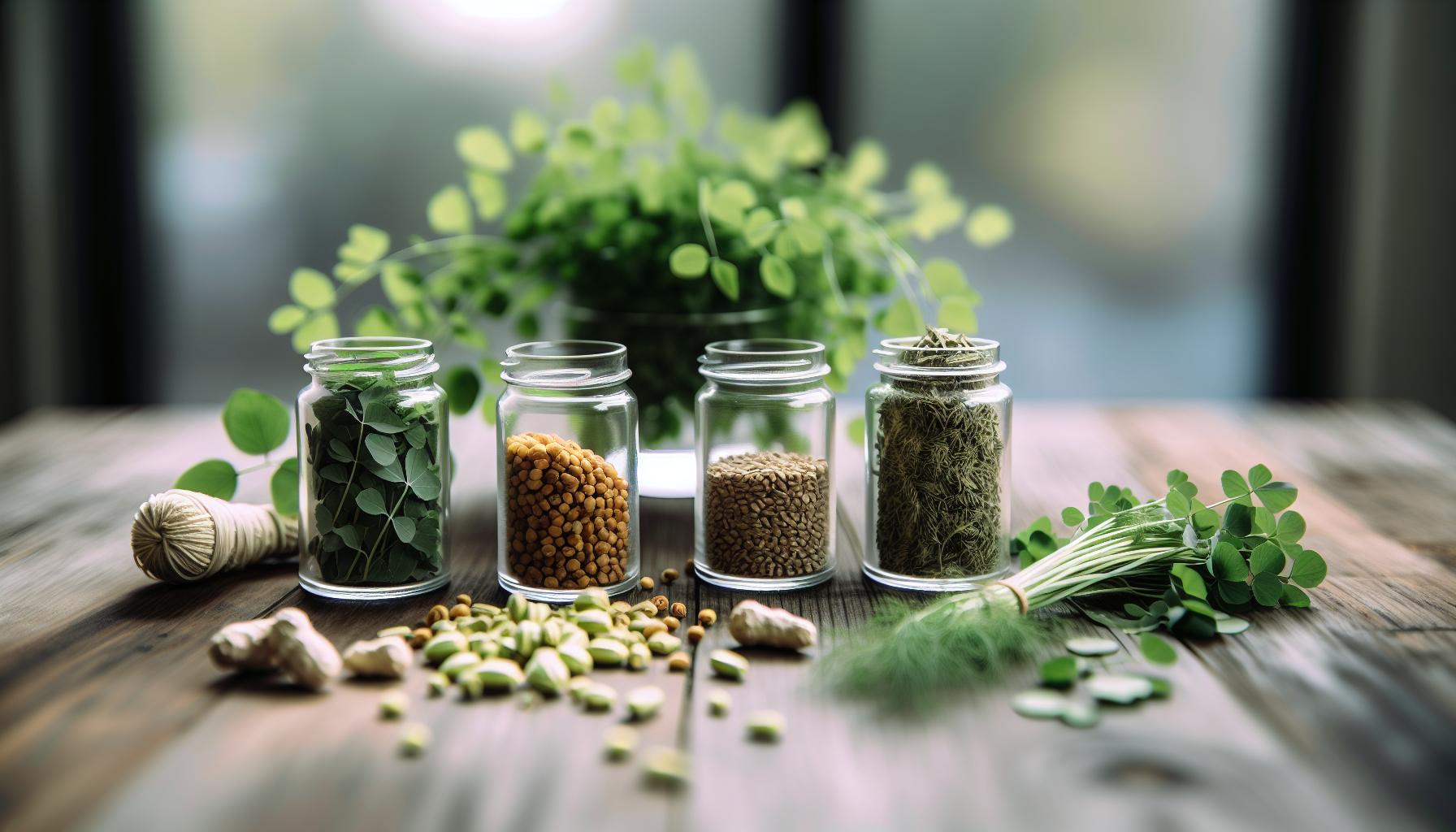
Top Herbs Known to Boost Milk Supply Safely
Many herbs have been cherished for centuries by nursing mothers around the world for their gentle ability to support and enhance milk supply. These plants work by naturally encouraging your body’s lactation hormones—like prolactin—and improving milk flow, while also nurturing your postpartum wellbeing. It’s important to remember that each mom’s body responds uniquely to herbs,so starting with small amounts and observing how you feel is a wise approach. always check in with your healthcare provider before adding any new herbs to your routine, especially if you have health conditions or take medications.
Fenugreek is perhaps the most well-known galactagogue. Its seeds contain compounds that may stimulate prolactin production, the key hormone behind milk synthesis. Many moms find it helpful to sip fenugreek tea or take it as capsules, especially in the early postpartum weeks. Just be aware that fenugreek has a strong, maple-like taste and some women may experience mild side effects like digestive upset or a change in sweat and urine scent.
Fennel offers a gentle option known both for enhancing milk flow and soothing digestion. Its sweet, anise-like flavor makes it a popular ingredient in lactation tea blends. Fennel is also valued for its calming effects, helping quiet the nervous system that can sometimes interfere with let-down reflex.
Other Nurturing Herbs to Consider
- Blessed Thistle: Often paired with fenugreek, this herb is traditionally used to enhance milk production while supporting digestive health.
- Alfalfa: Packed with vitamins and minerals, alfalfa helps nourish the body while possibly boosting milk supply safely.
- Nettle Leaf: Rich in iron and other nutrients, nettle gently supports overall postpartum recovery alongside its lactation benefits.
- Milk Thistle: Known primarily for liver support, milk thistle also appears to encourage breast milk production for some mothers.
- Chamomile: While not a direct galactagogue, chamomile’s relaxing effects can ease stress and improve milk let-down.
Combining these herbs into a warm nursing tea is a nurturing ritual that connects you to time-honored traditions and your body’s natural rhythms. Begin with a small daily cup of one herb or a blend, gently increasing if well tolerated. Notice how your body responds and remember that hydration, rest, and breastfeeding support are all key companions to these botanical allies. This holistic synergy helps create a loving, mindful space where your milk supply, emotional wellness, and physical healing can flourish hand-in-hand.
Step-by-Step Recipes for Lactation-Boosting Teas
Few rituals feel as nurturing and deeply soothing as sipping a warm cup of herbal tea while nourishing your baby. Creating your own lactation teas at home offers a gentle, empowering way to support your milk supply naturally. with simple ingredients and mindful preparation, you can tailor blends that honour your unique body and needs, blending tradition with modern insight. remember, each new mother’s experience is special—start small, observe how you feel, and always prioritize safety by consulting your healthcare provider, especially if you have underlying health conditions.
Basic Preparation Tips for Brewing Lactation Teas
- Choose organic, food-grade herbs: This ensures purity and the best flavor without unwanted chemicals.
- Use fresh or dried herbs: Both work well, but dried herbs often offer more concentrated benefits.
- Use filtered water: Clean water enhances both taste and therapeutic value.
- Steep time: Aim for 10-15 minutes for herbal infusions to extract active compounds without bitterness.
- Start with one herb: Begin simply, adding blends once you understand how each makes you feel.
- Listen to your body: if you notice any discomfort or excessive tiredness, pause and reassess.
Recipe 1: Gentle Fenugreek & Fennel Milk-Boosting Tea
This classic duo balances fenugreek’s potent lactation support with fennel’s calming and digestive benefits. Its sweet, mild flavor encourages daily sipping without overwhelming the palate.
| Ingredients | Quantity |
|---|---|
| Fenugreek seeds | 1 teaspoon |
| Fennel seeds | 1 teaspoon |
| Filtered water | 2 cups (500 ml) |
| Optional: Honey or lemon | To taste |
Preparation steps:
- Crush fenugreek and fennel seeds lightly with a mortar and pestle or the back of a spoon to release oils.
- Boil water, then pour over the seeds in a heat-safe teapot or jar.
- Cover and steep for 12-15 minutes, allowing the flavors and active compounds to infuse.
- Strain out the seeds and pour the tea into your favorite mug.
- Add honey or lemon if you desire, but start plain to monitor your body’s reaction.
Recipe 2: Soothing Nettle & Alfalfa Blend
Rich in minerals like iron and calcium, this nourishing tea supports postpartum recovery and milk supply gently, especially if you feel physically depleted.
| Ingredients | Quantity |
|---|---|
| Dried nettle leaf | 1 teaspoon |
| Dried alfalfa leaf | 1 teaspoon |
| Filtered water | 2 cups (500 ml) |
| Optional: Chamomile flowers | 1 teaspoon (for calming effect) |
Preparation Steps:
- Bring water to a gentle boil.
- Add the herbs in a teapot or infuser and cover tightly while steeping for about 10-12 minutes.
- Strain herbs carefully to prevent grit.
- Enjoy the warm tea slowly, savoring the mild, earthy flavor.
Recipe 3: Blessed Thistle & Milk Thistle supporting Tea
For moms looking to blend liver support with lactogenic benefits, this recipe combines two powerful herbs carefully. Always introduce slowly, as these can be potent.
| Ingredients | Quantity |
|---|---|
| Dried blessed thistle | ½ teaspoon |
| Dried milk thistle seeds (crushed) | ½ teaspoon |
| Filtered water | 2 cups (500 ml) |
Preparation Steps:
- Crush milk thistle seeds with a mortar and pestle to release active compounds.
- Pour boiling water over the herbs in a covered container and steep for 15 minutes.
- Strain carefully and sip warm.
- Limit intake to one cup daily, watching for how your body responds.
General Tips for Creating Your Own Lactation Tea Blends
- Start with mild-tasting herbs before adding stronger flavors to find combinations you enjoy and tolerate well.
- Keep a tea journal logging what you drink,how frequently enough,and any changes in milk supply or mood.
- Pair tea time with peaceful moments—deep breaths, a quiet corner—to maximize stress relief and let-down ease.
- Adjust herb quantities gently over days, never rushing to high doses.
- Remember herbal effects vary—some moms find fennel most effective, others feel boosted with nettle or blessed thistle.
This hands-on approach to lactation teas invites you to embrace self-care as a nourishing ritual—both for your body and your spirit. These gentle, thoughtful brews can become trusted allies in your breastfeeding journey. And while tea is a lovely support, it’s only one piece of the rich tapestry of care that surrounds you and your baby in these precious postpartum months.
When and How often to Drink Nursing Teas Postpartum
A warm cup of nursing tea can become a gentle ritual that not only soothes your soul but also supports your body’s natural milk production. The timing and frequency of drinking lactation teas postpartum play a crucial role in maximizing their benefits while honoring your unique rhythm as a new mom. Rather than rushing to drink large quantities,tuning in to your own body’s signals helps you create a balanced and nurturing habit that complements your breastfeeding journey.
Many mothers find it helpful to start sipping these teas between breastfeeding sessions,particularly in the early weeks when milk supply is still ramping up. Drinking one cup in mid-morning and another in the late afternoon offers a gentle, steady boost. this spacing allows your body time to absorb the herbs’ lactogenic properties without overwhelming your system. It’s also wise to begin with smaller amounts—perhaps half a cup—and gradually increase as you notice how your body responds.some herbs, like fenugreek, can be quite potent and may cause digestive discomfort if taken in excess, so a slow, mindful approach is best.
Practical Guidelines for Incorporating Nursing Teas into Your Day
- Start Small: Begin with 1 cup per day, ideally after your body has had time to adjust postpartum (usually after the first week).
- Consistency Over Quantity: Drinking 1–2 cups daily can provide steady support without overstimulation.
- Pair with Feeding times: Enjoy nursing teas during quiet breastfeeding moments or before pumping to gently encourage let-down reflex.
- Stay Hydrated: Nursing teas supplement your fluid intake, but prioritize plain water throughout the day to stay fully hydrated.
- Observe and Adjust: Keep a simple journal noting when you drink your tea, how you feel, and any changes in milk supply to fine-tune timing and dosage.
Such as, one mom shared how sipping a gentle fenugreek and fennel tea each morning became her peaceful start to the day. She paired it with skin-to-skin time, which not only helped her milk flow but also restored calm during overwhelming moments. Another mother preferred a nettle and chamomile blend in the afternoon, which supported both her milk and her energy as she navigated long evenings with a newborn. These personal rhythms highlight how flexible and individual breastfeeding support can be; your preferences and body’s cues are your best guide.
Remember, nourishing yourself with lactation teas is part of a wider postpartum healing journey. As your milk supply stabilizes, you might find your need for these teas lessens—or shifts in type and frequency. Always consult your healthcare provider if you have underlying conditions, are taking medications, or notice any adverse reactions. Honoring the balance between tradition and modern safety ensures that your breast milk and your well-being are both beautifully supported.
Balancing Traditional wisdom with Modern Science
Many breastfeeding moms find themselves drawn to time-honored herbal teas passed down through generations, blending the comforting rituals of tradition with a modern desire for safety and evidence-based support. The heart of this balance lies in honoring both the wisdom embedded in cultural practices and the scientific insights that help us understand how these herbs actually work in the body. When you sip a cup of fenugreek, fennel, or nettle tea, you’re participating in a centuries-old nurturing dance—one that can be enriched by understanding the hormones and biology involved in lactation today.
Traditional lactation herbs often contain compounds called phytoestrogens or other bioactive constituents that may gently stimulate milk production by mimicking or supporting the body’s natural prolactin and oxytocin pathways. Modern research, while still growing, offers reassurance and direction about appropriate dosages, potential interactions, and safety precautions, especially critically important when mother and baby’s health are intertwined so closely. Integrating this knowledge encourages a thoughtful approach, where you respect your body’s signals and avoid overuse or the assumption that “more is better.” For example, fenugreek has shown promise, but in large amounts, it can cause digestive upset or interfere with blood sugar regulation, reminding us that natural doesn’t always mean risk-free.
Finding Your Personal Blend of Tradition and Evidence-Based care
- Start with Trusted Herbs: Choose herbs with a long history of safe use—like fennel, nettle, chamomile, and anise.These not only support milk flow but also soothe and nourish the postpartum body.
- Consult a Professional: A lactation consultant, midwife, or herbalist educated about both traditional uses and modern clinical data can help tailor recommendations to your unique health profile.
- Mindful Preparation: Use gentle, simple brewing methods to preserve the active properties of the herbs.Avoid excessive steeping or high concentrations that may overwhelm your system.
- Observe and Adapt: Keep track of how your body responds over days and weeks.Adjust teas, doses, and timing based on comfort and results, embracing the natural ebb and flow of milk supply.
One mother’s story beautifully illustrates this balance: after learning from her grandmother, she combined a traditional nettle and chamomile tea each evening with the guidance of her lactation consultant. This kept her grounded, provided calming relief, and maintained her milk supply without side effects.Simultaneously occurring, modern testing ruled out any allergies or interactions with her postpartum medications, giving her confidence to continue nurturing herself holistically and safely.
At the heart of supporting milk supply naturally is a nurturing self-respect—honoring your body’s unique rhythm, valuing ancestral knowledge, and welcoming modern science as a gentle guide rather than a rigid rulebook. This approach celebrates the richness of motherhood’s many paths and creates a safe, warm space for every mother’s breastfeeding journey to flourish.
Potential Side Effects and Herbal Safety Tips
A gentle reminder: just becuase a herb is natural doesn’t mean it’s free from side effects. Lactation-supporting herbs are biologically active—meaning they can influence your hormones and body systems in subtle but real ways. For example, fenugreek, one of the most popular milk-boosting teas, has been celebrated for ages but can sometimes cause digestive discomfort, such as gas or diarrhea, especially if taken in large amounts. It also can affect blood sugar levels,so it’s important for moms with gestational diabetes or insulin sensitivity to use it cautiously and under professional guidance.
Most herbs used in nursing teas, like fennel, chamomile, nettle, and anise, generally have a good safety profile when consumed in moderate amounts. However, sensitivity and allergies do happen. Some moms might experience mild reactions such as skin rashes or an upset stomach. In rarer cases,severe allergic reactions or interactions with medications can occur. This is why taking a small test dose and observing your body’s response before making these teas a regular part of your routine is a wise, nurturing act of self-care.
Safety Tips for Using Lactation Teas
- Start small and Observe: Begin with one cup a day,watching for any unexpected symptoms in you or your baby,like fussiness or changes in digestion.
- Consult Your Care Team: Reach out to a lactation consultant, herbalist, or healthcare provider familiar with breastfeeding to discuss any herbs you plan to try, especially if you’re on medications or have underlying health conditions.
- Know Your Herbs: Research carefully—some herbs like peppermint or sage can reduce milk supply in higher doses, so moderation is key.
- Avoid Overuse: Herbal teas are supportive, not a quick fix. Overconsumption can sometimes overwhelm your body,leading to side effects or diminished effectiveness.
- Timing Matters: Drinking lactation teas at consistent times can help your body adjust, but avoid late evening consumption of stimulating herbs if you experience disrupted sleep.
| Herb | Potential Side Effects | Special Precautions |
|---|---|---|
| Fenugreek | GI upset, maple syrup odor in sweat/urine, possible hypoglycemia | Avoid if diabetic without medical advice; not recommended in pregnancy |
| Fennel | Allergic reactions (rare), can cause photosensitivity | Avoid excessive doses; some concern in hormone-sensitive conditions |
| Nettle | Mild diuretic effect, possible allergic reaction | Check for allergies; may interact with blood pressure meds |
| Chamomile | Allergic reactions especially if sensitive to ragweed | Use cautiously if allergy-prone; avoid large amounts late at night |
The postpartum period is full of transitions, and your body communicates through symptoms that something may or may not be working well. Trusting your instinct, combined with gentle observation and professional support, creates the safest path when exploring herbal teas. Remember, your breastfeeding journey is unique. The perfect milk-boosting tea for one mom might not be the same for another. Embrace this chapter with compassion for yourself and the beautiful complexity of your body’s healing and nurturing work.
Customizing Tea Blends for Your Unique Needs
Discovering the right tea blend to support your breastfeeding journey is as personal and unique as motherhood itself. No single combination suits everyone because your body’s needs, tastes, sensitivities, and lifestyle shift throughout pregnancy and postpartum. By tuning in with gentle awareness and an open heart, you can craft a nurturing ritual that harmonizes with your rhythms, honors your well-being, and gently encourages robust milk flow.Start by considering your individual health background and your baby’s responses. For example, if you notice digestive upset from the classic fenugreek or mild irritability when sipping chamomile too late in the day, adjusting your blend or timing can make all the difference. Embrace herbs that balance your physical needs and taste preferences—perhaps a soothing mix of nettle for nutrients, fennel for digestion, and a touch of anise for flavor, combined with a mild base like rooibos or green tea. Remember, herbs have biological effects beyond flavor, so it’s wise to introduce new combinations slowly, one at a time, and observe with kindness for any subtle shifts.
Creating Your Personalized Lactation Tea Blend
- Identify Your Priorities: Do you need gentle digestion support, extra hydration, or herbs that may aid hormone balance? Your goals can guide which herbs to emphasize.
- Respect Safety First: Avoid herbs contraindicated in your health context. For instance, steer clear of surplus fenugreek if you have blood sugar concerns, or limit chamomile if prone to allergies.
- Choose Complementary Flavors: Mixing sweet (like anise) with savory or grassy (like nettle or fennel) creates a pleasant,drinkable tea that feels like a soothing treat rather than a chore.
- Test and Adjust: Start with 1 teaspoon each of your chosen dried herbs per cup, steeped 5–10 minutes. Sip slowly, noting how you and baby respond before increasing amount or frequency.
Simple DIY Blend Recipe to Start Your Journey
| herb | Quantity | benefit | Notes |
|---|---|---|---|
| Nettle leaf | 1 tsp | Rich in iron and vitamins aiding milk quality | Check for allergy history |
| Fennel seeds | 1 tsp | Supports digestion and may enhance milk letdown | Avoid excessive use with hormone-sensitive conditions |
| Anise seeds | ½ tsp | Sweet flavor and potential galactagogue effect | Good for flavor enhancement |
| Rooibos tea (base) | 1 cup brewed | Caffeine-free, antioxidant-rich base | Gentle and flavorful |
practical Tips for a Thriving Tea Routine
- Steep freshly boiled water for 5–10 minutes—longer steeping can intensify herb effects, which may or may not be tolerated well at first.
- Drink your blend warm, not hot, to soothe both your body and your senses—a nurturing pause in a busy day.
- keep a journal of how each blend affects your milk supply, mood, sleep, and baby’s behavior—this helps customize your perfect formula over time.
- Engage your support circle. Sharing your blend ideas with a lactation consultant or fellow nursing moms can spark new insights and encouragement.
Above all, honor your body’s wisdom and allow this ritual to be a gentle companion, not pressure. Your milk supply is a living,responsive gift that blossoms with kindness,rest,and connection—your tea blend is one loving thread in that fabric of care.
Real stories: Moms’ Favorite Milk-Boosting Teas
Many mothers find that their journey with lactation tea is not just about boosting milk supply but also about creating moments of calm and connection during the busy postpartum period.For example, Sarah, a first-time mom from Oregon, shared how a simple blend of fennel and nettle tea became her daily ritual. She noticed that sipping warm tea after nursing helped soothe her digestion and gently supported her milk flow without adding pressure. This balance of comfort and effectiveness was key to her confidence as a new mom navigating exhaustion and hormonal shifts.
Another mom, Aisha, from New York, described how incorporating anise and chamomile in her tea blends offered not only a sweeter flavor but also a peaceful transition into bedtime for both her and her baby. She emphasized the importance of timing, choosing to drink her nursing teas earlier in the evening to avoid any restlessness. Hearing these personal rhythms reminds us that lactation support doesn’t come in a one-size-fits-all formula; it’s deeply individual and can evolve with your needs.
Tips for Curating Your Own favorite Blend
- Start Small and Observe: Try one herb at a time to notice how it affects your milk supply and mood.
- Play with Flavor Combinations: Mix sweet herbs like anise or licorice with earthy nettle or floral chamomile to keep your tea enjoyable.
- Honor Your Body’s Signals: If a certain herb causes discomfort or if your baby seems unsettled after feeding, adjust your blend accordingly.
- Lean on Community Wisdom: Many moms find comfort and fresh ideas sharing their experiences in breastfeeding groups or with doulas.
Real-World Recipes Inspired by Moms’ Favorites
| Herbs | Quantity | Benefit | Preparation Tips |
|---|---|---|---|
| Fennel + Nettle + Rooibos | 1 tsp each herb per cup | Supports digestion, iron-rich, caffeine-free | Steep 5–10 minutes; enjoy warm after feeding |
| Anise + Chamomile + peppermint | ½ tsp anise; 1 tsp chamomile; ½ tsp peppermint | Soothing, promotes relaxation and milk flow | Steep 7 minutes; avoid late-night use if sensitive |
| fenugreek + Lemon Balm + ginger | 1 tsp fenugreek; 1 tsp lemon balm; ½ tsp ginger slices | May enhance supply, reduces stress and nausea | Steep 10 min; monitor for any digestive issues |
Listening to these stories and blending their wisdom with your unique needs can empower you to create a nurturing practice that feels right for you and your baby. Remember, consistency over time, gentle patience, and self-compassion create fertile ground for milk to flow naturally. Each cup is a small but meaningful act of self-care, honor, and connection during your breastfeeding adventure.
Complementary Foods and Drinks to Enhance Milk flow
Few things nurture breastfeeding moms quite like the right combination of nourishing foods and soothing drinks, working alongside lactation teas to gently encourage milk flow. Hydration is essential—milk is about 87% water—so sipping warm fluids throughout the day supports supply naturally. But what you drink and eat can also help stimulate your body’s milk-making hormones, ease digestion, and replenish vital nutrients frequently enough depleted postpartum. Balancing comfort, nutrition, and safety, these complementary choices honor your body’s complex healing and hormonal rhythms during this tender phase.
Many moms find that adding certain easy-to-digest, nutrient-rich foods can enhance what their nursing teas start.Oats, for example, are a beloved pantry staple among breastfeeding circles.Rich in iron, fiber, and soothing complex carbs, oats support energy and help prevent anemia, which can affect milk production. Gentle recipes like warm oatmeal topped with ground flaxseed or a dollop of natural yogurt blend traditional wisdom with modern nutritional science. Similarly,cooked leafy greens such as spinach or kale offer iron and calcium,minerals critical for both mom and baby. Including these alongside your favorite lactation tea creates a well-rounded, comforting ritual that feeds body and spirit.
Hydrating Drinks and Nourishing Snacks to Include
- Coconut Water: Naturally hydrating with electrolytes, it can be a refreshing addition to breast-kind liquids, especially after physical activity or warm days.
- Homemade Smoothies: Try blending lactation-friendly ingredients like banana, oats, spinach, and a splash of almond milk for a creamy, nutrient-dense boost that complements tea routines.
- Bone or Vegetable Broth: Sipping warm broth can be soothing and supportive, providing minerals and collagen while easing postpartum recovery.
- whole Grain Crackers with Nut Butters: Balanced snacks with protein,healthy fats,and fiber help maintain steady energy and support milk supply.
Simple Recipe: Oat & Flaxseed Lactation Smoothie
| Ingredients | Quantity | Benefit |
|---|---|---|
| Rolled oats (soaked) | 2 tablespoons | Rich in iron and fiber, supports energy |
| Ground flaxseed | 1 teaspoon | Provides omega-3 fatty acids, supports hormonal balance |
| Banana | 1 small | Natural sweetness, potassium, and gentle digestion |
| Almond milk (unsweetened) | 1 cup | Calcium-rich, dairy-free option |
| Honey (optional) | 1 teaspoon | Soothing and adds gentle sweetness |
Preparation: Blend all ingredients until smooth. enjoy chilled or at room temperature. Perfect mid-morning or afternoon alongside a warm cup of nursing tea.
Remember,each body responds uniquely. Some moms find certain foods or drinks especially effective, while others prefer diffrent combinations. Maintaining variety, listening to your body’s cues, and combining these nourishing choices with your lactation tea rituals creates a sustainable and joyful breastfeeding rhythm. Always check with a healthcare provider when introducing new herbs or supplements, particularly if you have allergies or medical conditions. Embracing this holistic approach, gentle nourishment both inside and out can transform breastfeeding into a rich, nurturing experience—for you and your baby.
Tips for combining Teas with Breastfeeding Routines
One of the simplest yet most powerful ways to nurture your milk supply is by weaving lactation teas thoughtfully into your daily breastfeeding routine.Many moms find that timing and pairing their tea sips with feeding sessions or moments of self-care creates a comforting rhythm that encourages both milk flow and emotional calm. Savoring a warm cup before or after nursing can be a gentle cue to your body, supporting the release of oxytocin—the hormone key to the let-down reflex—while also offering a soothing pause amid the busyness of motherhood.
Understanding your body’s unique postpartum needs means being patient and flexible. Some find morning teas energizing, while others prefer a calming bedtime brew to support rest and recovery. It’s okay to experiment with different herbal blends and frequencies, always noting how you feel and how your baby responds. For example,a mom shared how sipping fenugreek and blessed thistle tea mid-afternoon,paired with a nourishing snack like oatmeal or nut butter crackers,helped sustain her energy and milk through growth spurts. Remember, these little acts of nourishment do more than boost supply—they honor your body’s healing journey.
Practical Tips for Integrating Lactation Teas
- Start Small and Observe: Begin with one cup daily to gauge tolerance and effects. Every herb affects moms differently, so tuning into your body is essential.
- Pair with Feeding or Pumping: Drinking tea 15–20 minutes before a nursing session can encourage let-down. Alternatively, sipping after feeding supports hydration and relaxation.
- Make It a Ritual: Use tea time as a mindful moment—sit comfortably, breathe deeply, and focus on your bond with baby. This emotional connection can positively influence milk ejection.
- Hydrate Throughout the Day: Lactation teas should complement, not replace, other fluids. Keeping hydration steady ensures the body has what it needs for milk production.
- Combine with Nourishing Snacks: Pair teas with breastfeeding-friendly foods like whole grain crackers, nuts, or fruit to support sustained energy and balanced blood sugar.
- Adapt to Your Schedule: If baby’s feeding patterns shift, adjust tea intake accordingly. Flexibility helps avoid frustration and keeps tea time a soothing, not stressful, ritual.
Example Routine for Busy Moms
| Time | Tea & Food Pairing | Benefit |
|---|---|---|
| Morning (upon waking) | Warm chai-spiced lactation tea + small bowl of oatmeal | Supports energy, iron replenishment, milk production kick-start |
| Mid-afternoon | Fenugreek & fennel blend + handful of almonds | Encourages let-down, replenishes nutrients, balances blood sugar |
| Evening | Chamomile or lemon balm tea (caffeine-free) + whole grain crackers with nut butter | Promotes relaxation, supports milk supply, eases digestion |
Embrace this as a gentle, nurturing practice—not a strict regimen. Your needs, mood, and baby’s cues are your best guides. if you’re ever uncertain, a consult with a lactation specialist or herbalist can personalize your approach, ensuring safety and confidence. Above all, remember this: every small care moment invested in yourself ripples into your breastfeeding success and your wellbeing as a growing family.
Frequently asked questions
Q: Can drinking certain teas interfere with breastfeeding medications?
A: Yes, some herbal teas can interact with medications used during breastfeeding. Always check with your healthcare provider before combining lactation teas with prescribed medicines to avoid any negative effects. For safe options and herb interactions, see our Herbal Safety Tips section to protect both you and your baby.
Q: How soon after childbirth can I start drinking teas to boost milk supply?
A: You can usually begin drinking lactation-boosting teas within the first few days postpartum, once breastfeeding is established. Start with small amounts to monitor tolerance. For detailed timing and dosage, explore our section on When and How Often to drink Nursing Teas Postpartum for gentle guidance.
Q: Are there any teas that should be avoided while breastfeeding?
A: Yes, avoid teas containing caffeine, licorice root, or certain essential oils, as they may reduce milk supply or cause adverse effects. Stick to gentle, tested herbs like fenugreek or fennel. Our Potential Side Effects and Herbal Safety Tips section offers a full list of herbs to avoid for safe breastfeeding support.
Q: How do herbal teas compare to supplements in boosting breast milk supply?
A: Herbal teas provide natural hydration and gentle lactation support, while supplements often contain higher herb concentrations. Choose teas for mild, soothing effects and supplements if stronger stimulation is needed, but always consult a healthcare provider. Learn more by visiting our Balancing Traditional Wisdom with Modern Science segment for comparison insights.
Q: What are natural signs that a breastfeeding tea is effectively increasing milk supply?
A: Signs include your baby seeming more satisfied after feeds, increased diaper output, and softer breasts.If you notice these positive changes within a week of drinking nursing teas, it’s a good indicator. Combine this with skin-to-skin contact and feeding frequency for best results,discussed in Tips for Combining Teas with Breastfeeding Routines.
Q: Can I mix different lactation herbs in one tea blend without side effects?
A: Yes, many moms safely blend herbs like fenugreek, blessed thistle, and fennel. However, start with small amounts to check for personal reactions and consult our Customizing Tea Blends for Your Unique Needs section for safe, balanced recipes that respect your body’s responses.
Q: Does the flavor of lactation teas affect how often I should drink them? How can I improve taste?
A: The taste can influence how regularly you drink lactation teas. To improve flavor, add natural sweeteners like honey or infuse with lemon or ginger while keeping herbs safe. Drinking regularly (about 2-3 cups daily) maximizes benefits. Explore our Step-by-Step Recipes for Lactation-Boosting Teas for tasty, easy options.
Q: How can stress impact the effectiveness of breastfeeding teas on milk supply?
A: Stress can reduce milk production by affecting hormone balance, potentially lowering the benefits of lactation teas. Pair tea drinking with relaxation techniques such as deep breathing or gentle massage. for holistic care tips, see Balancing Traditional Wisdom with Modern Science and Tips for Combining Teas with Breastfeeding Routines to nurture body and mind.
for deeper guidance and nurturing care, feel free to revisit the sections mentioned above. Your breastfeeding journey is unique—embrace your pace with warmth and confidence.
To Wrap It Up
Finding the best tea to naturally boost your milk supply can be a gentle, nourishing step in your breastfeeding journey. Remember, safety and timing matter—always start with small doses and listen to your body as you explore lactation-supporting herbs like fenugreek or fennel. Every mom’s experience is unique, so blend trusted recipes with your own rhythm and care. For personalized tips on postpartum self-care and holistic feeding strategies, be sure to explore our [Complete Guide to Postpartum Wellness] and [Herbal Remedies for New Moms] to support your journey with confidence and heart.
Ready to deepen your breastfeeding support? Sign up for our newsletter to receive easy DIY recipes, expert insights, and real mom stories that empower you without pressure. Curious about how nutrition impacts milk production or want step-by-step guides for postpartum herbal teas? Visit our [Nutrition Tips for Nursing Mothers] page to learn more. Share your experience or questions below—we love building a safe community where your voice and healing matter. Your path to nurturing motherhood is unique, and we’re here to walk it with you every gentle step of the way.
Get our latest guides, news, and insights highlighted in your Google Search & AI Overviews.


 CRITICAL DEVELOPMENT WINDOW