
Best Teas for Breastfeeding: Sip Your Way to More Milk
Did you know certain herbal teas have been cherished for centuries to help support breastfeeding and gently encourage milk flow? For many new moms,finding natural,soothing ways to boost lactation can feel like a small but powerful act of self-care amidst the whirlwind of postpartum changes. “Best Teas for Breastfeeding: Sip Your Way to More Milk” offers warm, easy-to-make recipes and trusted guidance on safe herbs that can complement your nursing journey. Whether you’re navigating supply concerns or simply seeking calming moments with your baby, thes carefully selected blends honor both tradition and modern safety. Here, you’ll find practical tips, clear explanations, and nurturing advice to empower your unique experience—remember, every body responds differently, and it’s okay to explore gently and patiently. Let’s sip together toward more confidence and connection in feeding your little one.
Contents
- understanding How Teas Support Breastfeeding and Milk Supply
- Top Lactation-Boosting Teas: Ingredients and Benefits
- Step-by-Step Recipes for Homemade Breastfeeding Teas
- When and How to Safely Sip: Timing and Dosage Tips
- Herbal Safety: What New Moms Need to Know
- Balancing Tradition and Science: Cultural Insights on nursing Teas
- Combining Teas with other Milk-Enhancing Foods and Habits
- Real Mom Stories: How Teas Helped My Milk Flow
- Troubleshooting Common Breastfeeding Challenges with Teas
- Customizing Your Tea Routine by Postpartum Phase
- Expert tips for Maximizing Lactation Naturally
- Recognizing Individual Differences: What Works for You
- Frequently asked questions
- Q: How can drinking lactation teas affect milk supply during stress?
- Q: What natural herbs in teas are best for low milk supply without side effects?
- Q: When is the best time postpartum to start drinking breastfeeding teas?
- Q: Can breastfeeding teas help with common nursing challenges like engorgement or low let-down?
- Q: How do breastfeeding teas compare to other natural milk enhancers like foods or supplements?
- Q: What signs indicate a breastfeeding tea is working or not working for milk production?
- Q: Can I drink breastfeeding teas while taking medications or with health conditions?
- Q: How can I customize my breastfeeding tea routine as my baby grows?
- Concluding Remarks
understanding How Teas Support Breastfeeding and Milk Supply
Breastfeeding is a beautiful, complex dance between your body and your baby, guided by a delicate balance of hormones, hydration, and emotional well-being. Teas have long been cherished as gentle helpers in this process, offering warmth, comfort, and sometimes a little boost to milk supply. They work in subtle but meaningful ways—whether by helping you stay hydrated, easing stress, or delivering specific plant compounds thought to support lactation. When you sip a carefully chosen tea, you’re nurturing both mind and body, which can make all the difference during the postpartum period.
At the heart of how certain teas support milk production lies their herbal ingredients, often called galactagogues. These are plants known to encourage the hormone prolactin, which signals your body to make milk. While scientific studies on all herbs aren’t extensive, centuries of conventional use offer rich insight. for example, herbs like fenugreek and blessed thistle have been passed down across cultures as trusted allies for nursing moms. Additionally, herbal teas promote relaxation—a key factor since stress hormones can interfere with milk let-down. This means that a cup of warm tea can be as nurturing for your nervous system as it is indeed for your milk supply.
While every mother’s experience is unique, many find that creating a mindful tea ritual helps establish a sense of calm and control amid the whirlwind of new motherhood. Drinking tea isn’t just about the physical effects; it’s a moment of self-care, a pause to honor your needs and replenish your spirit. Here are a few gentle reminders to keep in mind:
- Hydration is essential: Milk is mostly water. Sipping herbal tea contributes to the fluid balance needed for healthy lactation.
- Herbs should be chosen thoughtfully: Not all plants are safe or helpful postpartum. Opt for well-known lactation-safe options and consult your healthcare provider if unsure.
- Consistency matters: supportive herbs often require days or weeks of regular drinking before noticeable effects appear.
With warmth, patience, and respect for your body’s timeline, teas can become a trusted companion on your breastfeeding journey—offering gentle support as you nurture your baby and yourself.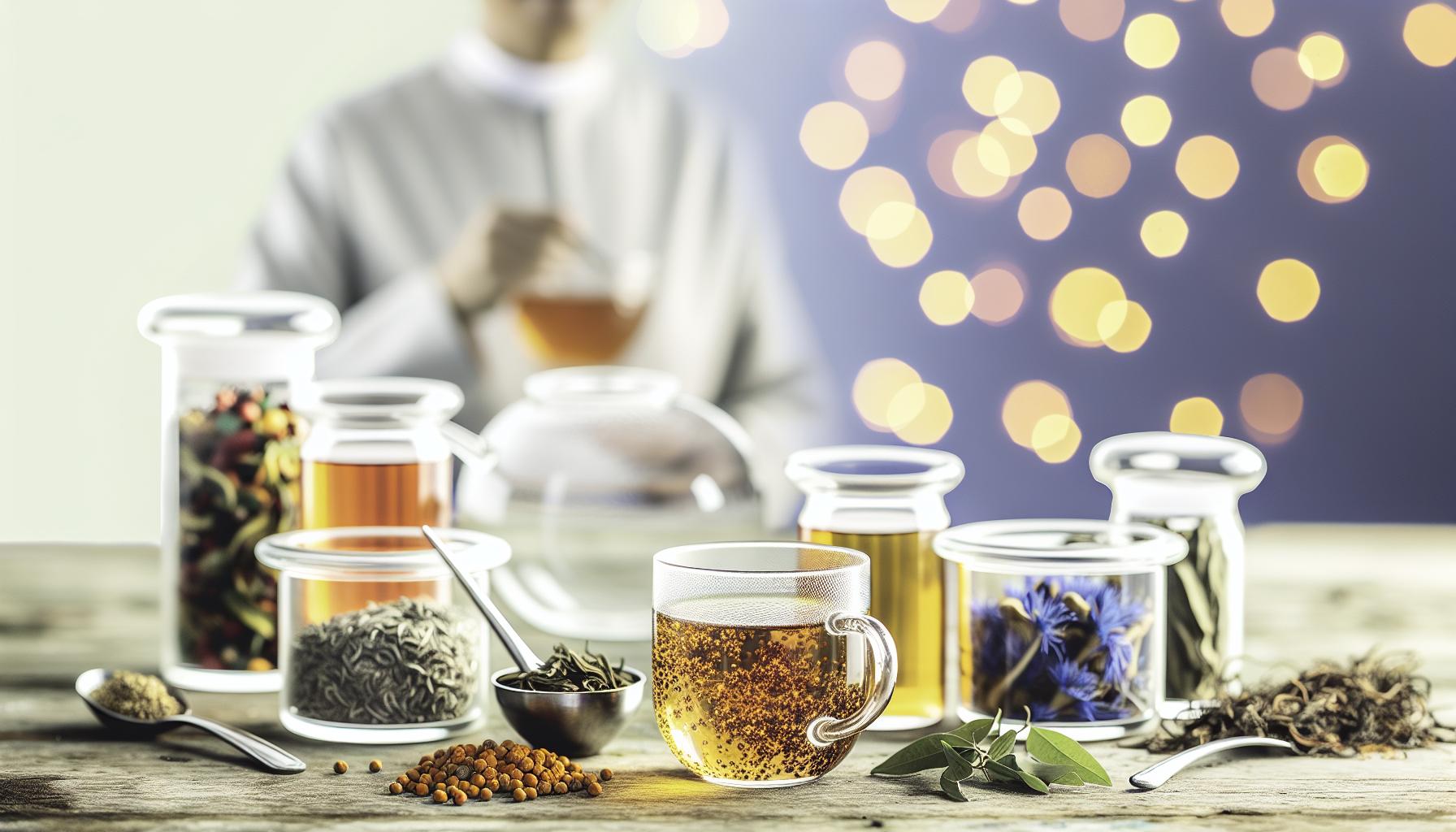
Top Lactation-Boosting Teas: Ingredients and Benefits
Many lactation-supporting teas trace their popularity to herbs known as galactagogues, which may gently encourage the body’s natural milk-making hormones, especially prolactin. These time-honored plants have nourished breastfeeding mamas across cultures, providing not only physiological benefits but also moments of peace and self-care in the postpartum whirl. While individual responses vary, women frequently enough find that sipping these herbal infusions consistently over days or weeks can definitely help foster a sense of calm, aid hydration, and encourage milk flow.
- Fenugreek is perhaps the most legendary galactagogue. Its seeds contain compounds thought to stimulate milk production and have a slightly sweet, nutty flavor that makes it easy to blend with other teas. Many moms report increases in milk supply when drinking fenugreek tea regularly, especially when started in the early weeks postpartum. However, fenugreek may cause a maple-syrup scent in sweat or urine for some—a harmless but surprising side effect.
- Blessed Thistle works well alongside fenugreek, offering gentle support to the milk-making process and digestive comfort.This herb has a mildly bitter taste, balancing sweeter blends and helping keep digestion smooth during the intense postpartum period.
- Nettle Leaf is a nourishing, mineral-rich herb frequently enough included in lactation blends. High in iron, calcium, and vitamins, nettle supports overall postpartum energy and replenishment, gently contributing to the body’s readiness for steady milk production.
- Fennel provides a subtle licorice flavor and is known to relax the digestive system while perhaps promoting milk supply. It’s also praised for soothing colicky babies when passed thru breast milk, making it a twofold gift for breastfeeding families.
Why These Ingredients Matter
These herbs share a few key roles beyond just encouraging milk:
- Hydration Helpers: Herbal teas keep you well-hydrated, which is essential as breast milk is mostly water.
- Stress Reduction: Warm teas provide comfort and ritual, which can ease anxiety and hormonal disruptions that sometimes challenge milk let-down.
- Nutrient Support: Minerals and vitamins in herbs like nettle bridge nutritional gaps, aiding overall postpartum healing and vitality.
For example, one mother shared her experience combining fenugreek and nettle teas throughout her frist four postpartum weeks. She noticed that while fenugreek gave an initial boost to her milk volume, nettle helped sustain her energy and mood during long nights of feeding, reminding us that lactation support is holistic, balancing body and spirit.
| Herb | Key Benefits | Flavor Profile | Notes |
|---|---|---|---|
| Fenugreek | Stimulates prolactin; may increase milk supply | Sweet, nutty | Maple-scent side effect for some; avoid if allergic to peanuts/soy |
| Blessed Thistle | Supports milk production; aids digestion | Bitter, herbal | Works well combined with fenugreek |
| Nettle Leaf | Rich in nutrients; supports energy and healing | Earthy, grassy | Great for postpartum replenishment |
| Fennel | Promotes milk; soothes digestion for mom and baby | Sweet, licorice-like | Helps with colic symptoms passed via breastmilk |
Remember, every mama’s body is beautifully unique. What feels nurturing and effective for one may need gentle adjustment for another. Approach these herbs with patience and care, honoring how your body and baby connect through this intimate journey. When chosen mindfully and combined with good hydration, rest, and love, lactation-boosting teas can become a cherished part of your nourishing postpartum routine.
Step-by-Step Recipes for Homemade Breastfeeding Teas
It’s comforting to know that a simple cup of carefully crafted herbal tea can become a loving ritual to support your body’s natural ability to nourish your baby. Making your own lactation tea blends at home allows you to tailor each cup to your postpartum phase, taste preferences, and gentle care needs. plus,preparing these soothing infusions can be a grounding moment amid the whirlwind of new motherhood—inviting hydration,calm,and nurturing nutrients all in one sip.
Below are step-by-step recipes using safe, time-tested herbs like fenugreek, blessed thistle, nettle leaf, and fennel—all chosen for their lactation-supportive and healing properties. Each recipe includes preparation tips, dosing guidelines, and gentle reminders about herb sensitivities, so you can feel confident and cared for as you sip.
Simple Fenugreek & Nettle Milk Booster
- Ingredients:
- 1 teaspoon fenugreek seeds (lightly crushed)
- 1 teaspoon dried nettle leaf
- 1 cup boiling water
- Optional: a slice of fresh ginger or a cinnamon stick for warmth
- Preparation:
- Place fenugreek seeds and nettle leaf in a teapot or heat-safe jar.
- Add boiling water and cover tightly to steep for 10-15 minutes.
- If using ginger or cinnamon, add these before pouring the hot water.
- strain the herbs, pour into your favorite cup, and enjoy warm.
- Dosage Tips: Aim to drink 2–3 cups daily,especially after nursing or pumping—that quiet period when your body naturally responds to produce more milk. Start with one cup and observe how your body reacts, as individual responses vary. Avoid fenugreek if you have allergies to peanuts or soy, and stop if you notice any unusual side effects such as skin rash or digestive upset.
Balanced Blessed Thistle & Fennel Digestive Support
- Ingredients:
- 1 teaspoon dried blessed thistle
- 1 teaspoon fennel seeds (crushed)
- 1 cup boiling water
- Optional: honey or lemon to taste
- Preparation:
- Combine blessed thistle and fennel seeds in a teapot or infuser.
- pour boiling water over the herbs and cover.
- Let steep for 5-10 minutes; longer steeping intensifies flavor.
- Strain and sweeten gently if desired.
- Dosage Tips: Sipping this tea 1-2 times daily can alleviate mild postpartum digestive discomfort while supporting milk supply. Be mindful that blessed thistle’s bitter notes may take some getting used to; pairing with fennel helps smooth the taste.Consult your healthcare provider if you have a history of hormone-sensitive conditions, as blessed thistle is mildly estrogenic.
Postpartum Nourishing trio Blend
- Ingredients:
- ½ teaspoon fenugreek seeds
- ½ teaspoon nettle leaf
- ½ teaspoon fennel seeds
- 1 cup boiling water
- Preparation:
- Mix all herbs in a teapot or heat-proof container.
- Pour hot water over them and cover, allowing steeping for 10-15 minutes.
- strain before drinking.
- Dosage Tips: This gentle combination supports milk production, soothing digestion and providing rich nutrients. Enjoy 2 cups daily, spaced between feedings. Keep a journal of how your body feels and milk flow changes—this mindful tracking helps personalize your approach.
| Herb | Suggested Amount | steep Time | Flavor Notes | Key Safety Notes |
|---|---|---|---|---|
| Fenugreek seeds | 1 tsp per cup | 10-15 minutes | Sweet,nutty | Avoid if allergic to peanuts/soy; may cause maple-scent side effect |
| Blessed Thistle | 1 tsp per cup | 5-10 minutes | Bitter,herbal | Consult if hormone-sensitive; mild estrogenic effect |
| Nettle Leaf | 1 tsp per cup | 10-15 minutes | Earthy,grassy | Generally safe; avoid if prone to kidney issues |
| Fennel Seeds | 1 tsp per cup | 5-10 minutes | Sweet,licorice-like | Generally safe; use moderate amounts |
remember,your tea ritual is just one loving thread in your postpartum support tapestry. Balancing rest, hydration, nourishment, and emotional care forms the foundation your milk supply flourishes on.When you tune in lovingly to how your body responds, adapt recipes and routines accordingly. Every cup you prepare and sip is a small but powerful act of self-care—honoring your body’s healing journey while nourishing the new life you’ve brought into the world.
When and How to Safely Sip: Timing and Dosage Tips
One of the simplest yet most powerful ways to support your milk supply with herbal teas is by tuning in to your body’s unique rhythm and needs. Timing your tea sips around nursing or pumping sessions can gently encourage your body to respond more robustly, as this is when your milk-making hormones are naturally primed. Starting slowly, with just one cup after a feed, allows you to notice how your body reacts before gradually increasing to 2–3 cups a day. Remember, every mother’s response to lactation herbs like fenugreek or blessed thistle varies, so gentle observation and patience are kindest to your system.Drinking herbal lactation teas consistently but mindfully acts as a nurturing ritual — a moment that invites calm, hydration, and nourishment amidst the demands of a new baby. It’s best to sip these teas warm, not hot, and spread out over the day rather than all at once. This helps your body absorb their benefits steadily and reduces any risk of digestive upset. If you’re sensitive to certain herbs, keeping a simple journal to track the timing, amount, and how your milk flow responds can be a helpful form of gentle self-care and empowerment.
Practical Sipping Guidelines
- Start with a single cup: Especially for new mothers, begin with 1 cup per day to check for any sensitivities.
- Time your tea after breastfeeding or pumping: Your body naturally increases milk production during these periods, so sipping then supports this response.
- Limit total cups to 2-3 daily: More isn’t always better; excessive intake may cause mild side effects or digestive upset.
- Hydrate throughout the day: Lactation teas complement your water intake, but don’t replace it. Keep sipping plain water alongside to stay well-hydrated.
- Avoid mixing with medications or supplements without guidance: Some herbs, like blessed thistle, may interact with hormone-sensitive conditions.
Listening to Your Body’s Signals
Every breastfeeding journey is unique, and your tea routine should honor that. If you notice side effects like headaches, skin rash, or unusual digestive discomfort, pause your tea use and consult a healthcare provider experienced with lactation and herbal safety.Conversely, many moms find a cozy cup after nursing becomes a calming pause in their day—a chance to nurture themselves as much as their little one. trust your instincts, and adjust timing and amounts as needed. Over weeks, this mindful ritual may weave comfortably into your postpartum flow, supporting your milk supply and your well-being holistically.
Here’s a swift overview of safe dosing and timing to help you sip confidently:
| Herb | Suggested Cups per Day | ideal Timing | Notes |
|---|---|---|---|
| Fenugreek | 2-3 cups | After nursing/pumping | Avoid if allergic to peanuts or soy. Start low and monitor. |
| Blessed Thistle | 1-2 cups | Mid-morning or afternoon | Mildly estrogenic; consult if hormone sensitive. |
| Nettle Leaf | 2 cups | Throughout the day | Rich in nutrients; hydrate gently. |
| Fennel | 1-2 cups | After feeding | Supports digestion and milk flow. |
By honoring your own rhythms, combining hydration, rest, and this herbal support, you are creating a nurturing surroundings where milk can flow naturally and abundantly. Your body is remarkably responsive—sometimes subtle shifts in timing and dosage lead to sweet,noticeable changes. This is your personal lactation journey, and each gentle sip is a loving step on the way.
Herbal Safety: What New Moms Need to Know
Many new moms turn to herbal teas as a gentle way to support breastfeeding, drawn by centuries of traditional use and the soothing ritual of a warm cup. Yet, it’s important to pause and consider safety first—herbs are powerful plants with effects that can vary greatly depending on individual health, postpartum stage, and other factors. Approaching herbal tea with mindfulness and respect for your body’s unique journey can transform your self-care time into both a nourishing and safe experience.
Some herbs commonly found in lactation teas—like fenugreek, blessed thistle, nettle, and fennel—offer benefits but also carry cautions. Such as, fenugreek is widely loved for its milk-boosting reputation but should be avoided by moms allergic to peanuts or soy, and at first used in small doses to ensure your body tolerates it well. Blessed thistle may have mild hormone-like effects, so consulting a healthcare provider is wise if you have hormone-sensitive conditions or are on medication. Each herb interacts differently with your body and baby, which is why starting with a single cup daily and watching for any reactions—such as headaches, skin changes, or digestive upset—is a caring approach that honors your postpartum healing.
steps to Sip Safely and Confidently
- Check with your healthcare provider: Especially if you have underlying health issues, are taking medications, or are unsure about an herb’s effects.
- Introduce herbs one at a time: This helps identify how each ingredient feels for you and your baby.
- stick to recommended doses: more isn’t always better. Overconsumption can lead to discomfort or unwanted side effects.
- Watch your baby closely: Though uncommon, herbal components can sometimes affect infant digestion or cause sensitivities.
- Respect your body’s signals: if you feel unusual symptoms, pause the herb and seek guidance.
Balancing Tradition with Evidence
many cultures have trusted nursing teas as part of postpartum rituals, mixing herbs not only for their healing properties but also to support emotional well-being.When combined with the nurturing practices of rest, hydration, skin-to-skin contact, and gentle movement, these teas become part of a holistic rhythm that honors both mother and baby. However, modern research is still growing, so blending this wisdom with up-to-date safety knowledge creates the gentlest path forward.
Remember, your breastfeeding experience is deeply individual. What works wonderfully for one mom may differ for another.Keeping a simple journal of teas tried, amounts, timing, and any reactions can empower you to craft a tea routine that truly supports your unique body and your baby’s needs. this attentive, loving approach brings the best of herbal tradition and modern insight into your daily cup—a small ritual that holds big potential in your nourishing postpartum journey.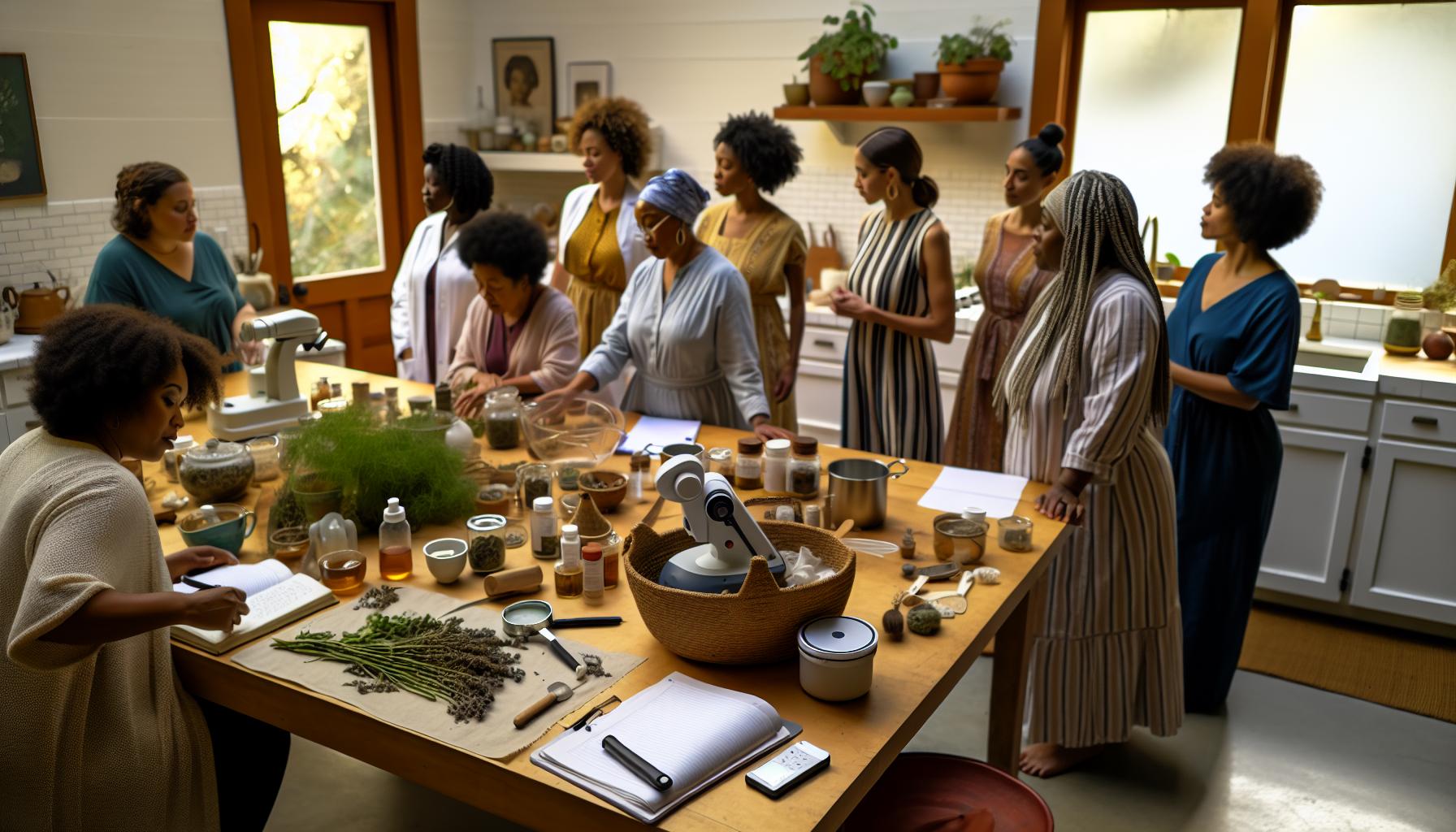
Balancing Tradition and Science: Cultural Insights on nursing Teas
Across cultures and centuries, nursing teas have woven themselves into the rich tapestry of postpartum care, offering more than just milk-boosting benefits—they serve as a comforting ritual that connects body, mind, and heritage.From the fenugreek-spiced brews cherished in Middle eastern households to the fragrant fennel and anise infusions common in Mediterranean traditions,these herbal blends carry stories of maternal wisdom passed down through generations. Embracing these cultural practices honors the emotional and spiritual dimensions of motherhood, reminding new moms that their journey is shared by countless others, even as their individual experience remains uniquely their own.
Simultaneously occurring, it’s empowering to blend this time-honored knowledge with modern science, grounding traditional remedies in safety and evidence. Many herbs favored worldwide for lactation support, such as blessed thistle or nettle, have gentle hormonal or nutritive properties, but their effects may vary widely depending on personal health, medications, or the baby’s sensitivity. For example, while fenugreek is celebrated for its galactagogue qualities, moms with allergies or certain medical conditions should approach it cautiously. This balance between respect for tradition and attention to individualized care helps new mothers find peace of mind amid postpartum hormonal changes and physical recovery.
Honoring Traditions While Staying Safe
- Start with trusted recipes but personalize: Feel empowered to adjust or combine herbs based on how your body and baby respond.
- Connect with community wisdom: Chatting with family elders or joining local mother circles can reveal cultural insights and supportive practices that complement your tea routine.
- Stay informed about interactions: Check with your healthcare provider about any herbs, especially if you have existing health concerns or take medications.
- Celebrate the ritual: Use tea time as a moment to breathe, nourish, and connect—whether through quiet reflection, journaling, or sharing with a partner.
Many moms find that blending traditional herbal knowledge with the mindfulness of modern postpartum care creates a nurturing space for both healing and joy. This marriage of culture and science invites you to trust your intuition, honor your body’s unique story, and sip with confidence on your path to abundant milk and maternal wellbeing.
Combining Teas with other Milk-Enhancing Foods and Habits
Many new moms discover that combining lactation-supportive teas with thoughtfully chosen foods and habits can gently amplify their milk supply while honoring the body’s need for rest and nourishment. This holistic approach respects the delicate hormonal shifts of postpartum life and integrates comforting rituals that soothe both body and mind. Drinking a warm cup of fenugreek or nettle tea,for example,can pair beautifully with nutrient-rich meals and mindful breastfeeding practices,creating a symphony of care that supports abundance in milk and maternal wellbeing.
Integrating foods like oats, almonds, and spinach—known for their iron, calcium, and phytoestrogens—can complement your tea routine by providing the building blocks your body needs to produce milk sustainably. Many lactation experts recommend small, frequent meals that focus on whole grains, healthy fats, and protein to stabilize blood sugar and maintain energy, which in turn supports steady milk flow.hydration also plays a key role: sipping herbal teas alongside water, broths, or hydrating smoothies allows you to stay comfortably nourished without overwhelming your digestion.
Simple Habits that Support Milk Production
- Prioritize skin-to-skin contact: Frequent breastfeeding or pumping, skin-to-skin cuddling, and responding promptly to baby’s hunger cues stimulate the hormones prolactin and oxytocin, crucial for milk synthesis and letdown.
- Enjoy nutrient-dense snacks with your tea: Try a small bowl of oats with chia seeds and sliced almonds, or a green smoothie featuring spinach, banana, and flaxseed alongside your herbal infusion.
- rest whenever possible: Lactation thrives on both physical and emotional rest.Your body’s recovery helps balance post-birth hormones, amplifying the effects of galactagogue herbs.
- Mindful sipping: Slow, intentional tea drinking encourages relaxation and reduces cortisol (stress hormone), which when elevated can hinder milk supply.
Many mothers find that weaving these small,manageable habits into their day enhances the benefits of their teas naturally,creating a nurturing rhythm rather than a rigid routine. Remember, every journey is unique—tune in to how your body feels as you blend these practices, and celebrate progress without pressure. In the postpartum kaleidoscope of challenges and joys, combining teas with nourishing foods and gentle habits can be a soothing anchor, holding space for both thriving milk flow and maternal self-care.
Real Mom Stories: How Teas Helped My Milk Flow
Many mothers find that introducing lactation-supportive teas offers a gentle boost when their milk supply feels uncertain or slow to increase. For example, Jessica, a first-time mom, shared how incorporating fenugreek tea into her morning routine helped her overcome initial supply dips around week two postpartum. She paired her warm cup with nutrient-rich oatmeal and found that the ritual not only seemed to ease milk flow but also created a calm, mindful moment to start her day. “It wasn’t just about the tea,” she recalls, “but the whole pause that helped my body relax and respond better to breastfeeding.”
Another mom, Aisha, embraced nettle and raspberry leaf tea blends during her fourth month postpartum when her demanding toddler left her drained.She noticed that sipping these teas alongside small, frequent meals helped sustain her energy while supporting ongoing milk production. “I love how the teas felt nurturing for both my body and spirit,” Aisha reflects. Her story highlights how combining herbal support with balanced nutrition and paced self-care can steadily enhance lactation without pressure or rigid expectations.
Real Tips from Moms for Making the Most of Lactation Teas
- Consistency matters: Drinking teas daily, rather than sporadically, helps build gradual, lasting milk support.
- Pair teas with hydration and food: Herbal infusions work best when combined with plenty of water and nutrient-dense snacks, such as almonds or leafy greens.
- Listen to your body: Sometimes less is more—notice how your supply and digestion respond and adjust your intake accordingly.
- Create calming rituals: set aside a quiet moment for tea-drinking; this reduces stress hormones that can inhibit milk let-down.
Remember, each breastfeeding journey is unique—what supports one mom’s milk flow may differ for another. Stories like these celebrate the small but meaningful ways lactation teas can weave into a nurturing daily rhythm, amplifying both physical nourishment and emotional wellbeing without judgment or rush.
Troubleshooting Common Breastfeeding Challenges with Teas
Sometimes, despite your best efforts, breastfeeding can feel like a puzzle—whether it’s a stubborn dip in milk supply, discomfort during nursing, or simply feeling overwhelmed. Incorporating lactation-supportive teas can be a soothing and practical part of your self-care toolkit, but they aren’t a one-size-fits-all magic fix. The key is thoughtful use, paired with gentle observation of how your body responds, so you can tweak your routine to ease common challenges without adding pressure.
For moms facing low milk supply, it’s helpful to remember that teas like fenugreek, blessed thistle, or fennel might take a few days to show effects—and consistency truly matters here. If you notice no enhancement after about a week, consider mixing things up: try combining different lactation herbs or pairing tea-drinking with skin-to-skin contact, frequent nursing, and plenty of hydration. One mom shared how switching from fenugreek alone to a blend with nettle and red raspberry leaf helped her feel more energetic and gradually lifted her supply during a stressful postpartum week. And if digestive upset happens—like mild gas or nausea—reducing the amount or spacing out tea intake through the day often calms symptoms.
Sometimes breastfeeding challenges stem from discomfort, such as engorgement or clogged ducts. Warm teas can encourage relaxation and gentle milk flow, but they work best alongside practical steps like varied nursing positions, massage, and rest. Chamomile or ginger teas may also provide mild anti-inflammatory relief and comfort. Importantly, if you experience signs of infection or persistent pain, seek care promptly—herbal teas support but are not substitutes for medical treatment.
Practical Ideas to Tune Your Tea Routine
- Start small and build: Begin with 1 cup per day, then increase if well tolerated and helpful.
- Track patterns: Keep a simple journal noting tea types, amounts, feeding times, and supply changes. This helps spot what works best for you.
- Hydrate first: Drink plain water alongside teas to support milk production and digestion.
- Timing matters: Sip teas about 30 minutes before nursing or pumping to potentially enhance let-down.
- Customize blends: Combine gentle herbs like red raspberry leaf with fenugreek or fennel for a balanced effect.
- Respect your instincts: If a certain tea causes discomfort or no benefits after consistent use, trust your body and try alternatives.
Listening to Your Body’s Melody
every nursing journey is beautifully unique. Some moms may see quick gains with lactation teas, while others find the ritual itself—a calm moment of warmth and mindfulness—far more valuable than the boost in supply. Hormonal shifts, emotional well-being, physical healing, and nutrition all intertwine, so it’s okay to move at your own pace. Creating a little tea ritual that feels like self-kindness invites nourishing moments that reach beyond milk volume. Celebrating these small acts can ease anxiety, boost confidence, and gently support your infant’s nourishment in its many forms.
| Common Challenge | Herbal Tea Options | Tips for Use | When to Seek Help |
|---|---|---|---|
| Low milk supply | Fenugreek, blessed thistle, fennel, nettle | Start small, drink regularly, combine herbs if needed, pair with frequent nursing | No supply increase after 1-2 weeks, concern about baby’s weight gain |
| Engorgement or clogged ducts | Chamomile, ginger, red raspberry leaf | Drink warm tea, use varied nursing positions and gentle massage | Severe pain, redness, fever (possible mastitis) |
| gut sensitivity or nausea | Ginger, chamomile, peppermint (in small amounts) | Reduce tea quantity, space intake during day, try milder herbs | Persistent digestive symptoms or dehydration |
Remember, your tea choices should honor your body’s signals and your unique experience. This nurturing approach turns breastfeeding from a source of stress into a shared journey with your baby—one sip, one step, and one peaceful moment at a time.
Customizing Your Tea Routine by Postpartum Phase
The postpartum journey unfolds in distinct phases, each bringing unique hormonal rhythms, physical changes, and emotional needs. Tailoring your tea routine to these phases can gently support your body’s natural transitions while nurturing your milk supply and overall well-being. Early postpartum days, often marked by exhaustion and initial milk establishment, call for soothing and calming herbal blends that also encourage milk flow without overwhelming your system. As you move into the weeks beyond, energy-supporting and circulation-enhancing teas may play a more prominent role, matching your gradual regain of strength and hormonal balancing.
In the very first days after birth,focus on gentle,nurturing teas that ease stress,support uterine healing,and gently stimulate lactation.Ingredients like red raspberry leaf, renowned for its uterus-toning properties, blend well with chamomile or lemon balm, which help reduce anxiety and encourage restful sleep. For example, one mom shared how sipping a warm cup of red raspberry leaf and chamomile tea between feedings created moments of calm amid newborn overwhelm—and she noticed this ritual seemed to aid her milk flow naturally without added pressure. Early postpartum is also a perfect time to keep tea intake moderate—starting with just one small cup per day—so you can monitor how your body reacts, especially if you’re navigating perineal healing or cesarean recovery.
Adapting Recipes as You Progress
After the initial weeks, when your milk supply typically stabilizes, you might introduce more lactation-specific herbs that support milk production and energy, such as fenugreek, blessed thistle, or fennel. These herbs can be combined with nutrient-rich nettle leaf, which replenishes vital minerals and supports postpartum recovery. Here’s a simple DIY blend for this phase:
- 1 tsp fenugreek seeds
- 1 tsp blessed thistle
- 1 tsp nettle leaf
- 1 tsp fennel seeds
Steep these in a cup of hot water for 10-15 minutes. Start with 1 cup daily, sipping about 30 minutes before nursing, then adjust up to 2-3 cups per day as tolerated and needed. Many moms find this blend supports a gentle increase in supply during periods of stress or growth spurts without causing digestive upset.
Late Postpartum & Beyond: Maintenance and Mindfulness
As you settle into a rhythm months postpartum, your tea routine can evolve into a mindful ritual that supports not only milk supply but also relaxation, hydration, and emotional balance. Herbs like red raspberry leaf continue to tone and support reproductive health, while chamomile and ginger can ease any occasional digestive discomfort or inflammation from nursing challenges like engorgement. at this stage, the focus shifts toward long-term well-being rather than rapid lactation boosts. Remember, if you plan to continue herbal teas long term, vary your blends and watch for any bodily signals such as changes in milk taste or maternal digestion.
| Postpartum Phase | Herbs & tea Focus | Key Benefits | Dosage Guidance |
|---|---|---|---|
| Immediate (0-2 weeks) | Red raspberry leaf, chamomile, lemon balm | Uterus support, stress relief, milk flow initiation | 1 cup daily, small sips, monitor tolerance |
| Early (2-8 weeks) | Fenugreek, blessed thistle, fennel, nettle | Milk supply support, energy boost, mineral replenishment | 1-3 cups daily, sip 30 min before feeding |
| Late (2+ months) | Red raspberry leaf, chamomile, ginger | Maintenance, relaxation, digestive comfort | 1-2 cups daily, as a calming ritual |
Each body responds differently, so gentle experimentation paired with self-kindness is key. If a tea doesn’t feel right or produces unwanted effects, pause and try different blends or simply enjoy warm water with a slice of fresh ginger or lemon. This phase-by-phase approach honors the complexity of postpartum healing, milk production, and emotional shifts, helping you build a tea routine that feels like a companion—not a chore—in your breastfeeding journey.
Expert tips for Maximizing Lactation Naturally
Few things feel as empowering for a breastfeeding parent as discovering gentle, natural ways to support milk flow that honor both body and mind. Maximizing lactation naturally is a beautiful dance between self-care,attentive listening,and mindful nourishment—not a race toward an arbitrary goal. herbal teas can be marvelous allies here, but their magic is amplified when paired with thoughtful habits and a compassionate approach to your unique postpartum experience.
Prioritize Hydration and Relaxation
Milk production relies heavily on adequate fluid intake, so sipping nourishing teas alongside plenty of water is essential. rather than forcing large amounts at once,try to drink small,consistent amounts throughout the day to stay hydrated without overwhelming your system. Many moms find a warm cup of red raspberry leaf or fennel tea before feeding creates a soothing ritual that calms both body and mind, encouraging let-down. Remember, stress and fatigue can signal your body to hold back milk supply, so weaving moments of gentle relaxation into your routine—deep breathing, quiet time, or even mindful sipping—can make a tangible difference.
Eat Nutrient-Dense Foods and Move Mindfully
Herbal teas work best alongside a balanced diet rich in whole foods. Incorporate lactation-supportive ingredients such as oats, almonds, cooked leafy greens, and healthy fats like avocado or olive oil into meals and snacks. These foods provide vital minerals and energy your body needs to sustain milk production. Light physical activity such as gentle walking or stretching can stimulate circulation and hormonal balance, but always honor your body’s signals—rest feels just as crucial as movement during postpartum recovery.
customize Your Tea Routine and Listen to Your Body
what nourishes one mom may not suit another—and that’s perfectly okay. Experiment with different blends,herbs,and timing to find what truly supports you without pressure or overwhelm. As an example:
- Fenugreek frequently enough helps increase milk supply but can cause digestive changes in some;
- Chamomile
- Nettle leaf
Start with one cup daily and observe how your body responds before increasing doses. Taking note of any changes in milk taste, quantity, or your own energy will guide you gently toward the best personalized regimen. If you ever have concerns, consult with a lactation consultant or herbal-savvy healthcare provider who respects your individual needs and values.
Simple Evening Calm Tea to Try
- 1 tsp red raspberry leaf
- 1 tsp chamomile flowers
- ½ tsp fennel seeds
- Steep in hot water for 10 minutes; strain and sip slowly, about 30 minutes before bedtime.
This blend can support milk maintenance, relaxation, and digestion while nurturing emotional wellness for those long postpartum evenings.Above all, remember: your body’s wisdom is your greatest guide. softness, patience, and self-compassion foster breastfeeding success just as powerfully as any herb or recipe. Your journey is unique, precious, and worthy of kindness every step of the way.
Recognizing Individual Differences: What Works for You
Every breastfeeding journey is beautifully unique, shaped by your body’s rhythms, emotions, and needs. What supports milk flow and calm for one mom may not feel quite right for another—and that’s perfectly normal. Tuning into your own experience without comparing or rushing allows you to find the herbal allies and routines that truly nurture you. For some, a cup of fenugreek tea sparks a noticeable boost in supply and energy; for others, gentle chamomile or nettle infusions offer soothing relief without digestive upset. Paying close attention to how your body responds—whether in milk volume, your mood, or digestion—can guide you in tailoring a tea routine that fits just right.
Tips for Listening to Your Body and Adapting Your Tea Routine
- Start small with one kind of tea at a low dose—frequently enough one cup daily—to monitor how you and your baby react.
- Journal your experience: Note changes in milk supply, baby’s feeding satisfaction, your energy, digestion, or sleep.
- Adjust timing: Some find tea best before feeding to encourage let-down; others prefer evening blends for relaxation.
- Mix and match wisely: Combine herbs known to work well together, like red raspberry leaf and fennel, but introduce new herbs gradually.
- Honor your feelings: If a tea causes discomfort or stress, it’s okay to pause and try something different without guilt.
- Consult trusted professionals if uncertain, especially about herbs like fenugreek or blessed thistle, which can have stronger effects.
Many moms find that balancing traditional wisdom with their own body’s feedback creates the most meaningful support. Some cultures hold deep respect for specific lactation herbs, while modern studies shed light on their benefits and cautions. Embracing both perspectives, you can design a practice that feels authentic and safe. Remember, this isn’t about perfection but connection—each sip is a gentle conversation with your body, tuning in to what encourages flow and peace.
Real-Life Example: How One Mom Customized Her Tea routine
Sarah, a first-time mom, began with a popular fenugreek tea blend recommended by her postpartum group. After a few days,she noticed mild bloating and switched to a gentler combination of red raspberry leaf and chamomile in the evenings. This helped her relax and support milk maintenance without discomfort. Over time,she added a morning cup of nettle tea to replenish nutrients,adjusting doses based on how her energy and milk supply responded. Sarah’s story highlights the importance of gentle experimentation, patience, and honoring your unique postpartum rhythm.
Above all, trust that your intuition is a powerful guide. Celebrate each small victory and shift your tea habits as you grow alongside your baby. This nurturing process of discovery builds confidence and kindness toward yourself—because motherhood, in every form, deserves a warm, tender embrace.
Frequently asked questions
Q: How can drinking lactation teas affect milk supply during stress?
A: Drinking lactation teas may support milk supply by calming stress hormones that can inhibit let-down reflex. Herbal blends with calming ingredients like chamomile or lemon balm can help you relax, which in turn promotes better milk flow. Try sipping a cup during quiet moments to complement your breastfeeding routine. For more on timing and dosage, see our when and How to Safely Sip section.
Q: What natural herbs in teas are best for low milk supply without side effects?
A: Herbs like fenugreek, blessed thistle, and fennel are commonly used for milk production with minimal side effects when consumed at recommended doses. Start with small amounts to check for tolerance and always consult your healthcare provider. Detailed ingredient benefits and safety tips are in the Herbal Safety and Top Lactation-Boosting Teas parts of the article.
Q: When is the best time postpartum to start drinking breastfeeding teas?
A: It’s best to begin breastfeeding teas after the first week postpartum,once your milk supply stabilizes and your body is healing. Introducing teas to early may interfere with newborn feeding patterns.Our Customizing Your tea Routine by postpartum Phase section offers gentle guidance tailored to each recovery stage.
Q: Can breastfeeding teas help with common nursing challenges like engorgement or low let-down?
A: Yes, certain teas with anti-inflammatory and relaxing herbs can ease engorgement and improve let-down.Ingredients like marshmallow root soothe tissues, while anise may enhance milk flow. Combining teas with proper nursing techniques enhances results. Explore these practical tips in Troubleshooting Common Breastfeeding Challenges.
Q: How do breastfeeding teas compare to other natural milk enhancers like foods or supplements?
A: Breastfeeding teas offer a gentle, hydrating way to support lactation, with benefits from soothing herbs.Compared to supplements or foods,teas provide targeted ingredients often easier to digest and absorb. For a balanced approach,see our section on Combining Teas with Other Milk-Enhancing Foods and Habits.
Q: What signs indicate a breastfeeding tea is working or not working for milk production?
A: Signs of effectiveness include increased milk supply, easier let-down, and improved feeding satisfaction. If no change occurs after 1–2 weeks, or you experience side effects like digestive upset, re-evaluate your tea choice and consult a lactation expert. Learn more about recognizing what works in Recognizing Individual Differences.
Q: Can I drink breastfeeding teas while taking medications or with health conditions?
A: Some herbs can interact with medications or health issues.Always check with your healthcare provider before starting any lactation tea,especially if you take prescription meds,have allergies,or chronic conditions. For safe herbal practices, review our dedicated Herbal Safety guidelines.
Q: How can I customize my breastfeeding tea routine as my baby grows?
A: Adjust your tea blends and intake according to changing needs through postpartum phases—early weeks may need calming herbs, later months might benefit from metabolism supporting blends. Our Customizing Your Tea Routine by Postpartum Phase section offers step-by-step recipes and advice to nurture ongoing milk supply.
For more personalized support and detailed recipes, don’t hesitate to revisit the full article sections or join our breastfeeding community where moms share experiences and wisdom. Your journey is unique, and gentle, evidence-based care always helps nurture both you and your baby.
Concluding Remarks
Finding the right breastfeeding teas to naturally support your milk supply can be a comforting and empowering part of your postpartum journey. Remember, safety and timing matter—always choose gentle, proven herbs and listen to your body’s unique rhythm. If you’re ready to try these nurturing blends, start with small doses and observe how they fit into your daily routine, balancing tradition with thoughtful self-care. For more gentle guidance on postpartum wellness, explore our DIY lactation smoothies and soothing postpartum meal recipes designed to nourish both you and your baby.
If questions linger about herbal safety or lactation concerns, don’t hesitate to dive deeper into our expert-backed resources or connect with a lactation consultant through our support community. Your breastfeeding experience is personal, and what blooms for one mom may differ for another—celebrate each step with confidence and care. Stay connected by joining our newsletter for tips, real-mom stories, and holistic support tailored to your motherhood path. Sharing your journey below helps build a warm, safe space where we all grow together—so please, leave a comment or share to keep this nurturing conversation going.
Get our latest guides, news, and insights highlighted in your Google Search & AI Overviews.


 JUST 15 MINUTES A DAY