
Is Lemon Balm Safe While Breastfeeding? Herbal Tea Facts
Many new mothers turn to herbal teas like lemon balm to calm nerves, support sleep, and ease postpartum stress, but is lemon balm safe while breastfeeding? understanding how this gentle herb interacts with your body and your baby’s well-being is crucial as you navigate the delicate postpartum period. In this article, we’ll explore what science and tradition say about lemon balm’s safety, the best ways to prepare it, and how to honor your unique rhythm as you nourish yourself and your little one. Whether you’re curious about supporting lactation, soothing anxiety, or simply adding a comforting ritual, you’ll find practical guidance that respects your choices and the complexity of motherhood—no pressure, just warm support as you care for yourself in this precious time.
Contents
- Is Lemon Balm safe for Breastfeeding Moms?
- How Lemon Balm Affects Milk Supply and Lactation
- Potential Benefits of Lemon Balm During Postpartum
- Possible Risks and Side Effects for Nursing Babies
- Best Ways to Prepare Lemon Balm Tea Safely
- Recommended Dosage and Timing for New Mothers
- Combining Lemon balm with Other Herbs and Medications
- Real Moms’ experiences Using Lemon Balm While Nursing
- When to Avoid Lemon Balm: Red Flags and Precautions
- Holistic Tips to Enhance Breastfeeding Naturally
- How to Listen to Your Body and baby’s Signals
- Expert advice on Herbal Safety in Breastfeeding
- Frequently Asked Questions
- Q: Can drinking lemon balm tea affect the taste of breast milk?
- Q: How long after drinking lemon balm tea can I nurse my baby safely?
- Q: Is lemon balm tea safe for babies if given in small amounts through breast milk?
- Q: can lemon balm tea help reduce breastfeeding anxiety or stress for new moms?
- Q: What are natural alternatives to lemon balm tea for breastfeeding moms seeking relaxation?
- Q: How can I safely combine lemon balm with other herbs while breastfeeding?
- Q: Can excessive intake of lemon balm tea decrease my milk supply?
- Q: Are there any signs my baby might react negatively to lemon balm through breastfeeding?
- Concluding Remarks
Is Lemon Balm safe for Breastfeeding Moms?
Lemon balm has been cherished for centuries as a gentle, calming herb, and many breastfeeding moms find comfort in its soothing aroma and mild flavor. While the thought of introducing any new herb during this delicate time can feel daunting, lemon balm is generally considered safe for most nursing mothers when used in moderate amounts, such as in herbal teas. Its calming properties may help ease postpartum stress and support restful sleep without harsh side effects, offering a nurturing ritual for mom and baby alike.
That said, every body responds differently, especially during the postpartum period when hormones are shifting and the body’s connection with baby deepens. Some mothers notice that lemon balm can even support digestion and reduce anxiety, both of which can indirectly promote a smoother breastfeeding experience. Though, as research on lemon balm’s direct impact on milk supply is limited, it’s wise to introduce it gradually, paying close attention to your baby’s reactions and your own body’s signals.
Guidelines for Using Lemon Balm Safely While Nursing
- Start small: Brew a weak tea (about 1 teaspoon of dried lemon balm leaves per cup) and observe your baby for any signs of fussiness, rash, or digestive upset.
- Observe timing: Enjoy lemon balm tea once or twice a day,preferably after feeding,so you can notice any subtle effects before increasing intake.
- Consult with your healthcare provider: Especially if you or your baby have allergies,sensitivities,or are taking medications,discussing herbal use adds a layer of safety and peace of mind.
Remember, embracing lemon balm as part of your self-care routine honors both tradition and modern wisdom. It’s a soft companion to those quiet breastfeeding moments, gently supporting your well-being without rushing your postpartum journey. When in doubt, trust your instincts and lean on your circle of care—whether that’s a doula, midwife, lactation consultant, or fellow mom—who understands that every breastfeeding story is beautifully unique.
How Lemon Balm Affects Milk Supply and Lactation
Lemon balm’s calming nature can gently ripple through the breastfeeding experience, yet its direct effect on milk supply remains a quiet conversation rather than a clear-cut answer. Some nursing moms find that lemon balm’s soothing qualities help ease anxiety and improve sleep—both vital for a well-regulated milk flow, since stress and fatigue often stall lactation hormones like prolactin and oxytocin. By fostering relaxation, lemon balm may indirectly support milk let-down, creating a more peaceful feeding rhythm for mother and baby.
However, it’s important to know that lemon balm is occasionally noted in herbal circles for its mild potential to reduce milk supply, especially if consumed in higher quantities or combined with other herbs known for the same effect (like peppermint or sage). This subtle influence is not universal; many mothers report no change or even a slight improvement in their breastfeeding comfort. The key lies in paying attention to your unique body’s signals and adjusting herbal use accordingly—small, mindful sips of lemon balm tea generally pose minimal risk, allowing your body and baby to guide you.
- Start with a gentle brew: Use about 1 teaspoon of dried lemon balm leaves per cup of hot water, steeped for 5 minutes.
- Monitor milk flow and baby’s cues: Keep track of feeding ease, baby’s satisfaction, and diaper output when introducing lemon balm.
- Use as a calming complement: Pair lemon balm with breastfeeding routines that promote relaxation,like skin-to-skin contact or quiet moments together.
Ultimately, lemon balm invites a nurturing pause—a chance to soothe the mind while you listen closely to your body’s wisdom. Each mother’s journey is beautifully personal, and this herb can be a gentle freind when approached with awareness and care. If concerns about milk supply arise, connecting with a lactation consultant or herbal-savvy healthcare provider can provide reassurance and personalized guidance to keep your breastfeeding relationship thriving.
Potential Benefits of Lemon Balm During Postpartum
New motherhood unfolds with waves of joy and moments of deep vulnerability. During this time, any gentle support that helps calm the mind and soothe the body can feel like a treasure. Lemon balm, with its mild, comforting aroma and calming properties, offers a tender embrace for many new mothers navigating the postpartum transition. Its natural calming effect may ease restlessness and promote better sleep—both essential when the body is healing from birth and adjusting to the demands of breastfeeding and caring for a newborn.
While lemon balm isn’t a direct galactagogue (an herb that increases milk supply), its ability to reduce anxiety and encourage relaxation can indirectly support breastfeeding. Stress and exhaustion often interfere with the hormones oxytocin and prolactin, which regulate milk let-down and production. When mothers feel more serene and rested, their milk flow sometimes improves naturally. Many mothers also honor lemon balm as a nurturing pause in their day—sipping a warm cup can create a quiet moment of self-care that replenishes emotional reserves and fosters mindfulness amidst the whirlwind of postpartum life.
simple Lemon Balm Tea Recipe for Postpartum Calm
- Ingredients: 1 teaspoon dried lemon balm leaves,1 cup hot (not boiling) water,optional honey or lemon slice
- Preparation: Steep leaves in hot water for 5–7 minutes,strain,and enjoy slowly.
- Timing: Sip preferably in the evening or whenever you need a soothing break—avoid large amounts before feeding if you notice any milk flow changes.
Some moms weave lemon balm into gentle postpartum rituals—combining it with skin-to-skin time, slow breathing, or quiet journaling. These moments honor the body’s natural healing rhythm and create safe space to acknowledge feelings without pressure. Of course, every mother’s response varies, and staying attuned to your unique experience and your baby’s cues is key.When combined with expert guidance from lactation consultants or holistic practitioners, lemon balm becomes a warm companion, supporting not just breastfeeding, but the whole emotional and physical landscape of early motherhood.
Possible Risks and Side Effects for Nursing Babies
Many new mothers find the gentle calm of lemon balm tea a comforting ritual; however, it’s natural to wonder about how this soothing herb might affect nursing babies. While lemon balm is generally considered mild and safe when consumed in typical dietary amounts, it’s important to observe your baby closely when introducing any new herbal supplement during breastfeeding.Newborns can be sensitive to changes in breast milk composition, and even subtle effects on digestion or mood may arise from herbal compounds passing through breast milk.
Though rare, some infants might exhibit mild symptoms such as fussiness, gassiness, or changes in sleep patterns after their mothers consume lemon balm.This herb has mild sedative qualities,so in very sensitive babies,it could potentially cause a slight increase in drowsiness or affect feeding behaviors. usually, these reactions are transient and resolve as both mother and baby adjust, but trust your intuition—if you notice any unusual changes in your baby’s demeanor or feeding routine, consider pausing lemon balm and discussing your observations with a lactation consultant or healthcare provider.
Practical Tips for Using Lemon Balm Safely While Nursing
- Start Small: Begin with a modest amount, such as 1 teaspoon of dried lemon balm leaves per cup of hot water, and drink only once a day to gauge both your and your baby’s response.
- Observe Your Baby: Pay attention after feeding for any signs of irritability, changes in sleep, or tummy troubles.
- Timing Matters: Sip lemon balm tea at times most distant from nursing sessions to minimize concentrated exposure through breast milk.
- Consult Your Support Team: Speak openly with lactation experts or herbal-savvy healthcare providers, especially if your baby is premature, has health concerns, or if you plan to use lemon balm regularly.
Remember, each mother-baby pair is unique—the beautiful complexity of mothering means what calms one dyad may not suit another. honor your baby’s cues and your body’s rhythms as you navigate herbal self-care.When approached gently and mindfully, lemon balm can be a helpful, nurturing companion during postpartum, but it’s always wise to stay attuned and responsive to your little one’s needs.
Best Ways to Prepare Lemon Balm Tea Safely
There’s a special calm that comes from brewing your own lemon balm tea—a simple act of nurturing yourself that feels like a gentle hug on a busy postpartum day. To make the most of this soothing herb safely while breastfeeding, it’s key to approach preparation with mindful care, honoring your body’s rhythms and your baby’s unique sensitivities. Using dried lemon balm leaves is a wonderful way to control potency and purity, allowing you to tailor your tea to exactly what feels right for you.
Start by placing about 1 teaspoon of dried lemon balm leaves into a warm cup. Pour freshly boiled water (around 200°F or 93°C) over the leaves to gently release the soothing oils and flavonoids. Let it steep for 5 to 7 minutes—not too long, as over-steeping can make the tea bitter and potentially stronger than needed for nursing moms. Strain the leaves carefully,then sip slowly. If you like, add a little honey or a slice of raw ginger to enhance flavor and digestion, both gentle supports for postpartum wellbeing.
- Use loose, organic lemon balm leaves rather than pre-packaged tea bags if possible, to avoid fillers and control the amount you brew.
- Pay attention to timing: Enjoy your lemon balm tea between nursing sessions rather than promptly before feeding, which helps minimize concentrated herb exposure through breast milk.
- Start with small, measured doses: One cup a day is a nurturing beginning. Observe how your baby responds over a few days before introducing more.
- Store extra brewed tea in a glass container in the fridge and sip chilled later in the day, ensuring freshness and flavor without overconsumption.
- Avoid additives like caffeine, alcohol, or essential oils in your lemon balm tea preparations to keep it pure and safe for both of you.
Simple DIY Lemon Balm Tea Recipe for Nursing Moms
| Ingredient | Amount | Tip |
|---|---|---|
| Dried lemon balm leaves | 1 teaspoon | organic preferred, loose leaf |
| Water | 1 cup (240 ml), freshly boiled | Let cool approx. 1 minute before pouring |
| Optional: Raw honey or fresh ginger slice | To taste | Add after steeping to preserve enzymes |
preparing Your Tea Step-by-Step
- Step 1: boil filtered water, then let it cool slightly. Water that is too hot can scorch the leaves, altering the taste and benefits.
- Step 2: Place dried lemon balm leaves in your favorite cup or teapot.
- Step 3: Pour the warm water gently over the leaves and cover to trap steam,steeping for 5-7 minutes.
- Step 4: Strain the tea into a cup. Add optional sweetener or ginger if desired. Sip slowly, savoring the calm.
- step 5: Note your baby’s response over the next 24 hours before increasing intake.
This mindful preparation not only preserves the gentle calming properties of lemon balm but also encourages you to slow down, breathe, and enjoy a small moment just for yourself.Remember, your postpartum journey is as much about listening to your body and baby as it is about rituals—if something feels off, it is always okay to pause and check in with your healthcare provider. In this way, lemon balm tea becomes a loving companion in your nourishing self-care, blending tradition with thoughtful safety.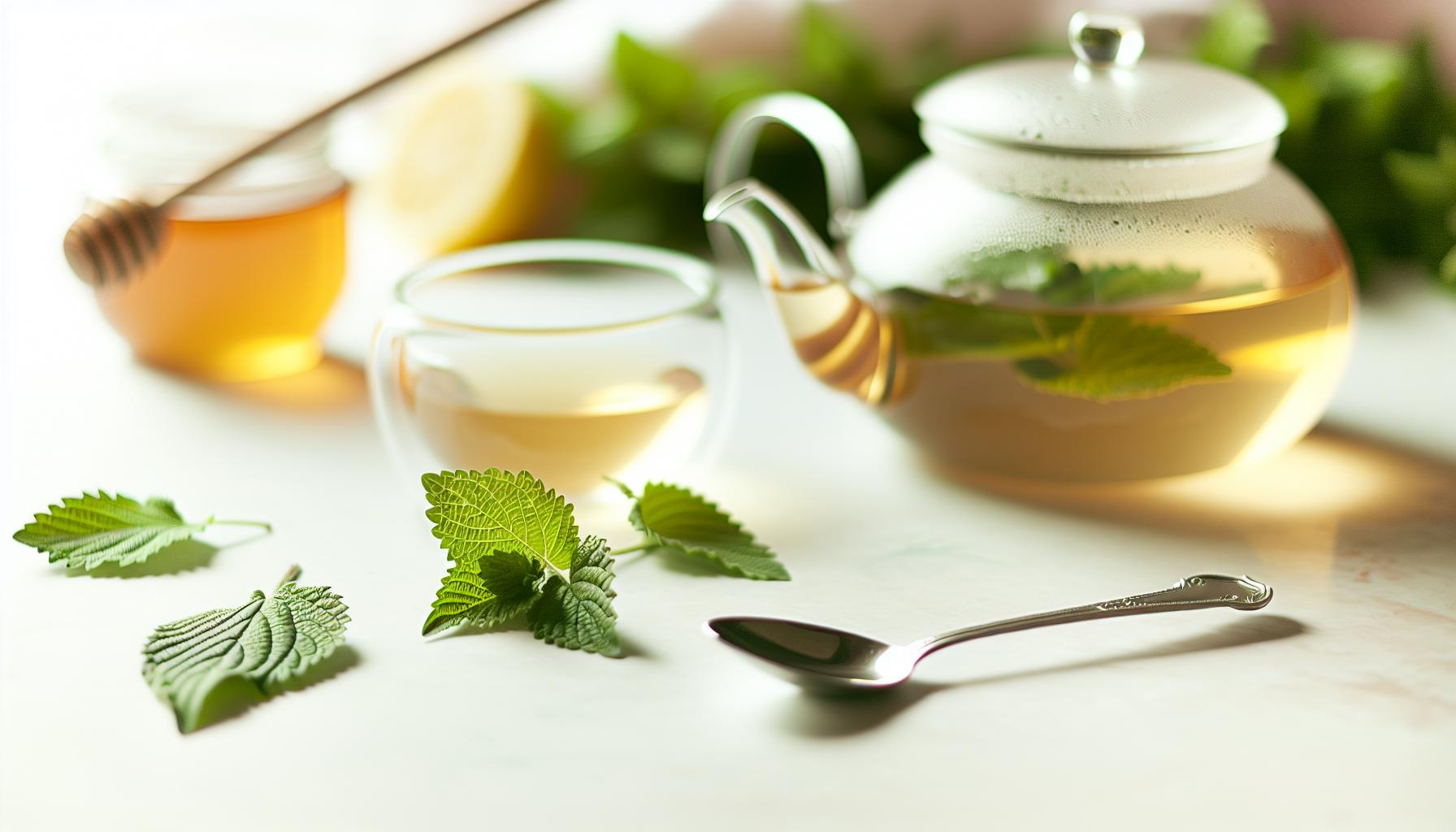
Recommended Dosage and Timing for New Mothers
Lemon balm offers gentle, soothing qualities that many new mothers find comforting during the postpartum period. When introducing this herb into your breastfeeding routine,moderation and mindful timing are your best allies. Starting with a small amount—such as one cup of lemon balm tea daily—allows you to observe both your body’s response and how your baby reacts. This gradual approach respects the delicate balance of lactation and ensures that neither of you is overwhelmed by the herb’s subtle effects.
Timing your lemon balm intake to fall between nursing sessions,rather than immediately before feeding,helps minimize the concentration of herbal compounds passing through your milk. Think of these moments as quiet pauses that gently support your calm without interfering with your baby’s feeding experience. As an example, sipping lemon balm mid-morning or mid-afternoon can create a peaceful ritual that nourishes your wellbeing and complements your breastfeeding schedule.
- Begin with 1 cup per day: Use 1 teaspoon of dried lemon balm leaves per 8-ounce cup of water, steeped for 5 to 7 minutes.
- Watch for baby’s cues: Over the frist 72 hours, note any changes in your baby’s behavior, digestion, or feeding patterns.
- Adjust slowly: If all is well, and you find the tea comforting, you may increase to 2 cups a day, spaced evenly apart.
- Use organic, loose leaf lemon balm: This ensures purity and helps you control the strength of your brew.
- Avoid drinking lemon balm tea right before nursing: This reduces herbal exposure during feeding times.
| Dosage | Frequency | Timing Tips |
|---|---|---|
| 1 teaspoon lemon balm leaves | 1 cup daily | Between nursing sessions; avoid immediately before feeding |
| Optionally increase to 2 cups | Split into separate times (e.g., mid-morning and late afternoon) | Observe baby’s response; do not exceed 2 cups without professional advice |
Embracing the ebb and flow of your own needs alongside your baby’s unique signals is key. Some mothers find that lemon balm tea becomes a nurturing pause in their day—a quiet moment to breathe and gather strength. Remember,every postpartum journey is individual; what soothes one mother may need gentle tweaking for another. Keeping a small journal of your lemon balm use and your baby’s moods can foster this awareness and empower your choices with confidence. When in doubt, your healthcare provider or lactation consultant can offer personalized guidance, honoring your holistic self-care while safeguarding your milk supply and your baby’s wellbeing.
Combining Lemon balm with Other Herbs and Medications
Many new mothers find themselves curious about blending lemon balm with other herbs or medications to deepen relaxation or support postpartum wellness. It’s important to remember that even gentle herbs can interact in ways that affect you or your milk supply, so introducing combinations thoughtfully is a wise and caring approach. A little caution now can spare you unnecessary worries down the road—and help keep both you and baby safe and comfortable.
Lemon balm’s natural calming and mild antispasmodic properties pair well with other herbs like chamomile,ginger,or fennel,known for their soothing effects on digestion and nerves. When mixing herbal teas, it’s best to start with small amounts of each herb, steeping them together lightly, and spacing consumption out over the day. This approach respects your body’s unique rhythm and your baby’s sensitivity. For example, a cup of lemon balm and chamomile tea in the mid-morning can gently ease tension without causing drowsiness during nursing times.
Safe Pairings and Cautions with Common Herbs
- Chamomile: Often used alongside lemon balm for relaxation; both are generally well tolerated during breastfeeding but start slow to watch for any baby sensitivity.
- Ginger: Supports digestion and can counter mild nausea; combining this with lemon balm tea can be comforting postpartum, but avoid if you’re taking blood-thinning medications or have a history of gallstones.
- Fennel: Known for its traditional role in supporting milk supply; pairing fennel with lemon balm may enhance lactation benefits but introduce separately at first to observe any digestive responses in baby.
When it comes to medications, especially prescription or over-the-counter drugs, consulting your healthcare provider is crucial before adding lemon balm into your routine.Lemon balm can interact with sedatives, thyroid medications, or drugs affecting the central nervous system, potentially enhancing drowsiness or altering treatment effectiveness. Keeping an updated list of any herbs and medications you take helps your provider give the safest advice tailored to your situation.
Simple DIY Relaxation Blend
try this gentle tea blend for a calming ritual:
- 1 teaspoon dried lemon balm leaves
- 1 teaspoon dried chamomile flowers
- Optional: a small slice of fresh ginger (if tolerated)
- Steep in 8 ounces of hot water for 5–7 minutes
Sip between feedings, observing both your body’s and baby’s reactions.Keep a small journal to track any changes — gentle, consistent observation nurtures both peace of mind and body.
| Herb/Medication | Safety Notes | Breastfeeding Tips |
|---|---|---|
| Lemon Balm + Chamomile | generally safe; watch baby for sensitivity | Start with 1 cup daily; space from nursing |
| Lemon Balm + Ginger | Good for digestion; avoid with blood thinners | Limit to small doses; note any baby fussiness |
| Lemon Balm + Fennel | May support milk supply; introduce separately first | Observe baby’s digestion; avoid excessive intake |
| Lemon Balm + Medications (e.g., sedatives, thyroid) | Possible interactions; consult provider | Avoid self-medicating; disclose all herbs and drugs |
Remember, every mom and baby duo is beautifully unique. What feels like a soothing blend for one may not suit another. Trust your intuition and the wisdom of your healthcare team,and embrace gentle experimentation with patience and love. Supporting your breastfeeding journey with herbal allies is not about perfection but about honoring your postpartum strength with kindness and thoughtful care.
Real Moms’ experiences Using Lemon Balm While Nursing
Many nursing moms find lemon balm to be a gentle and comforting ally during the postpartum journey. One common thread in shared experiences is how lemon balm tea seemed to ease tension without interfering with triumphant breastfeeding.Several mothers highlight starting with a small, single daily cup—often mid-morning—to observe how both thay and their babies respond. This slow, mindful approach helps minimize any surprises, especially since every baby’s digestive sensitivity and temperament vary.Some moms report that lemon balm’s natural calming effects brought much-needed moments of peace amid hormonal shifts and sleep deprivation. For example, one mother described sipping lemon balm tea paired with chamomile in the early weeks postpartum, which soothed her anxiety and helped her own body settle enough to establish a steady milk supply. She noted that her baby remained calm and fed well, underscoring the importance of gentle observation rather than rushing with larger doses. Another shared that mixing fresh lemon balm leaves into cooling smoothies provided a refreshing, mood-lifting ritual without disrupting her nursing schedule.
Practical Tips from Moms Who’ve Tried Lemon Balm
- Observe carefully: Keep a simple log of when you drink lemon balm tea,how you feel,and your baby’s reactions.Look for any changes in fussiness, sleep, or feeding.
- Start low, go slow: Begin with 1 teaspoon of dried leaves steeped in 8 ounces of water for 5–7 minutes, aiming for just one cup a day before gradually increasing if well tolerated.
- Stay consistent but flexible: Many moms found that integrating lemon balm into a calming tea blend once or twice a day allowed their bodies to harness its benefits without overwhelming themselves or baby.
- Communicate with your care provider: Sharing your herbal use helps catch any potential interactions early, especially if you take medications or have health conditions.
While these personal stories reflect positive experiences, it’s always worth remembering that what works for one family might not for another. Some mothers have noticed mild digestive changes in their infants, so gently introducing lemon balm in small doses, ideally after the first few weeks postpartum, helps respect baby’s developing system. With attentiveness, many have found lemon balm to be not just an herb, but a tiny ritual that offers comfort, calm, and a touch of self-care during the beautifully complex breastfeeding season.
When to Avoid Lemon Balm: Red Flags and Precautions
Lemon balm, while often gentle and soothing, isn’t always the right choice for every breastfeeding journey. Sometimes, subtle signs or underlying health concerns mean it’s best to pause or skip this herb altogether. Noticing these red flags early helps protect both your well-being and your little one’s comfort during such a tender season.
Babies with sensitive digestive systems may react to lemon balm with increased fussiness, gas, or changes in feeding patterns. If you observe persistent irritability or unusual sleep disturbances soon after your herbal sip, it’s wise to halt intake and consult your healthcare provider. Similarly, if you have allergies to plants in the mint family (Lamiaceae)—like mint, sage, or lavender—you might be more likely to experience reactions to lemon balm, such as skin irritation or mild digestive upset, which can complicate postpartum recovery.
When Medical Conditions or Medications Call for Caution
- Thyroid Issues: Lemon balm can interact with thyroid medications or influence thyroid hormone levels.If you have hypothyroidism or hyperthyroidism, discuss lemon balm use with your care provider before starting it.
- Medication Interactions: Becuase lemon balm may enhance sedative effects or slow down certain enzymes in the body, combining it with anti-anxiety meds, sleep aids, or blood thinners requires medical guidance.
- Pre-existing Allergies: Those prone to allergic reactions should test lemon balm cautiously, starting with very small amounts and monitoring symptoms closely.
Pay close attention to your body’s signals and your baby’s cues. For example, if you notice changes such as skin rash, increased breastfeeding discomfort, or a sudden drop in milk supply after introducing lemon balm, it’s time to pause and seek professional advice. Remember, the postpartum period involves delicate hormonal shifts and healing processes where gentle self-care is key—not pressure to “fix” everything quickly.
Safe Steps to Take if You’re Unsure
- Start with a tiny amount: A quarter teaspoon steeped in hot water for just 3–4 minutes helps gauge tolerance before moving to larger doses.
- Keep a symptom diary: Note times you consume lemon balm, mood changes, milk flow, and any baby reactions.
- Discuss openly with your healthcare provider: Share your herbal routine during postpartum check-ups, especially if you take other medications or supplements.
Trusting this gentle, curious approach honors your unique postpartum rhythm and nurtures a safe breastfeeding relationship. Remember, honoring when your body whispers “not today” is a vital part of motherhood’s beautiful, intricate journey.
Holistic Tips to Enhance Breastfeeding Naturally
Nurturing your breastfeeding journey naturally involves more than just herbal teas—it’s about creating a gentle rhythm that supports both your body’s healing and your baby’s growth. Small, mindful practices can make a big difference in milk supply and overall well-being. For example, staying well-hydrated is crucial; water, herbal infusions like gentle chamomile or fennel teas, and nutrient-rich smoothies can provide comfort and nourishment. These natural fluids help maintain lactation while offering calming benefits to ease postpartum stress.
Simple Rituals That Support Milk flow and Emotional Balance
- Warm Compresses before Nursing: Placing a warm towel or compress on your breasts can stimulate milk let-down.This helps relax milk ducts, making nursing more comfortable.
- Skin-to-Skin Contact: Holding your baby close against your bare chest encourages the release of oxytocin, frequently enough called the “love hormone,” which promotes milk ejection and deepens bonding.
- Gentle Breast massage: Using clean hands,softly massage the breast in circular motions to improve circulation and help unclog milk ducts. This can ease engorgement and enhance milk flow.
Many moms find that integrating these habits into daily nursing routines creates calm moments where they feel more connected to their bodies and babies. These practices honor the complex emotional and physical shifts after birth without overwhelming expectations.
DIY Herbal Support: Safe, Soothing, and respectful of Your Body’s Unique Needs
If you’re curious about herbal teas beyond lemon balm, consider these safe options known for their supportive roles in breastfeeding:
| Herb | Benefits | Preparation & Dosage |
|---|---|---|
| Fenugreek | May enhance milk supply; traditionally used as a lactation aid | Steep 1 teaspoon of seeds in hot water for 10 mins; 1-2 cups daily |
| Fennel | Supports digestion for mom and baby; can soothe colic | Use 1 teaspoon of crushed seeds; steep in boiling water 5-7 mins; 1-2 cups daily |
| Chamomile | Calming for mother and child; may reduce irritation and promote sleep | Steep 1 tablespoon of dried flowers in hot water for 5 mins; 1 cup as needed |
Always remember to introduce herbs one at a time in small amounts to monitor how both you and your baby feel. Keep a simple journal tracking intake and any changes in mood, milk flow, or baby’s behavior. This empowers you to navigate what truly supports your unique breastfeeding experience.
Gentle self-care also includes paying attention to nutrition—like incorporating healthy fats (avocados, nuts) and protein which provide the building blocks for milk production. Nourishing your perineum and body with warmth and rest honors the healing process. Remember, every mother’s path is different. Embracing a range of natural tools with mindful observation creates a holistic space where breastfeeding can flourish free from pressure or guilt. Together, these practices weave a supportive nest for you and your baby, blending ancient wisdom with modern care.
How to Listen to Your Body and baby’s Signals
The journey of breastfeeding is deeply personal and uniquely tuned to the rhythms of both mother and baby. Paying close attention to how your body responds to herbal teas like lemon balm, as well as observing your baby’s reactions, is a powerful way to nurture this connection. Every subtle signal — from changes in milk supply, baby’s feeding patterns, to shifts in mood or digestion — holds meaningful clues about what’s working well and what may need adjustment. This mindful listening ensures that your use of lemon balm supports rather than disrupts your breastfeeding journey.
Reading Your Body’s Messages
Start by noticing how you feel after drinking lemon balm tea or taking any herbal remedy. Lemon balm is often chosen for its calming effects, but some moms may experience drowsiness or mild changes in milk flow. Keep track of these shifts in a journal, noting time of intake, dose, and any physical or emotional changes like energy levels, breast fullness, or milk let-down ease. A gentle warmth or relaxation might be a positive sign, while unusual fatigue or breast tenderness calls for pausing and reassessing.
observing Your Baby’s Feedback
Babies communicate clearly when something agrees or disagrees with them — but their messages are delivered with nuance. Watch for changes in feeding behavior, such as fussiness at the breast, refusal to nurse, or shorter feeding sessions after you’ve consumed lemon balm. Also observe your baby’s digestion and sleep patterns; herbal compounds pass through breast milk and can affect sensitive systems. If you notice increased gassiness, rash, or disrupted sleep, it might indicate sensitivity requiring further consultation with a pediatrician or lactation specialist.
- Introduce herbs slowly: Start with small amounts of lemon balm tea once daily and increase gradually if well tolerated.
- Track consistently: Use a simple log to record intake times, dosages, and baby’s responses over several days.
- Communicate openly: Reach out to trusted health professionals or breastfeeding support groups if uncertain or if adverse symptoms arise.
Ultimately, there is no one-size-fits-all approach. Learning to listen deeply empowers you to honor your own healing postpartum rhythm while protecting your little one’s delicate balance. The wisdom you gain through this attuned practice becomes the foundation for making informed and confident choices about herbal supports like lemon balm during breastfeeding. Remember, gentle observation paired with self-compassion is the heart of safe, nurturing care.
Expert advice on Herbal Safety in Breastfeeding
many breastfeeding moms find themselves wondering about the safety of herbs like lemon balm during this tender time. it’s reassuring to know that lemon balm (melissa officinalis) has a long history of gentle, calming use, frequently enough favored for its mood-soothing and mild antispasmodic properties. Still, when it comes to sharing any herb with your baby through breast milk, careful consideration is essential—as even naturally occurring compounds can affect each mother-baby pair differently.
Balancing Tradition and Safety
Herbal wisdom passed down through generations highlights lemon balm’s supportive role in easing postpartum anxiety, insomnia, and digestive-upset—all common challenges new mothers face. Expert lactation consultants encourage approaching herbal use with grounded awareness: start small, observe closely, and never hesitate to pause or adjust your intake. While lemon balm is generally regarded as safe, its calming effects may cause drowsiness or minor reductions in milk flow for some women. Trusting your own body’s signals and your baby’s cues is key. If your little one shows signs of fussiness, changes in feeding patterns, or digestive discomfort, it’s wise to consult a healthcare provider familiar with breastfeeding herbs.
Practical Guidelines for Herbal Use While Nursing
- Start with low doses: Prepare lemon balm tea using one teaspoon of dried leaves steeped in hot water for 5–10 minutes. sip slowly once daily to gauge your and your baby’s response before increasing.
- Timing matters: Drinking tea after breastfeeding sessions can help minimize any potential direct impact on your baby’s digestion or sleep.
- Keep open communication: Sharing your herbal use with your pediatrician or lactation consultant helps create a safe care network and eases worries during moments of uncertainty.
- Avoid combining herbs without guidance: Some combinations can amplify effects or introduce risks, especially with other calming herbs or medications.
Honoring Individual Differences
Every mother’s body and every baby’s sensitivity are beautifully unique. Some moms find lemon balm tea to be a gentle sanctuary, supporting restful nights and reduced tension, while others notice subtle shifts that invite a break from herbal use. Remember,your ability to respond with kindness and patience—toward yourself and your baby—is the most powerful safety measure. This awareness preserves the nourishing, joyful connection breastfeeding brings, no matter which herbal path you explore.
In essence, lemon balm can be a nurturing companion in your breastfeeding journey when used thoughtfully and mindfully. By blending traditional knowledge with attentive modern care, you empower yourself to make the best choices for you and your little one’s wellbeing.
Frequently Asked Questions
Q: Can drinking lemon balm tea affect the taste of breast milk?
A: Drinking lemon balm tea in moderate amounts is unlikely to change breast milk’s taste considerably. However, if you notice your baby rejecting feeds or changes in feeding behavior, consider pausing lemon balm. Always observe your baby’s cues and consult expert advice on herbal safety during breastfeeding for personalized care.
Q: How long after drinking lemon balm tea can I nurse my baby safely?
A: It’s best to wait about 1-2 hours after consuming lemon balm tea before breastfeeding. This allows time for mild herbal compounds to metabolize, reducing any potential effects on your baby.Refer to timing guidance in the “Best Ways to prepare Lemon Balm Tea Safely” section for safer feeding routines.
Q: Is lemon balm tea safe for babies if given in small amounts through breast milk?
A: Small amounts of lemon balm transferred through breast milk are generally considered safe, but each baby reacts differently. Watch for any signs of fussiness or allergic reactions. For detailed risk facts, consult the “Possible risks and Side Effects for Nursing Babies” section before continuing use.
Q: can lemon balm tea help reduce breastfeeding anxiety or stress for new moms?
A: Yes, lemon balm tea may provide calming effects that help reduce breastfeeding-related anxiety or stress. Its natural soothing properties support emotional well-being during postpartum. For holistic support tips, see “potential Benefits of Lemon Balm During Postpartum” and combine them with gentle self-care routines.
Q: What are natural alternatives to lemon balm tea for breastfeeding moms seeking relaxation?
A: Alternatives like chamomile, fennel, or raspberry leaf tea can offer relaxation and breastfeeding support without overlapping lemon balm’s effects. Always check each herb’s safety during nursing and refer to expert-reviewed herbal safety guides to select the best fit for your postpartum care.
Q: How can I safely combine lemon balm with other herbs while breastfeeding?
A: Combining lemon balm with other herbs should be done cautiously. Avoid mixing with strong sedatives or unknown supplements. Consult the “Combining Lemon Balm with Other Herbs and Medications” section and talk to a healthcare provider to ensure safe, effective herbal blends during lactation.
Q: Can excessive intake of lemon balm tea decrease my milk supply?
A: Excessive lemon balm consumption may potentially reduce milk supply due to its mild sedative effects. Stick to recommended dosages and timing to avoid this risk.Review the “how Lemon Balm affects Milk Supply and Lactation” part of your article for balancing benefits and precautions.
Q: Are there any signs my baby might react negatively to lemon balm through breastfeeding?
A: Watch for increased irritability, rash, digestive issues, or poor feeding as potential signs your baby is sensitive to lemon balm. If you notice these, stop use immediately and consult your pediatrician.For more on baby-safe herbal use, see the “Possible Risks and Side Effects for Nursing Babies” section.
—
Feel free to explore these FAQs alongside your main article for extensive support on lemon balm’s safe and nurturing use during breastfeeding. Remember, each mother-baby pair is unique, so stay attuned to your body and your little one’s signals.
Concluding Remarks
Navigating the safety of lemon balm while breastfeeding can feel overwhelming, but knowing the gentle balance between tradition and science empowers you to make the best choice for your little one and yourself. Remember, while lemon balm herbal tea offers calming benefits during postpartum, it’s important to start with small doses and observe how your body and baby respond, honoring your unique lactation journey. For more personalized guidance,explore our detailed Herbal Tea Safety Guide for New Moms or dive into soothing recipes like our Postpartum Relaxation Tea Blend.
If you’re curious about other natural ways to support your breastfeeding experience, check out our resources on Safe Herbs During Lactation and tips for holistic postpartum care. Don’t hesitate to sign up for our newsletter to receive trusted expert advice, DIY recipes, and real-mom stories that celebrate the joys and challenges of motherhood. Your thoughtful self-care nurtures not only your healing but also the precious bond with your baby—feel confident, supported, and connected on this beautiful journey. Share your experiences or questions below; we’d love to hear from you and grow this safe, caring community together.


 JUST 15 MINUTES A DAY