
Best Exercise While Breastfeeding: Stay Fit Safely
Did you know that gentle, well-chosen exercise can support both your body’s healing and your milk supply while breastfeeding? Finding the best safe workouts after birth helps nurture your strength, energy, and mood without rushing recovery. Whether you’re managing postpartum aches, juggling night feeds, or simply craving some gentle movement, knowing which exercises respect your unique postpartum journey is key. this guide offers warm, practical advice to help you stay fit safely—honoring your body’s wisdom, supporting lactation, and weaving in real-mom experiences alongside expert tips. together, we’ll explore gentle stretches, pelvic floor care, and low-impact routines designed for new mothers like you, with simple steps and safety reminders to build confidence without pressure. Embrace this nurturing time as you find balance, feel empowered, and celebrate the beautiful complexity of motherhood.
Contents
- Safe Exercise Timing After Birth While Breastfeeding
- Top Low-Impact Workouts for Nursing Moms
- How to Protect Your Body During Postpartum Exercise
- Boost Milk Supply Naturally Through Movement
- Creating a Gentle Routine That Honors your Healing
- Hydration and Nutrition Tips for Active Breastfeeding Moms
- Real Mom Stories: Finding Joy in Postpartum fitness
- Signs to Pause or Modify Your Workouts
- Incorporating Mindful Stretching and Relaxation Techniques
- Adapting Exercises for Different Postpartum Stages
- Faq
- Q: How can I safely start exercising while breastfeeding without affecting milk supply? A: Begin with gentle, low-impact exercises like walking or prenatal yoga to avoid stressing your body. Stay well hydrated and nurse or pump before workouts to maintain milk supply. Gradually increase intensity while monitoring your energy and milk output.For details,see our sections on Safe Exercise Timing and Boost Milk Supply Naturally. Q: What are the best exercises to support pelvic floor recovery during breastfeeding?
- Q: Why is hydration especially important when exercising while breastfeeding?
- Q: How can I modify common workouts to avoid breast discomfort while breastfeeding?
- Q: What signs indicate I should pause or adjust my exercise routine while breastfeeding?
- Q: Can exercising help improve mental well-being while breastfeeding, and how?
- Q: How do different postpartum stages affect the best exercise choices while breastfeeding?
- Q: Is it safe to exercise right after breastfeeding, or should I wait?
- to sum up
Safe Exercise Timing After Birth While Breastfeeding
It’s marvelous to embrace gentle movement after birth,especially while breastfeeding—a time when your body is tender,and your energy often feels both abundant and elusive. Knowing *when* to start exercising is key to honoring this healing process and protecting your milk supply. Most experts agree that gentle activity can often safely begin within a few days to weeks postpartum, but the timing deeply depends on your birth experience, recovery, and how you feel emotionally and physically.
If you had a vaginal birth without complications, light walking or gentle stretching might feel good to start as soon as you feel ready—often after the acute 24-hour phase postpartum and as you adjust to being with your baby. For cesarean births or complicated deliveries, your body invites more patience; waiting 6 to 8 weeks before deep core or abdominal work helps protect the healing incision and uterus. This timeline respects the body’s natural recovery phases—from the *acute* first-day healing through *early* (up to 7 days) and *late* recovery that can extend for several months[[2]](https://newsnetwork.mayoclinic.org/discussion/the-postpartum-experience-recognizing-complications/)[[3]](https://www.ncbi.nlm.nih.gov/sites/books/NBK555904/).
Finding Your Postpartum Rhythm
- Start slow and honor your energy: Begin with just 5-10 minutes of gentle movement, ideally when your breasts feel comfortable and not overly full or tender to avoid discomfort while nursing.
- Listen to your body’s feedback: If you notice nipple pain, changes in milk supply, or increased fatigue, it’s time to pause or modify your activity.
- Coordinate with feeding times: Exercising right after nursing or pumping can help you feel lighter and reduce the risk of engorgement during movement.
Every mother’s journey is unique. Some moms find light yoga or pelvic floor exercises healing as early as two weeks postpartum, while others may need more time.Trusting your intuition and keeping open conversations with your healthcare providers support a safe, joyful return to fitness. Remember,your body is still nurturing new life through breastfeeding,so tenderness and hormonal shifts are natural parts of this dance—no rush,no judgment,just steady,loving care.
Top Low-Impact Workouts for Nursing Moms
Finding movement that respects your body’s postpartum tenderness while gently lifting your spirits can feel like a sacred gift during breastfeeding. Low-impact workouts not only nurture your energy but also support healing without overwhelming your system. These exercises emphasize flow over force, helping you reconnect with your body in gentle, mindful ways. they enhance circulation, boost mood, and encourage better sleep—all priceless benefits when caring for a newborn and yourself. Remember, the goal here is nourishment through motion, not pushing limits or rushing recovery.
- Walking: Simple, accessible, and wonderfully grounding, daily walks—whether a slow stroll around the block or a rhythmic pace in the park—offer fresh air, sunshine, and a break from walls and worries. Wearing your baby in a soft carrier can make this a soothing ritual, fostering connection while you move.
- Pilates and Core Rehab: Specialized postpartum Pilates classes or guided routines can gently awaken deep core muscles and pelvic floor strength without strain.Focus on breath-centered movements that honor your healing perineum and cesarean scars, if any.
- Yoga: Postnatal yoga, tuned to nurturing the body and calming the mind, welcomes slow stretches, pelvic tilts, and gentle hip openers. Some moms find sequences that incorporate mindfulness and breathwork especially uplifting during hormonal fluctuations.
- Swimming or Water Aerobics: If accessible, water-based activities reduce joint pressure and support your body weight, making movement feel effortless and restorative. Remember to clear swimming post-birth with your healthcare provider, especially after cesarean deliveries.
- Stretch and Strengthen Circuits: Low-impact strength training using light weights or resistance bands can help rebuild muscle tone steadily. Focus on upper back, shoulders, and arms to assist with the demands of lifting and holding baby, while avoiding high-impact moves.
Balancing Safety and Joy in Movement
Each mother’s story is beautifully unique, so tuning into how your breasts feel during and after exercise is key. For some, mild movement right after breastfeeding encourages milk flow and relief from fullness, while for others, it may trigger sensitivity or even a temporary dip in supply.It’s perfectly okay to experiment gently and adjust accordingly.When new moms shared their experiences,many spoke of the grounding comfort found in slow-paced yoga and walking—activities that honored their energy fluctuations and embraced the unpredictability of newborn rhythms. One mom reflected, “Starting with just 5 minutes of mindful stretching felt like a warm hug to my weary body. It reminded me I was still me, even while being everything for my baby.”
Tip: Aim to weave your workouts into moments of the day when you feel most physically comfortable and emotionally centered—perhaps after a nursing session or once baby naps—to create consistency without pressure.
Engaging in these mindful, low-impact workouts can cultivate patience and self-compassion, celebrating the small milestones on your journey back to yourself. Moving gently opens a doorway to hope and healing, wrapping your postpartum body in kindness every step of the way.
How to Protect Your Body During Postpartum Exercise
Postpartum bodies are uniquely tender, shaped by birth, hormonal shifts, and the gentle demands of breastfeeding. Protecting yourself during exercise means listening deeply to what your body needs and honoring its ongoing process of healing. It’s less about pushing limits and more about embracing mindful movement—offering kindness to your ligaments, muscles, and joints as they adjust to a new chapter. Remember, ligaments softened by pregnancy hormones—like relaxin—can make joints less stable for months postpartum, so avoiding sudden twists or high-impact moves helps prevent injury and supports lasting strength.
Creating a nurturing habitat for your body also means pacing your return to activity. Start slow, especially if you had a cesarean or experienced any tears or episiotomies. Always check in with your healthcare provider before beginning or intensifying workouts, notably with abdominal or pelvic floor concerns. Gentle breathing exercises to support your core and pelvic floor muscles not only safeguard your healing perineum (the area between vagina and anus) but also enhance circulation,encouraging more efficient recovery and comfort while breastfeeding.
- Supportive wear: Invest in a well-fitted, high-impact nursing sports bra that offers excellent breast support without squeezing, especially during movement. This helps minimize discomfort and reduces strain on your back and shoulders.
- Mindful positioning: Pay attention to nipple sensitivity during workouts. If you notice pain or chapping, adjust your bra or stop to soothe nipples with lanolin or breast-pleasant balms. Some moms find timing workouts just after nursing helps ease fullness and sensitivity.
- Prioritize warmth and hydration: Your body’s fluid needs increase when breastfeeding and exercising. Staying hydrated helps maintain milk supply and supports muscle recovery.
- Modify intensity: Embrace lower-impact, controlled movements. Avoid planks or crunches too soon postpartum—these can overstress healing abdominal muscles or pelvic floor. Instead,focus on deep core activation and slow,mindful stretches.
- Community and rest: Build a support circle where you can share experiences and ask questions without judgment. Respect signs of fatigue and integrate rest days—not as failures, but as sacred parts of your wellness journey.
Honoring Your Healing—An Example
One mother shared how she gently reintroduced walking with her baby in a carrier, adding 5 minutes of deep abdominal breathing and pelvic floor engagement before each walk. “This tiny ritual helped me feel physically present and mentally calm. I learned to cherish rest without guilt and celebrate strength without rush.” such practices validate the beautiful vulnerability of postpartum life, creating space for joy alongside recovery.
No two postpartum journeys look the same, so adapt with patience. Your body is your ally, communicating through sensations—tenderness, strength, or fatigue—and signaling what’s safe and nourishing. Protecting your body during exercise is a loving act of self-care, sustaining you as you nurture your little one.
Boost Milk Supply Naturally Through Movement
there’s a gentle power in movement that goes beyond physical fitness—especially for nursing moms seeking to support their milk supply naturally. Regular, mindful activity can enhance blood flow and hormone balance, key players in lactation. When your body experiences gentle exercise, it stimulates oxytocin, the “love hormone,” which not only boosts mood but also encourages the let-down reflex, helping milk flow more easily. Incorporating simple, rhythmic movements like walking, yoga, or pelvic floor exercises creates a nurturing feedback loop, gently inviting your body to respond and adapt to your feeding needs.
Simple Steps to Encourage Milk Production Through Movement
- Prioritize Pelvic Floor Engagement: Kegel exercises and gentle pelvic tilts help tone muscles vital for postpartum recovery and create supportive pressure on mammary glands, indirectly aiding lactation.
- Embrace Deep Breathing and Relaxation: Taking slow, full breaths during movement calms your nervous system. When stress lowers, prolactin levels stabilize, promoting steady milk supply.
- try Low-Impact Aerobic Activities: Walking or gentle cycling can increase circulation without taxing the body, helping nutrients and hormones flow to breast tissue efficiently.
as an example, one mother shared how a daily 10-minute gentle yoga sequence—focusing on chest-opening poses and belly breathing—helped her feel more connected to her body and eased her milk let-down challenges. This practice honored her healing process and created a nourishing rhythm amidst the unpredictability of new motherhood.
Herbal Movement Boosts and Self-Care Rituals
Alongside movement, some find complementing exercise with lactation-supporting teas or smoothies helpful. For example, a calming chamomile and fennel tea before gentle stretching can soothe both mind and body. Just remember, always check with your healthcare provider before introducing herbal supplements, as individual responses vary.
| Herb | preparation | Cautions |
|---|---|---|
| Fennel | Steep 1 tsp seeds in hot water for 5-7 mins | Avoid if allergic to carrots or celery |
| Moringa | Add 1 tsp powder to smoothies | Consult provider if breastfeeding under 6 weeks |
| Fenugreek | Capsules or tea; follow package doses | May cause allergic reactions or maple syrup scent |
Ultimately, your unique journey shapes what works best. Moving with kindness to your body,tuning into signals of comfort and fatigue,will nurture both your wellness and your milk supply—without pressure or perfection. This approach blends nurturing self-care with gentle science, proving that small, consistent gestures create lasting impacts in the breastfeeding experience.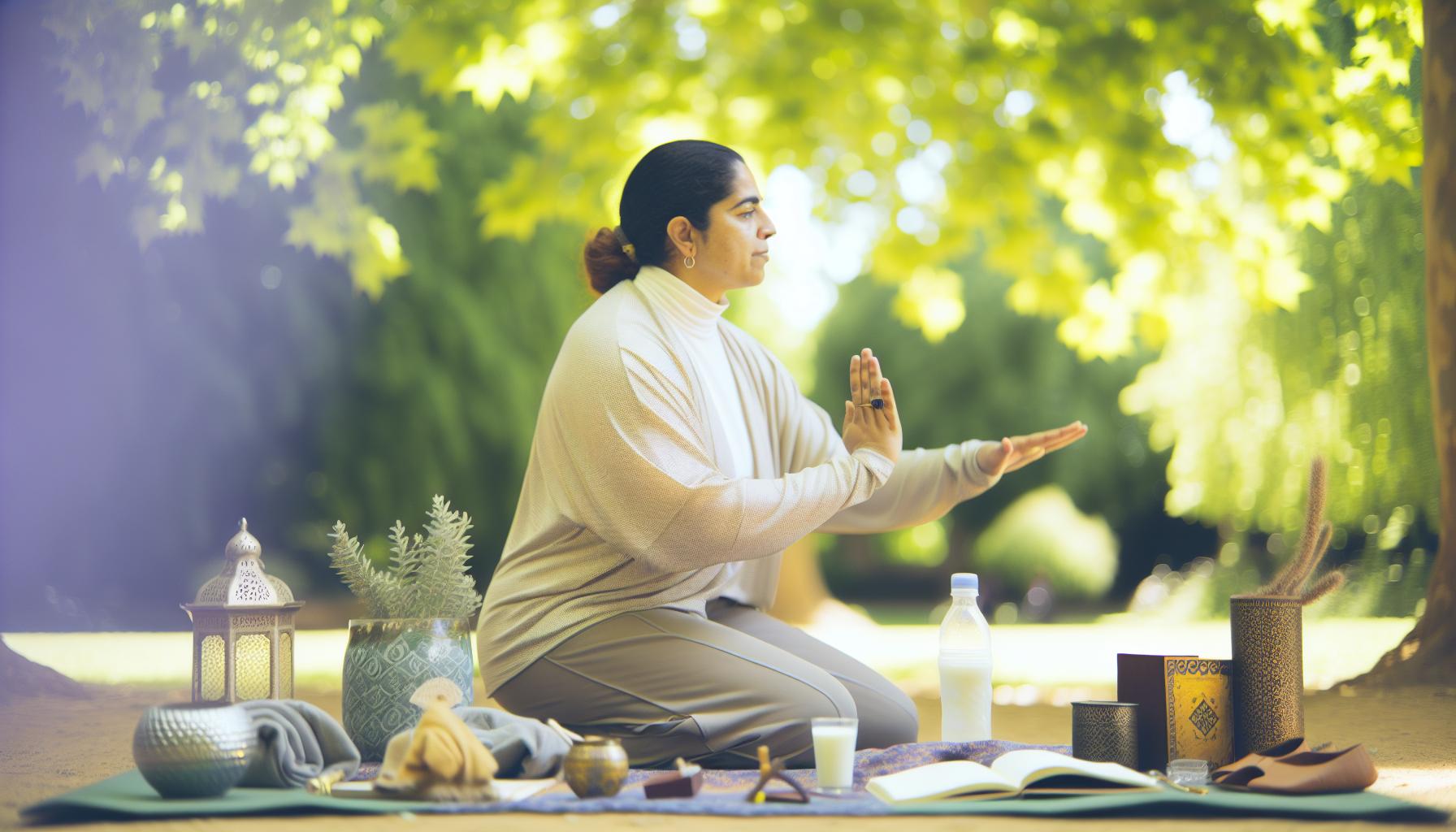
Creating a Gentle Routine That Honors your Healing
Every new mother’s body tells a unique story of strength and transformation,especially in the weeks and months following birth. embracing exercise with gentleness instead of haste allows you to honor your healing and build fitness on your own terms. The postpartum period is a time of incredible hormonal shifts, tissue repair, and emotional adjustments—offering patience and kindness to yourself as you move makes all the difference in nurturing long-term wellbeing alongside accomplished breastfeeding.
A thoughtful routine begins by tuning in closely to your body’s signals. Start small with movements that feel restorative, such as gentle pelvic tilts, slow walks around the neighborhood, or light stretching while holding your baby close.These low-impact activities enhance circulation and support pelvic floor recovery without overwhelming energy reserves. Remember, healing your perineum (the area between vagina and anus) and abdominal muscles requires mindful nurturing, not rushing. It’s perfectly normal for your stamina to vary day-to-day; listen and adapt your routine accordingly.
Practical tips for Crafting Your healing-Centered Movement
- Set Intentions,Not Expectations: Begin each session by checking in mentally and physically. Ask yourself what your body needs today—whether that’s a calm breath-focused yoga flow or just a few minutes of seated stretches.
- integrate Baby Bonding: Incorporate exercises that include your little one, like gentle dancing while holding your baby or practicing deep breathing together. This keeps you connected and transforms fitness into joyful time, rather than a chore.
- Honor Rest as Part of the Routine: Healing happens in the pauses. If you’re feeling tired or sore, it’s a signal to slow down or rest rather of pushing through. Remember, building habits over time is more beneficial than intense bursts.
One new mom shared how she transformed her early postpartum movement by following a simple mantra: “Slow and steady wins the healing race.” each morning, she sat near a sunny window, practicing diaphragmatic breathing and gentle chest openers for 10 minutes before her day began. This ritual not only eased pelvic tension but also helped smooth milk flow when breastfeeding felt challenging.Her soft approach made her feel empowered rather than pressured.
Supporting Your Growth with Holistic Rituals
Pairing movement with nurturing self-care amplifies healing benefits. consider preparing a warming cup of golden turmeric and ginger tea before your routine to soothe inflammation naturally:
| Ingredient | Quantity | Preparation |
|---|---|---|
| Turmeric powder | 1 tsp | Steep in hot water for 5-7 minutes |
| Fresh ginger slices | 3-4 thin slices | Simmer with turmeric |
| Black pepper | A pinch | Add to enhance absorption |
| Honey (optional) | 1 tsp | Sweeten to taste after cooling slightly |
This soothing ritual supports your body’s natural anti-inflammatory processes, gently complements movement, and cultivates a comforting moment of calm—all essential during postpartum recovery. Before introducing any herbs or supplements, always check with your healthcare provider to ensure safety for you and your baby.
Above all,know that the essence of your routine is kindness—toward your body,your baby,and your experience as a new mom. Healing doesn’t follow a timeline, and every small, gentle movement you gift yourself blossoms into strength and wellness that lasts well beyond the early months.
Hydration and Nutrition Tips for Active Breastfeeding Moms
Nourishing your body with mindful hydration and balanced nutrition is a foundational act of self-care while breastfeeding and staying active. Breastfeeding naturally increases your body’s fluid needs—milk production requires extra water—and paired with postpartum exercise, your thirst signals deserve prompt, gentle attention. dehydration can sneak up quietly, leading to fatigue, reduced milk supply, or muscle cramps. Keep a water bottle close during workouts and nursing sessions, sipping steadily rather than gulping, to maintain a calm and consistent flow.
Hydration isn’t just about plain water,though—it’s also an chance to delight in soothing,nutrient-rich drinks that support both recovery and lactation. herbal teas such as nettle, fennel, or red raspberry leaf offer traditional benefits like mineral replenishment and gentle uterine support, but always check with your healthcare provider before adding new herbs to your routine to confirm they’re safe for you and your baby.
Simple,Nourishing Recipes for Hydration & Energy
| Drink | Ingredients | Preparation |
|---|---|---|
| Refreshing Citrus Mint Water |
| combine all ingredients in a large jug and chill for at least 1 hour. Sip throughout the day to stay fresh and energized. |
| Golden Milk Smoothie |
| Blend all ingredients until smooth.Enjoy cold or warm to soothe muscles and support anti-inflammatory balance. |
| Oat & Berry Lactation Smoothie |
| Blend until creamy. This smoothie combines fiber,nutrients,and gentle lactation support,offering a wholesome snack post-workout. |
Eating Mindfully to Support Your Body’s Needs
Your postpartum and breastfeeding body benefits from a steady supply of whole foods rich in protein, healthy fats, and complex carbohydrates to fuel healing, milk production, and activity. include:
- Protein sources: beans, lentils, eggs, nuts, and lean meats help repair tissues and sustain energy.
- Healthy fats: avocados, olive oil, fatty fish like salmon, and seeds provide omega-3s that benefit inflammation and brain health.
- fiber-rich foods: whole grains and fresh produce support digestion and prevent postpartum constipation.
- Iron and calcium: leafy greens, dairy or fortified alternatives, and lean red meats aid in replenishing prenatal blood loss and bone strength.
One helpful practice is preparing meals in batches during lower-energy moments. Freezing nutrient-dense soups or stews ensures you have fast access to balanced, warming options, even on days when exhaustion feels overwhelming. Remember,cravings and appetite changes are natural postpartum—allow yourself grace and curiosity as you explore what feels nourishing day to day.
Approaching hydration and nutrition with kindness—rather than rigidity—creates space for your body’s unique rhythm and healing journey. you’re cultivating strength, fueling connection with your baby, and honoring the powerful transition of new motherhood. Small choices add up, and in this sacred postpartum phase, gentle care is the most potent superpower of all.
Real Mom Stories: Finding Joy in Postpartum fitness
Many mothers find that slowly reintroducing exercise after birth is not only key to physical healing but also an unexpected source of daily joy. Moving gently, even in small moments, can reconnect you with your changing body and create peaceful pockets of personal time amid the beautiful chaos of new parenthood. One mom shared how quietly embracing pelvic floor exercises and light walks with her baby sling helped her regain strength without pressure or guilt—and how those walks became treasured ritual moments of fresh air and calm amid sleepless nights.
Every postpartum journey is unique, shaped by physical recovery, breastfeeding rhythms, and emotional well-being. Another mother reflected on how switching to low-impact yoga after six weeks supported her healing perineum and eased tension in her shoulders from nursing—proving that exercise adapted thoughtfully to your body’s signals can be a loving act of self-care, not a “bounce back” chase. These gentle movements released endorphins that brightened her mood and created a safe container for mindfulness, resilience, and celebration of her body’s incredible changes.
Insights From Real Moms: Tips for Embracing Fitness After Birth
- listen deeply to your body: Moms often find that tuning in to soreness, fatigue, or mood shifts guides them best in adjusting exercise intensity and type.
- Create flexible routines: Building in variation—like stretching one day, walking the next, and restorative exercises another—honors fluctuating energy and milk supply.
- Include your baby: Whether it’s stroller strolls or baby-and-mom yoga,movement can double as bonding time,making fitness feel joyful and purposeful.
- Seek community support: Joining mom-focused fitness groups or online forums offers encouragement and reduces feelings of isolation common in postpartum phases.
- Celebrate small wins: Restoring stamina, better sleep, or simply finding moments of peace are milestones worth honoring without pressure.
Remember, postpartum fitness is a journey paced by healing and love.Real moms remind us that joy and strength grow hand-in-hand when safety,patience,and kindness are central to every step.Embrace movement as a nourishing companion—one that supports breastfeeding, respects bodily wisdom, and uplifts the spirit during this profound time of motherhood.
Signs to Pause or Modify Your Workouts
It’s important to remember that your postpartum body is communicating with you all the time, especially when you’re exercising while breastfeeding. Sometimes, the gentlest signal to pause or modify your workout is your own intuition—and honoring that inner wisdom keeps you and your baby safe. If you notice sharp pain, unusual bleeding, or increased swelling anywhere in your body, these are clear signs to stop and consult your healthcare provider promptly. Your uterus, perineum, and abdominal muscles are still healing, and pushing too hard too soon can delay recovery or cause setbacks.
Many new moms find that persistent or worsening pelvic floor discomfort during or after exercise signals a need to adjust intensity or form. For instance, if a certain movement causes pulling in the lower belly or leaking urine, it’s time to swap that exercise for gentler pelvic floor activation or restorative stretches. Fatigue is another red flag not to be overlooked—postpartum fatigue doesn’t just drain energy; it can affect your coordination and balance, increasing injury risk. When exhaustion creeps in, scale back, shorten your session, or turn to calming activities like deep breathing and gentle yoga.
Here are some specific cues to watch for, with simple strategies to adapt your routine:
- Heavy bleeding or spotting: Pause high-impact or abdominal exercises; opt for walking or restorative movements until bleeding decreases.
- Sharp or localized pain (especially in the pelvis,lower back,or hips): Stop the activity and rest; consider pelvic floor physical therapy evaluation.
- Breast tenderness, nipple pain, or changes in milk supply: Modify intensity and hydration; avoid overheating; wear supportive nursing bras during exercise.
- Excessive fatigue or dizziness: Slow down pace, shorten workouts; prioritize hydration and nutrient-dense foods.
- Persistent muscle tightness or joint instability: Focus on gentle stretching and strengthening rather than high-impact or weight-bearing exercises.
Real Mom Wisdom: When to Listen Closely
One mother shared how she felt a subtle pulling around her cesarean scar after pushing through intense workouts too soon. She realized slowing her pace and incorporating daily gentle stretches made all the difference in healing without frustration. another new mom mentioned that while low-impact cardio energized her, the moment she felt breast fullness turning into discomfort mid-run, she stopped to nurse and hydrate, preventing clogged ducts and pain. These experiences remind us that adjusting exercises is not about limitation but respect—an act of love toward both your healing body and your breastfeeding journey.
It’s perfectly normal for energy and strength to ebb and flow during the postpartum months. Rather of comparing your progress to others, embrace the rhythm your body sets. Caring for yourself through mindful pauses and modifications nourishes not only your fitness but your emotional resilience. Your postpartum fitness path is a compassionate, evolving conversation, one that celebrates the strength found in gentle self-awareness and steady recovery.
Incorporating Mindful Stretching and Relaxation Techniques
Few activities can nurture both body and mind like mindful stretching and gentle relaxation after birth, especially while breastfeeding. These calming practices invite you to slow down, listen deeply to your body’s evolving needs, and honor the incredible physical and emotional journey you’re navigating. Rather of rushing toward specific fitness goals, cultivating awareness through mindful movement helps soothe postpartum tension, supports healing muscles and tissues—like the perineum and abdominal wall—and gently encourages improved circulation and flexibility without overstressing delicate areas.
Simple, intentional stretches aren’t just safe; they’re nourishing. Many new moms find relief by focusing on opening the chest and shoulders—where breastfeeding often tightens muscles—and gently lengthening hips and lower back to ease pelvic discomfort. Incorporating slow, deep breathing techniques during these stretches can also ease the nervous system, lower stress hormones, and even aid milk flow (let-down reflex). For example, seated cat-cow movements done slowly with breath connection encourage spinal mobility and pelvic grounding, making it easier to carry your little one comfortably throughout the day.
- Choose softness: Use cushions or rolled towels to support your knees, lower back, or hips as you ease into stretches, avoiding strain.
- Engage breath: Inhale deeply through your nose, expanding your belly and ribcage, then exhale slowly, releasing tension.
- Honor limits: Stretch only to a comfortable point—never to pain or discomfort—and adjust poses based on how your body feels each day.
- Create pauses: Incorporate moments of stillness between stretches to feel subtle shifts, enhancing body awareness.
Easy Relaxation Practices to Try at Home
Try a five-minute seated meditation focusing on breath and gentle shoulder rolls to relieve tightness from nursing. Another nurturing ritual is reclining supported by pillows with legs slightly elevated, combined with diaphragmatic breathing to encourage full-body relaxation. Some moms find that sipping warm herbal teas like chamomile or fennel during these moments enhances calmness and digestion—but always check that herbs are safe for breastfeeding (avoid sage and peppermint in large quantities as they can reduce milk supply).
Remember, there is no “perfect” way to stretch or relax postpartum. Your rhythm may vary daily—sometimes needing more rest, other times craving gentle movement. welcoming this ebb and flow with kindness models a healthy, sustainable approach to fitness and self-care that honors the complexity of postpartum recovery and nursing. As one experienced mom shared, “mindful stretches became my daily hug for my healing body, a quiet moment to reconnect when the world felt overwhelming.” This embracing attitude shifts exercise from obligation to soulful support, a vital companion on your breastfeeding and motherhood journey.
Adapting Exercises for Different Postpartum Stages
Many new mothers find that their ability to move and exercise evolves remarkably during the postpartum period. Healing after birth is a uniquely personal journey, influenced by how your body recovered, the type of birth you had, and how your breastfeeding relationship unfolds. Understanding how to adapt your exercise routine during these different postpartum stages can transform fitness into a nurturing, empowering ritual that honors your shifting energy, hormonal rhythms, and physical needs.
In the initial weeks—frequently enough called the fourth trimester—your body is tender and focused on healing delicate tissues such as the perineum, abdominal muscles, and pelvic floor. At this time, gentle movement like pelvic tilts, diaphragmatic breathing, and mindful walking can encourage circulation and ease stiffness without overtaxing your system. Slow, intentional stretches that open the chest and shoulders help counteract breastfeeding posture, while supporting your physical and emotional recovery. Many moms find that pacing themselves with short, frequent sessions—rather than extended workouts—feels kinder and more sustainable.
By around 6 to 8 weeks postpartum, if your healthcare provider gives you the go-ahead, you might begin reintroducing low-impact exercises such as modified yoga, swimming, or pelvic floor-friendly strength work. This is also a phase where tuning into your body’s signals becomes vital—whether you’re navigating sleep deprivation, fluctuating milk supply, or emotional ups and downs. Real-world example: a mom who experienced a cesarean birth found reclaiming gentle core work gradually helped her feel more centered,but only after months of respecting her limits and healing. Your body’s healing timeline may differ, so adjust intensity and duration based on how you feel day to day.
As you move further into the postpartum months,energy often returns,and you might feel ready to incorporate more varied movements. Still, consider exercises that support breastfeeding postures and avoid excessive strain on the pelvic floor or abdominal separation (diastasis recti). Prioritize breathing, posture, and alignment to protect your body. Remember,it’s entirely fine—and often wise—to modify or pause workouts if you notice pain,unusual bleeding,or exhaustion.
- Early postpartum (0–6 weeks): Focus on gentle stretches, pelvic floor awareness, and mindful breathing.
- Mid postpartum (6–12 weeks): Slowly add low-impact strength and flexibility exercises, remain mindful of bodily cues.
- Later postpartum (3+ months): Incorporate more diverse workouts as strength and stamina return; always prioritize comfort and safety.
Practical Tips for Safely Adapting Your Routine
- Stay hydrated before,during,and after exercise to support milk production and recovery.
- Use props and supports (bolsters, cushions) during stretches to reduce strain and promote comfort.
- Keep postpartum symptoms in mind—like swelling, pelvic pain, or nipple soreness—and adjust exercises accordingly.
- Choose exercises rooted in mindfulness to encourage connection with your body’s changes rather than pushing performance.
- Lean on your community: Share your journey with other moms or doulas who understand the delicate balance of postpartum healing and activity.
Every mom’s postpartum experience is beautifully distinct. Honoring your body’s signals, celebrating small victories, and allowing your movement practice to evolve naturally into a source of joy—not pressure—can make all the difference in nurturing both your wellbeing and your breastfeeding journey.
Faq
Q: How can I safely start exercising while breastfeeding without affecting milk supply?
A: Begin with gentle, low-impact exercises like walking or prenatal yoga to avoid stressing your body. Stay well hydrated and nurse or pump before workouts to maintain milk supply. Gradually increase intensity while monitoring your energy and milk output.For details,see our sections on Safe Exercise Timing and Boost Milk Supply Naturally.Q: What are the best exercises to support pelvic floor recovery during breastfeeding?
A: pelvic floor-friendly movements like Kegels, gentle bridges, and pelvic tilts help restore strength without strain. These exercises support postpartum healing, especially during breastfeeding, when hormonal changes affect connective tissues. Explore our section on Protecting Your Body During Postpartum Exercise for guided techniques.
Q: Why is hydration especially important when exercising while breastfeeding?
A: Hydration maintains milk production and prevents fatigue during postpartum workouts. Breastfeeding moms should drink water before, during, and after exercise to replenish fluids lost through sweat and nursing. Check our Hydration and Nutrition Tips for practical hydration strategies tailored to active nursing moms.
Q: How can I modify common workouts to avoid breast discomfort while breastfeeding?
A: To ease breast discomfort, choose supportive sports bras and focus on low-impact activities that minimize breast bouncing, such as swimming or cycling. Avoid high-impact moves until breasts feel stable. See How to protect Your Body During Postpartum Exercise for tips on equipment and modifications.
Q: What signs indicate I should pause or adjust my exercise routine while breastfeeding?
A: Stop or modify workouts if you experience nipple pain, breast engorgement, extreme fatigue, or decreased milk supply. These signs suggest your body needs rest or gentle movement. Our article’s Signs to Pause or Modify Your Workouts section guides you on listening to your body thoughtfully.
Q: Can exercising help improve mental well-being while breastfeeding, and how?
A: Yes, gentle exercise boosts mood and reduces postpartum anxiety by releasing endorphins. Activities like walking, stretching, or yoga provide calming moments for both mom and baby, supporting emotional balance during breastfeeding. Learn more in our Incorporating Mindful Stretching and Relaxation Techniques section.
Q: How do different postpartum stages affect the best exercise choices while breastfeeding?
A: As your body heals—from immediate postpartum to months later—exercise intensity and types should adapt accordingly. Early stages favor gentle movements; later, you can gradually add strength and cardio.Visit Adapting Exercises for Different Postpartum Stages for tailored routines matching your breastfeeding and recovery timeline.
Q: Is it safe to exercise right after breastfeeding, or should I wait?
A: It’s generally safe to exercise shortly after feeding, especially if you feel comfortable. Nursing beforehand reduces breast fullness and potential discomfort. Listening to your body and choosing low-impact workouts helps maintain both safety and milk production, as discussed in our Safe Exercise Timing section.
For more in-depth guidance, explore our full article covering postpartum fitness and breastfeeding to create a nurturing, effective routine uniquely yours.
to sum up
Finding the best exercise while breastfeeding means honoring your body’s unique postpartum journey—focusing on safe,gentle movements that support lactation and healing. Remember, every mom’s rhythm is different, so prioritize what feels nurturing and sustainable for you. To deepen your wellness journey, explore our guides on postpartum nutrition and gentle stretches designed specifically for new mothers. these resources offer practical steps and comforting routines that honor your healing process.
Ready to embrace safe, effective fitness during breastfeeding? Join our supportive community by signing up for our newsletter, where expert tips and real-life mom stories blend to empower your self-care without pressure. If you have questions about tailoring workouts or managing energy levels during lactation, don’t hesitate to reach out or share your experiences below—your story can inspire others navigating this beautiful, complex phase.
Continue nurturing your well-being with mindful exercise and heartfelt support. Together, we celebrate every step—as staying fit safely is about strength, love, and honoring your motherhood path. Explore more on postpartum wellness and breastfeeding-friendly workouts today to keep feeling confident and connected.
Get our latest guides, news, and insights highlighted in your Google Search & AI Overviews.


 STRUGGLING READER TRANSFORMED