
Is Whey Protein Safe While Breastfeeding? Supplement Guide
Did you know that many new mothers wonder if whey protein is a safe and helpful supplement while breastfeeding? Navigating postpartum nutrition can feel overwhelming, especially when you’re healing and nourishing your little one at the same time. Whey protein—a popular, convenient source of extra nutrition—raises important questions about safety, timing, and benefits during lactation. This guide gently explores what whey protein is, how it may support your postpartum journey, and what to watch for to protect both you and your baby.Whether you’re seeking renewed energy,muscle support,or simple meal ideas,understanding whey protein’s role can empower your self-care without added pressure or confusion. Let’s walk through this together with warmth, respect, and practical insight to help you feel confident about your choices during this lovely, complex time.
Contents
- Is Whey Protein Safe for Breastfeeding Moms?
- How Whey Protein Affects Milk Supply and Quality
- Types of Whey Protein: What’s Best While Nursing?
- Ideal Timing and dosage for Postpartum Whey Protein
- Potential side Effects and allergies to watch For
- Whey Protein Benefits for Postpartum recovery
- Incorporating Whey into Breastfeeding-Friendly Recipes
- Expert Insights: Nutritionists and Moms Share Experiences
- Combining Whey Protein with Other Postpartum Supplements
- Holistic Alternatives to Whey Protein During breastfeeding
- Guidelines for choosing safe Whey Protein Brands
- Frequently Asked Questions
- Q: Can consuming whey protein during breastfeeding affect my baby’s digestion?
- Q: How does whey protein interact with common breastfeeding medications or supplements?
- Q: What is the best time of day to take whey protein while breastfeeding for optimal energy?
- Q: Are plant-based protein powders safer alternatives to whey during breastfeeding?
- Final Thoughts
Is Whey Protein Safe for Breastfeeding Moms?
Many breastfeeding moms find themselves wondering about the safety of whey protein during this delicate time. The good news is that, in general, whey protein is considered safe for most nursing mothers when consumed in moderate amounts. It’s a high-quality protein derived from milk that can support postpartum recovery, especially when appetite and energy need a boost. Because breast milk production increases protein requirements, supplementing with whey can help fill nutritional gaps, notably if a mom’s diet feels limited or she’s struggling with fatigue.
However, every mother’s body and breastfeeding journey are unique. Some moms notice that certain protein powders cause mild digestive discomfort or slight changes in their baby’s digestion, such as fussiness or gassiness. These effects are usually rare and frequently enough linked to additives, artificial sweeteners, or flavorings in protein powders rather than the whey itself. Choosing a clean, minimally processed whey protein without artificial ingredients can reduce the risk of adverse reactions—for both you and your little one.
Practical Tips for Safe Whey Protein Use While Breastfeeding
- Start low and slow: Begin with a small serving (about 10–15 grams) once a day and observe any changes in your baby’s feeding or digestion over several days.
- Select gentle,high-quality products: Look for organic or grass-fed whey protein isolates without added sugars,soy,gluten,or artificial additives.
- Stay hydrated: Protein metabolism needs plenty of water, which also supports milk production.
- Balance whey with whole foods: Use whey protein as a helpful supplement rather than a meal replacement,continuing to eat a varied postpartum diet rich in vegetables,fruits,whole grains,and healthy fats.
Many mamas find that integrating whey protein as part of a balanced nutrition plan nourishes their body and supports milk supply without sacrificing comfort or peace of mind.If concerns arise,connecting with a healthcare provider or lactation consultant familiar with both nutrition and breastfeeding can ease worries and tailor advice to your personal health. After all, honoring your body’s healing rhythm while caring for your baby is the most nurturing path forward.
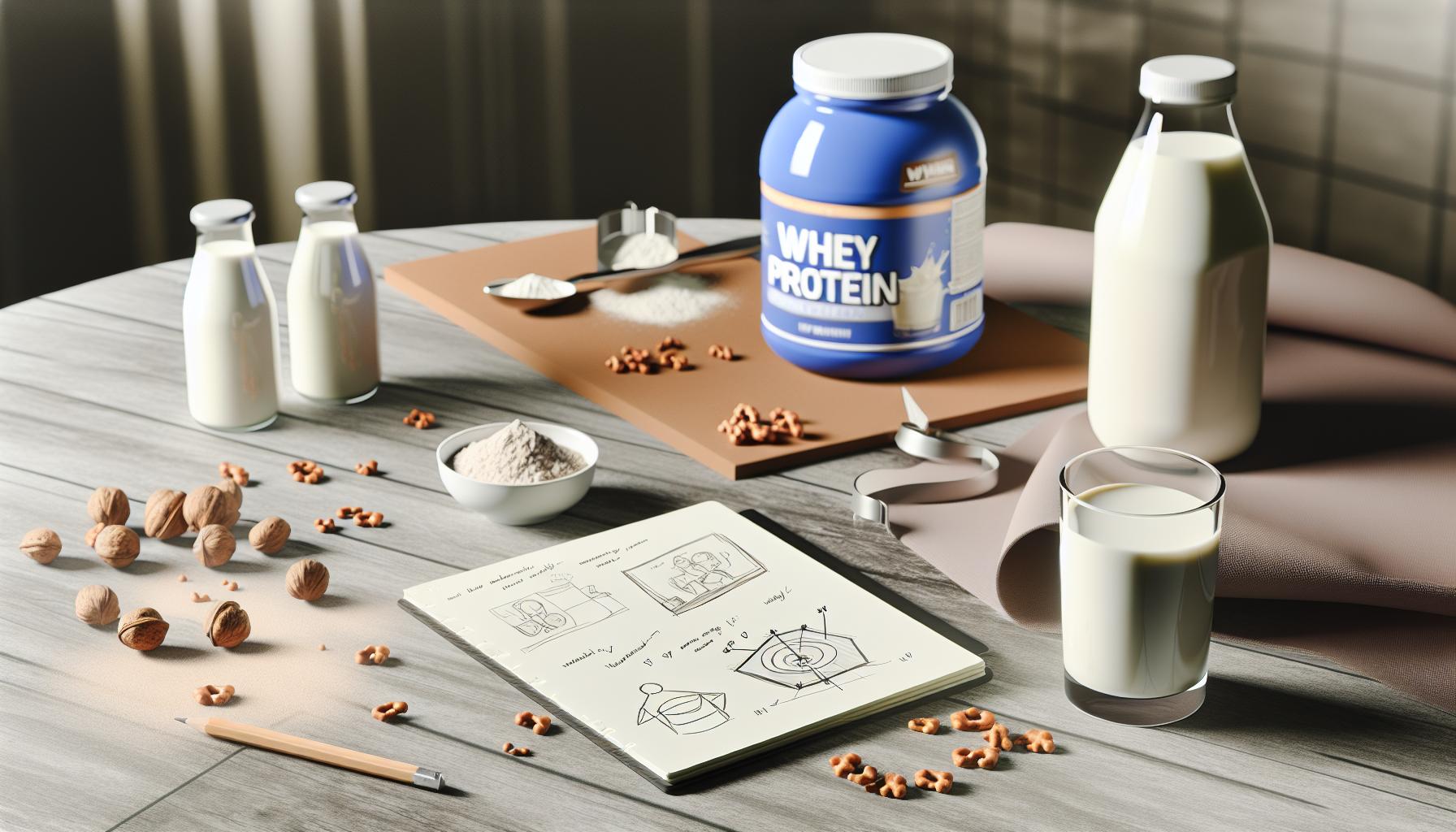
How Whey Protein Affects Milk Supply and Quality
protein plays a crucial role in supporting milk production, and whey protein is a particularly efficient source thanks to its excellent amino acid profile. When a breastfeeding mom includes moderate amounts of whey protein in her diet, this can help replenish her body’s protein stores, ensuring that her milk supply remains nourishing and abundant. The nutrients from whey contribute to the overall quality of breast milk by supporting the synthesis of essential proteins, which in turn nourish the baby’s growth and advancement.
It’s important to remember, though, that more isn’t always better. Overloading on protein supplements can sometiems lead to mild digestive discomfort for mom and irritability or gassiness in the baby, ofen due to additives or artificial ingredients rather than whey itself. Simple, clean whey protein isolates—especially those sourced from grass-fed cows—tend to be gentler on both mom and baby. paying attention to your body’s signals and your baby’s reactions is key:
- Observe: Notice any changes in your baby’s feeding patterns or digestion when you introduce whey.
- Adjust: If digestive upset occurs, consider reducing the dose or switching to an additive-free product.
- Hydrate: Water supports milk production and helps process protein efficiently.
Every mother’s lactation journey is deeply personal, influenced by hormonal, emotional, and physical factors. Including whey protein thoughtfully—mindful of timing and quality—can be a valuable part of your postpartum nutrition toolkit. Offering your body steady nourishment helps honor its healing process while supporting the precious milk you provide. When in doubt, consulting a lactation specialist or nutrition expert familiar with breastfeeding can provide tailored advice with warmth and understanding.
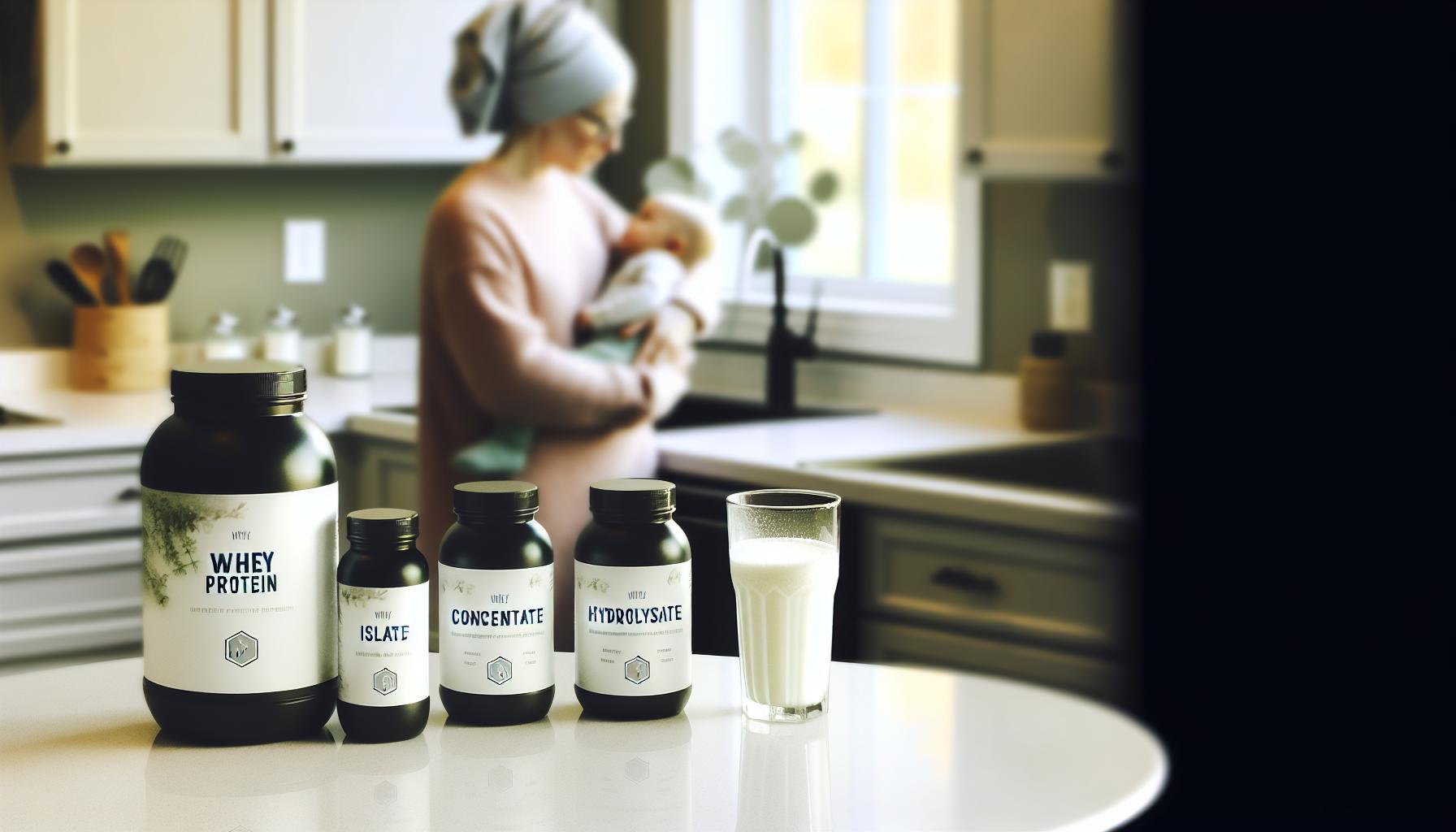
Types of Whey Protein: What’s Best While Nursing?
Whey protein comes in several forms, each with unique qualities that can affect how gentle and beneficial it is during breastfeeding. For new moms, the priority is choosing a type that supports gentle digestion, optimal nutrient delivery, and minimal risk of irritation—for both mother and baby.
The most recommended form while nursing is whey protein isolate. It undergoes extra filtration to remove most lactose, fat, and carbohydrates, resulting in a purer protein concentrate. This makes it easier on mom’s digestive system and reduces the chance of triggering any sensitivities in the baby. Another plus is that isolates tend to be free from fillers and additives that can sometimes cause fussiness or gassiness in little ones. If you’re looking for a clean, straightforward choice, especially in the first few postpartum months when your body and baby are still adjusting, isolate is a gentle, dependable option.
In contrast, whey protein concentrate has a higher lactose content and more fats, which can be fine for some mothers but may cause mild digestive upset for others. Concentrates often contain a bit more natural milk sugars, so if you or your baby are prone to sensitivities, it’s best to proceed with caution and consider starting with smaller amounts to gauge tolerance.On the other end of the spectrum,hydrolyzed whey protein is partially broken down into peptides,making it very easy to digest and less allergenic—which may be beneficial for moms with dairy sensitivities.However, these are often pricier and can have a slightly bitter taste that some find less palatable.
Choosing Wisely: What to Look For
- Minimal Ingredients: A short,simple ingredient list ensures fewer unwanted additives.
- Grass-Fed Source: Whey from grass-fed cows tends to be more nutrient-rich and free from hormones and antibiotics.
- No Artificial Sweeteners or Flavors: These can irritate sensitive tummies in both mom and baby.
- Third-Party Tested: Choose brands that verify purity and safety by autonomous labs for peace of mind.
Remember,individuality is key. Some moms find they tolerate concentrate perfectly well,while others swear by isolate or hydrolyzed forms. Tuning into your body—and your baby’s cues—helps guide your choice gently. Gradually introducing a small amount before making it a regular part of your postpartum routine can prevent surprises and foster confidence in your self-care.
Sample Starter Smoothie for Nursing Moms
- 1 scoop grass-fed whey protein isolate
- 1 cup unsweetened almond or oat milk
- ½ ripe banana for natural sweetness
- 1 tbsp ground flaxseed (supports milk supply)
- A small handful of spinach or kale (easy greens)
- Optional: 1 tsp organic honey or maple syrup
Blend all until smooth for a nourishing, easy-to-digest boost that celebrates your body’s healing without overwhelming it.
Taking these thoughtful steps with whey protein not only respects the beautiful complexity of your lactation journey but empowers your wellbeing and your baby’s comfort, too.

Ideal Timing and dosage for Postpartum Whey Protein
Starting whey protein as part of your postpartum routine can feel like a small yet meaningful way to nurture your healing body and support breastfeeding. One of the beautiful things about this time is honoring your natural rhythm—your body is still adjusting hormonally and physically, so easing into whey protein thoughtfully is key.Many moms find the first few weeks postpartum are best reserved for focused rest and gentle nourishment, especially if you’re recovering from birth or experiencing common postpartum changes like milk supply fluctuations or digestion shifts.
For most breastfeeding mothers, beginning whey protein supplementation around 4 to 6 weeks after delivery balances safety, digestion, and milk supply concerns. By this point, your uterus is healing, your milk production patterns are settling, and you’ll have a better sense of how your body and baby respond to new foods or supplements.Starting with a half scoop (about 10–15 grams of protein) once a day allows you to gently assess tolerance without overwhelming your system. Over 1–2 weeks, you can gradually increase to a full scoop (20–25 grams), ideally timed between meals or as part of a nutritious snack that includes hydrating fluids and whole foods.
- Morning or mid-afternoon: When energy dips are common, a whey protein smoothie can provide a steady fuel source without interfering with breastfeeding sessions.
- Post-workout or gentle movement: If you’re incorporating postpartum walks or light exercises, whey protein supports muscle recovery and overall vitality.
- Listen to your body and baby: Notice any digestive discomfort or changes in your baby’s mood and digestion, adjusting timing or dose as needed.
Because every mother’s postpartum journey is unique—shaped by birth experiences, cultural practices, and personal wellness philosophies—some moms prefer to wait even longer before supplementing, or stick to natural food-based protein sources. It’s perfectly okay to experiment slowly and honor your instincts. When in doubt, consulting with your healthcare provider, lactation consultant, or a maternal nutrition expert can provide tailored guidance that respects your whole wellness picture. The goal is empowerment through informed, gentle nourishment—not pressure or rapid results.
| Postpartum Phase | Recommended Whey Protein Dose | Suggested Timing & Notes |
|---|---|---|
| 0–3 weeks (early postpartum) | Usually discouraged; focus on rest and whole foods | Prioritize hydration and natural recovery; consult healthcare for special needs |
| 4–6 weeks (subacute phase) | Start small: 10–15g (½ scoop) once daily | Morning or afternoon; monitor digestion and infant response |
| 6+ weeks (delayed phase) | increase to 20–25g (1 scoop) daily as tolerated | Post-exercise or between meals; supports muscle recovery and energy |
Finding your personal sweet spot with whey protein is a journey of attunement—not a race. It’s a gentle invitation to nourish yourself in ways that honor your body’s wisdom and your breastfeeding bond. Remember, integrating whey protein with kindness and patience can enhance postpartum recovery, helping you feel more vibrant while keeping your baby’s comfort and your milk supply top of mind.
Potential side Effects and allergies to watch For
Whey protein is generally regarded as safe and gentle, but like any new addition to your postpartum routine, it’s wise to be mindful of how your body and your baby respond. Some breastfeeding moms might notice mild digestive upset such as bloating, gas, or mild cramping when starting whey protein.This is frequently enough as your digestive system is still sensitive after birth and adjusting to hormonal shifts. Beginning with a small dose (around 10–15 grams) and gradually increasing can help your gut adapt more comfortably. If you notice persistent discomfort or changes in your baby’s feeding, stool, or mood, it’s a good idea to pause and consult your healthcare provider.
for a few mothers, especially those with a history of dairy intolerance or milk protein allergy, whey protein could trigger allergic reactions.Symptoms might include itching, rash, swelling, or even more noticeable changes like increased irritability or fussiness in the baby after feeding. As whey is a milk-derived protein, it naturally contains lactose and casein traces, which are common allergens. If you or your family have a history of allergies, eczema, or asthma, approach whey protein supplementation with extra caution and consider allergy testing if concerns arise. Remember, an allergic reaction in your breastfeeding infant frequently enough presents as digestive distress, rash, or unusual fussiness, so close observation during introduction is essential.
Helpful Tips for Minimizing Side Effects
- Start Small and Slow: Introduce whey protein in tiny amounts—half a scoop mixed with water or milk alternative—and watch for any reactions over several days.
- Choose Quality Whey: Opt for clean, minimally processed whey protein powders free from artificial sweeteners, fillers, or additives which might irritate digestion or cause sensitivity.
- Hydrate Well: Adequate fluid intake supports digestion and reduces constipation, common postpartum issues that can worsen with protein supplements.
- Observe Baby’s Response: Keep a feeding and mood journal to note any patterns if you suspect your baby might be affected by changes in your diet.
- Consult Experts: Reach out to lactation consultants or nutritionists as they can provide personalized guidance respecting your health history and cultural preferences.
| Potential Reaction | Signs in Mom | Signs in Baby | Action Steps |
|---|---|---|---|
| Mild Digestive Upset | bloating, gas, mild cramps | usually none | Lower dose, hydrate, monitor |
| Dairy Allergy/Intolerance | Itching, rash, swelling, nausea | Fussiness, rash, loose stools | Stop supplement, consult provider, consider allergy testing |
| Excess Protein Intake | Fatigue, nausea, dehydration | Changes in feeding behaviour | Adjust dosage, focus on balanced diet, seek advice |
Remember, every mother’s postpartum and breastfeeding journey is unique. What suits one family may not work for another—and that’s okay. There is no rush or pressure to add whey protein if your body signals otherwise. Honoring your instincts and moving mindfully can turn this phase into a tender practice of self-care and gentle nourishment,keeping both you and your baby happy and healthy.
Whey Protein Benefits for Postpartum recovery
Whey protein can be a gentle yet powerful ally in your postpartum recovery, offering nourishing support exactly when your body needs it most. After childbirth, your body is rebuilding muscle tissue, repairing the perineum, and restoring energy reserves taxed by pregnancy, labor, and the early demands of motherhood.Incorporating moderate amounts of high-quality whey protein promotes muscle repair and supports the synthesis of hormones and enzymes necessary for healing and lactation without overwhelming your digestive system. It’s especially useful when your appetite might be unpredictable, or when you’re pressed for time and seeking a simple nutrient boost that fits into your busy schedule.
Many moms find that whey protein helps to fill nutritional gaps, particularly in protein, which is crucial for tissue regeneration and milk production. Protein also contributes to stabilizing blood sugar levels, which can positively affect mood and energy, addressing common postpartum challenges like fatigue and irritability.For example, a new mother I worked with shared how a small smoothie with whey helped her feel more balanced throughout the demanding days of nursing and newborn care. She appreciated how it didn’t add to her daily meal prep but gave her a comforting, steady source of nourishment.
Daily Support Through Gentle Nourishment
- supports Muscle Recovery: After the body’s physical workout of labor and delivery, the amino acids in whey aid rebuilding softer tissues and muscles, helping ease postpartum aches and promote strength.
- Boosts milk-quality Nutrients: Whey contains essential amino acids and bioactive compounds that may contribute to richer breastmilk nutrition, complementing the varied diet of a breastfeeding mom.
- Promotes Energy and Mood Balance: Maintaining adequate protein intake assists with hormone regulation, which may help mitigate postpartum mood swings and support emotional resilience.
Practical Tips for Including Whey Protein in Your Recovery Routine
- Keep It Simple: A fast postpartum smoothie might include 1/2 scoop of whey protein, a small banana, a handful of spinach, and almond milk. This combo offers balanced nutrients alongside gentle protein.
- hydrate Mindfully: As protein metabolism requires fluid, pair your whey intake with water or herbal teas to support digestion and prevent common postpartum constipation.
- Honor Your Body: Start with a small serving and observe how your body and baby respond. Adjust timing and portions according to your unique needs, never rushing or pressuring yourself.
| Benefit | How It Helps Postpartum recovery | Sample Serving Suggestion |
|---|---|---|
| Muscle & Tissue Healing | Provides amino acids essential for repair of uterine lining,perineum,and connective tissue | 1/2 scoop whey in smoothie with berries and water,post-breastfeeding |
| Milk Production Support | Contributes vital proteins and peptides that support lactation physiology | Whey smoothie with oats and flaxseed for sustained energy |
| Energy stabilization | Protein helps regulate blood sugar and neurotransmitter balance for mood support | Small shake mid-morning or afternoon to prevent energy dips |
When used thoughtfully,whey protein can be part of a nurturing postpartum self-care rhythm—supporting your body’s natural healing processes while respecting the delicate balance of breastfeeding. Remember, this phase isn’t about rushing recovery or “bouncing back.” It’s about honoring the intricate hormonal and physical changes you’re navigating, and choosing gentle, effective ways to nourish yourself and your little one. Many moms find that embracing small, manageable wellness habits like including whey protein—even just once a day—helps them feel empowered and cared for amid the beautiful chaos of new motherhood.
Incorporating Whey into Breastfeeding-Friendly Recipes
Whey protein can easily become a quiet hero in the busy days of new motherhood, slipping gently into your routine without demanding too much time or effort. Many breastfeeding moms appreciate how it can be blended into simple recipes that nourish both body and soul—recipes crafted with kindness toward your digestive system and mindful of your baby’s needs. This gentle touch matters because postpartum nutrition should feel like a comforting ritual, not another checklist item. Integrating whey thoughtfully means you’re supporting your healing tissues, energy, and milk supply, all while honoring your unique postpartum rhythm.
one of the easiest ways to include whey protein is through smoothies that combine wholesome ingredients known to blend well with gentle protein support. Here’s a nurturing smoothie recipe example to try, designed with breastfeeding moms in mind:
- Ingredients: 1/2 scoop high-quality whey protein (preferably grass-fed and minimally processed), 1 small ripe banana, a handful of baby spinach, 1 tablespoon ground flaxseed (rich in omega-3 for inflammation and milk quality), 1 cup unsweetened almond milk (or any milk alternative you tolerate), and a few ice cubes.
- preparation: Blend all ingredients until smooth. Sip slowly, ideally after breastfeeding or alongside a small snack to keep blood sugar steady.
- Benefits: This combo supports tissue repair,provides antioxidants,fiber,and gentle energy,and complements lactation without overwhelming your digestion.
Simple Warm Beverages to Support Milk Flow
If smoothies aren’t your preference, warm drinks offer a cozy alternative, especially in the early mornings or quiet evenings. You can add a teaspoon of unflavored whey protein isolate to herbal lactation teas made with safe herbs such as fennel or chamomile—always first confirming with your healthcare provider—stirring gently until dissolved. These beverages can be a soothing way to hydrate and nourish simultaneously.
Snack Ideas to Carry Along
For days filled with on-the-go moments, mix whey protein into yogurt or blend it into homemade lactation cookies using oats, brewer’s yeast, and flaxseed. Here’s a quick guide for lactation cookies with a protein boost:
| Ingredient | Purpose | Suggested Amount |
|---|---|---|
| Rolled oats | Fiber and sustained energy | 1 cup |
| Whey protein powder | Muscle repair and milk-quality proteins | 1/2 cup (unflavored or vanilla) |
| Brewer’s yeast | Supports milk supply | 2 tablespoons |
| Ground flaxseed | omega-3 and fiber | 2 tablespoons |
| Honey or maple syrup | Natural sweetness and energy | 1/4 cup |
| Coconut oil or butter | Healthy fats | 1/4 cup, melted |
Mix the dry ingredients in one bowl, combine the wet in another, than blend everything together. Bake at 350°F (175°C) for about 10-12 minutes until golden. These cookies can be a dependable protein-rich snack during those unpredictable postpartum hours.
Keep in mind: Each body responds differently, so start with small portions of whey protein and observe how you and your baby feel. Consult with a lactation consultant or nutritionist if you notice any changes in milk supply or feeding comfort. the goal is gentle support, not pressure.Nourish yourself with patience and compassion—the foundation for thriving in motherhood’s beautiful,complex dance.
Many breastfeeding moms find themselves wondering how best to nourish their bodies while supporting their little ones. Nutritionists and experienced mothers alike emphasize that whey protein can be a gentle yet effective way to meet postpartum protein needs without overwhelming the digestive system or interfering with milk production. What’s truly heartening is how individual experiences highlight the importance of listening to your body’s unique signals during this time. Some moms have shared that starting with a small portion of high-quality, minimally processed whey protein—like grass-fed isolate—helped them recover energy and support tissue healing without any noticeable impact on their milk supply or baby’s comfort.
Experts frequently enough remind new mothers that timing and quality matter just as much as the choice of supplement itself. For example, consuming whey protein after breastfeeding sessions or alongside nutrient-rich snacks can keep blood sugar steady and provide a sustained source of amino acids for healing muscles and replenishing energy stores. Nutritionists also suggest pairing whey with ingredients known for lactation support, such as ground flaxseed or brewer’s yeast, to create nourishing meals that celebrate the complex dance of postpartum recovery and breastfeeding. Experienced moms sometimes report that this combo of evidence-based nutrition and conventional lactation boosters fosters a sense of wellbeing even during the most unpredictable days of early motherhood.
- Real-World Tip: One mom shared her gentle ritual of stirring a teaspoon of whey protein isolate into warm fennel tea in the quiet morning hours—finding that it soothed her digestion while subtly enhancing milk flow.
- Expert Advice: Registered dietitians recommend choosing whey powders free from artificial sweeteners, additives, and allergens, encouraging moms to prioritize brands that test for purity and quality to keep both mother and baby safe.
- community Wisdom: Many mothers emphasize starting slowly—perhaps half a scoop mixed into smoothies or baked goodies—and monitoring both personal energy levels and baby’s reaction as a way to honor individual variation and reduce anxiety.
Balancing hormonal shifts, sleep deprivation, and the emotional waves that accompany new motherhood is no small feat. Nutritionists and lactation consultants frequently enough highlight that whey protein can be one small but meaningful piece in a extensive postpartum wellness strategy.It’s not about rushing “bounce back” or fitting into preconceived ideals—it’s about building layers of nourishment that respect your body’s healing pace. Real moms, who also face cultural traditions and holistic health beliefs, remind us that sometimes, blending whey protein into familiar family recipes or continuing to honor comfort foods can keep self-care sustainable and joyful.
Ultimately,this blend of professional guidance and lived experiance creates a nurturing environment that honors the complexity of breastfeeding journeys—validating that what works beautifully for one mother might feel different for another. Patience, kindness toward yourself, and open conversations with trusted healthcare providers are the cornerstones of a safe and empowering postpartum nutritional path.
Combining Whey Protein with Other Postpartum Supplements
Many breastfeeding moms find that combining whey protein with other thoughtfully chosen postpartum supplements can gently enhance their recovery and nourish both body and milk supply. This approach is all about balance—introducing supplements that support healing, energy, and lactation without overwhelming the delicate postpartum system. Because every mother’s journey is unique, it’s important to start small and observe how your body and baby respond. Pairing whey protein with supplements like folate, vitamin D, and omega-3 fatty acids can create a nourishing foundation for postpartum wellness, while herbals such as fenugreek or blessed thistle may also provide support—but only when used with care and professional guidance.
- Folate (Vitamin B9): Essential for tissue repair and mood regulation.Taking folate alongside whey protein-rich meals helps support cellular health and postpartum recovery.
- Vitamin D: Plays a key role in immune health and bone strength. Many breastfeeding moms benefit from a vitamin D supplement alongside protein to enhance overall vitality.
- Omega-3 Fatty Acids (DHA/EPA): Critical for brain health in both mom and baby. Incorporate high-quality fish oil or algae-based supplements alongside whey protein smoothies for a nourishing boost.
- probiotics: Can definitely help soothe digestion and support immune resilience during the postpartum period, pairing nicely with whey’s gentle amino acid profile.
- Traditional Lactation Aids: Ingredients like brewer’s yeast and ground flaxseed are often combined with whey protein to enhance milk supply and provide healthy fats and B vitamins.
Practical Suggestions for Combining Supplements
When adding these supplements, timing and how you incorporate them matters. For example, stirring a scoop of whey protein into a smoothie with ground flaxseed, a teaspoon of brewer’s yeast, and a splash of fortified almond milk can create a balanced, nurturing snack. Here’s a simple recipe to try:
Postpartum Power Smoothie
- 1 scoop grass-fed whey protein isolate
- 1 tablespoon ground flaxseed
- 1 teaspoon brewer’s yeast
- 1 cup fortified almond milk or regular milk
- ½ cup frozen berries (optional for antioxidants and flavor)
- 1 teaspoon flax or chia oil (for omega-3s)
blend until smooth and enjoy after feeding or as a mid-morning energy boost. This smoothie combines protein, healthy fats, fiber, and lactation-supportive nutrients—delivered gently for digestion and absorption.
Safety First: Check with Your Healthcare Provider
Remember that some herbs and supplements have contraindications during breastfeeding or may affect milk taste and supply. Always discuss any additions with a lactation consultant or healthcare provider. Avoid excessive doses and be mindful if your baby shows any signs of intolerance or allergies, such as fussiness, rash, or changes in feeding. Starting with single-ingredient supplements one at a time can help identify any sensitivities.
By weaving whey protein thoughtfully with complementary postpartum supplements, mothers can create a personalized, nurturing nutrition plan that honors both body and baby. This tailored practice allows space for gradual healing, sustained energy, and joyful breastfeeding moments without pressure or stress—just gentle care on every step of the postpartum path.
Holistic Alternatives to Whey Protein During breastfeeding
Many breastfeeding moms seek nourishing protein sources that feel gentle and natural, especially when cautious about how supplements might influence their milk or recovery. For those who prefer to avoid or supplement whey protein, several holistic options can provide balanced nutrition with soothing, nurturing qualities fit for postpartum wellness. These alternatives honor your body’s healing rhythm—and frequently enough connect with timeless traditions passed through generations of mothers.
Plant-based proteins like hemp, pea, and brown rice are excellent choices, offering complete amino acid profiles without dairy concerns. These proteins tend to be easier on digestion and may even complement herbal lactation aids. For example, blending hemp protein powder with soothing chamomile tea creates a calming, nutrient-rich beverage that supports hydration and gentle nourishment. Homemade nut and seed butters—like almond or sunflower seed butter—also provide protein paired with healthy fats, which are crucial for hormone balance and milk quality.
Traditional Protein-Rich Foods & DIY Postpartum Recipes
Whole foods remain a cornerstone of holistic postpartum care. Foods like cooked lentils, quinoa, eggs, and bone broth offer natural protein while supporting tissue repair and energy renewal. Incorporating these into easy-to-make recipes can feel both grounding and empowering:
- Golden Lentil Stew: Simmer red lentils with mild spices, turmeric, fresh ginger, and carrots for an anti-inflammatory, protein-rich meal.
- Bone Broth smoothie: Blend cooled bone broth with coconut milk, a handful of spinach, and a teaspoon of collagen peptides for extra protein and gut support.
- Seed & Nut Energy Balls: combine ground flaxseed, chia seeds, almond butter, and a touch of honey for a portable, lactation-friendly boost.
Herbal Teas and Tonics with Nourishing Proteins
For those who enjoy warm, calming drinks, combining gentle herbal tonics with light protein enrichers can be a soothing ritual. Herbs such as nettles, red raspberry leaf, and fenugreek are celebrated for their mineral content and traditional use in supporting lactation and uterine recovery. When brewed as teas, adding a small spoonful of freshly ground ground oats or a splash of plant-based milk can enhance protein content without relying on powders.
DIY Nurturing Postpartum Tea Blend:
- 1 tsp dried nettle leaves
- 1 tsp red raspberry leaf
- ½ tsp fenugreek seeds (use cautiously and not excessively)
- Optional: A pinch of ground oats
Steep in hot water for 10 minutes, strain, and add a splash of warm almond or oat milk. Sip slowly between feedings for hydration, comfort, and gentle nourishment.
Because each mother’s body and experience are unique, approaching these alternatives with patience and openness is key. Start small, observe how both you and baby respond, and integrate these wholesome options alongside your existing postpartum care routine.Holistic nourishment is not about quick fixes but about cultivating sustained wellness—honoring both the profound challenges and joys of motherhood.
Safety tips and Considerations
- Always consult your healthcare provider before introducing new herbal supplements or alternative proteins during breastfeeding.
- Introduce one new food or drink at a time, watching for any signs of baby’s intolerance such as fussiness, rash, or feeding discomfort.
- Avoid herbs contraindicated in breastfeeding or high doses of fenugreek unless supervised by a knowledgeable practitioner.
By weaving together food-based proteins, herbal traditions, and simple DIY recipes, you create a personalized postpartum nutrition plan that feels safe, holistic, and nurturing—supporting your journey with compassion and grace.
Guidelines for choosing safe Whey Protein Brands
Choosing a whey protein brand while breastfeeding involves more than just scanning labels—it’s about finding a product that honors your sensitive postpartum body and nurtures your milk supply without added risks.Many new moms worry about hidden additives, artificial sweeteners, or dairy quality, all of which can impact digestion or baby’s comfort. Opting for a whey protein that embodies purity and clarity offers peace of mind and supports your healing journey.
When selecting your whey, look for brands that clearly state their sourcing and processing methods. Ideally, choose proteins derived from grass-fed cows, as these tend to have higher levels of beneficial nutrients like omega-3 fatty acids and CLA (conjugated linoleic acid), while avoiding hormones and antibiotics that may interfere with your body’s natural hormonal balance. Minimal processing is preferred—cold-processed or microfiltered whey isolates retain amino acids better and have fewer denatured proteins,which can be gentler on sensitive digestion,especially in the vulnerable postpartum phase.
Reading labels carefully will empower you. Watch out for these potential additives and ingredients that breastfeeding moms often find troublesome:
- Synthetic sweeteners like sucralose or aspartame — these may affect your taste buds or digestion and are best avoided.
- Artificial colors or flavors that offer no nutritional benefit and may provoke sensitivities.
- Excessive fillers or thickeners such as carrageenan or maltodextrin, which sometimes irritate the gut or cause discomfort.
- High sugar content, which can disrupt energy balance and inflammation.
choosing whey protein with a short, straightforward ingredients list is a beautiful invitation to simplicity and safety.
Certifications to Consider
- Non-GMO verified: Confirms no genetically modified organisms were used in production.
- Grass-Fed or Organic Labels: Suggest cleaner farming practices supporting higher nutrient quality and fewer contaminants.
- Third-Party Testing: Brands that have their products independently lab-tested for purity, heavy metals, and contaminants.
- Allergen Statements: Critical if you have a family history of allergies or sensitivities, or if you are monitoring baby’s reactions closely.
Practical Tips from Experienced Moms
Many mothers in our community have shared that starting with smaller sample sizes helps them gauge tolerance gently before committing to larger tubs. Listening to your body is essential—if you notice increased colic in your baby or digestive upset for yourself after starting a new whey, pause and reassess. Some moms find that whey isolate is easier on digestion than concentrate due to reduced lactose content, which can be soothing for both mom and breastfeeding infant.
Integrating whey protein gradually into meals or smoothies alongside wholesome foods—instead of relying solely on shakes—also supports digestion and nutrient absorption. Pairing whey with calming herbal infusions like chamomile or gentle lactation teas can turn supplementation into a mindful self-care ritual, rather than a rushed nutrient fix.
By embracing a thoughtful, informed approach to selecting whey protein, you create a nurturing space for your postpartum body to heal and thrive. Your choice reverberates beyond nutrition, honoring your wisdom as a mother and your baby’s holistic wellbeing. Remember, there’s no one-size-fits-all—each step in your journey invites curiosity, patience, and grace.
| what to Look For | Why It Matters |
|---|---|
| Grass-Fed,Organic Source | Supports higher nutrient density and minimizes harmful chemicals |
| Cold-Processed or Microfiltered | Preserves sensitive proteins,gentle for digestion |
| Minimal,Natural Ingredients | Reduces risk of allergens and irritants for mom and baby |
| No Artificial Sweeteners or Additives | Protects hormonal balance and infant tolerance |
| Third-Party Tested | Ensures quality and safety from contaminants |
Frequently Asked Questions
Q: Can consuming whey protein during breastfeeding affect my baby’s digestion?
A: Whey protein consumption by breastfeeding moms is generally safe and unlikely to affect baby’s digestion. Though, watch for signs like fussiness or rash, which may indicate sensitivity. If concerned, consult your pediatrician and try mild, hypoallergenic whey options. For more on safe protein choices, see the Types of Whey Protein section.
Q: How does whey protein interact with common breastfeeding medications or supplements?
A: whey protein typically has no adverse interactions with most breastfeeding supplements or medications. Still, always discuss combining whey with vitamins or postpartum meds with your healthcare provider to avoid unwanted effects. learn more about supplement combinations in Combining Whey Protein with Other Postpartum Supplements.
Q: What is the best time of day to take whey protein while breastfeeding for optimal energy?
A: The best timing is post-workout or mid-morning when your energy dips, providing essential nutrients for you and your baby. Spreading doses evenly supports sustained energy without impacting milk supply. See *Ideal Timing and Dosage for Postpartum Whey Protein for detailed guidance.
Q: Are plant-based protein powders safer alternatives to whey during breastfeeding?
A: Plant-based proteins often offer gentle, hypoallergenic options and may be preferable for moms with dairy sensitivities. Though, whey is typically more bioavailable for postpartum recovery.Compare both in the Holistic Alternatives to Whey Protein section to choose what suits you best.
Q: Can whey protein help with postpartum weight management while breastfeeding?
A: Yes, whey protein supports muscle maintenance and satiety, which can aid healthy postpartum weight management without compromising milk quality. Incorporate it wisely alongside balanced nutrition and gentle exercise. Explore Whey Protein benefits for Postpartum Recovery for practical tips.Q: How should I adjust whey protein intake if my baby shows signs of allergy or sensitivity?
A: If your baby exhibits allergy symptoms, reduce or pause whey protein and observe changes closely. Opt for hypoallergenic or hydrolyzed whey proteins only after consulting your healthcare provider. Guidance on side effects to watch is found in Potential Side Effects and allergies to Watch For.Q: Does whey protein consumption affect breast milk taste or smell?
A: Whey protein rarely changes breast milk taste or odor. If you notice any difference, consider switching brands or types and ensure no added flavors or artificial sweeteners in your supplement. For brand recommendations, refer to Guidelines for Choosing Safe whey Protein Brands.Q: How can I incorporate whey protein into breastfeeding-friendly recipes effectively?
A: You can easily add whey protein to smoothies, oatmeal, or lactation-friendly snacks to boost nutrition without extra hassle.** Use mild-flavored whey and follow simple recipes with breastfeeding-safe ingredients like oats and flaxseed. Check Incorporating Whey into breastfeeding-Friendly Recipes for easy DIY meal ideas.
A: If your baby exhibits allergy symptoms, reduce or pause whey protein and observe changes closely. Opt for hypoallergenic or hydrolyzed whey proteins only after consulting your healthcare provider. Guidance on side effects to watch is found in Potential Side Effects and allergies to Watch For.
Q: Does whey protein consumption affect breast milk taste or smell?
A: Whey protein rarely changes breast milk taste or odor. If you notice any difference, consider switching brands or types and ensure no added flavors or artificial sweeteners in your supplement. For brand recommendations, refer to Guidelines for Choosing Safe whey Protein Brands.
Q: How can I incorporate whey protein into breastfeeding-friendly recipes effectively?
A: You can easily add whey protein to smoothies, oatmeal, or lactation-friendly snacks to boost nutrition without extra hassle.** Use mild-flavored whey and follow simple recipes with breastfeeding-safe ingredients like oats and flaxseed. Check Incorporating Whey into breastfeeding-Friendly Recipes for easy DIY meal ideas.
For continued support and detailed advice, explore sections linked above to tailor whey protein use to your unique breastfeeding journey. Remember, every mom’s experience is different—always listen to your body and your baby.
Final Thoughts
Choosing to include whey protein during breastfeeding can be a gentle boost for your postpartum nutrition—supporting energy, muscle recovery, and overall wellness—when selected and timed thoughtfully. Remember, every mom’s journey with lactation is unique, so tuning into how your body responds and consulting your healthcare provider helps ensure safety and peace of mind. If you’re curious about natural postpartum nutrition or want easy, soothing recipes, don’t miss our guides on postpartum superfoods and hydrating lactation smoothies.
Ready to deepen your self-care? Explore our tailored supplement safety tips for nursing moms to confidently navigate what’s best for you and your little one. Join our supportive community by subscribing to our newsletter—get expert insights, real mom stories, and step-by-step wellness ideas delivered warmly to your inbox. We’d love to here your thoughts or questions below; sharing your experience enriches this safe space for all new mothers.
With kindness and care, keep honoring your body’s healing and your beautiful motherhood journey. Together, we grow stronger—one nourishing choice at a time.
Get our latest guides, news, and insights highlighted in your Google Search & AI Overviews.


 WARNING TO PARENTS