
Is Botox Safe While Breastfeeding? Cosmetic Safety Facts
Did you know that many new moms wonder if getting botox while breastfeeding is safe? It’s a common question because caring for yourself postpartum means balancing self-care with the well-being of your little one. Botox, a popular cosmetic treatment, raises concerns about whether it can pass into breast milk and affect your baby. The good news is, emerging research suggests the risk is extremely low, offering reassurance for moms considering this option. Understanding the timing, safety, and potential benefits can help you make informed choices that honor your body’s healing and your feeding journey. Let’s explore what the latest evidence and expert advice say about Botox during lactation, so you feel confident and supported every step of the way.
Contents
- Understanding Botox and Its Ingredients for Nursing Moms
- How Botox Works and Its Impact on Breastfeeding
- Medical Research on Botox Safety During Lactation
- Timing Botox Treatments Safely Postpartum
- Potential Risks and Side Effects for Baby and Mom
- Natural Alternatives to Botox for Postpartum Self-Care
- How to Talk to Your Healthcare Provider About Botox
- Real mom Stories: botox and Breastfeeding Experiences
- Caring for Your Skin Holistically While Nursing
- Signs to Watch After Botox During Breastfeeding
- Creating a Safe Postpartum Beauty Routine
- Expert Tips for Balancing Self-Care with New Motherhood
- Q&A
- Q: Can Botox affect breast milk production during breastfeeding?
- Q: How long should I wait after Botox before resuming breastfeeding?
- Q: Is Botox safer than other cosmetic injectables during breastfeeding?
- Q: Can botox spread toxin effects to the baby through breast milk?
- Q: Are there natural cosmetic alternatives safe for breastfeeding moms rather of Botox?
- Q: What signs should breastfeeding moms watch for after receiving Botox?
- Q: How can I discuss Botox safety with my healthcare provider while breastfeeding?
- Q: Does Botox impact the quality or taste of breast milk?
- future Outlook
Understanding Botox and Its Ingredients for Nursing Moms
Many nursing moms find themselves wondering about the safety and makeup of Botox before considering it as part of thier postpartum self-care routine.Botox, a well-known injectable treatment for softening fine lines and wrinkles, is primarily composed of botulinum toxin type A. This toxin works by temporarily relaxing muscles, which smooths out facial expressions that cause wrinkles. It’s crucial to remember that Botox is used in very small, controlled doses administered by certified professionals, and the amount injected is much lower than the threshold associated with systemic effects.
What’s Inside Botox?
- Botulinum toxin type A: The active ingredient, this protein temporarily blocks nerve signals to muscles, reducing contractions that cause wrinkles.
- Human Albumin: A stabilizing protein often used in medical products to help preserve the potency of the toxin.
- Sodium Chloride: Commonly known as salt, this helps keep the solution balanced and isotonic with the body’s tissues.
These ingredients are carefully formulated to ensure safety and effectiveness. For nursing mothers, one key consideration is how much, if any, of this toxin might enter the bloodstream and reach breast milk. current medical understanding suggests that because Botox is injected locally and in very small quantities, it dose not travel significantly through the bloodstream or into breast milk. However, as with any treatment, every body reacts differently, and it’s essential to be informed and cautious.
Practical Considerations for Nursing Moms
- Timing and professional advice: Speak openly with your healthcare provider—midwives,lactation consultants,or doctors—about your plans and concerns. They can help you weigh the benefits and possible risks.
- Body awareness: Pay attention to how your body feels postpartum, especially during hormonal shifts that affect skin elasticity and healing. Botox is not about “bouncing back” but gentle self-care that respects your unique journey.
- Holistic care: Consider pairing any aesthetic treatments with nourishing routines like hydrating skincare, gentle facial massages, or nutrient-rich meals to support skin health from the inside out.
Remember, choosing Botox—or any cosmetic treatment—while breastfeeding is deeply personal. Trust your instincts, seek professional guidance, and embrace whatever path makes you feel most supported and confident during this remarkable phase of motherhood.
for more detailed medical data on botox’s safety and effects, certified resources and healthcare professionals remain the best guide on your journey [1].
How Botox Works and Its Impact on Breastfeeding
Many nursing moms wonder how Botox interacts with their bodies during breastfeeding and whether it could affect their little ones. Botox, when injected, works locally by targeting specific muscles to temporarily ease tension and soften wrinkles. As the injection sites are carefully chosen and the doses are small, the toxin largely stays in the targeted area rather than spreading through the bloodstream. This localized action means that only trace amounts, if any, might circulate systemically—and current understanding suggests these minimal amounts are unlikely to pass into breast milk in any meaningful way.
Yet, every mother’s body is beautifully unique, especially in the postpartum phase when hormones are shifting, skin is healing, and breastfeeding rhythms are forming. It’s natural to approach Botox with gentle caution during this sensitive time. open conversations with your healthcare provider can definitely help tailor timing and treatment to your personal journey. For example, some moms opt to delay Botox untill breastfeeding is well established, feeling more secure that their milk supply and baby’s intake are steady and consistent.
Here are a few warm, practical thoughts to keep in mind when considering Botox while nursing:
- Local effect: Botox works where it’s placed by blocking nerve signals to muscles, avoiding large-scale systemic exposure.
- Minimal transfer: Due to the molecular size and injection method, research implies that Botox is unlikely to enter breast milk in critically important amounts.
- body’s healing pace: Allow your collagen and skin elasticity to adjust naturally postpartum—Botox isn’t a speedy fix but a gentle aid that respects your body’s timing.
Many breastfeeding moms share that feeling confident and cared for includes exploring safe self-care choices, whether that means Botox or embracing natural skincare. Remember, honoring your unique postpartum story means making decisions free of pressure—balancing what feels right with expert guidance and a nurturing spirit. This approach creates a gentle, supported space for both you and your baby to flourish.
Medical Research on Botox Safety During Lactation
Many nursing mothers wonder how cosmetic treatments like Botox fit into their postpartum self-care, especially when it comes to the delicate process of breastfeeding. remains limited but reassuring in key ways, offering some clarity for moms who wish to maintain their confidence without compromising their baby’s wellbeing.Because Botox functions through localized muscle relaxation—acting where it’s injected rather than spreading significantly through the bloodstream—experts generally consider its systemic absorption to be minimal. This means that the tiny doses used in cosmetic applications are unlikely to transfer into breast milk in meaningful amounts, minimizing potential exposure to nursing infants.Importantly, current evidence on Botox during breastfeeding is based on the understanding of its molecular size and localized action rather than large, direct clinical trials specifically in nursing populations. Since Botox (botulinum toxin type A) works by blocking nerve signals to muscles without significant systemic circulation, the risk of it affecting breast milk production or infant health appears low. Though, as each mother’s physiology is unique and postpartum bodies are in transition, many healthcare providers advocate for caution. Some suggest waiting until breastfeeding is well-established before scheduling treatments or considering lower doses initially.These gentle measures align with honoring the body’s natural postpartum healing and milk supply stabilization.
Practical Insights From Research and Expert Guidance
- Localized action: Botox injections primarily affect targeted muscles, which reduces the chance of widespread movement into the bloodstream or breast milk.
- Trace systemic presence: Studies have not demonstrated significant amounts of botulinum toxin in the bloodstream post-injection, nor in breast milk, but formal research in nursing women is scarce.
- Risk factors: Women with chronic illnesses or compromised immune systems may experience more pronounced side effects and should consult their healthcare provider carefully before treatment[[[[[1]](https://www.drugs.com/news/chronic-illnesses-increase-risk-botox-experts-say-128316.html).
These findings remind us to couple scientific insight with lived experience. Many moms who have undergone Botox treatments during breastfeeding report feeling confident and empowered while maintaining open dialog with their healthcare providers. This collaborative approach ensures that the timing and dosing of Botox are tailored to each mother’s individual needs,fostering a safety net of both knowledge and emotional support.
A Gentle, holistic Path Forward
For nursing mothers drawn to a more natural approach alongside or instead of Botox, prioritizing skin-nourishing rituals—like gentle facial massages, hydrating masks, and nutrient-rich diets—can offer loving ways to honor your body’s postpartum rhythm.If choosing Botox, consider spacing treatments thoughtfully around feeding schedules and staying alert to any bodily changes or infant reactions, however subtle. Above all, placing your baby’s health and your own comfort at the center of decision-making creates a nurturing balance in this transformative season of motherhood.
Timing Botox Treatments Safely Postpartum
Many new mothers find themselves wondering when is the best moment to consider Botox treatments after giving birth, especially while breastfeeding. The postpartum period is a complex time of healing and adjustment, and timing any cosmetic procedure requires balancing comfort, safety, and emotional readiness. Botox, which works locally by relaxing muscles, carries minimal systemic exposure, yet many healthcare providers recommend waiting until breastfeeding routines are well established—frequently enough around 6 to 8 weeks postpartum—to help protect your milk supply and allow your body to settle into its new rhythm.
Starting treatments too early may feel tempting—after all, self-care nourishes your spirit—but your body is still recalibrating hormones, milk production (lactation), and energy levels. Beginning with a smaller dose can be a kind and cautious approach, offering a gentle way to reconnect with your appearance without overwhelming your system. This is especially important if you have underlying health conditions or sensitivities,as Botox’s effects could differ from the general population. Discussing timing openly with your healthcare provider, lactation consultant, or trusted midwife supports a tailored plan that honors your unique journey.
Practical Tips for Timing Botox Around Breastfeeding
- wait for breastfeeding to stabilize: Allow 6–8 weeks postpartum for milk supply and feeding patterns to settle before Botox sessions.
- Schedule treatments after feeding: Plan injections during longer intervals between feeding or pumping sessions to minimize any hypothetical toxin exposure.
- Start low and go slow: Opt for minimal effective doses initially, making it easier to monitor any unexpected side effects for both you and your baby.
- Observe your body’s signals: Postpartum is a time of hormonal shifts and sensitivity—notice changes in mood, milk supply, or fatigue that might influence timing.
- Keep communication open: Regularly check in with supportive healthcare providers who respect your feeding choices and postpartum pace.
Each mother’s timing looks different, much like her baby’s feeding patterns and postpartum healing process. Some moms find comfort and confidence in spacing treatments several months apart, while others integrate Botox gently alongside rich natural skincare rituals, such as facial massage or nourishing herbal steam.Remember, there’s beauty in patience and honoring your body’s transitions during this sacred season of life.
| Postpartum Phase | suggested Botox Timing | Tips and Considerations |
|---|---|---|
| 0–6 weeks (Immediate postpartum) | Avoid Botox | body is healing; breastfeeding established; prioritize rest and nourishment |
| 6–8 weeks (Early lactation) | Consider only if breastfeeding is stable | Use minimal doses; schedule post-feeding; consult healthcare provider |
| 3+ months | Typically safe to proceed | Monitor for changes; balance with holistic self-care; maintain communication |
While medical research remains limited specifically with nursing moms, these practical steps embody both caution and empowerment. Embracing flexibility with your timing encourages self-compassion. You are not alone on this path—many women walk this balance, prioritizing baby’s safety alongside mama’s well-being, crafting a postpartum beauty practice rooted in respect and gentle self-care.
Potential Risks and Side Effects for Baby and Mom
It’s natural for hopeful moms to wonder about how Botox might affect their baby’s health and their own well-being during the delicate postpartum and breastfeeding phases. Botox, when used cosmetically, works by temporarily relaxing targeted muscles and is injected in very small, localized amounts, which generally limits systemic exposure. This reduces the likelihood that Botox toxins enter breast milk or affect the baby directly. Still, caution is essential because each mother’s body reacts uniquely, especially amidst postpartum hormonal shifts and healing.
While current research does not show definitive risks of Botox harming a breastfeeding infant, some mothers may experience side effects such as mild discomfort, bruising, or swelling at injection sites, alongside more general postpartum vulnerabilities like fatigue or mood fluctuations. These effects can sometimes indirectly influence breastfeeding—through pain or stress—making it critically important to listen closely to your body. Women with chronic illnesses or sensitivities might also face increased chances of side effects, meaning conversations with your healthcare provider should include your full medical history to tailor a gentle, safe approach to treatment [[[[[1]](https://www.drugs.com/news/chronic-illnesses-increase-risk-botox-experts-say-128316.html).
Balancing Mom’s Care and Baby’s Safety
- Minimal systemic absorption: Botox’s localized action means very little if any of the toxin enters your bloodstream or breast milk.
- Watch for subtle signs: Changes in milk supply, infant fussiness, or new allergic reactions in mom or baby deserve prompt attention.
- Start small, observe carefully: Low-dose treatments spaced apart help you notice any mild responses without overwhelming your system.
- Chronic conditions require caution: If you have autoimmune issues or other health challenges, side effects may be more intense or unpredictable.
Many moms find peace by combining Botox with nurturing postpartum self-care that supports healing rather than competing with it. Remember, taking time to care for yourself—whether through gentle skincare rituals, mindful rest, or nourishing foods—can naturally enhance your confidence and well-being without rushing into treatments. Your healthcare team, including lactation consultants or midwives, is there to help you map out a personalized plan that honors both your parenting journey and your desire for self-care.
| Potential Side Effect | How It Might Affect Mom | Possible Impact on Baby | Recommended action |
|---|---|---|---|
| Mild Injection Site Pain or Swelling | Discomfort or tenderness around treated area | None expected; may affect feeding if mom is in pain | Use cool compresses; avoid strenuous activity; monitor feeding comfort |
| Headache or Fatigue | Temporary tiredness or mild headache post-treatment | Indirect, if mom’s fatigue affects responsiveness | Rest well; stay hydrated; ask for support with baby care if needed |
| Allergic reaction (Rare) | Rash, itching, or swelling beyond injection area | Potential risk if reaction leads to high stress or medication use | Seek prompt medical advice; pause breastfeeding only if advised |
| Reduced Milk Supply (Hypothetical) | Possible but unconfirmed; more related to stress or hormonal shifts | Feeding issues if milk diminishes | Track supply closely; consult lactation expert early |
At heart, choosing Botox during breastfeeding is a deeply personal decision that honors your unique healing process. Trust your intuition, lean on your circle of trusted healthcare providers, and remember that there is no single “right” timeline—only what feels good, safe, and supportive for both you and your little one. Your experience is valid, your body worthy of gentle care, and your journey of motherhood beautifully imperfect.
Natural Alternatives to Botox for Postpartum Self-Care
Many new moms find that embracing gentle, natural approaches can create a nurturing space for postpartum self-care—especially when they’re breastfeeding and eager to prioritize safety and healing without chemicals or injections. Skincare and well-being rituals rooted in tradition and nature not only support your skin’s glow but also honor your body’s unique postpartum rhythm, encouraging grace and acceptance rather than quick “fixes.” These time-tested methods can enhance your confidence and relax your mind, helping you feel radiant from within without worry about transmitting any substances to your baby.
Soothing Herbal Teas and Hydration for Skin and Spirit
Hydration is a cornerstone of healthy skin, particularly after birth, when your body is recovering and lactation requires extra fluids. Herbal teas rich in antioxidants and anti-inflammatory properties can gently support your skin’s natural renewal and soothe postpartum emotions.Try blending these calming herbs, but always check with your healthcare provider about safety during breastfeeding:
- Chamomile: Known for its calming effect on skin and nerves.
- Rooibos: Packed with skin-kind antioxidants and caffeine-free.
- Rosehip: High in vitamin C, supports collagen production.
Prepare a simple soothing tea by steeping 1 teaspoon of your chosen dried herb in a cup of hot water for 5-7 minutes. Sip throughout the day to nourish both your skin and your soul.
DIY Facial Recipes to Boost Natural Radiance
Nurturing your face with nutrient-rich, gentle ingredients can refresh your appearance safely without injections. Here’s a quick mask you can make at home that hydrates, evens skin tone, and supports elasticity—perfect for moms whose skin is adjusting to hormonal shifts.
| ingredient | Role | How to Use |
|---|---|---|
| 1 tbsp plain Greek yogurt | Probiotics and lactic acid gently exfoliate | Apply evenly and leave 10-15 minutes, than rinse |
| 1 tsp organic honey | Natural humectant and antimicrobial | Mix with yogurt for moisturizing benefits |
| ½ tsp turmeric (optional) | Anti-inflammatory and skin-brightening | Add carefully; patch test to avoid sensitivity |
Use this mask 1–2 times per week. Always patch test a small skin area first, especially during breastfeeding, when your skin might potentially be more sensitive.
Easy-Going Movement and Massage to Revitalize Skin and Spirit
Gentle facial massage with natural oils like jojoba or sweet almond can definitely help stimulate circulation, improve skin texture, and release tension frequently enough held after months of pregnancy and birth. Short daily sessions—about 5 minutes—can also promote lymphatic drainage, reducing puffiness.
- use your fingertips to make small circular motions on cheeks, forehead, and jawline.
- Apply light pressure to suit your comfort level, respecting any soreness or sensitivity.
- Include neck and clavicle area to encourage overall circulation and relaxation.
Remember that every woman’s postpartum journey is distinct. What nourishes one mom’s skin and spirit may differ for another.Seeking the counsel of a trusted midwife or lactation consultant can offer personalized insight, especially if you’re curious about herbs or essential oils. Many safe alternatives exist that honor your body’s delicate balance while breastfeeding, supporting the natural glow of motherhood without stress or worry.
How to Talk to Your Healthcare Provider About Botox
Many new mothers find themselves wondering how to safely navigate cosmetic choices like Botox while breastfeeding, frequently enough feeling unsure about where to begin these critically important conversations. opening a dialogue with your healthcare provider can feel daunting,but it’s a vital step to ensuring both your well-being and your baby’s safety. Remember, your provider is there to listen without judgment and to support your unique postpartum journey—whether you are exploring botox for cosmetic reasons, migraine relief, or other medical needs.
Approach the conversation with openness and preparation. it helps to share your motivations: Are you considering Botox to ease tension headaches, smooth postpartum skin changes, or simply for self-care confidence? Providing this context guides your provider to tailor advice that respects your body’s healing process and your breastfeeding goals.You can ask questions such as:
- What is known about Botox’s safety during lactation? Understanding current research can ease anxiety and help you make informed decisions.
- Are there recommended timing or approaches I should consider postpartum? Some providers suggest waiting a certain number of weeks or months post-delivery for clearance.
- What are potential side effects for me and my baby to watch for? Knowing signs to monitor empowers you to feel in control and prepared.
- Are there natural or less invasive alternatives you might recommend while nursing? This opens space for shared exploration of gentle options if you prefer to delay injections.
If you feel uncertain about medical jargon or research studies, ask your provider to explain terms simply—many moms find this helpful, especially when coping with hormonal shifts and sleep deprivation postpartum. For example, understanding “lactation transfer” means knowing whether Botox molecules pass into breast milk, which current evidence suggests is unlikely with typical cosmetic doses.
Here’s a gentle framework to guide your chat:
| Step | What to Ask or Share | Why It Matters |
|---|---|---|
| 1. Share your reasons for Botox | Explain cosmetic or medical goals | Helps provider offer personalized,respectful advice |
| 2. Discuss breastfeeding status | Confirm exclusive or mixed feeding, any challenges | Influences safety considerations and alternatives |
| 3. Request info on safety and timing | Ask about recent research and postpartum timing | Supports evidence-based, timely decisions |
| 4. Talk about possible side effects | Learn what symptoms to monitor in you and baby | promotes confidence and early intervention if needed |
| 5. Explore natural skincare ideas | Ask about gentle self-care during lactation | Aligns with holistic postpartum healing |
Trust that your provider values your motherhood path and is committed to helping you flourish without pressure or judgment. Real moms frequently enough find that honest, compassionate discussions foster peace of mind and empower self-care choices that honor both their strength and tenderness during this special season. And remember, it’s perfectly okay to take time—your body and baby’s needs evolve, and you are the best judge of what feels right… always.
Real mom Stories: botox and Breastfeeding Experiences
Many moms find reassurance in hearing from others who have navigated the crossroads of Botox and breastfeeding, discovering that cautious, informed choices can support both self-care and baby’s safety. One mom shared how, after consulting her lactation consultant and physician, she chose to wait until her milk supply felt fully established at around three months postpartum before scheduling Botox treatments. This timing gave her peace of mind, knowing that Botox molecules, which are large proteins, are unlikely to pass into breast milk in any meaningful amount, thus minimizing risk to her baby.
Another mother described how she prioritized gentle skincare and natural alternatives in the early postpartum months, like hydrating with homemade oatmeal masks and sipping calming herbal teas (always ensuring herbs were safe during lactation), before gradually introducing Botox to address tension headaches and facial lines. Her experience highlights how honoring the body’s natural healing while integrating cosmetic care over time can feel empowering rather than rushed.
- Watch and listen: Several moms advise tracking any changes in baby’s feeding patterns or mood for at least a week after Botox,though none reported side effects,underscoring that communication with healthcare providers helped them remain attentive without anxiety.
- Open dialogue: One new mom emphasized how discussing her exact injection sites and doses with her dermatologist gave her confidence—and helped her provider suggest the lowest effective dose to reduce any theoretical risks.
- self-compassion is key: Emotional and hormonal fluctuations postpartum are normal, and a few shared that Botox helped them feel a little more like themselves, which positively impacted their mental health during a vulnerable time.
The stories remind us that there is no one-size-fits-all route; each mother’s journey is shaped by her unique body, baby, and values. Approaching Botox thoughtfully—as part of a broader, nurturing postpartum routine—allows room for self-care without guilt or pressure. Compassionate support and evidence-based conversations are the best tools new moms have to make choices that truly honor their changing bodies and precious babies.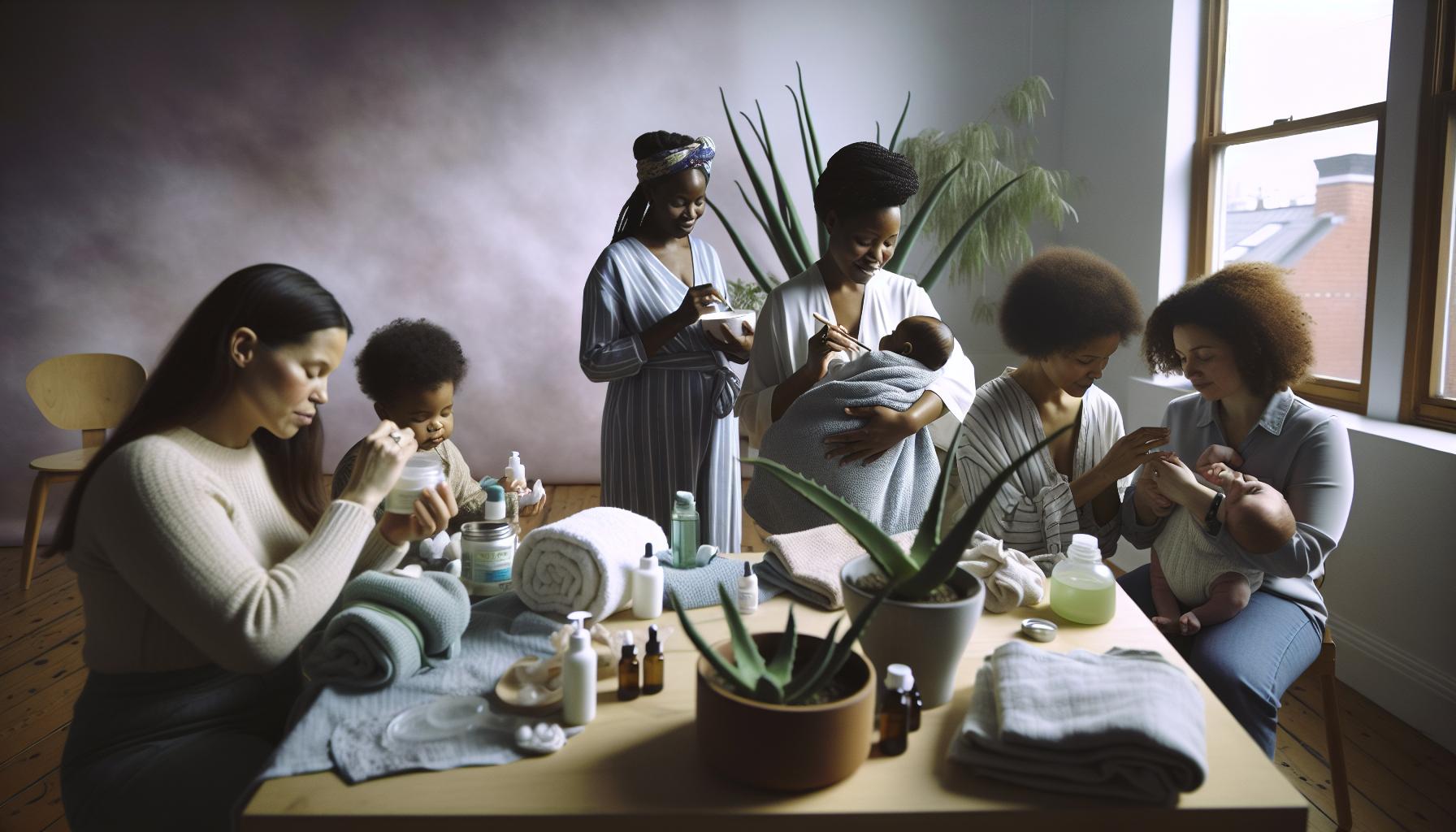
Caring for Your Skin Holistically While Nursing
Nurturing your skin during the breastfeeding months is both a gorgeous act of self-care and an important step toward honoring your body’s natural postpartum rhythms. Your skin might feel more sensitive or reactive due to hormonal shifts, so choosing gentle, non-toxic products and simple routines can soothe and restore without overwhelming your system. Many new moms find that embracing holistic skincare—rooted in nourishing ingredients and mindful habits—helps them feel connected and empowered during this tender phase, especially when considering cosmetic treatments like Botox. Remember, the goal isn’t perfection or rushing recovery, but creating a daily ritual that supports your skin’s health while respecting breastfeeding safety.
Gentle, Effective Skincare Rituals for Nursing Moms
Choosing products and remedies that complement lactation means avoiding harsh chemicals, strong acids, or unknown additives that could irritate your skin or transfer into breast milk in trace amounts. Emphasizing hydration and barrier repair is key—think simple cleansers, rich moisturizers, and sun protection. A favorite natural mask among moms is a homemade oatmeal soak: finely ground oats mixed with honey and plain yogurt soothe redness and dry patches. Here’s a quick recipe to try:
- 1/4 cup colloidal oatmeal (or finely ground oats)
- 1 teaspoon raw honey (antibacterial and moisturizing)
- 2 tablespoons plain yogurt (probiotics and gentle exfoliation)
Mix into a smooth paste and apply to clean skin for 10–15 minutes before rinsing with lukewarm water. Use weekly or as needed to calm irritation.
Herbal allies and Safety Tips
Many moms turn to herbal teas and topical infusions to enhance postpartum skin health while breastfeeding. Herbs like chamomile, rooibos, and red raspberry leaf are popular for their antioxidant and anti-inflammatory properties and are generally considered safe in moderate amounts during lactation. Always consult a trusted herbalist or your healthcare provider before introducing new herbs, especially topical essential oils, which require dilution and vigilance as some (like peppermint or rosemary) can affect milk supply or cause skin sensitivity.
For a simple calming tea blend, try:
- 1 teaspoon dried chamomile flowers
- 1 teaspoon rooibos leaves
- 1/2 teaspoon dried lemon balm
steep in hot water for 5–7 minutes and sip slowly, limiting intake to 1–2 cups daily to stay within safe herbal consumption guidelines.
Respecting Your Skin’s Timeline
postpartum skin changes—including increased sensitivity,dryness,or occasional breakouts—are common and usually temporary. Allow your skin time to rebalance and heal naturally, especially in the first months after birth when your body is adjusting to hormonal shifts. When you’re considering cosmetic treatments like Botox, timing is crucial; many experts and moms suggest waiting until milk supply is well established and any breastfeeding concerns feel settled, often around three months postpartum. Proceeding with small, informed steps ensures the best outcomes for both your skin and your baby’s wellbeing.
Above all, embrace kindness toward yourself. This season of new motherhood is complex and deeply transformative. Asking for support, sharing your experiences with other nursing moms, and tuning in to what your skin and body need will cultivate resilience and joy—not just in your postpartum skincare routine, but within your journey as a mother.
Signs to Watch After Botox During Breastfeeding
The body’s response after a Botox treatment can vary, so paying close attention to how you feel in the days and weeks following the procedure is especially critically important while breastfeeding. Because Botox is injected in tiny, precise doses localized to muscle areas, it generally does not circulate widely through the bloodstream or into breast milk. however, being mindful of subtle shifts or unexpected symptoms helps ensure your peace of mind and safety for both you and your baby.
Some signs to gently observe include localized reactions at the injection site. It’s normal to experience mild redness, swelling, or tenderness that settles within a few days. If you notice increasing pain, a rash, or a lingering bruise, gently care for the area with cool compresses and keep your provider informed. Even though rare, there is a small chance of muscle weakness spreading beyond the treated areas; watch for any unusual drooping in your face, difficulty swallowing, or changes in your voice, and seek prompt medical advice if these occur.
beyond physical symptoms, new moms can experience emotional or hormonal fluctuations postpartum that may become more noticeable after Botox. Fatigue,mood shifts,or feelings of anxiety can sometimes overlap or be confused with treatment side effects. Trust your intuition, lean on your support circle, and don’t hesitate to discuss these experiences openly with your healthcare provider. Remember, every person and breastfeeding journey is unique; what feels manageable for one mom may be different for another.
Practical Tips for Monitoring Post-Botox Signs
- Keep a simple daily journal: Note any changes in skin sensation, mood, or baby feeding patterns.
- Stay well hydrated and nourished: Supporting your body with gentle nourishment aids natural healing.
- Communicate openly: Share your Botox plan and any concerns with both your lactation consultant and provider.
- Limit exposure to irritants: Avoid harsh skincare products or heavy makeup on treated areas until fully healed.
Trusting the healing process and honoring your postpartum body’s signals can transform this phase into a time of gentle empowerment. In the rare case of concerning signs, early communication and care make all the difference. Botox, when managed thoughtfully and with professional guidance, can be part of your self-care without compromising your nursing journey.
Creating a Safe Postpartum Beauty Routine
Beauty routines after having a baby aren’t about rushing to “bounce back” but about honoring your body’s amazing work and embracing gentle self-care that supports both your skin and your well-being during this transformative time. Especially when considering treatments like Botox while breastfeeding, it’s essential to create a routine that feels safe, nurturing, and tailored to your unique postpartum experience. The key is blending science-backed safety with holistic practices that calm, repair, and rejuvenate your skin without overwhelming your senses or your schedule.Start by simplifying and slowing down your skincare ritual. Choose mild, fragrance-free cleansers and moisturizers rich in natural, hydrating ingredients like aloe vera, chamomile, and shea butter to soothe any postpartum skin sensitivity or dryness. Protect your skin daily with a broad-spectrum, mineral-based sunscreen—sun damage can be sneakier during hormonal shifts. if you’re using Botox or any cosmetic treatment, avoid applying harsh exfoliants or retinoids around the treated areas until fully healed, as these can irritate or prolong sensitivity. Nourishing from the inside out matters too. hydrating herbal teas such as red raspberry leaf or nettle can support skin vitality and postpartum recovery—but do consult your healthcare provider or lactation consultant to ensure these herbs suit your breastfeeding journey.
Tips for a Balanced, Safe Postpartum Beauty Routine
- Respect your skin’s current needs: Postpartum skin can be unpredictable due to hormonal fluctuations.Be gentle and responsive rather than pushing harsh treatments.
- Integrate calming rituals: Incorporate simple practices like a warm facial steam with calendula or chamomile flowers to boost circulation and relaxation.
- Stay hydrated and nourished: Keep nutrient-rich foods and fluids flowing—a colorful,whole-food diet supports skin and milk production alike.
- Consult trusted professionals: Before any cosmetic procedures,have open conversations with your provider about timing,safety,and alternatives.
- Make space for emotional self-care: Postpartum is a time of deep emotional shifts—massage, meditation, or gentle yoga can help balance your inner and outer well-being.
Remember, there is no “one size fits all” in postpartum beauty. Some moms find comfort in customary remedies passed down through generations, while others embrace modern clinical treatments. What matters most is how you feel in your skin and your heart, trusting that taking small, thoughtful steps equips you to shine authentically as a new mother.
Expert Tips for Balancing Self-Care with New Motherhood
Many new mothers find themselves navigating a delicate dance—balancing the demands of newborn care with a yearning for personal self-care. It’s critically important to know that caring for yourself is not a luxury but a necessity, especially when considering cosmetic treatments like Botox while nursing. Although Botox Cosmetic is primarily a localized treatment with minimal systemic absorption, current evidence suggests it is generally low risk during breastfeeding; still, timing and informed decisions matter deeply. Prioritizing your well-being through thoughtful self-care creates the foundation to nurture your baby while honoring your own healing process.
Allowing ample space in your routine for gentle, intentional care is key. Start by embracing simple moments just for you—whether it’s a five-minute facial massage using nourishing oils safe for postpartum skin or sipping a calming herbal tea blend featuring red raspberry leaf and chamomile that support both hydration and emotional balance. these small rituals foster connection to your body and mind without the pressure of “bouncing back.” Remember, every mother’s postpartum journey is unique; listen softly to your body’s cues and honor its needs on each day.
Strategies for careful Timing and Communication
- Discuss your plans openly: Before scheduling Botox,have a frank conversation with your healthcare provider about your breastfeeding goals and any medical considerations. Transparency helps tailor safe timing and dosage.
- Wait for the optimal window: If you choose Botox, some moms opt to wait until exclusive breastfeeding is well-established, or until their baby reaches around 3-6 months, when milk supply and feeding routines stabilize.
- Keep treatments minimal and targeted: Using the lowest effective dose in localized facial areas reduces systemic exposure and enhances safety.
- Maintain gentle skin care: Avoid harsh exfoliants or retinoids near treated areas; instead, nourish your skin with soothing ingredients like aloe vera and shea butter.
Embracing Emotional and Physical Self-Care Together
Postpartum is a powerful emotional landscape. Incorporate practices like meditation, gentle yoga, or journaling to process your thoughts and feelings without judgment.These rituals can alleviate stress, supporting both mood and skin health. Incorporate nutrient-dense meals rich in antioxidants and omega-3 fatty acids—think salmon, walnuts, and colorful veggies—that nourish body and milk. Hydration remains essential, so keep your water intake steady, especially if you’re managing new feeding demands.
Every mother weaves her unique story, blending tradition and modern wisdom. Some find solace in cultural postpartum remedies such as herbal compresses or restorative soups,while others lean into clinical approaches like Botox with professional guidance. Whatever path you choose,embracing patience and self-compassion empowers you to care for your skin and soul throughout this transformative season.
| Self-Care Element | Practical Tips | Considerations |
|---|---|---|
| Skin Nourishment | Use fragrance-free moisturizers with aloe vera, chamomile, shea butter. | Avoid irritants like retinoids near Botox-treated areas until healed. |
| Nutrition | Incorporate omega-3 rich foods, colorful fruits, and veggies. | Consult providers for herbal teas or supplements during lactation. |
| Emotional Wellness | practice meditation, journaling, gentle yoga. | Allow flexibility to follow your mood and energy levels. |
| Botox Timing | Discuss with provider; consider waiting 3-6 months postpartum. | Use minimal doses and monitor responses carefully. |
By embracing these balanced strategies, mothers can weave safety, self-love, and evidence-informed choices into their postpartum journeys. Remember, your well-being enriches your ability to nurture your baby—and that’s the most beautiful form of self-care there is.
Q&A
Q: Can Botox affect breast milk production during breastfeeding?
A: Botox has not been shown to affect breast milk production. As it effectively works locally with minimal systemic absorption, it does not interfere with lactation hormones or milk supply. For personalized guidance, consult your healthcare provider and review our section on How Botox Works and Its Impact on Breastfeeding for detailed information.
Q: How long should I wait after Botox before resuming breastfeeding?
A: There is no official wait time since Botox’s systemic absorption is minimal. Most experts consider it safe to breastfeed promptly after treatment, but if concerned, you might wait 24-48 hours as a precaution. see Timing Botox Treatments Safely Postpartum for tailored advice and comfort strategies.
Q: Is Botox safer than other cosmetic injectables during breastfeeding?
A: Botox is generally considered safe compared to some injectables as it doesn’t circulate extensively in the bloodstream. However,safety depends on the specific product and dosage.Discuss all cosmetic options with your provider to choose the best fit during nursing, especially reviewing our article’s guidance on Medical Research on Botox Safety during Lactation.
Q: Can botox spread toxin effects to the baby through breast milk?
A: Botox’s molecular size prevents it from entering breast milk, so the risk of toxin spread to the baby is extremely low to none. If you notice any unusual symptoms in your baby post-treatment, consult your pediatrician promptly. Learn more in potential Risks and Side Effects for Baby and Mom.
Q: Are there natural cosmetic alternatives safe for breastfeeding moms rather of Botox?
A: Yes,natural remedies like facial massage,herbal skincare,and hydrating masks are safer options during breastfeeding. These support skin health without chemical risks. explore recipes and tips in Natural Alternatives to Botox for Postpartum Self-Care for gentle,effective self-care ideas.
Q: What signs should breastfeeding moms watch for after receiving Botox?
A: Watch for redness, swelling, muscle weakness, or allergic reactions at injection sites, and any changes in baby’s feeding or behaviour. Promptly report concerns to your healthcare provider. Our article section Signs to Watch After Botox During breastfeeding offers a clear checklist for peace of mind.
Q: How can I discuss Botox safety with my healthcare provider while breastfeeding?
A: Be open about your cosmetic goals and nursing status. Ask about evidence, timing, and alternatives. Bring questions from How to Talk to Your Healthcare Provider About Botox to ensure a supportive, informed conversation tailored to your needs.
Q: Does Botox impact the quality or taste of breast milk?
A: Botox does not affect the quality or taste of breast milk as it does not enter the milk or bloodstream in significant amounts. Your baby’s feeding experience should remain unchanged. For more gentle reassurance, refer to Medical Research on Botox Safety During Lactation.
For more insights and mom-friendly tips, explore our full guide sections, and remember, every mother’s journey is unique—choose what feels safest and most nurturing for you and your baby.
future Outlook
Navigating the safety of Botox while breastfeeding can feel overwhelming, but understanding its timing and effects helps you make confident choices for both you and your little one.Remember, while current evidence suggests minimal risk, every mother’s body and breastfeeding journey are unique. If you’re considering Botox, consulting with your healthcare provider ensures personalized guidance that respects your postpartum phase and lactation needs.
For more nurturing self-care insights, explore our guides on postpartum skin care routines and gentle natural remedies safe during breastfeeding. Signing up for our newsletter brings expert tips, real-mom stories, and holistic beauty recipes right to your inbox—designed to support your wellness journey without pressure or judgment. If you have questions or experiences to share, please join our community discussion below; your voice may inspire and comfort other moms.
Empower yourself with trusted knowledge and gentle care—because feeling good, safe, and supported matters most during motherhood’s beautiful, complex phases. Keep exploring our resources to embrace holistic postpartum wellness and confident cosmetic choices tailored just for you.


 STRUGGLING READER TRANSFORMED