
Best Nipple Cream for Breastfeeding: Top Soothing Solutions
Breastfeeding is a stunning journey, yet it often comes with challenges like sore or cracked nipples that can make feeding feel tough. The best nipple creams offer gentle,effective relief—soothing discomfort and protecting delicate skin—helping you nurture your little one with greater comfort. Choosing a safe, nourishing cream supports healing and creates a smoother breastfeeding experience, encouraging you to confidently care for yourself and your baby.Every mom’s skin is unique, and finding the right cream can transform those tender moments. In this guide, we’ll explore top soothing solutions that blend evidence-based care with natural ingredients, honoring your body’s healing process while respecting diverse preferences. whether you’re fresh into motherhood or continuing your feeding journey, these nurturing options aim to ease discomfort and empower your self-care, so you can focus on the joy of bonding with your baby—comfortably and confidently.
Contents
- Understanding Nipple Pain and Healing During Breastfeeding
- Key Ingredients in Soothing Nipple Creams Explained
- How to Safely Choose the Best Nipple Cream for you
- Step-by-Step Guide to Applying Nipple Cream Effectively
- DIY Natural Nipple Cream recipes for Sensitive Skin
- When to Use Medicinal or Prescription Nipple Ointments
- Common Allergens and Irritants to Avoid in Nipple Care
- Expert Tips for Preventing nipple Damage and Discomfort
- Real Mom Stories: Finding Relief with Different Creams
- Balancing Holistic Traditions with Evidence-Based Care
- Caring for Your Nipples Through Postpartum and Weaning
- How Breastfeeding Stage Impacts Nipple Care Needs
- Faq
- Q: How can I tell if a nipple cream is safe to use while breastfeeding? A: A nipple cream is safe if it’s non-toxic, fragrance-free, and approved for breastfeeding use. look for products made with natural ingredients like lanolin or plant-based oils and check labels for breastfeeding-safe certification. Always review ingredient lists carefully and consult your healthcare provider if unsure. for more on choosing safely, see our section on How to Safely Choose the Best Nipple Cream for You. Q: Why choose lanolin-based nipple cream over plant-based alternatives? A: Lanolin is highly effective at deep moisturizing and protecting cracked nipples during early breastfeeding stages. It’s hypoallergenic and blends naturally with skin oils, making it a popular choice.However, some moms prefer plant-based creams for sensitive skin or vegan-friendly options. compare benefits to find your best fit without irritation.Learn more in Key Ingredients in Soothing Nipple Creams Explained. Q: How often should I apply nipple cream to soothe breastfeeding pain?
- Q: What are the signs I should switch to a prescription nipple ointment?
- Q: Can nipple creams help prevent nipple soreness before it starts? A: Yes, using a gentle, soothing nipple cream proactively can reduce friction and dryness, lowering soreness risk. Apply cream especially in the first weeks postpartum when skin is most vulnerable. Combining creams with good latch techniques prevents damage. Explore Expert Tips for Preventing Nipple Damage and Discomfort for prevention strategies. Q: How do I choose the best nipple cream if I have sensitive or allergy-prone skin?
- Q: Are there any nipple creams safe to use during both breastfeeding and pumping?
- Q: What natural ingredients should I look for in a nipple cream for healing and soothing?
- Wrapping Up
Understanding Nipple Pain and Healing During Breastfeeding
Many new mothers are surprised by the intensity of nipple discomfort during the first days or weeks of breastfeeding. This tenderness is frequently enough a sign that your body is adapting to the new demands of lactation, but it can also indicate irritation from latch issues, dryness, or minor cracks in the delicate nipple skin. Understanding that some nipple soreness is common helps soften the emotional challenges—remember, your body is working hard to nourish your baby, and healing is a gradual, gentle process.
Nipple pain frequently enough arises from friction or improper positioning, leading to tiny breaks in the skin that can feel raw or cracked. These micro-injuries create a natural pathway for inflammation and sometimes infection if not cared for properly. It’s crucial to remember that healthy skin is your first line of defense: keeping nipples moisturized and protected supports faster healing while encouraging continued breastfeeding without pain.Many mothers tell me that simple shifts in latch or feeding position, combined with consistent use of soothing creams or balms, dramatically improve comfort within days.
Understanding the Healing Journey
Healing takes time because nipples undergo repetitive stress with each feeding. The skin’s outer layer—the epidermis—needs hydration and a calm environment to rebuild. Simultaneously occurring, breastfeeding creates moisture and warmth, which can be both healing and challenging. Overly dry skin tends to crack; overly moist skin can become soft and prone to irritation. This delicate balance means nipple care requires both nourishment and protection.
- Light soreness: Normal as nipples soften and adjust to feeding.
- Cracked or bleeding skin: A signal to pause and protect, possibly seek support to adjust latch.
- Sharp, burning pain: may indicate infection such as thrush; requires prompt medical attention.
pay attention to your body’s cues and respond with kindness and patience. Using non-irritating, breastfeeding-safe nipple creams can create a nurturing barrier that encourages skin repair, soothes discomfort, and helps prevent further damage.Your nipples are your body’s hard-working allies in this feeding journey—treat them gently and give yourself grace as they heal and strengthen.
By framing nipple pain as an expected but manageable part of learning to breastfeed, you empower yourself to find solutions that respect your body’s natural rhythm. Combining practical adjustments with calming, protective care supports both physical healing and emotional well-being, helping you continue your breastfeeding journey with confidence and comfort.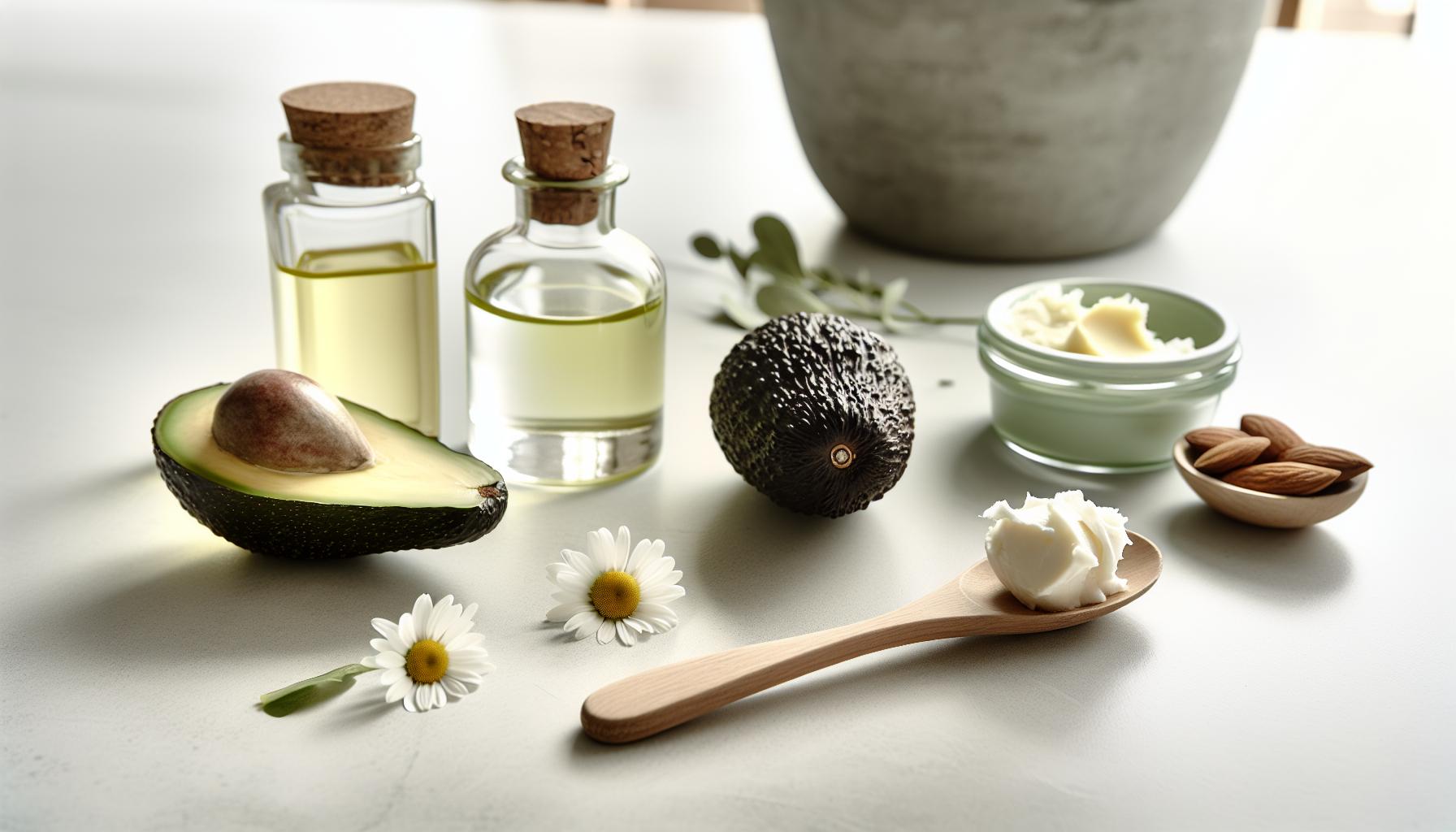
Key Ingredients in Soothing Nipple Creams Explained
Many breastfeeding mothers find that the right nipple cream can transform discomfort into gentle relief, supporting both healing and continued nursing. The magic lies in the ingredients—each component works in harmony to soothe delicate skin, lock in moisture, and protect against further irritation. Knowing what to look for empowers you to choose a product that nurtures not only your nipples but also your confidence and comfort during this tender postpartum phase.
- Lanolin is a time-honored favorite. Derived from sheep’s wool, this natural wax creates a breathable barrier that seals in moisture without clogging pores. Its skin-mimicking properties help repair cracked nipples, making it especially effective after those first challenging weeks of latch adjustment. Lanolin is generally safe to use directly before breastfeeding, but if you or your baby have a wool allergy, opt for alternatives.
- Beeswax adds a protective, emollient layer that soothes pain while shielding skin from friction. Rich in natural antibacterial qualities, it supports healing by defending against infection, a common risk when delicate nipple skin is broken.
- Shea Butter brings deep hydration and nourishment. Extracted from African shea nuts, it’s packed with vitamins A and E, vital for skin repair and elasticity. Shea butter melts on contact and absorbs smoothly without leaving a greasy residue — ideal if you prefer a non-sticky feeling.
- Olive Oil, frequently enough found in natural blends, provides gentle moisturizing benefits and antioxidants that calm inflammation. Its light texture helps restore skin balance while being safe for moms and babies alike.
- Calendula Extract is celebrated for its anti-inflammatory and soothing abilities. A staple in many organic nipple remedies, calendula encourages gentle healing and comfort alongside breastfeeding.
- Coconut Oil offers antimicrobial and moisturizing effects and is celebrated in many cultural traditions.However,some infants with sensitive skin might react,so patch testing first is wise.
Ingredients to Approach With Caution
While many natural oils and butters offer safe relief, be mindful of added fragrances, preservatives, or artificial dyes, which can trigger irritation. Organic creams with minimal, simple ingredient lists often provide the safest option, especially if sensitivities or allergies run in your family. Lanolin creams, such as those recommended by experts and tested institutes, balance traditional soothing with proven safety, but always watch your body’s responses and consult healthcare providers if unsure [[1]](https://www.goodhousekeeping.com/uk/product-reviews/parenting/g65111385/best-nipple-creams/) [[2]](https://www.healthline.com/health/breastfeeding/best-nipple-creams).
When choosing your cream, remember: the goal is to maintain optimal moisture, protect tender skin, and foster healing without introducing anything harsh or overwhelming. What worked wonderfully for one mom might not suit another, and that’s perfectly okay.Your breastfeeding journey is your own, deserving gentle care and informed choices every step of the way.
How to Safely Choose the Best Nipple Cream for you
Choosing a nipple cream can feel overwhelming with so many options promising comfort and healing, but the safest choice is one that gently supports your body’s natural ability to repair while respecting your baby’s health. Since breastfeeding nipples are incredibly sensitive and often cracked or tender in the early weeks, it’s essential to prioritize creams made with simple, non-toxic ingredients that are proven safe to use while nursing. Remember,what you apply is likely to come into contact with your baby’s skin and even be ingested in small amounts,so selecting a cream free of fragrances,artificial dyes,parabens,and harsh preservatives is key.
Many experienced moms find lanolin-based creams to be a reliable staple due to lanolin’s close similarity to human skin oils. Tho, if you or your baby have known allergies to wool or lanolin, there are gentle organic plant-based options enriched with soothing butters and oils like shea butter, calendula extract, and olive oil. These ingredients not only moisturize deeply but also offer natural anti-inflammatory and antimicrobial properties without heavy residue. Before fully committing to a new cream, patch testing a small amount on your skin can definitely help avoid unexpected sensitivities.
What to Look for When Selecting Your Cream
- Ingredient Transparency: Choose creams that list all ingredients clearly. Avoid those with vague terms like “fragrance” or “parfum.”
- Breastfeeding Safety: Ensure the product is labeled safe for direct nipple application before feeding, so you don’t have to wipe it off every time.
- Hypoallergenic Formulas: Especially critically important if you or your baby have sensitive skin or eczema history.
- Texture and Absorption: Pick creams that absorb well without leaving greasy or heavy films that can trap bacteria or irritate.
- Natural vs. Medicinal: For everyday comfort, organic and natural creams often suffice. Save prescription options for severe issues after consulting your healthcare provider.
Every breastfeeding journey is unique, and your nipple care routine can be tailored to how your body responds. Some moms prefer the convenience of creams like Earth Mama Organic Nipple Butter, praised for its soothing ingredients and certification for postpartum use, while others find relief from trusted brands with lanolin or beeswax blends [[1]](https://www.forbes.com/sites/forbes-personal-shopper/article/best-nipple-cream/) [[2]](https://www.healthline.com/health/breastfeeding/best-nipple-creams). Above all,trust your intuition and feel encouraged to seek support from lactation consultants or community moms’ groups to share tips and preferences. Your comfort matters just as much as your baby’s feeding,and the right cream can nurture both.
Step-by-Step Guide to Applying Nipple Cream Effectively
Applying nipple cream may seem straightforward,but doing it with care and intentional technique can make a meaningful difference in comfort and healing. As your nipples are delicate and frequently enough tender during breastfeeding, gentle and thoughtful application encourages soothing relief without irritation. This ritual becomes a small moment of self-kindness, affirming your body’s resiliency and honoring the challenges of feeding your baby.
Begin by washing your hands thoroughly with warm water and mild soap—clean hands prevent introducing bacteria into tender skin. Before applying the cream, ensure your nipples are clean but dry; gently pat the area with a soft cloth if needed. If possible, apply the cream right after breastfeeding or pumping when the skin is freshest and most receptive, allowing the nourishing ingredients to absorb fully. Be patient: some creams need a few minutes to sink in—this also helps avoid transferring excess cream to clothing or your baby’s mouth.
methodical Steps for Best Results
- Use a small amount: A pea-sized amount per nipple is usually enough.Excess cream can feel greasy and less breathable.
- Warm the cream: Rub the cream between your fingertips to soften it. Warmth helps it spread evenly without tugging.
- Gentle application: Use soft, circular motions to massage the cream onto your nipple and areola. Avoid rubbing vigorously to prevent aggravating sensitive skin.
- Don’t forget the surrounding skin: The area around the nipple frequently enough suffers dryness or micro-tears too. Extending application slightly beyond the nipple can aid overall skin health.
- Allow air-drying: Let the cream absorb naturally before covering with clothing or nursing pads to avoid moisture buildup that can foster irritation.
- Apply regularly: Consistency is key. Reapply after every feeding or pumping session to maintain skin hydration and protection.
Many moms find that integrating this care routine into their feeding rhythm creates a calming pause amid busy days. For example, one mother shared that applying a lanolin-based balm right after nursing not only eased soreness but became her “little moment of grounding,” reminding her to breathe and honor her body’s hard work. If you find certain textures too sticky or heavy, experimenting with different creams or switching to plant-based options with calendula or shea butter might feel more comfortable. always remember, your nipple care routine is uniquely yours—feel encouraged to adapt timing and methods in ways that soothe you best.
Additional Tips for Effective Use
| Tip | Why It Matters |
|---|---|
| patch test new cream | Prevents allergic reactions; tests for irritation before full use |
| Use creams labeled safe for feeding | Ensures no harmful ingestion by baby; no need to wipe off before nursing |
| Apply after gentle breast cleaning | Removes milk residue that can dry or cause discomfort |
| Store cream in cool, dry place | Maintains product stability and potency |
| Listen to your body | Adjust cream type or application frequency based on healing progress |
By approaching nipple cream application as an act of mindful self-care, you weave small acts of nurture into your breastfeeding experience. Your comfort and healing are vital—not just for continuing to feed your baby but for honoring the beautiful, complex changes your body is undergoing. Trust your instincts, be gentle with yourself, and celebrate each day of nourishment shared between you and your little one.
DIY Natural Nipple Cream recipes for Sensitive Skin
Nurturing your skin with natural ingredients can bring gentle relief to sensitive nipples during breastfeeding. many moms find comfort in crafting their own creams at home, where they control exactly what touches their delicate skin. Natural oils and butters frequently enough mimic the skin’s own lipids, promoting healing without heaviness or irritation. These homemade options frequently include soothing botanicals known from traditional wisdom, paired with safe, nourishing bases that support softness and moisture balance.
When choosing ingredients, prioritize those with a calm, anti-inflammatory profile and hypoallergenic potential. Calendula-infused oil, shea butter, and beeswax create a creamy blend that melts on contact, locking in moisture while shielding the skin from friction. Cocoa butter adds a gentle richness and antioxidant boost. Coconut oil, with its mild antimicrobial properties, can offer extra protection but may feel greasy for some. Remember that essential oils, while fragrant and restorative, require careful dilution and patch testing—lavender and chamomile are commonly preferred for sensitive skin but less is more. If irritation arises, it’s okay to skip these potent additives and rely on pure oils and waxes alone.
Simple Soothing Nipple Cream Recipe
- ½ cup calendula-infused olive oil (soothes and supports skin repair)
- ½ cup organic shea butter (moisturizes deeply and softens)
- 2 ounces organic beeswax pellets (provides natural barrier protection)
- Optional: 5 drops lavender essential oil (promotes calmness; only if well-tolerated)
How to prepare:
- Gently melt the beeswax and shea butter together using a double boiler or a heat-safe bowl over simmering water, stirring occasionally until smooth.
- Remove from heat and slowly whisk in the calendula oil until fully blended.
- If using essential oil, add it now and stir well. Let the mixture cool slightly but before it solidifies, pour into a clean jar.
- Allow to set at room temperature until firm, then cap and store in a cool, dry place.
- Usage: Apply a pea-sized amount gently to clean,dry nipples after each feeding. This cream absorbs quickly yet leaves a protective layer that nurtures sensitive skin.
- Patch test first: Always test on a small area to check for any sensitivity or reaction before regular use.
many moms treasure the ritual of making and using their own nipple cream, feeling empowered by the knowledge of what’s in their care. One new mother shared that blending calendula oil into her cream connected her to a grandmother who used the flower for skin care, weaving family love into her healing journey. This blend’s simplicity honors your body’s natural rhythms and fosters gentle recovery without unnecessary additives.
Alternative Plant-Based Variations
| Ingredients | Benefits | Notes |
|---|---|---|
| Calendula-infused olive oil + cocoa butter + beeswax | Antioxidant-rich, moisturizes, protects through natural barrier | Great for very dry, cracked skin; cacao adds lovely texture |
| Coconut oil + shea butter + a touch of vitamin E oil | Antimicrobial, deeply nourishing, antioxidant boost | Lightweight; coconut sometimes not ideal for very oily skin |
| Olive oil infused with calendula + lanolin (pharma-grade) | Lanolin supports intense healing; olive oil softens | Choose lanolin if no allergy; balance with plant oils for texture |
Each blend provides a different feel and benefits, so trusting your own sensations is key. Sensitive skin can vary daily, influenced by subtle hormonal shifts postpartum or stress levels. Never hesitate to adjust your formula or take breaks if your skin needs air or extra hydration with simpler oils alone.
Above all, remember: healing takes time, and this small ritual of self-kindness honors more than just your skin—it nurtures your whole breastfeeding journey. Making and applying your own cream invites a soothing pause, inviting calm amidst the beautiful complexity of motherhood.
For more detailed recipes and variations,explore natural options here[[2]].
When to Use Medicinal or Prescription Nipple Ointments
Nipple soreness and cracking can be a tender, frustrating part of the breastfeeding journey—a challenge many moms face with a brave heart and gentle resolve. While natural creams and home remedies frequently enough bring soothing relief, there comes a time when medical-grade treatments provide essential support, especially if nipple pain intensifies, wounds appear deep, or infections develop. Recognizing when to reach for medicinal or prescription nipple ointments can protect healing, maintain breastfeeding comfort, and prevent complications.
Most breastfeeding-kind medicinal ointments are designed to promote faster skin repair, reduce inflammation, and combat bacterial or fungal infections. for example, lanolin-based ointments—widely regarded as a first-line remedy—offer a protective barrier while intensely moisturizing cracked nipples.Though,some situations require stronger approaches:
- Persistent or worsening pain despite home care: if discomfort continues beyond a few days of gentle,natural treatments,medical advice is critically important.
- Signs of infection: Redness, swelling, pus, or warmth around nipples may indicate bacterial or yeast infections such as mastitis or thrush, signalling the need for prescription antifungals or antibiotics.
- Deep skin fissures or bleeding: These can impair breastfeeding and increase infection risk; specialized ointments or creams containing antimicrobial agents or healing stimulants may be recommended.
- allergic reactions or irritant dermatitis: When irritation is caused by sensitivity to ingredients in creams or soaps, switching to hypoallergenic medicinal ointments can provide relief and allow skin to recover.
Medicinal Ointment Options and tips for Use
| Ointment | Purpose | Safe Use Tips |
|---|---|---|
| Pharmaceutical-grade lanolin | Soothes,moisturizes,forms protective seal | Apply thinly after feeds; no need to remove before nursing |
| Mupirocin (antibiotic ointment) | Fights bacterial infections | Use as prescribed; usually temporary |
| Clotrimazole or Nystatin (antifungal creams) | Treats yeast infections like thrush | Follow full course; cleanse area gently before use |
| Hydrocortisone (low-strength steroid cream) | Reduces inflammation from dermatitis (short-term) | Use sparingly and only when prescribed; avoid prolonged use |
Many experienced postpartum care providers recommend consulting a lactation consultant or healthcare professional before diving into medicinal ointments. This step ensures the correct diagnosis—whether it’s a simple skin irritation, an infection, or a more complex underlying issue—and a tailored treatment plan that preserves milk flow and nipple sensitivity. Also, some prescription ointments require careful timing, such as wiping off before feeding or limiting exposure to essential oils that might irritate.
Real-World Wisdom From Moms and midwives
A mom shared that after weeks of painful, cracked nipples that wouldn’t heal with homemade creams, her midwife gently suggested a pharmaceutical-grade lanolin ointment. Applying it after every feeding, she noticed soothing relief within days without interrupting breastfeeding. another mother’s thrush diagnosis meant using a prescribed antifungal cream alongside probiotics; this holistic pairing not only cleared infection but restored her confidence in nursing. These stories remind us: patience and support go hand in hand with effective care.
In the sacred rhythm of nurturing your baby and yourself, medicinal ointments serve as trusted allies when natural options are not enough. They honor the body’s healing process and protect breastfeeding’s precious bond. If you find yourself hesitating or struggling, remember—reaching out for professional guidance is a gentle act of self-care, empowering you on your unique mothering path.
Common Allergens and Irritants to Avoid in Nipple Care
Nipple skin during breastfeeding is incredibly sensitive and uniquely vulnerable to irritation. What many new moms discover is that some ingredients commonly found in skincare and nipple creams—though well-intentioned—can trigger allergic reactions or worsen soreness. This sensitivity isn’t just physical; emotionally,facing unexpected irritation while nurturing your baby can feel discouraging. Understanding which substances to avoid empowers you to protect the delicate skin of your nipples and maintain comfort through your breastfeeding journey.
- Fragrances and Synthetic Dyes: These are among the top offenders that can provoke redness, itching, or a burning sensation. Even “natural” scented products may contain essential oils or additives that irritate sensitive postpartum skin. Choose fragrance-free options whenever possible to minimize risk.
- parabens and Preservatives: Used to prolong shelf life, these chemicals can disrupt skin’s natural barrier and cause allergic dermatitis in some individuals. Though not everyone reacts, if you notice worsening discomfort after switching creams, checking labels for parabens is a smart step.
- Alcohols (Denatured or SD alcohol): Present in some nipple oils or sanitizing sprays, alcohols dry out skin and can delay healing. For nipples already cracked or chapped, this drying effect can create a vicious cycle of pain and irritation.
- Lanolin Allergies or Sensitivities: despite lanolin’s popularity as a soothing agent, some moms find they react to it with itching or rash.If lanolin creams cause discomfort, look for lanolin-free balms, such as those enriched with plant-based butters and oils.
- Essential Oils in Concentrated Forms: While many mothers turn to herbal remedies,caution with essential oils is key—they can be potent irritants on broken skin. Always dilute heavily or test a tiny patch first to avoid flare-ups.
Spotting Irritants Early and Choosing Wisely
Many moms share stories of trying popular soothing creams only to find themselves in a frustrating loop of worsening nipple sensitivity. One experienced mom-midwife encourages gentle observation: “If your nipples sting or burn right after applying a product, it’s your body’s way of saying ‘No thanks.’ Trust that instinct and try a simpler, purer cream.” A fragrance-free, hypoallergenic product with minimal ingredients is often best during early healing phases.Safety begins with reading labels carefully and opting for nipple creams specifically formulated for breastfeeding. These typically avoid harsh preservatives and focus on gentle, moisturizing ingredients like pharmaceutical-grade lanolin or natural butters. When exploring new products, limit usage to small amounts and observe how your skin responds over 24 hours.
Common Ingredients to Avoid in Nipple Creams
| Ingredient | Type of Reaction | Why to Avoid |
|---|---|---|
| Fragrances (synthetic or essential oils) | Redness, itching, burning | Can irritate sensitive or cracked skin, triggering dermatitis |
| Parabens (methylparaben, propylparaben) | Allergic dermatitis in sensitive individuals | disrupts skin barrier, potential hormone disruptors |
| Denatured alcohol (SD alcohol) | Dryness, increased cracking, delayed healing | Strips natural oils and moisture |
| Lanolin (if allergic) | Itching, rash | Common allergen despite soothing properties |
| Strong essential oils (e.g., peppermint, tea tree in high concentration) | Burning, irritation | Potent and can damage fragile skin if not properly diluted |
Gentle, intentional self-care nurtures your body and your spirit during breastfeeding’s tender phases. Always remember, your nipples are healing through one of life’s most intimate acts—trust your instincts, prioritize purity, and seek support when irritation persists. Your comfort matters deeply, for you and your baby alike.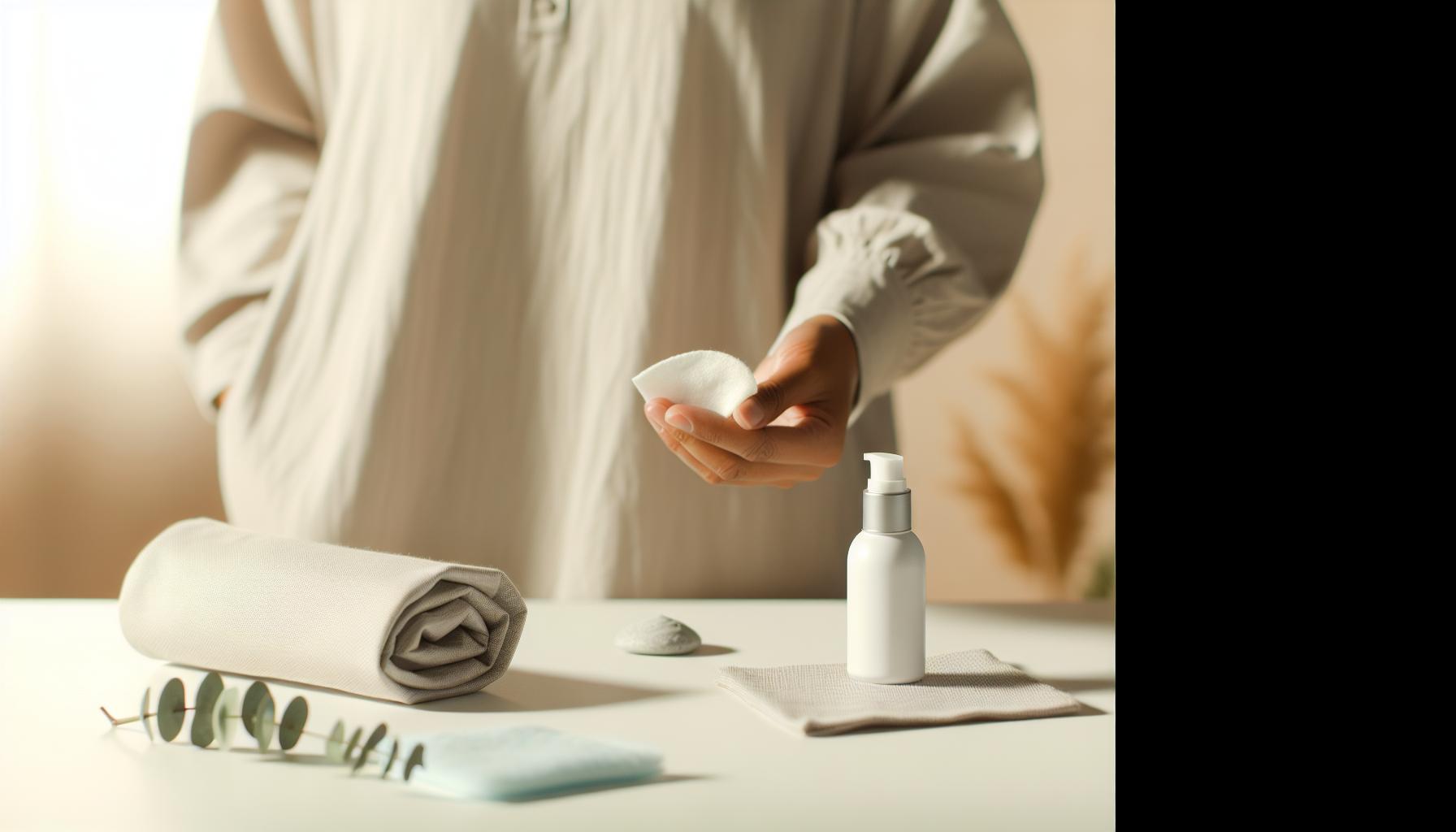
Expert Tips for Preventing nipple Damage and Discomfort
Few things impact a breastfeeding experience as profoundly as nipple discomfort. Yet,gentle preventive care can protect these tender areas before soreness begins,making your feeding journey more joyful and less stressful. The trick lies not only in choosing the right nipple cream but also in adopting daily habits that honor your body’s natural rhythms and resilience.
Start with mindful latch and positioning—two subtle but powerful factors. A well-positioned baby takes less skin and more breast tissue,reducing friction and the risk of cracks. It’s perfectly okay to seek support from lactation consultants or experienced moms to find the best hold for you and baby. Keep your nipples dry between feeds as trapped moisture can invite irritation or infection. Using soft, breathable nursing pads instead of plastic-backed ones helps air circulation, easing moisture buildup.
- Rotate feeding positions: Encourage your baby to nurse from different angles to avoid constant pressure on the same nipple spots.
- Wear natural fabrics close to the skin: Cotton or bamboo nursing bras and tops reduce irritation from sweat and synthetic fibers.
- Express a few drops of breast milk: Gently rub it around the nipple post-feed. breast milk’s natural antibodies and moisturizers help soothe and protect skin.
- Use a barrier cream proactively: Apply a thin layer of a pure,breastfeeding-safe nipple cream before and after feeds to lock in moisture and provide a protective shield.
- Take breaks during longer feeds: If your nipples start feeling raw or overly sensitive, pause and comfort your breast with cool compresses or rest time before resuming.
- Stay hydrated and balance nutrition: Your skin heals best when you’re fully nourished—drink plenty of water and include foods rich in vitamin E and zinc.
These measures might seem simple yet can dramatically reduce the likelihood of damage. One mom shared, “I started applying a pea-sized amount of lanolin-based nipple cream right after every feed and noticed my nipples stayed soft, even when baby was nursing frequently.” If lanolin isn’t tolerated, plant-based alternatives like calendula or shea butter balms can be equally nurturing without irritation.
When to Listen to Your Body — and When to Adjust
Discomfort is your body’s prompt to slow down or shift course. If soreness flares up despite prevention efforts, check if baby’s latch has changed, or if any new creams or soaps might be irritating. Remember, patience and small adjustments are your allies.Culturally, many mothers use warm olive oil compresses or herbal infusions like chamomile for their calming properties—always safe these are used externally and diluted appropriately after checking with a healthcare provider.Keeping a small care kit handy—soft breast pads, your preferred nipple balm, and a clean nursing scarf—can turn moments of discomfort into opportunities for tenderness and healing. Respecting your unique body, honoring your feeding path, and practicing consistent gentle care helps not just the skin, but your emotional well-being during postpartum’s vulnerable days. Your nipples are part of a profound journey—treat them with kindness as they nurture life.
For further reading on safe and soothing nipple creams tested and loved by many mothers, options like Motherlove Nipple Cream or Weleda nipple Balm are highly recommended for their gentle, effective formulas that support healing without harsh additives [[2]](https://www.babygearlab.com/topics/nursing-feeding/best-nipple-cream), [[3]](https://www.allure.com/story/best-nipple-creams).
Real Mom Stories: Finding Relief with Different Creams
Many mothers find that the journey through nipple soreness and healing is deeply personal, with no one-size-fits-all solution. One mom shared that she struggled for weeks with cracked,painful nipples until she discovered a lanolin-based cream recommended by her lactation consultant. Applying it immediately after every feed, she noticed her sore skin softened considerably within days. However, another mother found lanolin irritating and switched to a calendula-infused balm, which soothed her sensitive skin without causing redness or itching. these experiences highlight how tuning in to your body’s signals can guide you toward the best options.
For moms leaning toward plant-based or allergen-free alternatives, there’s comfort in knowing effective creams like those containing shea butter or aloe vera are not just gentle but deeply nourishing. One breastfeeding mom explained, “I was hesitant to try commercial creams because of past sensitivities. A friend recommended a vegan nipple balm with chamomile and vitamin E, and it quickly became my go-to. It gave me relief at night,helping me get restful sleep without waking up to pain.” Such stories remind us that ingredient choice matters—and that holistic, safe formulas can blend well with evidence-based approaches to care.
Practical Tips from Real Moms
- Consistency is key: Applying nipple cream after every feed, while the skin is still slightly damp, locks in moisture and speeds healing.
- keep it simple: Several moms found that products with minimal, natural ingredients minimize allergic reactions and maintain breast milk safety.
- Patch test new creams: Testing a small skin area first helps prevent surprises, especially for moms with sensitive or eczema-prone skin.
- Alternative remedies: Some have found relief in natural oils like coconut or olive oil, applied sparingly, though it’s important to ensure they are food-grade and pure.
These voices underscore how individual needs and preferences shape healing journeys. Remember, what works wonderfully for one mom might feel different for another—allow yourself grace and versatility. Supporting your nipples gently while celebrating the small wins can transform even challenging moments into empowered, nurturing care. For many, connecting with other breastfeeding parents to exchange tips and encouragement creates an invaluable community of healing and solidarity.
Balancing Holistic Traditions with Evidence-Based Care
Breastfeeding is a beautiful dance of intuition and care, where many moms find themselves walking the delicate line between honoring long-standing healing traditions and embracing modern medical wisdom.While ancestral remedies like herbal balms and plant-based oils bring soothing comfort and valuable nourishment, it’s equally important to ground our choices in safety and proven effectiveness. This harmony ensures that nipple care is gentle, nurturing, and fully supportive of both mother and baby through every breastfeeding stage.
many traditional ingredients—such as calendula,chamomile,shea butter,and lanolin—offer comforting,natural relief and have been used across cultures for generations. These components often carry antioxidant and anti-inflammatory properties that can aid healing and moisturize tender skin. Such as,calendula-infused oils are widely appreciated for their ability to calm irritation without harsh additives. Yet, it remains essential to balance such natural remedies with knowledge about allergies, breastfeeding safety, and the potential for contamination from unregulated herbal products. Always choosing high-quality,food-grade,organic options and,when possible,consulting a lactation consultant or healthcare provider helps navigate these nuances with confidence.
Practical Ways to Blend Tradition with Evidence-Based Care
- Start with safety: Use only nipple creams certified safe for breastfeeding—this usually means they contain no harmful chemicals, fragrances, or preservatives.
- Patch test natural ingredients: Even trusted herbs like chamomile and calendula can cause sensitivities. Test a small area before full application to ensure your skin responds well.
- Favor universally recognized healing ingredients: Food-grade lanolin and cold-pressed shea butter are excellent examples, blending proven skin repair with a natural profile.
- Complement topical care with gentle practices: Proper latch,air-drying nipples when possible,and frequent breastfeeding sessions support healing and prevent cracking better than creams alone.
- Listen to your body: Moms in online communities often share how switching from one balm to another—say from lanolin to a vegan balm with vitamin E—made a big difference for their unique sensitivities.
In essence, caregiving choices during this tender season are deeply personal.Honoring cultural wisdom enriches the postpartum journey, while evidence-based care ensures safety and healing. Taking small, thoughtful steps to blend both can make nipple care a soothing ritual, nurturing your confidence as much as your skin.
Simple DIY soothing Balm for Sensitive Nipples
Here’s a gentle balm combining nature’s best and easy-to-source ingredients. It’s crafted for moms who want to embrace holistic healing while keeping safety front and center.
| Ingredient | Purpose | Amount |
|---|---|---|
| Shea Butter (organic, unrefined) | Moisturizer, skin barrier repair | 2 tbsp |
| Coconut Oil (virgin, food-grade) | Antibacterial, soothing | 1 tbsp |
| Calendula-Infused Oil | Anti-inflammatory, healing | 1 tbsp |
| Vitamin E Oil | Antioxidant, skin repair | 5 drops |
Preparation Steps
- Gently melt the shea butter and coconut oil together in a double boiler over low heat.
- Remove from heat and stir in the calendula-infused oil and vitamin E drops.
- Pour into a small, clean jar and let cool until firm.
- Use a small amount on nipples after breastfeeding, ideally while skin is still moist for better absorption.
This balm is preservative-free and safe to ingest in minute amounts, making it perfect for nurturing sensitive skin without disrupting your baby’s delicate system. Remember, each mom’s experience is unique, and sometimes a little trial and error helps find the ideal care blend. Above all, give yourself kindness as you explore what feels best for your body and your breastfeeding journey.
Caring for Your Nipples Through Postpartum and Weaning
Many new mothers find that caring for their nipples is a shifting journey—from the intensity of early postpartum healing to the gradual changes as breastfeeding tapers off during weaning. Your nipples are a delicate landscape, adapting to hormonal shifts, feeding frequency, and physical contact. This means your self-care routine will need to evolve gently alongside these changes, always prioritizing soothing relief and skin restoration.
In the early postpartum weeks, nipples often experience soreness, dryness, or cracking due to frequent feeding and the baby’s latch adjustments. This is the time to use deeply nourishing, safe nipple creams that protect and promote healing without interfering with your baby’s feeding. Ingredients like lanolin, shea butter, and calendula offer a soft shield while calming inflammation.Applying creams immediately after feeds while your skin is still moist helps seal in moisture, enhancing repair. Many moms find cooling gels beneficial here, especially those with natural extracts. But as healing progresses, your nipples will respond best to lighter formulations that maintain balance without trapping moisture or causing buildup.
As your nursing relationship changes during weaning, your nipple care can shift toward supporting skin normalization and comfort. Reduced feeding frequency often means less natural lubrication from milk, so gentle moisturizing remains essential to prevent dryness or cracking. At this stage, some moms explore herbal balms or oils aligned with holistic traditions—like chamomile-infused creams or vitamin E blends—to nurture their skin’s resilience. Though,always observe how your skin reacts and avoid strong fragrances or irritants that might disrupt sensitive post-lactation skin. Listening to your body is key.
Tips for Gentle Nipple Care Through Postpartum and Weaning
- Maintain hygiene without over-washing: Use warm water only and avoid harsh soaps that strip natural oils.
- Choose nipple creams safe for feeding times: Look for products labeled “taste-safe” or food-grade to ensure your baby’s safety.
- Adjust cream consistency as healing advances: Start with richer ointments early; transition to lighter balms or oils as skin toughens.
- Consider evening care routines: Applying a slightly richer balm at night can help repair any microtears while you rest.
- Adapt care based on your feeding method: Whether exclusively breastfeeding, pumping, or combining with formula, nipple needs vary and it’s okay to tailor your approach.
For many moms, this period also means balancing emotional and hormonal fluctuations. Patience and self-kindness are vital—they remind us that nipple care is part of honoring your body’s resilience and your unique breastfeeding story. Real mom experiences often highlight how small shifts—like changing from a lanolin-based ointment to a vegan balm or incorporating gentle air drying after feeds—make a big difference in comfort and confidence.
Embracing a blend of time-tested herbal remedies with evidence-based products creates a nurturing space, supporting your skin’s recovery through all the beautiful stages of motherhood—from the first latch to the last wean. Remember, no two bodies—and no two breastfeeding journeys—are exactly alike.Trust the rhythms of your own body, and keep your choices simple, safe, and loving.
| Phase | Recommended Care Focus | Suggested Ingredients | Example Practices |
|---|---|---|---|
| Early Postpartum | Rapid healing and protection | Food-grade lanolin, shea butter, calendula oil | Apply cream after each feed; air dry nipples; use vapor cooling gels |
| Established Breastfeeding | Maintenance hydration, irritation prevention | Vitamin E, coconut oil, aloe vera | Use lighter balm; gentle massage; monitor for sensitivities |
| Weaning Stage | Skin normalization and comfort | Herbal balms (chamomile, calendula), jojoba oil | Nighttime richer balm application; reduce cream buildup; avoid fragrances |
How Breastfeeding Stage Impacts Nipple Care Needs
Nipple care is as dynamic as your breastfeeding journey itself, shifting naturally with each stage from early postpartum to weaning. During those first intense weeks,your nipples may feel tender,cracked,or raw,largely as your baby’s latch is still learning and feeding is frequent. This phase calls for deeply nourishing creams with protective barriers—ingredients like food-grade lanolin, shea butter, and calendula provide gentle, effective relief and support fast healing without worrying about your baby’s safety. applying these creams right after a feed while your skin is still damp helps lock in moisture, which mums often describe as a soothing ritual that calms both body and mind.
As breastfeeding stabilizes,your attentive care becomes more about maintaining hydration and preventing irritation. At this stage, your skin’s resilience is growing, and lighter balms or oils infused with vitamin E, aloe vera, or coconut oil frequently enough feel more comfortable without adding excess residue. Many experienced moms share how switching to these lighter options helps avoid clogged pores or buildup, keeping nipples supple and ready for each feeding. It’s also a great time to gently massage your nipples after applying cream, encouraging blood flow and skin elasticity.
Later, as feeding frequency decreases during weaning, nipple care shifts focus again. The natural moisturizing effects of milk lessen, and your skin may dry out or become more sensitive. Here, exploring herbal balms with chamomile, calendula, or jojoba oil supports skin normalization and nurtures comfort. Some moms find using richer balms at night especially helpful—letting the skin breathe and repair while you rest. Remember, at every phase, it’s normal to adjust based on how your body feels; your nipple care routine is a flexible, loving response to the ongoing changes in breastfeeding. Gentle observation and patience,paired with safe,soothing products,create a nurturing environment for healing and thriving.
Tips for Adjusting Your Nipple Care by Breastfeeding Stage
- Early Postpartum: Embrace richer creams with lanolin or calendula after every feed to protect and heal.
- established Breastfeeding: Transition to lighter moisturizers like aloe vera or coconut oil to maintain skin health without buildup.
- Weaning phase: Use herbal oil blends or plant-based balms at night to support skin comfort and reduce dryness.
- listen and Adapt: Observe your skin’s reactions and be unafraid to change products or application frequency as needed.
- Safe and Simple: Always choose creams labeled safe for feeding; avoid fragrances or irritants that may disrupt healing.
| Stage | Care Focus | Key Ingredients | Example Practices |
|---|---|---|---|
| Early Postpartum | Protection,rapid healing | Food-grade lanolin,shea butter,calendula | Apply thick cream after feeds; air dry; use cooling gels if needed |
| Established Breastfeeding | Hydration,no residue buildup | Vitamin E,aloe vera,coconut oil | Use lighter balms; gentle massage; monitor skin for irritation |
| Weaning Stage | Comfort,skin normalization | Chamomile,jojoba oil,calendula balms | Apply richer balms at night; reduce daytime cream; avoid fragrances |
Your breastfeeding stage is a unique dance of emotional,physical,and hormonal rhythms. By honoring your body’s signals and adapting your nipple care thoughtfully, you create a foundation not only for soothing relief but also for confidence and self-kindness. This gentle approach embraces the full spectrum of motherhood’s joys and challenges—reminding you that nurturing your nipples is an important act of love for both you and your baby.
Faq
Q: How can I tell if a nipple cream is safe to use while breastfeeding?
A: A nipple cream is safe if it’s non-toxic, fragrance-free, and approved for breastfeeding use. look for products made with natural ingredients like lanolin or plant-based oils and check labels for breastfeeding-safe certification. Always review ingredient lists carefully and consult your healthcare provider if unsure. for more on choosing safely, see our section on How to Safely Choose the Best Nipple Cream for You. Q: Why choose lanolin-based nipple cream over plant-based alternatives?
A: Lanolin is highly effective at deep moisturizing and protecting cracked nipples during early breastfeeding stages. It’s hypoallergenic and blends naturally with skin oils, making it a popular choice.However, some moms prefer plant-based creams for sensitive skin or vegan-friendly options. compare benefits to find your best fit without irritation.Learn more in Key Ingredients in Soothing Nipple Creams Explained.Q: How often should I apply nipple cream to soothe breastfeeding pain?
A: Apply nipple cream after every feeding or as needed when nipples feel dry or sore. Gentle application after nursing allows the cream to deeply hydrate and support healing without wiping off initial moisture. Regular use can prevent cracks and discomfort. See our Step-by-Step Guide to Applying Nipple Cream Effectively for detailed routines.
Q: What are the signs I should switch to a prescription nipple ointment?
A: If nipple pain worsens, cracks don’t heal, or infection symptoms arise (like redness, swelling, or discharge), it’s time to see a doctor for prescription ointments. Prescription creams often contain medicinal ingredients that promote faster healing. Early intervention preserves breastfeeding comfort and health. Refer to When to Use Medicinal or prescription Nipple Ointments for clear guidance.
Q: Can nipple creams help prevent nipple soreness before it starts?
A:
Yes, using a gentle, soothing nipple cream proactively can reduce friction and dryness, lowering soreness risk. Apply cream especially in the first weeks postpartum when skin is most vulnerable. Combining creams with good latch techniques prevents damage. Explore Expert Tips for Preventing Nipple Damage and Discomfort for prevention strategies. Q: How do I choose the best nipple cream if I have sensitive or allergy-prone skin?
A: Select hypoallergenic,fragrance-free creams with minimal natural ingredients like pure lanolin or coconut oil to avoid irritants. Patch test new creams on a small skin area before full use. Avoid known allergens listed in Common Allergens and Irritants to Avoid in nipple care to protect sensitive skin.
Q: Are there any nipple creams safe to use during both breastfeeding and pumping?
A: Yes, creams free of heavy fragrances and toxic additives can be safely used before and after pumping sessions. Choose water-soluble or lanolin-based creams that absorb quickly and don’t leave residue that could clog pumps or affect milk flow. Review application tips in Step-by-Step Guide to Applying Nipple cream Effectively for optimized use.
Q: What natural ingredients should I look for in a nipple cream for healing and soothing?
A: Look for natural emollients like lanolin, calendula, chamomile, and coconut oil, which soothe irritation and promote skin repair. These ingredients hydrate and calm sensitive skin without harsh chemicals. For DIY cream ideas, explore DIY Natural Nipple Cream Recipes for Sensitive Skin for gentle, effective blends made at home.
for more nurturing advice on soothing nipple care through every breastfeeding stage, explore our full guide and empowering mom stories that embrace your unique healing journey.Your comfort and confidence matter most!
Wrapping Up
Finding the right nipple cream can truly transform your breastfeeding journey—offering soothing relief while supporting this special bonding time with your little one. Remember, safe ingredients and gentle care are key, and what works beautifully for one mom may differ for another. To explore simple DIY soothing balms or trusted product reviews tailored for every postpartum phase, check out our helpful guides on natural breastfeeding remedies and postpartum self-care tips.
If you’re ready to feel confident and comfortable during feeding,don’t wait—start exploring the best nipple creams designed to protect and heal sensitive skin today.Be sure to subscribe to our newsletter for personalized advice and real-mom stories that empower you through the highs and lows of motherhood. Have questions or helpful tips? Share your experience in the comments below and join a warm, supportive community dedicated to nurturing each step of your breastfeeding journey.
For continued nurturing care, discover our expert-backed articles on lactation support and gentle postpartum healing—your next steps toward easier feeding and holistic wellness await. Embrace this time with kindness toward yourself, knowing you’re supported every step of the way.
A: Lanolin is highly effective at deep moisturizing and protecting cracked nipples during early breastfeeding stages. It’s hypoallergenic and blends naturally with skin oils, making it a popular choice.However, some moms prefer plant-based creams for sensitive skin or vegan-friendly options. compare benefits to find your best fit without irritation.Learn more in Key Ingredients in Soothing Nipple Creams Explained.
Q: How often should I apply nipple cream to soothe breastfeeding pain?
A: Apply nipple cream after every feeding or as needed when nipples feel dry or sore. Gentle application after nursing allows the cream to deeply hydrate and support healing without wiping off initial moisture. Regular use can prevent cracks and discomfort. See our Step-by-Step Guide to Applying Nipple Cream Effectively for detailed routines.
Q: What are the signs I should switch to a prescription nipple ointment?
A: If nipple pain worsens, cracks don’t heal, or infection symptoms arise (like redness, swelling, or discharge), it’s time to see a doctor for prescription ointments. Prescription creams often contain medicinal ingredients that promote faster healing. Early intervention preserves breastfeeding comfort and health. Refer to When to Use Medicinal or prescription Nipple Ointments for clear guidance.
Q: Can nipple creams help prevent nipple soreness before it starts?
A:
Yes, using a gentle, soothing nipple cream proactively can reduce friction and dryness, lowering soreness risk. Apply cream especially in the first weeks postpartum when skin is most vulnerable. Combining creams with good latch techniques prevents damage. Explore Expert Tips for Preventing Nipple Damage and Discomfort for prevention strategies. Q: How do I choose the best nipple cream if I have sensitive or allergy-prone skin?
A:
A: Select hypoallergenic,fragrance-free creams with minimal natural ingredients like pure lanolin or coconut oil to avoid irritants. Patch test new creams on a small skin area before full use. Avoid known allergens listed in Common Allergens and Irritants to Avoid in nipple care to protect sensitive skin.
Q: Are there any nipple creams safe to use during both breastfeeding and pumping?
A: Yes, creams free of heavy fragrances and toxic additives can be safely used before and after pumping sessions. Choose water-soluble or lanolin-based creams that absorb quickly and don’t leave residue that could clog pumps or affect milk flow. Review application tips in Step-by-Step Guide to Applying Nipple cream Effectively for optimized use.
Q: What natural ingredients should I look for in a nipple cream for healing and soothing?
A: Look for natural emollients like lanolin, calendula, chamomile, and coconut oil, which soothe irritation and promote skin repair. These ingredients hydrate and calm sensitive skin without harsh chemicals. For DIY cream ideas, explore DIY Natural Nipple Cream Recipes for Sensitive Skin for gentle, effective blends made at home.
for more nurturing advice on soothing nipple care through every breastfeeding stage, explore our full guide and empowering mom stories that embrace your unique healing journey.Your comfort and confidence matter most!
Wrapping Up
Finding the right nipple cream can truly transform your breastfeeding journey—offering soothing relief while supporting this special bonding time with your little one. Remember, safe ingredients and gentle care are key, and what works beautifully for one mom may differ for another. To explore simple DIY soothing balms or trusted product reviews tailored for every postpartum phase, check out our helpful guides on natural breastfeeding remedies and postpartum self-care tips.
If you’re ready to feel confident and comfortable during feeding,don’t wait—start exploring the best nipple creams designed to protect and heal sensitive skin today.Be sure to subscribe to our newsletter for personalized advice and real-mom stories that empower you through the highs and lows of motherhood. Have questions or helpful tips? Share your experience in the comments below and join a warm, supportive community dedicated to nurturing each step of your breastfeeding journey.
For continued nurturing care, discover our expert-backed articles on lactation support and gentle postpartum healing—your next steps toward easier feeding and holistic wellness await. Embrace this time with kindness toward yourself, knowing you’re supported every step of the way.


 WARNING TO PARENTS