
Is Kombucha Safe for Breastfeeding? Probiotic Facts
Did you know that kombucha, a popular probiotic tea, is loved for its gut-amiable benefits—but is it safe during breastfeeding? Many new moms want to support their digestion and immunity naturally, yet wonder if drinking kombucha might affect their little one.Navigating postpartum nutrition can feel overwhelming, especially with so much to consider for your baby’s safety and your own healing body. This gentle guide explores the facts about kombucha’s probiotics, its ingredients, and what current knowledge says about drinking it while breastfeeding. We’ll help you weigh the benefits, potential risks, and practical tips to decide if kombucha fits your unique postpartum wellness journey. Let’s dive in with empathy and clarity, honoring your motherhood path and empowering you with the facts you deserve.
Contents
- Is Kombucha safe While Breastfeeding? What Science Says
- Understanding Probiotics: How Kombucha Impacts Moms and Babies
- Potential Benefits of Kombucha During Postpartum Healing
- Risks and Precautions: What Breastfeeding Moms Should Know
- How Much kombucha Is Safe? Practical Dosing Guidelines
- Homemade Kombucha for Nursing Moms: Simple Step-by-Step recipe
- Signs of Sensitivity or Reaction in Baby and Mom to Watch For
- Alternatives to Kombucha for Postpartum Gut health
- Incorporating Kombucha Mindfully with Other Postpartum Self-Care
- Real Mom Stories: Kombucha Experiences While Breastfeeding
- Faq
- Q: Can kombucha’s caffeine content affect breastfeeding babies? A: Kombucha contains a small amount of caffeine, which can pass into breast milk. While moderate caffeine intake (about 200 mg daily) is generally safe, it’s best for nursing moms to limit kombucha consumption to avoid potential irritability or sleep disruptions in babies. See dosing tips in our How Much Kombucha Is Safe? section for safe limits. Q: How does kombucha’s alcohol content impact breastfeeding safety?
- Q: What are signs a breastfeeding baby might react negatively to kombucha probiotics?
- Q: Can I drink kombucha daily while breastfeeding for gut health benefits?
- Q: Is homemade kombucha safer than store-bought for breastfeeding moms?
- Q: How soon after birth can I safely start drinking kombucha while breastfeeding?
- Q: Does kombucha interact with medications or supplements during breastfeeding?
- Q: Are there probiotic-rich drinks safer than kombucha for breastfeeding moms?
- Final Thoughts
Is Kombucha safe While Breastfeeding? What Science Says
Many breastfeeding moms wonder if kombucha, with its growing popularity as a probiotic-rich drink, is a safe and beneficial choice during the delicate postpartum period. Kombucha is a fermented tea made with a symbiotic culture of bacteria and yeast (SCOBY), which produces organic acids, B vitamins, and potentially helpful probiotics. however, its safety during lactation isn’t a simple yes or no—because the science on kombucha specifically for breastfeeding women is still limited and evolving. This means a gentle, cautious approach is wise, especially given the vulnerability and dynamic health changes new mothers navigate.
While kombucha may offer probiotics that support gut health, the fermentation process also means it contains small amounts of alcohol (usually less than 0.5%), organic acids, and sometimes caffeine from the tea base. These components could transfer in tiny amounts into breast milk, and while many adults tolerate low levels well, babies’ developing systems are more sensitive.Experts often advise breastfeeding moms to avoid or limit kombucha because its contents may provoke sensitive babies or add unnecessary stress to a mother’s healing digestive system. Still, some moms find that sipping small amounts of commercially prepared kombucha — known for standardized preparation and low alcohol levels — fits comfortably into their diet without issues.
Key Considerations for Nursing Moms
- Start with small amounts: If you’re curious, begin with just a few ounces to monitor how your baby reacts.
- Choose pasteurized or well-controlled products: homemade kombucha may carry higher risks of contamination or unsafe fermentation levels.
- Watch for baby’s cues: Fussiness, rash, digestive upset — any unusual change warrants pausing kombucha and discussing with your care provider.
- Consider caffeine and alcohol intake: Both are present in trace amounts and can impact breast milk quality.
This balanced attention echoes the wisdom of nurturing your body with kindness and patience as you adjust to new rhythms. remember, breastfeeding is a marathon, not a sprint. It’s perfectly valid to skip kombucha or save it for later postpartum stages if you feel unsure. Always prioritize your and your baby’s comfort above trends.
many moms find their best guidance comes from combining gentle experimentation with conversations involving lactation consultants or healthcare providers familiar with postpartum nutrition. The blend of evidence-based safety, cultural practices, and listening deeply to your body’s signals can create a safe, joyful space to explore whether kombucha feels right for you—and your little one—during this precious time.
Understanding Probiotics: How Kombucha Impacts Moms and Babies
A delicate balance exists in the postpartum period between nurturing your own healing body and caring for your breastfeeding baby’s sensitive system. Kombucha, with its reputation as a probiotic powerhouse, naturally attracts interest from moms seeking gentle ways to support digestive health and immunity. Probiotics in kombucha—live beneficial bacteria and yeasts—may help rebalance gut flora, which can be especially appealing after antibiotics or during times of stress, such as the early weeks of motherhood. Though, it’s significant to remember that the science specifically exploring how these probiotics interact with lactating moms and their nursing infants remains limited.
Probiotics from kombucha can contribute to a healthier gut habitat by potentially aiding digestion, reducing bloating, and boosting nutrient absorption. For many adults, this translates into overall wellness and improved energy, which are welcome benefits during the taxing postpartum phase. yet,because breast milk is a dynamic fluid that changes with both mom’s diet and physiological state,some components of kombucha—like trace alcohol,caffeine,and organic acids—might pass in small amounts to baby. Infant digestive systems are immature, and some babies may react to these compounds with fussiness or mild digestive upset. Approaching kombucha intake mindfully respects this interplay, allowing moms to track their own experiences alongside their baby’s cues.
Listening to Your Body and Baby’s Signals
- Start slow and pay close attention: Try sipping just a small amount first. Notice if your baby’s feeding patterns, mood, or digestion changes over the next 24-48 hours.
- Choose quality, prepared products: Commercially produced kombucha frequently enough undergoes careful fermentation control with low alcohol content, reducing some risks compared to homemade batches.
- Support balance with whole foods: Pair kombucha with nutrient-dense meals rich in fresh fruits,vegetables,and whole grains to nurture your gut microbiome holistically.
Many moms share that gentle experimentation coupled with open conversations with lactation consultants or midwives helps them find a comfortable rhythm. Remember, probiotics aren’t magic cures but part of a nurturing web of postpartum self-care. What works beautifully for one family might not suit another—and that’s perfectly okay. Embracing your own unique journey with kindness and patience brings real strength,nourishing both you and your baby with the gift of mindful wellness.
Potential Benefits of Kombucha During Postpartum Healing
Kombucha’s gentle effervescence and probiotic richness have won the hearts of many postpartum women seeking natural ways to support their body’s healing journey. After childbirth, the body is deeply engaged in restoring balance — from hormonal fluctuations to rebuilding digestive and immune health. The live bacteria and yeasts in kombucha may offer subtle, nurturing support to the gut microbiome, which frequently enough faces disruption after pregnancy, labor, or antibiotic use. A well-balanced gut can enhance nutrient absorption, ease common postpartum digestive woes like bloating or constipation, and even contribute to stable energy levels — precious gifts during the demanding weeks of new motherhood.
Beyond probiotics, kombucha naturally contains organic acids such as acetic and gluconic acid, which can help promote liver detoxification. This gentle cleansing effect aligns with customary postpartum care practices that honor the body’s need to shed residual stresses and metabolic byproducts accumulated during pregnancy. Some mothers find that a modest daily sip not only aids digestion but also revitalizes their mood, supporting emotional wellness during a time when hormonal changes often stir vulnerable feelings. Always remember, though, that every woman’s experience is unique — some may notice positive effects while others prefer to wait or choose other nourishing beverages.
Practical Tips for Enjoying Kombucha Postpartum
- start with small amounts: A few sips a day can help your system adjust slowly, reducing any unwanted reactions like gas or tummy discomfort.
- Choose low-sugar, commercially brewed kombucha: These often have consistent probiotic counts and minimal alcohol content, making them safer for breastfeeding moms.
- Listen to your body: Track how you feel after drinking kombucha, and observe any subtle shifts in digestion, mood, or energy.
Many moms talk about pairing kombucha with nutrient-dense foods like leafy greens, whole grains, and fermented veggies to amplify the healing benefits naturally. Remember, kombucha isn’t a miracle cure, but a gentle tool that complements self-care rhythms, soothing your body while it nurtures both you and your baby through the beautiful complexity of postpartum healing.
Risks and Precautions: What Breastfeeding Moms Should Know
kombucha offers a gentle and probiotic-rich boost that many new moms find comforting, yet it’s importent to approach this vibrant beverage with mindful caution during breastfeeding. While kombucha harbors live bacteria and organic acids that support digestion and detoxification, it can also contain trace amounts of alcohol and caffeine—both factors that call for careful consideration when your little one’s wellbeing is at heart. The natural fermentation process means even commercially brewed kombucha may carry a low alcohol content (usually less than 0.5%), which while generally deemed safe in moderation, can accumulate if consumed in excess.
Homemade kombucha especially deserves attention. Variations in brewing time, sugar levels, and sanitation can lead to unpredictably higher levels of alcohol or contamination with unwanted microorganisms, which could pose mild to more significant risks to breastfeeding infants. Babies are sensitive and have immature metabolisms, so even small changes in milk composition may affect their digestion or sleep patterns.For this reason,starting with small,infrequent amounts and observing your baby’s response is a wise approach.
Additionally, some moms may experience mild digestive upset, such as gas or bloating, from consuming kombucha. These discomforts, though frequently enough temporary, remind us to listen compassionately to our bodies and adjust intake accordingly. Kombucha’s acidity could also aggravate sensitive stomachs if consumed in larger quantities. Always discuss with your healthcare provider, especially if you have conditions like mastitis or other postpartum complications, or if your baby shows fussiness or digestive changes after you drink kombucha.
Helpful Guidelines for Safe Kombucha enjoyment
- Opt for low-alcohol, commercially brewed options: They tend to have consistent quality, reduced alcohol, and lower risk of contamination.
- Limit serving size: Start with 2–4 ounces once a day, allowing your body and your baby time to adjust.
- Avoid homemade batches during early breastfeeding: Wait untill you are confident in your body’s response and consider lab-tested commercial brews rather.
- Pay close attention to baby’s cues: Watch for changes in feeding patterns, sleep, or digestion, and scale back if you notice concerns.
- Balance with gentle hydration: Complement kombucha with plenty of water and nutrient-rich herbal teas safe for nursing.
remember, each mother’s journey is beautifully unique. Some find kombucha a blossoming part of their self-care ritual,while others prefer to wait or choose alternatives during this precious time. Let your intuition guide you, supported by gentle evidence and a warm community that honors your choices without pressure.In the dance of postpartum healing, trust that caring for your body and your baby includes honoring your own pace and sensitivity with compassion.
How Much kombucha Is Safe? Practical Dosing Guidelines
kombucha’s allure as a probiotic-rich,tangy elixir can be a gentle way to nurture postpartum digestion and wellness.But when it comes to breastfeeding, less is often more. As kombucha contains trace amounts of alcohol and caffeine, and because each baby metabolizes compounds through breast milk differently, it’s wise to start with the smallest possible quantity.This approach helps new moms gauge their baby’s sensitivity and avoid overstimulation or digestive upset.
A practical starting point is to sip no more than 2 to 4 ounces once a day. This modest amount provides a probiotic boost without overwhelming your system or your milk supply. To put it gently, it’s like lightly testing the waters—allowing your body and your little one’s delicate digestion to comfortably adjust together. If all goes well, gradual increases up to 8 ounces daily may be acceptable. However, it’s important to refrain from drinking kombucha to frequently or in large amounts, as cumulative alcohol—even if very low—could pose subtle risks.
- Begin with 2–4 ounces per day: This small serving size supports cautious introduction and close observation.
- Space out consumption: Avoid drinking kombucha multiple times a day; once daily is typically safest.
- Choose commercial, low-alcohol versions: these have more predictable fermentation and lower contaminants than homemade brews.
- Stay mindful of baby’s behavior: Look for any changes in feeding, sleep, or digestion over the next 24-48 hours.
- Hydrate well alongside: Balance kombucha with water and safe herbal teas to support overall postpartum fluid needs.
Why Moderation Matters More Than Perfection
Postpartum is a time of immense hormonal shifts and sensitive, sometimes unpredictable, bodily responses. alcohol—even at levels less than 0.5% common in kombucha—can accumulate if consumed excessively. For a baby whose liver is still maturing, this means even tiny amounts passed through breast milk could impact sleep or mood. Similarly, caffeine compounds in kombucha might induce mild irritability or digestive sensitivity in some infants. by limiting kombucha intake and carefully tracking responses, moms empower themselves with awareness rather than anxiety.
Every breastfeeding relationship is unique. Some moms find kombucha a helpful complement to their gut health and mood; others recognize it triggers mild discomfort or fussiness in their babe and choose to pause. Listening to your body and your baby’s cues is the kindest guide. Consult with your healthcare provider if you have any concerns or postpartum complications such as mastitis, which might require alterations in diet or hydration.
| Serving Size | Frequency | Type of Kombucha | Reasoning |
|---|---|---|---|
| 2–4 ounces | Once daily | Commercial, low-alcohol | Minimizes baby’s exposure to alcohol and caffeine; safe probiotic support |
| Up to 8 ounces | Occasional, if well tolerated | Commercial, low-alcohol | For moms who notice no adverse symptoms in baby or self |
| Avoid | Multiple servings daily or large volumes | Homemade or unknown alcohol levels | Risk of excessive alcohol/caffeine and contaminants; unpredictable effects |
In sum, treat kombucha like a nourishing sip of self-care, not a beverage to “power through.” The postpartum journey blossoms when you honor your and your baby’s rhythms, proceeding gently and with compassion. Even small doses can offer a probiotic lift that’s both safe and satisfying. Trust your intuition. And remember, it’s perfectly okay to take time to find what feels best for you and your little one.
Homemade Kombucha for Nursing Moms: Simple Step-by-Step recipe
Many nursing moms feel drawn to homemade kombucha as a gentle, probiotic-rich boost for their postpartum gut health. Crafting your own brew can feel empowering and nurturing, offering a direct connection to traditional fermenting practices that honor your body’s healing rhythm. though, safety is paramount—especially when breastfeeding—as homemade kombucha’s alcohol and caffeine levels can vary widely, and bacteria contamination is a risk if not handled properly. When you choose to make kombucha at home,mindful preparation and small batch brewing are your best friends.
Ingredients You’ll Need
- 1 gallon filtered water – free from chlorine and impurities
- 1 cup organic cane sugar – feeds the kombucha culture
- 8 bags of organic black or green tea – avoid flavored or herbal teas during breastfeeding to minimize unknown herb exposure
- 1 SCOBY (Symbiotic Culture of Bacteria and Yeast) – the live culture essential for fermentation
- 1 to 2 cups starter liquid – from a previous batch or store-bought raw kombucha to acidify the brew and protect against harmful bacteria
Step-by-Step: Making Your First Batch
- Prepare the sweet tea: boil your filtered water and dissolve the sugar thoroughly. Steep the tea bags for 10-15 minutes, then remove them and let the tea cool completely to room temperature. This cooling step is vital—hot tea can kill the SCOBY.
- Combine and ferment: Pour the cooled tea into a clean glass jar. Add your starter liquid and gently place the SCOBY on top. Cover the jar with a breathable cloth or paper towel secured with a rubber band to allow airflow while keeping dust and insects out.
- First fermentation: Leave the jar in a warm, dark spot (around 70-75°F or 21-24°C) for 7 to 10 days. Taste the kombucha starting at day 7 to monitor acidity and sweetness—aim for a balance light enough not to irritate your baby but probiotic-rich enough to support your gut.
- Second fermentation (optional): For light natural carbonation and gentle flavoring, transfer the brew (without the SCOBY) into airtight bottles, adding minimal amounts of fresh fruit or herbs safe for breastfeeding moms, such as ginger or lemon slices. Allow 1-3 days at room temperature, then refrigerate.
Safety Tips and Dosing Guidance
| Tip | Why It Matters |
|---|---|
| Use sterilized equipment | Prevents harmful bacterial growth, especially important for infant safety. |
| Limit fermentation time | Longer fermenting can increase alcohol content; keeping it under 10 days helps maintain low alcohol (~0.5% or less). |
| Sample small amounts first | Begin with no more than 2 ounces daily to observe baby’s reactions before increasing. |
| avoid excessive carbonation or strong flavorings | Reduces risk of gas or digestive discomfort in both mom and baby. |
Many moms find making kombucha at home allows them to tune into their postpartum journey, adjusting brewing and intake based on how their bodies and babies respond. one experienced breastfeeding mom shared how she started brewing small batches,sipping no more than two ounces with meals. She noted it supported her digestion and mood without any fussiness from her baby—but she remained careful to avoid over-fermentation and strong herbal additives,knowing her infant’s liver was still maturing.
Remember, every body is unique. Trust your intuition and observations. If you notice restlessness, feeding changes, or digestive signs in your baby, pause the kombucha and consult your healthcare provider. Homemade kombucha can be a tender act of self-care—when made with awareness, patience, and love.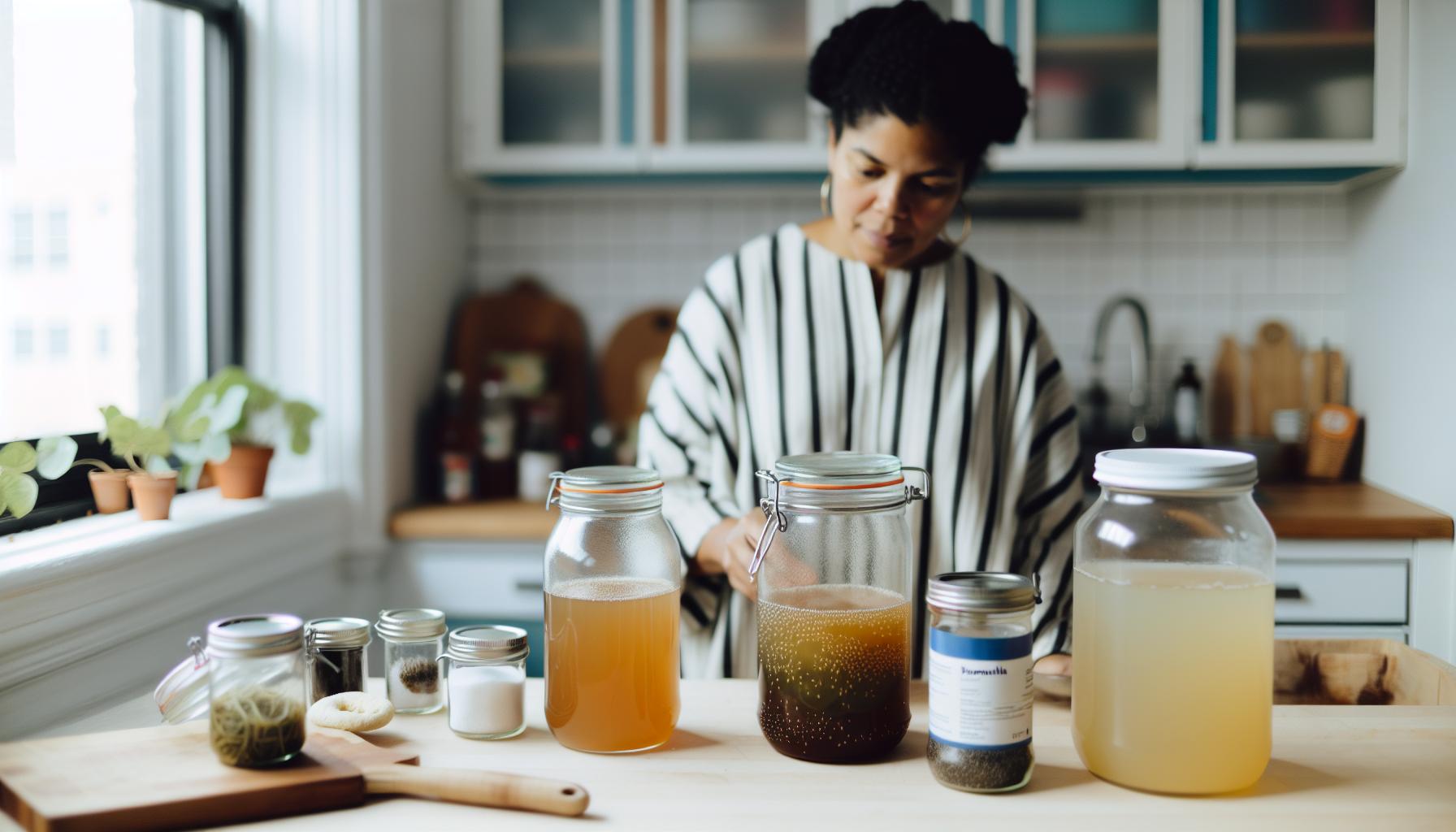
Signs of Sensitivity or Reaction in Baby and Mom to Watch For
Many breastfeeding moms find the journey of introducing kombucha both exciting and a bit uncertain, especially as they tune into their baby’s subtle cues. Because kombucha contains live cultures, small amounts of caffeine, and trace alcohol from fermentation, it’s important to watch closely for any signs that either mom or baby might be sensitive to these components. Babies’ digestive and nervous systems are still developing postpartum, so even gentle changes can sometimes cause noticeable reactions.
Newborns and young infants can show sensitivity through changes in their typical behavior or feeding patterns.You might notice:
- Increased fussiness or irritability: If your baby suddenly seems more restless or cries more after feeding, it might be related to something in your diet, including kombucha.
- Changes in feeding habits: A baby who suddenly feeds more frequently or refuses feedings could be reacting to subtle digestive upset.
- Digestive symptoms: Watch for gas, bloating, diaper rash, loose stools, or constipation. These can sometimes reflect how your baby is processing compounds transferred through breastmilk.
- Sleep disturbances: Unexpected trouble falling or staying asleep can be another indirect sign your little one’s system is adjusting to something new.
On the mom’s side,sensitivity might appear through:
- Digestive discomfort: Bloating,mild cramping,or changes in bowel habits may signal that your gut is reacting to the kombucha’s probiotic flora or organic acids.
- Headaches or jitteriness: These could be related to caffeine content or low-level alcohol present in the brew, especially if homemade batches ferment longer than recommended.
- Skin reactions: Rarely, sensitivity to kombucha’s natural yeast or bacteria can cause mild rashes or irritation.
How to Observe and Respond
Every mom’s experience is beautifully unique, so keeping a gentle, curious eye on how you and your baby respond over days or weeks is key. Consider starting with just 1 to 2 ounces of kombucha once a day, observing the 24- to 48-hour period after consumption before slowly increasing if all feels well. Keep a simple log of baby’s behavior and your own symptoms to help spot patterns without stress.
If you notice any of the above signs,or if your baby’s feeding changes or mood shifts significantly,pause kombucha intake and reach out to your healthcare provider. Sometimes the cause isn’t kombucha itself, but ruling it out gently honors your baby’s sensitive developing system while supporting your confidence as a mom.
Remember, homemade kombucha’s alcohol and caffeine levels can vary. Small differences in brewing can translate to changes in how your baby senses substances through breastmilk. Trust your intuition and be patient—your nurturing instincts are your greatest guide on this postpartum path.
| Signs to Watch For | What to Do |
|---|---|
| Baby fussiness or constant crying after nursing | Pause kombucha; observe if symptoms improve within 48 hours |
| Digestive upset (gas, loose stools, diaper rash) | Reduce kombucha intake or switch to milder gut-friendly alternatives |
| Mom experiences headaches or jitteriness | Cut back on kombucha and check fermentation time; limit caffeine sources |
| Changes in baby’s feeding or sleep patterns | Consult with lactation consultant or pediatrician for personalized advice |
Embracing kombucha as part of your postpartum self-care can be a gentle party of healing and tradition. But tuning in with kindness—to both your little one’s responses and your own body’s signals—is the warmest, safest way to find what truly feels good for your unique family.
Alternatives to Kombucha for Postpartum Gut health
Many breastfeeding moms seek gentle, effective ways to support their postpartum gut health without the uncertainty that sometimes comes with kombucha’s unique components like caffeine and trace alcohol. Fortunately, ther are nurturing alternatives that honor the body’s healing rhythms and provide probiotic benefits without the same concerns. Whether you want to ease digestion, boost your microbiome, or simply enjoy a flavorful, gut-friendly beverage, these options can be tailored to your personal wellness journey with baby.
Tasty and Soothing Probiotic Drinks
- Probiotic herbal teas: Herbal infusions such as ginger, chamomile, and peppermint not only soothe postpartum digestion but can be blended with safe probiotic-rich ingredients like lacto-fermented powdered kefir crystals (check for breastfeeding safety). Simple to prepare, these teas support calm digestion and hydration without caffeine or alcohol.
- Fermented dairy like kefir or yogurt: These contain live cultures known to promote healthy gut bacteria. If dairy is well-tolerated, enjoy a small serving of plain kefir or homemade yogurt daily. Opt for organic, unsweetened varieties to avoid unnecessary additives.
- Lacto-fermented vegetable juices: Beet kvass or naturally fermented carrot or celery juice offer gentle probiotic power alongside vitamins and minerals. They can be sipped in small amounts for digestive support and replenishing nutrients during the busy postpartum weeks.
Gut-Friendly Foods That Comfort and Heal
In addition to drinks, incorporating probiotic and prebiotic foods encourages a diverse microbiome, which supports immune health and digestion:
- Soft-cooked sauerkraut or kimchi: Naturally fermented vegetables can be mild and easy to digest. Begin with small portions to see how your body and baby respond.
- Whole grains and fiber-rich vegetables: Fiber helps nourish probiotic bacteria in the gut. Think oatmeal, quinoa, sweet potatoes, and leafy greens.
- Bone broth: Traditionally used for postpartum healing, bone broth hydrates and supports gut lining repair, with soothing amino acids like glutamine.
Practical Recipe: Simple Ginger-Kefir Herbal Tea
For a cozy, probiotic-rich drink that’s easy on both mom and baby’s system, try this at home:
| Ingredients | Amount |
|---|---|
| Fresh ginger root (peeled and sliced) | 1-inch piece |
| Filtered water | 2 cups |
| Plain kefir (or lacto-fermented kefir crystals) | 1/4 cup |
| Raw honey (optional, for sweetness) | 1 teaspoon |
Preparation steps:
- Simmer ginger slices in water for 10 minutes to create a gentle infusion.
- Let it cool until warm (not hot) to preserve probiotics.
- Stir in kefir and honey if using, then sip mindfully.
- Start with small amounts (4–6 ounces) once a day, watching for digestion comfort and baby’s reactions.
This nurturing blend supports digestion, hydration, and gut flora balance, offering many benefits of kombucha minus its caffeine and trace alcohol content.
Every postpartum story is unique, and what soothes one mom may not be ideal for another. embrace your body’s signals, honor cultural preferences, and seek support from lactation consultants or herbalists familiar with breastfeeding-safe probiotics. These alternatives can weave seamlessly into self-care rituals, providing comfort, connection, and empowerment on your motherhood path.
Incorporating Kombucha Mindfully with Other Postpartum Self-Care
Kombucha can be a gentle, probiotic-rich option to complement your postpartum self-care—but it’s best to approach it with mindfulness and awareness. Listening closely to your body’s needs and your baby’s signals creates a safe and nurturing space for healing. Breastfeeding can be physically and emotionally demanding, so pairing kombucha with other soothing rituals enhances its benefits without overwhelming your system. Hydration, rest, and nutrient-dense meals remain foundational, while probiotics like kombucha, when used thoughtfully, may support digestion and gut balance during this sensitive season.
Integrating kombucha into your routine alongside other wellness practices helps you honor both your postpartum journey and your breastfeeding relationship. For example, pairing a small, well-measured serving of kombucha after a nourishing meal rich in fiber can gently encourage healthy digestion without upsetting your stomach. Complement this with relaxation techniques—such as gentle stretching, deep breathing, or a warm bath infused with calming herbs like chamomile—to soothe nervous system stress that can impact digestion and milk supply. Remember, your postpartum body is unique; some moms thrive with daily kombucha, while others find intermittent sipping or option probiotic drinks more grounding.
Simple Ways to Incorporate Kombucha Safely
- Start small and slow: Begin with 2–4 ounces once a day, noticing how your body and baby feel. Gradually adjust based on comfort and any signs of sensitivity.
- Pair with nutrient-dense foods: Enjoy kombucha alongside fiber-rich whole grains or fermented vegetables to support a balanced microbiome.
- Complement with hydration: Drink plenty of plain water throughout the day to aid digestion and milk production.
- Mind your timing: Avoid kombucha close to bedtime if you are sensitive to its trace caffeine or acidic nature, to promote restful sleep.
- Honor cultural and personal traditions: Incorporate kombucha alongside herbal tonics, bone broths, or teas common in your heritage, blending old wisdom with modern probiotic science.
Creating a Gentle Postpartum Ritual
Making kombucha part of a mindful daily ritual can extend beyond the drink itself.Use it as a pause—a moment just for you amidst the demands of motherhood. Set an intention while sipping: to nourish your body, reconnect with your breath, or simply appreciate the quiet connection with your baby during feeding or cuddling.this small act of self-kindness often ripples outward, fostering emotional resilience as much as physical healing.
every motherhood path is different, and your comfort and safety are paramount. If your baby shows fussiness, rashes, or digestive upset, or if you notice increased anxiety or sleep disturbance, it’s okay to pause kombucha and explore other probiotic options like herbal teas with fermented kefir crystals or mild fermented vegetables. Trusted support from lactation consultants and postpartum doulas can guide you through these nuanced choices with expertise and empathy.
With gentle awareness and kindness toward your body’s signals,kombucha can find a peaceful place in a postpartum self-care routine that celebrates your healing,empowers your breastfeeding journey,and honors the complexity of this precious time.
Real Mom Stories: Kombucha Experiences While Breastfeeding
Many breastfeeding moms find themselves curious about kombucha’s probiotic benefits but also cautious about introducing it during this delicate phase. Among the diverse experiences shared by moms, a common thread emerges: starting slowly and tuning into both their body’s and baby’s reactions is key. One mom described easing into kombucha with just a few sips after meals, noticing improved digestion and a gentle uplift in mood without any fussiness in her baby. She appreciated the ritual of a mindful pause during hectic days, turning kombucha into a moment of self-kindness that nurtured her postpartum well-being.Other moms emphasize the importance of quality and portion control. Such as, a breastfeeding mother carefully chose store-bought kombucha with low sugar and moderate acidity, enjoying 3 ounces mid-morning paired with a fiber-rich snack. She reported feeling more balanced gut-wise, but remained vigilant for any signs of increased baby irritability or digestive changes. When mild gassiness appeared, she simply reduced intake and paired kombucha with herbal teas and gentle probiotics like fermented vegetables, which helped maintain her gut health without overwhelming her or her little one.
For those feeling adventurous and connected to traditional remedies, some safely navigated homemade kombucha brewing with guidance from postpartum doulas or lactation consultants to ensure cleanliness and mild fermentation—critical to avoid any strong fermentation byproducts that could cause discomfort. These moms valued the blend of ancient wisdom and modern safety, linking the kombucha ritual to cultural postpartum practices like bone broths and calming herbal infusions.
Tips From Moms for Feeling Confident With Kombucha
- Start with small amounts (2–4 ounces): This helps identify personal tolerance without overwhelming digestion.
- Observe your baby closely: Watch for any changes in sleep, fussiness, or bowel movements after you drink kombucha.
- Choose low-sugar, lightly fermented varieties: Both homemade and reputable commercial brands vary in acidity and sugar content.
- Pair kombucha with fiber-rich foods: This can enhance probiotic benefit and support your postpartum digestion.
- Listen to your body’s signals: if you notice increased anxiety,digestive upset,or baby fussiness,pause and try milder probiotic sources.
- Engage your support system: Lactation consultants, doulas, and trusted mom groups can offer reassurance and personalized advice.
This sharing of real-world wisdom helps create a warm community space where no mom feels judged for her choices or experiences. The diversity of stories highlights the reality that kombucha’s role in breastfeeding is as individual as motherhood itself—some find it a gentle ally in restoring gut balance and emotional resilience, while others prefer different paths to wellness.Ultimately, honoring your unique journey with compassionate curiosity and support leads to the kind of safe, nurturing postpartum care every mother deserves.
Faq
Q: Can kombucha’s caffeine content affect breastfeeding babies?
A: Kombucha contains a small amount of caffeine, which can pass into breast milk. While moderate caffeine intake (about 200 mg daily) is generally safe, it’s best for nursing moms to limit kombucha consumption to avoid potential irritability or sleep disruptions in babies. See dosing tips in our How Much Kombucha Is Safe? section for safe limits.Q: How does kombucha’s alcohol content impact breastfeeding safety?
A: Homemade and some store-bought kombuchas may contain trace alcohol (up to 0.5%). This low level is usually safe for breastfeeding, but moms sensitive to alcohol or nursing very young infants should choose low-alcohol or alcohol-free options. For detailed precautions, review the Risks and Precautions section in the main article.
Q: What are signs a breastfeeding baby might react negatively to kombucha probiotics?
A: Babies may show fussiness, gassiness, or rash if sensitive to kombucha probiotics passed through breast milk. Watch for these signs and pause kombucha intake to observe changes. Guidance on spotting reactions is covered in our Signs of Sensitivity or Reaction in Baby and Mom section for gentle troubleshooting.
Q: Can I drink kombucha daily while breastfeeding for gut health benefits?
A: Drinking kombucha daily can support postpartum gut health if consumed in moderation (4-6 ounces per day). Gradually introduce it and monitor your and baby’s responses. Explore daily use guidelines and alternatives in both our Practical Dosing Guidelines and Alternatives to Kombucha sections.
Q: Is homemade kombucha safer than store-bought for breastfeeding moms?
A: Homemade kombucha allows control over fermentation time and ingredients, potentially reducing alcohol and caffeine levels. However, it requires careful hygiene to avoid contamination. Review our Homemade Kombucha for Nursing Moms recipe for safe preparation tips tailored for breastfeeding mothers.
Q: How soon after birth can I safely start drinking kombucha while breastfeeding?
A: It’s best to wait until breastfeeding is well established, typically after 4-6 weeks postpartum, before introducing kombucha. This helps minimize any risk of baby sensitivity during the critical early feeding phase. For timing and self-care insights, check the Incorporating Kombucha Mindfully section.
Q: Does kombucha interact with medications or supplements during breastfeeding?
A: Kombucha may affect absorption of certain medications or supplements due to its probiotic and acidic nature. Always consult your healthcare provider if you are taking antibiotics or other treatments while breastfeeding.You can find medication interaction tips under Risks and Precautions in our article.
Q: Are there probiotic-rich drinks safer than kombucha for breastfeeding moms?
A: Yes, kefir, fermented water kefir, and yogurt-based drinks often have lower caffeine and alcohol, making them gentler probiotic options for nursing moms. Discover these alternatives in our Alternatives to Kombucha for Postpartum Gut Health section, with easy recipes and tips to support your wellbeing.
For more detailed guidance and warm, practical advice, explore the full article sections to find recipes, dosing instructions, and real mom stories that support safe kombucha use while breastfeeding. Remember, every mom and baby are unique—honor your body’s needs and trust your instincts.
Final Thoughts
Navigating kombucha safety during breastfeeding can feel overwhelming, but with informed choices, you can enjoy its probiotic benefits while nurturing your little one.Remember, moderation and checking labels for alcohol content are key to enjoying kombucha safely in your postpartum journey. Every mom’s body responds differently, so tuning into your own comfort and consulting your healthcare provider can offer you peace of mind.
If you’re looking for gentle,wholesome ways to support lactation and postpartum wellness,explore our recipes for nourishing teas and smoothies designed especially for new moms. Curious about other natural supplements or feeding options? Check out our guides on herbal safety during breastfeeding and balanced postpartum nutrition to continue empowering your choices. Don’t forget to join our community newsletter for ongoing tips, expert advice, and real mom stories that celebrate every step of motherhood.
We’d love to hear your experiences or questions about kombucha and breastfeeding—share your thoughts below or connect with us on social media. Together, we’re creating a safe, supportive space where your health and your baby’s wellbeing come first.
Make BlossomingMotherhood.Com a Preferred SourceGet our latest guides, news, and insights highlighted in your Google Search & AI Overviews.
✓ Preferred Source Added
Get our latest guides, news, and insights highlighted in your Google Search & AI Overviews.


 WARNING TO PARENTS