
Best Vitamin D for Breastfeeding Mom: Essential Supplement
Did you know that vitamin D plays a vital role not only in your health but also in your baby’s development during breastfeeding? Many nursing moms don’t get enough of this essential nutrient, which supports strong bones, immune function, and mood balance for both mother and child. Choosing the right vitamin D supplement can feel overwhelming, especially amid postpartum changes and the extra care your body needs. This guide gently walks you through the safest,most effective options for breastfeeding moms—honoring your unique journey while empowering your self-care. Together, we’ll explore easy ways to nurture both you and your baby with thoughtful dosing, practical timing, and mindful choices that respect holistic wellness traditions without sacrificing safety. Whether you’re easing into motherhood or juggling sleepless nights,understanding vitamin D’s role can boost your confidence in nourishing your little one and yourself,naturally and warmly. Let’s dive in and find the best fit for you, blending trusted wisdom with real-mom experiences to help you thrive during this gorgeous, complex season.
Contents
- Why Vitamin D Is crucial for Breastfeeding Moms
- How to Safely Choose the Best Vitamin D Supplement
- Daily Vitamin D Dosage Recommendations Postpartum
- Top Natural Food Sources Rich in Vitamin D
- Timing and Best Practices for Taking Vitamin D
- Vitamin D’s Role in Infant Health and Immunity
- Signs of Vitamin D Deficiency in New Mothers
- Combining Vitamin D with Other Breastfeeding Nutrients
- Homemade Vitamin D–Boosting Smoothie and Meal Ideas
- Holistic and Cultural Approaches to Vitamin D Support
- Addressing Common Concerns and Safety Tips
- Real Mom Stories: Vitamin D Success and Struggles
- faq
- Q: How can breastfeeding moms safely increase their vitamin D levels naturally?
- Q: What forms of vitamin D supplements are best absorbed by breastfeeding mothers?
- Q: When is the ideal time of day for a breastfeeding mom to take vitamin D supplements?
- Q: Can excessive vitamin D intake harm breastfeeding mothers or their infants?
- Q: How does vitamin D support the immune system of breastfeeding moms beyond bone health?
- Q: Are there specific vitamin D supplements recommended for vegan or allergic breastfeeding moms?
- Q: How soon after starting vitamin D supplementation can breastfeeding mothers expect to see benefits?
- Q: What should breastfeeding moms do if they suspect vitamin D deficiency despite supplementation?
- Closing Remarks
Why Vitamin D Is crucial for Breastfeeding Moms
Vitamin D is much more than just a nutrient—it’s a quiet powerhouse that supports you and your little one during breastfeeding. While your body is naturally designed to nourish your baby through breast milk, vitamin D levels in that milk depend heavily on your own stores. Since many new moms face lower vitamin D levels postpartum due to limited sun exposure or dietary gaps, ensuring adequate intake becomes a vital part of nurturing both your recovery and your baby’s growth.
This sunshine vitamin plays a crucial role in bone health, immune function, and mood stabilization. For breastfeeding moms, it helps maintain your energy and emotional well-being, which can sometimes feel fragile during the postpartum phase. Moreover, babies rely on their mother’s vitamin D for healthy bone development and immune defense until they start solid foods or receive supplements themselves. Think of vitamin D as a gentle guardian that supports your baby’s tiny skeleton and immune system right from your breastmilk.
Key Ways Vitamin D Supports You and Your Baby
- Strengthens bone and teeth development: Prevents rickets in infants and helps rebuild mom’s bone health after pregnancy.
- Boosts immune resilience: Helps ward off common infections for both mother and baby during the vulnerable postpartum period.
- Supports mood and well-being: Contributes to balanced hormones and may ease postpartum blues by promoting serotonin synthesis.
Even small changes, like spending a bit more time outside with your baby or adding a gentle supplement, can create a ripple effect of wellness.Remember, every body is beautifully unique—your vitamin D needs may differ based on your skin tone, location, and lifestyle. Trusting your intuition along with mindful care is the first step on this nourishing journey.
How to Safely Choose the Best Vitamin D Supplement
Choosing a vitamin D supplement that truly supports your postpartum journey is more than scanning labels—it’s about tuning into your unique body, your baby’s needs, and the rhythms of breastfeeding. Because your vitamin D levels directly influence your breast milk quality, selecting the right supplement is an act of loving care toward both of you. while it’s tempting to pick the most advertised or cheapest option, ther are gentle but vital safety and quality factors to keep in mind to ensure your supplement works in harmony with your body’s healing and your baby’s growth.
Start by prioritizing vitamin D3 (cholecalciferol) over D2 (ergocalciferol). Vitamin D3 is the form naturally made in your skin after sun exposure and tends to raise your blood levels more effectively and sustainably. Many breastfeeding moms find D3 supplements easier on their digestion and more reliable in supporting milk quality. look for products that are third-party tested to verify purity and potency—this reduces the risk of contaminants or inaccurate labeling, which is especially crucial while your baby is nursing. If you prefer plant-based options, note that vegan D3 sourced from lichen is available, which respects dietary choices while providing effective support.
Another key consideration is the dosage and delivery form. Liquid drops often allow for easier adjustment and gentle dosing, especially helpful if you notice sensitivity after birth or prefer to mix supplements into foods or milk. Capsules can be convenient but might feel heavy on an already sensitive digestive system. If you’re breastfeeding, avoid supplements combined with unnecessary fillers, artificial colors, or added herbs that may not be tested for lactation safety. Always consult your healthcare provider or a trusted lactation consultant for personalized dosage, especially if you have a history of vitamin D deficiency or health conditions like thyroid imbalance or calcium sensitivity. Remember, sometimes less is more: a careful, consistent daily dose works best rather than occasional mega-doses.
Practical Tips for Safe Supplementation
- Check the label for “vitamin D3” and avoid generic “vitamin D.”
- Choose supplements verified by self-reliant labs. Look for seals like USP, NSF, or ConsumerLab.
- Consider your lifestyle: Lower sun exposure, darker skin, or living in northern climates may require higher doses or more regular supplementation.
- Opt for clean, simple ingredients without unnecessary additives.
- Introduce supplements gradually: Start with a smaller dose and observe how your body and baby respond before increasing.
Whether you’re navigating the delicate early weeks or settling into your breastfeeding rhythm, choosing a supplement with gentle care and informed support fosters confidence and wellness. Trusting your body and combining evidence-based advice with your own intuition creates a safe, nurturing space—for both you and your baby—as you nurture this precious connection.

Daily Vitamin D Dosage Recommendations Postpartum
Vitamin D needs can feel like a moving target after birth,especially as your body is focused on healing and nourishing your little one through breastfeeding. Getting the right daily dosage during this delicate postpartum time isn’t just about numbers; it’s about supporting your energy, mood, and milk quality gently and consistently. Many new moms find that sticking to a steady, moderate dose of vitamin D3 helps maintain their wellbeing while enhancing their baby’s vitamin D stores through breast milk.
The general proposal for breastfeeding moms is frequently enough around 600 to 800 IU (International Units) of vitamin D daily. However, this can vary depending on individual factors such as sunlight exposure, skin tone, geographical location, and any preexisting vitamin D deficiency. For example, if your days are mostly indoors or you live in a region with less sunlight, your supplementation might need to be toward the higher end, or even beyond, but this should always be guided by your healthcare provider’s advice. some moms with confirmed deficiency may be advised to take a higher therapeutic dose initially to restore levels safely.
Personalizing Your Vitamin D Intake
- Start with a baseline lab test if possible. Knowing your vitamin D blood levels helps avoid both deficiency and excess, which can be unhelpful or unsafe.
- Choose vitamin D3 in liquid form for gentle,adjustable dosing. Drops allow you to fine-tune the dose day by day, which can feel empowering and less overwhelming postpartum.
- Listen to your body’s signals. While vitamin D is safe at recommended doses, notice how you feel—energy shifts, mood, and digestion can provide clues to your needs.
- Pair supplementation with mindful sun exposure. A few minutes of sunlight on bare skin several times a week can naturally boost vitamin D production without overexposure risks.
Remember,every mama’s postpartum journey is unique. What works well for one may need tailoring for another, especially during the fluctuating hormonal and emotional tides postpartum. Slow, steady, and consistent supplementation combined with gentle self-awareness is the kindest approach for this season of healing and new life.
Top Natural Food Sources Rich in Vitamin D
Vitamin D-rich foods can be a gentle, nourishing way to support your body during those busy postpartum months, especially when breastfeeding. While sunlight and supplements often take center stage in vitamin D conversations, it’s empowering to know which natural foods can quietly boost your levels—and through your milk, help your baby thrive too. Integrating these foods into your meals honors your body’s healing process and keeps your nutrition diverse without pressure or fuss.Fatty fish like wild-caught salmon,mackerel,and sardines top the list for vitamin D content. These delicious options also offer omega-3s that support mood and inflammation, which postpartum bodies appreciate. For a simple motherhood win, try a baked salmon fillet with a drizzle of lemon and fresh herbs—quick, satisfying, and vitamin D-rich. Eggs,especially the yolks,are another accessible source. Including pasture-raised eggs in breakfast or a nourishing midday meal can gently elevate your vitamin D intake without overwhelming your palate.
Plants and Fortified Foods: building on Basics
Though few plant foods naturally provide vitamin D,some mushrooms exposed to sunlight (like maitake or UV-treated portobellos) give a modest boost. Fortified foods are also valuable allies—look for dairy or plant-based milks, orange juice, or cereals enriched with vitamin D. These can effortlessly supplement your daily intake,especially on days when cooking feels like a challenge.
- Fatty fish (salmon, mackerel, sardines): Offer 300–600 IU vitamin D per 3-ounce serving
- Egg yolks: Around 40 IU per large egg — easy to add to many dishes
- UV-exposed mushrooms: Vary but can provide 400 IU per half-cup cooked
- Fortified dairy or plant milks: Typically 100 IU per cup
- Fortified orange juice and cereals: Check labels for vitamin D content
these foods gently complement your vitamin D supplement routine or mindful sun exposure, weaving nourishment into your daily rhythm. Remember, food is just one part of your toolkit. Your supplementation and lifestyle choices—with guidance from your healthcare provider—create a personalized, balanced path to wellness for you and baby.
If you’re open to kitchen adventures, I’d love to share some cozy recipes incorporating these ingredients, making vitamin D support feel like self-care, not a chore. This nourishing focus can lift your spirits on tough days and celebrate the small moments where you nurture both yourself and your child.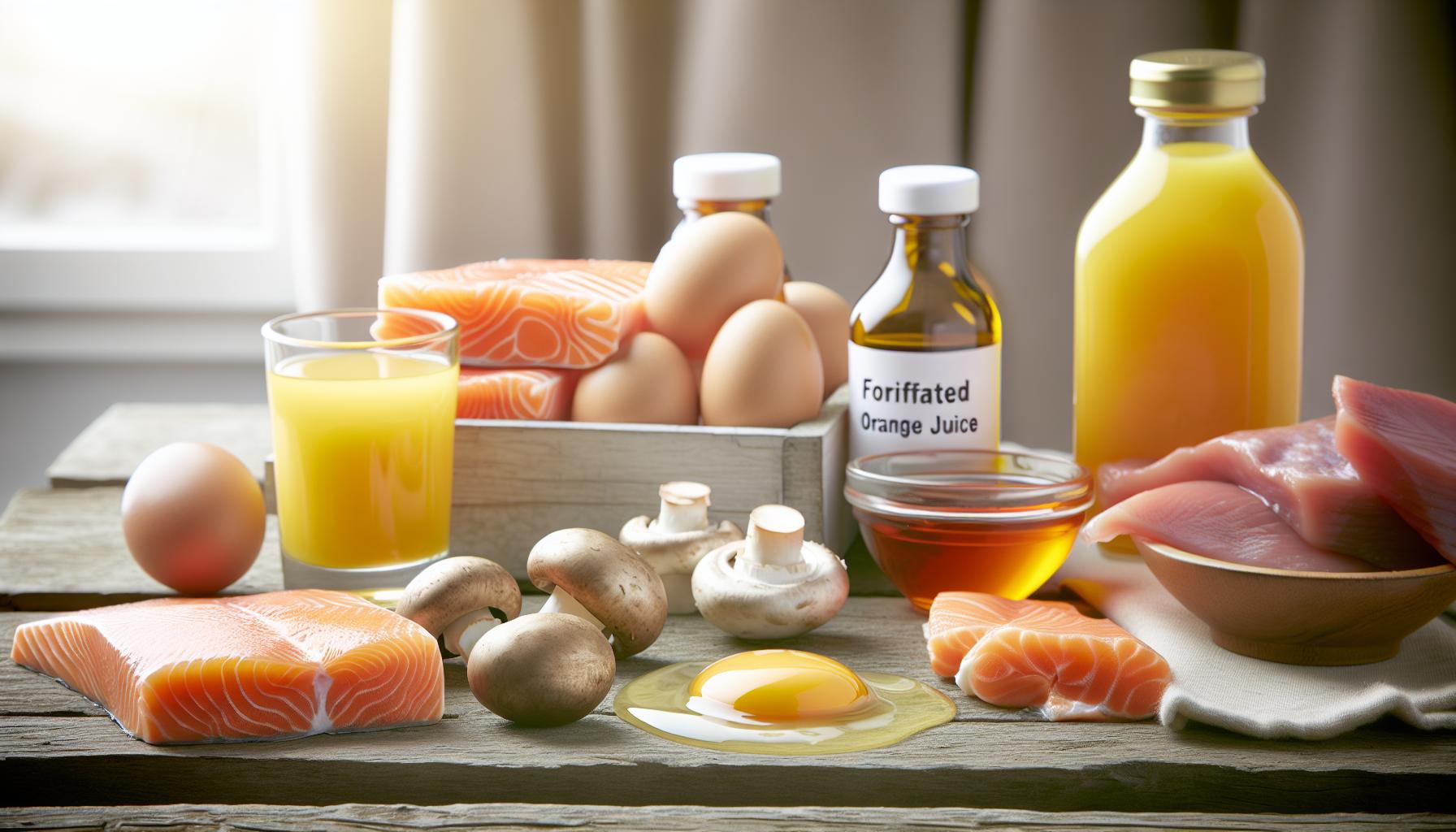
Timing and Best Practices for Taking Vitamin D
Vitamin D plays a quietly powerful role in postpartum wellness, but when and how you take your supplement can shape its effectiveness and your comfort. For breastfeeding moms balancing the beautiful chaos of new life, a gentle routine around vitamin D can transform this self-care from a checkbox into a nourishing ritual. Taking vitamin D with a meal that contains some healthy fat—like avocado toast, nuts, or olive oil—can enhance its absorption, as it’s a fat-soluble vitamin. This simple step makes a meaningful difference,especially for busy days when quick meals are the norm.Many moms find morning or midday doses fit best with their natural rhythm and mealtime, avoiding taking vitamin D late in the day, which can sometimes disrupt sleep. Though, consistency is more critically importent than timing, so find a moment that feels natural for you and stick with it. If swallowing pills feels tough postpartum, consider vitamin D drops or gummies—these can be just as effective and often easier on sensitive stomachs. Remember,your body’s needs and digestion can shift in the months after birth,so stay attentive and be willing to adjust timing or form to what feels right.
Tips for Safe and Comfortable Supplementation
- Pair with fat-containing foods: Enhance uptake by taking vitamin D alongside a meal with healthy fats.
- Choose a consistent daily time: Morning or lunch tends to work well, but anytime that fits your routine is okay.
- Use gentle forms if needed: drops or gummy supplements might potentially be kinder on your postpartum digestion.
- Listen to your body: If you notice sleep disturbances or stomach discomfort, try shifting timing or supplement type.
- Check with your healthcare provider: Especially important if you combine supplementation with fortified foods or other vitamins.
Let’s keep in mind the bigger picture: vitamin D is one helpful piece in the beautiful mosaic of postpartum health. Paired with nurturing foods, sunlight, rest, and hydration, your daily vitamin D routine can feel like a quiet festivity of your strength and healing. Every small step you take with kindness towards yourself ripples into your baby’s health and the tender journey of motherhood.
Vitamin D’s Role in Infant Health and Immunity
Vitamin D is more than just a vitamin—it’s a basic player in your baby’s early development and immune defense. From the moment your little one arrives, vitamin D supports strong bones by helping regulate calcium absorption, which is critical in these rapid growth stages. Beyond bone health, vitamin D acts as a gentle but mighty immune modulator, helping to protect infants against common infections and supporting their developing immune systems in a balanced way.
Breast milk naturally contains many wonderful nutrients, but vitamin D levels can be quite low, especially if the mom’s own stores are insufficient. That’s why maintaining healthy vitamin D levels during breastfeeding not only supports your own wellness but also ensures your baby receives enough through your milk or through gentle supplementation recommended by your pediatrician.Small daily doses—even as drops directly given to your infant—can make a big difference in reducing risks of rickets, respiratory infections, and allergies.
Practical Tips for Supporting Infant Vitamin D Health
- Keep up your vitamin D intake: Your levels influence what transfers through your milk, making supplementation key if sunlight exposure is limited.
- Follow your pediatrician’s guidance: Many recommend a daily vitamin D drop for exclusively breastfed babies to ensure they meet their unique needs safely.
- Optimize gentle sun exposure: short, indirect sunlight can naturally boost vitamin D—but avoid direct sun on baby’s skin to protect their delicate skin.
- Balance nutrition and care: Vitamin D is one piece of the puzzle; nurturing infants this way complements your loving support through feeding, sleep, and connection.
Every family’s path looks different, and understanding how vitamin D works in harmony with your baby’s growth can bring peace and confidence as you navigate these tender early months. Remember, your thoughtful care and attention ripple deeply into your baby’s health, laying a foundation of strength and resilience.
Signs of Vitamin D Deficiency in New Mothers
Vitamin D deficiency can sometimes sneak in silently, but for new mothers, its signs often ripple through both body and mood, gently urging attention and care. When your body is healing and nurturing a newborn, even small dips in vital nutrients like vitamin D can feel more pronounced. You might notice persistent fatigue that doesn’t improve with rest, or a heaviness in your muscles and joints, as vitamin D plays a key role in muscle function and bone health. This isn’t just about tiredness—it’s your body’s way of signaling it needs extra nourishment to continue supporting both you and your baby.
Mood shifts—like unexpected bouts of sadness or a sense of overwhelm—can also be linked to low vitamin D levels. This nutrient influences brain chemistry and immune function,so its absence can affect emotional balance during the already complex hormonal rollercoaster of postpartum. If you find yourself feeling more down, irritable, or disconnected than usual, it’s worth considering vitamin D as one piece of that puzzle. similarly,slow wound healing or a lingering sense of physical weakness might surface,as vitamin D supports tissue repair and immune defense.
ways to Recognize Low Vitamin D During Postpartum
- muscle cramps or aches: Unexplained soreness, especially in your legs or back, can hint at deficiency.
- Bone tenderness or discomfort: Some new moms notice subtle bone pain or increased sensitivity.
- Frequent infections: If you’re catching colds or feeling run down more often, your immune system might be struggling.
- Sleep disturbances: Difficulty falling asleep or staying asleep may relate to vitamin D’s role in regulating circadian rhythms.
- General fatigue beyond new baby tiredness: Feeling drained even with adequate rest.
Remember, not everyone experiences these signs the same way. Some moms might feel only a few mild symptoms, while others face more obvious challenges. Tracking your own energy, mood, and physical sensations over days and weeks can be a helpful way to notice patterns. talking openly with your healthcare provider about these experiences is empowering—they can guide testing and supplement choices to meet your unique needs.If you embrace gentle self-care rituals, such as mindful sun exposure combined with nourishing meals rich in vitamin D, alongside safe supplementation, your body can find its natural rhythm again. In our community of mothers, shared stories reveal that recognizing and responding to vitamin D deficiency early frequently enough leads to restored vitality, calmer moods, and a deeper sense of well-being during the beautiful, complex postpartum journey.
Combining Vitamin D with Other Breastfeeding Nutrients
When it comes to nourishing your body during breastfeeding, vitamin D does not work alone—it thrives in harmony with other vital nutrients that support both your health and your baby’s development. Combining vitamin D with complementary vitamins and minerals not only enhances absorption but also creates a balanced nutrient environment essential for postpartum recovery and optimal lactation. For example, calcium and magnesium partner beautifully with vitamin D to strengthen bones and muscles—critical for mothers navigating the physical demands of caring for a newborn.
Many new moms find it helpful to think of their nutritional intake like a symphony rather than solo notes.iron supports energy levels and helps combat postpartum fatigue, while omega-3 fatty acids—especially DHA—play a starring role in brain function and emotional wellness, alongside vitamin D’s immune-boosting benefits. When supplemented thoughtfully, these nutrients can join forces, improving mood stability, easing muscle cramps, and supporting the immune system, which is particularly important as your body heals from childbirth and adapts to the breastfeeding journey.
Key Nutrients to Pair with Vitamin D for Breastfeeding Moms
- Calcium: Vitamin D facilitates calcium absorption, so pairing these supports strong bones for you and your baby.
- Magnesium: helps regulate vitamin D metabolism and supports muscle relaxation,easing common postpartum aches.
- Omega-3 Fatty Acids (DHA/EPA): Collaborate with vitamin D to support brain health and mood balance during hormonal shifts.
- Iron: Enhances energy and supports healthy red blood cell production, frequently enough depleted after childbirth.
- Choline: Even though not a vitamin, like vitamin D, it is indeed essential for brain development and can complement postpartum cognitive well-being.
To naturally incorporate these combinations, consider starting your day with a nourishing smoothie blending vitamin D-rich fortified almond milk with spinach (calcium and magnesium), a tablespoon of ground flaxseed or walnuts (omega-3s), and a scoop of iron-fortified cereal or powder.Adding a touch of fresh herbs or a squeeze of lemon can support digestion and add refreshing flavor. Remember, every mother’s body is unique—consult your healthcare provider to tailor nutrient doses that respect your personal healing process and dietary preferences. Together, these nutrients form a gentle, protective web supporting both your health and your baby’s thriving start.
Homemade Vitamin D–Boosting Smoothie and Meal Ideas
Few things nourish both body and soul quite like a lovingly prepared meal made with intention—and for breastfeeding moms, boosting vitamin D naturally through food can be a comforting, gentle way to support your postpartum journey. Beyond supplements, combining vitamin D–rich ingredients with complementary nutrients in vibrant smoothies and easy meals invites you to honor your body’s healing while enjoying nourishment designed to enhance your energy, mood, and milk quality.
Here are simple yet powerful recipes that weave vitamin D with bone-loving calcium, muscle-relaxing magnesium, mood-supporting omega-3s, and iron—all tailored to fit your unique postpartum rhythm.These recipes celebrate the nourishing dance of nutrients and flavors, and as every mom’s needs and tastes vary, feel encouraged to adjust ingredient amounts or swap with trusted alternatives that feel right for you.
Sun-Kissed Almond Milk & Spinach Smoothie
Fortified almond milk brings a plant-based vitamin D boost while baby spinach offers calcium and magnesium to support bone and muscle health. Gentle flaxseeds or walnuts add omega-3 fatty acids for brain and mood wellness. Iron can be easily layered in with a scoop of your favorite iron-fortified cereal or powder—helping combat postpartum fatigue. A squeeze of lemon brightens flavor and aids digestion, making this smoothie a nurturing start to your day or a cozy afternoon pick-me-up.
- Ingredients:
- 1 cup fortified almond milk (check label for vitamin D content)
- 1 handful fresh spinach leaves
- 1 tablespoon ground flaxseed or 6 walnut halves
- 1 scoop iron-fortified cereal powder or a teaspoon molasses
- ½ banana or ½ cup frozen mango (for natural sweetness)
- Squeeze of fresh lemon juice (about 1 teaspoon)
- Optional: a small handful of fresh herbs like mint or basil for flavor and digestion
- Preparation:
- Add almond milk and spinach to blender first.
- Layer flaxseed or walnuts, cereal powder, and fruit.
- Blend until smooth, adding water or ice for desired consistency.
- Finish with lemon juice and herbs, pulse once more.
- Enjoy slowly,savoring each sip as a moment of self-care.
Simple Vitamin D–Rich Salmon Bowl
Fatty fish like salmon is one of the best natural vitamin D sources. Combined with cooked quinoa and lightly steamed kale, you add iron, calcium, and magnesium, creating a balanced and satiating meal ideal for lunch or dinner. A drizzle of olive oil and a sprinkle of toasted seeds amplify nutrient absorption and add heart-healthy fats.
- Ingredients:
- 4 oz wild-caught salmon fillet (baked or pan-seared)
- ½ cup cooked quinoa
- 1 cup steamed kale or collard greens
- 1 tablespoon olive oil
- 1 teaspoon toasted pumpkin or sesame seeds
- Fresh lemon wedge
- Salt and pepper to taste (sea salt preferred)
- Preparation:
- Cook quinoa according to package instructions.
- steam kale until tender but vibrant green.
- Bake or sear salmon until cooked through but juicy.
- Assemble bowl with quinoa base, kale on one side, salmon on the other.
- drizzle olive oil, sprinkle seeds, and finish with a squeeze of lemon.
- Serve warm and eat mindfully, giving thanks for your body’s strength.
Tips for Maximizing Vitamin D Absorption in Meals
- Include healthy fats: Vitamin D is fat-soluble, so pairing it with sources like olive oil, nuts, or avocado helps your body absorb it better.
- Mind timing: A vitamin D boost in the morning or midday pairs well with sunlight exposure,supporting natural rhythms.
- Respect allergies and preferences: Whether you are vegan, dairy-free, or have other dietary needs, fortified plant milks and seeds can be nourishing alternatives.
- Herbal harmony: Add mild digestive herbs like mint or fennel but avoid strong essential oils or herbs not confirmed safe during breastfeeding.
- Hydration matters: Drink plenty of water alongside meals to help your body process nutrients gently and effectively.
each recipe and idea is a gentle invitation to nurture yourself with vibrant,wholesome foods that not only elevate your vitamin D levels but also weave a tapestry of nutrients helping you heal,energize,and connect to the new rhythms of motherhood. Small steps in the kitchen can ripple into big wellness gains—celebrate your efforts, and feel proud of every nourishing moment you offer yourself and your little one.
Holistic and Cultural Approaches to Vitamin D Support
Vitamin D is more than just a vitamin; for many cultures around the world, it is intertwined with traditional practices and holistic wisdom that honor both body and spirit during the postpartum period. Recognizing the importance of sunlight exposure, diet, and gentle supplementation through a cultural lens can deepen your connection to healing and nourish you in ways beyond just the physical. For breastfeeding moms, integrating these time-honored methods with modern knowledge creates a balanced approach to supporting vitamin D levels safely and meaningfully.
Many communities honor the sun as a vital source of health, encouraging short, mindful sunbathing periods — frequently enough in the early morning or late afternoon hours when UV rays are gentler. This practice not only supports the body’s natural vitamin D production but can also offer a calming ritual that eases postpartum stress and invites moments of quiet reflection. It’s worth noting that skin exposure time varies based on skin tone, geographic location, and season, so tailoring sunbathing to your unique needs while avoiding sunburn is essential. When direct sunlight is limited, culturally-rooted foods rich in vitamin D, such as fatty fish (like salmon or mackerel) in Northern Europe or fortified dairy and grains in some Asian diets, can fill in the gaps naturally[[1]](https://ods.od.nih.gov/factsheets/list-VitaminsMinerals/).
Respecting Tradition While Prioritizing safety
Traditional postpartum diets often emphasize nutrient-rich broths, fatty fish, and particular herbs to support healing—the nourishment that supports breastfeeding moms is as much about cultural wisdom as it is about nutrition. Such as, some cultures include moderate use of ghee or sesame oil in cooking, which pairs wonderfully with vitamin D-rich foods since vitamin D is fat-soluble and better absorbed with healthy fats. Though, always approach herbal supplements or traditional remedies with mindfulness. Certain herbs and essential oils may not be safe during lactation, so it’s key to consult with a healthcare provider or lactation consultant familiar with herbal safety to avoid any unintended effects.
Beyond food and sunlight, many holistic traditions encourage gentle movement outdoors—like walking barefoot on the grass or mindful yoga in the sunlight—which can increase exposure to nature’s healing elements and foster emotional well-being.This nurturing activity supports hormone regulation and vitamin D synthesis, blending physical vitality with emotional restoration. Remember, there is no “one right way” to nurture yourself postpartum. Your cultural background,environment,and individual healing journey all contribute to how you best support your vitamin D needs.
Practical Ways to Embrace Holistic and cultural Support
- Sunlight Rituals: Spend 10-20 minutes daily outside around midday if possible, with arms and legs exposed.Adapt timing and exposure based on your skin type and local sunlight availability.
- Traditional Vitamin D Foods: Incorporate fatty fish, fortified grains, or plant-based fortified milks familiar to your heritage. Pair these with healthy fats like olive oil, avocado, or nuts to enhance absorption.
- Herbal Brews: Enjoy gentle postpartum herbal teas such as chamomile or fennel, which soothe digestion and mood without interfering with lactation. Avoid herbs not proven safe during breastfeeding like fenugreek or high doses of essential oils unless advised by a trusted practitioner.
- Movement in Nature: Embrace postpartum walks or light gentle stretches outdoors, inviting fresh air and sunlight as part of your daily rhythm.
Honoring your body’s natural rhythms with warmth and respect creates a nurturing container for both you and your baby. Combining traditional practices with vigilant attention to safety and evidence-based knowledge can empower you to maintain optimal vitamin D levels, fostering healing and vitality during this tender time. Remember, your unique postpartum path is worthy of gentle care and celebration with every nourishing choice you make.
Addressing Common Concerns and Safety Tips
Vitamin D supplements can be a vital part of postpartum care, but it’s natural to wonder about the safest way to add them to your routine—especially while breastfeeding. The good news is that with thoughtful choices, vitamin D supplementation is both beneficial and safe for you and your little one. Prioritize supplements that use vitamin D3 (cholecalciferol), the form your body most readily absorbs. also, check that your supplement is free from unnecessary fillers or artificial additives to ensure gentle digestion during this delicate phase.
It’s key to remember that vitamin D is fat-soluble,so taking your supplement with a meal containing healthy fats—like avocado,nuts,or olive oil—can enhance absorption. Some moms find a cozy ritual in incorporating a vitamin D smoothie or a nourishing snack alongside their supplement; this not only supports digestion but creates a mindful moment for self-care amid postpartum busyness.
Many new mothers express concerns about dosing—how much vitamin D is safe? It varies based on individual needs, sun exposure, and diet. A healthcare provider familiar with postpartum care and lactation is the best partner to guide personalized dosage. Monitoring symptoms like low energy, mood fluctuations, or bone aches alongside blood tests can help tailor the plan safely. Avoid megadoses unless medically advised, as excess vitamin D can pose risks. Lastly, if you’re using herbal supplements alongside vitamin D, be cautious—some herbs and essential oils are not recommended during lactation. Always consult your healthcare provider before combining these to keep your breastfeeding journey smooth and safe.
Helpful Tips for Peace of Mind
- Choose quality vitamin D3 supplements: Look for trusted brands with obvious ingredient lists.
- Take supplements with healthy fats: Enhance absorption by pairing with foods like almond butter or olive oil.
- Consult your healthcare provider: Tailor dosage to your unique needs; avoid self-medicating with high doses.
- Watch for symptoms of imbalance: Stay attuned to your body and baby’s wellbeing; report any unusual signs promptly.
- Avoid unsafe herbs and oils: Research and seek advice before using any herbal remedies during breastfeeding.
Remember, your postpartum journey is as individual as you are. What supports one mom’s vitamin D needs may differ for another. With gentle attentiveness to your body’s signals and a trusted support team, you can nurture both your own healing and your baby’s healthy start with confidence and calm.
Real Mom Stories: Vitamin D Success and Struggles
Vitamin D has quietly transformed many new mothers’ postpartum journeys, often in unexpected ways. One mom, Lana, found that incorporating a daily D3 supplement alongside her breastfeeding routine lifted a persistent fog of fatigue and mood swings she hadn’t anticipated. She shares how pairing her supplement with morning avocado toast became a small yet sacred ritual, grounding her amid the whirlwind of new motherhood. “It wasn’t just about vitamins,” Lana reflects, “it was about carving out time to nourish myself, which helped me show up more fully for my baby.” Her experiance underscores how vitamin D care can be both physical and deeply emotional, fostering resilience in this vulnerable phase.
On the flip side, some mothers face challenges navigating vitamin D supplementation safely. Take Maya, who struggled with confusion over dosing and worried about the potential for overdosing. Initially, she opted for high-dose supplements found online, thinking more meant better results. After consulting with her postpartum nurse, she adjusted to a moderated dose of vitamin D3, emphasizing regular blood tests and meal timing to maximize benefits. maya’s story is a reminder that professional guidance is invaluable—especially when balancing the needs of two bodies, hers and her baby’s, during lactation and recovery.
Tips From Moms Who’ve Been There
- Start small and steady: Many moms recommend beginning with the dose your care provider suggests, then adjusting based on how you feel and lab results.
- Make it a ritual: Pair your vitamin D intake with a favorite nourishing snack or morning routine to create consistency and mindful self-care.
- Listen to your body: Energy dips, mood changes, or bone discomfort can be subtle signals that your vitamin D plan needs tweaking.
- Prioritize trust: Lean on healthcare professionals familiar with postpartum and lactation care to tailor supplementation rather of one-size-fits-all solutions.
These real-life insights reflect how personal and nuanced vitamin D support can be. remember, whether you celebrate success or face struggles, each mother’s path enriches the collective wisdom of our breastfeeding community. Your body knows best—nourish it gently and seek the circle of support you deserve.
faq
Q: How can breastfeeding moms safely increase their vitamin D levels naturally?
A: Breastfeeding moms can safely boost vitamin D by spending 10-15 minutes daily in sunlight with exposed arms and face, while also incorporating vitamin D-rich foods like fortified milk or fatty fish. For personalized advice, consult your healthcare provider and explore natural sources in the [Top Natural Food Sources](#) section of our guide.
Q: What forms of vitamin D supplements are best absorbed by breastfeeding mothers?
A: Vitamin D3 (cholecalciferol) supplements are best absorbed and effective for breastfeeding moms.Choosing a trusted brand with clear dosage guidance ensures safety. Look for supplements combined with healthy fats to improve absorption, as explained in the [How to safely Choose the Best Vitamin D Supplement](#) section.
Q: When is the ideal time of day for a breastfeeding mom to take vitamin D supplements?
A: The ideal time to take vitamin D is with a meal containing healthy fats, usually breakfast or lunch, to enhance absorption. Consistency matters more than timing, so choose a routine that suits you. For detailed timing tips, see the [Timing and Best Practices for Taking Vitamin D](#) section.
Q: Can excessive vitamin D intake harm breastfeeding mothers or their infants?
A: Yes, excessive vitamin D can cause toxicity, leading to nausea, kidney problems, or weakness in moms and infants. Always follow recommended postpartum dosages and avoid mega-doses unless advised by a healthcare professional. Refer to [Addressing Common Concerns and Safety Tips](#) for safe dosing limits.
Q: How does vitamin D support the immune system of breastfeeding moms beyond bone health?
A: Vitamin D supports immune function by regulating inflammatory responses and enhancing infection defense, helping breastfeeding moms stay healthier postpartum. This immune boost also benefits infants through breastmilk. Learn more in the [Vitamin D’s role in Infant Health and Immunity](#) section.
Q: Are there specific vitamin D supplements recommended for vegan or allergic breastfeeding moms?
A: Vegan breastfeeding moms can opt for vitamin D3 derived from lichen or vitamin D2 supplements. Always check labels for allergens and choose hypoallergenic options. For tailored supplement choices, check out the [how to Safely Choose the Best Vitamin D Supplement](#) guidance.
Q: How soon after starting vitamin D supplementation can breastfeeding mothers expect to see benefits?
A: Benefits like improved energy and mood may be noticed within a few weeks, but bone and immune health improvements often take a few months. Consistency in daily supplementation is key. For holistic support ideas, visit the [Holistic and Cultural Approaches to Vitamin D Support](#) section.
Q: What should breastfeeding moms do if they suspect vitamin D deficiency despite supplementation?
A: If deficiency signs persist, consult a healthcare provider for blood testing and personalized dosage adjustments. Consider checking other nutrient levels and revisit dietary habits. Detailed signs and next steps are outlined in the [Signs of Vitamin D Deficiency in New Mothers](#) section.
*Explore these FAQs along with our detailed recipes and safety tips to empower your postpartum wellness journey with vitamin D.*
Closing Remarks
Ensuring you and your little one get the right vitamin D during breastfeeding is a gentle step toward nurturing health and happiness in this special postpartum phase. Remember,choosing a safe,effective supplement supports not only your baby’s growth but also your own well-being as you navigate lactation and recovery. If you’re curious about natural ways to boost your vitamin D or wont expert-approved recipes for postpartum nourishment,explore our [Holistic postpartum Nutrition Guide] and [Essential Supplements for new Moms].
Every mom’s journey is unique—so if you have questions or concerns about dosing or supplement choices, don’t hesitate to reach out through our consultation page or subscribe to our newsletter for ongoing support. Your body’s healing and your family’s wellness matter deeply,and you’re not alone in this.keep exploring, stay informed, and share your experiences below to join a community that honors every step of motherhood with warmth and wisdom.
For more on vitamin D benefits, postpartum self-care, and gentle yet effective nourishment tips, continue browsing and find what truly fits your path. Your next step toward a healthier, happier breastfeeding journey starts here.
Get our latest guides, news, and insights highlighted in your Google Search & AI Overviews.


 JUST 15 MINUTES A DAY