
Is Red Light Therapy Safe While Breastfeeding? Expert Insights
✨ This article was AI edited. Editorial responsibility: BlossomingMotherhood.Com.
Did you know that red light therapy—a gentle, non-invasive treatment often used to reduce pain and support healing—has caught the interest of many new moms wondering if it’s safe during breastfeeding? Navigating postpartum recovery comes with so many questions, especially when caring for your little one while honoring your body’s needs.If you’re curious about whether red light therapy can be a nurturing addition to your self-care routine, you’re not alone.This therapy shows promise for easing discomforts like sore breasts or perineal pain, but naturally, safety is your top priority.Let’s explore what experts say about using red light therapy during this sensitive time, so you can feel empowered and informed as you nurture yourself and your baby. Together, we’ll unpack the benefits, necessary precautions, and real-mom insights to help you decide if this gentle healing tool fits into your postpartum journey—with care and confidence.
Contents
- Understanding Red Light Therapy and Breastfeeding Safety
- How Red Light Therapy Supports Postpartum Healing
- expert Opinions on Using Red Light Therapy While Nursing
- Timing and Frequency: Safe Use Guidelines for New Moms
- Potential Risks and Side Effects for Breastfeeding Mothers
- Choosing the Right Red Light Device for Home Use
- Practical Tips: Integrating Red Light Therapy Into Your Routine
- Holistic Care: Combining Red light with Other Postpartum Therapies
- Real Mom Stories: Red Light Therapy Experiences While Breastfeeding
- When to Consult Your Healthcare Provider About Red Light therapy
- Frequently asked questions
- Q: How does red light therapy affect milk supply in breastfeeding mothers?
- Q: Can red light therapy help with cracked nipples during breastfeeding?
- Q: When is the best time postpartum to start red light therapy while breastfeeding?
- Q: Are there any specific red light wavelengths safer for breastfeeding mothers?
- Q: How can I combine red light therapy safely with other postpartum treatments while breastfeeding?
- Q: Can red light therapy cause any emotional or hormonal effects in breastfeeding moms?
- Q: What precautions should I take if using red light therapy on areas near the breasts during breastfeeding?
- Q: Can red light therapy interfere with my baby’s feeding schedule or breastfeeding routine?
- Final Thoughts
Understanding Red Light Therapy and Breastfeeding Safety
many new mothers find themselves seeking gentle, safe ways to support their bodies as they navigate the intense changes of postpartum life. Red light therapy (RLT) — a non-invasive treatment using low-level red or near-infrared light — has recently gained attention for its potential to aid postpartum healing. What makes it especially appealing for breastfeeding moms is that it works by stimulating cellular repair and reducing inflammation without introducing chemicals or drugs into the body. This means it can be a soothing ally for tissues that have undergone the stress of childbirth, especially around the delicate perineum or breasts, without interfering with milk production or the nursing relationship.From a safety perspective, red light therapy is generally considered low risk when used appropriately. Because the light waves penetrate the skin superficially,they do not reach the bloodstream or breast milk in significant quantities,offering peace of mind for mothers who want to avoid any potential transfer of substances to their babies. However, every mom’s postpartum journey is unique—factors like healing stage, skin sensitivity, and individual health should shape how—and if—RLT is integrated into her care routine. For example, some mothers have reported gentle improvements in soreness or wound healing after perineal tears when applying red light therapy sessions, which can support comfort during feeding and physical recovery [[1]](https://lactationroom.com/lumebox-red-light-therapy/).
Key Considerations for Breastfeeding Moms
- Non-interference with Lactation: No evidence shows that red light disrupts milk supply or quality, making it a nurturing complement to breastfeeding.
- Targeted use: Focus RLT on areas of discomfort or healing, such as the perineum or chest, while avoiding direct exposure of the nipples to intense light to prevent sensitivity.
- Consistency and Timing: Short, regular sessions (frequently enough just a few minutes) can enhance benefits without overwhelming your schedule or your body’s natural rhythms.
By blending the wisdom of new technology with respect for the natural postpartum process, red light therapy can be a gentle companion on your healing journey.Remember that it’s always empowering to listen to your body and consult your care provider about your individual needs and safety concerns before starting new therapies.This mindful approach ensures that you support both your wellbeing and your beautiful breastfeeding relationship with confidence and care [[2]](https://theribbonbox.com/parenting/red-light-therapy-breastfeeding/) [[3]](https://www.bestqool.com/blogs/news/red-light-therapy-breastfeeding-safety?srsltid=AfmBOoruHDfLNx8OHCIvS7620VFPseCFSafSBOwWGVYDOUM_lnXIUdE4).

How Red Light Therapy Supports Postpartum Healing
Many new mothers are discovering how supportive red light therapy can be as their bodies navigate the multidimensional healing journey after childbirth. This gentle,non-invasive treatment uses specific wavelengths of red and near-infrared light to stimulate the body’s natural repair mechanisms at a cellular level. For breastfeeding moms, this means red light therapy can help soothe soreness, reduce inflammation, and encourage faster tissue repair—especially in sensitive areas like the perineum or around the chest—without introducing chemicals or medications that might affect milk supply or baby’s wellbeing.
Red light gently penetrates the skin to stimulate mitochondria, the tiny powerhouses in cells, boosting energy production and accelerating healing. This process can help ease the discomfort from common postpartum issues such as perineal tears,cesarean incisions,or engorgement,by promoting healthier blood flow and calming inflammation.Many moms have shared how regular sessions helped reduce tenderness and supported more cozy breastfeeding positions, allowing them to enjoy connection with their babies without distraction from pain. It’s a nurturing way to honor the body’s natural rythm during recovery—no pressure to “bounce back,” just compassionate self-care that listens deeply to what your body needs.
Supporting Your Healing with Practical Red Light Therapy
- Start Slowly: Begin with short 3 to 5-minute sessions targeting areas of discomfort. Consistency often matters more than duration, making small daily rituals gentle and manageable.
- be Mindful of Sensitivity: Avoid direct exposure to nipples or very delicate skin to prevent any light sensitivity. Focus on surrounding areas like the lower belly, perineum, or upper chest where healing is needed most.
- Combine with Soothing practices: Pair red light therapy with warm sitz baths, gentle stretching, or restorative breathing exercises to deepen relaxation and encourage holistic healing.
Remember, every postpartum experience is unique—what feels soothing and effective for one mom may differ for another. Listening carefully to your body and timing sessions around breastfeeding or rest will guide you toward a gentle, personalized healing routine. By embracing this natural, low-risk technology as a nurturing partner during postpartum recovery, many women find renewed comfort, confidence, and empowerment as they grow into their mothering selves [[1]](https://ppcareusa.com/2025/11/03/red-light-therapy-postpartum/) [[2]](https://theribbonbox.com/parenting/red-light-therapy-breastfeeding/).
expert Opinions on Using Red Light Therapy While Nursing
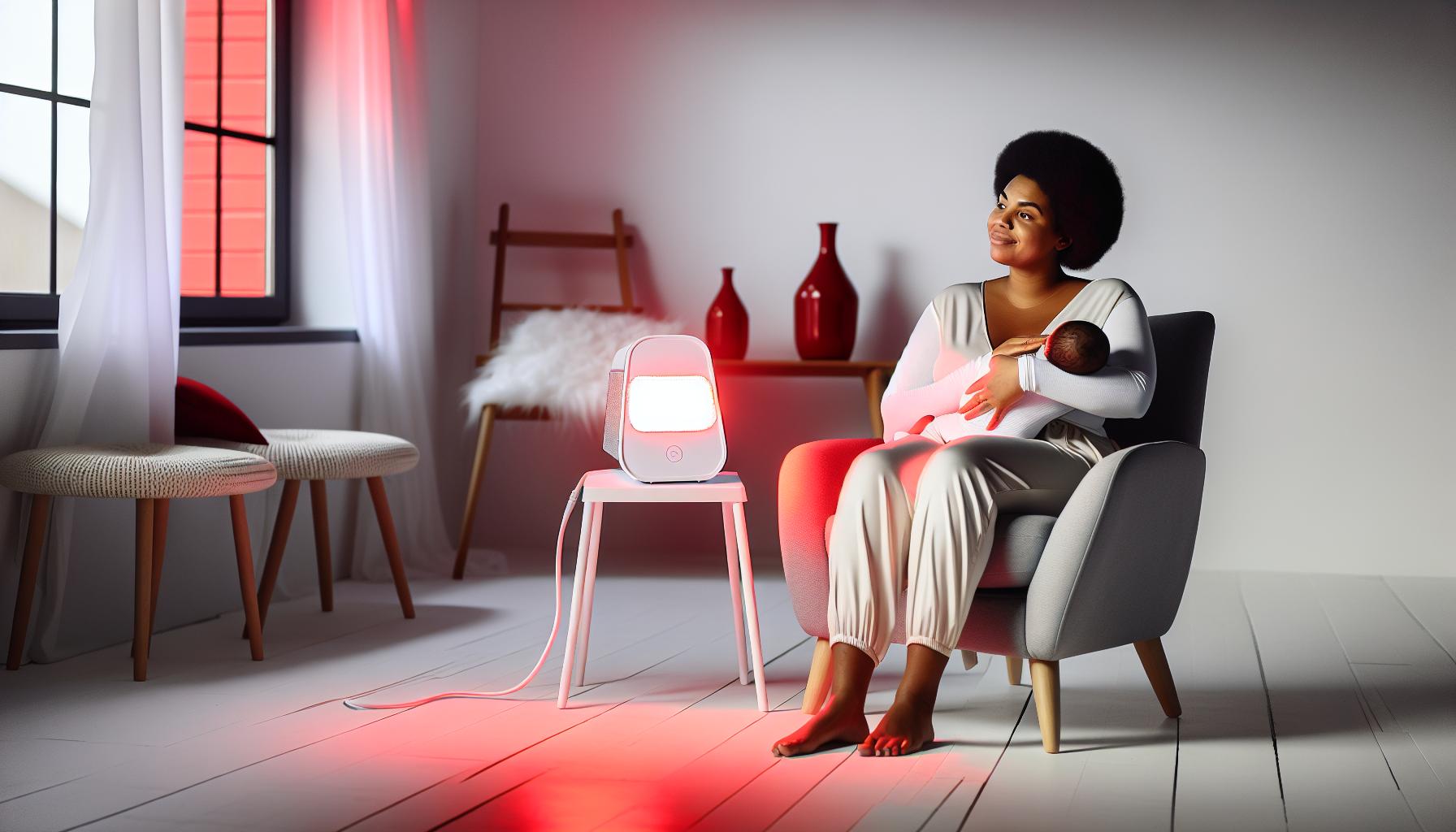
Red light therapy has gained attention as a gentle, non-invasive tool that many new mothers find tremendously helpful for postpartum healing. Experts who specialize in maternal health and lactation generally agree that using red light therapy while breastfeeding is safe when applied thoughtfully. Because it works by stimulating cells and encouraging natural repair without involving medications or invasive procedures, it poses minimal risk to the breastfeeding dyad. This biological focus on cellular energy—boosting mitochondria within skin and muscle cells—means it doesn’t interfere with milk production or contain harmful substances that could transfer through breast milk [[1]](https://vellgus.com/red-light-therapy-while-breastfeeding-a-full-safety-guide-for-new-moms/).
Many practitioners highlight the importance of cautious application, especially around delicate tissues. Avoiding direct exposure to the nipples and very sensitive skin is a common recommendation. Instead, directing the light toward areas like the perineum, abdomen, or upper chest can support healing from common postpartum discomforts such as perineal tears, incision sites, or engorgement. This respectful approach honors the complex physical and hormonal changes ongoing during lactation, fostering recovery without overwhelming the mother’s pace or comfort level.
Integrating Expert Guidance for a Safe Experience
- Timing Matters: Experts advise keeping sessions brief—around 3 to 5 minutes per area—and spacing them to avoid overstimulation. Starting slowly allows the body to respond gently.
- Consistency Over Intensity: Regular, short sessions are often more effective than occasional long treatments, supporting the natural, rhythmic healing process postpartum.
- Listen to Your Body: Experts emphasize personalization. Some moms report enhanced comfort and quicker healing, while others find sensitiveness varies by day or hormone flux.
In conversations with healthcare providers and lactation consultants, the sentiment is clear: red light therapy can serve as a nurturing adjunct but should never replace professional medical advice or treatment for more serious concerns.It’s a gentle tool in your self-care toolbox, helping reduce inflammation, soothe soreness, and support tissue repair during those vulnerable moments. Many mothers have reported feeling empowered—gently easing pain that interferes with comfortable breastfeeding while avoiding added medications or interventions [[2]](https://www.bestqool.com/blogs/news/red-light-therapy-breastfeeding-safety?srsltid=AfmBOoo85WQBxLYfd5uMTvlVaYi03LE6801yTtJxa-yjF7Ibyig8RWCS).
expert voices come together with a warm consensus: red light therapy, when used mindfully and paired with attentive breastfeeding support, can be a beautiful complement to postpartum care. It offers modern science woven thoughtfully into holistic healing traditions, honoring each mother’s unique journey toward wellness.

Timing and Frequency: Safe Use Guidelines for New Moms
New mothers often wonder how to safely incorporate red light therapy into their healing routines without feeling overwhelmed or uncertain about timing. The good news is that keeping sessions short and consistent can create a gentle rhythm that honors your body’s natural postpartum recovery process. Think of red light therapy like a soothing, daily touch to help calm soreness, ease swelling, and boost tissue repair without overstimulating delicate areas that are still healing.
Most experts recommend starting with brief sessions—around 10 to 15 minutes per treatment area, but frequently enough even 3 to 5 minutes can be enough, especially for sensitive skin or new wounds. these shorter intervals help your cells respond gradually, reducing the risk of irritation or fatigue. it’s perfectly normal to adjust the timing based on how your body feels each day. Some moms find that a few minutes targeting the lower back or shoulders eases tension that impacts breastfeeding comfort, while others prefer focusing on abdominal areas healing from cesarean incisions.
- Aim for 2-3 sessions weekly: This frequency strikes a balance between encouraging steady cellular repair and avoiding overwhelming the skin or muscles.
- Space out sessions: Leaving at least a day between treatments allows your body time to absorb the benefits fully and prevents any chance of overuse.
- Personalize your schedule: Your postpartum phase—whether early days or several months in—can influence how your body responds. Let your intuition guide the pace,and don’t hesitate to pause if you notice any sensitivity.
Listening to Your Body: real Wisdom from New Moms
One new mother shared how she began with short 5-minute treatments focused on her perineum after a vaginal birth. As she felt increased comfort and less swelling, she gradually added light sessions to her shoulders and upper back to relieve breastfeeding strain. Another mom found that using red light therapy twice a week on lower abdominal scars helped reduce tenderness without disrupting her milk supply or routine care. These stories emphasize that there’s no one-size-fits-all formula—patience and awareness are your best companions.
If you’re using red light therapy at home,consider setting gentle alarms or keeping a small journal to track timing and any shifts in comfort or healing. That way, you remain in tune with your body’s subtle feedback and remember to maintain the rhythm that best supports your unique journey.
By honoring your postpartum body’s pace with short, predictable sessions spaced thoughtfully through the week, red light therapy becomes a nurturing addition—not a chore—to your self-care. This steady care respects the beautiful complexity of lactation and recovery, aligning modern science with your natural healing wisdom [[1]](https://theribbonbox.com/parenting/red-light-therapy-breastfeeding/), [[2]](https://www.irestorelaser.com/blogs/content/is-red-light-therapy-safe-during-pregnancy-and-breastfeeding?srsltid=AfmBOopJKzqaeYtocjvO5xQMJipRLdEpZ545F4_yT6VRYrsLAtmt60D9).
Potential Risks and Side Effects for Breastfeeding Mothers
It’s reassuring to know that red light therapy is generally considered gentle and safe for most breastfeeding moms, but like any treatment, it’s wise to be aware of potential sensitivities and side effects. Some mothers may notice mild skin warmth or a slight redness after sessions—a temporary reaction that usually fades quickly and signals your skin is responding to the therapy. Because postpartum skin can be especially tender and hormones influence sensitivity, these sensations can feel more pronounced. Starting slow with shorter exposures helps your body adjust comfortably.
In rare cases, some breastfeeding moms might experience skin irritation such as dryness, itching, or mild rash, particularly if using devices too frequently or at too high an intensity. It’s critically important to keep treatment areas clean and avoid applying red light over broken or infected skin unless advised by your healthcare provider. Also, sensitivity varies greatly—what feels soothing for one mother might be too stimulating for another. Trust your body’s cues and pause if you notice increased swelling, unusual pain, or discomfort during or after sessions.
Extra care for Sensitive Areas and Milk Supply Concerns
while there’s no evidence showing red light therapy negatively impacts breast milk composition or flow, it’s best to avoid direct exposure over the nipples or areola unless you’re specifically treating nipple pain or injury and have guidance from a lactation consultant or medical professional. The delicate skin there can be more prone to irritation. Many moms find that using red light on nearby areas like the upper chest, back, or shoulders provides breastfeeding comfort without any risk to milk production.
- Timing matters: Avoid red light therapy promptly before nursing to steer clear of any potential temporary skin sensitivity that might affect latch comfort.
- Device intensity: Choose low to moderate power devices to limit skin stress and prevent overstimulation of sensitive postpartum tissue.
- Hydrate skin: Pair therapy with gentle moisturizers or cold compresses when needed to soothe any mild irritation and encourage healing.
Remember, postpartum recovery is deeply individual. Some moms find red light therapy a calming balm that eases discomfort and encourages tissue repair, while others may find it less suited for their bodies at certain stages. As one experienced mom shared, “I started with just a few minutes focused on my cesarean scar, noticing slight warmth but no irritation—I felt empowered watching my body heal gently with this extra support.” Your best tool in this journey is gentle observation and honoring what feels right for you and your baby’s bond [[1]](https://www.bestqool.com/blogs/news/red-light-therapy-breastfeeding-safety?srsltid=AfmBOoqlg_kQ_JlPI2PNbYh0GA_G30Up_SxahjgPk7RkfPSK7NKdwxdo),[[2]](https://www.irestorelaser.com/blogs/content/is-red-light-therapy-safe-during-pregnancy-and-breastfeeding?srsltid=AfmBOoqFNG6kn_RTMhSgUYbTDO_ATJigoNzFaXeuc5G9rnxMUo4T3TJS).
Choosing the Right Red Light Device for Home Use
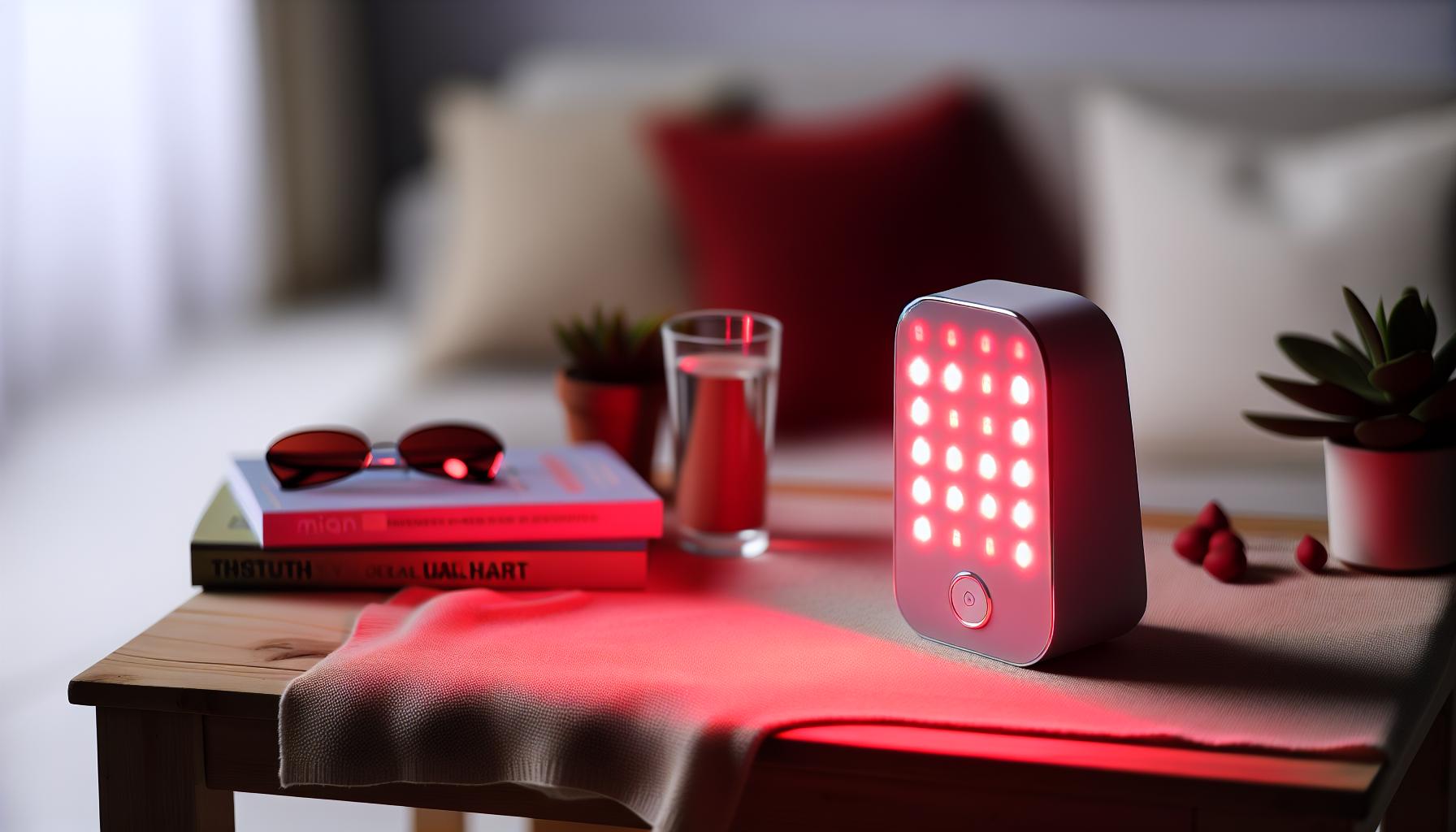
Choosing a red light device for home use can feel overwhelming, especially when your primary focus is gentle, safe healing while breastfeeding. The good news is,there are plenty of user-pleasant,affordable options designed with postpartum moms in mind—devices that balance effectiveness without overstimulating delicate skin or interfering with milk supply. When selecting your device, look beyond the shiny marketing and focus on features that prioritize safety, ease of use, and comfort during this tender season.
Medical-grade devices emitting both red (around 630-660 nm) and near-infrared light (approximately 800-850 nm) tend to support deeper tissue healing and reduce inflammation effectively while remaining gentle on the skin. Avoid high-powered lasers or overly intense panels that can generate heat or cause discomfort. Instead, opt for low to moderate intensity devices with settings you can adjust or limit according to how your body feels that day.Portability and size matter too—small, handheld units or lightweight panels can fit easily into nap-time routines or quiet moments between feedings, helping you nurture your body without adding stress.
- Wavelength range: Choose devices offering a mix of red and near-infrared light to target both surface and deeper tissues (e.g., scar repair, muscle relaxation).
- Power output: Look for moderate mW/cm² levels that offer healing benefits without causing skin overstimulation.
- Safety certifications: Prioritize devices cleared or approved by medical bodies or designed specifically for personal care use.
- Ease of cleaning: Ensure smooth, non-porous surfaces so you can gently clean the device, maintaining hygiene around sensitive postpartum skin.
- Adjustable timers and intensity: Allows you to start with short sessions and scale up as your comfort grows.
balancing Convenience with Self-Care
A mom shared how she found a compact, rechargeable red light device perfect for her couch-side use—“It became part of my evening ritual. Just 5 minutes on my lower back after feeding soothed my muscles and helped me unwind with my baby nearby.” This kind of grace and flexibility in your tools empowers you to listen to your body and honor your healing pace. When ordering, check for clear instructions on how to safely operate the device in postpartum skin conditions, avoiding sensitive nipple or areola areas unless guided by a lactation consultant.
Think of your red light therapy device as a gentle companion—not a fix-all gadget—for your postpartum journey. Matching your device choice to your unique needs, lifestyle, and sensitivity helps create a safe, healing space that supports breastfeeding comfort, wounds, or body aches without causing overwhelm. Taking time to research and read trusted user reviews can reveal the best fit for your wellness path as a new mom.
| Feature | Why It Matters | What to look For |
|---|---|---|
| Wavelength | Deepens tissue healing and reduces inflammation | Combination of red (630-660nm) + near-infrared (800-850nm) |
| Power Output | Prevents overstimulation,ensures safe skin exposure | Moderate intensity,adjustable settings |
| Portability | Fits into busy mom routines,enables spontaneous use | compact,lightweight,rechargeable battery |
| Safety | Protects sensitive postpartum skin,prevents irritation | Medical-grade or personal care certification |
| Ease of Cleaning | Maintains hygiene,important for tender skin | Non-porous surfaces,water/wipe-safe |
Choosing wisely nurtures your postpartum body in the gentlest way possible,honoring the rhythmic ebb and flow of motherhood without pressure or hurry. Remember, your body knows best—let your comfort guide your red light therapy experience as you embrace this beautiful phase of healing and growth.
Practical Tips: Integrating Red Light Therapy Into Your Routine
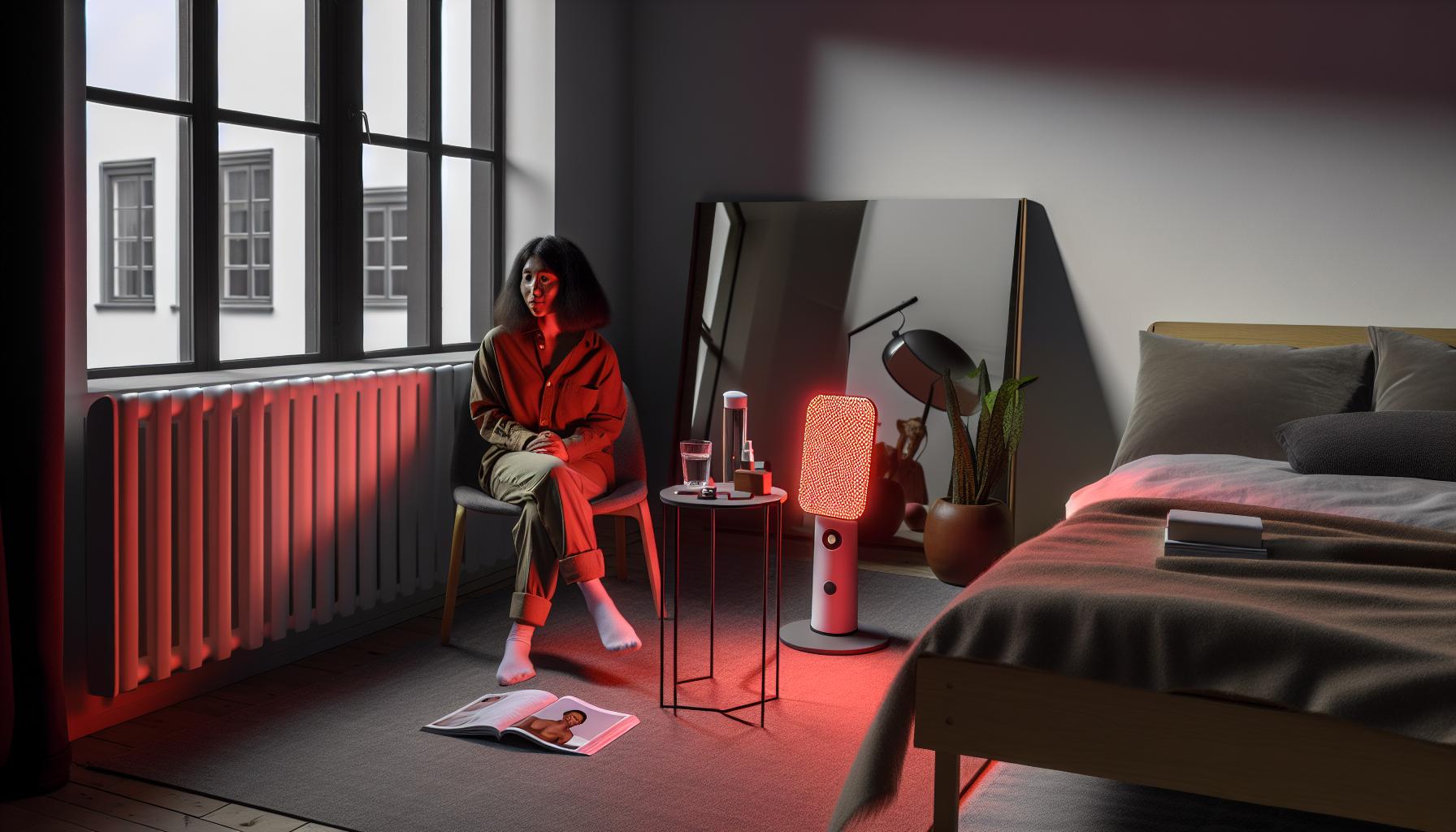
Finding pockets of calm and self-care as a new mom can transform your postpartum experience, especially when juggling breastfeeding and healing. Red light therapy fits beautifully into this delicate dance, offering soothing support without demanding much time or effort.Starting gently with just 5 to 10 minutes per session, on areas like your back, shoulders, or postpartum belly, can create nurturing moments that honor your body’s gradual healing while sidestepping the sensitive breast area unless otherwise directed by your healthcare provider. This approach respects the natural demands of lactation and skin sensitivity during this season of profound physical and emotional change.
- set a consistent time: Incorporate red light therapy into your daily rhythm—perhaps during quiet baby naps or evening wind-downs—to build a comforting ritual that feels natural, not burdensome.
- Target gentle areas: Focus on muscles that carry postpartum tension like the lower back or shoulders, or areas needing tissue repair such as C-section scars or stretch marks, keeping away from nipples and areolas unless advised.
- Listen to your body: Adjust session length and intensity based on your comfort. Some days may call for shorter, lighter sessions, especially if you feel fatigued or have skin sensitivity.
Creating Space for Mindful healing
Consider pairing your red light time with deep breathing, mindful meditation, or soft music to fully embrace moments of calm.One mom shared, “Using my handheld device quietly while nursing my baby on the couch helped ease my lower back tightness and gave me a peaceful pause in the chaos.” This kind of flexibility not only nurtures physical recovery but also offers emotional restoration, reminding you that self-care isn’t selfish—it’s survival and a beautiful act of love for both you and your baby.
| Tip | Why It Helps | How to Apply |
|---|---|---|
| Consistent Timing | Builds a comforting routine | Choose quiet moments like during feeding breaks or bedtime |
| Safe Target Areas | Protects delicate breast tissue and supports healing elsewhere | Use on back, shoulders, belly, or scar sites only |
| Adjustable Intensity | Prevents overstimulation or irritation | Start with low settings and short sessions, increase gradually |
| Combine with Relaxation | boosts emotional wellbeing alongside physical healing | Add breathing exercises, soft music, or meditation |
Remember, your postpartum journey is unique—there is no “one size fits all.” Some days red light therapy may be a gentle balm, other days you might pause entirely. Honoring these rhythms is part of embracing your healing and honoring your body’s wisdom during breastfeeding and beyond. If you ever feel uncertain, reaching out to your lactation consultant or healthcare provider creates a safe space to tailor this therapy to your needs while safeguarding your milk supply and comfort[[1](https://www.bestqool.com/blogs/news/red-light-therapy-breastfeeding-safety?srsltid=AfmBOorx3YGjcg1oUBA9_ykSVchZJiZOdsZa8xJ57JwdKBZFCbjPD7pG)][[2](https://theribbonbox.com/parenting/red-light-therapy-breastfeeding/)].
Holistic Care: Combining Red light with Other Postpartum Therapies
Soothing your body post-delivery is truly a journey, one where red light therapy can harmoniously blend with other gentle healing practices to nurture both body and mind. While red light gently encourages tissue repair and eases muscle tension, pairing it with complementary therapies creates a holistic rhythm of care that honors your postpartum body’s complexity, especially during breastfeeding. This integrative approach doesn’t rush healing but instead embraces a nurturing rhythm tailored to your unique needs, respecting the delicate balance of hormones, energy levels, and milk supply that define this season.
Complementing Red Light Therapy with Touch and Movement
Massage therapy, especially lactation massage or gentle myofascial release, can work beautifully alongside red light sessions. While red light stimulates circulation and cellular energy production, massage promotes lymphatic drainage and eases muscular knots. Together, they can relieve the common postpartum tension in your neck, shoulders, and back—areas that often bear the load of holding and feeding your baby. A professional postpartum massage or a trusted partner’s gentle hands paired with a short red light session later in the day can soften tight muscles and boost overall relaxation.
Similarly, incorporating gentle postpartum yoga or stretching invites mindful movement into your routine. Practices focused on pelvic floor health and diaphragmatic breathing enhance core stability and emotional calm, supporting hormonal balance during lactation.Use red light therapy on sore muscles after a light stretching session to soothe inflammation and encourage tissue regeneration, always steering clear of sensitive breast tissue unless advised.
Herbal Allies and Nutritional boosts
Conventional herbal remedies can also support your postpartum healing journey in concert with red light therapy. Herbs like red raspberry leaf tea, nettle, and chamomile provide gentle nourishment to your uterus, support milk production, and promote calm. These can be infused into soothing teas or included in meals to boost your body’s resilience. When combining with red light therapy,scheduling your light sessions before or after these ritual moments enhances the relaxation response.
| Herbal Remedy | Benefit | How to Use Safely while Breastfeeding |
|---|---|---|
| Red Raspberry Leaf | Supports uterine tone and recovery | Steep 1-2 tsp in hot water, drink 1-2 cups daily |
| Nettle Leaf | Rich in vitamins and minerals aiding energy | Use as tea or in smoothies; avoid excess caffeine or additives |
| Chamomile | Calming and supports digestion | Drink 1 cup tea in the evening; limit if you have allergies |
Before adding any new herbs or supplements, always check with your healthcare provider or lactation consultant to ensure safety for both you and baby, as reactions can vary.
Mindful Rituals and Emotional Nourishment
Postpartum wellness flourishes when bodywork is thoughtfully paired with emotional support. Red light therapy’s calming properties amplify when combined with deep breathing exercises, meditation, or soft music. Creating these mindful moments helps soothe cortisol levels, aiding hormonal balance that can affect milk flow and mood.Engage kindly with yourself: perhaps a quiet red light session over your shoulders while journaling feelings, or a shared moment with a partner practicing gentle acupressure or reflexology focused on relaxation points.These rituals don’t have to be lengthy to be powerful—a few minutes of intentional care can replenish your spirit as surely as your body.
Embracing these combined therapies invites a whole-self approach—honoring the physical, emotional, and energetic layers of postpartum healing. Each mom walks her own path,so consider this a gentle invitation to explore what resonates,creating your unique sanctuary of restoration during breastfeeding and beyond.
Real Mom Stories: Red Light Therapy Experiences While Breastfeeding
Many breastfeeding moms find themselves navigating uncharted waters when exploring therapies like red light therapy. What’s reassuring, though, is hearing from real women who’ve walked this path. Sarah, a new mom from Oregon, shared how she used red light therapy to soothe her postpartum lower back pain. She emphasized starting with short, focused sessions—about 10 minutes—on areas away from the breast and always checking with her midwife beforehand. “The gentle warmth helped me relax after long nursing sessions, and I noticed less muscle stiffness without any disruptions to my milk supply,” she remembers. Her careful approach mirrors expert recommendations to avoid direct exposure over breast tissue unless advised by a healthcare professional [[1]](https://www.infraredi.com/blogs/red-light-therapy/red-light-therapy-breastfeeding?srsltid=AfmBOooRWm4T2WNM2HOKXdR2zMqSl-hRqzT9CrMwCX-6Y0BECKszn2BC).
another mother, Aisha from Canada, found red light therapy especially helpful during her recovery from cesarean birth.She combined brief at-home sessions with herbal teas like red raspberry leaf to support healing. Aisha highlights how this mix of modern technology and traditional remedies created a nurturing routine that helped her reconnect to her postpartum body while managing fatigue and emotional ups and downs. “It didn’t feel clinical or rushed—just gentle care that fitted into my days with my newborn,” she notes. Her experience reflects an critically important truth: healing is deeply individual, and integrating therapies with attention to your body’s signals, rhythm, and comfort is key.
- Start gently: Use red light therapy on areas like shoulders, lower back, or legs before considering more sensitive regions.
- Stay informed: consult your lactation consultant or healthcare provider about timing and duration.
- Combine wisely: Pair sessions with calming practices such as breastfeeding-friendly herbal teas or gentle massage.
- Honor your body’s cues: Red light therapy should enhance comfort, not cause discomfort or disruption to nursing.
These shared stories underscore a central theme—the safety and benefits of red light therapy during breastfeeding rely on mindful, informed use. Each mom’s exploration can offer a unique perspective, but common threads run through: respect for healing’s pace, openness to integrating natural and evidence-based care, and the support of trusted experts to guide this delicate postpartum journey [[2]](https://theribbonbox.com/parenting/red-light-therapy-breastfeeding/) [[3]](https://redlighttherapyhome.com/blogs/news/is-red-light-therapy-safe-for-breastfeeding?srsltid=AfmBOooZZIF3XIP1399m5ohbwTfaE2aOOX1pOsMsNmpjvv_cSGLdp7xO).
When to Consult Your Healthcare Provider About Red Light therapy
Red light therapy is a gentle and promising tool for postpartum healing, yet it’s critically important to know when reaching out to a healthcare provider is not just wise—but essential. Although many moms use red light therapy safely and with great benefit, some circumstances call for professional guidance to ensure both your wellbeing and your baby’s safety remain front and center.If you’re navigating new or complex health concerns while breastfeeding, timely support from your midwife, lactation consultant, or doctor can give you confidence and peace as you explore this therapy.
you might consider consulting your healthcare provider before beginning red light therapy if you have any of the following:
- Existing medical conditions: If you have underlying issues such as mastitis (breast infection), skin sensitivities, or autoimmune conditions, professional advice can help tailor treatment safely without interfering with healing.
- Uncertainty about device settings or placement: Proper wavelength, exposure time, and safe areas for application can vary. Discussing your plan ensures you avoid direct stimulation over breast tissue that may impact milk supply or cause discomfort.
- Post-surgical healing concerns: For moms recovering from cesarean sections or complex births, red light therapy can support tissue repair, but careful timing and guidance are key to avoid irritation or delayed healing.
- Experiencing unusual symptoms: any new pain, skin changes, or milk supply shifts during therapy deserve prompt professional input to rule out complications.
A warm example comes from Naomi, a breastfeeding mom who shared that before starting red light therapy, she spoke with her lactation consultant due to her sensitivity around engorgement and early mastitis. Together, they crafted a gentle routine, focusing red light sessions on her lower back and shoulders—not the breasts—lifting her confidence and easing symptoms without affecting nursing. Stories like Naomi’s highlight how collaborative care nurtures not only body but also heart.
building a Partnership for Safe and Soothing Self-Care
Approach your healthcare provider as a partner in your postpartum journey.Prepare to discuss your goals with red light therapy and any other complementary practices you’re using—herbal teas, massages, or mindfulness exercises—so your care team can support your whole-body healing. This dialog respects the unique rhythms of recovery, helping you honor your body’s signals with informed, mindful choices.
Below is a simple checklist to help you prepare for your conversation with your provider:
| Preparation Steps | Helpful Questions to Ask |
|---|---|
| Note your current health concerns (pain, skin changes, breastfeeding challenges) | Is red light therapy safe with my current health status? |
| List the devices or products you’re considering | What settings or durations are recommended? |
| Track your breastfeeding routine and any milk supply variations | Could red light therapy influence milk production or infant feeding? |
| Remember any allergies or skin sensitivities | Are there signs I should watch for that indicate irritation or complications? |
Ultimately, this close collaboration cultivates a nurturing space where you can explore healing tools confidently and safely. Red light therapy can be a shining buoy in your postpartum care, especially when set within gentle guidance and personalized support. Trust that your questions matter, your feelings are valid, and your health care team is there to walk beside you.For detailed insights and reassurance straight from experts,consulting your provider before starting or modifying red light therapy sessions is a powerful step toward protecting your own wellness and fostering your breastfeeding relationship [[1]](https://www.bestqool.com/blogs/news/red-light-therapy-breastfeeding-safety?srsltid=AfmBOop9iewTUpKsNC_cGNNBU1IjRyil_LM24W3T-Yy3Hg4Wh6ixoSzQ) [[2]](https://ppcareusa.com/2025/11/03/red-light-therapy-postpartum/).
Frequently asked questions
Q: How does red light therapy affect milk supply in breastfeeding mothers?
A: Red light therapy is not shown to adversely affect milk supply in breastfeeding moms. It may even support lactation by improving circulation and reducing nipple pain. Always monitor your body’s response and consult your provider if you notice any changes in milk production. For more on timing and safety, see our section on Timing and Frequency in the main article.
Q: Can red light therapy help with cracked nipples during breastfeeding?
A: Yes,red light therapy can promote faster healing of cracked nipples by enhancing skin repair and reducing inflammation. Use a gentle, low-intensity device for short sessions. Pair with safe moisturizing treatments recommended in postpartum care routines for optimal results. Learn practical step-by-step tips in Practical Tips: Integrating Red Light Therapy Into Your Routine.
Q: When is the best time postpartum to start red light therapy while breastfeeding?
A: It’s safe to begin red light therapy once acute postpartum wounds have started healing, typically after the first week.Early use helps with tissue repair and pain relief. For best practices, check your comfort level and consult your healthcare provider, especially if you have c-section or perineal tears. Refer to our Timing and Frequency guide for personalized advice.
Q: Are there any specific red light wavelengths safer for breastfeeding mothers?
A: Wavelengths between 630–670 nm (red light) and 810–850 nm (near-infrared) are generally safe and effective for postpartum healing. these penetrate skin gently without harming breast tissue or milk quality.Always pick devices with medical-grade certification and follow usage guidelines outlined in the Choosing the Right Red Light Device for Home Use section.
Q: How can I combine red light therapy safely with other postpartum treatments while breastfeeding?
A: You can safely complement red light therapy with gentle massage, hydration, and herbal remedies known to support lactation. Avoid harsh chemicals or unverified supplements. Integrate therapies gradually and observe your body’s responses.See our Holistic Care section for nurturing routines combining red light with traditional postpartum therapies.
Q: Can red light therapy cause any emotional or hormonal effects in breastfeeding moms?
A: Red light therapy is not linked to negative hormonal or emotional effects. In fact, by reducing pain and promoting healing, it may improve mood and reduce stress during the vulnerable postpartum period. Always approach self-care holistically and seek support if you experience mood changes unrelated to therapy.
Q: What precautions should I take if using red light therapy on areas near the breasts during breastfeeding?
A: Use a low-intensity, medical-grade device and avoid prolonged direct exposure to nipples to prevent skin irritation. Always keep sessions brief (5-10 minutes) and maintain device distance as per manufacturer instructions. For detailed safety tips, consult the Potential risks and Side Effects in the main article.
Q: Can red light therapy interfere with my baby’s feeding schedule or breastfeeding routine?
A: No, red light therapy does not interfere with feeding schedules. It’s a non-invasive, painless therapy that fits easily into your daily routine. Use it during quiet moments or after feeding to support healing without disrupting bonding time. For practical integration tips, see Practical Tips: Integrating Red Light Therapy Into Your Routine in the article.
For more detailed guidance and personalized support, explore the full expert insights and real mom stories in our main article. Remember, every mother’s journey is unique—trust your body and reach out when you need reassurance.
Final Thoughts
Navigating red light therapy while breastfeeding is a personal journey, and understanding its safety, timing, and benefits empowers you to make the best choices for both you and your baby. While expert insights affirm that gentle, controlled use is generally safe during lactation, always listen to your body and consult your healthcare provider to fit this therapy comfortably into your postpartum self-care routine. For practical guidance, explore our safe postpartum healing tips and discover nurturing recipes designed to support recovery after birth.
If you’re curious about holistic postpartum wellness or want to deepen your knowledge on lactation-supporting techniques, don’t miss our detailed guide on natural remedies for breastfeeding moms, and learn how you can integrate gentle therapies into your routine safely. Join our community by signing up for the newsletter to receive weekly updates, expert interviews, and real-mom stories that celebrate every stage of motherhood without judgment.
Have questions or experiences to share? please comment below to connect with other moms embracing healing and self-care. Remember, your journey is unique, and caring for yourself is the first step to nurturing your little one. Keep exploring, stay informed, and let’s walk this path together.
Get our latest guides, news, and insights highlighted in your Google Search & AI Overviews.


 CRITICAL DEVELOPMENT WINDOW