
Is It Safe to Take Vitamin D While Breastfeeding? Yes, Here’s Why
Did you know that vitamin D plays a crucial role not just in your health but also in your baby’s progress during breastfeeding? Many new moms wonder if it’s safe to take vitamin D supplements while nursing, especially amid the whirlwind of postpartum changes. The good news is—it generally is safe and beneficial. Vitamin D supports strong bones, a healthy immune system, and can even influence mood—all crucial for you and your little one. but, as with all supplements, timing, dosage, and individual health matter. In this article, we’ll gently walk through why vitamin D is important during lactation, how to choose the right dose, and safe ways to incorporate it into your postpartum self-care. Together, we’ll honor your unique journey with information grounded in science and nurtured by real mom experiences, helping you feel confident and supported as you nourish both yourself and your baby.
Contents
- Is Vitamin D Safe During Breastfeeding? What Science Says
- How Vitamin D Supports Your Baby’s Growth and Immunity
- Recommended Vitamin D Dosage for Breastfeeding Moms
- Best Natural Sources of Vitamin D Postpartum
- Vitamin D Supplements: Choosing the Right Type for You
- How and When to Take Vitamin D for Maximum Absorption
- Signs of Vitamin D Deficiency in Moms and Babies
- Balancing Vitamin D with Other Nutrients While Nursing
- Real mom Stories: Vitamin D Experiences During Breastfeeding
- Holistic Tips to boost Vitamin D Naturally and Safely
- Potential Risks and When to Consult Your Healthcare Provider
- Q&A
- Q: How does breastfeeding affect a mother’s vitamin D needs?
- Q: Can taking vitamin D while breastfeeding improve my baby’s immune system?
- Q: What signs indicate a vitamin D imbalance during breastfeeding?
- Q: Is it safe to take high doses of vitamin D supplements while breastfeeding?
- Q: How long after breastfeeding should I continue taking vitamin D supplements?
- Q: Can vitamin D supplements interfere with other postpartum nutrients during breastfeeding?
- Q: What is the best time of day to take vitamin D while breastfeeding for better absorption?
- Q: Are there any natural ways to support vitamin D levels while breastfeeding without supplements?
- Insights and Conclusions
Is Vitamin D Safe During Breastfeeding? What Science Says
Many breastfeeding moms wonder if taking vitamin D supplements is safe for themselves and their babies. The reassuring news from scientific research is a clear yes: vitamin D is not only safe during breastfeeding but plays a crucial role in supporting your baby’s health and your own recovery. Since vitamin D is fat-soluble and stored in the body,it easily passes into breast milk,helping to protect your little one,especially if direct sunshine exposure is limited. Many healthcare professionals recommend supplementing vitamin D, especially in regions with less sunlight or during winter months, ensuring both mom and baby maintain optimal levels without worry.
What Research Shows About Vitamin D and Breastfeeding
Research has consistently supported vitamin D supplementation as a safe practice during lactation. A mother’s vitamin D status heavily influences the amount transmitted through breast milk. Since infants rely almost entirely on breast milk for nutrition in early months, sufficient levels are vital for bone development and immune support. Studies have shown no adverse effects from typical supplement dosages, and in fact, vitamin D deficiency in breastfeeding infants has been linked to rickets and weakened immunity. This evidence highlights how maternal supplementation can be a gentle and effective way to nurture your baby’s needs without introducing complex routines or risks.
Practical Tips:
- Discuss your dosage with your healthcare provider to find the balance suited to your body’s needs and lifestyle.
- Consider your sun exposure and diet as part of your vitamin D strategy—supplements can complement but not fully replace natural sources.
- Remember that every mother’s body is unique, and integrating vitamin D within a holistic postpartum care routine can support your healing journey, energy levels, and emotional well-being.
Infusing your days with small moments of sunshine, nutrient-rich meals, and the comfort of knowing you’re supporting your baby’s growth can make all the difference. Your body knows this delicate dance well; trust the wisdom of nurturing yourself just as lovingly as you care for your little one.
For more nuanced guidance on dosage and timing, stay tuned for upcoming sections that walk you through step-by-step approaches, including practical recipes and supplement tips tailored to new moms navigating this stunning, complex time.
References: Vitamin D is a fat-soluble vitamin essential for health and development and is safely stored and utilized by the body during lactation [[1]]. The necessity of vitamin D supplementation due to limited natural synthesis and its absence in many diets is well documented [[2]].
How Vitamin D Supports Your Baby’s Growth and Immunity
Vitamin D plays a quietly powerful role in your baby’s early life, quietly supporting strong bones and a resilient immune system from the very start. as newborns depend almost entirely on breast milk for their nutrition, the vitamin D your body passes through lactation becomes a vital nutrient that helps shape your baby’s growth and defense against infections. This fat-soluble vitamin aids in calcium absorption, which is crucial for building healthy bones and teeth—a foundational step that sets your child up for a lifetime of strength and vitality.
beyond bone health, vitamin D sparks your baby’s immune cells into action. It modulates the immune response,helping your little one better ward off common illnesses and infections during those vulnerable first months. Breastfed babies whose mothers have sufficient vitamin D are less likely to develop rickets, a condition that softens bones and causes delays in growth.Moreover, optimal levels may support lung health and reduce the risk of respiratory infections, something every new mom hopes to avoid. This natural immune boost comes with no added fuss—just the loving transfer of nutrients through your milk.
- Tip for moms: Try to include small sun breaks in your day, safely exposing your skin to sunlight, which helps your body produce vitamin D naturally.
- Include vitamin D-rich foods where you can—like fatty fish or fortified dairy—to complement supplementation if needed.
- Remember to discuss your specific vitamin D needs with your healthcare provider, especially if you live in areas with limited sun exposure.
These carefully balanced elements make vitamin D more than just a nutrient; it’s a gentle guardian in your baby’s earliest days, helping them grow strong and thrive in their own unique way. Your body has the wisdom to provide this gift—nurturing your little one while you heal and replenish. This delicate sharing is one more reason to honor and trust in the beautiful journey of motherhood.
Recommended Vitamin D Dosage for Breastfeeding Moms
Vitamin D needs can feel a little confusing when you’re nurturing a tiny human through breastfeeding. The good news is, your body has a beautiful way of sharing this essential nutrient with your baby, but sometimes, a little extra support is just what the doctor ordered.Most experts agree that a daily dose of about 600 to 2,000 IU (International Units) of vitamin D is both safe and effective for breastfeeding moms, providing a steady flow of benefits without overwhelming your system. This range allows versatility depending on your unique sun exposure, diet, and overall health.
It’s important to remember that vitamin D doesn’t just come from supplements—it’s a teamwork of sunshine, food, and sometimes, a little boost in pill form. if you’re in a sun-poor region or covering up for babywearing comfort or cultural reasons, supplementation becomes even more valuable. For context, a mom I worked with recently mentioned switching to a daily 1,000 IU supplement after winter, and she noticed her energy stabilizing and peace of mind growing, knowing her milk carried enough vitamin D for baby’s needs.
Practical Tips for Finding Your best Dose
- Check with Your healthcare Provider. They can test your vitamin D levels and recommend a personalized dose tailored to your lifestyle and health history.
- Consider Your Environment. Those with limited sun exposure may need doses on the higher end or more frequent supplementation, especially during fall and winter months.
- Keep a Steady Routine. Taking vitamin D at the same time daily, alongside a meal with healthy fats, can improve absorption and create a caring daily ritual for both you and your baby’s wellness.
- Monitor Baby’s Health and Development. If you notice signs like fussiness, delayed growth, or unusual softness in bones, these could signal a need for evaluation and possible dosage adjustment.
Breastfeeding is a journey full of learning curves, and finding the right vitamin D dose is no diffrent. Embrace flexibility, honor your body’s signals, and share openly with your healthcare team—this gentle balancing act supports both your healing postpartum body and your baby’s growth with grace and safety.
| Vitamin D Dosage Guide for Breastfeeding Moms | Recommended Daily IU | Notes |
|---|---|---|
| Minimum Adequate Dose | 600 IU | Standard proposal for most breastfeeding mothers |
| Moderate Supplementation | 1,000–2,000 IU | Recommended for low sun exposure or dietary intake |
| Higher Dose (Under Medical Guidance) | Up to 4,000 IU | for diagnosed deficiency or specific health concerns |
Best Natural Sources of Vitamin D Postpartum
Vitamin D is often called the “sunshine vitamin” for good reason—our bodies naturally create it when our skin is exposed to sunlight. But for new moms spending long hours indoors nursing or navigating the chilly postpartum months, it can be tricky to get enough sun to meet daily vitamin D needs. This makes turning to nature’s pantry an critically important part of supporting both your health and your baby’s development. Fortunately, there are nourishing, natural foods that provide vitamin D in forms your body can readily use while honoring your unique postpartum rhythms.
flavorful, Vitamin D-Rich Foods to Include in Your postpartum Diet
- Fatty Fish: Salmon, mackerel, sardines, and trout are some of the best natural sources.They carry vitamin D along with omega-3s, which are great for your mood and baby’s brain health. Aim for 2-3 servings per week if possible, gently cooked to preserve nutrients—think baked or lightly pan-seared.
- Egg Yolks: Rich in vitamin D and easy to add to any meal. Pasture-raised eggs often have higher vitamin D content, so look for those when you can. Soft boiling or poaching helps keep the yolk nutrients intact.
- fortified Foods: Many plant-based milks (like almond, soy, or oat) and some yogurts have added vitamin D. These are great if you’re dairy-free or want some gentle variety. check labels to ensure they contain vitamin D3, which is more effectively used by your body than D2.
- Mushrooms: Certain varieties (like maitake and UV-exposed shiitake) naturally boost vitamin D levels. Including a small portion in soups or salads is an easy, earthy way to nourish yourself postpartum.
If you’re feeling overwhelmed with the dietary juggling act, start small and listen to your body’s needs. A simple salmon and leafy green salad or creamy scrambled eggs with mushrooms can be both comforting and nourishing during those long nursing sessions. Remember, the goal isn’t perfection but gentle, consistent support for your healing body and your tiny one. Some moms find creating cozy ritual meals that celebrate these foods brings unexpected joy during challenging days.
Sunshine and Safe Outdoor Time
When weather and mood allow, gentle, sunlit walks still offer an invaluable way to top up vitamin D. even 10-15 minutes of sun exposure on arms and face a few times a week (without sunscreen) can make a meaningful difference. Just be mindful of skin sensitivity postpartum and avoid peak sun hours. If weather or lifestyle limits outdoor time, that’s perfectly okay—rely instead on those nutrient-dense food choices and discussed supplementation strategies.Breastfeeding is layered with emotions and physical demands—honor that complexity by approaching your vitamin D support with kindness, curiosity, and flexibility. This holistic, nurturing outlook ensures you’re giving your body and baby exactly what they need with love and respect.
| Vitamin D Food Sources | Approximate vitamin D Content (per serving) | Notes |
|---|---|---|
| Cooked Salmon (3.5 oz / 100g) | 450 IU | Fatty fish provides omega-3s plus vitamin D |
| Canned sardines (3.75 oz can) | 270 IU | Convenient pantry staple |
| Egg Yolk (1 large) | 40 IU | Pasture-raised eggs frequently enough have higher content |
| Fortified Plant Milk (1 cup) | 100 IU | vitamin D3 preferred over D2 |
| UV-Exposed Mushrooms (1 cup) | 400 IU | Look for maitake or shiitake varieties |

Vitamin D Supplements: Choosing the Right Type for You
Finding the right vitamin D supplement during breastfeeding can feel like navigating a gentle maze—one that honors your body’s healing rhythm while ensuring both you and your baby receive the nourishment you need. Vitamin D supplements come in different forms, and choosing the best one for you depends on several gentle factors like your personal health, dietary preferences, and lifestyle.
One key piece to remember is the difference between vitamin D2 and D3. Vitamin D3 (cholecalciferol) is the form your body naturally produces when exposed to sunlight, and research shows it’s more efficiently absorbed and utilized compared to vitamin D2 (ergocalciferol), which mostly comes from plant sources. For breastfeeding moms, vitamin D3 supplements support better vitamin D levels both for you and your baby through breastmilk. It’s an easy switch to make by reading labels carefully and selecting products labeled “D3” or “cholecalciferol.”
- Liquid Drops: These are perfect for moms who prefer gentle dosing or those who may have difficulty swallowing pills. liquid drops allow flexibility—you can add them to water, smoothies, or take them directly. Some moms find the ritual of a few drops comforting and a mindful moment of self-care amid the postpartum whirlwind.
- Softgel Capsules: A popular choice for ease and consistency. They often contain oil-based vitamin D3, which supports better absorption since vitamin D is fat-soluble. Taking these with a healthy fat-containing meal,like avocado or nuts,can gently enhance how your body uses the vitamin.
- Chewable Tablets: For those who prefer tasty, easy-to-take options, chewables can be a lovely option. Look for options low in added sugars or artificial ingredients when possible to keep your supplementation nourishing, not taxing your system.
Personalizing Your Vitamin D Supplement Routine
Remember, each body is beautifully unique postpartum. Some moms find that taking their supplement in the morning with breakfast gently wakes up their system, while others prefer a calming evening routine after nursing. If you’re balancing other supplements—like iron or calcium—try to space vitamin D intake to different times of the day to honor optimal absorption and avoid digestive discomfort.
| Supplement Type | Key Benefit | Tip for Best Use |
|---|---|---|
| Vitamin D3 Liquid Drops | Flexible dosing, easy for sensitive stomachs | Add to morning smoothie or take directly on tongue |
| Softgel Capsules | Improved absorption with dietary fats | Take with meals containing healthy fats |
| Chewable Tablets | Tasty, easy to remember | Choose low-sugar formulas, take anytime |
If you’re feeling unsure where to start, many moms find it helpful to discuss your vitamin D status with a healthcare provider to get tailored advice—sometimes a simple blood test clarifies exactly how much support your body needs. this can reduce guesswork and empower you with confidence.Embracing supplementation isn’t about perfection but about kindness to your body and your baby during this tender time.
Consider your supplement as a gentle partner in your postpartum journey—a tool that supports your strength, mood, and healing. Whether you pick liquid drops to mix into a morning tea, softgels with a creamy avocado salad, or a chewable tablet while cradling your little one, every small step toward balanced vitamin D is a celebration of nourishing your unique path through motherhood.
How and When to Take Vitamin D for Maximum Absorption
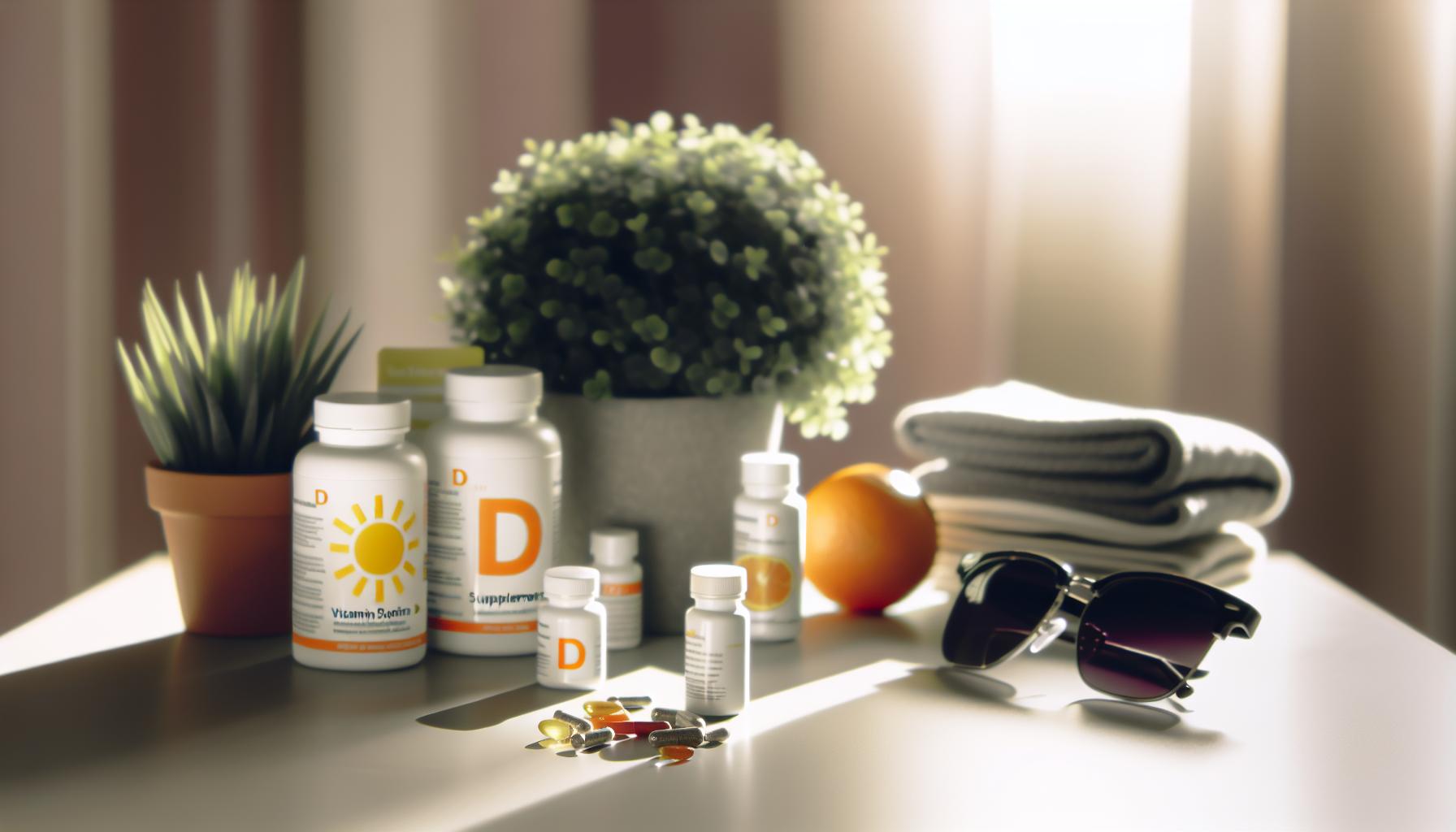
vitamin D’s magic unfolds most fully when your body receives it in harmony with its natural rhythms and needs—especially during the delicate postpartum period. As vitamin D is fat-soluble, its absorption improves substantially when taken alongside healthy fats. That means pairing your supplement with a nourishing meal—think avocado toast, a handful of nuts, or a drizzle of olive oil on your salad—can gently boost how much vitamin D your body can use. A simple morning routine might be sipping a smoothie with a spoonful of nut butter and a few drops of liquid vitamin D3 mixed in, creating a small but powerful ritual of self-care.
timing also plays a surprisingly sweet role. Some moms prefer taking vitamin D with breakfast to start the day with a gentle energy lift, while others find a calming routine after evening nursing helps signal rest and restoration. The key is tuning in to your unique postpartum body and experimenting kindly: Does taking your supplement with food ease any digestive discomfort? Does morning or evening dosing feel more natural? Above all, spacing vitamin D apart from other minerals like iron and calcium—if you’re supplementing with those—supports better absorption and reduces tummy upset.
Simple Tips for Optimizing Vitamin D Absorption
- Take vitamin D with meals containing healthy fats to enhance absorption—this can be as simple as adding your supplement to a meal rich in avocado, eggs, cheese, or nuts.
- Keep your dosing consistent at roughly the same time each day to foster routine and steady blood levels.
- separate vitamin D from iron and calcium supplements by a couple of hours to prevent competition during absorption.
- Choose vitamin D3 supplements (cholecalciferol), as they mimic your body’s natural form and are more effective than vitamin D2.
- Consider liquid drops if swallowing pills feels hard: They’re easy to dose and blend beautifully into your favorite warm tea or smoothie.
| Timing | Why It Helps | Practical Example |
|---|---|---|
| With breakfast or Lunch | Boosts absorption with dietary fats, supports morning energy | Take vitamin D3 softgel with avocado toast or nut butter smoothie |
| Separate from Iron or Calcium | prevents nutrient absorption competition | Take iron in the morning, vitamin D at lunchtime |
| Liquid Drops Anytime | Flexible for sensitive stomachs, easy to tailor dose | Add drops to morning yogurt or tea |
Remember, absorption may differ from mom to mom, influenced by factors like your digestive health, postpartum healing, and overall diet. If you notice any discomfort,gentle shifts in timing or pairing may improve your experience. Reach out to your healthcare provider for personalized guidance—they can run blood tests to tailor your dosage precisely, easing any worries and nourishing both you and your baby with confidence. Embrace this as an act of kindness for your body that grows and heals alongside your baby.
Signs of Vitamin D Deficiency in Moms and Babies
Vitamin D quietly works behind the scenes to keep both mom and baby strong, but when levels dip too low, the signs can be subtle or easy to overlook. For new mothers balancing endless feedings and recovery, tuning into these signals can make all the difference in nurturing your well-being and your infant’s health. It’s not about perfection—just gentle awareness and kindness toward your body’s language during this transformational time.
Babies may show early clues like fussiness, delayed growth milestones, or even soft bones leading to a condition called rickets, though thankfully this is rare when adequate vitamin D is maintained. Moms might notice unexplained fatigue, muscle weakness, or mood shifts resembling the “baby blues” but lasting longer. Since vitamin D supports immune function and mood regulation, feeling chronically low or run-down can sometimes hint at deficiency. Especially if you’re breastfeeding exclusively and have limited sun exposure,these signs become critically important reminders to consider your vitamin D intake.
Common Signs to Watch For
- In Babies: Excessive irritability, poor growth patterns, delayed motor milestones, soft skull bones (fontanelles), or unusual sweating, especially around the head.
- In Mothers: Persistent tiredness beyond normal postpartum fatigue, muscle aches or cramps, bone pain, mood fluctuations like low mood or anxiety, and frequent infections.
Sometimes these symptoms overlap with simply adjusting to motherhood’s highs and lows, so discussing any concerns with your healthcare provider is a nurturing step that honors your journey. Simple blood tests can quickly reveal vitamin D status, paving the way for tailored supplementation or dietary adjustments that gently restore your balance.
Listening to Your Body in Postpartum
remember, each woman’s experience is unique. Some moms find that adding a vitamin D-rich smoothie or a nutrient-dense breakfast with healthy fats supports both energy and mood. Others discover that just a small daily dose of vitamin D3 drops improves their overall sense of wellness. Sharing your story with trusted care providers or community circles of moms can also provide comfort and practical insights.
Prioritize self-compassion as you tune into these signs. Your body is healing, adapting, and making miracles every day. Supporting vitamin D levels is one sweet way to nourish that process—because when mom thrives, baby does too.
| Symptom | Possible cause | Suggested Action |
|---|---|---|
| Excessive Baby Fussiness | Potential low vitamin D affecting nerve and muscle development | Consult pediatrician; consider vitamin D supplementation for infant |
| Maternal Fatigue & Muscle Weakness | Vitamin D’s role in energy and muscle function | Review vitamin D intake, add supplements with healthy fats |
| Delayed Baby Growth or Soft Bones | Vitamin D deficiency impacting calcium absorption | Medical assessment, possible vitamin D dosing adjustments |
| Persistent Maternal Mood Swings | Vitamin D’s influence on mood regulation | Support with balanced nutrition, light exposure, and supplementation |

Balancing Vitamin D with Other Nutrients While Nursing
Vitamin D often takes center stage in postpartum nutrition, but it’s important to remember it works best in harmony with other nutrients. Think of it like a dance partner—Vitamin D helps your body absorb calcium efficiently, but without sufficient calcium, magnesium, and vitamin K2, the whole performance can feel a bit off balance. for breastfeeding moms, achieving this nutrient synergy supports both bone health and the baby’s growth, while nurturing your own energy and mood during recovery.
When focusing on calcium, this mineral is essential because vitamin D acts like a key, unlocking calcium absorption from your diet into your bloodstream. Yet, calcium’s journey doesn’t end there. Magnesium plays a quiet but crucial role in activating vitamin D’s functions and ensuring that calcium deposits in bones rather of soft tissues. It’s a delicate balance, especially postpartum, when demands on your body are high. Simultaneously occurring, vitamin K2 directs calcium to the bones and teeth, preventing accumulation in arteries. Together,these nutrients protect your health and help your milk supply support your baby’s developing skeleton.
Tips for Nourishing the Vitamin D Trio
- Include Magnesium-Rich Foods: Think leafy greens like spinach, nuts such as almonds and cashews, seeds like pumpkin and sunflower, and whole grains.
- Eat Calcium-Rich Foods: dairy products, fortified plant milks, sardines with bones, and tofu provide excellent calcium boosts.
- Support Vitamin K2 Intake: incorporate traditionally fermented foods like natto (fermented soybeans), sauerkraut, or look for grass-fed dairy options.
- Balance Fats Wisely: Vitamin D is fat soluble, meaning healthy fats like avocado, olive oil, and coconut oil help your body absorb it better. Adding a small amount to your vitamin D supplement time can make a difference.
Many moms share how adding a simple morning smoothie with spinach, a tablespoon of nut butter, and a splash of fortified milk enriched both their energy and breast milk quality. Here’s a fast blend to try:
Vitamin D–Supporting Postpartum Smoothie
- 1 cup fortified almond or cow’s milk
- 1 handful fresh spinach (rich in magnesium and calcium)
- 1 tablespoon almond or cashew butter (healthy fats and magnesium)
- ½ ripe banana for sweetness and potassium
- Optional: ½ teaspoon turmeric and black pepper (natural anti-inflammatory benefits)
blend until smooth and enjoy alongside your vitamin D supplement, preferably taken with a meal.
Remember to pace yourself—overloading on supplements can overwhelm your system and your senses as a new mom! Instead, aim for balanced nourishment from real foods, gentle supplementation if needed, and plenty of hydration. If you’re curious about complex nutrient interplay or worried about your levels, your healthcare provider can definitely help personalize recommendations, including safe dosing and timing.
| Nutrient | Role in Vitamin D Balance | Top Food Sources |
|---|---|---|
| Calcium | Essential for bone growth; vitamin D enhances absorption | Dairy, fortified plant milks, sardines, tofu |
| Magnesium | Activates vitamin D and aids calcium metabolism | Spinach, nuts, seeds, whole grains |
| vitamin K2 | Directs calcium to bones and teeth; prevents artery calcification | Fermented foods, grass-fed dairy, natto |
| Healthy Fats | Supports vitamin D absorption (fat-soluble vitamin) | Avocado, olive oil, coconut oil, nut butters |
Every breastfeeding journey is unique, and the nutrients your body requests might shift day by day. Trust your instincts—maybe you crave crunchy almonds or creamy yogurt—and know that nourishing your nutrient balance is a loving way to heal and thrive during postpartum. Community wisdom, supporting both tradition and science, often reminds us that health blossoms not from quick fixes, but from steady, gentle care of ourselves.
Real mom Stories: Vitamin D Experiences During Breastfeeding
Many moms find that adding vitamin D to their postpartum routine brings a quiet yet powerful sense of reassurance. One new mother shared how, after struggling with frequent low energy and worries about her baby’s growth, she started a daily vitamin D supplement—and noticed subtle but meaningful changes.Her mood improved, her milk felt richer, and follow-up pediatric checks confirmed her little one’s healthy bone development. Stories like hers remind us that while vitamin D isn’t a magic fix, its gentle support during the breastfeeding journey can feel like a steady, nurturing presence when so much is new and unpredictable.Other mothers have leaned into a blend of tradition and science, incorporating sun exposure and nutrient-rich meals along with supplements. “I took my baby outside for short,sunny stroller walks every afternoon,” one mom recalls,“then I’d follow up with a nutrient-packed smoothie that included fortified almond milk and a spoonful of nut butter.” This practical routine not only enhanced her vitamin D levels but also built peace in those sometimes-challenging early weeks. Different seasons, skin tones, and lifestyles can change how vitamin D feels in your life—some moms need higher doses (with healthcare guidance), while others find food and sun enough to keep their spirits and systems bright.
- Trust Your Body’s Signals: Cravings for magnesium- and calcium-rich foods often mean your body is seeking balance. Embrace those cravings as gentle guides.
- Pair supplements with Meals: As vitamin D is fat-soluble, taking it with healthy fats—like avocado or olive oil—can improve absorption and reduce digestive discomfort.
- Keep It Simple and Consistent: A daily vitamin D routine,even if small,can make a big difference over weeks and months postpartum.
- Share Your Journey: Connecting with other moms (online or in person) can help normalize ups and downs, providing encouragement and practical ideas.
Many moms also emphasize the importance of patience and kindness toward their bodies. Healing postpartum is complex—with hormones in flux and energy redirected to baby—so it makes sense that vitamin D experiences will vary. Some feel immediate benefits, like improved mood or less hair shedding, while others notice steady support on labs or baby wellness visits.Remember, there’s no “perfect” way to incorporate vitamin D. Rather, celebrate the steps you take—big or small—to nurture yourself and your little one.
| Mom’s Experience | vitamin D approach | Outcome & Advice |
|---|---|---|
| First-time mom with postpartum fatigue | Supplemented 1000 IU/day with morning smoothie containing healthy fats | Increased energy, baby’s pediatrician noted good bone growth—“Consistency was key for me.” |
| Mom balancing cultural sun practices | Daily 15-minute sun exposure plus fermented foods for Vitamin K2 | Stable vitamin D levels, felt more relaxed and supported during breastfeeding |
| Mom with darker skin tone living in a northern climate | Higher-dose supplement after testing and doctor consultation | Better milk quality, fewer periods of ‘baby fussiness,’ “Consultation made me feel safe.” |
Every story is a reminder that your vitamin D journey is as unique as your motherhood path. Whatever your approach, make choices that honor your body’s needs, your family’s rhythms, and your wellness—a beautiful, evolving process of care and connection.
Holistic Tips to boost Vitamin D Naturally and Safely
Sunshine remains one of the most accessible and joyful sources of vitamin D, offering a natural way to nourish both body and spirit during those tender postpartum months. Just 10 to 15 minutes of gentle sun exposure daily—ideally with face, arms, or legs uncovered—can encourage your skin to create vitamin D, supporting mood elevation and energy in addition to physical health. Of course, skin tone, season, latitude, and sunscreen use all affect how much vitamin D your body produces, so tuning into your unique circumstances helps tailor this practice safely.
Complementing sunlight,mindful food choices can further enrich vitamin D levels without overwhelming a new mom’s busy day. Fortified plant-based milks, wild-caught fatty fish like salmon or mackerel, and pastured egg yolks offer balanced nourishment to support lactation and baby’s growth.Here’s a simple recipe for a postpartum vitamin-D booster smoothie that’s both gentle and nutrient-dense:
- Ingredients: 1 cup fortified almond milk, ¼ cup cooked wild salmon (cooled), 1 banana, 1 tablespoon almond butter, 1 teaspoon chia seeds, a pinch of cinnamon
- Planning: Blend all ingredients until smooth. Enjoy in the morning with your vitamin D supplement (if using) — the healthy fats from almond butter and salmon help your body absorb vitamin D effectively.
Safe and Soothing Sun practices
- Start with short, consistent sun exposure—15 minutes daily—to avoid skin irritation and allow gradual vitamin D synthesis.
- Timing matters: mid-morning or late afternoon sun is gentler, reducing the risk of overheating or burns.
- Wear a wide-brim hat and breathable clothing to protect sensitive skin areas while still soaking in enough rays on your arms or legs.
Gentle Foods and Herbs to Support Postpartum Balance
- Fermented foods (like kefir or miso) can nourish gut health and complement vitamin D’s support of immunity.
- magnesium-rich snacks, such as pumpkin seeds or leafy greens, encourage better vitamin D metabolism.
- Avoid high doses of unproven herbal supplements without medical advice to prevent unwanted effects on lactation or healing.
Every mother’s journey with vitamin D will be different, and it’s perfectly okay to experiment gently, taking cues from your body and your healthcare provider. Remember, small daily habits—sunny strolls, flavorful meals, and quiet moments in nature—can become a graceful rhythm that nurtures you and your baby holistically, fostering well-being through the beautiful, complex early chapters of motherhood.
Potential Risks and When to Consult Your Healthcare Provider
Vitamin D plays a vital role in supporting both you and your baby during breastfeeding,but like any supplement,it’s important to approach it with care and awareness. While vitamin D supplementation is generally considered safe for breastfeeding mothers, certain factors can increase the risk of side effects or complications. Listening to your body and working with your healthcare provider helps ensure that you meet your needs without overdoing it.
Some mothers may worry about taking too much vitamin D, which can lead to a condition called vitamin D toxicity. This happens when very high doses cause excess calcium to build up in the blood, possibly leading to symptoms like nausea, weakness, frequent urination, or kidney issues. Toxicity is rare with standard supplementation doses but becomes more likely when megadoses (far above recommended levels) are taken without medical supervision. If you notice any unusual symptoms after starting supplements, it’s wise to pause and consult with your provider promptly.
Additionally, individual health conditions can influence how your body handles vitamin D. For example:
- Kidney disorders: These may affect vitamin D metabolism and calcium balance.
- Calcium metabolism issues: If you have a history of hypercalcemia (high blood calcium levels),it’s crucial to monitor vitamin D intake carefully.
- Medication interactions: Some medications can affect vitamin D absorption or blood levels—always share all current medications and supplements with your healthcare provider.
When to Reach Out for Support
- Before beginning any vitamin D supplement, especially if you have pre-existing health conditions or take other medications.
- If you experience side effects such as abdominal pain, vomiting, excessive thirst, or changes in mood and energy.
- When unsure about the right dosage or supplement form that fits your unique postpartum stage and lifestyle.
- if your baby shows signs of vitamin D deficiency despite your supplements, like persistent fussiness, delayed growth milestones, or unusual muscle weakness.
Every mother has a unique path,and the postpartum phase brings shifts in hormones,emotions,and physical health that deserve gentle attention. Trusting your healthcare provider as a partner, asking questions without hesitation, and honoring your body’s signals creates a solid foundation for safely nourishing you and your breastfeeding baby. Remember, vitamin D is one part of a larger nourishing puzzle—balance it with wholesome foods, safe sun exposure, and restful moments for the most holistic support.
Practical Tips for Safe Vitamin D Use
- Start with recommended doses: Generally, 600 to 800 IU daily is safe for most breastfeeding moms, but your provider might adjust this.
- Choose high-quality supplements: Look for vitamin D3 (cholecalciferol), the form best absorbed by your body.
- Avoid self-prescribing megadoses: Higher doses can be useful under medical guidance, but not without careful monitoring.
- Keep a symptom journal: Tracking mood, appetite, energy, and any unusual feelings can help you and your provider make informed decisions.
- Support absorption naturally: Include healthy fats and magnesium-rich foods in your diet, which help your body use vitamin D effectively.
Taking these simple steps nurtures your body’s healing and growth during a transformative and tender season. It also creates a safe,empowering space where motherhood’s challenges and celebrations can coexist with peace of mind and confidence in your self-care choices. If ever in doubt, reaching out is a heroic and wise act—your healthcare team wants to walk this journey with you, safeguarding the health of both you and your little one.
Q&A
Q: How does breastfeeding affect a mother’s vitamin D needs?
A: Breastfeeding can increase a mother’s vitamin D requirements because vitamin D passes to the baby through breast milk. Many moms may need supplements to maintain healthy levels, supporting both their own bone health and their baby’s growth. Check our Recommended Vitamin D Dosage for Breastfeeding Moms section for personalized guidance.
Q: Can taking vitamin D while breastfeeding improve my baby’s immune system?
A: Yes, vitamin D supports your baby’s immune system by helping regulate immune responses and reducing infection risk. Adequate vitamin D during breastfeeding can enhance your baby’s overall health, promoting strong immunity naturally. See our article’s section on How Vitamin D Supports Your baby’s Growth and Immunity for more insights.
Q: What signs indicate a vitamin D imbalance during breastfeeding?
A: Signs include fatigue, bone pain, or muscle weakness in moms, and delayed growth or irritability in babies. If you notice these, consult your healthcare provider. You can also review Signs of Vitamin D Deficiency in Moms and Babies for clear symptoms to watch.
Q: Is it safe to take high doses of vitamin D supplements while breastfeeding?
A: High doses should only be taken under medical supervision. While vitamin D is safe within recommended amounts, excessive intake might cause side effects. Always follow dosage advice shared in our Recommended Vitamin D Dosage section and consult your health professional before increasing doses.
Q: How long after breastfeeding should I continue taking vitamin D supplements?
A: Continuing vitamin D postpartum is beneficial for your health and milk quality.Many moms take supplements throughout breastfeeding, gradually adjusting as dietary intake and sun exposure increase. Learn about maintaining vitamin D levels in our section on Best Natural Sources of Vitamin D Postpartum.
Q: Can vitamin D supplements interfere with other postpartum nutrients during breastfeeding?
A: Vitamin D works synergistically with calcium and magnesium, so balance is key. Taking vitamin D alongside these essential nutrients boosts absorption and bone health. Refer to Balancing Vitamin D with Other Nutrients While Nursing to optimize your postpartum nutrition plan.
Q: What is the best time of day to take vitamin D while breastfeeding for better absorption?
A: Taking vitamin D with a meal containing healthy fats, ideally in the morning or midday, enhances absorption. Avoid late-night dosing. Check How and When to Take Vitamin D for maximum Absorption for easy, natural routines to boost your vitamin D uptake.
Q: Are there any natural ways to support vitamin D levels while breastfeeding without supplements?
A: Yes, safe sun exposure and consuming vitamin D-rich foods like fatty fish and fortified dairy help increase levels naturally. Combine these habits with gentle lifestyle tips from our holistic Tips to Boost Vitamin D naturally and Safely section for nurturing postpartum care.
Explore more sections for tailored support and enjoy your breastfeeding journey with confidence and care!
Insights and Conclusions
Taking vitamin D while breastfeeding is a safe and nurturing step to support both your health and your baby’s development during this special time. Remember, maintaining adequate vitamin D levels helps with postpartum energy, supports lactation, and promotes your little one’s bone strength. If you’re wondering about the best dosage or timing, consider exploring our [Complete Guide to Postpartum Nutrition] and [Natural Supplements for New Moms] to tailor a plan that fits your unique journey.
Every mother’s experience is beautifully individual,so listen to your body and consult your healthcare provider if you have concerns about vitamin D supplementation or breastfeeding. Ready for more gentle self-care ideas? Dive into our [DIY Herbal Teas for Breastfeeding Moms] or sign up for our newsletter to receive expert tips, recipes, and heartfelt encouragement straight to your inbox. Your wellness matters—let’s walk this path together, with warmth, wisdom, and community. Share your thoughts or questions below; your story could inspire another mom today.
Get our latest guides, news, and insights highlighted in your Google Search & AI Overviews.


 CRITICAL DEVELOPMENT WINDOW