
Is Bakuchiol Safe for Breastfeeding? Retinol Alternative Facts
navigating skincare while breastfeeding can feel like walking a delicate tightrope—wanting to care for your skin without risking your baby’s safety. Retinol, a popular ingredient for skin renewal, is often a no-go during this time because of potential risks. That’s where bakuchiol steps in—a natural, gentler alternative that many moms are curious about. But is bakuchiol truly safe for breastfeeding? Understanding its benefits, safety, adn how it compares to retinol can help you make informed choices that honor your body’s healing journey and your baby’s well-being. Let’s explore how bakuchiol might support your skincare routine during this uniquely tender phase, blending expert insights with real-mom wisdom to guide you gently forward. [1] [2] [3]
Contents
- What Is Bakuchiol and How It Works
- Safety of Bakuchiol During Breastfeeding
- Comparing Bakuchiol and Retinol Risks Postpartum
- Benefits of Using Bakuchiol for New Moms
- Expert Opinions on Bakuchiol’s Lactation Safety
- How to Introduce Bakuchiol into Your Skincare Routine
- Natural alternatives to Retinol for Breastfeeding moms
- Potential Side Effects and Precautions Postpartum
- DIY Gentle skincare Recipes with Bakuchiol
- Understanding Ingredient Interactions While Nursing
- Real Mom Experiences with Bakuchiol Use
- When to Avoid Bakuchiol During Breastfeeding
- FAQ
- Q: Can bakuchiol be safely combined with other skincare ingredients during breastfeeding?
- Q: How soon after breastfeeding can I apply bakuchiol safely?
- Q: What makes bakuchiol a better retinol alternative for breastfeeding moms?
- Q: Why should some breastfeeding moms avoid bakuchiol despite its safety profile?
- Q: How does bakuchiol support skin recovery after childbirth?
- Q: Is there a recommended bakuchiol concentration safe for breastfeeding skincare products?
- Q: How does bakuchiol affect milk production, if at all?
- Q: What signs should prompt stopping bakuchiol use while breastfeeding?
- To Wrap It Up
What Is Bakuchiol and How It Works
Many new moms find themselves longing to care for their skin gently and effectively, yet hesitating to reach for traditional retinol products due to concerns about safety during breastfeeding. Here, bakuchiol offers a radiant and reassuring alternative. derived naturally from the seeds of the Psoralea corylifolia plant, bakuchiol is celebrated as a gentle yet powerful skincare ingredient that supports skin renewal without the irritation or risks frequently enough linked to retinoids. Unlike retinol, which is a vitamin A derivative known for its exfoliating and collagen-boosting effects but can be harsh and contraindicated during lactation, bakuchiol works softly and safely to promote healthy skin texture and elasticity.
At its core, bakuchiol functions by stimulating collagen production and enhancing cell turnover, much like retinol, but with a significantly gentler profile. This means you can expect benefits such as improved skin firmness, fading of pigmentation, and a more even complexion over time — all without the typical dryness or redness that new mothers may want to avoid. Its antioxidant properties also help protect delicate postpartum skin against environmental stressors, further nurturing your skin’s natural healing process during a time when your body is adjusting hormonally and physically.
For breastfeeding moms seeking harmony between effective skincare and safety, bakuchiol becomes a nurturing ally. It gracefully honors the complexity of your postpartum body by offering renewal without the systemic effects that concern so many. Whether you’re navigating sensitive skin triggered by postpartum hormonal shifts or simply looking for a calming ritual that supports your skin’s health, bakuchiol blends the wisdom of botanical tradition with modern skincare science — empowering you to feel radiant and cared for in this sacred season of mothering.
- Natural origin: Extracted gently from the babchi plant, making it a plant-powered choice.
- Retinol-like effects: Boosts collagen and cell turnover, promoting a youthful glow.
- Gentle on postpartum skin: Rarely causes irritation, ideal for sensitive, healing skin.
- Antioxidant protection: Shields skin from free radical damage, supporting long-term skin health.
Thoughtfully choosing bakuchiol allows breastfeeding mothers to weave self-care seamlessly into their days—protecting their skin and embracing their postpartum journey without compromise.
Safety of Bakuchiol During Breastfeeding
Many breastfeeding mothers worry about the safety of skincare ingredients, especially when it comes to active compounds like retinoids. Bakuchiol offers a gentle, plant-based alternative that has been embraced for its remarkable safety profile during lactation. Unlike synthetic retinol, bakuchiol is not a vitamin A derivative. This means it doesn’t carry the same concerns about systemic absorption or passing harmful metabolites through breast milk. Clinical studies and expert consensus generally support bakuchiol as safe for use during breastfeeding, making it an excellent choice for moms who want effective skin renewal without risking their baby’s health[[[1]](https://us.medik8.com/pages/guide-to-bakuchiol-natural-retinol-alternative?srsltid=AfmBOorAJrfdrVo_eDlZKku9Mecv2XLIrg0Pzs0uCo6Em9Cds-HZZK4-).
Why Bakuchiol Gently Supports Your Skin and your baby
Bakuchiol is a natural extract from the babchi plant (Psoralea corylifolia). Its unique chemical structure works differently than retinol—it stimulates collagen and promotes cell turnover without irritating or sensitizing skin, nor does it disrupt your body’s balance in ways that could impact breastfeeding. As it’s plant-derived and not a synthetic hormone-like compound, bakuchiol does not pose the risk of transferring unsafe levels through breast milk. This distinction helps many mothers confidently include it in their postpartum skincare routines, supporting skin firmness, fading pigmentation, and enhancing glow—without compromise or worry[[[2]](https://us.typology.com/library/is-bakuchiol-an-ingredient-to-avoid-during-pregnancy-and-breastfeeding).
Practical Tips for Using Bakuchiol While Nursing
- Patch test first: Even though rare, some sensitive skin types may experience mild reactions. Apply a small amount to a discreet area before full facial use.
- Consistency is kind: Start with 2-3 times weekly to allow your skin to adjust, then increase frequency based on tolerance and skin response.
- Choose gentle formulations: Opt for creams or serums that combine bakuchiol with soothing ingredients like aloe vera, chamomile, or hyaluronic acid to support delicate postpartum skin.
- Time your submission: Using bakuchiol products at night minimizes sun sensitivity and fits easily into calming evening self-care rituals.
- Consult care providers: If you have specific health concerns or are using other lactation-sensitive herbal supplements, a fast chat with your healthcare provider can offer added peace of mind.
By embracing bakuchiol, nursing mothers can nurture their skin’s renewal while honoring their body’s profound postpartum healing. This botanical ally blends safety and efficacy harmoniously, championing self-care that uplifts rather than compromises. As one experienced mom shared, “Switching to bakuchiol felt like giving my skin love without guilt—knowing I wasn’t putting anything risky near my baby.” this balance of care is a precious gift for the busy days and tender nights of motherhood[[[3]](https://moogoo.com.au/blogs/moogoo/bakuchiol-what-is-it-and-why-we-love-it).
Comparing Bakuchiol and Retinol Risks Postpartum
When navigating postpartum skincare, understanding the differences between bakuchiol and retinol can feel overwhelming, especially when your baby’s well-being is your top priority. Retinol, a derivative of vitamin A, has long been celebrated for its skin-renewing power. But for new moms, it carries notable risks—retinol is known to be potentially harmful when absorbed systemically, as it can pass through breast milk and affect a nursing infant. This makes retinol a less-than-ideal choice during breastfeeding, especially when sensitivity and healing are your skin’s most pressing needs.
On the other hand, bakuchiol offers a kind, plant-powered alternative that aligns beautifully with the postpartum journey. Unlike retinol, bakuchiol is not a synthetic vitamin A compound; it naturally encourages collagen growth and skin cell turnover without triggering the irritation or dryness that retinol can cause. What’s even more reassuring is its excellent safety profile during lactation. Because bakuchiol does not metabolize into vitamin A derivatives, it poses minimal risk of transferring through breast milk or disrupting your hormonal balance[[[1]](https://india.wildoak.store/blogs/skincare-ingredients/bakuchiol-vs-retinol-in-stretch-mark-oil?srsltid=AfmBOoqIavH4QyCEqthrokCbK71ZFtnUgBNkvfZ5X8Qh9xzA1iWRQyaj)[[[2]](https://sirenskin.com.au/blogs/news/retinol-vs-bakuchiol-why-this-natural-alternative-is-a-skin-game-changer-for-mums).
New moms often describe their postpartum skin as fragile and reactive—a reminder that your body is still honoring the immense physical and hormonal shifts you’ve experienced. Retinol’s potency, while effective in other seasons of life, can exacerbate sensitivity or dryness, and it demands careful sun protection due to increased photosensitivity, which can feel like an extra burden when sleepless nights and baby care already fill your days. Bakuchiol, by comparison, gently supports skin healing and radiance without such complications, making it easier to integrate into your evenings or gentle self-care moments.
| Aspect | Retinol | Bakuchiol |
|---|---|---|
| Source | Synthetic Vitamin A derivative | Plant-based extract (babchi plant) |
| Risk to breastfeeding baby | Potentially harmful; passes through breast milk | Considered safe; no known transfer through breast milk |
| Skin irritation potential | High; dryness, redness, peeling common | Low; gentle and soothing |
| Sun sensitivity | Increased, requires strict sun protection | No significant increase |
| Effectiveness postpartum | Powerful but harsh; may disrupt healing | Supports collagen and renewal gently |
While the science clearly favors bakuchiol for breastfeeding mothers, every person’s skin and body chemistry is unique. Some moms might find retinol works well after the early breastfeeding months, while others prefer bakuchiol for the entire postpartum period. If you’re considering switching or starting a new skincare ritual, it’s always good to consult your healthcare provider or lactation consultant to tailor choices that honor your holistic healing.
Ultimately, choosing bakuchiol means embracing a nurturing approach to skincare that respects your body’s current needs and the precious trust you hold in caring for your baby. It’s about feeling confident that your self-care supports rather than competes with your maternal journey—a gentle way to care for your skin while safely navigating the wonders and challenges of new motherhood.
Benefits of Using Bakuchiol for New Moms
The postpartum season is a tender time when your skin, much like your body and spirit, is navigating a delicate healing process. bakuchiol shines here as a heartfelt ally, offering gentle nourishment without the harshness that many new moms want to avoid. Its plant-based origin provides a soothing boost,encouraging collagen production and skin renewal that feels kind—not punishing—on skin that’s often sensitive from hormonal changes,sleep deprivation,and the ebb and flow of breastfeeding rhythms.
New mothers frequently seek skincare solutions that empower them to reclaim a sense of self-care without added worry or risk to their baby. Bakuchiol fits beautifully into this nurturing intention.Because it does not convert into retinoic acid like synthetic retinol, it carries a much lower risk of irritation, redness, or peeling, which means you don’t have to trade comfort for effectiveness. This makes it ideal for evening use or layering with calming moisturizers, especially when your skin is craving balance and hydration rather than strong exfoliation. many moms appreciate how bakuchiol supports a natural glow while respecting the skin barrier’s fragile state postpartum.
Practical Highlights Bakuchiol offers New Moms
- Safety during breastfeeding: Bakuchiol is gentle enough to be used without concern of transferring harmful compounds through breast milk, easing anxiety around skincare choices during lactation [[[1]].
- Soothing yet effective: It stimulates collagen and cell turnover gently to help improve elasticity and reduce the appearance of postpartum skin changes, like uneven tone or dullness, without upping sensitivity or dryness.
- Supports hormonal skin shifts: Postpartum skin often reacts unpredictably; bakuchiol’s natural calming properties help maintain balance and resilience amid fluctuating hormone levels.
- Easy integration: Whether you’re caring for newborn skin or catching brief moments for yourself, bakuchiol pairs well with simple moisturizers or oils to build a low-fuss, high-care routine.
Many new moms find comfort knowing their skincare ritual is both intentional and safe. It honors the body’s healing journey, allowing gentle conversion without extra stress or complicated protocols. The sense of warmth and ease that comes with using bakuchiol can even serve as a small but powerful balm for the emotional complexity of motherhood—reminding you to care for your skin as lovingly as you care for your baby.
| Feature | Why It Matters for New Moms |
|---|---|
| Gentle collagen stimulation | Supports skin firmness and elasticity naturally, key for postpartum skin recovery |
| Low irritation potential | Reduces discomfort and flare-ups common during hormonal shifts |
| Non-sensitizing for breastfeeding | Peace of mind that baby’s safety isn’t compromised |
| Antioxidant-rich | Helps combat environmental stressors, which new moms may have less time to manage |
Expert Opinions on Bakuchiol’s Lactation Safety
Many healthcare experts and skincare professionals highlight bakuchiol’s promising safety profile during breastfeeding, marking it as a comforting alternative for new moms eager to care for their skin without unease. While clinical studies specifically focused on lactation are still limited, bakuchiol’s plant-based origins and gentle mechanism of action put it on a favorable footing compared to harsher, synthetic ingredients. Unlike retinol, bakuchiol does not metabolize into retinoic acid—a compound often approached with caution because of its potential systemic effects—making it less likely to enter breast milk or affect the nursing infant[[[2]](https://valentia.com/blogs/ingredients/is-bakuchiol-safe-for-pregnancy-expert-guidance-research-and-safer-skincare-tips?srsltid=AfmBOoor38YLKp1vReKMoc3WbSoWAweZ6xopedtSUqIXlrG-WDY43hN2).
Many dermatologists and lactation consultants gently endorse bakuchiol as “safe enough” for topical postpartum use, especially when applied in moderate amounts and not on broken skin or sensitive areas close to the baby’s reach. For moms navigating the heightened skin sensitivity that often accompanies hormonal shifts during breastfeeding, bakuchiol offers a soothing yet effective option that respects this delicate balance. Its antioxidant and anti-inflammatory properties provide additional reassurance, helping mitigate environmental stressors without provoking irritation or dryness, qualities that busy moms truly appreciate while tending to their little ones[[[3]](https://www.bareluxeskincare.com/blogs/elevated-simplicity/is-bakuchiol-safe-in-pregnancy?srsltid=AfmBOoob_PB4kM6onrIi0MraxLIGHItNNQ1foAN0Aeg-68gWBVIBmJ26).
Practical Expert Tips for Using Bakuchiol While Nursing
- Patch test first: Even gentle ingredients can cause reactions, so apply bakuchiol on a small skin area for a few days before full use.
- Prioritize nighttime use: Using bakuchiol in the evening reduces direct contact with baby and allows the skin to absorb and regenerate overnight.
- Avoid application near the nipple area: To minimize any chance of transfer, keep skincare products away from areas your baby might come into contact with during feeding.
- Combine with soothing, fragrance-free moisturizers: This enhances skin barrier support and reduces any potential irritation.
- Listen to your body: Every breastfeeding journey is unique—if you notice any irritation or discomfort, pause use and consult your healthcare provider.
These recommendations honor the nuanced postpartum experience, balancing evidence-based reassurance with gentle self-care. Importantly, experts encourage an open dialog between moms and their healthcare teams, fostering trust and personalized guidance rather than a one-size-fits-all approach.
| Expert Insight | Relevance to Nursing Moms |
|---|---|
| Limited systemic absorption due to topical route | Low likelihood of bakuchiol entering breast milk |
| non-retinoid structure | Reduced risk compared to retinol-based products |
| Anti-inflammatory and antioxidant properties | Soothes sensitive postpartum skin,helping manage hormonal irritations |
| Absence of large-scale clinical data | Encourages cautious use under professional advice |
Every mother’s postpartum journey is deeply personal,and choosing skincare that feels nurturing,safe,and empowering is part of embracing this new chapter. Bakuchiol’s emerging reputation as a breastfeeding-pleasant ingredient offers a gentle yet effective option—one that aligns well with both modern science and holistic care traditions, supporting moms as they nurture both themselves and their babies.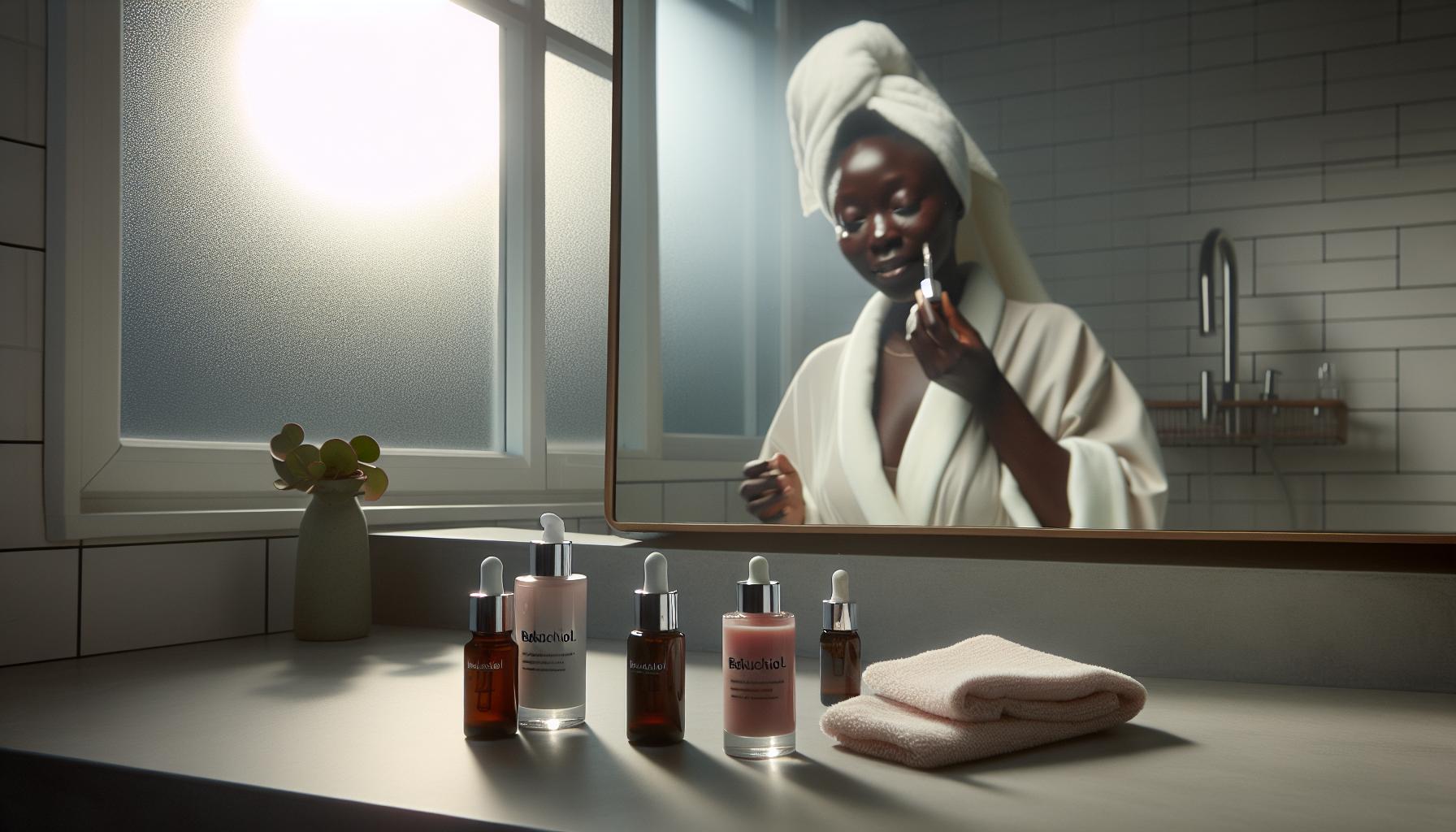
How to Introduce Bakuchiol into Your Skincare Routine
Introducing a new skincare ingredient like bakuchiol during the postpartum period can feel both exciting and a bit daunting. What makes bakuchiol such a trusted choice for nursing mothers is its gentle, plant-based nature, which works harmoniously with skin that’s often extra sensitive due to hormonal changes and the physical demands of early motherhood. Starting slowly and mindfully allows your skin to adjust and lets you tune into how it feels, creating a smooth, nurturing ritual without pressure or guesswork.Begin by doing a simple patch test on a small area of your skin—behind your ear or along your jawline works well—to check for any sensitivity before applying bakuchiol more broadly. Because nursing introduces unique considerations, apply bakuchiol in the evening to minimize any accidental contact with your baby. Pair it with a mild, fragrance-free moisturizer to bolster your skin’s natural barrier and keep irritation at bay.Remember, avoiding delicate areas around the chest and nipples reduces any chance of transfer during feeding. Your skin, just like your body, is healing and adapting, so listen carefully and pause your routine if anything feels off, consulting your healthcare provider if needed.
Step-by-Step to Gently Add Bakuchiol
- Start small: Use a pea-sized amount 2-3 times a week at first, gradually increasing frequency if your skin responds well.
- Evening application: Cleanse your face gently, then apply bakuchiol serum before your moisturizer to maximize absorption overnight.
- Complement with hydration: Choose a soothing, fragrance-free cream with ingredients like ceramides or hyaluronic acid for added moisture.
- Watch and adapt: Monitor your skin’s response every few days, being mindful of any redness, dryness, or discomfort.
- Keep communication open: Share your skincare routine and experiences with your midwife, lactation consultant, or dermatologist for personalized guidance.
Many moms find that this gradual approach not only supports their skin’s natural renewal but also provides a small moment of daily self-care amidst the stunning chaos of new motherhood. One breastfeeding mother shared, “Starting bakuchiol slowly became my evening calm—gentle on my skin and reassuring that I was caring for myself safely while nursing.” remember, every postpartum path is unique, and your skincare journey is no diffrent. Compassion for your skin’s needs now is just as crucial as your baby’s nourishment.
| Tip | Why It Matters |
|---|---|
| Patch testing before full use | Identifies sensitivity early, preventing irritation during a delicate time |
| Nighttime application only | Reduces baby contact and supports skin’s natural repair cycle |
| Avoid nipples and chest area | Minimizes risk of topical transfer during breastfeeding |
| Pair with gentle moisturizers | Enhances skin barrier and reduces dryness or flaking |
| Consult healthcare providers | Ensures safety tailored to your individual postpartum needs |
With each small, mindful step, bakuchiol can become an empowering part of your postnatal skin journey—enhancing your glow while supporting the profound, beautiful work your body is doing.
Natural alternatives to Retinol for Breastfeeding moms
Many breastfeeding moms search for gentle yet effective ways to care for their skin without exposing their little ones to any risk. While retinol is a powerhouse in skin renewal and anti-aging, it’s not recommended during breastfeeding due to potential risks. Luckily, nature and science offer several nurturing alternatives that can soothe, brighten, and protect your skin without worry—helping you feel radiant and cared for in this demanding postpartum season.
Plants and mild acids come together brilliantly in these retinol substitutes, providing benefits like boosting collagen, improving texture, and calming hormonal breakouts—all common postpartum skin concerns. Ingredients such as bakuchiol, azelaic acid, lactic acid, niacinamide, and hyaluronic acid can be reliable companions in your skincare journey, each with unique properties that honor the delicate balance of nursing.
Gentle Retinol Alternatives Worth Exploring
- Bakuchiol: This plant-based ingredient is celebrated for mimicking retinol’s skin-renewing and anti-aging effects without the irritation, dryness, or photosensitivity. It’s safe during lactation and kind on sensitive postpartum skin,making it a favorite among moms seeking reliable,gentle care [1].
- Azelaic Acid: Known for its anti-inflammatory and antibacterial properties, azelaic acid calms hormonal acne without harsh exfoliation. It improves redness and pigmentation gently,offering a soothing option for skin that’s adjusting to postpartum hormone shifts [2].
- Lactic Acid: A mild alpha-hydroxy acid (AHA) that encourages natural exfoliation and smooths skin texture. It’s hydrating and less irritating than stronger acids, making it a thoughtful choice for nursing moms who want glow without worry [2].
- Niacinamide (Vitamin B3): This multitasking superstar balances sebum production, strengthens the skin barrier, and reduces inflammation. It can ease sensitivity and help clear postpartum breakouts in a gentle, safe way.
- Hyaluronic acid: Best known for deep hydration and plumping, this humectant combats dryness related to hormonal changes and breastfeeding demands without any safety concerns.
Creating a Simple,Effective Postpartum Skincare Routine
Start with low concentrations and gradually build up,allowing your skin time to adjust during the demanding postpartum months. Here’s a gentle starter suggestion incorporating these nourishing ingredients:
| Step | Ingredients and Benefits | Frequency |
|---|---|---|
| Cleanse | Mild, fragrance-free cleanser to protect natural oils and skin barrier | Daily, AM and PM |
| Treat | Bakuchiol serum (start at 2-3 times/week), or azelaic acid cream for acne and redness | PM, progress as skin tolerates |
| hydrate | Niacinamide serum followed by hyaluronic acid to replenish moisture | Daily |
| Moisturize | Fragrance-free cream with ceramides or nourishing oils | Daily, AM and PM | Protect | Broad-spectrum mineral sunscreen (zinc oxide or titanium dioxide) | Daytime |
Herbal and Holistic Touches to Support Radiance
For moms drawn to traditional, holistic practices, gentle DIY options can offer comfort and skin nourishment:
- Oatmeal Face Soother: Blend ground oats with warm water to calm irritation and hydrate dry skin.
- Green Tea Toner: Brew cooled green tea rich in antioxidants to refresh and protect fragile skin.
- chamomile Steam: A gentle facial steam with chamomile infusions encourages circulation and relaxation, safely supporting skin health.
Important Reminders for Your Skincare Journey
While these alternatives are widely considered safe during breastfeeding, it’s wise to observe your skin’s reaction carefully and check with your healthcare provider if unsure. Every mama’s body and skin respond differently, nourished by your unique hormonal and emotional rhythms—and that’s perfectly okay.
Navigating postpartum skincare isn’t about rushing results or comparing to old routines. It’s about honoring your skin’s current needs with kindness and patience, choosing ingredients that respect both your body and your baby’s wellbeing. These gentle allies let you embrace self-care as a meaningful,nurturing ritual—because when you thrive,your little one flourishes too.
References:
Bakuchiol’s safety and gentle effectiveness during breastfeeding are supported by experts noting its plant-based, non-retinoid profile [1] and [3].Azelaic acid,lactic acid,niacinamide,and hyaluronic acid are also recognized as safe and effective alternatives during lactation [2].

Potential Side Effects and Precautions Postpartum
Even with natural, gentle ingredients like bakuchiol, new mothers should tune into how their skin and bodies respond, especially during the vulnerable postpartum period. While bakuchiol is generally well-tolerated and regarded as a safer alternative to retinol,every mama’s skin has its unique rhythm,influenced by shifting hormones,sleep patterns,and emotional stress. It’s important to start slowly—introducing bakuchiol products just a few times a week, and paying close attention to signs of irritation such as redness, dryness, or mild peeling. If any discomfort arises, pause use and consult a trusted healthcare provider or dermatologist familiar with postpartum care.
remember that “natural” doesn’t always equal “risk-free.” Although bakuchiol is plant-derived and avoids the photosensitivity or stronger exfoliating effects of retinol, some individuals might still experience sensitivity, especially those with delicate or eczema-prone skin. Additionally, as clinical research on bakuchiol’s safety in breastfeeding is limited, caution is encouraged. Applying products only to targeted areas, such as the face (avoid nipple or breast skin), and choosing formulations with minimal additives and fragrance can reduce risks. Keeping a simple skincare routine also lowers potential for adverse reactions: think gentle cleansers, hydrating serums like niacinamide or hyaluronic acid, and nourishing but uncomplicated creams.
helpful Practices to Stay Cozy and Confident
- Patch Test First: Apply a small amount of bakuchiol serum on your inner forearm or behind your ear and observe for 24-48 hours before facial use.
- Gradual Introduction: Begin with 2-3 times per week, gradually increasing as your skin shows tolerance without irritation.
- Avoid Sensitive Areas: Do not apply the product near the nipple or breast skin to minimize any potential transfer during feeding.
- Support with Hydration: Counterbalance any dryness by layering nourishing moisturizers and hydrating ingredients.
- Consultation Counts: If you notice persistent redness, stinging, or if your baby shows any unusual reactions, reach out to your healthcare provider promptly.
Many moms find reassurance in blending evidence-based skincare with cultural and holistic traditions. For example, soothing botanical infusions like chamomile tea compresses can calm flare-ups, while gentle nighttime rituals support skin regeneration. Above all, know that what you choose to use on your skin is a personal, evolving journey during postpartum. Celebrating small wins and self-care moments without pressure fosters true wellbeing—for you and your little one.
DIY Gentle skincare Recipes with Bakuchiol
Bakuchiol’s gentle, plant-based nature makes it an inviting ingredient for new moms eager to nurture their skin without harsh chemicals. Crafting your own bakuchiol-infused skincare not only gives you control over what touches your skin but also allows you to tailor blends that match your unique postpartum needs—be it calming sensitive skin, boosting hydration, or easing hormonal breakouts. As with all new ingredients,mixing your own formulations calls for mindfulness around purity,patch testing,and avoiding the breast and nipple area during application to ensure safety for both you and your baby.
Simple Soothing Bakuchiol facial Oil
This lightweight oil blends bakuchiol with calming carrier oils to soothe postpartum skin, rich in antioxidants and hydrating fatty acids.it’s perfect for evening routines to gently support skin renewal without irritation.
- ingredients: 5 ml bakuchiol oil, 15 ml jojoba oil, 10 drops calendula-infused oil (anti-inflammatory), 3 drops chamomile essential oil (use with caution, patch test first)
- Preparation: In a sterilized amber dropper bottle, combine all oils and gently shake to disperse.
- Usage: after cleansing, apply 3-4 drops to fingertips and massage into face, avoiding breast area. Use 2-3 times per week at first, increasing as tolerated.
DIY Gentle Bakuchiol-Infused Hydrating Mist
A refreshing mist can be a postpartum lifesaver, calming redness and restoring moisture especially during sleepless nights or breastfeeding sessions (spray on face only).This hydrating blend supports skin barrier repair and delivers bakuchiol benefits in a light format.
- Ingredients: 100 ml distilled rosewater, 5 ml bakuchiol oil, 1 tsp aloe vera gel, 1-2 drops lavender essential oil (optional, avoid if sensitive or breastfeeding)
- Preparation: Whisk aloe vera gel into rosewater until slightly blended.Slowly add bakuchiol oil, shaking gently to mix. Pour into a clean spray bottle.
- Usage: spray lightly over clean skin as needed.Follow with moisturizer to lock in hydration. Avoid spraying near eyes and nipple area.
Bakuchiol-Boosted overnight Balm for Dry, Sensitive Skin
Postpartum skin sometimes feels tight or flaky from fluctuating hormones. This balm combines nourishing butters with bakuchiol to soothe and repair overnight.
- ingredients: 10g shea butter, 5g cocoa butter, 5 ml bakuchiol oil, 5 ml rosehip seed oil (anti-inflammatory, safe during breastfeeding)
- Preparation: Melt butters gently in a double boiler. Remove from heat, stir in oils, then transfer to a sterilized jar to cool. Whisk once semi-solid for fluffy texture.
- Usage: apply a small pea-sized amount to dry areas before bedtime. Avoid applying near nipples or broken skin.
Safety Tips while Experimenting:
- Always conduct a patch test 24-48 hours before wider application.
- use high-quality, pure ingredients free from fragrances or additives to prevent irritation.
- Introduce one new product at a time to monitor how your skin and baby respond.
- Consult with your healthcare provider or lactation consultant if you have concerns about ingredients or reactions.
Remember, your skincare journey during breastfeeding is uniquely yours. Some days may call for simpler routines,other days gentle rituals to reclaim a moment of calm. These DIY recipes aim to empower you with safe, nurturing options that honor both your skin’s resilience and your body’s incredible work during this beautiful, transformative phase.
Understanding Ingredient Interactions While Nursing
Pregnancy and breastfeeding bring fantastic joys,but they also invite a whole new level of mindfulness around what ingredients touch your skin and enter your body.When caring for yourself during this sensitive time, understanding how skincare ingredients interact with one another—and with your body’s natural chemistry—is key to feeling confident and safe. While bakuchiol is celebrated as a gentle, plant-derived retinol alternative, pairing it thoughtfully with other components in your routine allows you to nurture your skin without overwhelming your system or risking irritation that could affect you or your baby.
many natural ingredients harmonize beautifully with bakuchiol, enhancing its soothing, antioxidant-rich qualities. For example, combining bakuchiol with gentle carrier oils like jojoba or rosehip seed oil supports hydration and barrier repair without disrupting the delicate hormonal balance postpartum. however, pay close attention when introducing essential oils or actives that can be potent, such as chamomile or calendula extracts, which are wonderful but may pose sensitivities. During lactation, it’s wise to avoid heavy use of fragrant essential oils—lavender and tea tree oils, though often natural, can sometimes cause skin reactions or interfere with milk supply if overused. The safer practice is to do small patch tests, observe how your body responds over time, and be cautious about applying products near your breasts to minimize any chance of your baby ingesting residues during nursing.
Tips for Managing Ingredient Interactions During Nursing
- Introduce one new product or ingredient at a time. This helps you detect any sensitivities or reactions early without confusion.
- Keep an ingredient journal. Track what you use and note any changes in your skin or your baby’s behavior—sometimes reactions can be subtle.
- Prioritize purity. Natural doesn’t always mean gentle; select products free from synthetic fragrances, preservatives, or irritants.
- Avoid combining strong acids or exfoliants (like AHAs, BHAs) with bakuchiol, especially early postpartum, as this can increase skin sensitivity.
- Respect your body’s signals. Hormonal shifts during lactation may change skin tolerance day to day; what worked last week might feel irritating now.
- Consult your healthcare provider or lactation consultant. They can provide personalized advice and rule out concerns about ingredient absorption or milk supply.
Balancing evidence-based medical insight with traditional wisdom creates a nurturing approach that honors your unique postpartum journey. Each new mom has her own rhythm. Some find gentle bakuchiol blends paired with calming oils become treasured allies in managing dryness or hormonal breakouts. Others prefer minimalist routines while nursing to avoid overloading the skin’s natural defenses. both approaches hold value and strength.
By honoring your body’s healing process and gently exploring ingredient combinations that support your skin’s resilience, you build a safety net not only for yourself but your baby too. Remember, your routine doesn’t need to be complicated—just thoughtful, responsive, and aligned with your love and care during this beautiful transition.
Real Mom Experiences with Bakuchiol Use
Many new mothers find themselves walking a delicate balance—yearning to care for their skin but cautious about what they apply while breastfeeding. What’s encouraging is hearing from other moms who’ve navigated this journey with bakuchiol, often finding it a gentle and effective ally. Several moms have shared that bakuchiol’s plant-based nature and soothing qualities helped calm postpartum skin challenges like dryness, sensitivity, and hormonal breakouts, all without the typical irritation linked to harsher retinol products.
One mom in an online community described how she introduced bakuchiol gradually into her nightly routine, combining it with a lightweight jojoba oil to boost hydration. She emphasized patience, noting her skin adjusted over two weeks without any adverse reactions either for her or her baby. Another new breastfeeding mother mentioned that after consulting with her healthcare provider, she felt comfortable choosing bakuchiol as it allowed her to maintain skin renewal safely, highlighting that she was mindful to avoid applying any product close to her breasts to minimize risk of ingestion by her infant.
Practical Tips from Moms for Using Bakuchiol Safely
- Start slowly: Apply a small amount once every other night to see how your skin responds,especially during the first postpartum weeks.
- Patch testing matters: Test products on a less visible patch of skin to check for irritation before full-face application.
- Keep it simple: Many moms find layering bakuchiol with nourishing oils like rosehip oil or squalane works beautifully for hydration and barrier support.
- Observe and adjust: Hormonal shifts during lactation can alter skin sensitivity; some days may call for skipping or reducing use.
- Consult trusted caregivers: Sharing your skincare plans with a lactation consultant or dermatologist helps ensure your approach fits your unique postpartum needs.
These shared experiences highlight that while bakuchiol is regarded as a safer alternative to retinol for breastfeeding moms, individual responses vary. Trusting your instincts and honoring your body’s signals creates a nurturing self-care practice that supports both your skin and your peace of mind during this precious phase of motherhood.
When to Avoid Bakuchiol During Breastfeeding
Many new mothers enter breastfeeding with hope and caution in equal measure—caring for their skin feels important, yet safety is paramount when it comes to what might affect their baby. While bakuchiol is widely celebrated as a gentle, plant-based alternative to retinol, there are moments postpartum when it’s wise to press pause. Such as, if your skin is experiencing heightened sensitivity or irritation, especially common during hormonal fluctuations in early lactation, it’s an excellent idea to hold off.This gives your skin a chance to rest and heal, preventing any inflammation that could worsen or potentially compromise your comfort while nursing.
Another key consideration is careful placement and timing of application. If you find yourself rushed or distracted—commonly true for new moms—there’s a risk of accidentally applying bakuchiol on areas near the nipples, where infant contact or ingestion could occur. In these cases, avoiding bakuchiol until you can ensure precise and mindful application may be safer. This also applies if you’re experiencing cracked or healing skin around the breasts, nipples, or chest from nursing challenges such as thrush or dermatitis, as introducing any active ingredient—even gentle ones—could delay recovery.Lastly, trust your body’s unique signals. Some mothers have reported mild reactions, like redness or tingling, when introducing bakuchiol too quickly or combining it with other active skincare ingredients. If you notice any discomfort or unusual changes—no matter how subtle—it’s perfectly okay to pause use. Communicating these experiences with your healthcare provider or lactation consultant helps tailor your skincare to your personal postpartum journey. Remember, your well-being is the foundation of joyful motherhood, and there’s strength in choosing rest and simplicity when your skin or spirit calls for it.
Signs to Consider Holding Off on Bakuchiol
- Active skin irritation: redness, peeling, or sensitivity worsened by bakuchiol use
- Proximity to nursing area: risk of product transfer to baby if applied near breasts or nipples
- Healing skin issues: cracked nipples, dermatitis, or infections related to breastfeeding
- Combined use of strong actives: retinoids, acids, or exfoliants that may interact negatively
- Individual skin sensitivity: prior allergic reactions or hypersensitivity to plant extracts
Being mindful of these moments helps protect both you and your little one, while affirming that choosing not to use bakuchiol right now is a loving and valid decision on your motherhood path. When the time is right, you can always revisit this nurturing step with fresh confidence—gentle self-care aligns beautifully with your incredible journey.
| Situation | Reason to Avoid Bakuchiol Temporarily | Helpful Alternative |
|---|---|---|
| Breast/chest skin irritation or cracking | Avoid transfer risk to nursing infant; promote skin healing | Use plain emollients like pure lanolin or coconut oil |
| Newly started active skincare routine | Prevent overloading sensitive postpartum skin | Wait 2–3 weeks before adding bakuchiol, introduce slowly |
| Allergic or sensitive reaction after initial use | Reduce risk of worsening inflammation | Discontinue temporarily; consult dermatologist |
| Application near nipple area | Minimize ingestion or irritation to infant | Apply bakuchiol away from chest; use for face or body areas |
FAQ
Q: Can bakuchiol be safely combined with other skincare ingredients during breastfeeding?
A: Yes, bakuchiol generally pairs well with gentle ingredients like hyaluronic acid and niacinamide during breastfeeding. Avoid harsh exfoliants or strong retinoids alongside bakuchiol to minimize irritation postpartum. For personalized guidance, refer to our section on Understanding ingredient interactions While Nursing to create a safe skincare routine that respects your skin’s postpartum sensitivity.
Q: How soon after breastfeeding can I apply bakuchiol safely?
A: You can apply bakuchiol safely at any time during breastfeeding as it’s a gentle retinol alternative with low systemic absorption. To support optimal skin healing postpartum, start with a small patch test and gradually introduce it, following tips from our How to Introduce Bakuchiol into Your Skincare Routine section.
Q: What makes bakuchiol a better retinol alternative for breastfeeding moms?
A: Bakuchiol is a natural, plant-based compound that does not have the same risks as retinol, which is often avoided during breastfeeding due to potential hormonal effects. Its anti-aging and anti-inflammatory benefits make it safer and gentler for new moms seeking effective skincare without compromising lactation safety. learn more in Benefits of Using Bakuchiol for New Moms.
Q: Why should some breastfeeding moms avoid bakuchiol despite its safety profile?
A: While generally safe, some moms may experience mild irritation or sensitivity to bakuchiol.It’s best to avoid if you have a history of allergic reactions or very sensitive skin postpartum. Always consult healthcare providers and follow our Potential Side Effects and Precautions Postpartum guide for personalized advice.
Q: How does bakuchiol support skin recovery after childbirth?
A: Bakuchiol helps by promoting collagen production and reducing inflammation, calming postpartum skin changes like dryness or dullness.Its gentle action supports skin repair without harsh exfoliation, making it ideal for the delicate postpartum period. Discover easy DIY skincare recipes using bakuchiol in our DIY Gentle Skincare Recipes with Bakuchiol section.
Q: Is there a recommended bakuchiol concentration safe for breastfeeding skincare products?
A: Concentrations up to 1% bakuchiol are widely considered safe and effective for breastfeeding moms, minimizing irritation while delivering antioxidant benefits. Always start with lower concentrations and check product labels carefully, as advised in How to Introduce Bakuchiol into Your Skincare Routine.
Q: How does bakuchiol affect milk production, if at all?
A: Current evidence shows bakuchiol does not affect milk supply or lactation, as it absorbs minimally and lacks retinoid-related hormone interference. This makes it a preferred option for skincare without concerns about impacting breastfeeding. For more on lactation safety, see Expert Opinions on Bakuchiol’s Lactation Safety.
Q: What signs should prompt stopping bakuchiol use while breastfeeding?
A: Stop using bakuchiol if you notice persistent redness,itching,or swelling on your skin. Also, if your baby shows any unusual reactions, consult your healthcare provider. Regularly review Potential Side Effects and Precautions Postpartum to keep your skincare routine safe and nurturing.
For gentle, nurturing advice on incorporating bakuchiol safely during breastfeeding, explore related sections to tailor your postpartum skincare journey with confidence and care.
To Wrap It Up
Choosing safe skincare during breastfeeding can feel overwhelming, but understanding alternatives like bakuchiol brings peace of mind. As a gentle retinol alternative known for its soothing properties, bakuchiol offers a natural way to support your skin’s postpartum needs without compromising safety.Remember, every body—and breastfeeding journey—is unique, so trust your instincts and consult your healthcare provider if questions arise.To explore more nurturing postpartum self-care tips,check out our guides on “gentle Skincare Recipes for New Moms” and “Herbal Teas to Support Lactation and Relaxation.” These resources can help you craft soothing routines that honor your body’s healing and hormonal shifts. Don’t forget to sign up for our newsletter to receive weekly inspiration crafted for motherhood’s beautiful, complex journey.
If you found this helpful, please share your thoughts or experiences below—your story might support another mom navigating similar choices. For those curious about safe postpartum ingredients or balancing natural remedies with evidence-based advice, keep exploring our posts designed to empower and inform every step of your motherhood path.
Get our latest guides, news, and insights highlighted in your Google Search & AI Overviews.


 WARNING TO PARENTS