
Dinner Recipes for Breastfeeding Mothers: Nourishing Meals
Did you know that what you eat during breastfeeding not only fuels your body but also nourishes your baby through your milk? Dinner Recipes for Breastfeeding Mothers: Nourishing Meals offers gentle, practical guidance to support your energy, healing, and milk production with tasty, easy-to-make dinners. This time can feel overwhelming—between hormonal shifts, physical recovery, and emotional waves, caring for yourself often takes a back seat.Yet, thoughtful meals tailored to this unique phase can create a comforting, nurturing ritual that honors your body’s needs without pressure or judgment. In this collection, you’ll find warm, wholesome recipes balanced with expert insights and mom-tested wisdom, all designed to boost your wellness safely and sustainably. Whether you’re new to breastfeeding or navigating the twists of postpartum life,these nourishing dinners hold space for your individual journey—respecting cultural traditions and the complexity of motherhood. Let’s embrace this gorgeous, challenging chapter together, one mindful meal at a time.
Contents
- Nourishing nutrients Essential for Breastfeeding Moms
- Safe and Supportive Ingredients to boost Milk Supply
- Simple, Wholesome Dinner Recipes for Postpartum Energy
- Balancing Flavors: comforting Meals for Healing and Hydration
- Herbal Teas and Smoothies to Enhance Lactation Naturally
- Meal Planning Tips for Busy Breastfeeding Mothers
- Adjusting Recipes for Common Postpartum Challenges
- Cultural Traditions and Family Favorites for Breastfeeding
- Gentle Guidance on Avoiding Foods That May Affect Baby
- Incorporating Superfoods to Support Mom’s Emotional Wellbeing
- Practical Kitchen Hacks for Quick, Nutritious Dinners
- Listening to Your Body: Customizing meals for Unique Needs
- Faq
- Q: How can breastfeeding mothers incorporate variety into their dinner recipes without compromising milk supply?
- Q: What are quick, nutrient-rich dinner ideas for breastfeeding moms with limited time?
- Q: why is hydration important in dinner recipes for breastfeeding mothers, and how can meals support it?
- Q: How can breastfeeding moms adapt dinner recipes to manage common postpartum digestive issues?
- Q: What are some plant-based protein dinner options suitable for breastfeeding mothers?
- Q: When is the best time to eat dinner for optimal lactation and postpartum energy?
- Q: How do cultural traditions influence dinner recipes for breastfeeding mothers, and can they be safely adapted?
- Q: What herbs or spices can safely enhance dinner recipes to support breastfeeding mothers?
- Closing Remarks
Nourishing nutrients Essential for Breastfeeding Moms
Breastfeeding is an incredible journey that calls for nourishment not just for your little one but also for your own body. The nutrients you choose during this time play a vital role in supporting both your healing postpartum body and the quality of milk your baby receives. your meals become your daily act of self-care—fuel that helps replenish energy, regulate hormones, and maintain mood stability while gently promoting steady milk production.
Certain nutrients deserve special attention because they support lactation and replenish maternal stores often depleted during pregnancy and nursing. Such as, protein provides the building blocks for milk and tissue repair, while healthy fats, especially omega-3 fatty acids like DHA, support brain growth in your baby and brain function for you. Calcium helps maintain your bone density as your body shares this mineral generously with your infant. Additionally, iron is crucial to combat postpartum fatigue and support overall immunity, while vitamins A, C, D, and B-complex, together with sufficient hydration, form the foundation of vibrant energy and healing.
key Nutrients and Their Best Food Sources
- Protein: Lean meats,eggs,beans,lentils,dairy,nuts,and seeds offer nourishing,easily digestible protein to support milk quality and your healing process.
- Healthy fats: Fatty fish (like salmon),flaxseeds,chia seeds,walnuts,and avocados provide essential omega-3s and help you feel satisfied and balanced.
- Calcium: Dairy products,fortified plant milks,leafy greens (kale,collards),almonds,and tofu keep your bones strong postpartum.
- Iron: Red meat, poultry, fortified cereals, spinach, and beans heal postpartum anemia and restore energy levels without weighing down digestion.
- Vitamins: Bright fruits and vegetables like carrots, sweet potatoes, berries, citrus, and bell peppers supply antioxidants and immune support.
Listening to your body—and shifting your meal plan as needed—is key to embracing the ebb and flow of breastfeeding. Some days you might crave comfort carbs for energy, other days you’ll want fresh, vibrant salads to clear fog and revitalize. gentle eating, balance, and kindness to yourself will deepen your connection to both nourishment and nurturing your little one.
If you are integrating herbs or supplements to enhance lactation, ensure they are safe and consult your healthcare provider, as herbal effects may vary individually.Remember, your body is unique and complex—what works wonderfully for one mother may feel different for you. Embrace your own rhythm and savor meals that bring comfort,joy,and strength during this beatiful chapter.
Safe and Supportive Ingredients to boost Milk Supply
Many breastfeeding mothers find themselves curious about natural ways to gently support their milk supply. The good news is that certain ingredients in everyday kitchen staples and customary foods can encourage lactation without overwhelming your body or conflicting with your baby’s delicate system. Embracing these nurturing ingredients offers a simple, safe, and supportive way to honor your body’s unique rhythms, especially when combined with plenty of rest, hydration, and emotional care.
Several ingredients stand out as gentle lactation allies due to their nutrient profile and supportive compounds. Oats, for example, are a powerhouse grain popular among mothers for their iron, fiber, and beta-glucan content, which may help stimulate prolactin—the hormone involved in milk production. Fenugreek seeds, used cautiously and in moderate amounts, are a traditional herb lauded for their galactagogue properties, but because herbs affect everyone differently, consulting a healthcare provider before adding them to your meals is wise. Likewise, incorporating nutrient-rich seeds like flaxseed or chia seeds offers omega-3 fatty acids, which support both mama and baby’s brain health while encouraging hormonal balance that favors lactation.
Ingredients That Nurture Milk Supply
- oats: Try oatmeal bowls with chopped nuts and fresh fruit for breakfast or as a snack. They provide calcium, iron, and fiber, all of which support steady energy and lactation.
- Leafy Greens: Spinach, kale, and moringa leaves are rich in iron, calcium, and phytoestrogens that can subtly enhance milk production when gently incorporated into dinners, soups, or smoothies.
- Legumes: Lentils, chickpeas, and black beans supply plant-based protein and complex carbs to keep energy up—a boon for breastfeeding stamina.
- Fennel: Fresh fennel bulbs or fennel tea have been cherished as ancient times. Their mild licorice flavor complements soups and stews, with anecdotal benefits for milk flow.
- Healthy Fats: Avocados, walnuts, and fatty fish such as salmon provide essential fatty acids that support hormonal health and milk quality.
- Hydrating Fluids: Don’t underestimate the power of drinking water, as even mild dehydration can slow milk output. Herbal teas made with safe herbs like nettle or rooibos can boost hydration with flavor and nutrients.
Simple Lactation-Boosting Dinner idea
Salmon and Lentil stew combines omega-3 rich salmon with iron-packed lentils,simmered with garlic,fresh fennel,and spinach. this dish offers protein, healthy fats, and lactation-supportive herbs in a warm, satisfying meal.
Ingredients:
- 1 cup dried lentils, rinsed
- 2 salmon fillets (about 4 oz each)
- 1 fennel bulb, chopped
- 2 cups fresh spinach leaves
- 3 cloves garlic, minced
- 1 tbsp olive oil
- 4 cups low-sodium vegetable or chicken broth
- Salt and pepper to taste
Preparation Steps:
- Heat olive oil in a large pot over medium heat. Sauté garlic and fennel until fragrant (about 5 minutes).
- Add lentils and broth. Bring to boil, then simmer gently for 20 minutes.
- Place salmon fillets on top of lentils, cover, and cook for another 10 minutes or until salmon is cooked through.
- Stir in fresh spinach, seasoning with salt and pepper. Cook until spinach wilts.
- Remove from heat and enjoy warm.
This meal provides a balanced blend of protein, iron, healthy fats, and gentle herbal support, all designed to nurture your body and milk supply safely.
Note on Safety: Herbs like fenugreek and fennel are often categorized as galactagogues, but it’s crucial to use them thoughtfully. Start with small portions, monitor your body’s response, and always check with your healthcare provider if you’re uncertain or if you are taking medications.Remember, each mother’s journey is unique, and the best “boost” comes from listening to your body, resting well, and embracing a nourishing food routine that feels good for you.
Simple, Wholesome Dinner Recipes for Postpartum Energy
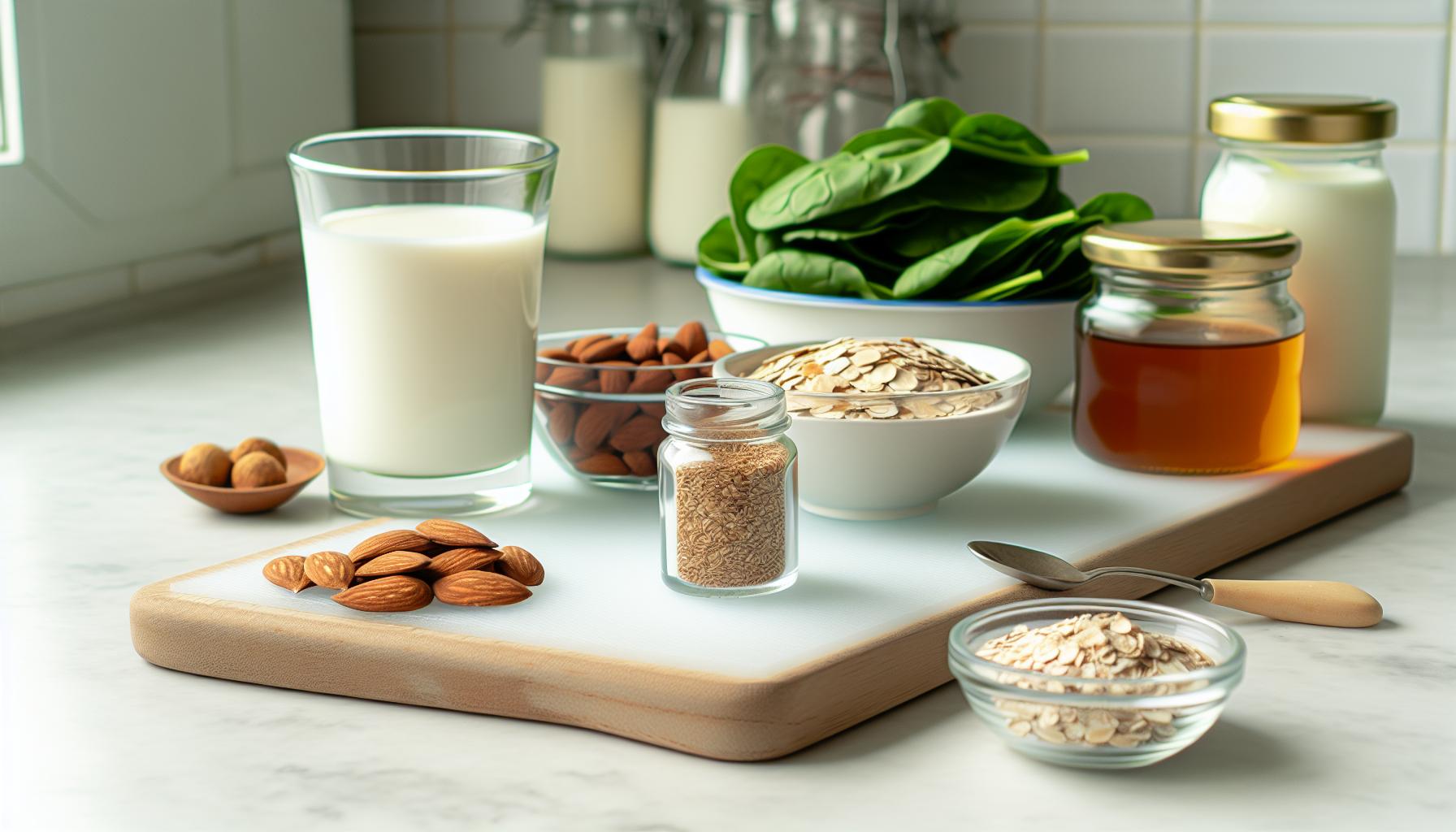
Few things fuel postpartum recovery and milk production as powerfully as a simple, nourishing dinner that honors your healing body. After childbirth, your energy reserves can feel stretched thin, and the right combination of nutrients helps gently rebuild strength without overwhelming your system.The best meals blend protein, healthy fats, iron, and gentle herbs known to support lactation and emotional well-being. This approach treats food not just as fuel, but as nurturing medicine—comforting, restoring, and boosting stamina for the breastfeeding journey ahead.Caring for yourself during this time means embracing meals that satisfy both your cravings and your nutrient needs. You don’t need intricate recipes or exotic ingredients. Rather, lean on wholesome staples like lentils, leafy greens, salmon, and whole grains to rebuild iron and omega-3 stores depleted by childbirth and breastfeeding. Including gentle flavors like garlic, fennel, and mild spices can support digestion and soothe postpartum discomforts, while also encouraging milk flow. Remember, the goal is manageable cooking that lovingly feeds your body—celebrated through small, steady meals rather than overwhelming portions or all-day prep.
Nutrient-Rich Dinner Ideas That Nourish and Energize
- Hearty Lentil and Vegetable Stew: lentils provide plant-based protein and iron, essential for replenishing postpartum blood levels. Slow-cooked with tomatoes, carrots, spinach, garlic, and fennel, this stew offers comforting warmth and hydration.
- Baked Salmon with Quinoa and Roasted Greens: Rich in omega-3 fatty acids, salmon supports brain function for both mom and baby. Accompanied by quinoa—a complete protein and fiber source—and kale or swiss chard, this meal balances nourishment with ease.
- Sweet Potato and Chickpea Curry: Loaded with complex carbs, fiber, and anti-inflammatory spices like turmeric and cumin, this curry provides sustained energy and supports gentle healing after birth.
- Oat and Herb-Crusted Chicken: Oats gently boost milk production, while lean chicken offers easy-to-digest protein.Pair this with steamed broccoli and a drizzle of olive oil for vitamins and healthy fats.
- vegetable Stir-Fry with Tofu and Ginger: Speedy to prepare and packed with phytoestrogens and antioxidants, this meal supports hormonal balance and digestion, key for postpartum comfort.
Preparing for Success: Tips to Keep Your Dinners Simple and Satisfying
- Batch Cooking: Making stews, soups, or casseroles in larger quantities lets you freeze nourishing portions that can be reheated effortlessly on tired days.
- One-Pot or Sheet-Pan Meals: These reduce cleanup and time in the kitchen—valuable for overwhelmed new mothers.
- Incorporate Hydrating Vegetables: Cucumbers, zucchini, and leafy greens not only add nutrients but help maintain hydration, which is critical for milk supply.
- Season Gently: Use herbs like basil, parsley, or mint over heavy spices to support digestion and avoid overwhelming sensitive postpartum systems.
- Listen to Your Cravings: Your body knows what it needs; honor those signals while balancing with nutrient-dense ingredients.
By focusing on meals that are not only wholesome but easy to prepare and comforting to your senses, you create a daily ritual of self-care. This helps soothe emotional fluctuations and physical recovery together. And remember, every mother’s body is beautifully unique—what revitalizes one may be different for another. Chat gently with your healthcare provider or lactation consultant about your culinary choices, especially around herbs, spices, or supplements, to keep your breastfeeding journey safe and joyful.
| meal | Key Nutrients | Postpartum Benefit |
|---|---|---|
| Lentil & Vegetable Stew | Iron, Protein, Fiber, Vitamins A & C | Supports blood replenishment and digestion |
| Baked Salmon with Quinoa & Greens | Omega-3, Complete Protein, Calcium | Enhances brain health and bone strength |
| Sweet Potato & Chickpea Curry | Complex Carbs, Fiber, Antioxidants | Provides sustained energy and reduces inflammation |
| Oat & Herb-Crusted chicken | Protein, Beta-Glucans, Iron | May support milk supply and muscle repair |
| Vegetable Stir-Fry with Tofu & Ginger | Phytoestrogens, Antioxidants, Protein | Supports hormonal balance and digestion |

Balancing Flavors: comforting Meals for Healing and Hydration
A well-balanced meal during the postpartum period is like a gentle hug for your body—offering nourishment that supports healing while keeping you comfortably hydrated. After childbirth, your body’s need for fluid and minerals increases, especially as you breastfeed. Thoughtful flavor combinations not only make meals more inviting but also encourage hydration and digestion, which are vital during this delicate time of recovery. Ingredients with natural water content, mild spices, and healing herbs can soothe tenderness—such as in the perineum or uterus—and promote a sense of calm while subtly enhancing milk supply.Balancing flavors means tuning into your body’s signals and cultural comfort foods while embracing simple ingredients that support both physical and emotional wellness. For example, combining gentle aromatics like fennel, ginger, or mint with mellow proteins and soft vegetables provides meals that are both satisfying and easy on a sensitive digestive system. A broth-based meal infused with aromatic herbs calms postpartum bloating and encourages hydration, while warm, lightly spiced dishes may reduce inflammation and uplift the spirit.Remember, you don’t need complex meals or overpowering seasoning; subtle tastes paired with nutrient-dense components create lasting comfort and energy.
Flavorful Ingredients to Support Healing and Hydration
- Hydrating Vegetables: Cucumbers, zucchini, leafy greens, and tomatoes are packed with water and micronutrients that replenish fluids and minerals lost during breastfeeding.
- Soothing Herbs and Spices: Fennel seed eases digestion and may encourage milk flow; ginger fights inflammation and nausea; mint calms upset stomachs and freshens breath.
- gentle Proteins: Slow-cooked legumes,fish rich in omega-3s,and soft tofu provide nourishment without being heavy or difficult to digest.
- Broths and Stews: Bone broth or vegetable-based broths hydrate while offering minerals that support tissue repair and overall strength.
Simple Tips to Balance Meals for Comfort and Recovery
- Start with Warm Liquids: A warm cup of herbal tea or broth before meals helps relax your digestive system and primes your milk production.
- Blend Textures Mindfully: Comforting meals may include both tender cooked vegetables and slightly crunchy elements, like toasted seeds, to keep meals captivating but not overwhelming.
- Keep Seasoning Mild: Avoid spicy, heavy, or greasy foods that might upset your digestive tract or affect your baby through breastmilk. Rather, gently season with herbs and a pinch of sea salt for flavor.
| Ingredient | Benefit | Suggested Use |
|---|---|---|
| Fennel | Aids digestion,may boost milk supply | simmer seeds in broths,add fresh leaves to salads |
| ginger | Reduces inflammation,relieves nausea | grate into stir-fries or steep in warm water as tea |
| Cucumbers | Hydrating,rich in antioxidants | serve sliced with meals or in refreshing salads |
| Leafy Greens (Spinach,Kale) | High in iron,calcium,and vitamins | Lightly steamed or tossed in quinoa and grains |
Ultimately,your taste buds and body guidance are the best compass after birth. Trust your cravings as they signal your needs, and keep meals manageable, nourishing, and pleasurable. Each bite that comforts and restores nurtures not only your body but your emotional well-being—a vital part of bonding with your little one and navigating this new chapter with strength and grace.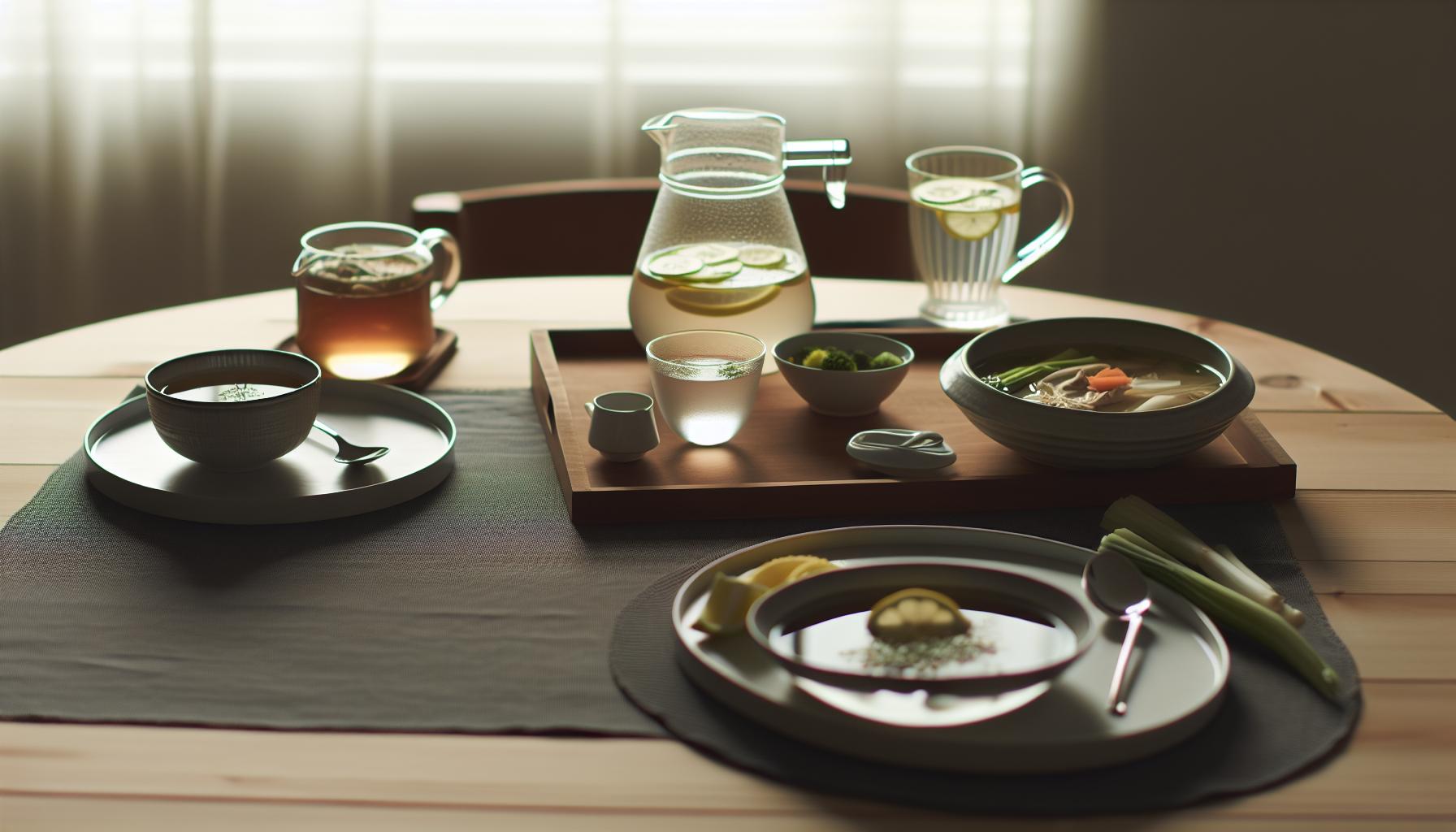
Herbal Teas and Smoothies to Enhance Lactation Naturally
Many new mothers find herbal teas and nutrient-rich smoothies are gentle, comforting ways to support lactation while nourishing their bodies during postpartum recovery. These beverages offer hydration alongside phytonutrients known to promote milk flow (lactation) and soothe digestion, two key concerns when breastfeeding. Including herbs like fenugreek, fennel, and ginger can work harmoniously with wholesome ingredients to uplift energy and calm postpartum discomfort, while providing a delicious ritual of self-care.
Herbal Teas: Small Sips, Big Benefits
herbal teas are a time-honored postpartum ally, revered in many cultures for easing digestion, reducing inflammation, and gently boosting milk supply. Fenugreek seeds are among the most popular galactagogues—substances believed to support breast milk production. Fennel tea, rich in antioxidants and mild phytoestrogens, aids digestion and may enhance milk flow naturally. Ginger teas comfort nausea and stimulate circulation, while mint provides a refreshing, calming effect without interfering with breastfeeding. It’s best to enjoy these teas warm, sipping slowly several times a day, especially before or after meals to aid digestion and hydration.
- Fenugreek Tea: Steep 1 teaspoon of crushed fenugreek seeds in hot water for 10 minutes. Strain and sweeten lightly with honey if desired.Drink 1–2 cups daily, monitoring any baby reactions as fenugreek is generally safe but may cause sensitivity in some infants.
- Fennel Tea: Use 1 tablespoon of crushed fennel seeds per cup of boiling water, steeping for 5–7 minutes. This tea is gentle and can also ease mild colic in babies when breastfeeding mothers consume it.
- Ginger-Mint Blend: Combine fresh grated ginger with mint leaves; steep in boiling water for 10 minutes. this calming tea also helps soothe postpartum inflammation and digestive upset.
Smoothies Infused with Lactation-Boosting Ingredients
Smoothies can be nourishing meal or snack options packed with ingredients that support milk production and replenish postpartum energy stores. Incorporating oats, flaxseed, brewer’s yeast (optional), and leafy greens creates a creamy, nutrient-dense base rich in fiber, iron, and omega-3s. Cooling cucumber or hydrating coconut water contributes gentle hydration. Adding galactagogue herbs such as a pinch of fenugreek powder or a few sprigs of fresh basil introduces subtle flavor and potential lactation support.
Try blending a simple smoothie like this:
| Ingredient | Amount | Benefit |
|---|---|---|
| Rolled oats | ½ cup | Iron-rich,supports energy and milk supply |
| Cucumber (peeled,chopped) | ½ cup | Hydrating,soothing to digestion |
| Frozen banana | 1 medium | Natural sweetness and potassium |
| Fenugreek seeds (soaked and ground) | 1 teaspoon | Traditional galactagogue,may enhance milk flow |
| Unsweetened almond milk or coconut water | 1 cup | Hydration and mild sweetness |
| Fresh spinach or kale | 1 cup | Rich in calcium and folate |
| Honey (optional) | 1 teaspoon | Natural sweetener |
Blend until smooth,adding ice cubes for a refreshing touch if desired. Sip slowly, ideally mid-morning or afternoon, to boost hydration and nourish between meals. Remember, everyone’s body responds differently—notice how your baby and you feel, and adjust ingredients accordingly.
Many moms find sipping on warm fenugreek tea while enjoying a fresh, mild smoothie helps create a balanced rhythm of nourishment and hydration, essential during demanding breastfeeding days. As always, before starting any herbal routine, check for allergies or sensitivities, and consult your healthcare provider to ensure safety for you and your baby. Some herbs, while natural, can interact with medications or be unsuitable for specific health conditions.
Gentle ceremonies like these—steeping a pot of herbal tea or blending a fresh smoothie—offer more than nutrients. They create small daily moments that honor your body’s healing journey and embrace the beautiful complexity that breastfeeding brings. Through these living traditions, new mothers cultivate both physical wellness and emotional calm in a sacred postpartum space.[[2]][[3]]
Meal Planning Tips for Busy Breastfeeding Mothers
Few things feel as nurturing during postpartum as having a soothing, nourishing meal ready when you need it most. Breastfeeding demands both physical stamina and a calm mind, yet many new moms find themselves short on time and bursting with unpredictable days. Thoughtful meal planning gently softens this reality—helping you honor your body’s healing needs while embracing the busy rhythm of motherhood without overwhelm.
A simple, flexible plan that emphasizes nutrient-dense, lactation-supportive foods can be a game changer. Focus on meals that easily store and reheat well, blending fresh ingredients like leafy greens, whole grains, and lean proteins with staples such as beans, sweet potatoes, and mild herbs. Preparing batches of soups, stews, or grain bowls on quieter days can become your safety net when exhaustion hits. Remember, the goal is not perfection, but creating a peaceful, practical way to fuel your body and milk production every day.
Key Strategies for Effortless, Nourishing Cooking
- Batch Cooking and Freezing: Choose 2–3 hearty recipes to cook in bulk each week, like lentil stew or chicken and vegetable curry. Portion and freeze to have ready-to-go meals that keep you nurtured on demanding days.
- Double-Duty Ingredients: Use ingredients versatile enough to repurpose across dishes—roasted root vegetables can top salads or be a side; cooked quinoa can become breakfast porridge or a dinner base.
- Prep While Baby Sleeps: Chop veggies or soak grains during nap times. Even 10 minutes adds up over time and reduces cooking stress later.
- Easy-to-Grab Snacks: Keep lactation-supportive snacks handy—think nut butter on whole grain crackers, a handful of nuts, or yogurt with berries to swiftly boost energy.
Simple Meal Plan Framework Example
| Day | Meal Focus | Sample Foods | Preparation Tip |
|---|---|---|---|
| monday | Rich in Iron & Protein | Grilled salmon, quinoa, steamed broccoli | Cook quinoa in bulk; grill salmon fresh or use leftovers |
| Tuesday | Hydrating & Gentle | Vegetable soup with carrots, celery, sweet potato | Batch cook soup and freeze in portions |
| Wednesday | Galactagogue Support | Oat and flaxseed porridge; side of Greek yogurt with honey | Prepare oats the night before; add flaxseed at serving |
| Thursday | Comfort & Healing | Steamed chicken with ginger and turmeric rice, sautéed spinach | Use pre-cooked rice; quick-sauté spinach with garlic |
| Friday | Easy & Energy-Boosting | Chickpea and vegetable curry, brown rice | Cook curry in big batch; reheat for fast dinner |
Lean on a rotating menu of trusted recipes you and your family enjoy, adapting for breastfeeding needs by including foods that support hydration and lactation while soothing digestion. Don’t hesitate to lean into cultural family favorites—they often hold gentle healing power and emotional comfort that science is just beginning to understand.
Planning doesn’t mean rigid schedules or complex ingredients. It’s about inviting calm into the kitchen, simplifying decision-making, and gifting yourself grace on days when simple nourishment is the greatest success. Remember, your well-being ripples into your baby’s world. Every mindful bite and sip is an act of love and resilience worth honoring on this beautiful journey.
Adjusting Recipes for Common Postpartum Challenges
Few postpartum challenges can feel as persistent as navigating nourishing meals while managing your body’s unique healing needs and emotional shifts. Breastfeeding,frequently enough coupled with exhaustion,hormonal changes,and digestive sensitivities,calls for gentle adaptations to keep meals both manageable and supportive. Remember, it’s perfectly normal to experience fluctuations in appetite, energy, or digestion—your food can be your ally in soothing these transitions without adding complexity.
When digestion feels fragile—common in the early postpartum weeks—opt for lighter, easier-to-digest meals that gently nourish without overwhelming your body. as an example, steaming vegetables instead of roasting, choosing simple grains like white rice or oatmeal over dense whole grains, and including bone broth or gentle soups can ease digestion while supplying vital nutrients.If constipation or bloating arises, increase fiber gradually through soft fruits like steamed apples and well-cooked lentils, while prioritizing hydration. each body’s response evolves, so tuning into your hunger and fullness signals can guide when to shift textures or seasoning levels.
Milk supply can also be unpredictable,especially with stress or skipped meals. Encouraging steady nourishment through meals that balance complex carbohydrates, lean proteins, and hydrating elements helps sustain both energy and lactation. Ingredients like oats, fennel, and mild spices like ginger can be seamlessly added—a warming ginger rice or an oat-flaxseed porridge bridges palatability with galactagogue properties. When fatigue limits cooking time, layering quick-cooking legumes or pre-soaked grains into stews or salads creates nutrient-rich dishes that reheat beautifully.
Practical adjustments for Common Postpartum Experiences
- Breastfeeding-Induced Hunger: Increase portion sizes slightly or include extra snacks between meals. Keep easy snacks like nut butter on fruit slices or homemade lactation balls ready to go.
- Sore Perineum or Cesarean Recovery: Prioritize soft,warm foods that are easy to eat while resting,such as creamy soups,mashed sweet potatoes,or smoothie bowls rich in protein and healthy fats.
- digestive Sensitivity: Avoid overly spicy or gas-producing foods initially. Use herbs like chamomile or peppermint in teas to soothe the gut, staying mindful of what feels pleasant for you.
- Emotional Ups and Downs: Incorporate foods rich in omega-3s (think grilled salmon or chia seeds) and magnesium (dark leafy greens, nuts) to gently support mood and hormonal balance.
Easy Recipe Tweaks for Healing and Hydration
| Challenge | Recipe Adjustment | Benefits |
|---|---|---|
| Low Appetite | Serve meals as small, frequent portions rather of large plates; add hydrating herbal teas like fennel or nettle | enhances nutrient absorption and supports milk supply |
| Fatigue | Add energy-dense ingredients like avocado, nuts, and cooked eggs to soups or grain bowls | Boosts calories and nutrient density without heavy cooking |
| Bloating or Gas | Soak legumes overnight and rinse well; use fresh ginger and turmeric to ease digestion | Reduces discomfort and supports gut health |
| Emotional Stress | Include omega-3 rich foods and warm comforting spices like cinnamon in desserts or porridges | Supports brain health and mood stability |
No matter the phase of postpartum you’re in, honor how your body feels that day and be kind with adjustments. Healing is not linear, and neither is appetite or milk supply. Sharing meals with loved ones or enlisting help with prep brings practical relief—and emotional nourishment.Above all, trust your intuition and remember: the best recipes are those that nurture you holistically, embracing your unique journey with patience and warmth.
Cultural Traditions and Family Favorites for Breastfeeding
Many breastfeeding families find comfort and strength in the time-honored recipes and rituals passed down through generations. These cultural traditions offer not only nutritional benefits but also deep emotional support, weaving a sense of connection and identity into the healing postpartum days. Whether it’s a gently spiced stew from grandmothers’ kitchens or a nourishing herbal tea blend known to encourage milk flow, these family favorites often embrace whole ingredients that soothe both body and spirit during this demanding season.
Honoring your heritage while navigating new motherhood can be a grounding experience.You might recall how your own mother or elders prepared particular dishes to restore energy and promote lactation, sometimes focusing on ingredients like ginger, garlic, fennel, or nutrient-rich bone broths. These meals frequently enough highlight simple,wholesome fare that respects the body’s need for rest and replenishment. For example, Asian cultures commonly serve congee—a soft rice porridge enriched with chicken or herbs—offering gentle nourishment easy on a sensitive digestion. In Latin American traditions, caldos (hearty broths with vegetables and lean meats) deliver warmth and hydration, supporting recovery and milk production.
Blending Tradition with Safety and Modern Needs
While long-standing recipes offer invaluable wisdom,it’s important to adapt them mindfully by considering postpartum sensitivities and individual health.Some herbs or spices cherished in cultural meals may not suit everyone, especially nursing infants with sensitivities or allergies. Always observe your baby’s reactions and consult with healthcare providers when trying new ingredients. It’s also a wonderful opportunity to blend traditional elements with contemporary knowledge—for instance, combining a cultural herb known to boost milk supply with nutrient-dense additions like leafy greens or salmon rich in omega-3 fatty acids, which promote emotional wellbeing.
- Celebrate family favorites: Invite loved ones to share their go-to nourishing meals and explore how these can be updated for your current needs.
- Embrace simplicity: Many traditional recipes rely on slow,gentle cooking that enhances digestibility and nutrient availability,great for sensitive postpartum bodies.
- Honor your body’s cues: You may find that on certain days, lighter, broth-based dishes suit you better, while richer meals feel supportive on others.
Drawing from cultural wisdom isn’t about strict adherence but about weaving a tapestry of care that you adapt with love and respect—for your body,your baby,and your roots. These shared meals can become comforting rituals, nourishing the whole family and gently easing the transition into motherhood with warmth and reassurance.
Gentle Guidance on Avoiding Foods That May Affect Baby
Breastfeeding is a beautiful, intimate journey that connects you with your baby through nourishment and love. Yet,it’s normal to wonder if certain foods you enjoy might cause fussiness,reactions,or tummy troubles in your little one. While each baby is wonderfully unique, some common culprits may cross into breastmilk and affect sensitive infants. Knowing which ingredients to approach gently can help you feel more confident and supported in your meal choices, allowing you to honor both your needs and your baby’s comfort.
Some foods, especially those known for causing gas or allergies, may lead to irritability or skin changes like rashes in breastfed babies. As an example, spicy dishes, caffeine, or strong-flavored vegetables like onions and garlic can occasionally cause mild fussiness or changes in milk taste.dairy products are often flagged because cow’s milk proteins might pass into breastmilk and affect infants with sensitivities, causing colic, eczema, or digestive upset. Though, these effects are not global—many moms enjoy these foods without issue. The key is gentle observation: if your baby shows signs of discomfort after feedings, consider a temporary pause on suspect foods and consult with your healthcare provider.
Common Foods to watch and How to Adjust
- Dairy: Consider reducing or swapping with plant-based milk alternatives if baby shows fussiness, mucus, or rashes. Introduce changes slowly and track symptoms.
- Caffeine: Limit coffee,tea,and chocolate to moderate amounts (about 200 mg/day) to minimize sleep disturbances in infants.
- Cruciferous vegetables: Broccoli,cabbage,and Brussels sprouts are nutritious but might cause gas in some babies; try smaller portions or cooking them longer to ease digestion.
- Highly spiced foods: spices like chili or hot peppers can alter milk taste and occasionally upset baby’s tummy; mild seasoning is frequently enough better tolerated.
- Allergenic nuts and seafood: most allergenic foods don’t require avoidance unless your baby has shown specific reactions; consult your provider for personalized guidance.
Listening to Your Baby and Yourself
Your body is an incredible messenger. When you eat mindfully and observe your baby’s patterns—sleep, feeding comfort, mood—you’re building an intuitive partnership that supports healing and growth. Keep a simple food and symptom diary to track any connections. Trust that occasional trial and error is part of the process, and lean on respectful, evidence-based advice alongside your own instincts.
Remember, emotional wellbeing matters just as much as nutrition. Feeling pressure to restrict foods can add stress that may affect your milk supply and postpartum mood. Approach new foods with curiosity and care rather than fear. If a beloved dish seems to cause unsettlement,there’s always a way to tweak it while honoring cultural traditions or personal preferences. Sharing experiences in mother circles or with lactation specialists can offer reassurance and creative meal ideas.
Practical Tips for Gentle Adjustments
- Start small: Introduce potential “trouble” foods in modest portions and watch your baby’s reaction over 24-48 hours.
- Cook thoroughly: Well-cooked vegetables are usually easier for both you and baby to tolerate.
- Hydrate well: Drinking plenty of water supports milk production and helps your body process foods more smoothly.
- Keep favorite spices mild: Use herbs like parsley or dill, which are generally calming and safe during breastfeeding.
- Be patient: Some babies outgrow sensitivities as their digestive systems mature, allowing broader dietary variety over time.
This gentle approach builds a nurturing kitchen and lifestyle space where you honor both your body’s needs and your baby’s unique temperament. Remember that breastfeeding thrives on your wellbeing—both physical and emotional—and that you are doing an amazing job nurturing your little one with every loving meal you prepare.
For additional support,always feel welcome to reach out to lactation consultants or postpartum doulas who can provide personalized guidance that respects your culture,health history,and family traditions. Your journey is yours alone—woven with tenderness, knowledge, and grace.
—
| Food Group | Potential Effect | adjustment Tips |
|---|---|---|
| Dairy | Possible infant fussiness, eczema, mucous | Reduce intake; try fortified plant-based milks |
| caffeine | Baby sleep disturbance | Limit to 1-2 cups/day; avoid late afternoon |
| Cruciferous Vegetables | Gas, fussiness | Cook thoroughly; start with small portions |
| Spices (e.g., chili peppers) | Milk taste changes, tummy upset | Mild seasoning; avoid very hot spices |
| Allergenic Foods (nuts, shellfish) | Rare but possible allergic responses | Only avoid if baby reacts; consult professionals |
Incorporating Superfoods to Support Mom’s Emotional Wellbeing
Motherhood is a transformative experience filled with profound emotional shifts. During the postpartum phase, nurturing your emotional wellbeing is just as vital as nourishing your body—especially while breastfeeding, when hormonal changes can affect mood and energy. Certain nutrient-rich superfoods offer gentle, natural support to help balance mood, reduce stress, and sustain vitality as you navigate this tender time. By incorporating these foods thoughtfully into your dinners and daily meals, you honor your healing process and create a foundation of emotional resilience.
Superfoods rich in omega-3 fatty acids, antioxidants, and B vitamins are notably beneficial. For example,wild-caught salmon,chia seeds,and walnuts provide the essential fats that support brain health and regulate neurotransmitters involved in mood stability. Leafy greens like spinach and kale are loaded with folate, which aids in serotonin production, contributing to feelings of calm and well-being. Incorporating colorful berries adds a natural dose of antioxidants that help combat inflammation—a subtle factor often linked to postpartum mood changes. Don’t underestimate soothing herbal allies such as turmeric, known for its gentle anti-inflammatory effects, or dark chocolate in moderation, which can lift spirits through natural endorphin release.
Simple Ways to Add These Nourishing Foods to Your Meals
- Omega-3 Boost: Add salmon or sardines to a mixed greens salad or bake with mild herbs like dill and lemon for an easy dinner. Sprinkle chia or flax seeds over oatmeal or smoothies.
- Greens and berries: Stir baby spinach or kale into soups and stews near the end of cooking. Top evening yogurt or smoothie bowls with mixed berries for a comforting dessert rich in antioxidants.
- Herbal Seasoning: Incorporate turmeric into rice dishes or roasted veggies, paired with black pepper to enhance absorption. A small piece of dark chocolate (70% cacao or higher) after dinner can soothe and satisfy.
Mother-Tested Recipe: Omega Sunshine Salmon Bowl
Ingredients:
- 4 oz wild-caught salmon fillet
- 1 cup cooked quinoa or brown rice
- 1 cup steamed kale or spinach
- ½ cup roasted sweet potatoes
- 1 tbsp chia seeds
- 1 tsp turmeric (mixed with black pepper)
- Juice of half a lemon
- Salt and mild herbs (dill,parsley) to taste
Preparation Steps:
- Preheat oven to 375°F (190°C). Season salmon with salt, herbs, turmeric, and lemon juice.
- Roast salmon for 15-20 minutes until cooked through.
- Steam kale or spinach until just wilted.
- Assemble bowl: base of quinoa or rice, topped with salmon, greens, roasted sweet potatoes.
- Sprinkle chia seeds over the top and enjoy warm.
This balanced bowl combines mood-supporting nutrients with comforting flavors and textures, perfect for restoring energy after a long day of breastfeeding.
Safety and Variations
While these superfoods are generally safe, every mom’s body is unique—especially during postpartum. If your baby shows sensitivities to certain foods (like nuts or fish), take gentle pause and consult with a lactation specialist. Start new foods in small amounts and observe both your comfort and baby’s reaction. Herbal supplements should always be chosen with care; some herbs may affect milk production or interact with medications, so professional guidance is key.
Remember, managing emotional wellbeing is never about perfection or pushing yourself too hard. it’s about creating small moments of nurturing—the kind that feed your soul as surely as your body. Share meals with supportive loved ones, savor each bite mindfully, and let these superfoods be part of a compassionate self-care journey that honors all the beautiful complexity of motherhood.
Practical Kitchen Hacks for Quick, Nutritious Dinners
Finding time to prepare nourishing meals during the demanding postpartum months can feel overwhelming, yet quick, wholesome dinners are within reach with a few thoughtful kitchen strategies. Simple shortcuts—not rushed solutions—can help preserve your energy and support both lactation and healing without added stress. By setting up small, manageable systems around meal prep and choosing versatile ingredients, even the busiest breastfeeding mom can enjoy warm, satisfying dinners that bolster her well-being.
One nurturing practice is to batch-cook staples like grains (quinoa, brown rice) or roasted vegetables on lower-energy days, then assemble them swiftly with fresh greens, lean protein, and a splash of flavor when hunger calls. Keep a rotating list of “go-to” meals that balance macronutrients and key micronutrients essential for milk quality—such as iron-rich lentil stews with spinach or salmon salads topped with walnuts and citrus. Pre-chopping herbs, or having frozen lemon wedges and minced garlic on hand, can transform simple dishes into comforting, nutrient-dense dinners within minutes. Utilizing one-pot or slow-cooker recipes gently preserves nutrients and reduces cleanup, which is a precious form of self-care in itself.
Smart Habits to Speed Dinner Prep
- Set Weekly Intentions: Plan a handful of flexible recipes—think stews,grain bowls,or stir-fries—that use overlapping ingredients. This minimizes weekly trips to the store and food waste.
- Prep in Small Sessions: Spend 10-15 minutes after breakfast or during baby naps chopping veggies or pre-portioning snacks. This spreads effort gently rather of piling it all at once.
- Harness Your Freezer: Freeze homemade broth, cooked legumes, or lactation-pleasant soups in individual portions for instant reheating on tired evenings.
- Embrace One-Pot Meals: Use slow cookers or instant pots for effortless, nutrient-preserving dinners that require minimal hands-on time while you rest or tend to baby.
- Keep Nutrient Boosters Ready: Stock easy add-ons like nut butters, seeds, nutritional yeast, or grated cheese to sprinkle over meals for an instant nutrition upgrade without extra cooking.
Real-Mom Kitchen Wisdom
“I always keep pre-washed salad greens and a jar of roasted chickpeas handy,” shares new mom and doula Laura. “When I’m too wiped to cook, a handful of those with some baby tomatoes, avocado, and a boiled egg give me a balanced, energizing meal fast.” Another tip from midwife Sarah: “Batch roasting root veggies on Sundays means I can quickly toss them into soups, salads, or wraps anytime. It saved my evenings during early breastfeeding chaos.”
Remember, kindness toward yourself in the kitchen nurtures your entire postpartum journey. These practical hacks aren’t about perfection but about creating space for peace and nourishment, so your body and milk supply stay robust. Embrace flexibility, lean on cultural family favorites that comfort your spirit, and let your intuition guide what feels feasible each day—all while your body continues its beautiful healing work.
Listening to Your Body: Customizing meals for Unique Needs
Finding the right balance in nourishing meals frequently enough means tuning deeply into what your body is telling you each day. Postpartum life brings a interesting blend of physical healing, hormonal shifts, and emotional waves, all of which influence appetite, digestion, and even how your milk supply responds to certain foods. Honoring your unique signals—not just following rigid “rules”—helps you craft meals that truly support your wellbeing and your baby’s nourishment. Some days you might crave warm, calming broths that soothe tired muscles and the perineum area, while other days fresh, crunchy salads with an iron and vitamin C boost might feel like exactly what your body needs to lift energy and mood.
Many moms find it empowering to become gentle detectives in their own kitchens. For example, if you notice that heavy, rich meals make you feel sluggish or disrupt your baby’s digestion, try lighter options like steamed fish with ginger and leafy greens. On the other hand,when milk supply feels low or stress is high,incorporating lactation-friendly ingredients—such as oats,fennel,and almonds—in smoothies or dinners can be a loving way to nurture both body and mind. Listening carefully also means respecting times when digestion is sensitive, perhaps due to perineal discomfort or hormonal shifts slowing your gut; easily digestible meals with soothing spices (like turmeric or cinnamon) and gentle stovetop cooking methods can ease these discomforts.
Tips for Tailoring Your Meals
- Track What Feels Good: Keep a simple food and mood journal for a week. Note how different meals affect your energy, milk supply, and baby’s reactions (e.g.,fussiness or gas).
- Honor Cravings Wisely: Intense cravings often reflect your body’s nutrient needs—like craving nuts for healthy fats or citrus for vitamin C. Find nourishing ways to satisfy these urges.
- Adjust Texture and Temperature: Soft, warm foods may comfort perineal tenderness early postpartum, while crisp veggies and cooler meals might feel better once healing progresses.
- Respect Cultural Practices: Blend family traditions with current needs—for example, a traditional bone broth soup can be enhanced with gentle herbs or fresh greens to meet today’s dietary guidance.
- Be Patient and Flexible: Your body’s needs will shift as you gain strength and your baby grows. What works today may change tomorrow—and that’s perfectly okay.
Real-Life Wisdom from Moms
Mary, a second-time mom, shares, “I learned that when I’m really tired and stressed, a simple lentil and spinach stew with a touch of cumin calms my digestion and helps with milk flow. But on days my reflux flares, I skip the spices and go for a mild chicken and vegetable broth instead.” Another mom, Hana, adds, “I honor my cultural postpartum diet but tweak recipes by adding fresh lemon and herbs for extra vitamin C and flavor—my baby’s happier, and I feel nourished and connected to my roots.”
Trusting your body creates a nurturing loop—it allows you to respond with kindness rather of pressure, helping your postpartum journey unfold gently and fully.Above all, celebrate your unique experience; there isn’t one perfect meal plan for every breastfeeding mom, but there is a beautiful, personal rhythm waiting to be discovered in your kitchen and in your care for yourself and your little one.
Faq
Q: How can breastfeeding mothers incorporate variety into their dinner recipes without compromising milk supply?
A: Breastfeeding moms can add variety by rotating nutrient-dense proteins, colorful vegetables, and whole grains to keep meals interesting while maintaining milk supply. Focus on balanced portions and hydration. Try simple swaps like quinoa for rice or salmon for chicken, ensuring ingredients align with safe, supportive foods detailed in our Safe and Supportive Ingredients section.
Q: What are quick, nutrient-rich dinner ideas for breastfeeding moms with limited time?
A: Quick meals like one-pot grain bowls, stir-fries, or sheet-pan dinners packed with protein and healthy fats provide energy and support lactation. Use kitchen hacks from our Practical Kitchen Hacks for Quick,Nutritious Dinners for meal prep and batch cooking to save time while nourishing both mom and baby.
Q: why is hydration important in dinner recipes for breastfeeding mothers, and how can meals support it?
A: Hydration is essential for milk production and postpartum recovery. Incorporate water-rich foods like soups, stews, and steamed vegetables in dinner recipes. Adding herbs and natural broths can gently boost fluid intake, aligning with tips in our Balancing Flavors: Comforting Meals for Healing and Hydration section for nurturing hydration.
Q: How can breastfeeding moms adapt dinner recipes to manage common postpartum digestive issues?
A: Moms can modify recipes by avoiding gas-producing or spicy ingredients and adding gentle whole foods like oatmeal, cooked carrots, and ginger. Incorporate guidance from the Adjusting Recipes for Common Postpartum Challenges section to soothe digestion while maintaining nutrient-rich meals that support comfort and milk quality.
Q: What are some plant-based protein dinner options suitable for breastfeeding mothers?
A: Plant-based proteins like lentils, chickpeas, tofu, and quinoa offer essential nutrients and support energy needs. Combine them with leafy greens and healthy fats to create nourishing meals. For recipe ideas, refer to the Simple, Wholesome Dinner Recipes for Postpartum Energy section, ensuring complete nutrition for mom and baby.
Q: When is the best time to eat dinner for optimal lactation and postpartum energy?
A: Eating a well-balanced dinner within 2-3 hours before bedtime supports steady energy and milk production overnight.Include nutrient-dense, easy-to-digest foods that promote relaxation, as explained in the Meal Planning Tips for Busy Breastfeeding Mothers, to encourage restful sleep and healthy lactation rhythms.
Q: How do cultural traditions influence dinner recipes for breastfeeding mothers, and can they be safely adapted?
A: Cultural traditions often offer nourishing, time-tested meals that support lactation and healing. These can be safely adapted by focusing on fresh, whole ingredients and avoiding harmful additives, as discussed in Cultural Traditions and Family Favorites for Breastfeeding. Embracing heritage fosters emotional wellbeing alongside physical nourishment.
Q: What herbs or spices can safely enhance dinner recipes to support breastfeeding mothers?
A: Mild herbs like ginger, turmeric, and fennel can enhance flavor and support digestion and milk flow. Avoid strong or untested herbs without professional advice.See our herbal safety notes in the Herbal Teas and Smoothies to Enhance Lactation Naturally section for detailed guidance on incorporating lactation-friendly botanicals safely.
For more detailed recipes and personalized meal planning, explore the full article sections linked above. Remember,every mom’s needs are unique—listen to your body and nourish with kindness and care.
Closing Remarks
Nourishing your body with these thoughtfully crafted dinner recipes supports both your postpartum healing and lactation needs, offering gentle, practical nourishment during this transformative phase.Remember, every mother’s journey is unique—listen to your body, honor your rhythms, and explore ingredient options that feel right for you. For more nurturing meal ideas that balance safety and tradition, check out our guides on postpartum smoothies and herbal teas designed to support milk supply and overall wellness.
If you’re ready to deepen your self-care routine, consider signing up for our newsletter to receive weekly recipes, expert tips, and heartfelt stories from moms like you. Don’t hesitate to explore our personalized consultation options for bespoke nutrition guidance tailored to your breastfeeding journey. We invite you to share your favorite meals or questions in the comments—let’s build a warm, supportive community where every mother feels uplifted and empowered. together, we celebrate the beautiful complexity of motherhood with compassion and confidence.
Get our latest guides, news, and insights highlighted in your Google Search & AI Overviews.

 JUST 15 MINUTES A DAY