
Best Vitamins for Postpartum Hair Loss While Breastfeeding
Did you no that many new moms experiance noticeable hair thinning in the months after giving birth? Postpartum hair loss is a common, natural response to hormonal shifts, but it can feel unsettling—especially when you’re already navigating the beautiful yet exhausting journey of breastfeeding.Choosing the right vitamins during this delicate time can support not only your hair’s health but also your overall well-being,safely nurturing both you and your baby. This guide gently walks you through the best vitamins to consider while breastfeeding, blending evidence-based advice with practical tips. We’ll respect your unique experience, honor your body’s healing, and offer nurturing, safe solutions that complement your postpartum path—no pressure, just supportive care for you as you embrace motherhood’s many phases.
Contents
- Understanding Postpartum Hair Loss and Breastfeeding Impact
- Essential Vitamins that Support Healthy Hair Growth
- Safe Vitamin Dosages While Nursing Your Baby
- Natural Food Sources to Boost Hair strength
- Herbal teas and supplements to Try with Caution
- Practical DIY Vitamin-Rich Smoothie and Meal Recipes
- When to Consult Your Healthcare Provider About Hair Loss
- balancing Emotional Wellness During Postpartum Changes
- Lifestyle Habits That Complement Vitamin Support
- Tracking Your Progress: What to Expect and When
- Frequently asked questions
- Q: How can I safely incorporate biotin supplements for postpartum hair loss while breastfeeding?
- Q: what vitamins help balance hormones to reduce postpartum hair loss during breastfeeding?
- Q: When is the best time postpartum to start taking vitamins for hair loss while breastfeeding?
- Q: Are there any vitamins to avoid for postpartum hair loss while breastfeeding?
- Q: how do iron supplements help with postpartum hair loss in breastfeeding mothers?
- Q: Can vitamin E improve hair texture and reduce shedding postpartum while breastfeeding?
- Q: What are natural, vitamin-rich snacks that support hair health for breastfeeding moms dealing with hair loss?
- Q: How can I tell if my vitamins for postpartum hair loss are effective while breastfeeding?
- To Wrap It Up
Understanding Postpartum Hair Loss and Breastfeeding Impact
Hair shedding after baby’s arrival is a deeply common yet surprising change for many mothers. During pregnancy, elevated hormones keep hair in a resting, thick state, only for a wave of shedding to begin a few months postpartum as hormone levels shift back. This natural cycle can feel overwhelming, especially when paired with the exhausting demands of breastfeeding and newborn care. It’s important to remember this phase reflects your body’s amazing healing process and that the hair loss is usually temporary, though patience is key.
breastfeeding can influence the timing and intensity of postpartum hair loss, though it doesn’t directly cause the hair to fall out.The act of nursing helps maintain higher levels of the hormone prolactin, which can gently delay hair’s return to its normal shedding rhythm.For some, this means postpartum hair loss happens later or is less severe. But for others, nutritional gaps due to the body’s increased demands for vitamins and minerals during lactation may contribute to more noticeable thinning. Supporting yourself with appropriate vitamins and a nourishing diet can help replenish stores essential for hair growth while ensuring baby’s needs are met.
Balancing Nutrition and Hormones for Hair Health During Breastfeeding
- Patience is Power: Understand that shedding peaks typically around 3-6 months postpartum and tends to improve by about 12 months as hormones and nutrition stabilize.
- Gentle Nutrition Support: Vitamins like biotin, iron, zinc, and vitamins D and B-complex work alongside your body’s natural hormone shifts to promote hair follicle strength and healthy growth cycles.
- Hydration & Rest: Lactation demands hydration—drink water generously—and rest whenever possible to nourish your scalp and overall wellbeing.
Many moms find comfort in combining customary wisdom with modern knowledge, such as enjoying nutrient-rich meals inspired by family recipes or gentle herbal teas approved by their midwife or healthcare provider. if you’re feeling anxious, focusing on small, daily nurturing acts to support hair and health can ease emotional stress, which itself influences hair cycles.You’re not alone in this—each mother’s journey through postpartum recovery and breastfeeding is uniquely beautiful and worthy of compassionate care.
Essential Vitamins that Support Healthy Hair Growth
Sometimes it feels like your hair is quietly waving goodbye as your body lovingly shifts through postpartum changes. This shedding phase, while natural, often leaves new mothers wondering how best to support their hair’s recovery—especially while breastfeeding. nourishing yourself with the right vitamins is one of the gentlest, most empowering ways to encourage healthy hair growth without pressuring your body or your busy schedule.
Certain vitamins play starring roles in helping hair follicles thrive during this time. For example, biotin (vitamin B7) strengthens keratin, the protein building block of hair, promoting thickness and reducing breakage. Iron replenishment is crucial as many new moms experience postpartum anemia, which can worsen hair thinning; iron supports healthy blood flow and oxygen delivery to hair roots. Zinc helps maintain the scalp’s oil glands, which keeps follicles nourished and resilient, while vitamin D encourages hair follicles to move from resting to active growth phases. The spectrum of B-complex vitamins—including B12 and folate—work behind the scenes, supporting cellular energy production essential for rapid tissue repair after birth.
- Biotin (Vitamin B7): Supports hair strength and elasticity, often found in eggs, nuts, and whole grains.
- Iron: Prevents anemia-related hair thinning, abundant in lean meats, spinach, and legumes.
- zinc: Maintains scalp health and follicle repair, available in pumpkin seeds, beef, and lentils.
- Vitamin D: Encourages follicle cycling, naturally synthesized by sun exposure and in fortified dairy.
- B-Complex Vitamins: Boost energy and cell turnover, present in leafy greens, beans, and fortified cereals.
Aligning Vitamin Support with Breastfeeding Safety
When supporting hair health through vitamins while nursing, it’s best to rely on food-first nutrition paired with gentle supplementation as advised by your healthcare provider. Excessive dosing, especially with fat-soluble vitamins like A and D, can accumulate and effect your baby. Many moms find a daily prenatal vitamin continues to serve well postpartum, often with added iron if needed. Checking in with your midwife or lactation consultant to tailor supplementation ensures both you and your baby stay safe and well-nourished.
Remember, every mother’s nutrient needs are unique. Some find calming moments preparing simple meals rich in these vitamins—like a spinach and egg scramble or a smoothie blending fortified almond milk, berries, and a spoon of nut butter—helps connect nourishing self-care with the busy rhythm of motherhood.Your body’s recovery gently unfolds with time and grace, and the vitamins you choose are allies that quietly support this beautiful process.
Safe Vitamin Dosages While Nursing Your Baby
New motherhood is a tender dance of nourishment—not just for your little one but for yourself. While certain vitamins are vital for supporting hair regrowth postpartum, it’s equally important to offer them in doses that honor both your body’s healing and your baby’s delicate system through breastfeeding.The good news? Most vitamins needed for hair health, like biotin and B-complex, are water-soluble, meaning excess amounts usually flush out gently, posing minimal risk to your nursing baby when taken wisely. However, fat-soluble vitamins such as A, D, E, and K can accumulate in your body and breastmilk if taken excessively, so timing and quantity truly matter.
Many moms find continuing a well-rounded prenatal vitamin postpartum is an excellent foundation. These formulas are thoughtfully designed to cover nutritional gaps without overwhelming delicate infant systems. As a notable example, biotin doses around 30 micrograms per day support keratin production while remaining safe for baby. Iron needs can be higher if you’re anemic, but it’s best to have your levels checked by your healthcare provider before increasing supplementation, as to much iron can cause digestive upset or interfere with mineral balance. Zinc supplements generally stay below 15 mg daily—enough to nourish follicles without upsetting mineral absorption.
Practical Tips for Balanced Vitamin Use
- Consult regularly: Keep in touch with your midwife, lactation consultant, or doctor to tailor vitamin amounts based on blood tests and symptoms.
- Food-first approach: prioritize nutrient-dense meals featuring leafy greens,nuts,seeds,legumes,and lean proteins to naturally meet your vitamin needs alongside supplements.
- Choose gentle timing: take vitamins with meals to improve absorption and reduce any nausea, mindful of spacing if combining multiple minerals (like iron and calcium) which can interfere with each other.
- Monitor your baby: Watch for any unusual signs like fussiness, rashes, or digestive changes—rare but possible responses that warrant a conversation with your healthcare provider.
| Vitamin | Typical Safe Daily Dosage (Postpartum & Nursing) | Notes |
|---|---|---|
| Biotin (B7) | 30–100 mcg | Supports hair strength; water-soluble |
| Iron | 27 mg (may require more if anemic; monitor levels) | Check with provider before extra dosing |
| Zinc | 8–12 mg | Supports scalp health; moderate dosage |
| Vitamin D | 600–1,000 IU | Fat-soluble—avoid exceeding 4,000 IU without medical advice |
| B-Complex Vitamins | Follow prenatal supplement guidelines | Supports energy and cell repair |
Remember, each mother’s journey is unique—your comfort with supplements and food choices may shift as your baby grows and your body heals. Trust your intuition and lean on your circle of support for gentle guidance. Nourishing yourself well is a profound act of love that ripples outward, embracing your baby with vitality and care.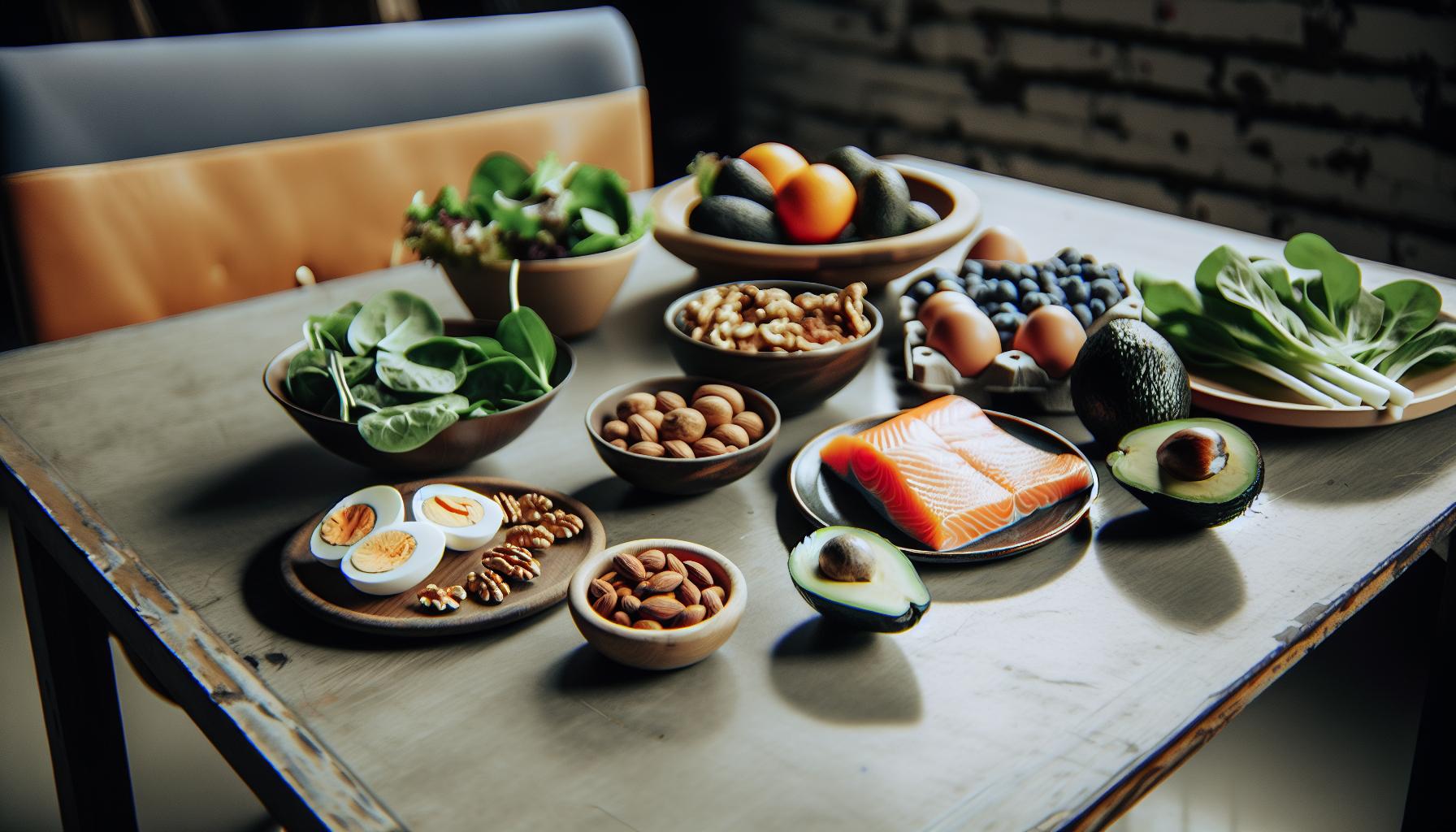
Natural Food Sources to Boost Hair strength
New mothers often notice their hair shedding more than usual in the months following childbirth—a natural, though sometimes unsettling, part of postpartum recovery.Nourishing your hair from within offers a gentle yet powerful way to support strength and regrowth, especially when breastfeeding, which adds extra nutritional demands.Embracing whole foods rich in essential vitamins and minerals can provide the foundation your scalp and follicles need, without relying solely on supplements.
Leafy greens like spinach, kale, and Swiss chard are fantastic sources of iron, folate, and vitamins A and C—all crucial for collagen production and healthy hair follicles. Pairing these with vitamin C-rich foods such as citrus fruits or strawberries enhances iron absorption, creating a perfect synergy. Nuts and seeds, especially almonds, walnuts, and pumpkin seeds, supply zinc, biotin, and omega-3 fatty acids, nourishing your scalp and promoting shinier, stronger strands. Legumes—think lentils, chickpeas, and black beans—offer plant-based protein and iron, supporting keratin production, the key structural protein in hair.
Simple Nourishing Food Combinations
- Spinach and Strawberry Salad: Toss fresh spinach with sliced strawberries, walnuts, and a lemon vinaigrette. Strawberries boost vitamin C for better iron uptake from spinach.
- Quinoa & Chickpea Bowl: Combine cooked quinoa with roasted chickpeas, pumpkin seeds, and steamed kale for balanced protein and zinc.
- Almond Butter Smoothie: Blend almond butter with banana, Greek yogurt (if dairy is well-tolerated), and a handful of spinach—packed with biotin, protein, and vitamins.
Tips to Maximize Nutrient Absorption and Safety
- Eat a variety: No single food covers all bases, so vary your meals daily to cover the spectrum of hair-pleasant nutrients.
- Mind pairing: To support iron absorption,avoid consuming calcium-rich foods or supplements simultaneously,as calcium can inhibit iron uptake.
- Gentle cooking: Steaming or lightly sautéing greens preserves vitamins better than boiling for long periods.
- Hydration counts: Staying well-hydrated supports overall scalp health and nutrient transport.
Remember, nourishing hair through food is a gradual process. Celebrate each small step—whether savoring a vibrant salad or enjoying a crunchy handful of nuts—as an act of love toward your healing body and growing baby. Your postpartum journey is unique, and tuning into what feels good and sustainable for you is always the wisest choice.
Herbal teas and supplements to Try with Caution
Sometimes, the idea of turning to herbal teas and supplements to help with postpartum hair loss can feel like a gentle, soothing step toward self-care. Herbs have long been part of maternal wellness traditions across cultures, offering calming, nourishing rituals during this intense postpartum phase. However,while many herbs and supplements hold promise,it’s important to approach them with mindful caution when breastfeeding. Your body and your baby’s needs are intimately connected right now, and some herbs can pass through breast milk, possibly affecting your little one or your milk supply.
Certain herbs,like nettle leaf and horsetail,are popular for their high vitamin and mineral content—especially silicon,iron,and silica—that support hair strength and scalp health. Gentle herbal teas made from these can be a lovely, natural way to complement dietary nutrients. Such as,a simple nettles and red raspberry leaf tea blend can provide vitamins A and C along with iron while promoting hydration. Though, even with “safe” herbs, it’s wise to introduce just small amounts gradually and observe how you and your baby respond. Herbs like ginseng, fenugreek, or saw palmetto, sometimes touted for hair growth, may not be suitable while nursing and should be avoided unless approved by your healthcare provider.
Herbs & Supplements to Approach with Caution
- Fenugreek: While often used to boost milk supply, it can cause digestive discomfort or allergic reactions in some babies and may not be ideal for hair health specifically.
- Ginseng: Popular for energy but may interfere with hormone balance and is not generally recommended during breastfeeding.
- St. John’s Wort: Sometimes used for mood support but can affect how other medications work and passes into breast milk in unclear amounts.
- Horsetail: Rich in silica,but long-term use can deplete vitamin B1 and may contain trace amounts of nicotine—use sparingly and not for prolonged periods.
Practical Tips for Using Herbal Teas and Supplements Safely
- Consult first: Always chat with your midwife, lactation consultant, or doctor before adding any new herbs or supplements to your routine.
- Start small: Introduce one herb at a time in low doses,watching for any changes in your baby’s feeding,digestion,or mood.
- Choose quality: Opt for organic, reputable brands with clear labeling to avoid contaminants or unlisted additives.
- Timing matters: The first six to eight weeks postpartum are especially sensitive. Many moms find it helpful to wait until milk supply stabilizes before trying new supplements.
Remember, healing your hair health postpartum is a gradual, nurturing journey. Embracing herbal teas can feel like a comforting ritual—steaming a cup, breathing in fragrant warmth, and pausing to honor your body’s strength and kindness. Yet,above all,your baby’s wellbeing guides these choices. Trust your instincts, lean into professional wisdom, and respect your unique postpartum path. What works beautifully for one mama may not feel right for another—and that’s perfectly okay.
| Herb/Supplement | Potential Benefits | Breastfeeding Safety Notes |
|---|---|---|
| Nettle Leaf | Rich in iron, vitamins A & C, supports scalp health | Generally safe in moderate tea amounts; avoid large doses |
| Horsetail | Contains silica for hair strength | Use short term; avoid prolonged use due to vitamin B1 depletion risk |
| Fenugreek | May support milk supply | Possible baby digestive upset; consult provider before use |
| St. John’s Wort | Mood support, antidepressant effects | Passes into milk; may interfere with meds; usually not recommended |
| Biotin Supplements | Supports keratin production | Generally safe; stick to recommended dosages |
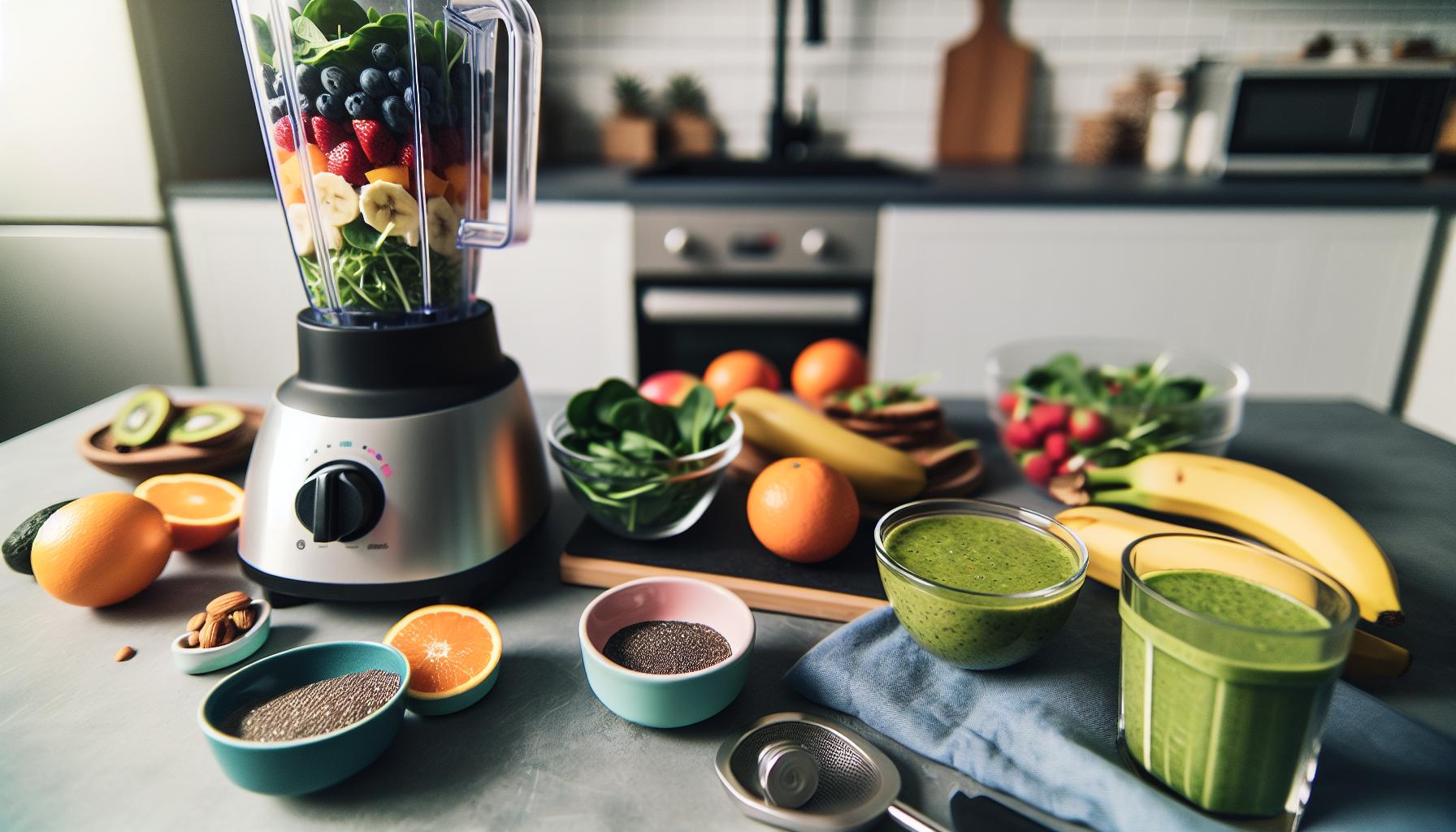
Practical DIY Vitamin-Rich Smoothie and Meal Recipes
Few postpartum self-care rituals nourish as deeply as preparing and enjoying vibrant, vitamin-rich smoothies and meals designed to support hair strength and overall wellness. Breastfeeding mamas especially benefit when meals are thoughtfully crafted to balance iron, biotin, vitamin C, and healthy fats—key nutrients that help replenish what the body needs during this tender healing phase. Simple recipes can fit gently into busy days,offering a moment of calm and nourishment without overwhelming effort. Here, you’ll find easy-to-follow recipes that honor your body’s needs and your baby’s safety, blending evidence-based nutrient power with the warmth of culinary comfort.
Nourishing Green Smoothie for Hair Vitality
Ingredients:
- 1 cup fresh spinach (rich in iron and vitamin C)
- 1 small ripe banana (natural sweetness and potassium)
- 1/2 avocado (healthy fats to support skin and scalp)
- 1 tablespoon ground flaxseeds (omega-3 fatty acids)
- 1/2 cup plain Greek yogurt or plant-based choice (protein and probiotics)
- 1 cup unsweetened almond milk or preferred milk
- 1 teaspoon nettle leaf powder (optional and in moderation; supports iron)
Preparation:
- Place all ingredients in a blender.
- Blend until smooth, adding more almond milk if needed for desired texture.
- Enjoy immediately to preserve vitamins and probiotics.
This smoothie offers a gentle boost of biotin,iron,vitamin A and C,all important for supporting keratin production and healthy follicles while breastfeeding. The addition of nettle leaf powder is optional—start with a small pinch, monitoring any breastfeeding reactions, or omit if unsure.
Healing Berry & Oat Breakfast Bowl
Ingredients:
- 1/2 cup rolled oats
- 1 cup water or milk of choice
- 1/2 cup mixed berries (blueberries, strawberries – rich in antioxidants and vitamin C)
- 1 tablespoon chia seeds (fiber and omega-3s)
- 1 tablespoon pumpkin seeds (zinc and iron)
- 1 teaspoon honey or pure maple syrup (optional for sweetness)
Preparation:
- Bring oats and liquid to a gentle simmer; cook until creamy, about 5 minutes.
- Remove from heat; stir in chia seeds.
- Top with berries, pumpkin seeds, and a light drizzle of honey or syrup.
- Enjoy warm—a comforting start that supports hair follicle health and hydration.
Oats provide biotin, essential for healthy hair growth, while berries add natural vitamin C to aid iron absorption. The zinc in pumpkin seeds helps maintain scalp health.
Simple Savory Lentil & Veggie Stew
Ingredients:
- 1 cup red lentils (excellent plant-based protein and iron)
- 2 cups vegetable broth
- 1 medium carrot, diced
- 1 celery stalk, diced
- 1 small onion, chopped
- 2 cloves garlic, minced
- 1 teaspoon ground turmeric (anti-inflammatory)
- 1 tablespoon olive oil
- Salt and pepper to taste
- Fresh parsley, chopped (rich in vitamins A and C)
Preparation:
- In a pot, warm olive oil and sauté onion, garlic, carrot, and celery until softened.
- Add lentils, turmeric, and broth. Bring to a boil.
- Reduce heat; simmer for 20–25 minutes until lentils are tender.
- Season with salt and pepper; stir in fresh parsley before serving.
Lentils are a powerhouse for postpartum nourishment,providing protein,iron,and biotin. This stew is gentle on digestion—a considerate choice during the sensitive postpartum phase. Turmeric adds anti-inflammatory benefits without affecting breastfeeding safety when used in typical culinary amounts.
Helpful Tips for Meal Prep and safety
- Timing matters: prioritize nutrient-dense meals earlier in the day to support energy and milk quality.
- Variety supports balance: Incorporate leafy greens, berries, healthy fats, and protein daily to cover the broad spectrum of vitamins your body needs.
- Stay hydrated: Pair meals with plenty of water or herbal teas safe for nursing moms, like nettle or red raspberry leaf, in moderate amounts.
- Mindful introduction: When adding supplements or new herbal powders, start with small amounts and observe both your and your baby’s response before increasing.
- Rest and grace: Remember, food supports but does not “fix” everything quickly—your body is restoring itself in its own time.
These recipes echo the wisdom of mothers nurturing their bodies and babies simultaneously, inviting you into a gentle rhythm of self-care fueled by wholesome, vitamin-rich foods.Customize ingredients as you find what feels right—this is your postpartum journey, celebrated with every nourishing bite.
When to Consult Your Healthcare Provider About Hair Loss
Hair shedding after childbirth is common and usually temporary, but it’s critically important to recognize when hair loss may signal something more than just postpartum changes. if you notice excessive thinning, sudden patches of hair loss, or hair falling out in clumps beyond the typical 3 to 6 months postpartum window, it’s wise to check in with your healthcare provider. While postpartum hair loss often resolves as hormones rebalance, persistent or severe shedding could indicate underlying issues such as thyroid imbalances, iron deficiency anemia, or other nutritional gaps that need professional attention—especially during breastfeeding, when your body’s demands remain high.
Your provider can help you differentiate between normal postpartum shedding and conditions requiring intervention. For example, a simple blood test might reveal low ferritin (iron stores) or thyroid hormone levels, both common contributors to hair thinning but easily treatable with guidance on safe supplementation that supports lactation. Discussing your diet, vitamin intake, and any herbal supplements you’re considering is also important—thay can advise on what’s safe and effective for your specific situation and baby’s well-being.
Remember, seeking help is not about “fixing” your body quickly but nurturing a gentle, personalized path to wellness.If hair loss is accompanied by other symptoms like fatigue, mood changes, scalp irritation, or if you feel worried or overwhelmed, reaching out opens the door to compassionate support tailored just for you. Your postpartum journey is unique, and timely medical advice helps protect both your health and your breastfeeding relationship—promoting confidence and calm as your body finds its natural rhythm again.
Signs to Watch That Warrant a Provider Visit
- Hair loss beyond 6 months postpartum or rapid shedding in clumps
- Noticeable bald spots or patchy areas where hair no longer grows
- Additional symptoms like unusual fatigue, changes in weight, cold intolerance (possible thyroid issue)
- Scalp problems such as redness, severe itching, or scaling
- Signs of nutritional deficiency like brittle nails, persistent anemia, or dry skin despite balanced diet
- Concerns about how vitamins or supplements might affect breastfeeding
Opening these conversations with your provider creates a safe space for honest sharing, empowering you with knowledge and care options that honor your body’s healing pace. Don’t hesitate to advocate for yourself—trust that nurturing your whole wellness will ripple positively through motherhood’s demanding but beautiful days.
balancing Emotional Wellness During Postpartum Changes
It’s wholly natural to feel a swirl of emotions as your body adjusts postpartum, especially when unexpected hair loss adds to the whirlwind. Your hormones are on a rollercoaster, sleep might be scarce, and caring for a newborn can feel both magical and overwhelming. Recognizing that emotional wellness is tightly woven with physical health is a vital step—your mind and body communicate constantly, and nurturing one helps heal the other. Remember, hair shedding during this period is common and temporary, but the stress it causes can be real and heavy. Approaching this with kindness toward yourself creates space for healing without the pressure of “bouncing back.”
Creating small, calming rituals that honor your needs can be a gentle balm during this time. For example, sipping a warm, vitamin-rich herbal tea like ginger-infused chamomile in the evening can offer comfort and promote relaxation—a welcome pause to care for yourself amid busy days. Consider journaling your feelings alongside tracking your hair progress; this can help you spot patterns, acknowledge small victories, and process challenges without judgment. Engaging with other breastfeeding moms,whether online or in person,builds a community of shared empathy and practical tips,relieving the isolation that sometimes accompanies postpartum struggles.
Simple Practices to Support Emotional balance
- Gentle movement: Short walks or postpartum yoga can boost mood and circulation, benefiting hair and overall wellness.
- Mindful eating: nourish yourself with meals rich in vitamin B, iron, and zinc to support both hair and brain health.
- Sleep hygiene: Nap when your baby naps and create a soothing nighttime routine to aid hormone balance that influences hair growth.
- Open communication: Share your feelings and concerns with trusted loved ones or a healthcare provider. No need to carry this alone.
- Self-compassion: Embrace your body’s healing journey at its own pace, releasing “quick-fix” expectations related to hair or postpartum changes.
Every mother’s postpartum journey is unique, and the emotional ups and downs you experience do not diminish your strength or love for your baby. gentle vitamin support paired with mindful self-care creates a foundation for wellness that respects your body’s needs now and in the months to come. If feelings of anxiety or overwhelm persist, reaching out to a counselor or postpartum support group can provide targeted care, reinforcing that your emotional well-being is just as vital as physical health in nurturing strong hair and a joyful motherhood experience.
Lifestyle Habits That Complement Vitamin Support
Postpartum life brings a unique set of challenges,especially when your body is gently asking for extra care to support healing and hair regrowth. Complementing vitamin intake with mindful lifestyle habits can make a meaningful difference—not just for your hair but for your overall well-being during this delicate phase. small, intentional habits weave together to create an surroundings where nutrients are absorbed efficiently, stress is managed compassionately, and your body feels truly supported.
One foundational practice is staying hydrated throughout the day, as water is crucial for transporting vitamins like biotin and vitamin C to your hair follicles. Pair hydration with balanced meals that combine good fats from sources like avocados or walnuts, which help nourish hair strands and improve scalp health.Incorporating gentle physical activity, such as postpartum yoga or easy walks, encourages healthy circulation to the scalp, enhancing the delivery of essential nutrients carried in your bloodstream. movement also releases mood-boosting endorphins,reducing stress hormones like cortisol that can exacerbate hair thinning.
Mindful sleep habits,as challenging as they may be with a newborn,support hormone regulation that directly affects hair regrowth cycles.When sleep is fragmented, consider short restorative naps or relaxation techniques like deep breathing or progressive muscle relaxation to promote restorative rest. Remember that emotional stress has a powerful physical impact—regular moments of self-compassion, journaling, or connection with supportive friends and lactation counselors provide mental space that reflects positively in your physical health.
Simple Lifestyle tips to Amplify Vitamin Benefits
- Consistent hydration: Aim for at least 8 cups of water daily, enhanced by herbal infusions like nettle or rosehip tea, rich in natural vitamins and minerals.
- Balanced meals: Include healthy fats, fresh vegetables, and lean protein to optimize vitamin absorption and support hair protein structure.
- gentle movement: Fifteen to twenty minutes of postpartum-safe exercise daily encourages blood flow and mood stability.
- Mindful rest: Create calming bedtime rituals—dim lights,soft music,and lavender aromatherapy (if safe)—to improve sleep quality.
- Community connection: Engage with other moms for shared advice, encouragement, and emotional support.
Each mother’s experience is beautifully unique; tuning into your body’s rhythms and combining vitamin support with these nurturing habits creates a gentle foundation for hair recovery and postpartum wellness. The key is patience and kindness toward yourself, honoring the balancing act you perform with love every day.
Tracking Your Progress: What to Expect and When
Sometimes, postpartum hair loss can feel like a sudden, overwhelming wave—especially when you’re already adjusting to life with a new baby. It’s important to know that this phase is very common and usually temporary, though the timeline for noticing changes can vary from mom to mom. Typically, hair shedding begins around 6 to 12 weeks postpartum, when the body’s hormones shift back toward the prepregnancy state. During this time, the vitamins and nutrients you take, alongside nurturing habits, quietly support follicles rebuilding strength beneath the surface—even if visible improvements take time.
Patience is key. You may not see full hair regrowth until closer to the six-month mark, and that’s perfectly okay. Tracking your progress isn’t just about staring at daily hair loss—it’s about tuning into gradual improvements and honoring small wins.For example, you might notice less hair on your pillowcase, a softer texture, or slower shedding during brushing.Journaling your experiences weekly can definitely help you stay connected to these subtle signs of change. remember, the scalp’s health improves little by little, supported by vitamins like biotin, vitamin D, and iron, which all play roles in strengthening hair strands over time.
Practical Ways to Monitor Your Hair health
- Monthly photos: Take gentle, natural-light selfies of your scalp and hairline once every 4 weeks to see visual progress without daily stress.
- Shedding logs: Keep a simple tally of hairs lost during daily washing or combing—if shedding decreases over several weeks, that’s a positive sign.
- Well-being check-ins: Note your energy levels, mood, and sleep quality in a journal; these can influence hair growth cycles just as much as supplements.
- Nutrition diary: Track your intake of nutrient-rich foods and vitamins—seeing a pattern helps you stay consistent and motivated.
- Consult your care provider: When hair thinning feels extreme or you notice scalp irritation, reach out for tailored advice—sometimes underlying factors need to be addressed.
Every body responds differently, shaped by genetics, lifestyle, and emotional well-being. Some moms find that integrating soothing scalp massages with vitamin-rich oils not only nourishes hair but also reduces stress. Others may lean into community sharing, finding strength through stories and practical tips from fellow mothers. The combination of gentle self-kindness, consistent vitamin support, and a holistic approach creates a nurturing environment for hair to reclaim its vitality, step by patient step.
Frequently asked questions
Q: How can I safely incorporate biotin supplements for postpartum hair loss while breastfeeding?
A: Biotin is generally safe for nursing moms and can support hair regrowth postpartum. Choose a supplement with moderate doses (usually 30-100 mcg daily) and consult your healthcare provider first. Prioritize natural biotin-rich foods like eggs and nuts too. for personalized guidance, see our section on Safe vitamin Dosages While Nursing Your Baby.
Q: what vitamins help balance hormones to reduce postpartum hair loss during breastfeeding?
A: Vitamins D and B-complex, especially B6, support hormonal balance critical for reducing postpartum hair loss while breastfeeding. Ensuring adequate intake through supplements or foods like leafy greens can promote steady hormones and healthy hair follicles. Learn more about hormone-supporting vitamins in Essential Vitamins That Support Healthy Hair Growth.
Q: When is the best time postpartum to start taking vitamins for hair loss while breastfeeding?
A: It’s best to begin vitamin support after the initial 6-8 weeks postpartum when breastfeeding is well established. This timing helps avoid supplement overwhelm and ensures your body has stabilized hormone and nutrient levels. Refer to When to Consult Your Healthcare Provider About Hair Loss for tailored timing advice.
Q: Are there any vitamins to avoid for postpartum hair loss while breastfeeding?
A: Avoid high-dose vitamin A and herbal supplements not approved for nursing, as they can harm your baby. Stick to evidence-based vitamins like iron, zinc, and vitamin C at recommended levels to support hair health safely. Review our Herbal Teas and Supplements to Try with Caution section for more safety tips.
Q: how do iron supplements help with postpartum hair loss in breastfeeding mothers?
A: Iron supports red blood cell production, improving scalp oxygenation and hair follicle strength, which is critical during postpartum recovery. Breastfeeding moms often need replenishment due to blood loss from delivery. Pair iron supplements with vitamin C for better absorption, as outlined in safe Vitamin Dosages While nursing Your Baby.
Q: Can vitamin E improve hair texture and reduce shedding postpartum while breastfeeding?
A: Yes, vitamin E is a powerful antioxidant that can improve scalp circulation and reduce oxidative stress, which lessens hair shedding. Safe doses (up to 15 mg daily through diet or supplements) support postpartum hair strength. Find DIY recipes rich in vitamin E in our Practical DIY Vitamin-rich Smoothie and Meal Recipes.
Q: What are natural, vitamin-rich snacks that support hair health for breastfeeding moms dealing with hair loss?
A: Snacks like pumpkin seeds, Greek yogurt, and fresh berries provide zinc, protein, and vitamin C, nourishing hair follicles naturally and safely. These easy options complement vitamin supplementation and are featured in our natural food Sources to Boost hair Strength and DIY vitamin-Rich Smoothie and Meal Recipes sections.
Q: How can I tell if my vitamins for postpartum hair loss are effective while breastfeeding?
A: Monitor gradual improvements in hair texture and reduced shedding over 3-4 months, as hair regrowth is slow. Tracking progress can be motivating—use a hair journal or photos as suggested in Tracking Your Progress: What to Expect and When. Always communicate changes with your healthcare provider for optimal support.
These FAQs are designed to empower nursing moms with safe, practical vitamin strategies addressing postpartum hair loss. For more detailed recipes, dosing guidelines, and holistic tips, explore the main article sections linked above to support your unique postpartum journey.
To Wrap It Up
Finding the best vitamins for postpartum hair loss while breastfeeding isn’t just about quick fixes—it’s a gentle, nurturing process that respects your body’s unique healing journey. Prioritizing safe, nutrient-rich options supports healthy hair regrowth without compromising your little one’s wellbeing. Remember,consistency and patience are key,and combining supplements with wholesome meals and self-care routines can make a meaningful difference during this delicate postpartum phase.
To deepen your wellness journey, explore our guides on postpartum nutrition essentials and gentle skin care tips for new moms—both designed with the same warm, practical approach. If you’ve found this helpful, consider joining our newsletter for ongoing expert advice and real-mom stories to support your breastfeeding and recovery goals. Still wondering which vitamins are right for you? Our community and consultation pages are here to walk alongside you every step of the way.
Your postpartum hair health deserves thoughtful care—embrace this time with confidence, knowing you’re supported by trusted insights and a nurturing community. Share your experiences or questions below; your story could inspire another mom navigating this path. Together, we celebrate the joys and challenges of motherhood, honoring every step of your healing and growth.
Get our latest guides, news, and insights highlighted in your Google Search & AI Overviews.


 WARNING TO PARENTS