
Azelaic Acid Breastfeeding Safe? What the Experts Say
Did you know that azelaic acid—a gentle, naturally derived skincare ingredient—is often recommended for treating acne and rosacea? For breastfeeding moms, the question often arises: is azelaic acid safe to use during this delicate time? Balancing effective skin care with the safety of your little one can feel overwhelming, especially as your body navigates postpartum changes and lactation. Many new mothers worry about what ingredients might pass through breast milk or effect their baby’s sensitive system. In this guide, we gently explore expert insights and current research to help you make an informed, confident choice about using azelaic acid while breastfeeding. whether you’re managing stubborn breakouts or sensitive skin flare-ups,understanding the benefits and precautions can bring peace of mind and support your well-being as you nurture your baby. Let’s walk this journey together, respecting your unique needs and honoring the lovely complexity of motherhood.
Contents
- Is Azelaic Acid Safe During Breastfeeding?
- How Azelaic Acid Works on postpartum Skin
- Expert Opinions on Azelaic Acid Use While Nursing
- Potential Risks and Side Effects for Breastfeeding Moms
- Natural Alternatives to Azelaic Acid for Skin care
- How to Apply Azelaic acid Safely While Breastfeeding
- Timing azelaic Acid use During Postpartum Stages
- Real Mom Stories: Using Azelaic Acid While Nursing
- Balancing Skin Health and baby’s Safety
- Combining Azelaic Acid with Other Breastfeeding-Safe Skincare
- Signs You Should Stop Azelaic Acid Immediately
- Tips for Talking to Your Healthcare Provider About Skin Treatments
- FAQ
- Q: Can azelaic acid affect breast milk production during breastfeeding?
- Q: How soon after applying azelaic acid can I safely nurse my baby?
- Q: Are there breastfeeding-safe skincare products that complement azelaic acid?
- Q: What signs should prompt breastfeeding moms to stop using azelaic acid immediately?
- Q: Does azelaic acid use affect milk composition or baby’s digestion?
- Q: How can I integrate azelaic acid into my postpartum skincare routine without disrupting breastfeeding?
- Q: Are there any herbal or natural ingredients to avoid when using azelaic acid while breastfeeding?
- Q: What should I discuss with my healthcare provider before starting azelaic acid while nursing?
- To Conclude
Is Azelaic Acid Safe During Breastfeeding?
Azelaic acid is a gentle yet effective skincare ingredient beloved for its ability to calm inflammation, clear acne, and even out skin tone—all common postpartum skin concerns.When it comes to breastfeeding, many new moms wonder if applying azelaic acid is safe for their baby and themselves. The good news is that azelaic acid is known for minimal systemic absorption when used topically,meaning very little of the ingredient enters the bloodstream or coudl potentially reach breast milk. This low absorption makes it a generally reassuring option for nursing mothers seeking to nurture both their skin and their little one’s safety.
Many dermatologists and lactation experts view topical azelaic acid as a low-risk choice during breastfeeding, especially when used in concentrations typically found in over-the-counter products (usually 10–20%). Having mentioned that, it’s wise to apply it carefully—ideally on small areas away from the nipple and ensuring it’s fully absorbed before skin-to-skin contact or nursing. Each mother’s body and skin can respond uniquely, so attentive observation for any skin irritation or unusual reactions is key during those precious early months. This helps maintain a loving balance between gentle self-care and mindful protection for baby.
- Practical tips for use include:
- Apply azelaic acid only to clean, dry areas, avoiding the nipple or areola directly.
- Allow a full 20–30 minutes for the product to absorb before holding or breastfeeding your baby.
- start with a lower concentration or less frequent submission to monitor how your skin and body react postpartum.
- Discuss skincare routines with your healthcare provider or lactation consultant, especially if you have sensitive skin or skin conditions like eczema.
This thoughtful approach encourages new moms to honor their healing process without pressure or fear, allowing for radiant skin that complements the beautiful journey of nurturing a newborn.
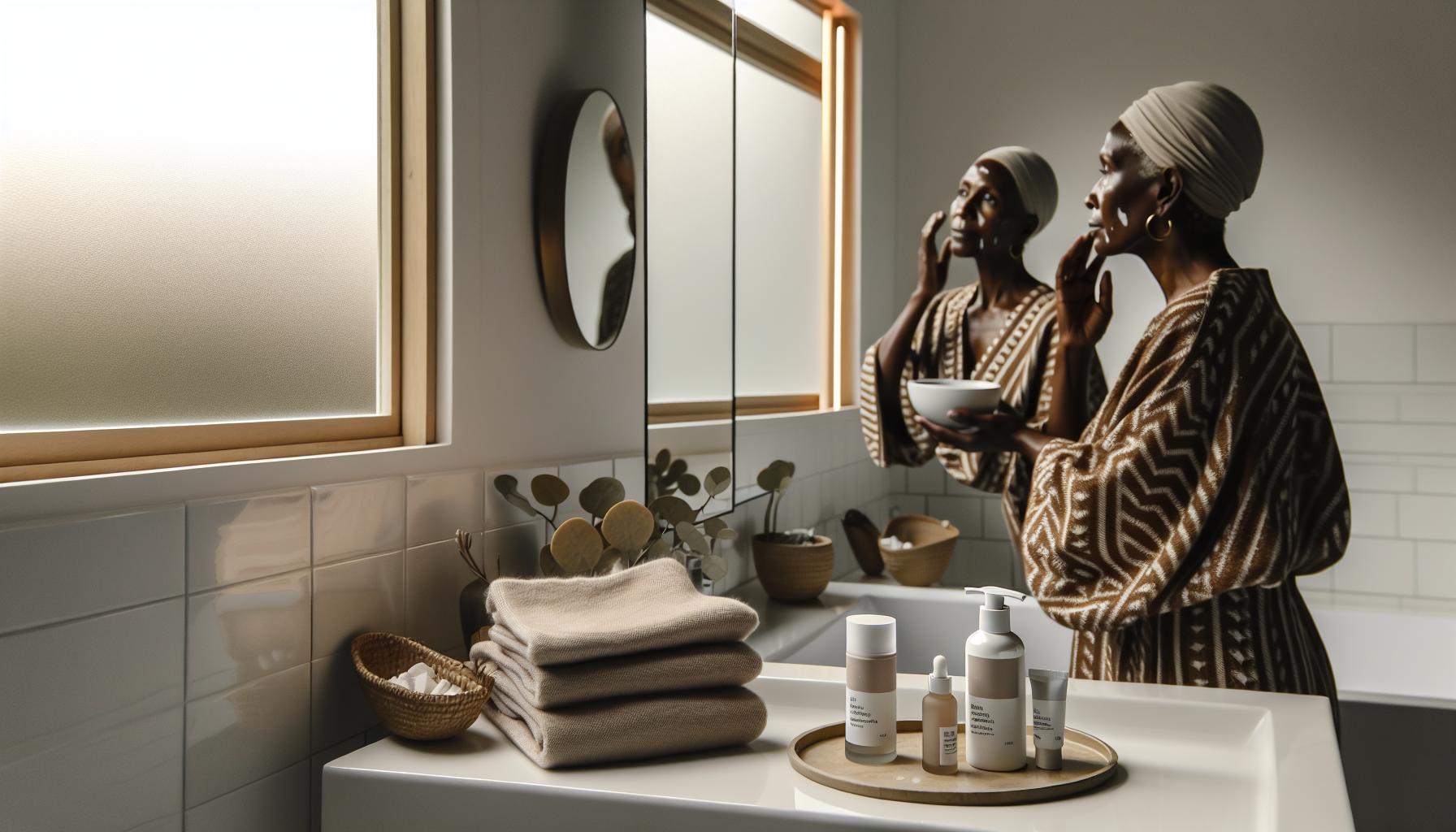
How Azelaic Acid Works on postpartum Skin
New mothers often face unpredictable skin changes after birth, from stubborn acne flare-ups to uneven patches of hyperpigmentation and lingering redness. Azelaic acid gently steps in as a multifaceted ally during this unique time,easing inflammation while helping balance hormone-driven skin disruptions without aggressive irritation. Its antimicrobial and antioxidant actions work harmoniously to clear pores clogged by postpartum hormonal shifts and soothe surface redness—common companions of new motherhood. Because it works on multiple levels, azelaic acid can support the skin’s natural healing rhythm when postpartum hormones are still settling in.
This dicarboxylic acid is exceptional because it doesn’t just focus on blemishes; it also calms rosacea-like flushing and can subtly lighten dark spots caused by pregnancy-related melasma, often called the “mask of pregnancy.” Those brownish patches can linger long after birth and breastfeeding has begun, affecting self-confidence. Azelaic acid regulates melanin production safely, gently evening skin tone over time without harsh chemical peeling or photosensitizing effects. for postpartum skin that’s often sensitive and more reactive, it offers effective results with a lower risk of irritation than many stronger acids or retinoids, which are often off-limits during breastfeeding.
- Soothing inflammation: By reducing inflammatory factors, azelaic acid helps calm redness and swelling, easing discomfort from postpartum acne or irritated skin.
- Clearing pores: It inhibits the growth of acne-causing bacteria and gently exfoliates dead skin cells, encouraging clearer, smoother skin without stripping natural oils critical for skin barrier repair.
- Correcting pigment irregularities: Azelaic acid’s ability to inhibit tyrosinase, an enzyme essential for melanin production, supports fading of dark patches safely during sensitive times.
Practical steps for Sensitive Postpartum skin
starting with a 10% concentration cream or gel allows your skin to adjust, with application focused on localized areas of concern away from the very tender nipple and areola region. Remember to apply at night and use gentle, hydrating moisturizers to support skin barrier restoration. This rhythm respects your skin’s current sensitivities while offering gradual enhancement.
Many moms find comfort knowing azelaic acid’s scientific profile is backed by minimal systemic absorption—meaning it largely stays where it’s applied, without seeping into the bloodstream or breast milk. This localized effect is a key reason why healthcare experts frequently enough view azelaic acid as a gentle,breastfeeding-compatible option for managing common postpartum skin concerns[[1]](https://dermnetnz.org/topics/azelaic-acid) [[2]](https://www.ulta.com/discover/beauty-education/azelaic-acid-benefits).
In embracing this ingredient,newborn caretakers can nurture their own skin’s well-being alongside their baby’s growth—an act of self-kindness that honors the body’s ongoing journey of healing and transformation.
Expert Opinions on Azelaic Acid Use While Nursing
Azelaic acid often surprises new moms with its gentle yet effective approach to managing postpartum skin concerns—qualities that many healthcare providers find reassuring when it comes to breastfeeding safety. As azelaic acid is only minimally absorbed into the bloodstream, dermatologists and lactation consultants alike generally consider it a low-risk option for nursing mothers aiming to tackle acne, redness, or melasma without compromising their baby’s health. Its dual-action of soothing inflammation while balancing pigmentation aligns well with a mom’s desire for gentle care during such a hormonally delicate time.
Experts encourage breastfeeding mothers to stay mindful of usage patterns to maximize safety and benefits. Applying azelaic acid topically in small amounts and avoiding application near the nipple or areolar area helps prevent any accidental ingestion by the infant. Additionally, using lower concentrations—frequently enough 10% formulations—paired with nighttime routines gives your skin time to absorb and work while minimizing daytime sensitivity or photosensitivity concerns. Many providers also highlight that as azelaic acid does not share the stronger systemic impacts seen with ingredients like oral retinoids or hydroquinone, it remains a favored choice for new moms who want effective skincare without the “bounce back” pressure, honoring individual healing rhythms rather.
- Minimal systemic absorption: This reduces the risk of azelaic acid passing into breast milk, keeping baby safe.
- Anti-inflammatory and antimicrobial properties: These help gently combat postpartum acne and rosacea without harsh irritation.
- Pigmentation regulation: Experts note azelaic acid’s unique ability to calm melasma through inhibited melanin production, ideal for lingering pregnancy-related discoloration.
In conversations with dermatologists and maternal healthcare specialists,many moms share that azelaic acid offered welcome relief when other treatments were off-limits. One holistic midwife expresses that “azelaic acid strikes a comforting balance—it supports the skin’s natural healing without overwhelming a body already giving so much.” This calm confidence from health professionals, combined with careful attention to individual skin responses, creates a nurturing space where breastfeeding mothers can feel empowered in their skincare choices. Still, experts recommend consulting your healthcare provider for personalized guidance, especially if you notice sensitivity or any unusual skin reactions while nursing.
Together, this collective wisdom offers a compassionate roadmap: trust the science behind azelaic acid’s gentle efficacy, embrace gradual skincare steps, and honor your unique postpartum journey. It’s a reminder that caring for yourself is an essential part of caring for your little one.[[1]] [[2]]
Potential Risks and Side Effects for Breastfeeding Moms
It’s empowering to know that many breastfeeding moms find azelaic acid a gentle helper for postpartum skin. Yet, as with any skincare ingredient, being aware of possible reactions ensures you feel fully supported on your journey.While azelaic acid is minimally absorbed into the bloodstream—which drastically lowers risk to your baby—some moms might experience mild side effects or skin sensitivities during this hormonally delicate time.
Common Skin Reactions to Watch For
Azelaic acid’s anti-inflammatory and antimicrobial properties usually soothe irritated skin, but some nursing mothers report occasional dryness, redness, or mild itching as their skin adjusts. These reactions often fade with continued use and proper hydration. To ease discomfort, consider pairing azelaic acid with a gentle, fragrance-free moisturizer and avoid applying it near the nipple or areola to prevent any accidental transfer to your baby.
Less Common but Vital Considerations
- Photosensitivity: Azelaic acid can increase skin’s sensitivity to sunlight. New moms spending more time outdoors with their baby may benefit from diligent sunscreen use and wearing protective clothing.
- Allergic Reactions: Though rare, some moms may develop an allergic response manifesting as swelling, rash, or intense irritation. If this happens, stop use promptly and consult your healthcare provider.
- Accidental Infant Exposure: Applying azelaic acid near breastfeeding areas could lead to a baby ingesting trace amounts, which is best avoided—even if systemic absorption is very low.
Real-World Wisdom from Moms and Experts
One breastfeeding mother shared, “I started with a 10% azelaic acid cream at night and kept the area around my chest clean and product-free. It took a few weeks, but now my skin feels calmer, and I have peace of mind that I’m not putting my baby at risk.” Such real reminders highlight the importance of careful application and gradual introduction.
If you’re venturing into azelaic acid use postpartum, patience and self-kindness are your best allies. Symptoms might fluctuate based on your skin’s changing sensitivity in the postpartum phase, so adjusting frequency or pausing for a few days can make a world of difference. And remember, your healthcare providers—including your dermatologist, pediatrician, or lactation consultant—are there as partners in your self-care journey, ready to answer questions and tailor guidance just for you.
| Potential Side Effect | What to Do | when to Seek Help |
|---|---|---|
| Dryness or mild redness | Use gentle moisturizer; apply azelaic acid less frequently | If irritation worsens or persists beyond 2 weeks |
| Increased sun sensitivity | Apply broad-spectrum sunscreen daily; avoid peak sun hours | If you experience severe sunburn or blistering |
| Allergic reaction (rash, swelling) | Immediately discontinue use; cleanse area with water | If swelling spreads or is accompanied by breathing difficulty |
| Accidental baby ingestion | Avoid applying near nipple or areola; wash hands after application | consult pediatrician if baby shows unusual symptoms |
Your postpartum body is a temple of strength and transformation. Navigating skincare with kindness to both yourself and your baby fosters a nurturing balance. Remember, no one path fits all. Trust the small steps you take and honor your body’s signals as beautiful markers of your healing rhythm.

Natural Alternatives to Azelaic Acid for Skin care
Many breastfeeding moms seek gentler skin care options as their bodies continue to adjust in the postpartum period. While azelaic acid offers powerful benefits, exploring natural alternatives can provide a nurturing path for skin renewal without worry about baby’s safety.Nature offers several effective, breastfeeding-friendly ingredients that support calming inflammation, reducing redness, and promoting a healthy glow—all while honoring your body’s healing process.
Herbal and Plant-Based Soothers
Herbs like chamomile, calendula, and lavender have long histories as gentle skin allies. Chamomile’s natural anti-inflammatory and antioxidant qualities can ease irritation and redness, making it a serene choice for sensitive postpartum skin.Calendula oil or cream is wonderful for calming dry, flaky patches and supporting the skin’s barrier function. Lavender, when used in diluted form, adds a soothing aroma and may reduce occasional itchiness. These botanicals can be found in well-crafted creams, or you might choose to DIY simple infusions or facial mists to spritz throughout the day—just be sure to patch-test and avoid concentrated pure essential oils around your baby’s closeness.
Gentle Acids from Nature
If you’re interested in exfoliation or gentle brightening akin to azelaic acid’s effects, look to mild fruit acids like lactic acid (from fermented milk or yogurt) or mandelic acid (derived from bitter almonds). Lactic acid supports hydration and sheds dull skin without harsh irritation, making it a postpartum favorite. Mandelic acid’s larger molecule size means it penetrates slowly, reducing risk of over-sensitivity—a precious feature for breastfeeding skin that’s hormonally sensitive. always opt for formulations designed for sensitive skin, start with low concentrations, and cycle use based on your skin’s day-to-day needs.
Simple DIY Soothing Recipe for New Moms
Here’s a nurturing facial steam that many moms find comforting and refreshing,especially during those unpredictable postpartum skin phases:
- Ingredients: 1 tablespoon dried chamomile flowers,1 tablespoon dried calendula petals,1 quart boiling water
- Readiness: Steep herbs in boiling water for 10 minutes.
- Use: Pour into a heat-safe bowl. After washing your face, drape a towel over your head and gently breathe in the steam for 5-7 minutes.
- Benefits: This ritual hydrates, calms redness, and uplifts spirits—a tender moment of self-care amidst postpartum busy days.
Additional Nourishing Ingredients to Look For
- Oatmeal: Colloidal oatmeal is a skin soother that calms itchiness and inflammation.
- honey (raw, medical-grade): A gentle antibacterial humectant that supports gentle cleansing and moisture retention.
- Aloe Vera gel: Offers cooling hydration for irritated or sun-sensitive skin.
While these alternatives are frequently enough well-tolerated and considered safe during breastfeeding,each person’s skin journey postpartum is beautifully individual.Always introduce new ingredients slowly, monitor your skin’s response, and consult a trusted healthcare provider—such as a dermatologist experienced in maternal skin health or your lactation consultant—to personalize your routine.
Creating a skincare practice grounded in kindness and mindfulness honors both your healing body and your precious baby’s well-being. Remember, natural doesn’t always mean wholly risk-free, but with informed choices, gentle rituals, and community support, nurturing your skin can feel like a gentle hug from nature itself.
How to Apply Azelaic acid Safely While Breastfeeding
Azelaic acid, celebrated for its gentle yet effective action against postpartum skin concerns like acne, hyperpigmentation, and redness, can feel like a safe harbor in the ever-changing landscape of new motherhood. Many breastfeeding moms worry about how topical treatments might affect their little ones. Fortunately,azelaic acid is minimally absorbed through the skin and is generally considered low risk during lactation when used thoughtfully. The key lies in mindful application—honoring both your skin’s needs and your baby’s safety.
To nurture your skin safely, start with a clean, dry face. Apply a thin layer of azelaic acid product—typically creams or gels—in the areas where you experience postpartum blemishes or uneven tone. Using just a pea-sized amount for the entire face minimizes systemic absorption. Avoid applying near the lips or areola to prevent accidental ingestion by your baby during nursing. Best practice includes washing your hands before and after application to keep traces away from your little one’s reach.
Step-by-Step Care Ritual for Breastfeeding Moms
- Timing: Use azelaic acid preferably at night, when skin repair naturally occurs, and you can avoid immediate skin contact with baby during feeds.
- Patch Test: Before starting regular use, test a small skin area for 3 days to ensure no irritation—postpartum skin can be extra sensitive.
- Low Concentration: Begin with a 10% formulation.Over time,if tolerated,you may consult your healthcare provider about increasing to 15-20% for more robust effects.
- Moisturize: Follow with a breastfeeding-safe moisturizer to support your skin barrier and soothe any dryness.
- Sun Protection: Azelaic acid can increase sun sensitivity.Use a mineral-based, baby-safe sunscreen during the day to protect your delicate postpartum skin.
Many moms find comfort in pairing azelaic acid with their natural self-care rituals. One mom shared how she would apply azelaic acid after a calming chamomile facial steam (a gentle warm compress that eases redness), then seal in hydration with aloe vera gel before bedtime. This layering supports skin healing while embracing nurturing moments for yourself.
Remember, your postpartum journey is uniquely yours. some days your skin will bloom; others may feel unpredictable.Keeping your skincare simple, consistent, and mindful means supporting your skin’s balance alongside the beautiful demands of nursing. Always check in with your dermatologist or lactation consultant if you notice unusual skin reactions, or if you have questions about ingredient safety specific to your health history.
| Azelaic Acid Application Tips | Why It Matters |
|---|---|
| Use a pea-sized amount per application | Minimizes absorption and potential transfer to baby |
| Avoid applying near mouth and breast area | Prevents accidental ingestion during nursing |
| Apply after skin cleansing, before moisturizing | Ensures better absorption and reduces irritation risk |
| Use mainly at night | Allows the skin to repair without immediate baby contact |
| Wear sunscreen during daytime | Protects sensitive postpartum skin from UV damage |
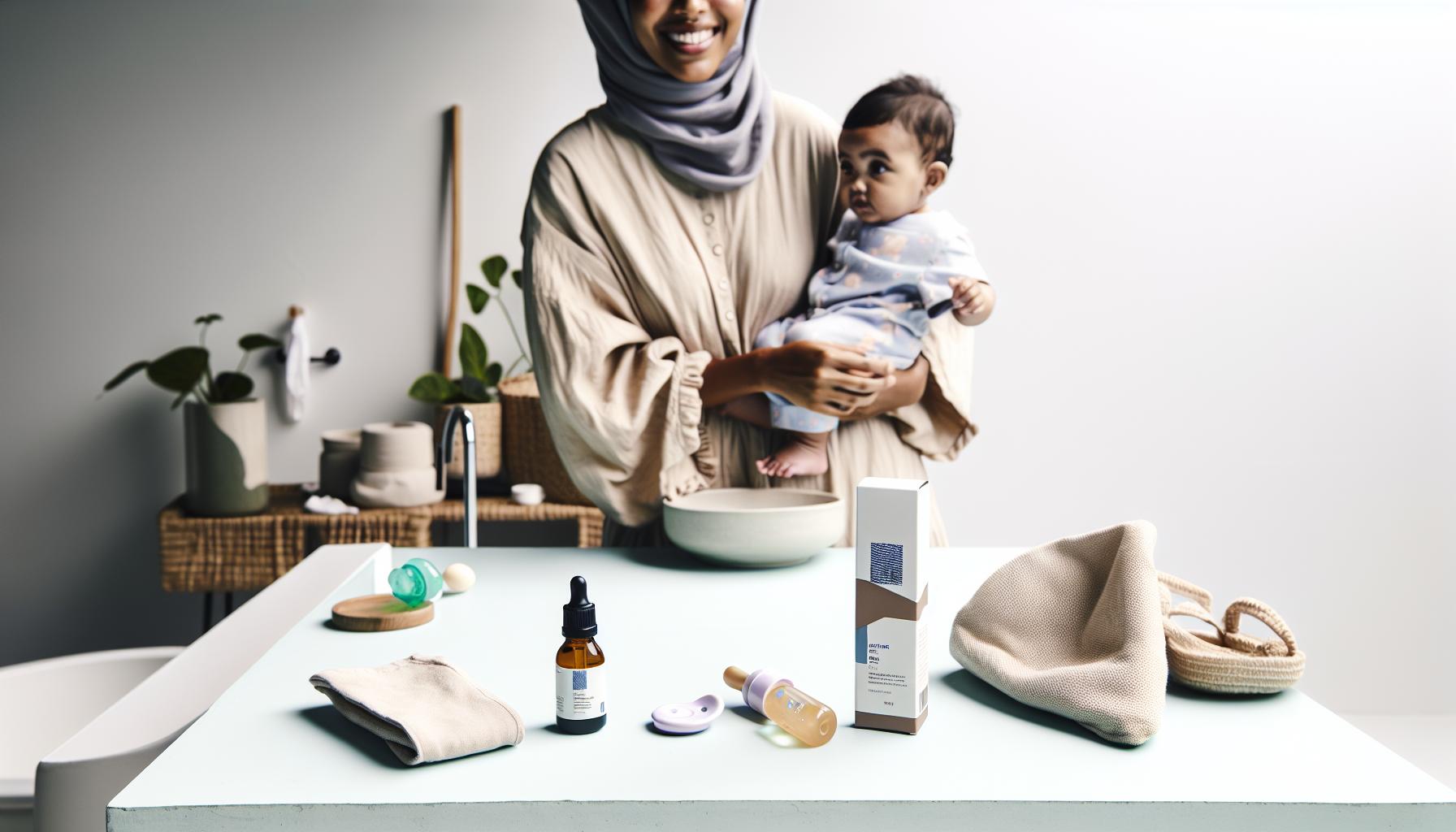
Timing azelaic Acid use During Postpartum Stages
The postpartum period is a delicate time when your body is healing and your skin may be especially sensitive to products—even those as gentle as azelaic acid. The timing of introducing azelaic acid into your skincare routine can make a meaningful difference in how well your skin remedies postpartum challenges like hormonal acne, redness, and pigmentation without disrupting your breastfeeding journey.
Starting with the early weeks after birth, it’s wise to adopt a very gentle approach. Your skin is still adjusting to shifting hormones and may be more reactive, so consider waiting until at least 4 to 6 weeks postpartum before introducing azelaic acid. This also allows time for your milk supply to establish comfortably, giving you peace of mind that topical treatments won’t interfere with lactation. Once you feel ready,opt for a low concentration—around 10%—and begin with a patch test on a small skin area to minimize irritation risk.
Many breastfeeding moms find that applying azelaic acid at night fits their lifestyle and safety concerns beautifully. Nighttime use leverages the skin’s natural repair cycle, allowing the active ingredient to work effectively while reducing the chance of your baby coming into contact with freshly applied product. days, meanwhile, can be reserved for gentle cleansing, moisturizing, and diligent sun protection, as azelaic acid can make skin more sun-sensitive.
Postpartum Phases and Azelaic Acid Tips
- Early Postpartum (0–6 weeks): Prioritize skin hydration and barrier repair. Skip active ingredients like azelaic acid unless directed by a healthcare provider.
- Mid Postpartum (6–12 weeks): Introduce azelaic acid gradually.Start with a low concentration and limited areas, focusing on active blemishes or discoloration.
- Late Postpartum (3+ months): Continue consistent use if well tolerated.Discuss increasing concentration with a dermatologist to target stubborn pigmentation or acne.
This gradual timeline honors your body’s healing rhythm and supports your skin’s unique journey through postpartum shifts. Each stage invites mindfulness—applying azelaic acid with conscious spacing from nursing, careful handwashing, and breastfeeding-safe layering ensures you protect your baby’s wellbeing while nurturing your skin’s resilience.
| Postpartum Stage | Recommended Azelaic Acid Use | Key Considerations |
|---|---|---|
| 0–6 Weeks | Avoid or consult first | Focus on gentle moisturizing; skin rebuilding; avoid irritation |
| 6–12 Weeks | Apply low concentration (5–10%) 1–2 times/week | Patch test first; apply at night away from nursing areas |
| 3+ Months | Increase to 15–20% after consultation | Consistent use; monitor skin response; maintain sunscreen use |
Remember, every mother’s postpartum timeline unfolds uniquely. Your skin’s needs may vary from week to week. Listening to your body with compassion—honoring fatigue, hormonal flux, and emotional waves—creates a gentle rhythm that balances skin health and baby safety without pressure or haste. Through thoughtful timing and careful application, azelaic acid can become a supportive ally across your postpartum months, helping your skin flourish as you nurture your little one.
Real Mom Stories: Using Azelaic Acid While Nursing
Many nursing moms find themselves navigating a delicate balance between caring for their healing, frequently enough sensitive postpartum skin and ensuring complete safety for their little ones. One mom, Emily, shared how introducing azelaic acid around eight weeks postpartum became a game-changer for her stubborn hormonal acne and redness, which persisted despite gentle skincare. She began with a low concentration,applying the product only at night after her baby’s last feed. “I was careful to wash my hands thoroughly afterward and made sure not to apply anything near my chest to avoid any accidental contact with my baby,” she recalls. Starting slow and patch testing helped her avoid irritation, and the gradual advancement in her skin boosted her confidence during an overwhelming period.Another mother, Sara, struggled with melasma triggered by pregnancy hormones and found azelaic acid recommended by her dermatologist a safe option while breastfeeding. She emphasized that open interaction with her healthcare provider allowed her to feel empowered about her skincare routine. “My doc assured me the topical use is low risk as very little absorbs into the bloodstream,” she said. Sara integrated azelaic acid carefully, always pairing it with generous sunscreen use and moisturizing, which kept her skin barrier strong and minimized sensitivity. For her, the routine was not about rushing to ‘bounce back’ but about nurturing both her skin and her journey as a new mom.
Practical Tips from Moms Who’ve Tried Azelaic Acid While Nursing
- Apply at Night: Use azelaic acid once or twice a week initially, preferably in the evening when direct baby-skin contact is least likely.
- Choose Low Concentrations: Start around 5–10% to ensure your skin adjusts gently without overwhelming its natural healing process.
- Patch Test First: Apply a small amount on the arm or jawline to watch for any redness or irritation before wider use.
- Mindful Application: Avoid the nipple and chest area; wash hands thoroughly before holding or breastfeeding to reduce any transfer risk.
- Hydrate and Protect: Use calming moisturizers and broad-spectrum sunscreen daily, as azelaic acid can increase skin’s sensitivity to the sun.
Many moms emphasize that while azelaic acid helped their postpartum skin concerns, it is indeed not an overnight fix.Patience with the process and gentle self-care create a nurturing habitat not just for your skin, but also for your emotional wellbeing as you take on motherhood’s beautiful challenges. If any reaction or discomfort arises, most mothers agree on the wisdom of pausing and seeking guidance from a trusted healthcare professional—the same way we nurture our babies, we must tenderly listen to our bodies too.
Balancing Skin Health and baby’s Safety
Few things feel as vulnerable and precious as the postpartum period—a time when your body is healing, hormones are shifting, and every choice feels weighty not just for you, but for your baby too. When considering skincare ingredients like azelaic acid while breastfeeding, the key is embracing a mindset that honors both your skin’s recovery and your baby’s safety, without rushing or guilt.
Azelaic acid is cherished for its gentle yet effective action against postpartum skin concerns like acne, redness, and pigmentation. Experts often agree that topical use, especially at low concentrations and careful application, means minimal systemic absorption, making it generally safe for nursing moms. Still, the decision to use it involves thoughtful timing and intentionalness, melding your unique body’s rhythm with your lifestyle and feeding relationship. Applying azelaic acid after your baby’s last feeding of the day, washing hands thoroughly afterward, and steering clear of the chest and nipple area are simple, empowering steps to reduce any transfer risk. This mindful approach helps maintain that precious balance—nurturing your skin without compromising baby’s wellbeing.
Strategies to Support Your Skin and Baby Together
- Listen to Your Body: Postpartum skin may respond differently—what worked pre-pregnancy might feel harsh now. Start slow, patch test, and observe any signs of irritation or dryness.
- Incorporate Gentle Hydration: Supporting the skin barrier with soothing moisturizers seals in benefits and protects against heightened sun sensitivity that azelaic acid can cause.
- Prioritize Open Communication: Sharing your skincare goals and concerns with your healthcare provider or lactation consultant builds a team dedicated to your postpartum wellness.
- Create a Safe Application Ritual: Choose a calm moment when baby is settled, apply your product mindfully away from feeding areas, and wash hands well—like Emily and sara’s routines—that honors both your needs and your infant’s safety.
Recognize this stage as a beautiful blend of challenge and joy. Taking the time to tend your skin gently is also nurturing your emotional wellbeing, reinforcing self-love and confidence during a deeply transformative chapter.Remember, each mother’s journey is unique; honoring your body’s pace and needs is the most empowering form of self-care you can offer yourself and your baby.
Combining Azelaic Acid with Other Breastfeeding-Safe Skincare
Finding a harmonious balance in your postpartum skincare routine means being mindful about what products you blend with azelaic acid while breastfeeding. Azelaic acid is gentle yet effective, but pairing it thoughtfully with other breastfeeding-safe ingredients can boost your skin’s healing and radiance during this tender time.Imagine your skincare as a nurturing ritual—each product chosen not just for what it does, but how it supports your overall postpartum wellness and honors your baby’s safety.
When combining azelaic acid with other topicals, aim for ingredients known for their calming, hydrating, and barrier-supporting qualities. This helps minimize irritation while maximizing benefits like reducing redness, evening tone, and soothing sensitivity.For example, pairing azelaic acid with niacinamide can enhance anti-inflammatory effects and skin barrier repair. Niacinamide is safe in topical form, widely studied, and gentle for postpartum skin when introduced gradually. Similarly, ceramide-rich moisturizers help replenish your skin’s natural protective layer, locking in hydration and guarding against dryness frequently enough triggered by acid-based treatments.
- Vitamin C (ascorbic acid), in lower concentrations, can be a brightening ally when used apart from azelaic acid (e.g., vitamin C in AM, azelaic acid in PM) to prevent unneeded sensitivity and respect your skin’s healing pace.
- hyaluronic acid
- Gentle, fragrance-free moisturizers
Practical Routine Tips for Safe and Effective Use
- Patch Test First: Before merging new ingredients, apply a small amount on your inner arm or jawline for several days. Any irritation means pause and reassess.
- Time Your applications: Azelaic acid can be layered best in the evening after cleansing and before your moisturizer. Use Vitamin C or antioxidants in the morning, followed by broad-spectrum sunscreen to protect your sensitive postpartum skin.
- Hands Hygiene: Always wash your hands thoroughly post-application, especially when nursing, to avoid accidental transfer near your infant.
Remember,every body is unique—your personal combination may evolve as your hormones stabilize and your skin adjusts to motherhood. Talking openly with your midwife,dermatologist,or lactation consultant about your chosen products can offer reassurance and tailored guidance. As you gradually build your routine, embracing patience and listening deeply to your skin’s responses will nurture both your confidence and glow.
Creating a postpartum skincare practice that respects your baby’s vulnerability while honoring your need to feel seen and cared for is one of the most beautiful gifts you can give to yourself during this season of transformation.
Signs You Should Stop Azelaic Acid Immediately
A gentle reminder to listen deeply to your skin and body can never be overstated, especially when navigating the delicate postpartum period while breastfeeding. although azelaic acid is generally considered safe and effective for many new moms, there are clear signs that signal it’s time to pause or stop its use altogether. Your well-being and your baby’s safety are the highest priorities, so tuning into alerts from your skin is a simple yet powerful form of self-care.
If you notice any sudden or persistent intense redness, burning, or stinging, these discomforts may indicate that your skin barrier is overwhelmed. Postpartum skin is beautifully sensitive,and irritation can quickly escalate,increasing the risk of inflammation or damage. Likewise, if dry patches worsen dramatically or you see peeling skin that doesn’t improve with gentle moisturizing, this can be a sign your skin needs a break.Watch for swelling or hives, which can reveal an allergic reaction—even mild allergies deserve pause and professional advice.
Additionally, if you observe any unusual rash-like eruptions that spread or blister, stop using azelaic acid immediately and seek medical guidance.Breastfeeding can heighten your body’s sensitivity to topical products, and there’s the added consideration of potential exposure if you handle your baby right after application. If your baby shows signs of fussiness, rash around their mouth, or unusual skin changes that coincide with your use of azelaic acid, inform your healthcare provider promptly.
- Persistent discomfort: burning, itching, or tightness lasting beyond a few days.
- Visible allergic responses: Swelling, hives, rashes spreading beyond the application area.
- Worsening dryness or peeling: Skin barrier compromise accompanied by redness and flaking.
- Unusual infant reactions: changes in baby’s skin, irritability, or symptoms that align with your topical routine.
- Signs of infection: Increased warmth, tenderness, pus, or spreading redness at the application site.
Listening to Your Body and When to Seek help
Trust that stopping azelaic acid doesn’t mean failure—it’s a wise, nurturing choice grounded in respect for your natural healing rhythm. Use this time to focus on soothing, hydrating products known to be breastfeeding-safe, such as ceramide-rich creams or gentle oat-based moisturizers. If uncertain, contact your midwife, dermatologist, or lactation consultant for personalized advice—they can help determine whether azelaic acid can be reintroduced later or if alternative treatments suit your unique skin needs better.
Remember, maternity and postpartum experiences vary widely, and your skin’s reaction today doesn’t dictate tomorrow’s possibilities. Joining supportive communities where moms share real stories can bring comfort, normalize ups and downs, and celebrate every step of your motherhood journey. Your intuition and love are powerful guides—honor them fully as you care for your radiant self and your precious little one.
| Key Signs | Recommended Action |
|---|---|
| Strong burning or stinging sensation | Discontinue use immediately; apply soothing moisturizer |
| Allergic reaction (hives, swelling) | stop application; consult healthcare provider promptly |
| Severe dryness or peeling | Pause treatment; incorporate barrier-repair skincare |
| Infant shows skin irritation or fussiness | Discontinue product and inform pediatrician |
Tips for Talking to Your Healthcare Provider About Skin Treatments
Discussing skin treatments like azelaic acid with your healthcare provider can feel overwhelming, especially in the postpartum period when emotions and hormones are delicately balanced. Yet, open, honest conversations are one of the most empowering steps you can take for both your skin health and your baby’s safety. Start by sharing your entire skincare routine, including any natural remedies or over-the-counter products you use. This helps your provider understand your skin’s current state and potential sensitivities. Remember, no detail is too small—sometimes seemingly harmless products can affect breastfeeding or your skin’s reaction.
When bringing up azelaic acid, frame your questions around safety and timing. Such as, ask about its compatibility with breastfeeding and if there are any specific signs that suggest you should pause use. many healthcare providers appreciate when you express curiosity about alternative options, whether gentler acids or soothing, barrier-repair treatments that can complement or temporarily replace azelaic acid. You might say, “I want to care for my skin respectfully while ensuring my milk and baby are unaffected. What would you recommend based on my skin sensitivity and nursing schedule?” This invites a collaborative exchange rather than a one-sided directive, respecting your role as a mom who knows her body best.
- Be clear about recent skin changes—describe redness, dryness, or irritation with examples of when and how they appear.
- Ask about product application timing in relation to breastfeeding; for instance, if waiting a certain time before nursing can reduce any risk of exposure.
- Discuss possible interactions between azelaic acid and other ingredients in your skincare, ensuring no compounds will compromise your skin barrier or infant safety.
- request guidance on gentle, breastfeeding-safe moisturizers or soothing remedies that enhance skin healing during postpartum hormonal shifts.
- Inquire about monitoring signs that would necessitate stopping treatment immediately with your baby’s welfare in mind.
Prepare and Partner
Before your appointment, jot down how long you’ve been using azelaic acid and any reactions you’ve noticed, no matter how subtle. For some moms, framing concerns within postpartum changes—like increased skin sensitivity after birth—helps providers tailor advice sensitively. Sharing real-life stories from peers or support groups can also make the dialogue richer; your provider may offer insights grounded in diverse experiences.Ultimately, your provider is your ally, not a judge. Warmly express your commitment to self-care balanced by motherhood’s many joys and challenges. This respectful partnership paves the way for personalized,holistic skincare plans that honor your cultural preferences,healing pace,and most importantly,your little one’s health.
| Common Questions to Ask | Why This Matters |
|---|---|
| Is azelaic acid completely safe for my baby while I’m nursing? | Clarifies risks related to breast milk exposure or skin contact. |
| Can I use azelaic acid daily or only at certain postpartum stages? | Helps avoid skin irritation during sensitive hormonal shifts. |
| Are there any natural or gentler alternatives you recommend? | Supports safer, more soothing options if needed. |
| How long should I wait after applying azelaic acid before breastfeeding? | Minimizes baby’s risk from topical residues. |
| What signs should prompt me to stop treatment and reach out? | Empowers early detection of adverse effects for mom and baby. |
FAQ
Q: Can azelaic acid affect breast milk production during breastfeeding?
A: Azelaic acid is unlikely to impact breast milk production since it works topically with minimal systemic absorption. However, always monitor for any changes and discuss concerns with your healthcare provider to ensure balanced skin care and milk supply during nursing. for detailed guidance, see our section on Balancing Skin Health and Baby’s safety.
Q: How soon after applying azelaic acid can I safely nurse my baby?
A: You can usually nurse immediately after applying azelaic acid as it remains on the skin and is not significantly absorbed into the bloodstream. To be extra cautious, apply it to skin areas away from the chest or let it fully absorb before breastfeeding. Refer to How to Apply Azelaic Acid Safely While Breastfeeding for step-by-step tips.
Q: Are there breastfeeding-safe skincare products that complement azelaic acid?
A: Yes, gentle moisturizers and sunscreens formulated for nursing moms complement azelaic acid without irritation.Choose fragrance-free, hypoallergenic options to avoid skin sensitivity and protect postpartum skin.Our guide on Combining Azelaic Acid with Other Breastfeeding-Safe Skincare offers trusted product recommendations.
Q: What signs should prompt breastfeeding moms to stop using azelaic acid immediately?
A: Stop using azelaic acid if you notice increased redness, swelling, itching, or if your baby shows unusual fussiness or rash after skin contact. These could signal irritation or sensitivity.Early recognition helps protect both mom’s skin and baby’s well-being. See our section on Signs You Should Stop Azelaic Acid Immediately for more details.
Q: Does azelaic acid use affect milk composition or baby’s digestion?
A: Topical azelaic acid does not alter breast milk composition or affect your baby’s digestion, as very little penetrates the bloodstream. Still, maintaining skin safety and consulting your healthcare provider ensures your baby’s health remains the top priority during topical treatment.
Q: How can I integrate azelaic acid into my postpartum skincare routine without disrupting breastfeeding?
A: Incorporate azelaic acid gradually, starting with low frequency (every other night), and avoid application near the breast area. Pair it with soothing, breastfeeding-safe moisturizers to ease skin while protecting baby’s safety.Explore our Timing Azelaic acid Use During postpartum Stages section for a tailored routine.
Q: Are there any herbal or natural ingredients to avoid when using azelaic acid while breastfeeding?
A: Avoid combining azelaic acid with strong herbal extracts like peppermint or eucalyptus during breastfeeding, as they can cause skin irritation or sensitivity. Stick to mild, natural alternatives outlined in our Natural Alternatives to azelaic Acid for Skin Care section to maintain gentle, safe skincare.
Q: What should I discuss with my healthcare provider before starting azelaic acid while nursing?
A: Discuss your full skincare routine,any allergies,and postpartum skin concerns with your provider to ensure azelaic acid fits safely into your postpartum care plan. being open helps tailor treatments that prioritize your and your baby’s health. Visit our Tips for Talking to Your Healthcare Provider About Skin Treatments for practical questions to ask.
Feel free to explore these FAQs alongside our in-depth article sections for a nurturing approach to postpartum skincare. Your skin’s healing journey is unique—embrace it with care and confidence!
To Conclude
Navigating skincare while breastfeeding can feel overwhelming, but understanding the safety and timing of azelaic acid makes all the difference. Experts agree that this gentle ingredient, when used thoughtfully, supports your skin’s health without compromising lactation or your baby’s well-being. Remember, every mother’s experience is unique—listen to your body and consult your healthcare provider if in doubt.
If you’re curious about natural postpartum skincare routines or want simple, safe recipe ideas to nourish both skin and soul, explore our Postpartum Skincare Essentials and Herbal Teas for New Moms. You might also find our Guide to Safe Skincare ingredients While Breastfeeding helpful as you continue your self-care journey. Don’t forget to subscribe to our newsletter for ongoing tips tailored to nurturing mothers like you.
Your wellbeing matters—keep exploring, ask questions below, and share your experiences. Together, we create a supportive space where informed choices and gentle care go hand in hand.
Get our latest guides, news, and insights highlighted in your Google Search & AI Overviews.


 CRITICAL DEVELOPMENT WINDOW