
Breastfeeding Safe Lube: Comfortable Options for New Moms
Did you know that manny new moms experience discomfort during postpartum intimacy due to hormonal changes and sensitive skin? Choosing a breastfeeding-safe lubricant can bring much-needed relief while honoring your body’s healing process.This gentle, safe option supports comfort without interfering with lactation or your baby’s health. As your body adjusts and you nurture your little one, finding products that respect your unique postpartum needs helps you feel more at ease and cared for. In this guide, we’ll explore nurturing, safe lubricant choices designed especially for breastfeeding mothers—balancing evidence-based safety with natural, soothing ingredients. Whether you’re navigating soreness, dryness, or simply looking for a gentle boost in comfort, these options empower you to prioritize self-care in this tender phase.Let’s walk through practical advice that honors your body’s journey, celebrates your strengths, and embraces the complex emotions of motherhood—all with warmth and understanding. Your comfort matters, and gentle support is here every step of the way.
Contents
- Understanding Safe Lubricants for Breastfeeding Moms
- Why Lubricant Safety Matters Postpartum
- Key Ingredients to Avoid in Lubes while Nursing
- Top Comfortable Lubricants Recommended by Experts
- How to Choose the Right Lube for Sensitive Skin
- DIY Natural Lubricants Safe for Nursing Mothers
- Using lubricants During Different Postpartum Stages
- addressing common Concerns: Allergies and Sensitivities
- Tips for Maintaining Intimacy comfortably after Birth
- incorporating Lubricants Into Your Self-Care Routine
- Real Mom Stories: Finding the Perfect Safe Lube
- When to Consult Your Healthcare Provider About Lubes
- Faq
- Q: How can breastfeeding affect vaginal dryness and the need for safe lubricants?
- Q: Are water-based lubes always safe for breastfeeding moms?
- Q: Can using flavored lubricants affect breastfeeding or the baby’s health?
- Q: When is the best time postpartum to start using lubricants safely during breastfeeding?
- Q: How do natural oils compare with commercial lubricants for breastfeeding moms?
- Q: Can lubricant ingredients affect breast milk supply or baby’s health?
- Q: How can new moms incorporate lubricants safely into postpartum self-care routines?
- Q: What should I do if I experience irritation from a breastfeeding safe lube?
- In Summary
Understanding Safe Lubricants for Breastfeeding Moms
Many new moms discover that postpartum sensitivity can make intimacy feel different—sometimes uncomfortable or even painful. This is a entirely natural part of healing,especially while breastfeeding,when hormonal shifts frequently enough lead to vaginal dryness and delicate tissues needing extra care. Choosing a lubricant that’s both safe and soothing can transform intimacy into a gentle,loving experience rather than a source of stress. As your body is nourishing a tiny life, it’s critically important to select products free from harsh chemicals and ingredients that might interfere with breastfeeding or cause irritation.
Understanding what makes a lubricant “safe” means looking beyond the label to consider how it interacts with your unique postpartum body and the breastfeeding process (lactation). Many lubricants contain additives such as artificial fragrances, parabens, or glycol-based substances that may not only disrupt your skin’s natural balance but could also affect your baby if transferred during nursing. Instead, look for options that are water-based or made with natural ingredients that support healing, hydration, and gentle protection. These tend to be free from petroleum, flavors, or warming agents that might cause discomfort or unwanted reactions.
- Hydration without harm: A safe lubricant maintains moisture without drying out sensitive tissues.
- Non-irritating: formulations free from irritants are less likely to cause allergic reactions or disrupt your body’s natural balance.
- Lactation-pleasant: Ingredients should be safe to come in contact with breast milk to protect your baby’s health.
Real moms often share that trial and error is part of the journey—what works beautifully for one woman may not be ideal for another. This diversity underlines the importance of gentle, personal experimentation, along with support from healthcare providers or lactation consultants. Caring for your body’s healing while embracing intimacy is a beautiful part of your postpartum story, where safe lubricants serve as quiet allies enhancing both comfort and connection.
Why Lubricant Safety Matters Postpartum
New motherhood brings profound changes—not only in your heart and daily rhythms but deeply within your body. During breastfeeding, your hormones adjust to nurture your baby, often leaving vaginal tissues more delicate and sensitive. At this vulnerable time,using any product on intimate areas requires special care. many lubricants contain chemicals or fragrances that might be harmless before pregnancy but can now trigger discomfort, allergic reactions, or disrupt your body’s delicate postpartum balance. Because breast milk may come in contact with your skin, safety isn’t just about your comfort—it’s about protecting your baby’s health too.
Choosing a lubricant specifically formulated or vetted for postpartum use means honoring your body’s healing process while supporting intimacy. A safe lubricant helps counteract dryness without adding irritation. It preserves natural moisture,so your delicate tissues don’t experience further dryness or itching—a common postpartum complaint. You’ll want to avoid additives such as parabens, glycerin-based compounds, or artificial scents, as these can cause microscopic irritation or inflammation, sometimes making symptoms worse over time. Since breastfeeding involves skin-to-skin contact and frequent nursing, the safest options are those free from petroleum-based ingredients and harsh preservatives that could transfer to your baby.
- Support healing: Opt for soothing, non-inflammatory ingredients like aloe vera or chamomile extracts that calm sensitive skin.
- Protect baby: select lubricants without harmful chemicals that could pass through breast milk or irritate your nipple area.
- Boost confidence: Feeling safe using lubricant fosters emotional ease and closeness in intimacy, reaffirming your body’s strength despite changes.
Many experienced moms share how finding the right product involves personal trial and thoughtful listening to your body’s needs. What soothes one woman may not suit another, which is why caregivers often recommend gentle, water-based options or simple DIY solutions when commercial products feel overwhelming. Remember, this is your body’s unique story of recovery and love—a moment to embrace tenderness, not pressure. Prioritizing safety with each choice empowers you to move through postpartum with both comfort and confidence,allowing intimacy to become a source of nurturing rather of worry.
Key Ingredients to Avoid in Lubes while Nursing
during the delicate postpartum period, especially when breastfeeding, your body’s sensitivity increases, making ingredient safety in lubricants more important than ever. Some common additives found in everyday lubes can provoke irritation, disrupt your skin’s natural balance, or even impact your baby through skin contact or nipple exposure. As a nurturing mom-midwife might say, it’s about loving yourself gently and protecting your little one while you heal and reconnect with intimacy.
Certain ingredients can quietly cause more harm than good, even if they seem harmless on a label. Glycerin, though often used for it’s moisturizing qualities, can feed yeast growth and worsen vaginal irritation or infections. This is particularly risky postpartum when your immune defenses are adjusting. Likewise, parabens and phthalates—preservatives and fragrances common in many products—may interfere with hormonal balance or cause allergic reactions, adding unneeded stress to your body’s recovery. Even artificial scents and dyes, while appealing to the senses, can be chemical irritants and are best avoided when your skin is thin and vulnerable.
Another critically important caution is toward petroleum-based ingredients like mineral oil or petrolatum, which might create a barrier that traps bacteria rather than letting the skin breathe and heal. Additionally, some lubricants include nonoxynol-9, a spermicide linked to irritation and increased infection risk, making it unsuitable for postpartum use. For moms practicing holistic care, steering clear of these allows the body’s natural microbiome—the community of helpful bacteria and yeasts—to rebalance smoothly after birth.
- Glycerin and Glycols: Risk of yeast infections and irritation.
- Parabens and Phthalates: Potential hormonal disruptors and allergic triggers.
- Artificial Fragrance and Dyes: Can provoke inflammation in delicate tissues.
- Petroleum-based Oils: May block pores and inhibit skin healing.
- Spermicides (nonoxynol-9): Linked to irritation and should be avoided.
When choosing a postpartum-friendly lubricant, the gentlest products prioritize simple, natural, and hypoallergenic ingredients—think pure aloe vera gel or plant-derived substances without additives. Listening to your body remains the wisest guide: if you feel any itching, burning, or discomfort, discontinue use and consider a milder alternative or a soothing DIY blend. By honoring these ingredient sensitivities, you craft a safer sanctuary for your healing body and nurture the tender moments with your baby and partner all around you.

Top Comfortable Lubricants Recommended by Experts
Finding a lubricant that feels truly comfortable and safe during breastfeeding can be like discovering a gentle ally for your postpartum body. Experts often recommend products that honor your delicate hormonal and skin changes, choosing formulations free from harsh chemicals, additives, or irritants that might disrupt your natural balance. What really stands out is the preference for simple, soothing ingredients that nurture rather than challenge your healing tissues while accommodating the realities of nursing and postpartum intimacy.
Many healthcare professionals and lactation consultants highlight water-based lubricants with minimal ingredients as a top choice, especially those without glycerin or parabens. These formulas hydrate and reduce friction without feeding yeast or causing irritation.Brands that prioritize hypoallergenic, fragrance-free options tend to be favored. Some examples include pure aloe vera gels (look for food-grade or certified organic), which offer calming benefits naturally, or lubes made from squalane oil derived from olives—a lightweight plant-based moisturizer that absorbs quickly without leaving residue or clogging pores.
expert-Recommended Lubricant Qualities
- Free from glycerin and parabens: Reduces risk of yeast infections and hormonal disruption.
- Fragrance and dye-free: Prevents unnecessary irritation in sensitive postpartum tissues.
- Water-based or plant-derived oils: Supports healing and comfortable use without harmful residues.
- Hypoallergenic formulation: Minimizes allergies and sensitivities common after birth.
For a real-life viewpoint, many moms share that using an organic aloe vera gel or a gentle coconut oil-based product on intimate areas brings relief and comfort during early postpartum weeks. It’s important to patch-test first to ensure no reaction, as individual sensitivities will vary. If you’re navigating tenderness from stitches,soreness around the perineum,or fluctuations in natural lubrication,these carefully chosen lubes serve as supportive partners rather than irritants.
| Lubricant Type | key Benefits | Considerations for Moms |
|---|---|---|
| Water-based (glycerin-free) | Hydrating, non-irritating, easy to wash off | Check ingredients for parabens, avoid if sensitive |
| Pure Aloe Vera Gel (organic, additive-free) | Soothing, naturally antibacterial, supports skin healing | Verify pure product, perform patch test |
| Plant-based oils (squalane, fractionated coconut oil) | Lightweight, moisturizing, non-comedogenic | Use sparingly, avoid if prone to oil-based breakouts |
Remember, comfort with lubrication is deeply personal and can evolve with your postpartum recovery. Starting with gentle, vetted products recommended by midwives and doulas sets a nurturing foundation.From there, tuning into your body’s feedback allows you to embrace an intimacy experience that respects your healing process and cherishes the bittersweet conversion of motherhood.
How to Choose the Right Lube for Sensitive Skin
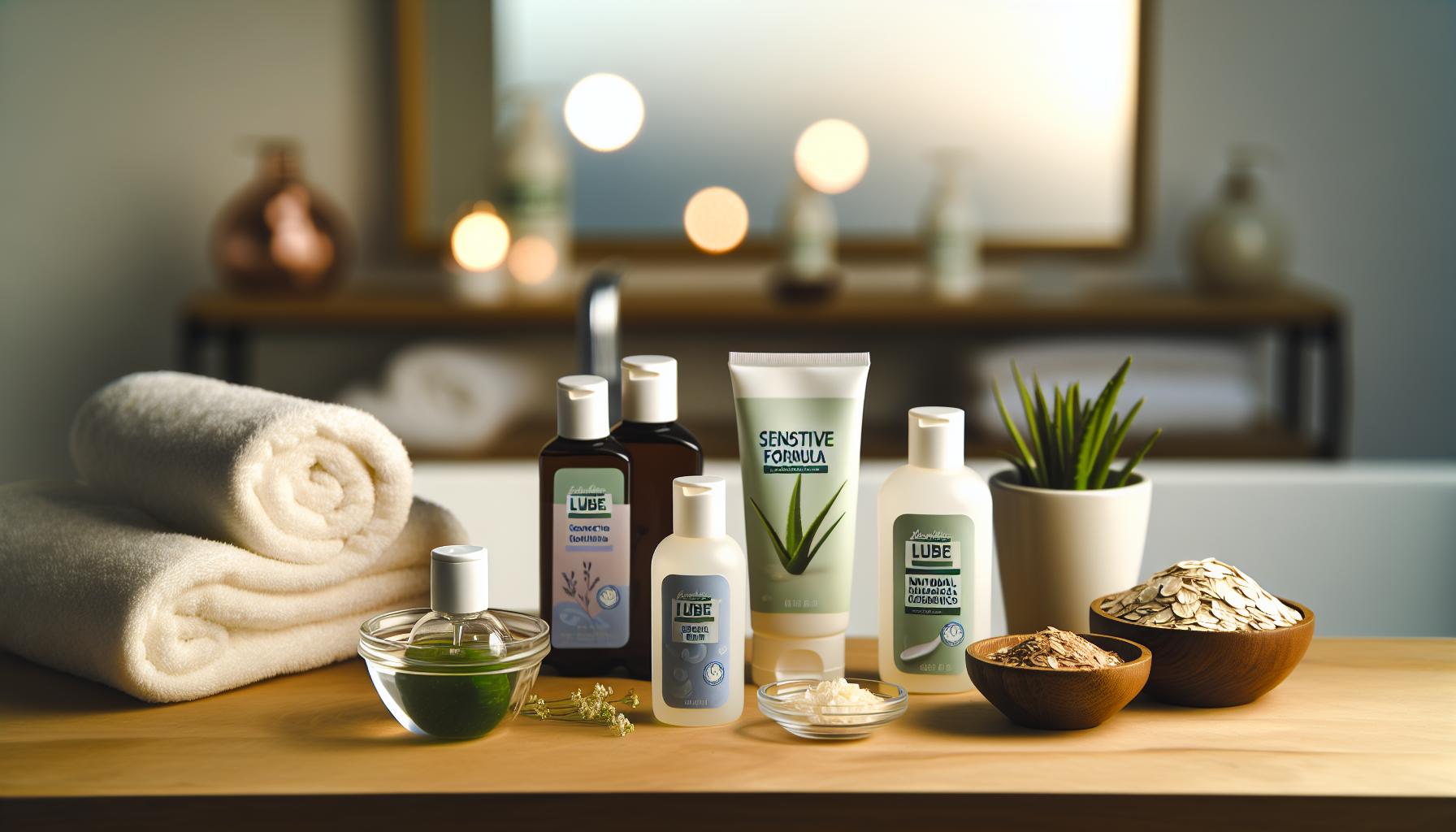
For new moms navigating the tender postpartum period, sensitive skin can feel like its own delicate landscape, especially around intimate areas that have undergone so much change—from hormonal shifts affecting natural lubrication to healing perineal tissues after birth. Choosing a lubricant that truly respects this sensitivity means seeking products designed not just for comfort,but for safety and nurturing care. The key lies in simplicity: gentle, clean ingredients that won’t exacerbate dryness, irritation, or disruption of your body’s natural balance.
Many mothers find that the fragrance of a product—often overlooked—can become a source of discomfort. Fragrance-free,dye-free formulas minimize the risk of allergic reactions or burning sensations,a blessing when your skin needs extra kindness. also,steer clear of additives like glycerin,parabens,or harsh preservatives,as these can fuel yeast infections or cause imbalances in sensitive postpartum skin,which is especially important while breastfeeding (as your body’s immune system and hormone levels are still adjusting).
Looking for Your Best Fit: What to Consider
- Ingredients openness: Choose products with concise, clearly listed components so you can easily identify potential irritants.
- Texture and absorption: Lightweight, non-greasy lubes such as water-based or plant-derived options (like squalane or fractionated coconut oil) feel soothing without clogging pores or leaving residue.
- Patch testing: Always do a small skin test before full use—apply a tiny amount to the inner wrist or thigh and wait 24 hours to check for any discomfort or redness.
- pH-balanced formulas: Opt for lubricants close to your body’s natural vaginal pH (around 3.8 to 4.5) to support the healthy microbiome, reducing the chance of infections.
- Hypoallergenic claims: While not a guarantee, products designed to minimize allergy risk often use fewer irritants.
Remember, the postpartum journey is unique for every mother. What calms one may irritate another, so honoring your body’s feedback is the gentlest compass. Many moms find relief in pure aloe vera gel—ensure it’s food-grade and additive-free—or light plant oils like squalane, which provide moisture while allowing fragile skin to breathe. A midwife once shared how a mom’s self-care ritual included moisturizing with organic aloe vera gel after breastfeeding sessions, aiding skin healing and making intimacy feel tender rather than tense again.
| Lubricant Feature | Benefits for sensitive Skin | What to Watch For |
|---|---|---|
| water-based, glycerin-free lubes | Hydrate, easy to clean, minimal irritation risk | Avoid parabens or added fragrances |
| Organic aloe vera gel (pure, additive-free) | Soothes, gently antibacterial, supports healing | Confirm purity; patch test for sensitivity |
| Plant-derived oils (e.g., squalane, fractionated coconut oil) | Lightweight, nourishes skin, non-comedogenic | Use sparingly; watch for any oil-related skin breakouts |

DIY Natural Lubricants Safe for Nursing Mothers
New mothers often seek gentle, natural ways to soothe thier delicate postpartum skin while nurturing their bodies through breastfeeding and healing. Making your own lubricant blends at home is a beautiful way to embrace self-care without exposure to harsh chemicals or unnecessary additives.With simple, safe ingredients, you can create moisturizing formulas that respect the sensitivity of your intimate areas—helping restore comfort and confidence during this tender phase.
Many nursing moms find that lightweight plant oils and pure aloe vera provide soothing hydration without the irritation that some commercial lubes might cause.These options work well because they are free from fragrances, parabens, and glycerin, known to disrupt the delicate vaginal environment or contribute to yeast infections. For example, fractionated coconut oil or squalane oil offers silky softness, absorbs easily, and supports skin regeneration. Meanwhile, organic aloe vera gel, when pure and additive-free, cools and promotes healing of tissues affected by childbirth. Just remember to patch test each ingredient on a small skin area to watch for individual sensitivities.
Simple DIY Lubricant Recipes for nursing Moms
- Basic Aloe Vera Gel Moisturizer
Ingredients: 2 tablespoons of pure organic aloe vera gel (food-grade, no additives)
Preparation: Spoon aloe gel into a clean container. Use a small amount as needed for soothing lubrication.
Benefits: Cooling, antibacterial, and hydrating, this gel is perfect for immediate relief of dryness and irritation postpartum. - Soothing Coconut-Squalane Blend
Ingredients: 1 tablespoon fractionated coconut oil + 1 tablespoon squalane oil
Preparation: Mix oils in a small glass jar. Use sparingly to avoid greasy residue.
Benefits: Nourishes and softens skin, supports elasticity without clogging pores or disrupting natural flora. - Aloe-Coconut Healing Balm
Ingredients: 1 tablespoon organic aloe vera gel + 1 tablespoon fractionated coconut oil
Preparation: blend well in a small container and use perineally (around the vaginal opening), especially if healing stitches or soreness are present.
Benefits: Combines aloe’s gentle antibacterial properties with coconut oil’s moisturizing benefits.
Safety Tips From a Midwife’s Perspective
- Patch test before full use: Every skin is unique, especially postpartum. Apply a small amount of your DIY blend to your inner arm or thigh. Wait 24 hours to check for reaction.
- Avoid essential oils: These can be too strong and irritate sensitive skin or affect breastfeeding babies. Stick to single-ingredient oils or aloe vera as safe bets.
- Storage: Use clean, airtight containers and store in a cool, dark place to maintain freshness and prevent contamination.
- Use sparingly: Natural oils are nutrient-rich but can build up or cause mild breakouts if overused; a little goes a long way.
- Listen to your body: If you experience itching, burning, or discomfort, discontinue use and consult your healthcare provider.
Many mothers find solace in crafting their own lubricants as it reconnects them to their healing process—the act itself is a calm, nurturing moment. Remember, your postpartum body is resilient and deserving of kindness, patience, and gentle care. These DIY options honor that journey and provide safe, effective relief tailored uniquely to you.
Using lubricants During Different Postpartum Stages
New mothers often find their bodies navigating an incredible journey through various stages of postpartum healing. As your body gradually repairs and adjusts, the needs for intimate comfort and lubrication also shift. Understanding how to adapt lubricant use to these phases can bring ease, nurturing relief, and renewed confidence without overwhelming your sensitive skin or interfering with breastfeeding.In the very early weeks after birth, the vaginal tissue and perineum (the area between vagina and anus) may still be tender, swollen, or healing from stitches. At this delicate stage, lightweight, natural lubricants that soothe and promote gentle healing are ideal. Pure aloe vera gel or a mild aloe-coconut oil blend can calm inflammation and hydrate without causing irritation. Use sparingly and observe how your body responds. Avoid anything scented, colored, or overly rich, as these can disrupt healing and raise infection risk. Many moms report that applying lubricant immediately before intimacy or even self-care moments makes a big difference in comfort, setting the tone for gentle reconnection with their postpartum bodies.
As healing progresses and hormonal shifts continue with breastfeeding, vaginal dryness often remains a challenge, sometimes for months. During this intermediate postpartum phase, you might find a slightly richer oil like fractionated coconut oil or squalane helpful for sustained softness and elasticity. These oils absorb well and are less likely to leave sensations of slipperiness that feel unnatural or messy. If you experience occasional sensitivity or itching, temper your use and return to gentler aloe-based formulas. Since each mom’s experience varies, it’s perfectly okay to switch oils depending on how your body feels day-to-day.
Postpartum Lubrication Care: Key Tips by Stage
| postpartum Stage | Recommended Lubricants | Benefits | Usage Tips |
|---|---|---|---|
| Early Weeks (0–6 weeks) | Pure organic aloe vera gel, Aloe-Coconut Healing Balm | Cooling, antibacterial, hydrates delicate skin, supports healing stitches | Apply sparingly; patch test first; avoid fragrance and essential oils |
| Intermediate Stage (6 weeks – 6 months) | Fractionated coconut oil, squalane oil blend | Softens skin, supports elasticity, long-lasting moisture without clogging pores | Monitor skin’s response; use before intimacy; avoid overuse to prevent buildup |
| Later Stage (6 months +) | Combination blends or gentle commercial lubricants safe for breastfeeding | Maintain comfort, adapt to changing hormonal and physical needs | Choose products free from parabens, glycerin, and artificial fragrances |
Listening to Your Body as you Progress
Remember, the postpartum timeline isn’t one-size-fits-all. some mothers feel ready much sooner; others find recovery more gradual. Emotional waves from hormonal shifts can also influence physical sensations,including comfort or discomfort during intimacy. It’s okay to take intimate moments slowly and allow lubricant choice and frequency to mirror your current needs.For example,a mom once shared that returning to gentle aloe vera gel at three months postpartum felt like “a soft hug for my healing skin,” after trying richer oils that became too heavy for her.
Keeping a gentle, open dialog with your healthcare provider or doula can offer reassurance and tailored guidance through each phase. And don’t forget: incorporating lubricants into your postpartum care is a form of self-respect and love—a tender way to honor your body’s strength and vulnerability all at once.
Simple Postpartum Lubricant Routine
- Early Stage: Use a pea-sized amount of aloe vera gel before personal intimacy or whenever dryness or soreness occurs.
- Intermediate Stage: Experiment with coconut-squalane oil blend a few times weekly or as comfort demands, always patch-testing first.
- Later Stage: Mix and match homemade blends and trusted breastfeeding-friendly lubes, listening closely to comfort signals and any skin changes.
By embracing these mindful approaches tailored to each healing phase, breastfeeding moms can celebrate their unique postpartum journey. Your comfort matters deeply, and finding the right soothing lubricant at the right time supports not only physical healing but emotional well-being too—a true act of nurturing yourself as lovingly as you nurture your little one.
addressing common Concerns: Allergies and Sensitivities
Many new mothers find that sensitivity and allergic reactions can catch them by surprise, especially when introducing something as intimate as lubricants during postpartum healing and breastfeeding. It’s critically important to remember that your skin and mucous membranes are incredibly delicate after birth, and hormonal fluctuations can heighten your body’s reactions to common ingredients. This means what felt safe before may now cause mild irritation, redness, or itching—a perfectly natural signal to slow down and reassess your choices. Treat yourself with the same gentle kindness you’d offer a close friend navigating these tender stages.
Understanding your body’s unique responses is key, as allergies and sensitivities can range from mild discomfort to more persistent inflammation. Many moms worry about the safety of using lubricants while nursing, but the good news is that choosing simple, well-tested ingredients can minimize risks. For example, steer clear of additives like parabens, glycerin, synthetic fragrances, and dyes, which are common irritants and can disrupt the skin’s natural balance. Rather, favor products labeled hypoallergenic, fragrance-free, and formulated specifically for sensitive or postpartum skin.
Identifying and Managing Reactions
- Patch Testing: Always start by applying a small amount of lubricant on your inner wrist or the perineal area (the skin between your vagina and anus) to watch for redness or itching over 24 hours before full use.
- Spotting Signs Early: Mild tingling or a warm sensation can be normal, but persistent burning, swelling, or rash means stop use immediately and rinse gently with warm water.
- Consultation: If irritation persists, consult your healthcare provider or a lactation consultant—they can assess whether an allergy, infection, or skin condition like dermatitis might be causing your symptoms.
Many breastfeeding moms have found that returning to natural oils like fractionated coconut oil or pure aloe vera gel, without added scents or additives, calms irritated skin effectively.Some incorporate gentle homemade mixes, such as:
| Simple Soothing Blend | Ingredients | Preparation | Usage |
|---|---|---|---|
| Aloe Coconut Balm | 1 tbsp organic aloe vera gel, 1 tsp fractionated coconut oil | Mix in a clean bowl until smooth. Store in a small jar in a cool place. | apply a small amount to sensitive areas before intimate moments or as needed for dryness. |
| Chamomile-Calm Oil | 1 tsp fractionated coconut oil,1 drop chamomile essential oil (caution: do a patch test due to essential oil sensitivity) | Gently blend oils and keep in a dark bottle. | Use sparingly if no reaction occurs, preferably not immediately postpartum or with open wounds. |
It’s empowering to know that most sensitivities can be managed with awareness and gentle care. Hormones influence your immune response during breastfeeding, so even familiar ingredients may suddenly behave differently. If certain natural remedies cause discomfort, don’t hesitate to pause usage and consult a trusted professional to explore allergy testing or alternative solutions. Emotional support during this vulnerable time is just as important; connecting with other moms who’ve experienced similar concerns can provide reassurance and practical tips that honor your journey.
Remember, the goal isn’t perfection but ease and respect for your body’s messages. Taking small, mindful steps to test and adapt lubricants fosters physical comfort and nurtures your postpartum self-love—a quiet but powerful act of motherhood.
Tips for Maintaining Intimacy comfortably after Birth
Intimacy after childbirth frequently enough feels like uncharted territory, as your body heals and hormones fluctuate. Many new moms find that patience and gentle practices pave the way for reconnecting with their partners without pressure.Prioritizing comfort and listening to your body’s signals is the foundation of maintaining closeness during this tender time. Using a safe, soothing lubricant can make intimate moments more pleasurable, easing natural dryness and sensitivity that postpartum and breastfeeding commonly bring.
A key to nurturing intimacy is open, compassionate dialogue. Sharing your feelings, fears, and physical experiences with your partner fosters emotional connection, which often becomes the gentle bridge back to physical closeness. Remember, intimacy isn’t just about intercourse—it includes touch, cuddling, massage, and small, loving gestures. these can keep your bond strong while your body restores its balance.
Practical Comfort Tips for Postpartum Intimacy
- Start Slow and Soften: Warm baths or gentle perineal massages with a natural oil (like fractionated coconut oil) can relax pelvic tissues before intimacy.
- Choose Lubricants Wisely: Pick hypoallergenic, fragrance-free options designed for sensitive, postpartum skin to avoid irritation. Natural blends such as aloe vera with coconut oil offer soothing hydration.
- Listen to Your Body’s Rhythm: Hormonal shifts can cause fluctuating libido and sensitivity; honor rest days and explore other ways to connect when physical intimacy feels like too much.
- Create Cozy Rituals: Adding calming teas like chamomile or gentle pelvic floor stretches can ease tension and enhance mood before intimate moments.
Homemade Soothing Lubricant Recipe
| Ingredients | Preparation | Usage |
|---|---|---|
| 1 tbsp organic aloe vera gel 1 tsp fractionated coconut oil | Mix gently in a clean bowl until smooth. Store in a small airtight jar in the fridge for up to 2 weeks. | Apply a small amount externally before intimate moments. do a patch test first to check for any sensitivities. |
When physical intimacy feels complex, counseling or pelvic floor therapy can provide additional support.Many moms echo that healing is nonlinear—some days bring readiness, others a need for downtime. Trust your body’s pace without guilt or rush, treating yourself kindly as you honor your postpartum journey. Community groups or doulas often offer safe spaces to share these experiences,empowering you with knowledge and heartfelt solidarity.
Above all,nurturing intimacy after birth means embracing connection in many forms and giving space for growth—physical,emotional,and relational. A caring approach, combined with mindful choices in lubricants and self-care, transforms this phase into a gentle rediscovery of closeness and joy.
incorporating Lubricants Into Your Self-Care Routine
Finding moments of gentle self-kindness can be a quietly powerful way to ease the physical and emotional shifts that accompany breastfeeding and postpartum recovery. Incorporating safe lubricants into your self-care routine isn’t just about intimacy—it’s about honoring your body’s healing, nourishing sensitive skin, and reconnecting with your own comfort and pleasure without pressure or expectation. Choosing products free from irritants and designed for sensitive, hormonal skin can transform routine care into a soothing act of love for yourself.
Many new moms find that integrating simple rituals,like applying a gentle,hypoallergenic lubricant after a warm shower or before a calming bath,can create pockets of peaceful connection with their bodies. These moments serve as a reminder that your needs matter, even amid the whirlwind of feeding schedules and newborn care. To keep your routine safe and nurturing, consider using natural ingredients known to support skin hydration and barrier repair, like aloe vera and fractionated coconut oil, which have minimal risk during lactation.
Easy Steps to Make Lubricants Part of Your Day
- Set a Daily Reminder: A quiet moment in your morning or evening routine to apply lubricant can definitely help reduce dryness and sensitivity caused by breastfeeding hormones.
- Use It Alongside Massage: Gently massaging the perineal area (the skin between your vagina and anus) with lubricant can support elasticity and relaxation, especially if you had vaginal birth.
- Pair with Mindful Breathing or Meditation: Taking deep breaths while caring for your body encourages relaxation and helps shift focus from fatigue or discomfort.
Simple Homemade Lubricant Recipe for Self-Care
| Ingredients | Preparation | Usage |
|---|---|---|
| 2 tbsp organic aloe vera gel 1 tsp fractionated coconut oil few drops of chamomile essential oil (optional and only if no sensitivity) | Blend ingredients in a clean jar until smooth. Store refrigerated, use within 2 weeks. | Apply a small amount externally daily or as desired. Patch test before first use. Avoid internal submission if any irritation occurs. |
Remember, every body is beautifully unique. Some moms find certain ingredients more soothing, while others might prefer lubricants without any scents or additives.It’s perfectly okay to explore and adjust based on how your body responds. If you notice increased sensitivity or discomfort, pause use and consult your healthcare provider or a postpartum specialist. Embracing these moments of tenderness toward yourself can gently nourish not only your skin but your overall wellbeing during this transformative chapter.
Real Mom Stories: Finding the Perfect Safe Lube
Many new moms are surprised to learn just how transformative the right lubricant can be during postpartum recovery and breastfeeding. One shared experience came from a mother who struggled with intense vaginal dryness and sensitivity after her baby’s birth while exclusively breastfeeding. She found that switching to a gentle, aloe vera–based lubricant, free from fragrances and parabens, helped soothe her skin almost immediately. It wasn’t just about physical comfort—it was reclaiming a sense of pleasure and connection with her body during a time frequently enough defined by exhaustion and change. Stories like hers remind us that safe, natural ingredients can support sensitive, hormone-affected skin without compromising breastfeeding.
Other mothers emphasize the importance of patience and personalization. For example, a mom who valued holistic traditions combined a mild coconut oil blend with mindfulness practices after her evening shower. This ritual became a quiet self-love moment, easing discomfort and inviting relaxation.Meanwhile, another shared that using a store-bought hypoallergenic lubricant with minimal ingredients worked best initially, especially during the early postpartum weeks when healing was still delicate. Over time,she gradually introduced gentle homemade lubricants to her routine,carefully monitoring for any irritation.These experiences highlight how trusting your body’s unique signals helps in selecting what feels safest and most comforting.
Helpful Tips From Moms Who’ve Been There
- Patch test first: Apply a small amount externally before regular use to ensure no sensitivity, especially if using new ingredients like essential oils.
- Start simple: Choose lubes with minimal ingredients to avoid unnecessary chemicals that may interfere with breastfeeding or healing.
- Honor healing time: Be gentle and patient with your postpartum body—some moms find that lubricants become more effective as sensitivity decreases over weeks or months.
- Integrate self-care rituals: Pair lubrication with calming techniques like deep breathing or gentle massage for enhanced comfort and connection.
- Listen to your body: If irritation or discomfort develops, stop use and seek advice from your midwife, lactation consultant, or healthcare provider.
Example: A Mom’s Simple Homemade Lubricant Blend
| Ingredients | Preparation | usage |
|---|---|---|
| 1 tbsp organic aloe vera gel 1 tsp fractionated coconut oil 2 drops chamomile essential oil (optional) | Mix thoroughly in a clean container. Keep refrigerated, use within 2 weeks. | Apply a small amount externally. Use daily or as needed. Patch test before first use. |
Remember, every mom’s experience is valid and unique. What works beautifully for one may not suit another—and that’s okay. The most important part is nurturing your healing with kindness, safety, and trust in your instincts. These shared journeys create a community of support, empowering you to find your own version of comfort and self-care during this precious postpartum season.
When to Consult Your Healthcare Provider About Lubes
It’s completely natural to want reassurance about when it’s best to reach out for professional guidance regarding lubricants during such a sensitive time. While many breastfeeding moms find relief with gentle, natural products, there are moments when a healthcare provider’s insight can be invaluable to support healing and safety. If you notice persistent redness, itching, burning, or unusual discharge despite using hypoallergenic or DIY lubricants, it’s a wise sign to pause and consult. these symptoms might indicate a yeast infection, bacterial imbalance, or an allergic reaction that may need targeted treatment beyond lubrication.
Some moms also wonder about how lubricants might interact with postpartum healing—especially if they experienced tearing, an episiotomy, or have stitches near their perineum. In these cases, your midwife or OB-GYN can help determine which products are safest during the early healing stages. Such as, some oils or ingredients could perhaps delay recovery or irritate delicate tissue. They can support you with personalized recommendations based on the condition of your vaginal tissue, past birth experience, and your baby’s feeding methods.Remember, perineum healing times can vary widely, so gentle patience paired with expert advice creates the kindest path forward.
When to Reach Out
- Irritation that doesn’t improve: If redness, swelling, or discomfort persists after a few days of using a new lubricant.
- Signs of infection: Unusual discharge, odor, or pain during urination or intercourse warrant medical evaluation.
- Confusion about ingredients: Unsure if a store-bought or homemade lube is safe, especially with essential oils or botanicals.
- Postpartum complications: healing challenges, pelvic floor pain, or vaginal dryness that affects breastfeeding or intimacy.
- Emotional distress: Feeling overwhelmed or anxious about intimacy and recovery—healthcare providers can connect you with supportive resources.
Embracing the postpartum journey means honoring how unique your body’s recovery is, including its response to any care product. Don’t hesitate to ask your lactation consultant, midwife, or doctor—they’ve supported many moms through similar challenges and can empower you with safe options tailored just for your stage of healing. Trusting your instincts while building that supportive circle can ease worries and open doors to comfort and confidence, one gentle step at a time.
Faq
Q: How can breastfeeding affect vaginal dryness and the need for safe lubricants?
A: Breastfeeding often lowers estrogen levels, causing vaginal dryness and sensitivity postpartum. Using a breastfeeding safe lube can restore comfort during intimacy without harming your baby or disrupting lactation. Choose gentle,non-irritating options discussed in Why Lubricant Safety Matters Postpartum to ease dryness safely.
Q: Are water-based lubes always safe for breastfeeding moms?
A: Water-based lubricants are typically safe for breastfeeding moms as they are gentle and easy to clean. However, always check for added irritants like parabens or fragrances. Refer to the Key ingredients to Avoid section for a full safety list and opt for formulas designed for sensitive postpartum skin.
Q: Can using flavored lubricants affect breastfeeding or the baby’s health?
A: Flavored lubricants are generally not recommended during breastfeeding because they can contain sugars and artificial ingredients that irritate sensitive skin or affect the baby if ingested. Opt for plain, safe lubricants highlighted in Top Comfortable Lubricants Recommended by Experts for peace of mind.
Q: When is the best time postpartum to start using lubricants safely during breastfeeding?
A: You can safely begin using lubricants once your perineum has healed and cleared by your healthcare provider,usually 4-6 weeks postpartum. This aligns with guidance in Using Lubricants During Different Postpartum Stages, ensuring comfort without risking infection or irritation.
Q: How do natural oils compare with commercial lubricants for breastfeeding moms?
A: Natural oils like coconut or almond oil can be soothing and safe alternatives but may degrade latex condoms or cause sensitivities. Refer to the DIY Natural Lubricants Safe for Nursing Mothers section for recipes and tips to choose oil-based options wisely alongside commercial lubes.
Q: Can lubricant ingredients affect breast milk supply or baby’s health?
A: Most safe lubricants do not affect breast milk supply or baby’s health when chosen carefully. Avoid harmful additives like parabens and glycerin that might cause irritation. For detailed ingredient advice, see Key Ingredients to Avoid in Lubes While Nursing and consult your healthcare provider if concerned.
Q: How can new moms incorporate lubricants safely into postpartum self-care routines?
A: New moms can incorporate lubricants by selecting gentle, non-toxic options and applying them as part of intimacy and personal comfort routines. Check out Incorporating Lubricants Into your Self-Care Routine for step-by-step advice to maintain hydration, emotional connection, and skin health safely while nursing.
Q: What should I do if I experience irritation from a breastfeeding safe lube?
A: If irritation occurs, stop using the lubricant immediately and clean the area with warm water. consider switching to a hypoallergenic or natural option discussed in Addressing Common Concerns: Allergies and Sensitivities. Consult your healthcare provider if symptoms persist for tailored postpartum care.
For more personalized tips on selecting the right product and gentle DIY recipes, explore sections like How to Choose the Right Lube for Sensitive Skin and DIY Natural Lubricants Safe for Nursing Mothers to support your postpartum comfort journey.
In Summary
Finding a breastfeeding safe lube that prioritizes your comfort and your baby’s wellbeing is a vital step in postpartum self-care. Remember, choosing products free from harmful chemicals supports delicate lactation and healing perineum tissues gently while enhancing intimacy without worry. Whether you’re exploring natural,doctor-approved ingredients or looking for easy DIY recipes to soothe sensitivity,your body’s unique postpartum journey deserves gentle,informed care.
To keep nurturing yourself with confidence, explore our guides on postpartum wellness and holistic breastfeeding support, where you’ll find expert tips and real mom stories to inspire you. Don’t hesitate to sign up for our newsletter to receive fresh, safe self-care ideas tailored for new moms like you. If you’re curious about other gentle postpartum remedies or want personalized advice, our consultation page is ready to support your path.Your comfort and safety matter deeply—sharing your experiences or questions in the comments helps build our caring community of moms supporting each other through every phase of motherhood. Embrace this moment of healing with the right knowledge and encouragement, knowing you’re not alone on this beautiful journey.
Get our latest guides, news, and insights highlighted in your Google Search & AI Overviews.


 CRITICAL DEVELOPMENT WINDOW