
Is Hyaluronic Acid Safe While Breastfeeding? Skincare Guide
Did you know that hyaluronic acid, a natural substance in our bodies, plays a key role in keeping skin hydrated and supple? For new moms, navigating skincare while breastfeeding can bring up manny questions—especially about what’s safe for you and your little one. Hyaluronic acid is often praised for its gentle moisturizing benefits, but you might wonder if it’s safe to use during this delicate time.This guide gently explores the safety and benefits of hyaluronic acid in your postpartum skincare routine, honoring your body’s healing journey and your unique breastfeeding experience. We’ll offer clear, supportive insights and practical tips so you can nourish your skin confidently and comfortably, without added worries. Let’s embrace this beatiful phase with kindness to yourself and your skin, blending trusted science with mindful self-care.
Contents
- Is Hyaluronic Acid Safe for Breastfeeding Moms?
- How Hyaluronic Acid Works in Skincare Postpartum
- Potential Benefits of Hyaluronic Acid during Breastfeeding
- Understanding Skin Changes While Nursing
- Choosing the Right Hyaluronic Acid products Safely
- How to Use Hyaluronic Acid: Dosage and Application Tips
- Natural Alternatives for Hydrating Postpartum Skin
- Expert Insights: What Dermatologists Say About Safety
- Real moms’ Experiences Using Hyaluronic Acid While Nursing
- Signs to Watch: when to Pause Skincare Ingredients
- Combining Hyaluronic Acid with Other Postpartum Skincare
- How Hormones Affect Skin and Product Absorption During Breastfeeding
- Faq
- Q: Can I use hyaluronic acid serums safely while breastfeeding?
- Q: Does hyaluronic acid affect breast milk production or quality?
- Q: How soon after breastfeeding can I apply hyaluronic acid skincare products?
- Q: Are oral hyaluronic acid supplements safe for breastfeeding moms?
- Q: Can combining hyaluronic acid with other skincare ingredients affect breastfeeding skin?
- Q: Why might breastfeeding moms experience increased skin sensitivity with hyaluronic acid products?
- Q: What should I do if my skin reacts negatively to hyaluronic acid while breastfeeding?
- Q: How can breastfeeding moms choose the best hyaluronic acid product for sensitive postpartum skin?
- In Retrospect
Is Hyaluronic Acid Safe for Breastfeeding Moms?
Hyaluronic acid is a naturally occurring molecule in our bodies, treasured for its remarkable ability to hold moisture and support skin hydration. For breastfeeding moms navigating the beautiful but often unpredictable postpartum phase, this ingredient offers a gentle way to nurture sensitive, sometimes thirsty skin without harsh side effects. As hyaluronic acid works by attracting and holding water within your skin layers, it’s generally considered safe during breastfeeding and doesn’t enter your bloodstream in meaningful amounts, meaning it’s very unlikely to affect your milk or your baby’s health.
Many healthcare providers and dermatologists agree that topically applied hyaluronic acid poses minimal risk during this delicate time. It’s a hydrating powerhouse without strong active agents or hormones that might interfere with lactation or hormonal balance. However, every mother’s skin and body respond uniquely; if you’re using products containing additional ingredients beyond pure hyaluronic acid—like retinoids, fragrances, or exfoliating acids—it’s wise to double-check each component for breastfeeding safety.When in doubt, opting for simple formulas with hyaluronic acid alone or combined with mild, nourishing ingredients helps minimize irritation or potential risks.
- Always perform a patch test: Applying a small amount on your wrist or behind your ear can help you gauge any sensitivity before full-face use.
- Consult your healthcare provider: Especially if you have sensitive skin, recent injuries, or breast infections—your midwife, lactation consultant, or dermatologist can guide safe choices.
- Focus on hydration: Hydrated skin supports healing from breastfeeding-related dryness or hormonal fluctuations, nurturing your comfort and confidence as a new mom.
remember, embracing self-care that honors your body’s ongoing healing journey is the most powerful gift you can give yourself.Delicate, deeply hydrating skincare like hyaluronic acid can become a soothing ritual—one that helps you feel cared for, boosting your well-being as you nurture your little one. Trust your intuition, listen to your body, and know that gentle, thoughtful choices create the safest space for both you and your baby.
For more on how hyaluronic acid supports skin hydration naturally and safely, visit trusted resources like Medicana international’s overview on its benefits in skincare [[1](https://www.medicanainternational.com/en/health-blog-detail/25388/hyaluronic-acid-benefits-uses-and-what-to-know)].
How Hyaluronic Acid Works in Skincare Postpartum
Hyaluronic acid works like a gentle sponge for your skin, especially during postpartum when your body is adjusting to new rhythms and hormonal shifts.This natural molecule draws moisture from the surroundings and locks it into the skin’s deeper layers, helping to restore hydration that breastfeeding and postpartum hormonal fluctuations often deplete. Unlike heavier creams or oils, hyaluronic acid provides lightweight, non-greasy moisture, making it a friend to tired, sensitive skin without clogging pores or causing irritation.
Many new moms notice that postpartum skin can feel dry, dull, or stretched, especially around the face, neck, and even the perineal area if healing from birth is ongoing. Hyaluronic acid supports the skin’s natural ability to heal and bounce back by maintaining its moisture barrier and elasticity. When applied topically, it doesn’t penetrate deeply into the bloodstream, so it’s generally safe for breastfeeding moms to use without concern for their baby’s health. This water-binding action not only soothes tightness and flaking but also gives skin a plump, youthful glow that can feel nurturing in a time when so much attention is given to the baby’s needs.
- start with clean, damp skin: Hyaluronic acid absorbs best when applied on slightly moist skin, so try applying it after a shower or using a hydrating toner beforehand.
- Layer with gentle moisturizers: Seal in hydration by following with a light cream or natural oil to lock the moisture in, especially during cooler months or dry climates.
- Choose pure, fragrance-free products: Avoid additional irritants by selecting formulas with minimal ingredients—ideally just hyaluronic acid and soothing botanicals like aloe or chamomile.
in this delicate season of motherhood, using hyaluronic acid can feel like a small act of self-love—inviting calm and moisture back into skin that’s been through so much change.It supports your body’s natural healing without the harshness of strong acids or hormonal products, honoring both your skin’s needs and your baby’s safety. trust your body’s signals and enjoy this gentle hydration ritual as part of your postpartum self-care routine.
Potential Benefits of Hyaluronic Acid during Breastfeeding
New motherhood brings so many beautiful changes—but it can also leave your skin feeling thirsty, sensitive, and frequently enough overlooked amidst the whirlwind of nursing and healing. Hyaluronic acid, a natural moisture-binding molecule already present in your body, can offer gentle, effective hydration at a time when your skin craves softness and resilience the most. Because it works by drawing moisture from the air and locking it into your skin’s deeper layers, it supports the delicate rebuilding process that often accompanies postpartum and breastfeeding phases.
Many moms find that their skin feels drier or less elastic during breastfeeding. This is partly due to hormonal shifts and the physical toll of caring for a new baby. Using hyaluronic acid topically can help restore hydration without heavy oils or possibly irritating ingredients, making it a soothing, lightweight option even for sensitive or healing skin areas, including around the chest and perineal region. Importantly, because hyaluronic acid remains on the skin’s surface and doesn’t considerably enter the bloodstream, it is generally recognized as safe during breastfeeding, allowing you to nurture your skin with peace of mind.
- Supports sensitive, healing skin: By maintaining hydration and elasticity, it can ease tightness and dryness often experienced postpartum.
- Non-greasy and lightweight: Ideal for moms who want moisture without feeling weighed down or risking clogged pores.
- Enhances natural healing: Helps maintain the skin’s barrier, wich is crucial for recovery from birth-related stretches and breastfeeding-induced dryness.
- Can be combined safely: Works well with gentle moisturizers or soothing botanicals like aloe or chamomile, which you can easily include in your postpartum skincare.
Practical Tips from Moms and Midwives
Some breastfeeding moms share that layering a pure hyaluronic acid serum under a hypoallergenic moisturizer creates a comforting skincare ritual—simple, quick, and nurturing during moments often filled with feeding and soothing your little one. For those experiencing nipple dryness or cracking, hyaluronic acid-infused balms formulated for sensitive skin can provide extra support without risk, though always check for other added ingredients before use. Remember,this isn’t about “fixing” your skin quickly—it’s about honoring your body’s natural timeline,offering hydration that feels like a gentle act of self-kindness amid your busy days.
While hyaluronic acid offers many benefits, keep in mind that every mom’s skin responds uniquely. some find it more helpful during early postpartum, while others integrate it gradually as breastfeeding settles and hormonal fluctuations stabilize. The key is to listen to your skin, honor your healing journey, and choose clean, fragrance-free products designed with both maternal and baby safety in mind.
for moms seeking natural hydration boosts, consider gentle DIY recipes incorporating hyaluronic acid serums with soothing chamomile tea sprays or aloe-based mists—simple blends that can refresh skin throughout the day without interrupting nursing or bonding moments. Hydration is a quiet, beautiful way to celebrate your changing body, supporting the weariness with softness and nourishment as you embark on your unique path of motherhood.
Understanding Skin Changes While Nursing

Many new mothers notice their skin shifting in ways they hadn’t expected during breastfeeding. This isn’t unusual—your body is navigating profound hormonal, emotional, and physical changes all at once. Hormones like estrogen and progesterone, which influence skin hydration and elasticity, fluctuate throughout the postpartum period, often leading to dryness, sensitivity, or even flare-ups of conditions like eczema or acne. These shifts can make skin feel tight, itchy, or less resilient than usual, especially around areas exposed during nursing, such as the chest and shoulders.recognizing these natural changes helps you approach postpartum skincare with kindness and patience, rather than frustration.
Breastfeeding itself can subtly impact your skin’s moisture balance. The act of nursing promotes prolactin release,which supports milk production but can also affect your skin’s oil secretion and water retention. Alongside the physical tugging and occasional chafing from frequent feeding or pumping, your skin may crave gentle, effective hydration—without heavy or irritating products. This delicate balance makes ingredients like hyaluronic acid invaluable because it hydrates by attracting water to the skin’s surface without clogging pores or causing sensitivity. Plus, as it doesn’t penetrate deeply into your bloodstream, it’s considered safe to use, helping support the skin barrier as it recovers from birth-related stretching and breastfeeding wear.
- Dryness and tightness: Common as skin adjusts to hormone shifts post-birth and during lactation.
- Increased sensitivity: Areas like nipples or chest may feel tender, requiring mild, fragrance-free skincare.
- Elasticity changes: Skin may feel less plump and more prone to marks or stretch sensations.
- Healing needs: supporting the natural barrier is key, especially if nursing causes minor irritation.
Real Mom Wisdom for Everyday Care
Many moms have found that keeping a simple routine with gentle, hydrating products helps manage these changes without overwhelming already busy days. For example, layering a lightweight hyaluronic acid serum beneath soft, calming moisturizers or botanical mists—like chamomile or aloe—can create comforting rituals. These moments, while brief, offer nurturing care that honors where your skin is now, rather than pushing for quick fixes. Remember, each postpartum journey is unique. What soothes one mother’s eczema flare might not soothe another’s dryness,so tuning into your skin’s subtle cues can guide smarter product choices.
Gentle Tips to Support Your Skin While Nursing
- Stay hydrated: Drink plenty of water to complement topical hydration—your skin reflects your internal balance.
- choose fragrance-free formulas: These minimize irritation around sensitive areas like nipples or perineum.
- Pat, don’t rub: When applying products, gentle tapping helps absorption without overstimulating delicate skin.
- Be mindful of sun exposure: Hormonal skin changes can increase sun sensitivity; use safe, non-chemical sunscreens during outdoor time.
- Consult your healthcare provider: If you notice persistent irritation or skin changes, a dermatologist or lactation consultant can offer guidance tailored to you.
Honoring the complexity of postpartum skin means blending medical understanding with the wisdom of lived experience. This nurturing approach acknowledges that healing takes time—and that your skin deserves gentle, thoughtful care as you nurture the new life you’ve brought into the world.
Choosing the Right Hyaluronic Acid products Safely
Finding gentle,effective skincare that respects your body’s postpartum sensitivity while breastfeeding can feel overwhelming—especially when navigating all the choices out there. When it comes to hyaluronic acid, the good news is that it’s widely regarded as safe and nurturing, primarily as it effectively works topically to hydrate skin without deeply penetrating the bloodstream or affecting breast milk. Though, choosing the right product goes beyond the label. It means tuning in with warmth and mindfulness to both your skin’s needs and your overall well-being.
start by seeking formulations designed specifically for sensitive or postpartum skin. These frequently enough contain a pure form of hyaluronic acid without unneeded additives or fragrances that could cause irritation—remember, your chest and nipple area might potentially be extra delicate during nursing. Look for serums or moisturizers labeled fragrance-free, hypoallergenic, and non-comedogenic, meaning they won’t clog pores. Avoid products with strong preservatives, alcohol, or essential oils known to increase skin sensitivity. Simplicity is a postpartum gift to your skin and sanity.
Prioritize Humble,Hydrating Ingredients
Complement hyaluronic acid with calming plant-based ingredients that support healing and soothe inflammation. Ingredients like aloe vera, chamomile extract, and oat beta-glucan create a gentle entourage effect, reinforcing hydration and comfort without risk. Some moms find layering a light hyaluronic acid serum under a calming cream or natural oil creates a barrier that protects fragile skin from nursing friction and dryness.
- Check the concentration: Products with 0.5% to 2% hyaluronic acid typically provide good hydration without feeling heavy or sticky.
- Patch test first: Apply a small amount on your inner wrist or behind your ear for 24 hours before widespread use to catch any sensitivities early.
- Consider product texture: Lightweight serums absorb quickly and won’t sit heavily, which helps prevent irritation and supports comfort throughout the day.
Listening to Your Skin—and Your Gut
Every postpartum journey is unique. Some mothers find that layering multiple gentle hydrators works wonders, while others prefer minimalist routines. If you’ve experienced eczema, psoriasis, or hormonal acne flare-ups during breastfeeding, talk with a dermatologist who understands lactation-safe skincare options. Many experts agree that topical hyaluronic acid is low-risk, but personal sensitivities or skin conditions may require adjustments.
remember, your skin reflects both internal and external rhythms—the joys and challenges of new motherhood. Trust your intuition; if a product feels heavy, causes itching, or if your skin reacts, it’s okay to pause or try another option. your skin—and your baby—deserve tenderness and patience.
| Feature | Why It Matters | Tip for Postpartum Use |
|---|---|---|
| Fragrance-Free | Reduces risk of irritation near nursing areas | Choose ‘unscented’ labels,avoid essential oils |
| Low Concentration HA (0.5-2%) | Provides hydration without overwhelming sensitive skin | Start low, increase if tolerated |
| Simple Ingredient List | Less chance of allergic reactions or sensitivity | fewer additives, avoid alcohols and harsh preservatives |
In embracing this delicate phase, remember that skincare is a form of self-care—a quiet moment of nurturing that honors your body’s ongoing healing, celebration, and transformation. With mindful choices, you can welcome the plumping, soothing hydration of hyaluronic acid into your postpartum ritual safely, sharing that gentle love with the skin that carries you through motherhood’s beautiful, complex dance.
For many new mothers,this means starting with a trusted,clean product,observing how their skin responds,and layering in supportive ingredients over time—always moving at a pace that feels right for you.
How to Use Hyaluronic Acid: Dosage and Application Tips
A little hyaluronic acid goes a long way, especially when your skin is navigating the tender postpartum phase.This natural hydrator thrives by attracting moisture from the environment, helping to plump and soothe skin without overwhelming it. For breastfeeding moms, the focus is on gentle, mindful use that supports delicate skin without irritation or unnecessary heaviness. Starting slow and listening to your skin’s unique reactions builds confidence and comfort during this sensitive time.
Applying hyaluronic acid on a clean, slightly damp face helps maximize its hydrating magic. Because it holds onto water,layering it before sealing with a moisturizer locks in freshness and softness,especially around the chest and nipple areas that can be extra sensitive after nursing. For many, a pea-sized amount of a serum with 0.5% to 2% concentration applied once or twice daily is enough to deliver noticeable benefits without feeling sticky or heavy. Remember, less truly is more—particularly with sensitive, hormonally changing skin.
Step-by-Step Tips for Safe and Effective Use
- Start with a patch test: Dab a small drop on your inner wrist or behind your ear. Wait 24 hours to see if any reaction appears before applying to larger or more sensitive areas.
- Apply on damp skin: After cleansing, gently pat your face or chest with a soft towel so it’s just lightly moist. Hyaluronic acid works best when it can pull light moisture into the skin.
- Use a pea-sized amount: Over-application can cause stickiness or discomfort. Modest amounts spread evenly across your face or targeted areas, minimizing irritation risk.
- Layer thoughtfully: Follow with a gentle, fragrance-free moisturizer or natural oil (like almond or jojoba) to seal hydration and protect from nursing friction.
- Choose timing that fits your routine: Many moms prefer using it in the morning and/or at night when skin is ready to absorb nourishment deeply and relax.
Customizing Your Routine
Remember, each postpartum journey is beautifully unique. Some mothers find that a single daily application fits seamlessly into their self-care moments,while others benefit from twice-daily use. If you experience any itching, redness, or discomfort, gently pause and revisit your product choice and application style. Pairing hyaluronic acid with calming botanical extracts like chamomile or oat beta-glucan can ease sensitivity and support skin’s healing.
| Key Factor | Recommended Approach | Why It Matters |
|---|---|---|
| Concentration | 0.5-2% Hyaluronic Acid | Hydrates without overloading delicate postpartum skin |
| Application Frequency | Once or Twice Daily | Balances effective hydration with skin tolerance |
| Patch Testing | Always Before Widespread Use | Prevents irritation and builds confidence |
| Moisturizing Step | Follow with fragrance-free moisturizer or natural oil | Seals moisture, protects skin from nursing friction |
By tuning in to your skin’s whispers and responding with kindness, you create a small but powerful ritual of nurturing during a time when your body is tender and your spirit radiant with new life. This simple hydration, layered with warmth and intention, honors your postpartum healing journey—gentle, safe, and beautifully you.
Natural Alternatives for Hydrating Postpartum Skin
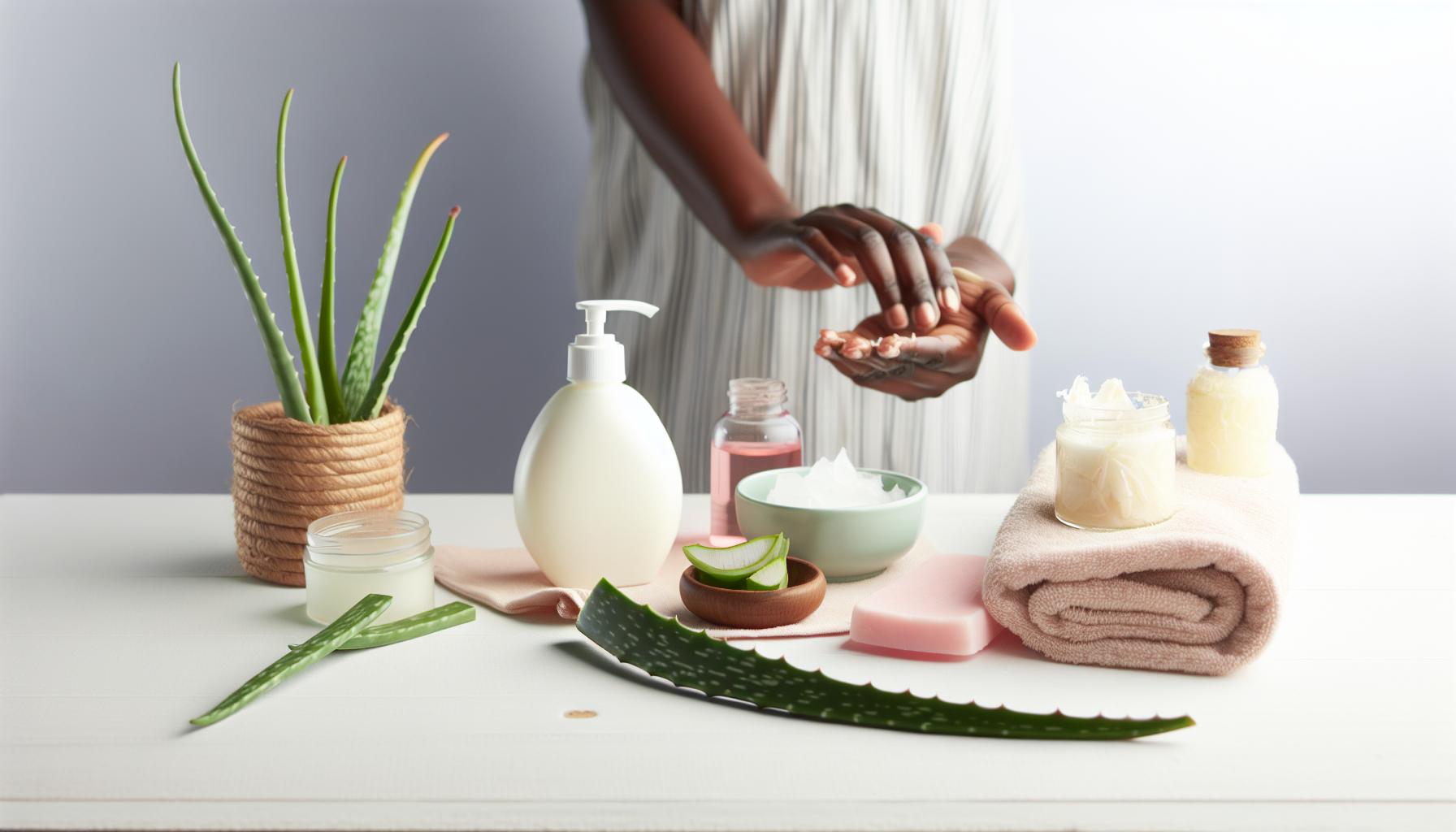
Finding gentle, effective ways to nourish and hydrate your postpartum skin can feel like a beautiful act of self-care and healing. Many new moms seek natural alternatives that honor their skin’s shifting needs during breastfeeding, while steering clear of heavy chemicals or unknown substances. Thankfully, nature offers a lovely pantry of simple, safe, and nurturing ingredients that bolster moisture, soothe sensitivity, and embrace your skin’s natural resilience.
Herbal Hydrating Tonics and Soothing Baths
Herbs like calendula, chamomile, and lavender have long been treasured for their calming, anti-inflammatory properties. brewing a gentle tea infusion or floral water can serve as a refreshing toner after cleansing. Simply steep 1 tablespoon of dried herbs in ½ cup boiling water, let cool, then apply with a clean cotton pad. These botanical waters provide a soft veil of moisture, helping to quiet redness and balance irritation. Incorporating a calming herbal bath—with a handful of oats and chamomile—can also soothe skin, offering holistic nourishment from head to toe during those quiet postpartum moments.
natural Oils to Lock in Moisture
Nourishing oils are another fantastic way to hydrate without overwhelming. Oils like jojoba, sweet almond, and rosehip are lightweight yet deeply moisturizing. They mimic the skin’s natural oils, helping restore softness and barrier function, especially around delicate areas like the chest where nursing contact can cause extra dryness and friction. Warm a few drops in your palms and gently massage them onto slightly damp skin post-cleansing, or layer over a mild serum. These oils also bring gentle antioxidants to support skin repair and elasticity.
Simple DIY Hydration boosters
For moms who love gentle, homemade rituals, mixing a quick hydrating serum is easy and safe. Here’s a nurturing recipe that pairs aloe vera gel—renowned for its soothing, cooling effects—with a touch of natural glycerin, which draws moisture to the skin.
- Ingredients: ¼ cup pure aloe vera gel, 1 tsp vegetable glycerin, 2 drops chamomile essential oil (optional and only if you’ve tested sensitivity)
- Readiness: Combine ingredients in a small clean bottle and shake well.
- Application: use a pea-sized amount on slightly damp skin once or twice daily, gently patting it in to calm and hydrate.
Mindful Use and Safety Notes
While these natural options are generally safe and nurturing during breastfeeding, each body is unique. Always do a patch test before new products, especially if using essential oils (avoid them near nipples to protect baby).Steer clear of herbs contraindicated in lactation, such as peppermint or rosemary in concentrated forms.When in doubt, consult your healthcare provider or a lactation consultant to personalize what feels safest for your postpartum skin and feeding journey.
| Natural Ingredient | Benefits | Usage Tips |
|---|---|---|
| Chamomile | Anti-inflammatory, soothing redness and irritation | Use as toner or bath soak; avoid concentrated oils near nipple |
| Aloe vera Gel | Hydrating, healing, cooling | Apply pure gel or DIY serum to damp skin |
| Jojoba Oil | Lightweight moisturizer, mimics skin’s natural oils | Use post-cleansing on damp skin; gentle for sensitive areas |
| Oat Flour | Soothes itchiness, forms protective barrier | Add to baths or make paste with water for spot treatments |
Nurturing your skin during this tender phase is about honoring its needs with kindness and softness.These natural hydration helpers work not just on surface moisture but celebrate your skin’s wisdom, resilience, and beauty as it lovingly embraces the postpartum transition alongside you.
Expert Insights: What Dermatologists Say About Safety
Many dermatologists consider hyaluronic acid to be a gentle and safe skincare ingredient for breastfeeding moms, largely because it is a naturally occurring substance in the body that plays a key role in maintaining skin hydration and repair. As topical hyaluronic acid primarily works on the surface layers of the skin and is not known to be absorbed significantly into the bloodstream, experts generally agree that it poses minimal risk to nursing babies. This makes it a reassuring choice for new mothers seeking effective hydration without the worry of exposing their little one to potentially harmful ingredients. That said, as with any skincare routine during this sensitive time, a cautious, mindful approach is encouraged.
Why Dermatologists Recommend Hyaluronic Acid During Postpartum
Dermatologists highlight that postpartum skin can become incredibly dry,sensitive,and even prone to irritation due to hormonal shifts and the demands of nursing. Hyaluronic acid’s unique ability to attract and hold water—up to 1,000 times its weight—helps replenish moisture and supports skin resilience naturally. experts advise using low molecular weight formulations which penetrate more deeply to soothe and repair, especially if nursing has led to chapping or dryness around the chest or face. When paired with gentle, fragrance-free products, hyaluronic acid serves as an ideal hydration booster without burdening delicate postpartum skin.
Practical Tips for Safe Use
- Patch Test First: Even though hyaluronic acid is usually well-tolerated, every skin is unique—especially postpartum—so test new products on a small skin patch before regular use.
- Avoid Products with Ambiguous Additives: Look for pure hyaluronic acid serums or creams free from irritants like alcohol, synthetic fragrances, or harsh preservatives that can disrupt the skin barrier or risk accidental ingestion during breastfeeding.
- consult When Unsure: If you have underlying skin conditions,allergies,or are using multiple active ingredients,a quick chat with your dermatologist or lactation consultant can tailor safe skincare choices.
Real-world experience shows that gentle hyaluronic acid products can integrate harmoniously into a postpartum skin routine, offering a welcome boost of hydration that supports healing and comfort without invasive ingredients or complicated steps.Above all, dermatologists emphasize nurturing skin with kindness—honoring the beautiful complexity of postpartum skin changes while prioritizing safety for both mom and baby.
For a simple DIY hydration boost inspired by expert guidance, consider this easy serum:
- Ingredients: 2 tsp pure hyaluronic acid powder, ¼ cup distilled water, 1 tsp aloe vera gel
- Preparation: Slowly sprinkle the powder into water and stir gently. Add aloe vera and mix thoroughly. Store in a clean dropper bottle.
- Application: Apply a few drops to clean, damp skin twice daily before moisturizer to lock in gentle hydration.
Remember, postpartum skin is in a unique place—hormones, sleep patterns, stress, and feeding all impact how skin responds. Trust your body’s wisdom, and lean on expert insight and community experience to shape a care routine that feels safe, nourishing, and uniquely yours.
Real moms’ Experiences Using Hyaluronic Acid While Nursing
Many nursing moms find hyaluronic acid to be a quietly transformative addition to their postpartum skincare, especially when retreating from harsher active ingredients that once supported pre-baby glow. One mom shared how the simple act of layering a lightweight hyaluronic acid serum each morning helped tame the relentless dryness that crept in around her cheeks and chest,areas sensitive to constant skin-to-skin contact during feeding. “It felt like my skin was finally breathing again,” she said, highlighting how hydrating without irritation was crucial in those early weeks when every touch matters.
Another common thread among breastfeeding mothers is the peace of mind hyaluronic acid provides because it stays on the skin’s surface and doesn’t interfere with milk production or pass into breast milk. For many, this ingredient became a trusted, worry-free way to nurture themselves in a season where self-care feels precious and scarce. One mom, a new parent balancing sleepless nights and unpredictable hormones, noted the gentle plumpness her skin regained after incorporating hyaluronic acid, describing it like “a quiet hug” that soothed the toll of nursing dry skin without causing irritation or breakouts.
- Tip from real moms: Always start slow—introduce the serum or cream on a small patch to see how your skin responds.
- Look for: Products with pure hyaluronic acid, ideally fragrance-free and without alcohol or preservatives that could be too aggressive for postpartum skin.
- Blend it in: Couples well with aloe vera gel or gentle oils like jojoba for extra moisture without heaviness.
Every breastfeeding journey is unique, and while hyaluronic acid suits many, some moms emphasize listening deeply to their bodies and skin. Hormones fluctuate; what feels nourishing one week may feel different the next.One mom found layering hyaluronic acid beneath a calming facial oil gave her skin the balance of hydration and barrier protection she needed when postpartum weather changes brought extra dryness. Sharing these experiences creates a safe space for others to explore their skincare without pressure, honoring the individual rhythms of motherhood.
Signs to Watch: when to Pause Skincare Ingredients
Many breastfeeding moms discover that while hyaluronic acid is generally gentle and safe, their postpartum skin can send clear signals when it’s time to pause or rethink their skincare routine. Hormonal shifts,fluctuating sensitivities,and the unique demands of nursing can turn once-loved products into irritants without warning. Paying close attention to how your skin responds—not just to hyaluronic acid but to any combination of ingredients—helps protect both your skin’s delicate barrier and your peace of mind during this tender postpartum phase.
Key Signs to Notice
- Unexpected redness or warmth: If your face or body areas frequently exposed to lotion become red, flushed, or feel warm to the touch, this may be a sign of irritation or mild allergic reaction.
- Increased dryness or flaking: Sometimes,a product meant to hydrate can paradoxically worsen dryness,especially with underlying hormonal imbalance affecting skin moisture retention.
- Unusual itching or burning sensations: Mild tingling is normal when introducing new skincare, but sharp discomfort or persistent itching means it’s time to gently stop use.
- changes in skin texture: Noticeable rough patches, bumps, or tightening can signal that your skin barrier is compromised and needs rest and repair.
Listening to your body and skin is the kindest act of self-care you can offer in the postpartum months. one mom shared how after happily using a hyaluronic acid serum for weeks, she began noticing dryness that spread beyond her typical “nursing patches.” She paused the serum and switched to aloe vera gel and jojoba oil, giving her skin the gentle moisture it craved. Within days, her skin settled, reminding her that even safe ingredients need breaks as hormones and environmental factors shift.
Tips for Mindful Skincare Pauses
- Patch test frequently: New batches, seasonal changes, and fluctuating hormone levels can all affect tolerance—an ongoing patch test can catch reactions early.
- Switch to hydration-only products: When pausing actives like hyaluronic acid,consider soothing layers such as plain aloe vera,calendula-infused oils,or gentle non-comedogenic moisturizers to keep skin supported.
- Consult trusted experts: Whether it’s a doula, dermatologist, or lactation consultant, sharing your experience helps tailor practical, safe recommendations suited to your unique postpartum body.
Remember, pausing a product isn’t a setback—it’s your skin’s way of asking for kindness and space to heal. In motherhood, as in skincare, patience and gentle listening nurture the healthiest outcomes for you and your baby.
Combining Hyaluronic Acid with Other Postpartum Skincare
Breastfeeding postpartum skin often craves gentle care, and combining hyaluronic acid (HA) with other nurturing ingredients can deeply enhance hydration without overwhelming delicate skin. Hyaluronic acid’s unique ability to hold up to 1000 times its weight in water means it effectively works beautifully alongside calming and repairing partners, creating a synergistic balance that supports your skin’s healing journey while you care for your little one.
When layering HA with other skincare essentials, choosing complementary, gentle ingredients is key. For example, pairing hyaluronic acid serums with soothing natural oils like jojoba or squalane can help seal in moisture without clogging pores or irritating sensitivity common during breastfeeding. These oils mimic your skin’s natural lipids, reinforcing the barrier that may feel fragile due to hormonal fluctuations. You might start your routine with a lightweight HA serum, followed by a few drops of jojoba oil, tapping gently to merge them. This combo respects your skin’s needs without introducing harsh actives that could provoke irritation or dryness.
Safe and Effective Ingredient Pairings
- Niacinamide: This vitamin B3 powerhouse calmly reduces redness and strengthens skin barrier function.It pairs well with HA for gently brightening and smoothing postpartum skin.
- Aloe Vera: Known for its soothing and anti-inflammatory properties, aloe vera gel works wonderfully with HA to calm nursing-related sensitivity or dryness.
- Calendula or Chamomile Extracts: Herbal infusions rich in antioxidants and anti-inflammatory compounds complement HA’s hydration while supporting delicate skin zones.
- Non-comedogenic moisturizers: Simple creams or lotions, free of fragrances and irritants, act as a final protective layer once hydration is locked in.
Real moms often find success with a minimalist but intentional layering system.One mom shared she began her day with a mild cleanser, applied a hyaluronic acid serum, layered on a calming calendula moisturizer mid-morning, and ended the day with aloe vera gel on dry spots. This rhythm allowed her to stay nourished and cozy, even when postpartum hormones made her skin unpredictable.
Layering Tips for Sensitive, Nursing Skin
- Patch test new combinations: Hormonal shifts can alter your skin’s reaction to familiar ingredients, so testing on a small skin area first keeps surprises at bay.
- Apply from thinnest to thickest: Start with your HA serum, then move to any botanical serums or lightweight oils, and finally finish with cream or balm.
- Keep it simple: Avoid heavy exfoliants or strong actives like retinoids or high-concentration AHAs while breastfeeding, to reduce irritation risk.
Trust your skin’s wisdom—if any combo feels too tight, itchy, or reactive, gently pause and simplify. Your postpartum glow is not about rushing results but honoring your body’s natural healing with kindness and patience. Combining hyaluronic acid thoughtfully with nurturing botanicals and oils can create a radiant, comfortable, and safe skincare ritual that respects both your needs and your baby’s wellbeing.
| Ingredient | Benefit | Postpartum Use tips |
|---|---|---|
| Hyaluronic Acid | Hydrates deeply, improves skin elasticity | Use serums daily; layer under moisturizers |
| Jojoba Oil | Balances sebum, locks in moisture | Apply after HA serum for gentle occlusion |
| Niacinamide | Reduces redness, strengthens barrier | Incorporate gradually; avoid combining with high acid exfoliants |
| Aloe Vera | Soothes irritation, reduces inflammation | Use on sensitive patches or post-cleansing |
| Calendula Extract | Anti-inflammatory, antioxidant | Choose fragrance-free formulas; ideal for calming |
How Hormones Affect Skin and Product Absorption During Breastfeeding
The postpartum period is a whirlwind of hormonal shifts that can profoundly affect your skin’s texture, sensitivity, and how it responds to skincare products like hyaluronic acid. During breastfeeding, levels of estrogen and progesterone fluctuate uniquely, affecting your skin’s hydration, oil production, and even how well your skin absorbs ingredients. This hormonal rollercoaster might leave your skin feeling dryer, more sensitive, or sometimes oily—each phase calling for gentle, adaptable care that honors your skin’s current needs.
When hormones dip, your skin’s natural barrier—the layer that keeps moisture in and irritants out—can become more fragile. This means serums and moisturizers may absorb differently or feel more potent than usual.Hyaluronic acid, known for its extraordinary capacity to hold water, typically supports skin hydration without triggering irritation. Still, the hormonal influence may make your skin more reactive to other accompanying ingredients. A simple patch test before introducing new products is your best friend here. Think of it as tuning into your skin’s whispers before launching a full routine, a mindful way to protect your postpartum glow without pressure.
Nurturing Skin Through Hormonal Changes
- Adapt to sensitivity: Your skin might crave milder textures or fragrance-free products during hormonal dips. Opt for lightweight hyaluronic acid serums paired with calming botanical oils like jojoba or calendula to soothe and hydrate without overwhelm.
- Layer thoughtfully: Hormonal fluctuations can affect how deeply ingredients penetrate. Always apply products from thinnest to thickest, starting with hyaluronic acid to lock in hydration, then follow with protective moisturizers to support the skin barrier.
- Observe your skin’s rhythm: Some days might call for more moisture; others may need a break from active ingredients.Listening to these cues helps prevent irritation and respects your body’s healing during the breastfeeding journey.
Many mothers notice their skin reflects the ebb and flow of breastfeeding hormones, influencing not just texture but also the absorption of topical products. Trust in gentle, hydrating routines and avoid harsh exfoliants or retinoids that might disrupt skin balance or transfer unwanted actives through breastmilk contact areas. Remember, every mother’s skin is beautifully unique—what works wonders for one may need tweaking for another. Stay compassionate with your self-care, cherishing the healing process without rushing or judgment.
Faq
Q: Can I use hyaluronic acid serums safely while breastfeeding?
A: Yes, topical hyaluronic acid serums are generally safe during breastfeeding as they primarily hydrate the skin without systemic absorption. Apply to clean, dry skin and avoid broken skin areas. For detailed safety tips, see our section on Choosing the Right Hyaluronic Acid Products Safely. Always patch-test new products first to ensure comfort and skin tolerance.
Q: Does hyaluronic acid affect breast milk production or quality?
A: Hyaluronic acid does not impact breast milk production or quality. It works locally on skin hydration and doesn’t enter the bloodstream in significant amounts to affect milk.For mothers concerned about supplementation, consult your healthcare provider and explore alternatives in Natural Alternatives for Hydrating Postpartum Skin.
Q: How soon after breastfeeding can I apply hyaluronic acid skincare products?
A: You can safely apply hyaluronic acid skincare immediately after breastfeeding. Simply wash your hands and face before feeding to avoid transferring residues. Using gentle, fragrance-free products supports sensitive postpartum skin. For practical application steps, review How to Use Hyaluronic Acid: dosage and Application Tips.
Q: Are oral hyaluronic acid supplements safe for breastfeeding moms?
A: Oral hyaluronic acid supplements lack conclusive safety data for breastfeeding and should be used cautiously. Topical forms are preferred to avoid potential risks. If considering supplements,consult a healthcare professional.Learn more about safe use and benefits in Expert Insights: What Dermatologists Say About Safety.
Q: Can combining hyaluronic acid with other skincare ingredients affect breastfeeding skin?
A: Combining hyaluronic acid with gentle ingredients like ceramides or vitamin B5 is safe and enhances hydration. Avoid harsh chemicals or acids that may irritate sensitive, breastfeeding skin. See our guide on Combining Hyaluronic Acid with Other postpartum Skincare for safe pairing tips tailored to new moms.
Q: Why might breastfeeding moms experience increased skin sensitivity with hyaluronic acid products?
A: Hormonal shifts during breastfeeding can heighten skin sensitivity, sometimes causing reactions even to gentle ingredients like hyaluronic acid. Start with patch tests and opt for fragrance-free formulas. For understanding these skin changes, visit Understanding skin Changes While Nursing.
Q: What should I do if my skin reacts negatively to hyaluronic acid while breastfeeding?
A: If you notice redness, itching, or irritation, immediately stop using the product and cleanse the area gently. Consult a dermatologist if symptoms persist. Our section on Signs to Watch: When to Pause Skincare Ingredients offers guidance for safely managing skin reactions postpartum.
Q: How can breastfeeding moms choose the best hyaluronic acid product for sensitive postpartum skin?
A: Look for pure,low-molecular-weight hyaluronic acid in fragrance- and alcohol-free formulations. Patch test new skincare and prefer trusted brands with clear ingredient lists. For detailed advice, explore Choosing the Right Hyaluronic Acid Products Safely. Embrace self-care routines that celebrate your postpartum journey gently.
In Retrospect
Navigating skincare while breastfeeding can feel overwhelming, but knowing that hyaluronic acid is generally safe offers peace of mind for your postpartum routine. Remember, individual responses vary—listen to your body and consult your healthcare provider if unsure. To nurture your skin gently during this special time, explore our postpartum skincare tips and natural hydration recipes designed with moms in mind.
If you’re curious about how other safe ingredients can support your glow while breastfeeding, don’t miss our guide on holistic postpartum skin care for simple, evidence-based routines.Signing up for our newsletter connects you with expert advice, real mom stories, and practical DIY recipes that honor your unique journey through motherhood.
Your well-being matters—embrace gentle self-care and join our community for ongoing support. share your experiences or questions below; we’re here to grow with you, every step of the way.


 STRUGGLING READER TRANSFORMED