
Best Foods for Breastfeeding: Boost Milk Supply Naturally
Did you know that certain foods can gently support yoru body’s natural ability to produce nourishing breast milk? for many new mothers, ensuring a steady milk supply is both a deeply personal goal and a common challenge. This delicate balance depends not just on frequent feeding, but also on nurturing your body with the right nutrients at the right time.In this guide, we’ll explore the best foods that can help boost milk supply naturally—simple, wholesome ingredients that fit into your daily meals and honor your unique postpartum journey. Whether you’re seeking practical recipes, gentle guidance, or reassurance that you’re caring for yourself as lovingly as your baby, you’ll find ideas here that respect your pace and preferences. Together, we’ll celebrate the power of food to support your health and your breastfeeding experience, acknowledging that each mom’s path is different and that your wellbeing matters most. Let’s begin this nurturing conversation with warmth and understanding, turning mealtime into a moment of self-care and connection.
Contents
- Understanding Milk Supply: How Lactation Works Naturally
- Top Nutrient-Rich Foods to Boost Breastfeeding Milk
- Herbal Teas and supplements That Support Milk Flow
- Delicious and Easy Galactagogue Recipes for Busy Moms
- Timing and Portion Tips for Maximum Milk Production
- Hydration and Lifestyle Habits That Enhance Lactation
- Safe Foods and Substances to Avoid While Breastfeeding
- Signs Your Milk Supply Is Improving or Needs Support
- Balancing Breastfeeding with Your Postpartum Nutrition
- Cultural Foods and Traditional Wisdom for Better Milk
- Gentle Self-Care Practices to Nurture Your Milk Supply
- Frequently Asked questions
- Q: How do specific vitamins in foods naturally enhance breast milk quality and quantity?
- Q: What role do probiotics in fermented foods play in supporting breastfeeding milk supply?
- Q: Can eating complex carbohydrates help improve breast milk production naturally?
- Q: How does iron-rich food consumption affect milk supply during breastfeeding?
- Q: Why is it critically important to eat a variety of healthy fats when trying to boost breast milk supply?
- Q: How can small, frequent meals improve natural milk production during breastfeeding?
- Q: Are there any commonly overlooked micronutrients in foods that help increase breast milk supply?
- Q: How does hydration combined with nutrient-dense foods optimize milk supply naturally?
- Final Thoughts
Understanding Milk Supply: How Lactation Works Naturally
Milk production is a beautifully intricate dance, orchestrated by your body’s natural rhythms and your baby’s hunger cues. From the moment your baby suckles, signals travel to your brain releasing hormones like prolactin and oxytocin, which stimulate the milk glands and enable milk flow. Understanding this process helps gently remind us that breastfeeding is not just about quantity but also about responsiveness—your body adapts to your baby’s needs and feeds them accordingly.
the supply-and-demand principle is the heart of lactation: the more your baby nurses or you pump effectively, the stronger the signal to produce milk. Milk isn’t stored in large quantities but is actively made after each feeding, so frequent emptying of the breasts sustains supply. This explains why consistent feeding or pumping routines, especially in the first weeks, are so crucial—not to “push” your body harder but to support its natural cues and rhythms. It’s normal for milk supply to fluctuate with growth spurts, stress, or illness; recognizing these changes as part of the journey can ease worries and encourage patience.
Many new parents wonder how diet fits into this process. While the body is remarkably resilient, the right nutrients support the underlying physiology of milk production by nourishing you and maintaining your energy reserves. A balanced intake of protein, healthy fats, and complex carbohydrates fuels the glands and hormone release. Equally crucial is hydrating well and resting when possible, as fatigue and dehydration can subtly influence milk flow. Remember, every mother’s lactation experience is unique, and what works beautifully for one may differ for another. Trusting your body’s wisdom while gently offering it what it needs—nutrition, comfort, and care—is the foundation of nurturing abundant milk for your little one.
How Hormones and Milk production Interact
- Prolactin: Triggers milk synthesis in the alveoli, the small milk-producing sacs in the breast.
- Oxytocin: Causes the milk ejection reflex (“let-down”), moving milk from the alveoli through ducts to the nipple.
- Feedback inhibitor of lactation (FIL): A natural protein in milk that signals to slow production when milk isn’t removed frequently, helping balance supply and demand.
supporting Natural Lactation Through Awareness
- respond promptly to feeding cues—early and frequent nursing helps establish a stable supply.
- Use a comfortable latch and effective milk removal technique to stimulate glands without causing pain or damage.
- Incorporate gentle skin-to-skin time, which increases oxytocin for better let-down and bonding.
- Consider your emotional well-being—stress and fatigue can disrupt hormonal signals, so embracing a calm, nurturing surroundings benefits milk flow.
This tender partnership between you and your baby is the foundation of successful breastfeeding.with compassion and patience, honoring your body’s signals and needs fosters both your confidence and your little one’s nourishment.
Top Nutrient-Rich Foods to Boost Breastfeeding Milk
Milk production flourishes when your body is nourished with the right balance of key nutrients, grounding your breastfeeding journey in strength and vitality. While each mom’s experience is beautifully unique, certain foods carry a rich history of support for lactation, offering vitamins, minerals, and energy that gently boost milk supply. As an example, iron-rich lean meats provide high-quality protein essential for replenishing postpartum energy stores—as when your body feels well-nourished, it can focus on the delicate work of feeding your baby. Similarly, nutrient-dense seeds and nuts offer healthy fats and protein that sustain hormone production, which, as you know, is the unseen rhythm behind milk synthesis and release.
Exploring superfoods like oats reminds many mothers of their comforting, steady effect on milk supply.Oatmeal contains iron and fiber, helping stabilize energy and promoting overall well-being amidst the whirlwind of new motherhood. Think of oatmeal not just as breakfast but as a small act of postpartum self-kindness—a warm bowl that supports gradual milk production and provides gentle satiety during those busy days. Similarly, dark leafy greens like spinach and kale bring calcium, folate, and antioxidants that nourish your blood and tissues while fitting easily into meals or smoothies. Incorporating these foods regularly creates a tapestry of nourishment that respects your body’s healing process without pressure or judgment.
Simple Nutrient-Rich Staples to Include Daily
- Lean Proteins – chicken, turkey, and fish like salmon support hormone balance and tissue repair.
- Whole Grains – Brown rice, quinoa, and oats provide sustained energy and iron.
- Healthy Fats – Avocados, nuts, and seeds feed brain health for you and baby.
- Fruits and Vegetables – Brightly colored produce offers vitamins, antioxidants, and hydration.
- Dairy or Fortified Alternatives – Rich in calcium and vitamin D, essential for bone health.
For many moms, weaving these foods into daily meals feels reassuring and manageable. A favorite recipe by Emma, a new mom from Vermont, includes a spinach and avocado smoothie with a spoonful of ground flaxseeds—a nourishing blend she sips mid-morning to sustain milk flow through busy afternoons. Remember, this nourishment is deeply personal; some flavors or textures might comfort you more than others. It’s about honoring your cravings alongside what your body needs, fostering milk production with love and mindfulness[[1]](https://www.onewillowcanada.com/willow-blog/erd14j0gw5x1b6zykrr0zutg7700eu-3yb8s-lheht-tcb6e-nfg6w-2kegb-twg7p-tw2x5-tw5km)[[2]](https://news.sanfordhealth.org/womens/top-10-breastfeeding-superfoods/).
Herbal Teas and supplements That Support Milk Flow
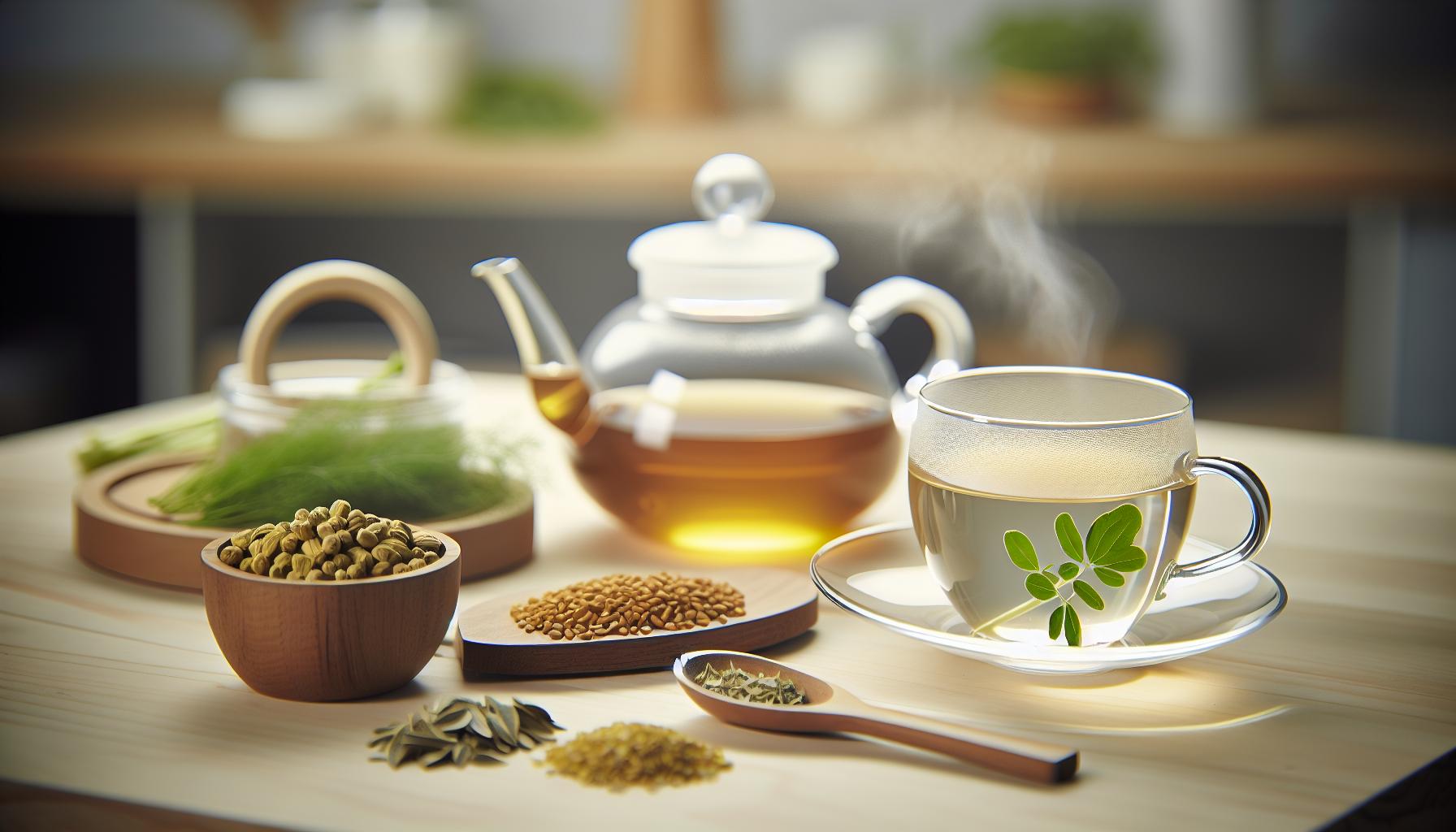
many mothers find comfort and confidence in the gentle support of herbal teas and natural supplements as they nurture their milk supply. These time-honored remedies have been used across cultures for centuries, offering a nurturing boost when breastfeeding feels challenging or when a mother simply wants to honor her body’s needs. Among the most celebrated, fenugreek stands out for its reputation as a “breastfeeding superhero.” This humble seed contains compounds thought to stimulate milk production, frequently enough showing effects within a few days of use. Always start with small amounts, as sensitivity differs, and consult your healthcare provider if you have concerns, especially if you have diabetes or thyroid conditions[1].
Fennel seed is another nurturing ally, known for its gentle, soothing qualities that can also help with digestion and abdominal comfort—something new mothers often appreciate. Steeping fennel seeds in hot water creates a fragrant, slightly sweet tea that can be enjoyed daily. Beyond taste, fennel may encourage the release of prolactin, the hormone key to milk production. Similarly, chamomile tea offers a calming sip that supports relaxation and sleep, both crucial for postpartum healing and sustaining lactation. While the benefits of herbs may feel subtle, incorporating these teas into your self-care routine creates moments of intentional nourishment for both body and mind.
Easy DIY Herbal Tea for Milk Flow
- Ingredients: 1 tsp fenugreek seeds,1 tsp fennel seeds,1 tsp chamomile flowers
- Readiness: Lightly crush seeds to release oils. Combine all ingredients in a tea infuser or pot.
- Steeping: Pour 1 cup of boiling water over herbs and steep for 10 minutes.
- Serving: Strain and sip warm, up to 2 times daily.
Always observe your body’s response. If any discomfort or adverse reactions occur—such as digestive upset or allergic symptoms—pause use and consult your health care team. Remember, while herbal teas can gently support milk supply, they are most effective when combined with frequent nursing or pumping, good hydration, and balanced nutrition[3].
Each mother’s journey with herbs is as unique as her story. Some may find fenugreek empowering, while others benefit more from the calming influence of chamomile or the subtle stimulation of fennel. The beauty lies in exploring options gently, embracing what resonates, and allowing your body to guide you toward what feels nurturing. In this sacred postpartum phase, these herbal allies can be your comforting companions, brewing warmth and hope one cup at a time.
Delicious and Easy Galactagogue Recipes for Busy Moms
In the whirlwind of new motherhood, taking time to prepare nourishing meals might feel like a luxury—yet simple, delicious galactagogue recipes can seamlessly fit into your busy days, gently supporting your milk supply without added stress. Many nursing parents find comfort and empowerment in these nutrient-packed dishes, which often include ingredients like oats, flaxseed, and leafy greens—known for their lactation-supporting properties. The beauty is in their ease and flexibility: they can be whipped up quickly, transported easily, and enjoyed alongside your daily routine.
Many conventional galactagogues have made their way into modern kitchens, appreciated not only for their potential benefits but also for their soothing familiarity. For example, oatmeal is celebrated worldwide for its richness in iron and fiber, nutrients that support postpartum recovery and energy levels while promoting milk production. Adding a sprinkle of ground flaxseed—a gentle source of omega-3 fatty acids—can boost this recipe’s nutritional punch without complicating flavors. Similarly, dark leafy greens such as spinach or kale add essential vitamins while being versatile enough for salads, smoothies, or warm dishes.
Simple Oatmeal Lactation Bowl
- ingredients:
- ½ cup rolled oats
- 1 tablespoon ground flaxseed
- 1 cup milk (or plant-based option)
- ½ cup fresh spinach (optional, finely chopped)
- 1 tablespoon almond butter
- 1 teaspoon honey or maple syrup (optional)
- Fresh or dried fruit, nuts or seeds for topping
- Preparation: Combine oats and milk in a small pot over medium heat.Stir until oats are soft and creamy, about 5–7 minutes.
- Add ground flaxseed, almond butter, and spinach if using; stir until spinach wilts slightly.
- Sweeten with honey or maple syrup to taste.
- Serve topped with fruits and nuts for extra texture and nutrients.
Enjoy this warm, filling breakfast to start your day energized and nourished, trusting it gently nourishes your milk supply and overall wellness.
Refreshing Lactation Smoothie
- ingredients:
- 1 ripe banana
- 1 cup almond milk or cow’s milk
- 1 tablespoon oats
- 1 tablespoon brewer’s yeast (supports lactation)
- 1 tablespoon ground flaxseed
- A handful of kale or spinach
- optional: a small piece of ginger or a pinch of cinnamon
- Preparation: Blend all ingredients until smooth.
- Enjoy promptly or store in the fridge up to 24 hours.
This smoothie is a powerhouse of lactation-pleasant ingredients, ideal as a quick breakfast or snack that fits into your busy schedule and supports milk flow.
While various recipes and foods can promote lactation, remember that each body’s response varies. What helps one mom beautifully support her milk supply might be less effective for another—and that’s perfectly okay. Always listen to your body and consult your healthcare provider before adding new supplements or herbs, especially if you have underlying health conditions.These recipes celebrate a gentle, joyful approach to nourishing your milk flow, honoring your unique postpartum journey with delicious food that fits your life—no pressure, just nourishment and care.for more inspiration and trustworthy recipe ideas, many parents turn to galactagogue-rich ingredient staples like oatmeal, fennel, garlic, and leafy greens, which blend tradition with easy everyday cooking [[1]].
Timing and Portion Tips for Maximum Milk Production
Milk production responds beautifully to a consistent rhythm—our bodies thrive on cues, and timing your meals and nursing or pumping sessions around your baby’s needs can foster a steady and abundant supply. Remember, the body creates milk in response to how often milk is removed, so supporting that cycle with mindful timing and portioning of nourishing foods can be a quiet yet powerful way to nurture both you and your baby. Small, frequent meals rich in lactation-supportive nutrients often work better than large, infrequent ones, helping maintain steady energy and nutrient availability for milk synthesis.
many nursing parents find it helpful to plan meals and snacks that fit naturally into their day, coinciding with nursing or pumping sessions to optimize fuel for milk production. For example, a nutrient-dense snack like a handful of nuts with fresh fruit or a lactation smoothie (packed with oats, flaxseed, and leafy greens) can provide essential fats, fiber, and micronutrients when eaten before or after feeding your baby. this timing can gently encourage your body’s milk-making mechanisms without overwhelming your digestion or energy reserves. Trust what feels right to your body—some moms do best with three smaller meals and two to three snacks, spaced evenly throughout the day.
Practical Portioning and Meal Timing Tips
- Eat smaller, balanced meals every 3–4 hours: This strategy keeps blood sugar stable, which supports energy and milk production.
- Coordinate meals or snacks around feeding or pumping: Eating about 30 minutes before a session can offer a gentle energy boost and supply nutrients your body will use for milk production.
- Include a good source of protein and complex carbohydrates at each meal: Foods like lentils, quinoa, oats, and leafy vegetables provide slow-releasing energy and key micronutrients.
- Hydrate consistently throughout the day: Drinking fluids steadily (not just at meals) helps maintain the watery component of breast milk.
- Listen to your body’s hunger cues: Postpartum bodies are often in tune with their needs—honoring hunger and fullness can prevent energy dips that may impact milk supply.
Adjusting Portions Based on Your Postpartum Phase
| Postpartum Phase | Meal Timing | Portion Suggestions |
|---|---|---|
| Early postpartum (first 2–4 weeks) | Frequent small meals, every 2–3 hours | Nutritious snacks like lactation cookies, cooked vegetables, soups; avoid heavy meals that may cause fatigue |
| Establishment phase (1–3 months) | Meals every 3–4 hours with 2–3 snacks | Balanced plates with protein, grains, veggies; increasing portion sizes as appetite grows |
| Maintenance (3+ months) | Regular meal patterns, 3 main meals + 1–2 snacks | Flexible, nutrient-rich meals matching lifestyle; incorporate new recipes and galactagogues |
Keep in mind, the emotional and hormonal complexities of early motherhood mean your appetite and energy needs can fluctuate widely. It’s perfectly normal to feel hungrier some days and less so on others.Nourishing your milk supply is not about rigid schedules but a gentle rhythm that celebrates your body’s wisdom and your baby’s cues.
Ultimately, nourishing your body consistently and thoughtfully throughout the day, paired with timing meals and breastfeeding or pumping thoughtfully, creates a nurturing loop that supports milk production—a warm, motherly dance of nourishment and care. If ever in doubt, a lactation consultant or postpartum nutritionist can definitely help tailor meal timing and portions to your unique needs, calming worries with compassionate guidance that honors your individual journey.
For more guidance on milk supply and feeding frequency, experts suggest feeding or expressing milk 8 to 12 times in 24 hours to build and maintain supply, reflecting the same rhythm that your meals can support naturally [[[[[3]] and [[1]].
Hydration and Lifestyle Habits That Enhance Lactation
Nurturing your milk supply starts with honoring how deeply connected hydration is to lactation. Breast milk is about 87% water, making consistent fluid intake vital to maintaining a steady flow. but drinking large amounts all at once is less effective than sipping water steadily throughout the day.Think of it as keeping a gentle river flowing, rather than a flood that overwhelms your system. Carry a water bottle nearby during feeding sessions so you can drink mindfully—before, during, or right after nursing or pumping—to support both your energy and milk volume. Herbal infusions like fennel or red raspberry leaf tea can be soothing, though it’s important to check any herbs with your healthcare provider for safety and individual suitability.
Your lifestyle rhythms profoundly affect how your body makes milk. Stress,sleep patterns,and even simple movement influence the complex hormonal dance behind lactation. Finding small pockets for self-care—whether that’s a restful moment, a gentle walk, or a calming breath—helps balance oxytocin and prolactin, the main hormones behind milk letdown and production. Remember, your body is recovering and adapting postpartum; soft kindness toward yourself often gifts your baby with better milk than any quick fix. A community of support, whether from doulas, lactation consultants, or fellow moms, can ease frustrations and offer personalized coping strategies that honor your unique journey.
Easy Ways to Stay Hydrated and Support Milk production daily
- Keep water visible and accessible: Refill a water bottle each morning and carry it through your day. Herbal teas and diluted fruit infusions count too, as long as caffeine is limited.
- Set gentle reminders: Use phone alarms or sticky notes to pause and take a few sips regularly, especially during breastfeeding or pumping sessions.
- Incorporate high-water-content foods: Fresh fruits like watermelon, oranges, and cucumbers add hydration and nutrients together.
- Choose calming movement: Stretch, walk, or practice restorative yoga to ease tension without exhausting your energy reserves.
- Prioritize rest when possible: Even short naps refresh hormonal balance that supports lactation.
Floating between nourishment and nurturing is a delicate postpartum balancing act. Every mom’s body and lifestyle weave a different story. Hydration and mindful living create a safe, vibrant foundation—a warm, flowing current beneath the gorgeous work of making milk. When challenges arise, remember that even the smallest self-care acts ripple into greater well-being for both you and your baby.
For detailed hydration tips and herbs that may naturally boost milk supply, see additional guidance here [[1]] and [[2]].
Safe Foods and Substances to Avoid While Breastfeeding
Milk is a remarkable gift your body creates, but like all gifts, it’s influenced by what you put into your system. While most foods are safe and even beneficial during breastfeeding, certain substances can quietly disrupt your milk supply or cause discomfort in your little one. The good news? You don’t have to eliminate everything or live in fear—this is about gentle awareness and tuning into both your body and your baby’s reactions. Sometimes, small changes bring the biggest ease.
Babies’ digestive systems are still tender in those early months,so if your baby appears gassy,fussy,or unsettled after feeds,consider gentle trials of avoiding certain “gassy” or strong-flavored foods. For example,cruciferous veggies like broccoli,cabbage,and Brussels sprouts may cause fussiness in some babies due to gas production.Similarly, common culprits like onions, garlic, and spicy foods can alter the flavor of milk—though many babies handle these just fine. Herbs such as sage and peppermint deserve special attention; while comforting in teas, they may reduce milk supply if consumed in large amounts over time[[1]](https://www.webmd.com/parenting/baby/ss/slideshow-breastfeeding-foods).
Alcohol is another substance to approach with care. It passes into breast milk roughly in the same measure as in your bloodstream and can affect both baby’s sleep and your milk flow. The safest approach is to avoid breastfeeding until alcohol is fully cleared from your system—a rough rule is to wait about 2-3 hours per standard drink—but timing varies by individual metabolism and body size.Planning ahead allows you to enjoy special occasions without worry.
When Dairy or Other Allergens Cause Fussiness
Some babies may develop a sensitivity or allergy to cow’s milk proteins that pass through breast milk, manifesting as gassiness, eczema, or even colic. If you suspect dairy is causing your baby discomfort, try eliminating it carefully for two weeks, then reintroduce it while observing changes[[[[[3]](https://www.osfhealthcare.org/blog/breastfeeding-diet-tips-less-fussy-baby). Hidden dairy, such as in processed foods, also matters, so reading labels or choosing whole, unprocessed foods can help you maintain clarity and control. The same cautious approach applies to other common allergens you might be consuming,like soy or peanuts,though these are less commonly problematic via breast milk.
Practical Tips to Feel Empowered and Grounded
- Observe, don’t panic: Watch your baby’s cues with curiosity. Fussiness after feeding doesn’t always mean a food is the cause. Sometimes it’s growth spurts, digestion adjusting, or even the rhythm of nursing.
- trial and gentle elimination: Remove one suspected food at a time for about 1-2 weeks, then reintroduce it and notice your baby’s behavior and stool patterns.
- Stay well-nourished yourself: Eliminating foods like dairy or caffeine means replacing those nutrients thoughtfully with a registered dietitian or your healthcare provider’s guidance, ensuring your energy and milk supply remain strong.
- Limit caffeine thoughtfully: Moderate amounts usually don’t harm, but too much can affect baby’s sleep and mom’s iron absorption, so keep caffeine below about 200 mg per day and avoid pairing tea with iron-rich foods.
- Avoid herbal overuse: Though herbal teas like fennel or red raspberry leaf can soothe, herbs like sage and peppermint in excess might lower milk supply. Always check with a knowledgeable provider before taking supplements or essential oils.
Each mother’s journey is unique—foods your friend avoids may be fine for you, and vice versa. The goal is creating a nurturing, flexible approach that values your intuition and your baby’s well-being, letting you bond deeply without worry. Remember,your milk’s magic is resilient,and gentle adjustments often restore comfort and confidence in your breastfeeding journey[[2]](https://llli.org/breastfeeding-info/foods/?fbclid=IwY2xjawE–ehleHRuA2FlbQIxMQABHf1YObJ1Oqu7kZ7HzdPhmp7fz6eXl8AmQWJ6D3IlrtTyv5fWtgsCppUueQ_aem_BThEBaaRIIZZZZfm6jUn-Q).
Signs Your Milk Supply Is Improving or Needs Support
Milk production is a beautifully dynamic process that shifts in rhythm as both your body and baby grow together. Knowing the subtle signs your milk supply is improving—or when it might need extra help—can ease worries and boost your confidence during those tender early months. while softer breasts or shorter nursing sessions often reflect your body syncing with your baby’s needs rather than a drop in supply, certain signals can guide you to check in more closely and take gentle action if needed.
You might notice your baby seems content and gains weight steadily, wakes up for hungry feeds with strong suckling, and has a good number of wet and soiled diapers daily—these are reassuring signs milk production is on track. On the flip side, if feeds feel frustrating because your baby seems unsatisfied, fussy, or less alert, or if diapers are fewer than usual, these can be cues that your milk supply might benefit from support. Remember, temporary changes like illness, changing feed patterns, or stress can also affect your supply, so patience and observation matter just as much as measurement.
Key Signs to Celebrate or Watch For
- Improving supply: Breasts may feel softer after feeds but still full beforehand, your milk may start to leak or “let down” more easily, and nursing sessions gradually become more efficient as baby grows stronger.
- Signs milk might need a boost: Baby feeds often but seems unsatisfied, unusually long or frequent nursing with little output, fewer than 6-8 wet diapers per day, pale or hard stools, or stagnant weight gain over a few days.
- Mom’s physical cues: Persistent breast fullness without relief, nipple discomfort, or breast pain could indicate latch issues rather than supply, highlighting the importance of skilled support.
Listening to Your Body and Baby Together
Building up milk supply is often about creating a nurturing cycle. Feeding your baby frequently, allowing baby to empty one breast fully before switching sides, and offering skin-to-skin contact can naturally encourage your body’s milk production hormones. Incorporating nutrient-rich foods like oats, leafy greens, and healthy fats supports your energy and supply, alongside staying well-hydrated. Herbal allies such as fenugreek and blessed thistle are popular but should be used thoughtfully and with professional advice, as responses vary.
If stress or fatigue feels overwhelming, know that your milk supply is sensitive to your well-being. Find moments for gentle self-care, rest when possible, and reach out to lactation consultants or supportive communities who honor your journey without pressure. Every mother’s path is unique—what works beautifully for one might potentially be different for another—and this gentle patience is a loving gift you give both yourself and your baby.
| Signs of Improving Milk Supply | Signs Milk Might Need Support |
|---|---|
| Baby appears satisfied and calm after most feeds | Baby seems hungry or unsettled shortly after feeds |
| Steady, regular weight gain of about 4-7 ounces per week | Slow or no weight gain over 5-7 days |
| 6-8+ wet diapers and regular soft stools daily | Fewer than 6 wet diapers or very hard/constipated stools |
| Brest softness after feeding with occasional milk leakage | Breasts remain hard or overly full between feeds |
| Nursing sessions get shorter and more effective over time | Frequent, prolonged nursing with little satisfaction |
Your nurturing presence—combined with attentive observation and self-kindness—is the best mix for supporting your milk supply. Trust the rhythms you and your baby create together and remember, reaching out for guidance is a wise and brave part of motherhood’s beautiful journey.
Balancing Breastfeeding with Your Postpartum Nutrition
Finding a nourishing balance between breastfeeding and postpartum nutrition is one of the most powerful gifts you can give yourself and your baby. Your body is working overtime—recovering from birth, adjusting to new hormonal rhythms, and producing milk to nurture your little one. This makes it vital to listen closely to hunger cues, honor your body’s healing needs, and prioritize foods that support both your energy levels and milk supply. Remember, this is not about “eating for two” in a strict sense, but rather embracing a well-rounded intake that fuels ongoing recovery while gently sustaining lactation.
Many new mothers notice their appetite naturally increases during breastfeeding—this is your body’s wise way of signaling more calories and nutrients are needed. Aim for a variety of whole foods rich in protein (think well-cooked legumes, poultry, eggs, dairy, or tofu), healthy fats like avocado and nuts, and complex carbohydrates such as oats, sweet potatoes, and whole grains for steady energy.Including leafy greens and colorful vegetables helps replenish vitamins and minerals essential for tissue healing and immune resilience. Keeping snacks handy, such as trail mix or Greek yogurt with berries, can make meeting these needs easier amidst the unpredictable rhythm of newborn care.
Practical Meal Tips for Postpartum Nutrition
- Prepare in batches: Simple soups or stews incorporating lactation-friendly ingredients like fenugreek (used cautiously), fennel, or garlic can be portioned into freezer-ready meals for busy days.
- Hydrate consistently: Breast milk production depends greatly on adequate fluid intake. Keep a water bottle near your nursing spot and alternate with herbal teas such as chamomile or raspberry leaf (safe choices, but always check if you’re unsure).
- Embrace flexible meal timing: Eat when hunger strikes rather than waiting for scheduled mealtimes. Your body and baby’s needs often shift unpredictably in early postpartum.
Honoring Your Unique Journey
It’s critically important to be gentle with yourself—postpartum bodies vary widely, and undernutrition or excessive restriction can hinder milk production and slow healing. Cultural foods and traditional postpartum recipes frequently enough carry wisdom for boosting milk supply and restoring vitality. For example,in many cultures,broths steeped with nourishing herbs and nutrient-dense grains are staples. You might explore these traditions alongside modern understanding to find what truly feels supportive in your context.
Above all, lean into community and consider consulting lactation professionals, midwives, or dietitians familiar with holistic care. What you eat and how you nurture yourself is deeply personal and changing. Celebrate every small nourishing choice as a milestone—this is your body’s ongoing lullaby of care, recovery, and abundant love.
| Essential Nutrient | Benefits for Breastfeeding Moms | Rich Food Sources |
|---|---|---|
| Protein | Supports tissue healing and milk synthesis | Lean meats, eggs, legumes, tofu, dairy |
| Omega-3 Fatty Acids | Supports baby’s brain development and mom’s mood | Fatty fish (salmon), flaxseeds, walnuts |
| Iron | Helps replenish blood lost during birth, reduces fatigue | Spinach, red meat, lentils, fortified cereals |
| Calcium | Supports bone health and milk mineral content | Dairy, fortified plant milk, leafy greens |
| Vitamins A, C, & E | Promote immune support and skin healing | Carrots, citrus fruits, nuts, seeds |
Cultural Foods and Traditional Wisdom for Better Milk
Many cultures have long celebrated the wisdom of nourishing new mothers with special foods designed to support lactation and postpartum recovery. These traditional choices are often rooted in both nutritional science and centuries of experience, offering comforting, nutrient-dense options that honor the body’s healing and milk-making processes. For example, in India, fennel seed tea (Saunf) is a beloved herbal drink known for gently promoting milk flow while aiding digestion. Across Southeast Asia, coconut-based soups or broths combine hydrating fats and minerals that help restore energy and hydration, helping mothers feel nurtured from within [[1]](https://relacto.com.sg/blog/traditional-foods-from-around-the-world-that-promote-lactation/).
Healing Broths and Herbal Infusions
Warm, savory broths are another common thread in postpartum traditions worldwide.Whether it’s a nourishing fish and papaya soup from china or a chicken soup infused with ginger and sesame oil enjoyed in many parts of the world, these meals combine hydration, protein, and mild natural galactagogues—foods that encourage milk production. Preparing these broths in batches allows moms to have easy-to-warm meals during the demanding first weeks after birth. Here’s a simple guide to create a traditional-inspired lactation broth:
- Ingredients: Chicken bones or lean fish, fresh ginger slices, fennel seeds, garlic cloves, and a handful of leafy greens like spinach or kale.
- Preparation: Simmer bones or fish gently for several hours with ginger, fennel, and garlic to extract minerals and aromatics.
- Serving suggestion: Add leafy greens near the end of cooking for vitamins and minerals.
Drinking a warm cup of broth or herbal tea throughout the day can help maintain hydration, soothe digestion, and provide gentle support for milk flow.
Honoring Safety and Individual Needs
While many traditional herbs and foods are safe and beneficial, it’s important to remember that every mother’s body responds differently. Before trying a new herb or supplement like fenugreek or raspberry leaf, consult your healthcare provider or lactation consultant to ensure it’s right for you. Some herbs may affect breastfeeding babies differently, and quality or dosage matters. Trust your intuition about what feels restorative and never feel pressured to “fix” supply with quick remedies. Nourishing lactation is about patience, gentle care, and listening deeply to your body.
Embracing culturally rich recipes can also be a powerful way to connect with your heritage or create a supportive community around you. Sharing meals steeped in tradition fosters emotional warmth and practical nourishment—essential ingredients for thriving as a breastfeeding mother.
| Traditional Food | Region | Benefits | Key Ingredients |
|---|---|---|---|
| Fennel Seed Tea (Saunf) | india | Supports milk flow, eases digestion | Fennel seeds, water, optional cardamom |
| Papaya Fish Soup | China | High in protein, promotes lactation | Papaya, fish, ginger, herbs |
| Coconut Broth | Southeast Asia | Hydrating, rich in healthy fats | Coconut milk, ginger, garlic, leafy greens |
| Chicken Soup with Ginger and Sesame Oil | Global | Warming, restores energy and balance | Chicken, fresh ginger, sesame oil |
By weaving together traditional wisdom with your unique postpartum experience, you can create a customized, nurturing approach to breastfeeding nutrition—one that respects your body’s needs, cultural roots, and emotional wellbeing. Every spoonful of a lovingly prepared meal or sip of a warm, lactation-supportive tea can be a gentle reminder: you are cared for, you are healing, and your milk is a beautiful gift growing stronger each day.
Gentle Self-Care Practices to Nurture Your Milk Supply
Motherhood’s first weeks can feel like an emotional tidal wave, with your body recovering and your milk supply finding its natural rhythm. During this sensitive time, the simplest acts of self-care can profoundly nurture your milk production while honoring your healing process. think of your body as a garden—gentle touches, steady hydration, and nourishing meals are the sunlight and water it needs to bloom. Ther’s no need to rush or force your supply; instead, nurturing it with patience and kindness helps you and your baby thrive together.
One cornerstone of nurturing milk production is creating moments of calm connection with your body and baby. Holding your baby skin-to-skin not only deepens your bond but also naturally stimulates oxytocin, the hormone that encourages milk let-down and uterine healing. Aim for frequent,relaxed nursing or pumping sessions—ideally every two to three hours—to gently signal your body to continue making milk. if comfort allows, try warm compresses or gentle breast massages before feeding or pumping to enhance flow and ease any tension.
Simple Self-Care Rituals for Breastfeeding Moms
- Hydrate intentionally: Keep a water bottle nearby and sip regularly. Breastfeeding mothers typically benefit from about 16 cups of fluids daily to replenish what breastfeeding draws from your body’s reserves [[1]](https://trinityhealth.com/simple-self-care-habits-for-breastfeeding-parents/).
- Rest when you can: Sleep might potentially be fragmented, but short naps during baby’s sleep help replenish your energy and hormonal balance. Accept help with household tasks without guilt—it’s teamwork, not weakness.
- Mindful movement: Gentle yoga, stretching, or slow walks outdoors can reduce stress and improve circulation without overwhelming a postpartum body still recovering from birth.
- Eat nutrient-dense meals: Include foods rich in iron, calcium, healthy fats, and protein. These support your body’s milk-producing machinery as well as postpartum recovery.
- Create a soothing environment: Light candles, play soft music, or sip on a warm lactation-supportive tea like fennel or raspberry leaf (once cleared with your provider) to foster relaxation during feedings.
Listening to your Body’s Language
Every mother’s milk journey is unique,shaped by hormonal rhythms,physical healing,and emotional flow. Honor each day’s small victories—whether it’s feeling fuller breasts, hearing your baby’s satisfied sighs, or simply stealing moments of calm amid the chaos. Avoid comparing your supply or pace with others; what nourishes your body and milk supply might look different than the next mom’s. Keep a journal or connect with a trusted lactation counselor or doula who can offer personalized encouragement tailored to you.
Remember, gentle self-care is not a luxury but an essential part of fostering your milk supply and overall well-being. With patience, kindness, and practical support, you create a nurturing space not only for rich nourishment but also for the tender joys and challenges of breastfeeding.
| Self-Care Practice | Benefits | Tips |
|---|---|---|
| Skin-to-skin contact | Stimulates oxytocin, supports milk let-down and bonding | Hold baby chest-to-chest for 30+ mins several times daily |
| Regular feeding or pumping | Signals breasts to produce milk, prevents engorgement | Aim for 8-12 sessions every 2-3 hours; empty breasts when possible |
| Hydration | Maintains milk volume and supports bodily functions | Drink water throughout the day; herbal teas can add warmth & relaxation |
| Gentle breast massage | Improves milk flow, relieves fullness or blocks | Massage in circular motions before feeding/pumping |
| Rest and stress reduction | Balances hormones influencing milk supply | Practice deep breathing, accept help, nap when baby sleeps |
Frequently Asked questions
Q: How do specific vitamins in foods naturally enhance breast milk quality and quantity?
A: Vitamins like B12, A, and D in nutrient-dense foods support breast milk production by boosting hormonal balance and energy levels. Such as, leafy greens and fortified cereals provide essential B vitamins, while orange vegetables supply vitamin A for better milk quality. Incorporate these to nurture lactation alongside balanced meals detailed in your postpartum nutrition plan.
Q: What role do probiotics in fermented foods play in supporting breastfeeding milk supply?
A: Probiotics in fermented foods like yogurt, kefir, and sauerkraut improve gut health, which can enhance nutrient absorption and immune support for breastfeeding moms. Better digestion helps maintain steady milk production. Include probiotic-rich snacks regularly, paired with hydrating habits, for a gentle lactation boost.
Q: Can eating complex carbohydrates help improve breast milk production naturally?
A: yes, complex carbohydrates from whole grains, sweet potatoes, and legumes provide sustained energy critical for milk synthesis. These steady-release carbs stabilize blood sugar, reducing fatigue at feeding times. integrate them into your balanced meals to support milk supply and postpartum wellbeing.
Q: How does iron-rich food consumption affect milk supply during breastfeeding?
A: Iron-rich foods like lean meats, spinach, and lentils prevent anemia, a common cause of low energy and decreased milk production. Maintaining healthy iron levels supports oxygen transport and hormonal balance for sustained lactation. Pair iron intake with vitamin C foods for better absorption,as explained in our postpartum nutrition section.
Q: Why is it critically important to eat a variety of healthy fats when trying to boost breast milk supply?
A: Healthy fats, such as those found in avocados, nuts, and fatty fish, provide essential fatty acids that help improve milk quality and hormone function. These fats support brain development in babies and promote smooth milk flow. Complement your diet with these fats for holistic lactation support and nurturing energy.
Q: How can small, frequent meals improve natural milk production during breastfeeding?
A: Eating small, frequent meals stabilizes blood sugar and sustains energy, both crucial for steady milk production. This approach avoids dips in glucose that can reduce milk supply. Combine this with nutrient-rich foods timing strategies from our “Timing and Portion Tips” for maximum lactation benefits.
Q: Are there any commonly overlooked micronutrients in foods that help increase breast milk supply?
A: Yes, micronutrients like zinc and magnesium—found in nuts, seeds, and whole grains—play key roles in hormone regulation and milk production. Including diverse food sources rich in these minerals supports overall lactation health and helps maintain energy during feeding. See our section on balancing postpartum nutrition for more tips.
Q: How does hydration combined with nutrient-dense foods optimize milk supply naturally?
A: Proper hydration enhances the body’s ability to produce milk,and when paired with nutrient-rich foods like fruits and vegetables,it ensures optimal milk volume and quality. Drinking water regularly alongside hydrating foods supports gentle lactation enhancement, as detailed in our Hydration and Lifestyle Habits guide.
For more practical recipes and personalized nutrition tips, explore our sections on Delicious Galactagogue Recipes and Balancing Breastfeeding with Your Postpartum Nutrition. Every mother’s journey is unique—embrace what fits your body and lifestyle gently and confidently.
Final Thoughts
Nourishing your body with the right foods is a gentle, effective way to support lactation and naturally boost your milk supply. Remember, every mother’s journey is unique—what helps one may vary for another—and that’s perfectly okay. If you’re looking for simple, safe recipes or tips tailored to your postpartum phase, explore our easy-to-make lactation teas and wholesome meal guides designed with your well-being in mind.
For continued support on your breastfeeding journey, check out our article on nurturing postpartum self-care and discover practical advice rooted in both expert insights and real mom experiences. Ready for a deeper dive? Sign up for our newsletter to receive weekly tips, recipes, and encouragement sent straight to your inbox. Have questions or want to share your story? Leave a comment below—we’re here to create a caring community where your breastfeeding needs and concerns are understood and honored.
Stay connected, embrace each moment, and trust in the natural rhythm of your body’s healing and milk supply. For more on boosting milk production naturally and holistic feeding approaches, browse our related resources and empower your motherhood journey with confidence and care.
Get our latest guides, news, and insights highlighted in your Google Search & AI Overviews.


 STRUGGLING READER TRANSFORMED