
Best Hydration for Breastfeeding: Keep Your Supply Strong
Did you no that staying well-hydrated is one of the simplest yet most powerful ways to support a healthy milk supply during breastfeeding? as your body works hard to nourish your baby, it needs extra fluids to keep milk flowing smoothly and help you feel your best. yet, many new moms find hydration tricky amid the whirlwind of postpartum recovery, feeding schedules, and self-care. In this gentle guide, we’ll explore practical, safe ways to boost your hydration—think easy recipes for teas, refreshing smoothies, and nourishing meals that honor your unique journey. You’ll learn why water is just the start, how certain herbs and nutrients might help, and how to listen kindly to your body’s signals without pressure or judgment.Whether you’re nursing days or months, this caring approach can ease common worries and empower you to keep your milk supply strong while embracing motherhood’s stunning, complex rhythms. Let’s nurture your well-being together, one sip at a time.
Contents
- Why Staying Hydrated Boosts Breast Milk Supply
- Signs You’re Not Drinking Enough While Nursing
- Best Fluids for Breastfeeding Moms: What Helps Most
- Easy DIY Hydrating Teas and Smoothies for Lactation
- Herbs and Supplements: Safe Choices for Hydration
- timing Your Fluids: When to Drink for Maximum Benefits
- Hydration Tips for Different Postpartum Phases
- How Electrolytes support Nursing and Energy Levels
- Hydration Mistakes that Can Lower Milk Production
- Hydrating Foods That Nourish You and Baby
- Balancing Caffeine and Hydration During Breastfeeding
- Real mom Stories: Staying Hydrated Through Challenges
- Frequently Asked Questions
- Q: How can electrolyte drinks improve hydration for breastfeeding moms? A: Electrolyte drinks help replenish essential minerals like sodium and potassium, which support fluid balance and sustain milk production. Choose low-sugar options or make your own with natural ingredients to stay energized and well-hydrated. This complements advice in our section on electrolytes and nursing energy levels. Q: What are safe herbal alternatives to water for breastfeeding hydration?
- Q: When is the best time during the day to increase fluid intake for milk production?
- Q: How do hydrating foods contribute to breastfeeding hydration and nutrition?
- Q: Can drinking too much water negatively affect breast milk supply? How to balance?
- Q: What signs show dehydration that breastfeeding moms might overlook?
- Q: How does postpartum phase affect hydration needs during breastfeeding?
- Q: What natural remedies can definitely help breastfeeding moms keep hydrated when feeling nauseous or fatigued?
- in summary
Why Staying Hydrated Boosts Breast Milk Supply
Every drop of breast milk is more than just nourishment—it’s a living,hydrating gift made almost entirely of water. Staying well-hydrated is absolutely crucial because breast milk is approximately 87% water. When your body is well-stocked with fluids, it can produce milk more efficiently and maintain a consistent supply to meet your baby’s growing needs. If you’re not drinking enough, it’s like trying to pour from an empty cup—your milk volume can dip, and even the quality might subtly shift, affecting both hydration and comfort for your little one.
Hydration also supports the delicate hormonal dance behind lactation. The hormone prolactin, which drives milk production, works best when your body feels nourished and balanced. Dehydration can stress the system, leading to fatigue or low supply feelings that might raise anxiety during an already vulnerable postpartum phase. Remember, this isn’t about guzzling water nonstop but about gently replenishing what your body uses throughout the day—during feedings, pump sessions, and even just to stay energized amid sleepless nights.
Practical tips from Real Moms and Doulas
- Listen to thirst signals: Carry a water bottle you love—seeing it beside you while nursing is a calm reminder to sip regularly.
- Pair hydration with feeding: Take a few sips of water each time your baby nurses or during pumping breaks.
- Keep electrolyte-rich fluids in reach: Coconut water, herbal teas, or homemade broths can replenish minerals, gently supporting milk flow and energy.
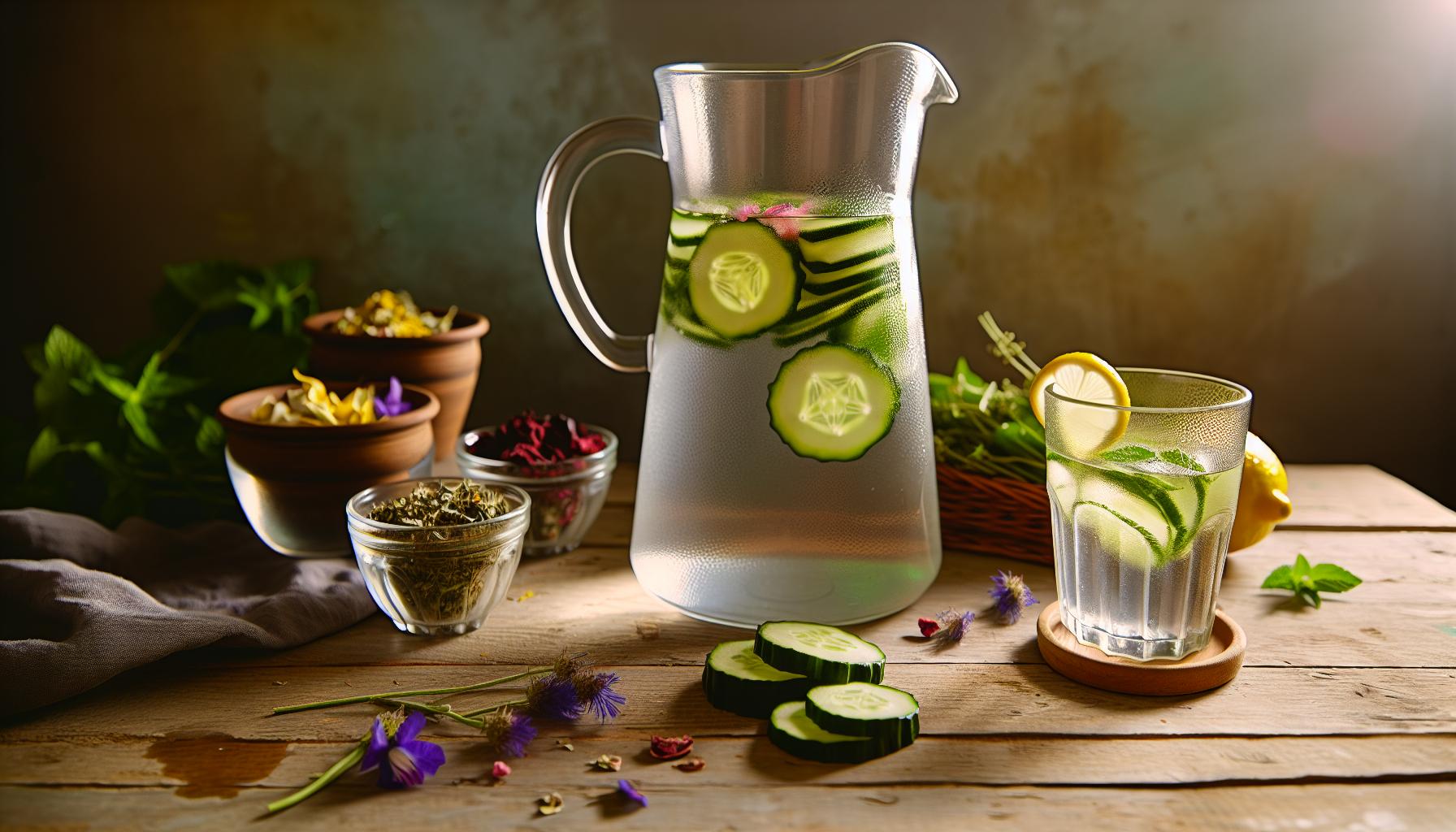
One mama shared how adding cucumber and mint slices to her water made hydration feel like a small treat,not a chore—something doable even on the busiest days. The warm embrace of feeling supported and mindful of your body’s needs brings calm to the ever-shifting postpartum balance. After all, a well-hydrated mama is a strong, confident mama, ready to nurture her baby with the abundant sweetness of milk full of life and love.
Signs You’re Not Drinking Enough While Nursing
Sometimes, the first signs that you’re not drinking enough while nursing can sneak up quietly, disguised as fatigue or low mood—both common in postpartum life. But dehydration may subtly impact your milk supply and your body’s overall balance, making nursing feel harder than it should. If your cups are running low, your body can’t pour out its nourishing gift as abundantly or smoothly.You might notice your breasts feel less full or you experience more frequent nipple discomfort, as well as fewer wet diapers and less satisfied feedings from your baby—gentle signals that your fluid intake needs a loving boost.Other clues often get overlooked in the joyful chaos of motherhood. Dry mouth, headache, dizziness, or even mild muscle cramps can be whispers of low hydration, especially when combined with the natural demands of breastfeeding. You might feel unusually thirsty or notice your urine is darker than the pale straw color that signals good hydration. Thes symptoms aren’t a sign of weakness; they’re your body’s way of asking for care and attention. Think of hydration as a nurturing act toward both you and your baby—a soft pause in your day to listen and replenish deeply.
- Reduced milk output: If feedings feel shorter or less frequent, or your baby seems fussier or less satisfied, gently check your fluid habits.
- Physical signs: Dry lips, headache, or lightheadedness after nursing sessions can all mean your body needs more water.
- Emotional shifts: Fatigue, irritability, or the “mom brain” fog might intensify when dehydration adds stress to hormonal changes.
Listening closely to your body is key. If these signs resonate, try pairing hydration with feeding times—sip slowly and mindfully, as if offering a tender hug to yourself between nurturing moments. Hydration isn’t about drinking a gallon in one go but embracing rhythm and intention in your daily routine. Sharing your experience with a trusted doula, midwife, or fellow mom can also bring reassurance, helping you tune into your needs with kindness and balanced care. Remember, each breastfeeding journey is unique, and nurturing your hydration is one beautiful way to honor the complex harmony of motherhood and milk-making.
Best Fluids for Breastfeeding Moms: What Helps Most
Hydration is more than just quenching thirst—it’s a vital rhythm supporting your body’s amazing work of nursing. While plain water is the foundation, certain fluids offer extra nourishment and gentle lactation support, helping you feel energized and sustaining your milk supply naturally.Breastfeeding draws on your fluid stores, so choosing drinks that hydrate *and* soothe can transform how you experience this beautiful, yet demanding phase.
Warm fluids like herbal teas, especially those with lactogenic herbs such as fennel, ginger, or chamomile, are beloved for their calming and milk-boosting effects.These blends ease digestion,promote relaxation,and gently encourage better milk flow without overstimulation. Just remember to avoid herbs like sage or peppermint in large quantities, as they might reduce supply. Herbal infusions can be sipped throughout the day in small amounts—perfect as a tender ritual between feedings.
Beyond teas, these drinks provide hydration plus key benefits:
- coconut water: Rich in potassium and natural electrolytes, it helps replenish minerals lost through breastfeeding, boosting energy and hydration faster than plain water alone.
- Milk or fortified plant-based milks: Offer calcium, vitamin D, and protein crucial for healing postpartum and supporting bone health in breastfeeding moms.
- Warm lemon water: A gentle digestive aid that also feels refreshing and uplifting, perfect for morning or post-feed sips.
Simple DIY Lactation Drink Recipe
| Ingredient | Quantity | Benefit |
|---|---|---|
| Warm filtered water | 1 cup (240 ml) | Hydration base |
| Fennel seeds | 1 tsp | Supports milk production |
| Fresh ginger slice (about 1 inch) | 1 slice | Soothes digestion, eases discomfort |
| Raw honey (optional) | 1 tsp | Natural sweetness, immune boost |
Planning: Steep fennel seeds and ginger in hot water for 10 minutes. Strain and add honey to taste.Sip warm,especially during or after nursing sessions for comforting hydration.Every mom’s experience is different, so gently tune into what your body craves.If teas or coconut water don’t suit you, pure water enriched with a splash of natural fruit juice or infused with herbs like mint or rosehip can feel just as nurturing. Avoid sugary drinks and caffeine overload—they can dehydrate you or unsettle your baby. Above all, honor your unique breastfeeding journey with kindness; staying hydrated is a loving act that supports both your healing body and your baby’s nourishment, every single day.
Easy DIY Hydrating Teas and Smoothies for Lactation
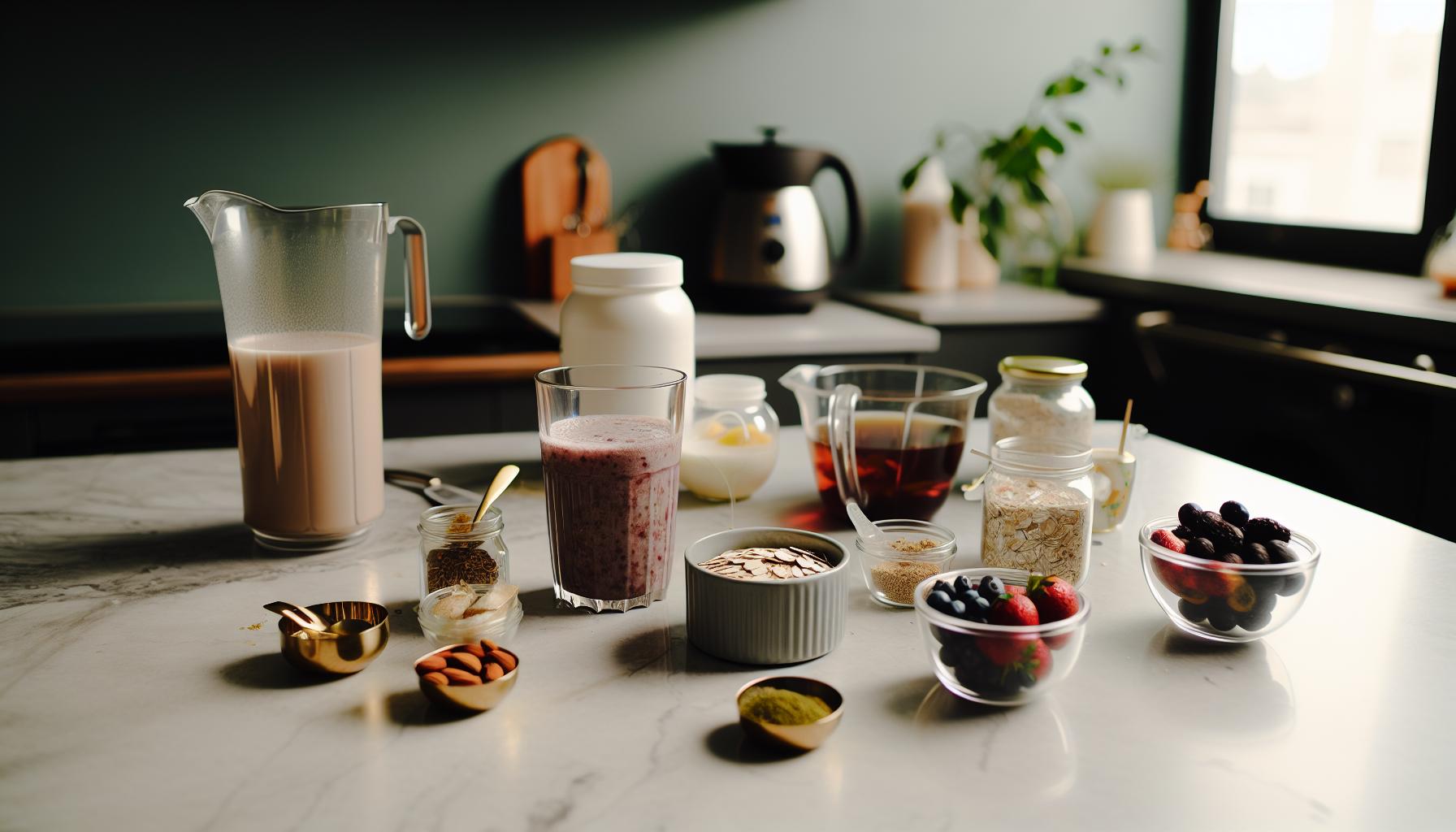
A warm, soothing drink or a refreshing smoothie can be a gentle yet potent way to boost hydration and support milk supply during those long nursing days.Hydrating teas and smoothies offer a comforting ritual that not only replenishes fluids but also brings in beneficial nutrients and calming herbal allies. These natural,simple concoctions help ease digestion,reduce breastfeeding-related stress,and provide a tasty break between feedings—nurturing mom and baby alike with every sip.
When crafting DIY hydrating teas, consider lactation-friendly herbs such as fennel, known to stimulate milk production; ginger, which eases digestion and inflammation; and chamomile, treasured for its calming effects. Always brew these gently and sip warm—not too hot—to maximize comfort and absorption. For smoothies, combining hydrating fruits like cucumber, watermelon, or berries with a base of coconut water or fortified plant-based milk adds hydration, electrolytes, and vitamins key for postpartum recovery. These drinks can be customized easily to match your tastes and nutritional needs, creating a beautiful moment of self-care during an often hectic day.
DIY Hydrating Tea Recipe for Lactation
| Ingredient | Quantity | Benefit |
|---|---|---|
| Warm filtered water | 1 cup (240 ml) | Hydration base |
| Fennel seeds | 1 tsp | Supports milk production |
| Fresh ginger slice (about 1 inch) | 1 slice | Soothes digestion |
| Chamomile flowers (dried) | 1 tsp | Promotes calm and relaxation |
| Raw honey (optional) | 1 tsp | Natural sweetness, immune support |
Preparation: Steep the fennel seeds, ginger, and chamomile in hot water for 8–10 minutes. Strain, sweeten with honey if desired, and sip slowly between or after nursing sessions. This tea can be enjoyed up to 2–3 times daily, but always listen to your body and adjust according to how you feel.
Refreshing Hydration Smoothie
- ½ cup peeled cucumber – high water content and soothing for digestion
- 1 small ripe banana – adds natural sweetness and potassium
- ½ cup coconut water – replenishes electrolytes lost during breastfeeding
- 1 tbsp ground flaxseed – provides omega-3 fatty acids known to support brain health
- A small handful of fresh spinach – boosts iron and folate
Preparation: Blend all ingredients until smooth. This smoothie is hydrating and nutrient-dense but gentle on postpartum digestion. It’s perfect for a mid-morning or afternoon boost.
Remember, every mom’s body is unique—herbal ingredients can affect individuals differently, so it’s wise to start with small amounts and observe how you and your baby respond. Avoid excessive use of herbs like peppermint or sage, which may reduce milk supply when consumed in large quantities.When making teas or smoothies, aim for balance—hydration with nourishment, simplicity with flavor, and comfort with effectiveness. These recipes honor your body’s healing journey, turning hydration into a loving daily ritual that supports both milk production and emotional well-being.
Herbs and Supplements: Safe Choices for Hydration
Finding gentle, safe ways to stay hydrated while supporting your milk supply can feel like navigating a maze. Herbs and supplements, when chosen thoughtfully, become nurturing allies—not only enhancing hydration but also soothing your postpartum body and easing common nursing challenges. It’s critically important to remember that “natural” doesn’t always mean risk-free; herbs affect everyone differently, and babies can be sensitive to them through breast milk.Start small, observe how you and your little one respond, and when in doubt, consult your healthcare provider or lactation consultant who respects your unique journey.
Some time-honored herbs have stood the test of both tradition and clinical attention for their supportive role during lactation and hydration. Fennel is a gentle galactagogue, believed to encourage milk production while also calming digestion. Chamomile offers mild relaxation and can help soothe tension or occasional digestive discomfort, creating a peaceful nursing vibe. Ginger supports digestion and reduces inflammation,which is especially helpful if you experience lingering postpartum tummy troubles. When brewed as mild teas or infused waters, these herbs hydrate you while lending their subtle benefits without overwhelming your system.
Safe Herbal Allies for Hydrating Teas and tonics
| Herb | Why It Helps | Suggested Use | Safety notes |
|---|---|---|---|
| Fennel | Supports milk supply, eases bloating | Steep 1 tsp seeds in hot water for 8-10 mins, up to 2 cups/day | Avoid if allergic to carrots or celery family |
| Chamomile | Calming, supports digestion, gentle sedation | Use dried flowers, 1 tsp steeped, 1-2 cups/day | Possible allergies; use cautiously if sensitive |
| Ginger | Anti-inflammatory, aids digestion, reduces nausea | Fresh slice or dried powder steeped, up to 2 cups/day | May increase milk let-down; avoid excess |
| Nettle | Hydrating, rich in iron and minerals | Dried leaf tea, 1-2 cups/day | Check for allergies; avoid if kidney issues |
| Red Raspberry Leaf | Rich in vitamins, tones uterus, supports overall recovery | Tea from dried leaf, 1 cup daily postpartum | Consult provider in early pregnancy |
Thoughtful Supplement Choices
While whole herbs in teas or foods are often ideal, some moms find gentle supplements helpful for nutritional balance and hydration alongside their diet. Omega-3 fatty acids (like flaxseed oil or fish oil) support maternal brain health and may influence milk quality positively.Hydration-supportive electrolytes—especially magnesium and potassium—can prevent cramps and maintain fluid balance during those busy early weeks. However, avoid herbal supplements known to constrict milk supply, such as sage and peppermint in medicinal doses.
- Start Slowly: Introduce one herbal tea or supplement at a time to monitor your and baby’s reactions.
- Consider Timing: Post-feeding is often a great time for hydrating herbal teas, aligning with natural milk let-down rhythms.
- Listen To Your Body: Weight how you feel emotionally and physically; sometimes less is more and hydration can be as simple as water with a squeeze of lemon.
- Respect Traditions: Many cultures have rich herbal traditions supporting breastfeeding—embrace what fits you with awareness and care.
Your hydration routine can be a loving ritual filled with warmth and sensory ease, helping you honor your body’s needs and your baby’s nourishment.Remember, safety and comfort go hand in hand—trust your intuition, savor the moments of quiet self-care, and reach out when you need a gentle hand on your journey.
For more personalized ideas and recipes, blend herbs like fennel or chamomile into soothing teas, or incorporate nutrient-rich, hydrating herbs in your meals and snacks. This fusion of tradition and self-kindness nurtures both milk production and emotional wellbeing, wrapping you in gentle care as you nurture your baby.
timing Your Fluids: When to Drink for Maximum Benefits
Hydration isn’t just about how much you drink—it’s also about when you drink. your body’s rhythms and the natural flow of breastfeeding offer perfect moments to nourish yourself with fluids, supporting milk production and your own energy levels. Drinking thoughtfully around feeding times can maximize fluid absorption and ease milk let-down, turning hydration into a gentle ritual that feels nurturing rather than like a chore.
Many lactation experts and experienced moms find that sipping hydrating fluids promptly after nursing or pumping is especially beneficial. During these moments, your body is already primed to replenish and relax, making it an ideal time for a warm cup of herbal tea or infused water. As the hormone oxytocin helps trigger milk ejection, pairing hydration with these moments can enhance milk flow gently. Try to avoid gulping large quantities all at once; instead, take slow, mindful sips to soothe your body and mind. This reinforces a calm, connected feeding experience—for you and your baby.
Fluids and feeding: Tips for practical Timing
- Start with a small glass of water or herbal tea right after feeding. This keeps fluids flowing steadily, supporting hydration without feeling overwhelming.
- Avoid drinking large amounts right before feeding. While staying hydrated is essential,drinking too much immediately before nursing can cause discomfort or fullness,sometimes making let-down slower or less comfortable.
- Space out your fluid intake through the day. Aim for consistent hydration over several small servings rather of infrequent heavy drinking.
- Notice your body’s cues. Thirst, dry mouth, fatigue, or dark urine all signal it’s time to drink, no matter the clock or feeding schedule.
- Incorporate hydrating snacks. Foods like watermelon, cucumbers, or soups complement your fluid intake and offer gentle nutrition for you and your baby.
many moms find adding hydrating teas made with safe lactation herbs—like fennel, chamomile, or ginger (see previous section)—after feeds creates a moment of calm and boost. For example, steep 1 teaspoon of dried chamomile flowers in boiling water for 8 minutes. Sip slowly post-feed, up to 1-2 cups daily. this not only replenishes fluids but soothes postpartum tension, serving your emotional well-being as much as your body’s healing.
Sample Post-Feeding Hydration Ritual
| Step | Action | Benefits |
|---|---|---|
| 1 | Finish feeding or pumping | Body ready for replenishment; oxytocin release encourages relaxation |
| 2 | Prepare warm herbal tea (e.g., fennel or chamomile) | Supports milk production; gentle digestion aid; comforting ritual |
| 3 | Sip ½ to 1 cup slowly over 10-15 minutes | Hydrates steadily; avoids overwhelming stomach; encourages calm |
| 4 | Relax, breathe deeply, connect with your baby or yourself | Improves emotional well-being; supports milk let-down and supply |
Remember, every mother’s body and routine are unique.Some moms may find benefits in hydrating more during the morning when milk supply tends to peak, while others feel best spacing fluids evenly through the day. respect your own rhythms, adjusting what feels supportive and comfortable. If uncertainty arises about timing or fluid types, your trusted healthcare provider or lactation consultant is a beautiful guide on this journey. With gentle awareness, hydration becomes a deeply nourishing act that supports your milk supply and honors the sacred dance of motherhood.

Hydration Tips for Different Postpartum Phases
New motherhood unfolds in phases, each bringing unique hydration needs that gently ebb and flow alongside your body’s healing and milk production rhythms. In those very first days after birth, your body is replenishing fluids lost during labor and starting to establish a robust milk supply. This early postpartum window calls for calm, consistent hydration to support healing tissues and the surge of prolactin, the hormone responsible for milk creation. it’s perfectly normal to feel thirsty or even more fatigued than usual—listening to these signals and offering your body frequent sips of water or soothing herbal infusions can keep you nourished without feeling overwhelmed.
As you move into the weeks that follow, your milk supply frequently enough stabilizes, and hydration needs shift subtly. during this phase, balancing fluid intake throughout the day becomes essential. instead of large gulps, try to create gentle habits of sipping water or lactation-friendly teas—like fennel or ginger—throughout your waking hours. These herbs not only hydrate but can support digestion and ease postpartum discomfort.Many moms find that linking hydration moments with their feeding sessions deepens the nurturing experience, making it less about “have to” and more about shared calmness with your baby.
Later in the postpartum journey, especially as your baby grows and nursing frequency changes, hydration remains a soft, steady thread. If you’re returning to work or navigating sleep disruptions, recognizing signs of mild dehydration—like dry mouth, fatigue, or dark urine—is key to keeping energy levels and milk supply strong. Hydrating foods rich in water content, such as berries, cucumbers, and homemade bone broths, offer gentle nourishment that supports both recovery and milk quality. Remember,every mother’s path is different: some appreciate warm comforting fluids in the evening,while others respond to cool,refreshing smoothies during busy days. Embrace what feels nurturing and doable for *you*, and never hesitate to adjust with grace and self-compassion.
Practical Hydration strategies by Postpartum Phase
| Postpartum Phase | Hydration Focus | Suggested Fluids & Foods | Tips & Notes |
|---|---|---|---|
| First 1-3 Days | Replenish fluids, support healing, milk “coming in” |
|
|
| Weeks 1-6 | Maintain steady hydration; support milk supply and energy |
|
|
| After 6 Weeks & Beyond | Balance hydration with lifestyle changes; manage fatigue |
|
|
DIY Herbal Hydration Blend for Postpartum
ingredients:
- 1 teaspoon dried fennel seeds
- 1 teaspoon dried chamomile flowers
- 1 slice fresh ginger (optional)
- 1 cup boiling water
Preparation:
- Combine herbs and ginger in a teapot or heat-safe jar.
- Pour boiling water over ingredients and steep for 8-10 minutes.
- Strain and allow to cool slightly before sipping slowly.
- Enjoy 1-2 cups daily, especially after nursing or pumping sessions.
Safety note: Always check with your healthcare provider if you have concerns or unique health considerations before introducing new herbs.
Honoring the ever-changing journey of postpartum life means listening deeply to your body’s unique signals while embracing consistent, gentle hydration habits. Your milk supply and well-being flourish when hydration feels intuitive, infused with kindness, and aligned with your personal rhythms—just as motherhood itself does.
How Electrolytes support Nursing and Energy Levels
Electrolytes quietly do some of the heaviest lifting in postpartum hydration and energy balance. These vital minerals—like sodium, potassium, calcium, and magnesium—carry electrical charges that help regulate everything from muscle contractions and nerve signals to fluid balance in your cells.For breastfeeding moms, this finely tuned balance supports not only your own vitality but also the steady flow of nourishing milk your baby depends on[[1]](https://www.cedars-sinai.org/stories-and-insights/expert-advice/electrolytes)[[2]](https://www.verywellhealth.com/what-are-electrolytes-11764438).
When you nurse, your body shifts fluids quickly to produce milk, which means electrolytes are constantly at work helping to maintain adequate hydration and optimal function. Low electrolyte levels can lead to symptoms like fatigue, muscle cramps, or dizziness—all factors that can make the postpartum journey more challenging and may signal your body needs more balanced replenishment. Some new mothers notice that drinking plain water alone isn’t enough; they feel more refreshed and energized after reaching for fluids that contain a gentle mix of electrolytes. This is because electrolytes help water absorb better into your bloodstream and cells, ensuring that fluid intake translates into real hydration[[3]](https://www.medicinenet.com/electrolytes/article.htm).
incorporating Electrolyte-Rich Fluids Into Your Day
Including natural sources of electrolytes can be simple and soothing. Here are a few nurturing options to weave into your postpartum routine, especially on busy or extra-thirsty days:
- Coconut water: A natural hydrator packed with potassium and magnesium. Enjoy it chilled or as a base for smoothies.
- Homemade bone broth: Rich in minerals including calcium and sodium,bone broth supports healing and hydration.
- Infused waters: Add a pinch of sea salt, cucumber slices, or fresh mint to your water to gently boost electrolytes and flavor without excess sugar.
- Hydrating smoothies: Blend banana, spinach, yogurt, and a splash of coconut water for a mineral-rich drink that also feeds your energy.
for mothers navigating heavy sweating (during warm seasons or active days) or those recovering from labor-related fluid loss, mindful electrolyte replenishment supports stamina and milk production without the crash that sometimes comes from plain water or sugary drinks.Remember to listen to your body—symptoms like slight muscle twitches or unusual fatigue might indicate it’s time to reach for a little extra mineral support.
Safety and Individual needs
While electrolytes are essential, balance is key. Too much sodium or supplements not matched to your body’s needs can disrupt your hydration or blood pressure. If you’re considering electrolyte supplements or special powders, touch base with your healthcare provider—especially if you have underlying health concerns like hypertension or kidney issues.
Every mother’s postpartum experience is beautifully unique. Some find gentle herbal teas paired with a light pinch of sea salt bring comfort and hydration, while others thrive with a daily electrolyte smoothie. It’s all about tuning into your rhythms and nurturing your body with kindness and wisdom as you embrace this transformative chapter of motherhood.
—
Hydration Mistakes that Can Lower Milk Production
even small missteps with hydration can quietly chip away at your milk supply. When new moms overlook how complex the body’s fluid balance really is, it’s easy to either underhydrate or unintentionally disrupt the delicate systems that support lactation. Drinking plenty of plain water feels like a go-to, but without mindful attention to electrolytes and timing, it may not translate to optimal milk production. Such as, sipping large amounts of water all at once — especially without electrolytes — can lead to dilution of your blood’s mineral levels, signaling your body to conserve fluids instead of producing more milk.
Many breastfeeding moms also unknowingly fall into the trap of over-relying on caffeinated drinks or sugary juices for hydration. While that swift cup of coffee or sweet beverage may offer immediate energy, caffeine is mildly diuretic and sugar-heavy drinks can cause blood sugar swings, both of which can subtly reduce your hydration status and disrupt milk flow. Rather, a balanced intake that includes fluids rich in natural electrolytes — like coconut water or herbal infusions with a pinch of sea salt — encourages your body to absorb water efficiently and support steady lactation rhythms.
In addition, inconsistency in fluid intake throughout the day often does more harm than good. Hydration isn’t just about volume but timing. Drinking mostly in the morning and tapering off later can leave your body underprepared for nighttime feedings, when milk production often needs an extra boost.Listening closely to your body’s thirst cues—paired with regularly spaced hydration—helps maintain that nurturing flow. Some moms find carrying a reusable bottle with electrolyte-enhanced water or herbal teas encourages regular sipping that feels nurturing, not forced.
Common pitfalls to Watch For
- Ignoring electrolyte balance: Drinking plain water without replenishing sodium, potassium, and magnesium can lead to fluid retention but poorer hydration on a cellular level.
- Excess caffeine and sugary drinks: These may increase fluid loss and impact milk supply indirectly by dehydration and energy crashes.
- Irregular hydration habits: Long gaps or “binge drinking” water can confuse your body’s fluid regulation.
- Overhydration: Chugging excessive water without balancing minerals risks “water intoxication,” which can lower milk supply and cause uncomfortable symptoms.
Simple Steps to Stay Hydrated, Support Milk Production
- drink fluids steadily throughout your day—small sips every 20-30 minutes are easier to absorb.
- Include electrolyte-rich drinks like homemade bone broth, coconut water, or herbal teas with a pinch of sea salt.
- Limit caffeine to one moderate cup daily and choose non-sugary,hydrating beverages for the rest of your intake.
- Notice your body’s signals: fatigue, dry mouth, or lightheadedness can mean you need more balanced fluids.
- Keep a water bottle nearby as a gentle reminder and to support a steady, calm hydration routine.
Recognizing and avoiding these common hydration mistakes helps you honor your body’s postpartum healing while nourishing your baby with the best milk supply possible. Remember, every mother’s hydration needs vary and tuning into your unique body rhythms will guide you toward what feels most supportive on your breastfeeding journey.
Hydrating Foods That Nourish You and Baby
Breastfeeding is a beautiful journey that gently asks your body for a little extra care—especially in the form of nourishment that hydrates from the inside out. Choosing foods rich in water content not only quenches thirst but also supports milk production by maintaining your body’s fluid balance. Think of hydrating foods as nature’s lullaby for your system—delivering gentle moisture alongside vitamins and minerals essential for your postpartum healing and your baby’s growth.
Fresh fruits and vegetables like cucumbers, celery, watermelon, oranges, and strawberries are stellar partners in this nurturing dance. They provide more than just hydration; these foods bring antioxidants and folate, key for tissue repair after birth and for healthy lactation. Including these crunchy and juicy options as snacks or part of your meals gently increases your fluid intake without overwhelming your digestive system, which can be sensitive during postpartum. Consider adding cucumber and mint slices to your water or blending watermelon into a refreshing smoothie with a touch of ginger—both easy, soothing ways to replenish fluids and brighten your day.
Practical Ideas for Enjoying Hydrating Foods
- Cooling cucumber and yogurt salad: Slice one large cucumber thinly,toss with ½ cup of plain yogurt,a pinch of sea salt,and fresh dill or mint.this easy snack supports hydration and gut health.
- Watermelon and berry smoothie: Blend 1 cup of watermelon chunks, ½ cup of mixed berries, ¼ cup of coconut water, and a teaspoon of flaxseeds for omega-3 fats that nurture both you and baby.
- Celery and apple sticks with almond butter: Crunchy celery paired with apple slices and a dollop of almond butter offers hydration, fiber, and healthy fats to keep energy steady.
These choices also honor cultural and holistic approaches,allowing space for traditional snacks while meeting scientific insight about hydration’s role in milk supply. Remember, every mother’s body responds differently—a food that’s hydrating and soothing for one may not feel the same for another. Tuning into your body’s responses and enjoying these foods mindfully can create a nourishing rhythm that uplifts both you and your breastfeeding baby.
For future meal planning, keep a stash of these hydrating basics stocked in your kitchen. They’re ready to fuel you during those unpredictable postpartum days, helping support your milk supply gently and sustainably.
Balancing Caffeine and Hydration During Breastfeeding
Caffeine frequently enough feels like a lifeline for many new moms, offering a gentle boost during those long, sleepless postpartum nights. While moderate caffeine intake can be safe during breastfeeding, its stimulating effects also come with a diuretic factor, which means it can lead to increased fluid loss. This creates a balancing act between enjoying your favorite morning cup and maintaining the hydration essential for milk production and overall postpartum recovery.
Creating harmony between caffeine and hydration starts with knowing your limits and listening to your body. Experts generally agree that keeping caffeine intake under 200-300 mg per day (roughly two small cups of coffee) is unlikely to affect your baby negatively or your milk supply. But individual sensitivity varies—some babies might be fussier or have trouble settling if mom’s caffeine intake is higher. Also, caffeine can sometimes increase thirst because of its mild diuretic nature, so pairing caffeinated drinks with water or hydrating herbal teas can gently counteract fluid loss without overwhelming your system.
Balancing Tips for Caffeine and Hydration
- Alternate with hydrating beverages: For every coffee or caffeinated tea, have a glass of water, coconut water, or a lactation-supportive herbal tea (like chamomile or fennel). This simple swap helps maintain fluid balance while satisfying your caffeine craving.
- Time your caffeine wisely: Enjoy caffeine earlier in the day to minimize any potential impact on your baby’s sleep and to reduce nighttime dehydration.
- Opt for hydration-rich coffee and tea add-ons: add a splash of milk or plant-based milk to your coffee or tea to increase fluid intake and provide additional nutrients.
- Listen to your body: Watch for signs like dry mouth, headaches, or decreased milk supply, which may indicate you need more water or less caffeine.
Gentle DIY Hydrating Caffeine Swaps
try these easy recipes that offer comforting caffeine with hydration perks:
- Iced Mint Green Tea Cooler
Brew a cup of green tea, let it cool, and add fresh mint leaves and a squeeze of lemon. Serve over ice with a splash of coconut water for extra electrolytes.
- Chai-Spiced Almond Milk Latte
Warm unsweetened almond milk with cinnamon, ginger, and a dash of black tea brewed strong but scant on caffeine.Sweeten lightly with honey if you like.
Remember, while caffeine isn’t off-limits, it’s only one part of your hydration story. Embrace a fluid-rich diet and prioritize liquids that nourish both your body and breast milk supply. And just as every breastfeeding journey is unique, so too is your caffeine threshold—honor what feels good and supportive for you and your baby. This mindful approach helps you enjoy your favorite flavors without trading off the hydration your body so tenderly needs.
Real mom Stories: Staying Hydrated Through Challenges
Many breastfeeding moms find that staying hydrated is as much an emotional and mental challenge as it is indeed a physical one.One common experience shared by mothers is how the relentless pace of newborn care—cluster feeding, sleepless nights, and the whirlwind of adjustments—can make even remembering to sip water feel like a victory. One mom,Sophia,recalls how she kept a large water bottle close by her nursing chair,setting small reminders on her phone every hour. This simple habit, she shares, transformed her energy levels and her milk supply, showing that small, intentional steps can powerfully support lactation.
Another mother, Amina, found that integrating hydration into her cultural food traditions brought her both nourishment and comfort. she brewed gentle herbal teas like fennel and chamomile—known for their lactation-friendly properties—throughout the day. These teas not only kept her fluid intake steady but also helped soothe her postpartum anxiety and promoted restful moments between feedings. Moms considering herbal teas, however, should proceed with care and consult with health professionals to avoid herbs that may not be safe during breastfeeding.
Practical Tips from Real Moms
- Make hydration visible: Use colorful bottles or pitchers so your fluids stand out and serve as a gentle prompt to drink.
- Flavor your water naturally: Add slices of cucumber, lemon, or fresh mint to enhance taste without added sugars, making hydration more appealing.
- Pair hydration with feeding: drinking a glass of water before or after nursing establishes a comforting rhythm and ensures regular fluid intake.
- Prepare nourishing smoothies: blend coconut water, spinach, banana, and flaxseeds into a hydrating, nutrient-dense drink that supports milk production.
Creating a Supportive Hydration Routine
Nurturing yourself through the fluctuating postpartum phases means honoring your body’s unique cues without pressure. Post-birth fluid needs might potentially be higher due to healing, hormonal shifts, and the energy demands of milk production. Listen for signs of thirst, dry mouth, or fatigue, and respond with kindness rather than guilt. Many mothers find that a community—whether family, friends, or lactation consultants—can offer gentle reminders and encouragement, turning hydration into a joyful ritual instead of a chore.
Remember, every mom’s journey is different. What worked perfectly for one mother might need gentle tweaking for another. Embrace this phase with patience, knowing that each sip of water is a loving gift to you and your baby’s health.
Frequently Asked Questions
Q: How can electrolyte drinks improve hydration for breastfeeding moms?
A: Electrolyte drinks help replenish essential minerals like sodium and potassium, which support fluid balance and sustain milk production. Choose low-sugar options or make your own with natural ingredients to stay energized and well-hydrated. This complements advice in our section on electrolytes and nursing energy levels.Q: What are safe herbal alternatives to water for breastfeeding hydration?
A: Safe herbal options like chamomile, fennel, and ginger teas provide hydration plus gentle lactation support. Avoid herbs with strong hormonal effects unless advised by a healthcare provider. For recipes and preparation tips,see our DIY hydrating teas and smoothies section.
Q: When is the best time during the day to increase fluid intake for milk production?
A: Drinking fluids consistently throughout the day, especially *before* and *after* nursing sessions, helps maintain optimal hydration and milk supply.Avoid waiting until feeling thirsty, as that can signal mild dehydration. for detailed timing tips, refer to our “Timing Your Fluids” section.
Q: How do hydrating foods contribute to breastfeeding hydration and nutrition?
A: Foods high in water content—like cucumbers, watermelon, and soups—boost hydration while providing vital nutrients for both mom and baby. Incorporate these into meals and snacks to support overall fluid balance and nourishment, as outlined in our “Hydrating Foods” section.
Q: Can drinking too much water negatively affect breast milk supply? How to balance?
A: While rare, excessive water intake without electrolytes can dilute your body’s mineral balance, possibly affecting milk supply. Focus on balanced hydration with fluids containing electrolytes and hydrating foods to avoid this. Explore our “Hydration Mistakes” section for balanced strategies.
Q: What signs show dehydration that breastfeeding moms might overlook?
A: Subtle signs include dark urine, dry lips, fatigue, or decreased milk flow. Early detection helps prevent supply dips; drink small amounts regularly rather than large volumes infrequently. See “Signs You’re Not Drinking Enough While Nursing” for detailed indicators.
Q: How does postpartum phase affect hydration needs during breastfeeding?
A: Hydration needs vary by postpartum stage—new moms may require more fluids during initial milk establishment, while maintenance phase demands slightly less but steady intake. Adjust fluid intake based on body cues and feeding frequency. Our “Hydration Tips for Different Postpartum Phases” covers this in depth.
Q: What natural remedies can definitely help breastfeeding moms keep hydrated when feeling nauseous or fatigued?
A: Gentle options like ginger tea, diluted fruit-infused water, or light broths can ease nausea and boost hydration without overwhelming the stomach. Taking small sips regularly encourages fluid intake. Our DIY teas and smoothies guide offers soothing recipes perfect for this.
—
For more personalized hydration strategies and recipes, feel free to explore our full article and join our supportive community of nurturing moms embracing holistic postpartum care.
in summary
Staying well-hydrated is one of the simplest yet most powerful ways to support your breastfeeding journey and maintain a strong milk supply. Remember, every mom’s hydration needs are unique—listen to your body and explore nourishing recipes like herbal teas or fresh smoothies designed specifically for postpartum wellness. for safety, always choose gentle, proven ingredients and consult trusted resources if you have questions about supplements or herbs.
To keep nurturing your breastfeeding routine with confidence,explore our guides on postpartum nutrition and natural lactation boosters next. Don’t miss our step-by-step DIY hydration recipes and expert tips that blend science with real mom wisdom.ready for more support? Join our newsletter for ongoing advice, community stories, and exclusive breastfeeding tools crafted especially for you.Your well-being matters—stay connected, share your experiences below, and let’s grow this warm, supportive space together.
Make BlossomingMotherhood.Com a Preferred SourceGet our latest guides, news, and insights highlighted in your Google Search & AI Overviews.
✓ Preferred Source Added
A: Safe herbal options like chamomile, fennel, and ginger teas provide hydration plus gentle lactation support. Avoid herbs with strong hormonal effects unless advised by a healthcare provider. For recipes and preparation tips,see our DIY hydrating teas and smoothies section.
A: While rare, excessive water intake without electrolytes can dilute your body’s mineral balance, possibly affecting milk supply. Focus on balanced hydration with fluids containing electrolytes and hydrating foods to avoid this. Explore our “Hydration Mistakes” section for balanced strategies.
A: Hydration needs vary by postpartum stage—new moms may require more fluids during initial milk establishment, while maintenance phase demands slightly less but steady intake. Adjust fluid intake based on body cues and feeding frequency. Our “Hydration Tips for Different Postpartum Phases” covers this in depth.
Get our latest guides, news, and insights highlighted in your Google Search & AI Overviews.


 JUST 15 MINUTES A DAY