
Baking Soda, Lemon, Ginger & Garlic While Nursing
✨ This article was AI edited. Editorial responsibility: BlossomingMotherhood.Com. Culinary remedies combining bicarbonate of soda, lemon, ginger, garlic,…
Natural remedies during lactation encompass evidence-based botanical, culinary, and non-pharmacological therapies—including herbal syrups, ginger, and gentle digestive spices—evaluated for active phytochemical transfer, infant gastrointestinal tolerance, and immune support.
Examining culinary spices, volatile flavor compounds in breast milk, alkalinizing agents, and infant digestive tolerance.
Safe preparation methods, anthocyanin antioxidants, and raw honey warnings for infant health during maternal illness.
Herbal preparations and dietary supplements contain biologically active phytochemicals—including flavonoids, alkaloids, and volatile essential oils—that can enter systemic circulation and transfer into human breast milk. A common misconception is that ‘natural’ automatically equals ‘safe during lactation.’ For example, concentrated culinary herbs like sage and peppermint contain compounds (thujone and menthol) that can drastically reduce breast milk supply when consumed in medicinal amounts. Conversely, culinary ginger, garlic, and citrus provide gentle digestive and anti-nausea support with safe pediatric track records.
When preparing homemade herbal syrups—such as elderberry syrup for viral immune defense—mothers must ensure complete berry cooking to neutralize cyanogenic glycosides. Additionally, when using raw honey as a natural syrup sweetener and antimicrobial preservative, remember that raw honey should never be fed directly to infants under one year old due to infant botulism spores, though it is completely safe for the nursing mother to consume.
| Natural Remedy / Herb | Active Phytochemicals & Action | Lactation Safety & Dosage Protocol |
|---|---|---|
| Cooked Black Elderberry (Sambucus nigra) | Anthocyanins, flavonoids; antiviral immune modulation | Safe for nursing mothers when properly cooked; avoid raw elderberries; never give honey-sweetened syrup to infants <1yr |
| Fresh Ginger (Zingiber officinale) | Gingerols and shogaols; anti-nausea, digestive prokinetic | Highly compatible with breastfeeding; soothes maternal digestion and nausea with no adverse infant effects |
| Garlic (Allium sativum) | Allicin; antimicrobial; temporarily scents breast milk | Safe culinary and therapeutic herb; research shows infants often feed longer at breast after maternal garlic consumption |
| Peppermint & Sage (Concentrated) | Menthol, thujone; natural anti-galactagogues | Strictly avoid in therapeutic/essential oil amounts as they suppress prolactin and dry up milk supply |
No. Garlic and ginger transfer mild flavor compounds into breast milk, but studies show babies actually tend to nurse longer and latch more eagerly when milk is subtly flavored. They do not cause stomach damage in healthy infants.
Yes, commercially prepared or properly boiled homemade elderberry syrup is safe for nursing mothers. Be aware that syrups sweetened with honey should never be given directly to babies under 12 months, though the mother can safely consume them.
Nursing mothers should avoid medicinal amounts of sage, peppermint oil, parsley seed oil, and jasmine, which are known to dry up milk supply. In addition, herbs like goldenseal, pennyroyal, and wormwood should be avoided due to potential toxicity.
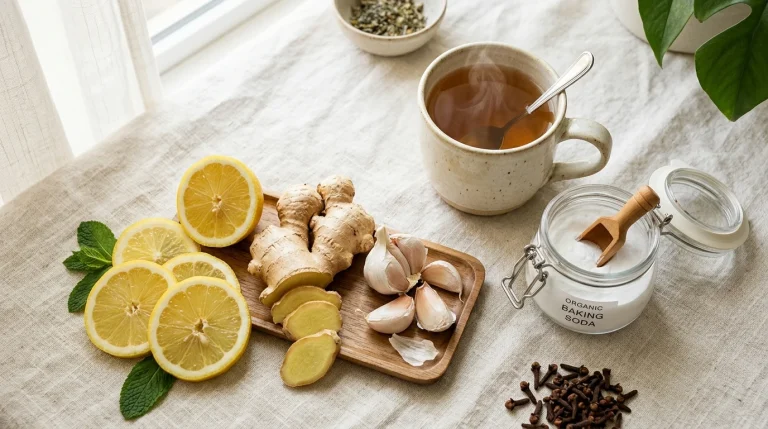
✨ This article was AI edited. Editorial responsibility: BlossomingMotherhood.Com. Culinary remedies combining bicarbonate of soda, lemon, ginger, garlic,…
Elderberry syrup instant pot methods are the ultimate time-saver for creating a potent, immune boosting syrup at home….
 WARNING TO PARENTS
