
Is Sushi Safe While Breastfeeding? The Complete Guide
Did you no many new moms wonder if their favorite sushi can safely fit into postpartum meals? Navigating what to eat while breastfeeding can feel overwhelming, especially when it comes to raw fish and concerns about mercury or bacteria. This guide gently unpacks whether sushi is safe to enjoy during lactation, balancing evidence-based facts with mindful, nurturing advice.Whether you’re craving salmon sashimi or debating if that spicy tuna roll is worth the risk, we’ll walk you through what to consider for your baby’s health and your well-being. Embracing motherhood means honoring your body’s unique healing process, including the foods that nourish you. let’s explore sushi’s place in your breastfeeding journey with warmth, clear guidance, and respect for your individual choices—so you can feel confident, informed, and empowered every step of the way.
Contents
- Understanding Sushi and Breastfeeding safety Basics
- Risks and Benefits of Eating Sushi While Nursing
- types of Sushi: What’s Safe and What to Avoid
- How Mercury and Other Contaminants Affect breastmilk
- Safe Sushi Preparation Tips for new Mothers
- Timing and Portion Guidelines for Sushi Consumption
- Nutritional Benefits of Fish for Postpartum Healing
- Signs of Allergic reactions or Sensitivities in Babies
- Expert Advice: What Lactation Consultants Say About Sushi
- Cultural Traditions and Sushi During Postpartum Periods
- Easy Homemade Sushi Recipes for Breastfeeding Moms
- Alternatives to Raw Fish: Nutritious Sushi substitutes
- Frequently asked questions
- Q: How does eating sushi while breastfeeding affect milk supply?
- Q: Can frozen or cooked sushi be a safer option for breastfeeding moms?
- Q: Are there specific fish types in sushi that breastfeeding moms should avoid due to mercury?
- Q: How soon after eating sushi might mercury or contaminants appear in breastmilk?
- Q: Can eating sushi trigger allergic reactions in breastfed babies? What signs should I watch for?
- Q: What cultural practices involve sushi during the postpartum period, and can they be adapted safely?
- Q: how can I prepare homemade sushi that’s safe and nutritious while breastfeeding?
- Q: Is it safe to eat sushi daily while breastfeeding, or should consumption be limited?
- Insights and Conclusions
Understanding Sushi and Breastfeeding safety Basics
Sushi often feels like a delightful treat that many new moms miss during breastfeeding, especially after months of pregnancy cravings and dietary caution. Thankfully, enjoying sushi while nursing can be part of your postpartum self-care, so long as thoughtful choices are made. Breast milk acts as a vibrant extension of your diet, carrying nutrients and sometimes contaminants to your little one, which means it’s important to understand how sushi fits into this delicate balance of nourishment and safety. Rest assured, sushi is not off-limits, but mindfulness about the types of fish, preparation, and source is key to keeping both you and your baby thriving.
When breastfeeding, your body continues to heal and needs wholesome foods to support energy and milk production, but raw fish can carry bacteria or parasites that might pose risks if not handled well. Choosing sushi from reputable,trusted restaurants or preparing it carefully at home reduces these risks significantly. Many lactation consultants and healthcare providers agree that cooked fish sushi options or vegetarian rolls provide safer alternatives while preserving the joy of this culinary experience. This approach gently embraces the bounty of postpartum nutrition without unneeded worry or sacrifice. Remember, every mother’s body and baby react differently, so tuning in to how your baby responds after eating sushi is just as valuable as following safety guidelines.
- Trust quality sources: Reputable sushi bars or well-known brands prioritize freshness, reducing risks of contamination.
- Know your fish: Some species have higher mercury levels—limiting these helps protect your baby.
- Consider cooked fish and veggie options: These provide safer alternatives packed with goodness for postpartum healing.
With a heart full of self-compassion and a little kitchen know-how, you can savor sushi’s flavors as part of a balanced nursing diet. This empowers you to nurture your own wellbeing while providing the best nourishment to your child during this tender phase.
Risks and Benefits of Eating Sushi While Nursing
It’s natural to wonder how sushi fits into your breastfeeding journey, especially since raw fish carries a reputation for potential risks. The good news is that many moms can safely enjoy sushi while nursing, provided they take a few thoughtful precautions.Research shows that bacteria or parasites sometimes found in raw fish don’t transfer through breast milk to your baby, so the direct risk to your little one is minimal when sushi is consumed responsibly.Still, the mother’s health is central here—ensuring the sushi is fresh and from a reliable source helps prevent any tummy troubles or infections that might indirectly affect breastfeeding comfort and milk production[[2]](https://www.levaapp.com/articles/breastfeeding-and-sushi?srsltid=AfmBOopkz2L68EZ5iBHRP3ZxhRyqNu7wXsOEjmjAfDXz2finSjVv_xnC).
Balancing the benefits with potential risks means recognizing sushi as both a nutrient-rich treat and a food that calls for mindfulness. Fish,especially varieties like salmon or tuna,provide omega-3 fatty acids and protein,crucial for your energy levels and postpartum healing. These nutrients also support brain advancement for both you and your baby. On the flip side, certain sushi types can harbor parasites or bacteria if not handled properly—and though that risk is low with high-quality, well-prepared sushi, it’s wise to stay informed. Mercury exposure is another concern, as it can accumulate in some fish species and pass to your baby via breast milk. Limiting sushi made from high-mercury fish and following guidelines on portions can keep both you and your nursing infant safe[[3]](https://www.healthline.com/health/pregnancy/sushi-while-breastfeeding).
- Choose trustworthy restaurants or brands: They follow strict hygiene standards to reduce bacterial risks.
- Favor cooked or vegetarian sushi: These options are safer and still offer variety and nourishment.
- Pay attention to your baby’s response: Observe for any digestive changes or sensitivities after you eat sushi—you know your baby best.
By weaving mindful sushi choices into your postpartum nutrition, you honor your body’s healing process and nurture your baby with wholesome, balanced milk. Every mama’s comfort level and baby’s sensitivity differ, so embracing this food with gentle attentiveness opens the door for joyful, worry-light dining experiences during a tender stage of motherhood[[1]](https://readysetfood.com/blogs/community/can-you-eat-sushi-while-breastfeeding?srsltid=AfmBOoqokcDf5BKeCqlzjkjYBYYUgu8fFwldz0Juwewyu55au9mYx_W2).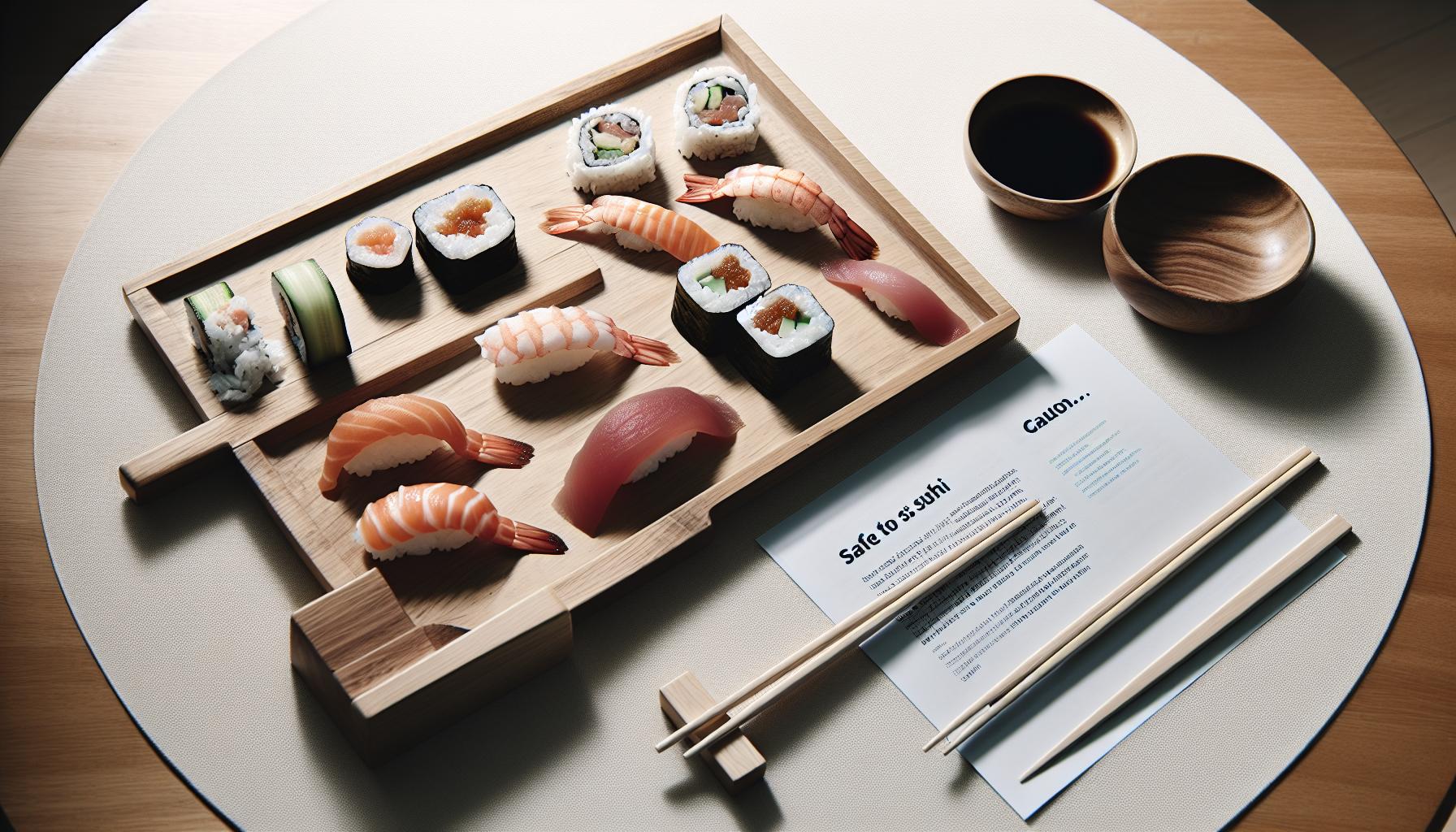
types of Sushi: What’s Safe and What to Avoid
Raw fish in sushi is frequently enough the first concern new breastfeeding moms express, and understandably so. While sushi can be a nourishing and delightful postpartum treat,not all types offer equal safety or benefits during this sensitive time. Choosing thoughtfully can help you enjoy the flavors you love while keeping your baby safe and your milk supply steady.Certain fish, especially those that are high in mercury or prone to contamination, are best avoided or limited. Species such as swordfish, king mackerel, and bigeye tuna are known for higher mercury levels, which can quietly pass into breast milk and affect your little one’s developing nervous system. Conversely,sushi made with lower-mercury fish like salmon or shrimp tends to be safer,especially when prepared fresh from reputable sources. It’s also comforting to know that many moms find cooked sushi varieties—like tempura rolls, eel (unagi), or tamago (sweet egg omelet)—offer a safer yet still tasty choice that sidesteps the risks raw fish sometimes present.
- Raw fish to approach cautiously or avoid: High-mercury species such as swordfish, king mackerel, bigeye tuna, and yellowtail.
- safer fish options: Salmon, shrimp, crab, scallops, and cooked eel.
- Vegetarian sushi: Avocado, cucumber, pickled radish, and other veggie rolls are nourishing and risk-free.
- Prepared sushi precautions: Always choose establishments known for strict hygiene, freshness, and quality sourcing. Ask about the fish’s origin or how recently it was delivered.
Balancing Tradition and Safety
Many cultures celebrate sushi during postpartum periods, incorporating it as a source of balance and healing. honoring these traditions while tuning into your body’s needs is key.If you’re craving sushi but feel hesitant, consider starting with a cooked roll or a veggie option. Observe how your baby responds to your food choices, as their unique sensitivities can guide you gently through this new stage. Remember, what brings you comfort and nourishment nourishes your baby too—that delightful synergy is a gorgeous part of your breastfeeding journey.
| Type of Sushi | Safety Level | Notes for Breastfeeding Moms |
|---|---|---|
| Salmon (Sake) – Raw | Moderate | lower mercury; ensure freshness and reputable source |
| Tuna (Maguro) – Raw | Caution | Varies by type; avoid bigeye or bluefin due to mercury |
| Swordfish / King Mackerel | Avoid | High mercury; avoid during breastfeeding |
| Cooked Eel (Unagi) | Safe | Cooked; reduces risk of bacteria and parasites |
| Vegetarian Rolls (Avocado, Cucumber) | Safe | Low risk, nutrient-rich, gentle on digestion |
Choosing sushi as part of your breastfeeding diet is a beautiful way to nourish yourself with tradition and care. With mindful choices—favoring cooked or low-mercury fish, confirming freshness, and listening to your body—you can savor these moments confidently, supporting both your healing and your baby’s thriving.
How Mercury and Other Contaminants Affect breastmilk
Mercury is a silent traveler that can make its way from the fish you eat into your breast milk, gently reminding us why thoughtful choices matter during breastfeeding. Because mercury is a neurotoxin, even small amounts entering your baby’s system through breast milk have the potential to affect their rapidly developing brain and nervous system. This is why high-mercury fish such as swordfish, king mackerel, and certain varieties of tuna are best limited or avoided altogether until your little one is more mature. The good news is that many common sushi ingredients contain much lower levels of mercury and can be safely enjoyed with confidence when sourced and prepared carefully.
The body naturally filters and regulates many contaminants, but mercury is stubborn—it tends to accumulate in fatty tissues, including the breast milk fat your baby relies on. This slow build-up means frequent consumption of high-mercury fish can raise exposure levels over time. Other contaminants sometimes found in seafood, such as PCBs (polychlorinated biphenyls) and certain parasites, also raise concern, making freshness, proper storage, and cooking methods essential for peace of mind.
Practical Tips to minimize Exposure
- Choose lower-mercury seafood: Salmon, shrimp, crab, scallops, and cooked eel are excellent, safer alternatives. These varieties tend to carry less mercury and pose little risk to your baby’s health through breast milk.
- Limit portion size and frequency: Moderation is key—a serving or two per week is generally considered safe when choosing low-mercury options.
- Opt for cooked sushi varieties when possible: Cooking reduces parasite and bacterial risks, which is an extra layer of safety for you and your baby.
- Source from trusted vendors: High hygiene standards and fresh deliveries matter. Ask about fish origin and verify freshness to minimize contaminant risks beyond mercury alone.
Thinking beyond mercury, it’s empowering to honor how your body and baby communicate during breastfeeding. You might notice subtle signals—like fussiness or digestive changes—that sometimes follow certain foods. Each mother-baby pair is beautifully unique, so gentle observation and tuning into your body’s rhythms are foundational. Sharing experiences in dedicated postpartum communities or consulting with a lactation specialist can offer reassurance and tailored advice.
| Contaminant | Source | Potential Effect on Baby | How to Reduce Risk |
|---|---|---|---|
| Mercury | High-mercury fish (e.g., swordfish, king mackerel) | Neurodevelopmental delays, cognitive issues | Avoid high-mercury fish; limit seafood intake; choose low-mercury options |
| PCBs and other chemicals | Contaminated fish and seafood | Hormonal disruption, immune effects | Source fish from clean waters; choose reputable suppliers |
| Bacteria and parasites | raw or undercooked seafood | Infection risk for mom that could affect baby indirectly | Choose cooked sushi; ensure proper food safety measures |
Remember, nourishing yourself with wholesome foods—including fish low in mercury—supports both your healing postpartum journey and your baby’s growing brain. With mindful eating, clear dialog with healthcare providers, and a pinch of self-compassion, you can embrace your cravings safely. Your breast milk is a powerful blend of love, nourishment, and nature’s protection—treat it gently, and trust yourself as you navigate this nurturing path.

Safe Sushi Preparation Tips for new Mothers
there’s something deeply satisfying about enjoying a thoughtfully prepared sushi roll—even more so when you know it’s crafted with your baby’s health in mind. When breastfeeding, safety starts in the very kitchen where your sushi is made. Freshness isn’t just a luxury, it’s a necessity.Choosing fish that has been properly stored at the right temperatures and sourced from reputable vendors minimizes the risk of contaminant exposure and keeps your milk safe and nourishing.
creating sushi at home offers a beautiful way to control every ingredient while embracing the joys of postpartum self-care. Simple steps can transform your kitchen into a healing space where nourishment and love intertwine.
Freshness and Sourcing: The Cornerstones of Safety
- Buy from trusted suppliers: Look for fish markets or grocery aisles with high turnover rates and clear seafood origin labels.If possible, ask the vendor about the catch date and handling procedures.
- Prioritize sushi-grade fish: This label means the fish has been frozen at temperatures low enough to kill parasites, reducing risk in raw preparations.
- Store fish properly: Keep fish refrigerated below 40°F (4°C) and use it within one day of purchase. For longer storage, freeze promptly and thaw in the refrigerator.
Safe Preparation Rituals
Preparing sushi thoughtfully involves more than following a recipe—it’s a gentle ritual of respect for your body and your baby. Here’s how to nurture that process:
- Wash hands and surfaces thoroughly: Before touching any ingredients, wash your hands with warm water and soap for at least 20 seconds. Clean cutting boards and utensils to avoid cross-contamination.
- Cook when uncertain: Choose cooked fillings like shrimp tempura, grilled eel, or steamed crab to lower infection risks from raw seafood.
- Balance ingredients mindfully: Incorporate vegetables like avocado, cucumber, and carrot for added nutrition and texture. They are wonderful for postpartum healing, offering fiber and hydration.
- Use moderate soy sauce: Soy sauce adds flavor but can be high in sodium, which might affect milk supply or create fluid balance changes in sensitive moms.Diluting it with water or choosing low-sodium versions keeps things gentle.
Step-by-Step Beginner’s Guide to Homemade Sushi
Even if you’re new to sushi making, these swift steps keep safety front and center:
- Prepare sushi rice: Rinse 1 cup of sushi rice under cold water until the water runs clear. Cook it with 1¼ cups water, then mix gently with 3 tablespoons seasoned rice vinegar. Let cool.
- Choose fillings: For breastfeeding moms, favor low-mercury fish like cooked shrimp or grilled salmon, plus fresh veggies.
- Roll with care: Place a bamboo mat on a clean surface,spread rice on nori sheets evenly,layer ingredients,and roll tightly.
- Slice and serve: Use a sharp knife dipped in water to slice rolls, preventing sticking and preserving shape.
Each roll you create becomes an act of self-kindness—a reminder that caring for yourself nourishes your baby, too.
| Tip | Reason |
|---|---|
| Choose low-mercury fish (e.g., salmon, shrimp) | Reduces neurotoxin risks in breastmilk and keeps baby safe |
| Freeze fish at -4°F (-20°C) for 7 days before use | Kills parasites that may be harmful to mother and infant |
| Keep raw and cooked items separate | Prevents cross-contamination and bacterial growth |
| Wash hands frequently during prep | Protects from infection and enhances food safety |
Remember, preparing sushi is as much about honoring your healing body as it is about feeding your baby. When in doubt, lean towards cooked options and fresh produce. Your intuition paired with mindful preparation creates the safest, most loving meals possible. And if sushi isn’t feeling right at any moment, that’s perfectly okay — nourishing yourself can take many delicious, fulfilling forms.
Timing and Portion Guidelines for Sushi Consumption
It’s natural to wonder how frequently enough you can enjoy sushi while breastfeeding without worry. the key lies in thoughtful moderation and timing, which supports both your well-being and your baby’s safety. Generally,sticking to about 8–12 ounces (roughly two to three servings) of low-mercury seafood per week aligns well with FDA and EPA guidelines and is a healthy target for nursing mothers. This way, you reap the nourishing benefits of omega-3 fatty acids and protein without overexposing your baby to trace contaminants like mercury [[1]](https://momcozy.com/blogs/breastfeeding/can-i-eat-sushi-when-breastfeeding).
Another comforting fact is that breastfeeding instantly after enjoying sushi doesn’t require a long waiting period. Since mercury and other contaminants transfer slowly into breastmilk, most experts agree there is no need to delay feeding your baby after eating sushi.You can comfortably nurse right away, trusting that your moderate, mindful seafood choices keep exposure low and safe [[2]](https://www.reddit.com/r/ScienceBasedParenting/comments/1fqd7t8/how_long_after_eating_sushi_should_you_wait/).
Practical Portion Tips for New Moms
- Start small: Introduce sushi gradually to your diet post-delivery, observing how your baby responds in case of sensitivities.
- choose trusted fish types: Favor low-mercury options such as salmon, shrimp, or cooked crab—limiting tuna consumption to occasional servings helps minimize risks.
- Spread out servings: Rather than eating sushi daily,enjoy it once or twice weekly to balance nutrients and reduce contaminant buildup.
These gentle dietary rhythms honor your body’s healing process and the delicate chemistry of breastmilk. Remember, it’s perfectly okay at any moment to switch to cooked fish or vegetable-based rolls if raw options feel overwhelming or inconvenient. Nourishing yourself with kindness and patience is the most nourishing gift you can give your baby.
| Portion Size | Frequency | Notes |
|---|---|---|
| 4–6 ounces | 1–2 times per week | Prefer low-mercury, sushi-grade fish; combine with veggies |
| Limit tuna to 4 ounces | Once per week | Higher mercury content; avoid frequent consumption |
| cooked rolls or vegetarian | Anytime | Great alternatives; no mercury risk, easy on digestion |
Approach your sushi enjoyment as an act of self-care—tuning in to your body and your baby’s cues. With thoughtful timing and portion choices, you can savor this delicate cuisine without worry, celebrating the joy of nourishing meals shared between mother and child.
Nutritional Benefits of Fish for Postpartum Healing
Fish, especially the kinds found in sushi, offers remarkable nutritional gifts that gently support your body’s recovery after birth. Rich in omega-3 fatty acids—particularly DHA and EPA—fish helps nourish the brain and nervous system, enhancing both your overall mood and your breastmilk quality. These healthy fats are known to ease postpartum inflammation and fatigue, a welcome comfort when your body is busy healing from labour and the demands of new motherhood. including fish like salmon or shrimp in your meals is a simple, delicious way to gift yourself some nutritional resilience during this tender time.
Beyond omegas,fish provides a wholesome dose of easily digestible protein and essential minerals such as iodine,selenium,and vitamin D—each playing its unique role in supporting tissue repair,immune function,and hormonal balance. For exmaple, iodine supports healthy thyroid function, which can be particularly important when adjusting to postpartum hormonal shifts that affect mood and energy. Selenium acts as a natural antioxidant, helping your cells recover from the stress and oxidative damage common after childbirth. These elements work in harmony, guiding your body back to strength without overwhelming it.
Practical Nourishment Tips for Incorporating Fish Postpartum
- Focus on low-mercury,nutrient-dense choices: Salmon,trout,and shrimp are not only safer for breastfeeding but pack a robust nutritional punch.
- Combine fish with soothing accompaniments: Pair your sushi or cooked fish with vitamin-rich veggies like avocado or cucumber, which add fiber and hydration to support digestion and skin health.
- Embrace mindful eating: Take time to enjoy your meal in a calming surroundings, helping to regulate digestion and promote relaxation, crucial elements for both milk production and maternal well-being.
| nutrient | Role in Postpartum Healing | Food Sources (Sushi-Kind) |
|---|---|---|
| Omega-3 Fatty Acids (DHA & EPA) | Supports brain health, mood stabilization, reduces inflammation | Salmon, mackerel (limit quantity), shrimp |
| Protein | Promotes tissue repair, maintains muscle strength | lean fish flakes, cooked crab |
| Iodine | Regulates thyroid, energy levels, and milk production | Seaweed (nori), salmon |
| Selenium | Antioxidant support, immune system boost | Shrimp, crab |
| Vitamin D | Supports bone health, mood, and immune balance | Fatty fish like salmon |
Remember, every mother’s journey is unique. Some moms share that gentle introduction of fish via simple homemade rolls infused with calming herbs like ginger and shiso leaf add not only flavor but a soothing digestive boost. Grounding yourself in nurturing food choices honors the immense work your body continues postpartum, balancing evidence-based wisdom with heartfelt self-care. Whether you savor sushi occasionally or lean toward cooked fish and veggies, allow your instincts and comfort to lead your nourishing path.
Signs of Allergic reactions or Sensitivities in Babies
Sometimes, the foods you enjoy while breastfeeding can quietly affect your little one, especially if they have sensitivities or allergies. As breastmilk is richly complex, it can carry traces of what you eat—including proteins from fish or other common allergens found in sushi. Watching your baby’s cues is a powerful way to nurture both your own wellness and theirs. Some babies may react to allergens passed through breastmilk with symptoms that subtle at first, but develop into clear signs asking for your gentle attention.
Common reactions to food sensitivities or allergies in breastfed babies often include fussiness that feels more intense than usual, persistent digestive discomfort like gas, colic, or diarrhea, and skin changes such as rashes or eczema. You might notice your baby has a sore bottom or develops redness around their cheeks and chin, which can be clues to something that’s not sitting well with their digestive or immune system. Nose and eye irritation, with accompanying sneezing or runny eyes, can also pop up unexpectedly, signaling a heightened response to a dietary component you may be consuming[[1]](https://llli.org/breastfeeding-info/allergies/). It’s critically important to remember that these signs don’t always point immediately to fish or sushi, but as seafood is a common allergen, it’s worth observing if these symptoms arise after your meals.
What to Watch For: Early Signs at a Glance
- Digestive upset: frequent spit-ups, diarrhea, or a persistently uncomfortable tummy
- Skin reactions: hives, eczema flares, or unexplained rashes
- Behavioral cues: unusual fussiness, difficulty calming, or sleep disturbances
- Respiratory signs: sneezing, nasal congestion, watery eyes without cold symptoms
Because your breastmilk is made from your diet, if you suspect fish or other sushi ingredients might be a trigger, working with a pediatrician and a lactation consultant can help guide you through an elimination diet one step at a time. This process involves removing common allergens like fish, soy, or eggs from your meals and then slowly reintroducing them to observe any changes in your baby’s comfort and health[[2]](https://www.communitymedical.org/about-us/newsroom/breastfeeding-a-baby-with-food-allergies). The good news is many babies outgrow these sensitivities, and with careful monitoring, you can enjoy nourishing foods while supporting your baby’s wellbeing.
Practical Tips for Tracking and managing Allergies
- Keep a simple food and symptom diary to note any correlations between what you eat and your baby’s reactions.
- Introduce new sushi ingredients slowly and separately, especially if your baby has shown past sensitivities to fish or shellfish.
- Seek tailored support from a lactation consultant familiar with allergies to create a balanced elimination plan that still meets your nutritional needs.
- stay gentle with yourself—reactive babies can be challenging, but patience and consistent care build a harmonious feeding journey.
Through this mindful approach, you embrace the sacred rhythm of healing and bonding, turning vigilance into love and nourishment that feeds both mother and child with kindness. Remember, the goal is never restriction for its own sake but rather creating a joyful, safe, and healing space at your table and in your heart.
| Common Baby Allergy Symptoms | What to Look For | Possible Food Triggers in Sushi |
|---|---|---|
| Diarrhea or frequent spit-ups | Loose stools, digestive discomfort soon after feeding | Fish protein, shellfish, soy sauce |
| Skin rashes or eczema | Red, itchy, or flaky patches especially on face and body | Seafood, eggs (in sauces), sesame seeds |
| Excessive fussiness or colic | Unusually intense crying or difficulty calming down | Fish oils, food additives, spicy ingredients |
| Runny nose or watery eyes | Allergy-like respiratory symptoms without cold signs | Seafood allergens, soy, other seasonings |
Expert Advice: What Lactation Consultants Say About Sushi
Many lactation consultants reassure new mothers that enjoying sushi while breastfeeding can be part of a balanced, nourishing diet—provided safety guidelines are thoughtfully followed. The highest priority is always the wellbeing of both mother and baby, so consultants emphasize choosing sushi made from high-quality, fresh fish sourced from reputable suppliers. This care in selection dramatically reduces risks related to parasites or bacteria,which are usually the main concerns associated with raw fish consumption. When you feel confident about the source and cleanliness of your sushi, you can savor it without needless worry, honoring your cravings and joy in food during this sensitive time.
In practical terms, lactation experts often advise nursing moms to be attentive to how their babies respond after eating sushi or seafood.It’s a gentle matter of tuning into your baby’s patterns after meals—looking out for signs such as unexpected fussiness, skin reactions, or digestive changes.If any of these arise, a simple step-by-step approach with a lactation consultant familiar with food sensitivities can help identify triggers.This process not only supports your baby’s comfort but empowers you to embrace a varied diet with confidence. Remember, every family’s journey is unique; some babies may be more sensitive to fish proteins or other common sushi ingredients like soy or sesame seeds, while others tolerate them gracefully.
Tips from lactation Consultants for Enjoying Sushi Safely
- Choose sushi from trusted places: Select restaurants or vendors known for strict hygiene and fresh fish sourcing.
- Favor low-mercury fish: Opt for sushi with fish like salmon, shrimp, or crab, minimizing exposure to mercury, which can bioaccumulate and affect breastmilk quality over time.
- Introduce new fish types gradually: This allows you to monitor baby’s responses and detect any sensitivities early.
- Watch for seasoning additives: Soy sauce, wasabi, and spicy mayo can irritate some babies, so use them sparingly and observe reactions.
- Maintain hydration and nutrient balance: Complement sushi with leafy greens, steamed veggies, and hydration to support milk production and postpartum healing.
one experienced lactation consultant shared, “I encourage moms to view eating as a joyful connection to their culture and body’s needs, not a source of anxiety. With mindfulness and reliable information, many mothers find sushi to be a pleasurable, nourishing treat during breastfeeding.” This holistic view honors the complexity of postpartum life—balancing the emotional cravings, the physical healing, and the practicalities of nourishing your baby through your milk.
| Consultant’s Practical Guidance | Why It Matters |
|---|---|
| Eat sushi soon after preparation (avoid leftovers) | Limits bacterial growth, ensuring freshness and safety |
| Start with small portions after a feeding | Helps identify baby’s sensitivity without overwhelming their system |
| Keep a food-and-symptom journal | Facilitates patterns and helps clinicians provide personalized advice |
| consult a lactation expert if unsure | Provides tailored guidance on risks, benefits, and alternatives |
Ultimately, the guidance from lactation consultants centers on balance—the joy of sharing favorite foods without compromising safety. They validate the nuanced emotional and physical states of breastfeeding mothers, reminding us that there is no one-size-fits-all rule. Instead, patience, observation, and access to compassionate support create a nurturing feeding relationship where both mother and baby thrive.
Cultural Traditions and Sushi During Postpartum Periods
Many new mothers find comfort and connection in honoring cultural food traditions during the postpartum period, and sushi frequently enough holds a special place in these practices. In many Japanese and other East asian cultures, specific foods are cherished not only for their taste but for their perceived ability to support healing, vitality, and lactation. While raw fish might raise questions about safety during breastfeeding, embracing these traditions with modern safety awareness allows mothers to maintain cultural ties while nurturing themselves and their babies.
It’s helpful to remember that traditional postpartum practices often emphasize balance—warming foods, fresh ingredients, and mindful eating—which perfectly complements current nutritional guidance. For example, dishes including cooked fish or sushi-style meals with cooked or low-mercury seafood can be enjoyed safely, allowing new moms to partake in family rituals without feeling restricted.These traditions also highlight the social and emotional nourishment that comes from sharing meals, reinforcing community support which is a vital part of postpartum recovery.
Integrating tradition with Safety
To blend the time-honored aspects of postpartum diets with today’s knowledge, consider a few warm, practical steps:
- Choose cooked or partially cooked sushi options: Items like eel (unagi), shrimp, or crab rolls are flavorful and safer, reducing risk while respecting cultural palate preferences.
- Use trusted local fish vendors or restaurants: This ensures the freshest ingredients and reduces worries about parasites or bacteria.
- Pair sushi with traditional healing sides: Miso soup, pickled vegetables (like ginger), and seaweed salads nourish digestion and provide hydration.
- Honor pace and portion: Enjoy smaller servings to tune into your body’s signals and baby’s reactions, easing transitional eating during hormonal shifts.
By thoughtfully adapting postpartum eating customs, mothers can experience both the delight of cultural tradition and the confidence that comes with safe nutrition choices. This approach nurtures body and spirit alike during the precious early months of motherhood.
Example: simple Japanese-Inspired Postpartum Sushi Bowl
| Ingredients | Benefits |
|---|---|
| Cooked salmon or shrimp | Rich in omega-3s for postpartum brain support and gentle on digestion |
| Steamed rice with a splash of rice vinegar | Comforting carbohydrate source, helps replenish energy |
| Pickled ginger and cucumber slices | aid digestion and provide refreshing flavor |
| Miso soup (moderate sodium) | Supports hydration and gut health with probiotics |
| Toasted sesame seeds | Contain calcium and healthy fats critically important for healing bones |
Preparation steps are simple: Layer warm rice on a bowl, top with cooked fish and veggies, sprinkle seeds, and sip miso alongside. This dish honors cultural foods in a healing, breastfeeding-safe way without stress or complication.Every mother’s postpartum journey is deeply individual, and embracing the rich blend of tradition plus contemporary insight makes room for a gentle, nurturing path forward. Celebrate the rhythms of your culture’s nourishment while harmonizing them with mother-baby safety and wellness.
Easy Homemade Sushi Recipes for Breastfeeding Moms
Many breastfeeding moms find themselves craving sushi’s fresh and satisfying flavors while wanting to keep both their baby and themselves safe and nourished. The good news is you don’t need to skip sushi altogether—you can create easy, homemade sushi recipes that honor cultural tastes and postpartum healing, without the risks associated with raw fish. These gentle, cooked sushi options can be comforting, nutrient-rich, and perfectly suited to your evolving needs during this special time.
simple Ingredients for breastfeeding-Safe Sushi
Focus on cooked or plant-based fillings that are low in mercury and easy on digestion.Ingredients like cooked salmon, shrimp, crab meat, or even shiitake mushrooms provide omega-3 fatty acids and protein, supporting brain health and milk production. Pair these with creamy avocado, crunchy cucumber, or sweet roasted sweet potato for flavor and texture. Use seasoned sushi rice or quinoa for a nourishing carb base that helps replenish your energy without heaviness.
Step-by-Step Easy Sushi Roll
- Ingredients: 2 cups cooked sushi rice (or short-grain rice), 1 sheet nori (seaweed), 3–4 oz cooked salmon or shrimp (fully cooked), ½ avocado sliced, thin cucumber strips, a few sprigs of fresh cilantro or scallions, and a light drizzle of low-sodium soy sauce or tamari.
- Wrap it up: Lay your nori sheet on a bamboo rolling mat. Spread a thin layer of rice evenly over the nori, leaving about 1 inch at the top free of rice for sealing. Layer the cooked fish and veggies in a line near the bottom.
- Roll and cut: Carefully roll the sushi using the mat, sealing the edge with a few drops of water.Slice into 6-8 bite-sized pieces with a sharp knife. Serve immediately with pickled ginger and a little wasabi if desired.
Nurturing Variations and Tips
- Try a veggie-forward roll: For times when fish isn’t appealing, avocado, cooked sweet potato, and sautéed shiitake mushrooms create a creamy, earthy bite.
- Use a sushi bake: This casserole-style dish layers cooked rice, fully cooked seafood, and a light mayo-based sauce, then is baked until bubbly. It’s a postpartum-friendly comfort food that offers balanced nutrition and suits families well[3].
- Keep it fresh and small: Eating small portions ensures you can gauge any sensitivities in your baby and avoid overstimulating your digestion while you heal.
| Ingredient | Benefit for Breastfeeding Moms |
|---|---|
| Cooked salmon | Rich in omega-3s, supports milk quality and maternal brain health |
| Avocado | Provides healthy fats, vitamins E and C, gentle on digestion |
| Sushi rice or quinoa | Comforting carbohydrates for energy replenishment postpartum |
| pickled ginger | Soothes digestion, offers a refreshing palate cleanser |
| Sesame seeds | Contain calcium and iron to support bone repair and blood health |
Remember, every body and baby reacts differently. it’s okay to move slowly and adjust recipes to your comfort level. Making sushi at home also lets you control ingredient quality and hygiene — always choose fresh, trusted seafood and wash hands and surfaces thoroughly. With these mindful steps, sushi can become a joyful, nourishing part of your breastfeeding journey, blending healing tradition with modern safety.
Alternatives to Raw Fish: Nutritious Sushi substitutes
Satisfying your sushi cravings during breastfeeding doesn’t have to involve raw fish. Actually, there are many delicious and nourishing substitutes that keep both you and your baby safe, while still celebrating the fresh, vibrant flavors you love. These alternatives bring comforting textures and wholesome nutrients, helping you feel cared for in your postpartum journey without the worry of foodborne risks or mercury exposure.
Consider fleshy, cooked seafood like shrimp, crab, or salmon that’s been fully steamed or baked. These options provide essential omega-3 fatty acids, which support brain health and milk quality, but without the risks raw fish sometimes carries. For a vegetarian or plant-based twist, roasted sweet potatoes, marinated shiitake mushrooms, or blanched asparagus add warmth and umami, while avocado lends creaminess paired with heart-healthy fats. Even pickled vegetables such as daikon radish or ginger can brighten your rolls and aid gentle digestion.
Getting Creative with Wholesome Sushi Substitutes
- Cooked seafood roll: Use fully cooked shrimp or crab paired with cucumber and avocado for a familiar yet safe sushi experience.
- Veggie delight roll: Combine roasted sweet potato, sautéed shiitake mushrooms, and fresh spinach for an earthy, nutrient-rich bite.
- Simple avocado and cucumber roll: For gentle digestion and easy preparation, slice creamy avocado and crisp cucumber inside your nori wrap.
- Tofu or tempeh slices: Marinate gently in low-sodium soy sauce and lightly pan-sear for added protein and a meaty texture without seafood.
- Quinoa base: Replace sushi rice with cooked quinoa for an extra boost of plant protein and fiber, perfect for sustaining postpartum energy.
| Substitute Ingredient | Why It Works for Breastfeeding Moms |
|---|---|
| Cooked shrimp or crab | Low mercury, rich in protein and omega-3s, easy to digest |
| Roasted sweet potato | Comforting carbohydrate, rich in vitamins A and C, naturally sweet |
| Sautéed shiitake mushrooms | Immune-supportive compounds and umami flavor |
| Avocado | healthy fats aid brain development; gentle on digestion |
| Tofu or tempeh | Plant-based protein, gentle and versatile |
If making sushi rolls feels daunting, try layering ingredients in a bowl to create a nourishing “deconstructed sushi” bowl — think sushi rice or quinoa topped with chopped cooked shrimp, avocado slices, pickled ginger, cucumber ribbons, and a sprinkle of toasted sesame seeds. Drizzle lightly with tamari or a mild dressing made from rice vinegar and a touch of honey.This format supports postpartum ease and flexibility while still capturing the joy of sushi’s flavors and nutritional benefits.
Remember, tuning in to how your body and baby respond is key. Introduce new ingredients one at a time and savor small portions. Your intuitive care, combined with mindful ingredient choices, makes lunchtime a moment of gentle nourishment and connection during this precious phase of motherhood.
Frequently asked questions
Q: How does eating sushi while breastfeeding affect milk supply?
A: Eating sushi generally does not affect your milk supply. Though, ensuring balanced nutrition with safe fish choices supports overall lactation health. Focus on fresh,low-mercury fish and hydrate well. For tips on maintaining milk supply and safe fish intake, see the section on Nutritional Benefits of Fish for Postpartum Healing in the main guide.
Q: Can frozen or cooked sushi be a safer option for breastfeeding moms?
A: Yes, choosing frozen or thoroughly cooked sushi reduces risk of bacteria and parasites while retaining nutritional benefits. These options are safer for breastfeeding moms who want to avoid raw fish. Explore Alternatives to Raw Fish in the guide for easy homemade recipes and safe substitutions.
Q: Are there specific fish types in sushi that breastfeeding moms should avoid due to mercury?
A: breastfeeding moms should avoid sushi made from high-mercury fish like swordfish, king mackerel, and tilefish. Instead, opt for low-mercury options such as salmon, shrimp, and crab to keep breastmilk safe and healthy.Refer to the How Mercury and Other Contaminants Affect Breastmilk section for detailed guidance.
Q: How soon after eating sushi might mercury or contaminants appear in breastmilk?
A: Mercury and contaminants from sushi can enter breastmilk within 24 to 48 hours after consumption. Limiting high-mercury fish intake and spacing sushi meals helps minimize exposure. Check Timing and Portion Guidelines for Sushi Consumption in the guide for practical strategies.
Q: Can eating sushi trigger allergic reactions in breastfed babies? What signs should I watch for?
A: While rare, sushi ingredients like shellfish may cause allergies in some babies through breastmilk. watch for signs like fussiness, rash, or digestive upset after feedings. See Signs of Allergic Reactions or Sensitivities in babies for detailed symptom guidance and when to consult your pediatrician.
Q: What cultural practices involve sushi during the postpartum period, and can they be adapted safely?
A: Many cultures include sushi in postpartum diets for healing and nutrition. Safely adapting these practices means choosing fresh, low-mercury fish, avoiding raw fish when uncertain, and respecting individual health. For thoughtful cultural insights, see Cultural Traditions and Sushi During Postpartum Periods.
Q: how can I prepare homemade sushi that’s safe and nutritious while breastfeeding?
A: Prepare homemade sushi using cooked or frozen fish, fresh vegetables, and low-mercury seafood. Prioritize hygienic preparation and balanced ingredients. Our guide’s Easy Homemade Sushi Recipes for Breastfeeding Moms section offers step-by-step instructions and ingredient lists for nourishing meals.
Q: Is it safe to eat sushi daily while breastfeeding, or should consumption be limited?
A: It’s best to limit sushi to 1-2 servings per week to avoid mercury buildup and maintain variety in your diet. Balanced intake supports both mom’s health and breastmilk quality. For specific portion and timing advice, refer to Timing and Portion Guidelines for Sushi Consumption in the full guide.
For more details on safe sushi choices and nourishing postpartum meals, explore our complete sections and trusted expert tips. Embrace your unique motherhood journey with confidence and care!
Insights and Conclusions
Choosing to enjoy sushi while breastfeeding can be a joyful part of your postpartum nourishment when you prioritize safety and quality. Remember, opting for fish low in mercury and from trusted sources supports both your well-being and your baby’s health as you navigate lactation. If you’re curious about incorporating more nutrient-rich meals into your routine, be sure to explore our postpartum nutrition guide and safe herbal teas for nursing moms for gentle, evidence-based recipes tailored just for you.
Every mother’s journey is unique—honoring what feels right for your body and baby creates the best foundation for confident self-care. If questions linger or you wish to share your experiences with sushi or breastfeeding, join our community discussions below. Don’t forget to sign up for our newsletter to receive expert tips,inspiring recipes,and nurturing support delivered straight to your inbox.Let’s celebrate these tender moments together, supporting your journey with warmth, wisdom, and safety at every step.
Get our latest guides, news, and insights highlighted in your Google Search & AI Overviews.


 WARNING TO PARENTS