
Is Matcha Safe While Breastfeeding? The Complete Answer
Did you know that many new moms turn to matcha for a gentle energy boost during those long breastfeeding days? But is matcha safe for you and your little one while nursing? This guide unpacks everything you need to know—how matcha’s caffeine and nutrients interact with lactation, its benefits, and practical tips to enjoy it safely. As your body heals and your milk flows, making mindful choices about what you consume matters deeply. together, let’s explore matcha’s place in postpartum wellness with warmth and clear guidance, honoring your unique journey and helping you feel confident in every sip. Whether you’re curious about matcha tea recipes or want to understand potential effects on your baby, this complete answer supports your self-care with gentle wisdom and respect for both tradition and science.
Contents
- Understanding Matcha and Its Ingredients While Breastfeeding
- Health Benefits of Matcha for Postpartum Moms
- Potential Risks of Matcha During lactation Explained
- Safe Matcha Consumption: How Much is Okay?
- Best Times to Enjoy matcha for breastfeeding Moms
- Holistic Tips for Introducing Matcha Postpartum
- DIY Matcha Recipes Tailored for Nursing Mothers
- Expert Insights on Matcha and Breast Milk Quality
- How Individual Differences Affect Matcha Safety
- Balancing Tradition and Science: Matcha in Postpartum Care
- Frequently asked questions
- Q: Can matcha affect my breast milk supply while breastfeeding? A: Matcha in moderate amounts generally does not reduce breast milk supply. Though, excessive caffeine intake may lead to temporary decreases.To support healthy lactation, keep matcha consumption moderate and stay hydrated. For detailed guidance on safe amounts, see our section on Safe Matcha Consumption in the article. Q: How long after drinking matcha should I breastfeed to avoid caffeine effects on my baby?
- Q: Are there any milk-boosting ingredients I can add to matcha safely while breastfeeding?
- Q: Is organic matcha safer than regular matcha for breastfeeding moms?
- Q: Can matcha help with postpartum energy and mood swings in breastfeeding moms?
- Q: What signs should signal me to stop drinking matcha while breastfeeding?
- Q: Are there any interactions between matcha and common postpartum medications or supplements?
- Q: How can I prepare matcha to maximize benefits while minimizing risks during breastfeeding?
- Key Takeaways
Understanding Matcha and Its Ingredients While Breastfeeding
matcha is a finely powdered green tea made from specially grown and processed leaves, treasured not only for its vibrant color but also for its unique composition of nutrients and antioxidants. For breastfeeding moms, understanding what’s in matcha is essential to confidently include it in your routine. Unlike regular brewed tea, when you consume matcha, you ingest the whole leaf in powdered form—this means a more concentrated intake of its active compounds, including caffeine, catechins (especially EGCG), theanine, and vitamins such as A, C, and E.
The caffeine content in matcha is notably higher than in regular green tea, though typically lower than a cup of coffee. This is significant to note because caffeine passes into breast milk in small amounts and may affect sensitive babies, causing fussiness or sleep disturbances. Though, the calming amino acid theanine in matcha frequently enough balances caffeine’s stimulating effects, promoting alert calmness rather than jitteriness for many women. These nuanced compounds together create a gentle yet uplifting experience, which can be a soothing ritual amid postpartum fatigue.
- Caffeine: Approximately 25–70 mg per serving depending on matcha grade and preparation.
- Catechins: Powerful antioxidants that support overall health and may influence milk quality.
- Theanine: Promotes relaxation and ease of mind, helpful for new moms navigating stress.
- Vitamins and Minerals: Including vitamin C for immunity support and trace minerals supporting energy metabolism.
Incorporating matcha safely requires mindful consideration of these ingredients and your baby’s sensitivity. Some moms find their breastfeeding journey enriched by this gentle boost, while others might choose to limit intake or avoid it when their little one shows signs of being affected. Trust your body and observations, and think of matcha as one part of a nurturing postpartum practice—balancing cultural wisdom surrounding tea with modern understanding of lactation and infant care.
Health Benefits of Matcha for Postpartum Moms

Matcha offers a unique blend of gentle energy and restorative benefits that can be especially nurturing during the postpartum period. New mothers often juggle fluctuating hormones,irregular sleep,and the overwhelming demands of newborn care. Here, matcha’s balance of caffeine and calming theanine provides a quiet boost that can help ease fatigue without the jittery buzz typical of coffee. This makes it a comforting ritual—a small moment of calm clarity tucked into busy days, supporting mental focus and emotional steadiness when both are precious commodities.
Beyond its mild stimulant effects, matcha is rich in antioxidants, especially catechins like EGCG, which support overall health and may gently encourage optimal breast milk quality. Antioxidants protect cells from oxidative stress, helping the body heal and maintain resilience after childbirth. Vitamins A, C, and E found in matcha aid immune support and tissue repair, assisting a mother’s recovery and vitality as she nurtures her baby. Some mothers find that incorporating matcha supports their natural energy rhythms and mood, complementing rest and hydration for holistic postpartum wellness.
- Natural Energy Support: The gentle caffeine-theanine synergy promotes alertness without overstimulation, ideal for managing postpartum fatigue.
- Immune and Tissue Health: Antioxidants and vitamins assist recovery of tissues like the perineum and uterus, while supporting overall maternal immunity.
- Emotional Balance: The calming amino acids may help ease stress and promote relaxation amidst hormonal shifts.
Every breastfeeding journey is unique, and some moms notice their babies’ sensitivity to caffeine differently.It’s empowering to listen to your body, observe your baby’s cues, and adjust accordingly. Such as, several mothers have shared that a small, well-timed cup of matcha—perhaps after nursing or mid-morning when baby is settled—helps maintain their energy and mood without disrupting infant sleep. This mindful approach respects both customary tea rituals and contemporary knowledge about lactation safety, building a personalized and safe postpartum self-care routine.
Potential Risks of Matcha During lactation Explained

A gentle reminder that even beloved rituals like sipping matcha require thoughtful attention while breastfeeding. Matcha contains caffeine—a natural stimulant—which passes in small amounts through breast milk. For some babies, especially those who are newborn or sensitive, this can lead to signs of fussiness, sleep disturbances, or increased irritability. While moderate caffeine intake is generally considered safe, it’s important to recognize these subtle cues and adjust accordingly, honoring both your comfort and your baby’s needs.Another factor to consider is the tannins and catechins in matcha. these compounds support health through antioxidant effects but can,in some cases,interfere with iron absorption if consumed in excess,possibly impacting maternal nutrition during a time when iron needs are heightened for recovery. striking a balance helps maintain your energy and wellbeing without risking nutrient depletion.
Mindful Matcha: Timing and Quantity Matter
- Caffeine Sensitivity: Some infants metabolize caffeine more slowly especially if born prematurely or with low birth weight. This variability means what’s tolerable for one baby might feel overstimulating to another.
- Watch for Behavioral Changes: Increased wakefulness, irritability, or feeding difficulties after mom’s matcha consumption can suggest the need to reduce intake or delay drinking until after nursing sessions.
- Interactions with Medications or Herbs: If you’re using postpartum supplements or traditional herbs, check for potential interactions with matcha’s active compounds to avoid overstimulation or interference with nutrient absorption.
Listening deeply to your body and your baby’s signals is your greatest guide. Some mothers choose to enjoy a small cup of matcha once their milk supply is well established or wait until their baby is a few months old, when caffeine sensitivity often decreases. Others find spacing matcha consumption to after breastfeeding times or early in the day helps minimize baby’s exposure while preserving the soothing ritual that supports maternal calm.
Creating a Nurturing Space Around Matcha
Remember, every postpartum journey is unique. What feels right and safe evolves with time. Engaging with a lactation consultant or holistic birth worker can offer personalized insights—helping you enjoy matcha’s restorative qualities without worry. Embrace a spirit of patience and gentleness with yourself. This moment, while beautifully complex, invites steady care and curiosity rather than rigid rules.
Your mindful approach turns matcha from a potential risk into a nurturing practice, weaving together tradition, science, and lived experience for balanced postpartum wellbeing.
Safe Matcha Consumption: How Much is Okay?
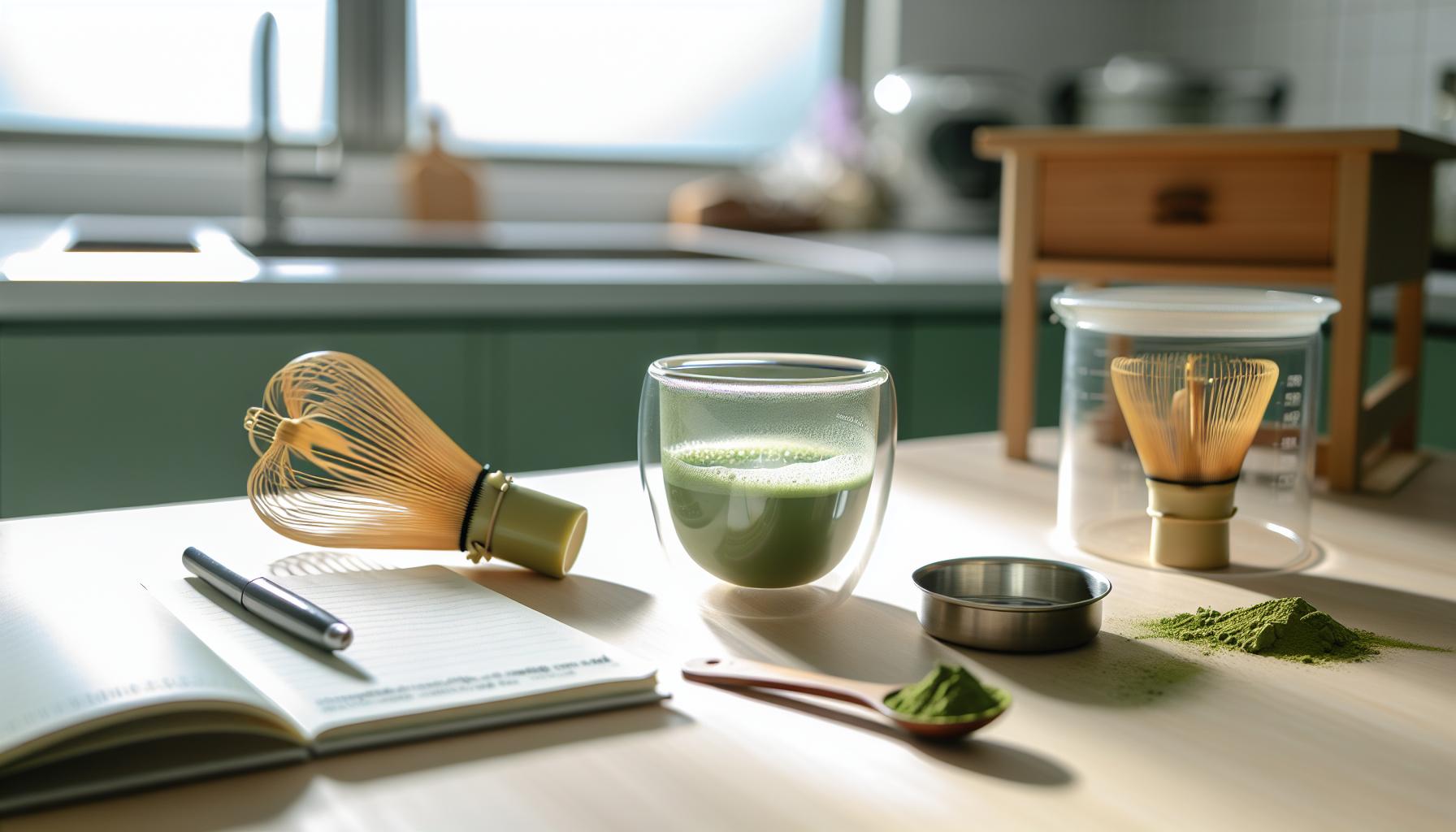
Matcha’s vibrant green powder is beloved for its rich antioxidants and gentle caffeine boost—but while breastfeeding, a mindful approach to how much you consume is truly empowering. since caffeine naturally transfers through breast milk,keeping intake moderate helps prevent overstimulation in little ones and supports your own balanced energy.Most health experts suggest limiting caffeine to about 200–300 mg per day while nursing; considering one teaspoon of ceremonial grade matcha contains roughly 35–70 mg of caffeine depending on strength,starting with half to one teaspoon per day is a thoughtful place to begin.
Every mother’s journey with caffeine is unique. Some infants are more sensitive, especially newborns or premature babies, so you might notice fussiness or sleep disruption even with small amounts.Trusting these subtle cues is important—when in doubt, spacing out matcha consumption to after breastfeeding sessions or early morning hours can reduce caffeine exposure to your baby while preserving your calming ritual. Also, balancing matcha’s iron-binding tannins by sipping it between meals rather than right after eating helps maintain your important postpartum iron levels.
Practical Tips for Smooth, Safe Matcha Enjoyment
- Start Low and Slow: Begin with a small serving—half teaspoon of matcha whisked into about 150 ml warm water or milk alternative—to observe how both your body and baby respond.
- Keep Daily Limits in mind: Aim not to exceed 1 teaspoon daily (up to ~70 mg caffeine), remembering caffeine also comes from other sources like tea, coffee, or chocolate.
- Hydrate and Nourish: Matcha complements a well-rounded postpartum diet—pair it with iron-rich foods like spinach or lean meats to offset any mild effects on iron absorption.
- Choose quality Matcha: Opt for ceremonial grade for smooth flavor and lower bitterness, which helps you enjoy smaller servings comfortably.
| Matcha Amount | Approximate Caffeine Content | Suggested Daily Frequency |
|---|---|---|
| ½ teaspoon (~1 gram) | 35 mg | Once daily, adjust as tolerated |
| 1 teaspoon (~2 grams) | 70 mg | Up to once daily, if no baby sensitivity |
Remember, the aim is to honor your body’s healing and your baby’s cues—not perfection. If you notice restlessness, decrease your matcha dose or try delaying consumption until after nursing. Pair your tea ritual with deep breaths and moments of calm to nurture both your spirit and your body.As a seasoned mom-midwife might say, “A teaspoon of patience mixed with a pinch of self-trust makes the sweetest postpartum tea.”
Best Times to Enjoy matcha for breastfeeding Moms
Finding the best moments to enjoy matcha while breastfeeding is a dance of gentle timing and mindful listening to your body and baby. Since caffeine passes into breast milk and can affect your little one’s sleep and behaviour, choosing times that minimize exposure yet still allow you to savor matcha’s calming, antioxidant-rich qualities can create a soothing ritual without worry. Early mornings or right after nursing sessions are often ideal, as they maximize the gap before the next feeding, giving your body time to process caffeine and easing your baby’s sensitivity.
Many moms find that sipping matcha soon after breastfeeding allows them to enjoy a little energy lift without the caffeine building up in their baby’s system during the next feed. If your baby is a bit more sensitive or older, spacing matcha intake to early afternoon can provide a gentle afternoon pick-me-up while still tapering off well before evening nursing, helping avoid sleep disruptions. Remember, every breastfeeding journey is unique, so tuning in to your infant’s cues — like fussiness or changes in feeding patterns — helps you tailor the timing in a way that respects your rhythms and theirs.
Practical Tips for Choosing Matcha Timing
- After Nursing Sessions: Consume matcha soon after your baby finishes feeding to allow caffeine levels to drop before the next session.
- Morning Ritual: Early morning matcha boosts your energy gently at a natural cortisol peak, supporting postpartum stamina without interfering with nighttime sleep.
- Avoid Late Evening: Limit matcha intake to before mid-afternoon to prevent caffeine-related sleep disturbances for both you and your baby.
- Observe and Adjust: Note any changes in your baby’s sleep or mood after matcha and shift your timing accordingly for a comfortable balance.
- Hydration Balance: Pair your matcha with water or nourishing milk alternatives to stay hydrated and support milk supply.
Creating this quiet matcha moment can be more than just enjoying a drink—it can be a mindful pause in your day to honor your wellbeing and the bond with your baby. many moms I’ve supported cherish this time as it offers gentle grounding amid the whirlwind of postpartum life. If you’re exploring matcha for the first time during breastfeeding, start with small amounts and settle into a rhythm that feels nurturing rather than hurried.
| Best Time to Drink Matcha | Why It Works | Suggested Serving |
|---|---|---|
| after morning nursing | Maximizes caffeine clearance before next feeding | ½ teaspoon in 150 ml warm water or milk alternative |
| Mid-morning (if baby naps longer) | Supports alertness during active mom hours | ½ to 1 teaspoon with food to aid iron absorption |
| Early afternoon (before 3–4 pm) | Provides energy boost without affecting nighttime sleep | ½ teaspoon to 1 teaspoon, adjust based on baby’s sensitivity |
By honoring your body’s unique postpartum needs and gently tuning into your baby’s signals, enjoying matcha can become a mindful ritual that brings calm, nourishment, and a little moment of joy to your busy day. Remember, patience with yourself and your journey is the gentlest gift you can give both you and your baby.
Holistic Tips for Introducing Matcha Postpartum

Introducing matcha into your postpartum routine can feel like a small yet meaningful act of self-care—a moment to reconnect with yourself amid the beautiful chaos of new motherhood. Because your body is still healing and your baby is adjusting to the world, starting slowly and listening to your body’s signals are key.It’s perfectly normal to feel cautious about any new food or drink, especially ones containing caffeine, so think of this as a gentle invitation rather than an obligation.
Begin by choosing high-quality, organic matcha to avoid added pesticides or contaminants, which supports both your health and your milk quality. Start with just a quarter to half a teaspoon brewed in warm water or a milk alternative, sipping mindfully and noting how your baby reacts over the next 24 hours. Some moms find keeping a simple feeding and mood journal helpful to track any changes.If your little one shows signs of restlessness or fussiness after you consume matcha, consider adjusting the dose or timing until you find a comfortable balance. This patient exploration honors the unique chemistry between you and your baby.
Practical Ways to Welcome Matcha Gently
- Mix with Nourishing Ingredients: Combine matcha with oats or smoothies rich in vitamin C to aid iron absorption, which is vital during postpartum recovery.
- Time Your Consumption Thoughtfully: Enjoy matcha after a nursing session to allow caffeine to metabolize well before the next feeding.
- Stay Hydrated: Pair your matcha with plenty of water or lactation-amiable herbs like fennel or ginger to support milk supply and digestion.
- Make It a Ritual: Use your matcha time as a daily moment of mindfulness, a quiet pause to nurture yourself psychologically as well as physically.
- Respect your mood and Energy: On days when exhaustion or stress is higher, consider soothing decaffeinated options or taking a break—your body’s signals always lead the way.
Sample Gentle Matcha Tea Recipe for nursing Moms
| Ingredient | Quantity | Benefit |
|---|---|---|
| Organic matcha powder | ½ teaspoon | Rich in antioxidants; mild caffeine boost |
| Warm water | 150 ml | Hydrating and soothing |
| Fresh lemon or orange juice | 1 tsp | Enhances iron absorption |
| Honey (optional) | 1 tsp | Natural sweetener and antimicrobial |
Preparation: whisk the matcha powder in warm water until frothy. Stir in citrus juice and honey if desired. Sip slowly,ideally after nursing.
Remember,there’s no “right” way to introduce matcha postpartum. The process is as much about honoring your healing journey—the emotional shifts, hormonal waves, and physical recovery—as it is indeed about the beverage itself. Sharing your experiences with trusted friends, doulas, or a breastfeeding support group can provide comfort and insights, reminding you that you’re not alone. Matcha can be a gentle ally, a small ritual of nourishment and calm that supports you on this profound path of motherhood.
DIY Matcha Recipes Tailored for Nursing Mothers
There’s a unique comfort in crafting your own matcha drinks postpartum—a small act of nourishment that honors both your needs and your baby’s delicate rhythms. When preparing matcha recipes as a breastfeeding mom, the goal is balancing antioxidants and gentle caffeine with ingredients that support milk supply, digestion, and calming moments in your day. Since each mom and baby respond differently,start with modest amounts of matcha (about ¼ to ½ teaspoon) and observe how you both feel. Including vitamin-rich fruits and lactation-friendly herbs can enhance both flavor and benefits safely.
Simple Matcha Smoothie for Steady Energy
| Ingredient | Quantity | Benefit |
|---|---|---|
| Organic matcha powder | ½ teaspoon | Antioxidants and mild caffeine for focus |
| unsweetened almond milk | 250 ml | dairy alternative; gentle on digestion |
| Spinach (fresh) | 1 cup | Rich in iron and folate for postpartum recovery |
| Banana (ripe) | ½ medium | Natural sweetness and potassium for energy |
| Chia seeds | 1 tsp | Omega-3 to support mood and milk quality |
| Fresh lemon juice | 1 tsp | Enhances iron absorption |
Preparation: Blend all ingredients until smooth. Sip slowly, ideally after breastfeeding, to allow time for caffeine to process between sessions.
This smoothie offers hydration, gentle energy, and nutrients aligned with your postpartum healing, all while respecting your body’s signals. If you notice any fussiness or sleep disturbances in your baby, reduce the matcha amount or adjust timing.
Warm Matcha Latte with Lactation Support
- Ingredients: ½ tsp organic matcha powder, 200 ml oat milk, 1 tsp honey (optional), ½ tsp ground fennel seeds (brewed or steeped separately)
- Benefit: Oat milk is soothing and supports milk production, honey gently sweetens, and fennel is traditionally known to support lactation.
preparation: Warm oat milk gently on the stove (avoid boiling). Whisk matcha with a splash of warm water to create a smooth paste. Combine whisked matcha with oat milk and stir in honey. sip after nursing for a comforting ritual that respects your body’s healing and hydration needs.
Many moms find that pairing matcha with herbs like fennel or ginger, known for their lactogenic properties, creates nourishment not just for themselves but may encourage healthy milk supply. However, always consult with your healthcare provider about herbal supplements to ensure they are safe for you and your baby.
Matcha Energy Bites to Go
| Ingredient | Quantity | Benefit |
|---|---|---|
| Organic matcha powder | ¼ teaspoon | gentle caffeine and antioxidants |
| Rolled oats | 1 cup | Fiber and sustained energy |
| Natural almond butter | ⅓ cup | Healthy fats for satiety and mood |
| Honey or maple syrup | 2 tbsp | Natural sweetness and antimicrobial properties |
| Ground flaxseed | 1 tbsp | Omega-3 for hormone balance |
Preparation: Mix all ingredients in a bowl until sticky. Roll into small,bite-sized balls. Refrigerate for at least 30 minutes before enjoying. These treats are perfect for speedy, mindful snacking during busy postpartum days.
This recipe supports steady energy without overwhelming caffeine, and the wholesome fats and fiber help stabilize blood sugar, something many new moms appreciate during fluctuating postpartum energy levels.
Remember, the most important ingredient in any recipe is the compassion you hold for your body and your baby’s unique needs. Share your favorite recipes within your support circle to build community around nourishing self-care that embraces motherhood’s tender complexity.
Expert Insights on Matcha and Breast Milk Quality
Many breastfeeding mothers wonder how matcha might influence the quality of their breast milk. While matcha is rich in antioxidants and offers gentle caffeine, its effect on breast milk is generally mild when consumed in moderate amounts. The key is to listen to your body and your baby’s cues—both are unique and adapting to many postpartum changes.Research shows that moderate caffeine intake, such as the small amounts found in typical matcha servings, rarely causes significant issues in breast milk or infant behavior for most dyads. However, sensitivity to caffeine varies widely, so pacing your intake and observing your baby for signs like irritability or sleep changes is wise.
How Matcha’s Components Interact with Breast Milk
Matcha’s antioxidants, including catechins, support maternal health by reducing oxidative stress, which is beneficial during postpartum recovery. These compounds do not accumulate in breast milk in harmful amounts. The caffeine content in matcha is lower and released more slowly compared to coffee, so it’s less likely to cause spikes in your baby’s system. Still, since caffeine does pass into breast milk in small amounts, timing your consumption after nursing sessions can help minimize exposure. Also, hydration is crucial; pairing matcha with nourishing fluids like almond or oat milk can support milk supply and hydration.
Listening to Your Unique Mother-Baby Partnership
Every mother and baby are different. Some infants metabolize caffeine more slowly, leading to fussiness or disrupted sleep if exposed too frequently enough. Others seem unaffected by moderate amounts. Sharing stories from experienced moms often reveals how starting with a tiny amount—about ¼ to ½ teaspoon of organic matcha powder—and gradually adjusting prevents surprises. If you notice your baby becoming unsettled, try spacing out matcha consumption or reducing the amount. Patience with your body’s rhythm honors both your healing and your baby’s comfort.
- tip: Keep a simple log to track your matcha intake and your baby’s mood or sleep patterns,helping you identify what works.
- Consider: combining matcha with gentle lactation-support herbal teas like fennel or ginger, but always check with your midwife or pediatrician before adding herbs.
- Remember: Breast milk quality is influenced by a balance of nutrition, hydration, rest, and emotional well-being—matcha can be a small nourishing part of this, not the whole story.
Embracing matcha as part of your self-care ritual—a warm cup shared with moments of mindfulness—is a beautiful way to honor yourself.Keep your approach gentle and flexible, blending scientific understanding with your intuition and cultural traditions. Your body’s wisdom and responsive care lay the foundation for thriving motherhood, supporting both you and your little one with compassion and calm confidence.
How Individual Differences Affect Matcha Safety
Every mother’s experience with matcha during breastfeeding is uniquely her own. While matcha generally contains less caffeine than coffee and comes packed with antioxidants, how your body and your baby respond can vary widely. For some, a gentle cup of matcha can be a soothing, nourishing ritual that supports postpartum wellness. For others, even small amounts of caffeine might trigger fussiness or disrupted sleep in their little one. Recognizing and honoring this individual variation fosters kindness and reduces pressure during an already delicate phase of life.
Factors That Influence Sensitivity
Several elements shape how caffeine and matcha’s bioactive compounds affect you and your baby:
- Baby’s Caffeine Metabolism: Newborns metabolize caffeine much more slowly than adults,sometimes taking days to clear it from their system. This means that even modest maternal caffeine intake can build up in their bloodstream, potentially causing irritability.
- Maternal Metabolism and Genetics: variations in enzymes (like CYP1A2) affect how quickly you process caffeine. A slower metabolizer may accumulate caffeine in their system, increasing transfer to breast milk.
- Feeding Patterns: How frequently and recently you nurse before drinking matcha can alter exposure levels to your baby. Timing matcha consumption just after feeding or before longer intervals can lessen caffeine transfer.
- Overall Diet and Hydration: A well-balanced diet rich in nutrients supports detoxification and milk quality, while adequate hydration helps your body clear caffeine effectively.
real-World Wisdom from Moms and Midwives
Many experienced mothers find that starting with as little as ¼ teaspoon of high-quality organic matcha and observing their baby’s reactions is the gentlest approach. Tracking patterns in sleep, mood, and feeding helps identify personal thresholds. One mom shared how ginger-laced matcha infusions, sipped slowly between nursing sessions, became her comforting ritual without spiking her baby’s fussiness. A midwife advises: “Trust your instincts. If your baby seems unsettled, scale back or adjust the timing rather than eliminating matcha wholly.”
Each feeding dyad is a partnership, a delicate dance of tuning in and adapting to changing needs over the postpartum months.This patience and openness in trialing matcha uses the best of both science and heart-led care.
- Tip: Maintain a simple log to record your matcha amounts, timing, and any baby responses. This empowers gentle experimentation.
- Consider: Pairing matcha with calming rituals like mindfulness or gentle breathing to further support maternal well-being.
- Remember: No two paths look alike—what’s safe and joyful for one mom might differ for another.
By embracing this variability with compassion, you create a nurturing space for both your healing and your baby’s thriving—honoring your body’s intelligence and the unique rhythms of your mother-baby bond.
Balancing Tradition and Science: Matcha in Postpartum Care
Matcha holds a unique place where centuries-old tradition meets modern science, especially in postpartum care. This vibrant green tea has long been treasured in Japanese culture for its calming, restorative qualities—qualities that many new mothers find deeply nurturing during the whirlwind early months of motherhood. Yet, it’s important to approach matcha with awareness, as scientific understanding about caffeine transfer and individual sensitivities helps guide safe and enjoyable consumption while breastfeeding.
The beauty of including matcha in your postpartum routine lies in its balance: it offers a mild caffeine boost alongside a rich array of antioxidants and L-theanine, an amino acid known for promoting relaxation and mental clarity. This means matcha can gently support postpartum energy without the jitteriness some mothers fear. Many moms share that incorporating small, mindful doses of matcha—such as ¼ to ½ teaspoon whisked into warm water or a milk alternative—becomes a quiet ritual of self-care. They pair it with slow breaths, gratitude, or even a moment by the window, turning it into more than just a drink—a pause for healing.
Honoring Both Science and Cultural Wisdom
While research clearly highlights the need to monitor caffeine intake during lactation, it also reminds us that individual responses vary widely. Tradition encourages a mindful approach—a dance of intuition and trial. Listening closely to your body and your baby’s cues, adjusting amounts or timing, and choosing high-quality, organic matcha can foster both safety and connection. For instance, some moms find that drinking matcha just after nursing or during longer feeding intervals lessens any caffeine transfer to their infant, echoing time-honored practices of pacing and balance.
- Trust Your Rhythm: Combine scientific guidance with your own lived experiences to find what feels right.
- Embrace small Rituals: Make your matcha moment a mindful mini-break, supporting both body and spirit.
- Choose Quality over Quantity: Organic, ceremonial-grade matcha offers purity that aligns with postpartum wellness.
In this sacred postpartum phase, blending the ancient art of tea with evidence-based care creates a gentle, empowering path. It acknowledges the complexity of healing—physical, emotional, and hormonal—and invites you to nurture yourself with kindness, remembering that your wellbeing nourishes your baby most of all.
Frequently asked questions
Q: Can matcha affect my breast milk supply while breastfeeding?
A: Matcha in moderate amounts generally does not reduce breast milk supply. Though, excessive caffeine intake may lead to temporary decreases.To support healthy lactation, keep matcha consumption moderate and stay hydrated. For detailed guidance on safe amounts, see our section on Safe Matcha Consumption in the article.Q: How long after drinking matcha should I breastfeed to avoid caffeine effects on my baby?
A: Caffeine from matcha peaks in breast milk about 1-2 hours after consumption. To minimize baby’s caffeine exposure, try breastfeeding right before or at least 2 hours after drinking matcha. This timing helps reduce caffeine transfer and supports baby’s comfort.
Q: Are there any milk-boosting ingredients I can add to matcha safely while breastfeeding?
A: Yes, adding lactation-friendly ingredients like fenugreek, oats, or flaxseed to matcha can support milk supply naturally. Always introduce these gradually and monitor how your body responds. Check our DIY Matcha Recipes for nourishing blends tailored for nursing mothers.
Q: Is organic matcha safer than regular matcha for breastfeeding moms?
A: Organic matcha is frequently enough preferred during breastfeeding due to lower pesticide residues and contaminants. Choosing high-quality,organic matcha reduces potential exposure to harmful chemicals,supporting both mom’s and baby’s health. See balancing Tradition and Science for more on ingredient quality.
Q: Can matcha help with postpartum energy and mood swings in breastfeeding moms?
A: Matcha’s natural caffeine and L-theanine can gently boost postpartum energy and mood without jitters. These compounds promote calm alertness, which may ease emotional ups and downs common during breastfeeding. Learn more under Health Benefits of Matcha for Postpartum Moms.
Q: What signs should signal me to stop drinking matcha while breastfeeding?
A: If your baby shows irritability, poor sleep, or digestive upset after you consume matcha, consider reducing or pausing intake. Every individual reacts differently,so trust your instincts and consult healthcare providers if needed.Our section on How Individual Differences Affect Matcha Safety offers advice on monitoring.
Q: Are there any interactions between matcha and common postpartum medications or supplements?
A: Matcha can interact with some medications like blood thinners or thyroid drugs. Breastfeeding moms should check with their doctor before combining matcha with postpartum prescriptions or supplements. for holistic safety, refer to our Potential Risks of Matcha During Lactation Explained section.
Q: How can I prepare matcha to maximize benefits while minimizing risks during breastfeeding?
A: Prepare matcha with filtered water, use moderate powder amounts, and avoid adding excess sweeteners. Steeping matcha gently preserves antioxidants and avoids bitterness, supporting safe consumption. Explore DIY Matcha Recipes Tailored for Nursing Mothers for step-by-step preparation tips.
For more helpful tips and personalized support on enjoying matcha safely, explore our full guide. Remember, your postpartum journey is unique, and nurturing yourself with informed choices is key.
Key Takeaways
Navigating the question of whether matcha is safe while breastfeeding means honoring your unique journey and your baby’s needs. With mindful dosing and quality sourcing, matcha can offer gentle energy and antioxidant benefits without compromising lactation or postpartum wellness.Remember, every mama’s body responds differently—slowly introduce matcha and observe what feels best for you and your little one.
If you’re curious about herbal teas safe for nursing or want easy, nourishing postpartum smoothie recipes featuring matcha, explore our [Herbal Tea Guide for New Moms] and [Postpartum Nutrition Tips] to support your holistic self-care. For personalized guidance, don’t hesitate to join our newsletter, where expert midwives and real moms share trusted advice and uplifting stories.
Your breastfeeding experience is deeply personal and evolving. Stay curious, ask questions below, and return anytime—you’re welcome here as you embrace motherhood with confidence and calm.
Make BlossomingMotherhood.Com a Preferred SourceGet our latest guides, news, and insights highlighted in your Google Search & AI Overviews.
✓ Preferred Source Added
Get our latest guides, news, and insights highlighted in your Google Search & AI Overviews.


 CRITICAL DEVELOPMENT WINDOW