
Healthy Recipes for Breastfeeding Moms: Fuel Your Body Right
did you know that what you eat during breastfeeding doesn’t just nourish you—it shapes the quality of milk your baby receives? As a new mother, your body is working hard to heal and provide the best start for your little one. Yet, juggling recovery, sleepless nights, and the demands of feeding can leave you wondering what foods truly support your energy and milk supply. This guide offers gentle, evidence-based recipes crafted with your unique postpartum needs in mind. You’ll find simple meals, soothing teas, and nutrient-rich snacks that honor your body’s healing process while respecting your individual journey. Whether you’re navigating food sensitivities,honoring cultural traditions,or just craving something wholesome and easy to prepare,these recipes aim to empower you—without pressure or judgment. Let’s explore how thoughtful, nourishing choices can help you feel stronger, calmer, and more connected throughout this gorgeous, challenging phase of motherhood.
Contents
- Nourishing Nutrients Essential for Breastfeeding Moms
- Easy, Soothing Recipes to Boost Milk Supply
- Balanced Meal Plans for Postpartum Energy
- Herbs and Teas Safe for Lactation Support
- Healing Foods to Aid Postpartum Recovery
- Quick and Wholesome Snacks for busy Moms
- Hydration Strategies That Benefit Milk Production
- Tailoring Nutrition to Your Unique Motherhood Journey
- Gentle Ways to Incorporate Traditional Foods Safely
- Mindful Eating Tips to Support Emotional Well-Being
- Simple Smoothie and drink Recipes for Daily Wellness
- Recognizing and Managing Food Sensitivities During Breastfeeding
- Q&A
- Q: How can breastfeeding moms safely include superfoods in their daily meals?
- Q: What are the best plant-based protein sources for breastfeeding mothers?
- Q: When is the best time postpartum to introduce new foods to support breastfeeding?
- Q: Why is mindful eating critically important for breastfeeding moms, and how can it affect milk production?
- Q: What are safe ways to add herbs and spices to recipes for lactation support?
- Q: How can breastfeeding moms adapt traditional comfort foods for better postpartum recovery?
- Q: What quick and wholesome snack ideas help busy breastfeeding moms maintain energy throughout the day?
- Q: How does hydration influence breast milk supply, and which drinks are best?
- Concluding Remarks
Nourishing Nutrients Essential for Breastfeeding Moms
Breastfeeding is a beautiful, demanding journey that calls for intentional nourishment—both for you and your little one. Your body works tirelessly to produce milk rich in vital nutrients, and that means your diet plays a quite but powerful role in supporting your energy, mood, and healing. Consider your plate a supportive circle of nutrients that nurture recovery, feed your baby, and honor your body’s unique postpartum rhythm without rushing or pressure.
Key Nutrients to Prioritize
- Protein: Essential for tissue repair and milk synthesis. Incorporate a variety of sources such as lean meats, beans, lentils, eggs, and dairy or plant-based alternatives. Aiming for around 70-100 grams daily helps maintain energy and supports your body’s healing.
- Healthy Fats: omega-3 fatty acids, particularly DHA, are crucial for your baby’s brain and eye progress and support your mood stability. Rich sources include fatty fish like salmon, walnuts, flaxseeds, and chia seeds. If you prefer plant-based options or need supplementation, consider algae-based DHA to avoid mercury exposure.
- Calcium and Vitamin D: These build strong bones for both you and your baby. Dairy, fortified plant milks, leafy greens, and gentle sun exposure help meet these needs.
- Iron: Postpartum iron supports energy levels and prevents anemia. Choose iron-rich foods like lean red meat, spinach, lentils, and complement them with vitamin C-rich fruits to boost absorption.
- Hydration: Milk production requires ample fluids, but listen to your thirst cues rather than forcing; water, herbal teas safe for lactation, and broths are nurturing choices.
Embracing Nutrient Diversity Without Pressure
It’s normal to have days when your appetite fluctuates or your energy dips. Trust that including a colorful variety of whole foods — fruits, vegetables, whole grains, and proteins — helps provide not just the essentials but trace vitamins and minerals that support gentle healing. A warm bowl of oatmeal topped with almonds and berries, or a simple chickpea curry with greens, can fuel your body with comforting, nourishing goodness.
Remember, what works well for one mom may differ for another, especially considering cultural food traditions and personal tolerances. Such as, some mothers find that easily digestible, warm foods like bone broths or stews soothe the digestive system and support milk flow, while others prefer lighter, cooler meals. This is a time for kindness toward yourself and your body’s wisdom.
Simple Nourishing Additions to Try
- Flaxseed Ground: Sprinkle a tablespoon daily on yogurt or cereals to add omega-3s and fiber.
- Leafy Greens: kale, spinach, and collards provide iron, calcium, and folate — vital for replenishing postpartum stores.
- Sweet Potatoes: A rich source of beta-carotene, which converts to vitamin A and supports immune function.
- Fresh Berries & Citrus: Packed with vitamin C and antioxidants to support tissue repair and boost mood.
By embracing these nourishing nutrients with gentle awareness and self-compassion, you empower your body to heal and thrive while sustaining your baby’s growth. Each bite is a loving step on your postpartum path, weaving vibrant health with mindful self-care.
Easy, Soothing Recipes to Boost Milk Supply
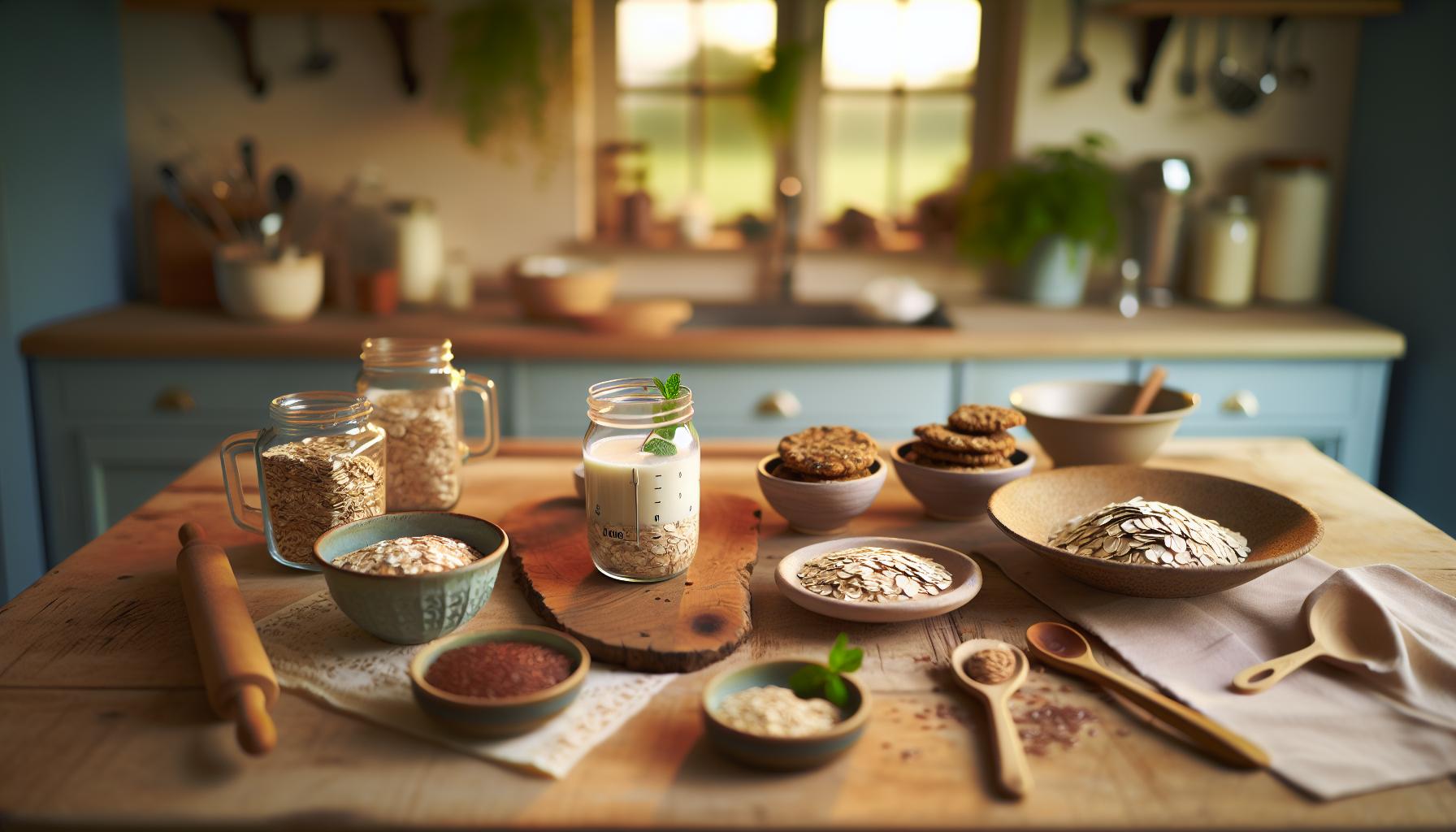
Milk production is a dynamic process influenced by many factors, and certain comforting recipes can gently encourage your body to nourish more effectively. Delicious, nutrient-rich foods that soothe your body while supporting lactation are perfect companions on this journey. Remember, each mom’s response varies—there’s no “magic” recipe, but these easy ideas combine clinical wisdom with warm, healing tradition to uplift both mood and milk flow.
many lactation-friendly recipes focus on hydration, balanced energy, and gentle galactagogues—foods and herbs traditionally known to support milk supply. Incorporating oats, fennel, and brewer’s yeast, as a notable example, can be a nourishing ritual that also calms postpartum nerves. The goal is not to “force” supply but to create a relaxing, nurturing meal or snack that invites your body to respond naturally.
Calming Oat Bowl with Fennel and Almonds
- Ingredients: ½ cup rolled oats,1 cup water or milk (dairy or plant-based),1 tsp ground fennel seeds,1 tbsp almond butter,1 tbsp ground flaxseed,a handful of fresh berries,and a drizzle of honey or maple syrup (optional).
- Preparation: In a pot, cook oats with water or milk and ground fennel on medium heat until creamy (about 5-7 minutes). Stir in almond butter and ground flaxseed for omega-3s and heart-healthy fats. Top with fresh berries and a light drizzle of honey for gentle sweetness.
- Benefits: Oats contain beta-glucan, which some studies suggest may enhance prolactin production, the hormone key to milk supply. Fennel is traditionally used to support milk flow and digestive comfort, while flaxseed adds fiber and omega-3 fatty acids.
Simple lentil and Spinach Stew
- Ingredients: 1 cup red lentils, 2 cups vegetable broth, 1 small onion (chopped), 2 cloves garlic (minced), 2 cups fresh spinach, 1 tsp turmeric, 1 tsp cumin, salt and pepper to taste, olive oil.
- Preparation: Sauté onion and garlic in olive oil until soft. Add spices and red lentils, stirring to coat. Pour in broth,bring to a boil,then simmer until lentils are tender (about 20 minutes). Stir in fresh spinach at the end until wilted.
- benefits: Lentils provide excellent protein and iron to help replenish postpartum needs. Spinach adds calcium and folate, supporting blood and bone health. Turmeric contributes anti-inflammatory properties and gentle warming.
Gentle Lactation-Boosting Tea Blend
- Ingredients: 1 tsp dried fenugreek seeds (use cautiously and consult health care provider), 1 tsp dried fennel seeds, 1 tsp dried chamomile flowers, 1 tsp dried nettle leaves (iron-rich), 2 cups boiling water.
- Preparation: Combine all herbs in a tea infuser or pot. Pour boiling water over herbs and steep for 10 minutes. Strain and sip warm throughout the day.
- Safety note: Herbs can affect hormone levels; fenugreek may cause reactions in some. Always check with your healthcare provider before starting herbal supplements and monitor your baby for any adverse effects.
These recipes are designed to soothe,nourish,and support your lactation gently. They honor the emotional and physical changes of postpartum life, making self-care through food an act of kindness rather than an added chore. Feel encouraged to adapt ingredients based on what feels right for your body, cultural context, and taste preferences.Remember, the most vital recipe is the one that feeds your spirit as much as your body.
Balanced Meal Plans for Postpartum Energy

The journey through postpartum life calls for gentle, well-rounded nourishment that fuels not only your body but also your spirit. After birth, your energy demands are uniquely high—your body is healing, milk is being produced, and sleepless nights often become the norm. A carefully balanced meal plan, rich in whole foods and tailored to your rhythms, supports steady energy, stabilizes mood, and provides the nutrients needed for both recovery and the demands of breastfeeding. Remember, balance means not just choosing the “right” foods, but creating meals that feel comforting, manageable, and satisfying amidst the beautiful chaos of new motherhood.
A balanced meal for postpartum energy thoughtfully combines complex carbohydrates, quality proteins, healthy fats, and a rainbow of fruits and vegetables. These elements work in harmony to sustain blood sugar,support muscle repair,and promote hormonal equilibrium. For example, pairing whole-grain brown rice or quinoa with gently cooked leafy greens and a portion of lean chicken or legumes delivers sustained fuel without crashes. Including omega-3 rich foods like flaxseeds or walnuts can support brain health and emotional well-being,a common need in postpartum phases when mood swings and fatigue are frequent companions. Portion sizes can be flexible because your hunger may ebb and flow with nursing demands.Honoring these shifts without guilt is part of gentle self-care.
Practical Tips for Planning Nourishing, Simple Meals
- Prepare in batches: cooking larger portions of lentil stew or vegetable-rich soups allows you to grab balanced meals quickly on tired days.
- Mix and match proteins and grains: Alternate between animal sources and plant-based proteins to keep options varied and nutrient-diverse.
- Include fiber-rich vegetables: Spinach, broccoli, carrots, and sweet potatoes add vitamins and aid digestion—especially important when healing postpartum.
- Hydrate thoughtfully: Pair your meals with herbal teas or infused waters for hydration that comforts and supports milk production.
- Snack smart: Keep nuts, seeds, and fresh fruit handy for rapid boosts that prevent energy dips between meals.
- Honor cultural foods: Incorporate traditional postpartum recipes that soothe your body and soul, adapting as needed to ensure safety and variety.
Example Balanced meal: Quinoa and Lentil Bowl with Roasted Vegetables
- Ingredients: ½ cup cooked quinoa, ½ cup cooked lentils, 1 cup roasted mixed vegetables (carrots, zucchini, sweet potato), 1 tbsp olive oil, a handful of spinach, and a sprinkle of pumpkin seeds.
- Preparation: toss vegetables with olive oil and roast until tender. warm quinoa and lentils. Combine all with fresh spinach and top with pumpkin seeds for crunch.
- Benefits: Quinoa and lentils provide balanced protein and fiber,roasted vegetables contribute antioxidants and vitamins,olive oil offers healthy fats,and pumpkin seeds add zinc and magnesium—nutrients essential for energy metabolism and immune support.
each mom’s postpartum nutrition needs and preferences are beautifully individual. Rely on your internal cues, celebrate nourishing meals that feel doable, and remember: feeding your body well is one of the kindest gifts you can give yourself and your baby during this tender phase. Take small, loving steps and allow flexibility as your day unfolds. With steady, thoughtful choices, your meal plan becomes a source of strength, comfort, and vitality.
Herbs and Teas Safe for Lactation Support
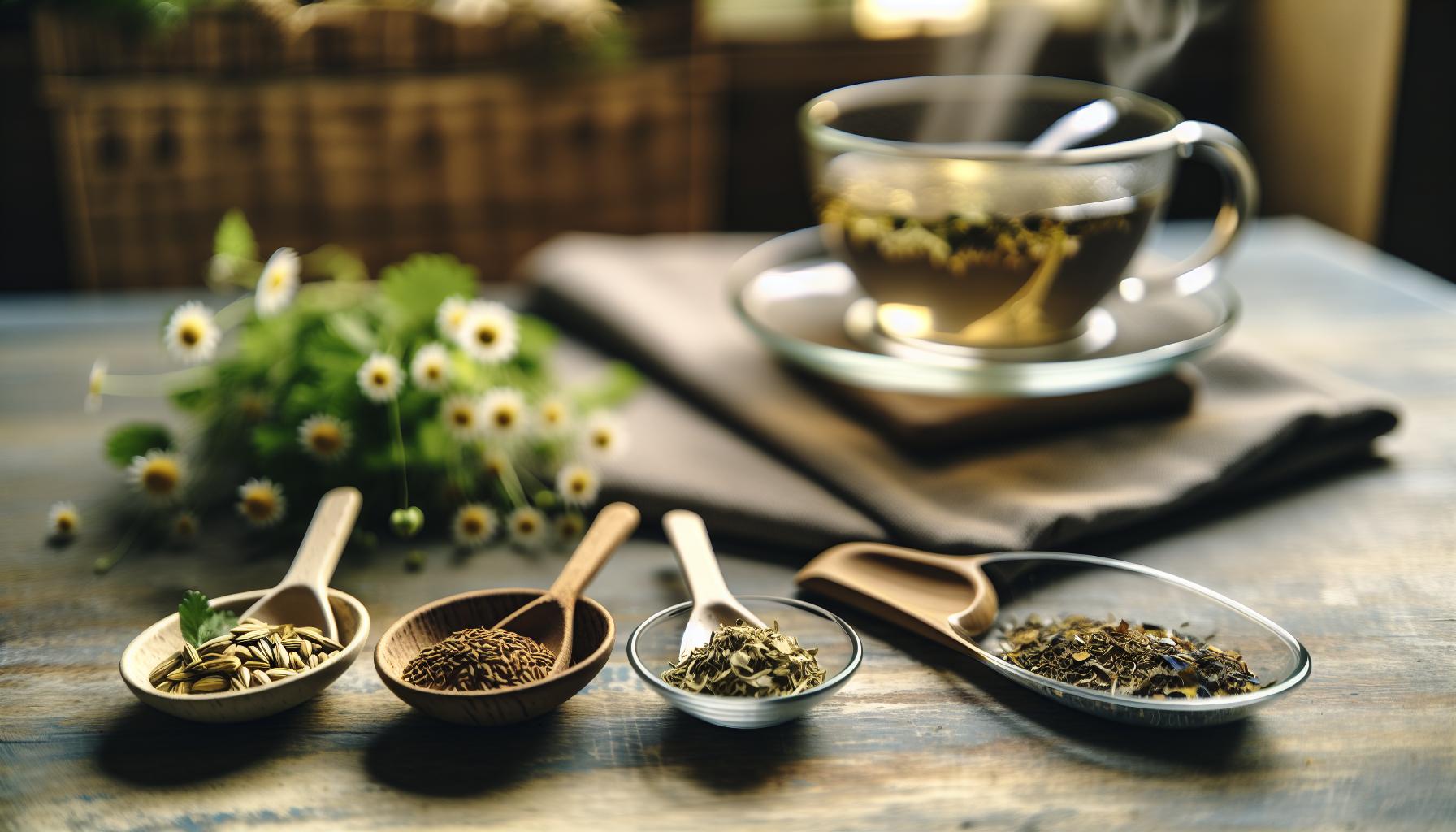
Many mothers find comfort and gentle nourishment in sipping warm, soothing herbal teas during the breastfeeding journey. Certain herbs have a longstanding tradition of supporting lactation by encouraging milk flow and calming postpartum stress, all the while nurturing your body and spirit with each cup. Yet, because breastfeeding is such a delicate phase, it’s essential to choose herbs and teas carefully—prioritizing those known for safety and effectiveness, and always tuning into how your unique body responds.
Here are some herbs and teas frequently embraced by breastfeeding moms, alongside clear tips for safe preparation and use:
- Fenugreek: A popular galactagogue known to help increase milk supply. Start with 1 teaspoon of fenugreek seeds steeped in hot water for 10 minutes. Drinking up to three cups daily is common, but note it may cause a maple syrup scent in sweat or urine—a harmless side effect.
- Fennel: This gentle yet potent seed can promote milk flow and soothe digestive discomfort for both mom and baby. Brew 1 teaspoon of crushed fennel seeds in hot water for 10 minutes. Limit intake to 2–3 cups daily to avoid any hormonal imbalance.
- Red raspberry Leaf: Traditionally used to tone the uterus and replenish minerals postpartum. Though not a direct galactagogue, it supports overall postpartum recovery. Steep 1 teaspoon of dried leaves per cup; sipping 1–2 cups daily can offer calming benefits.
- Nettle Leaf: Nutrient-dense,nettle supports milk production and replenishes iron and calcium levels often depleted after birth. Use 1 teaspoon dried leaves steeped for 10 minutes; best to drink 1–2 cups a day.
brewing a Simple Lactation Support Tea Blend
Combining herbs thoughtfully can provide gentle support without overwhelming your senses or system. Here’s an easy DIY recipe for a nurturing tea blend:
- 1 part fenugreek seeds
- 1 part fennel seeds
- 1 part red raspberry leaves
- 1 part nettle leaves
preparation: Use 1 teaspoon of the mixed blend per cup of boiling water. Cover and steep for 10 minutes. Strain and enjoy warm,up to three cups daily.Always start with smaller amounts to observe how your body and baby respond.
Safety and Personalization Tips
Remember,every mama and baby duo is unique. Before introducing new herbs or teas:
- Discuss with your healthcare provider or lactation consultant—especially if you have allergy sensitivities, medical conditions, or are taking medications.
- Observe your baby carefully for any reactions, like fussiness or rashes, after you try a new herb.
- Start slowly, sipping small quantities and noting effects over days.
- Avoid herbs known to be unsafe during breastfeeding,such as those with hormonal activity or potential toxicity (e.g., sage in large amounts, parsley in medicinal doses, or essential oils internally).
By weaving these herbs into your daily rhythm, you’re not only honoring centuries of traditional wisdom but also gifting yourself moments of mindful self-care. Sip with awareness, and let these gentle flavors offer warmth and encouragement during your nourishing journey of motherhood.
| Herb/Tea | common Use | Preparation | Suggested Dosage | Safety Notes |
|---|---|---|---|---|
| Fenugreek | Increase milk supply | 1 tsp seeds steeped 10 min | Up to 3 cups/day | May cause maple scent; avoid if allergy to legumes |
| Fennel | Support milk flow, digestion | 1 tsp crushed seeds steeped 10 min | 2–3 cups/day | Limit to moderate use; not for hormone-sensitive conditions |
| Red Raspberry Leaf | Postpartum recovery | 1 tsp leaves steeped 10 min | 1–2 cups/day | Generally safe, avoid large doses in early pregnancy |
| Nettle Leaf | Nutrient replenishment, milk support | 1 tsp leaves steeped 10 min | 1–2 cups/day | May lower blood pressure; consult provider if hypotensive |
Healing Foods to Aid Postpartum Recovery
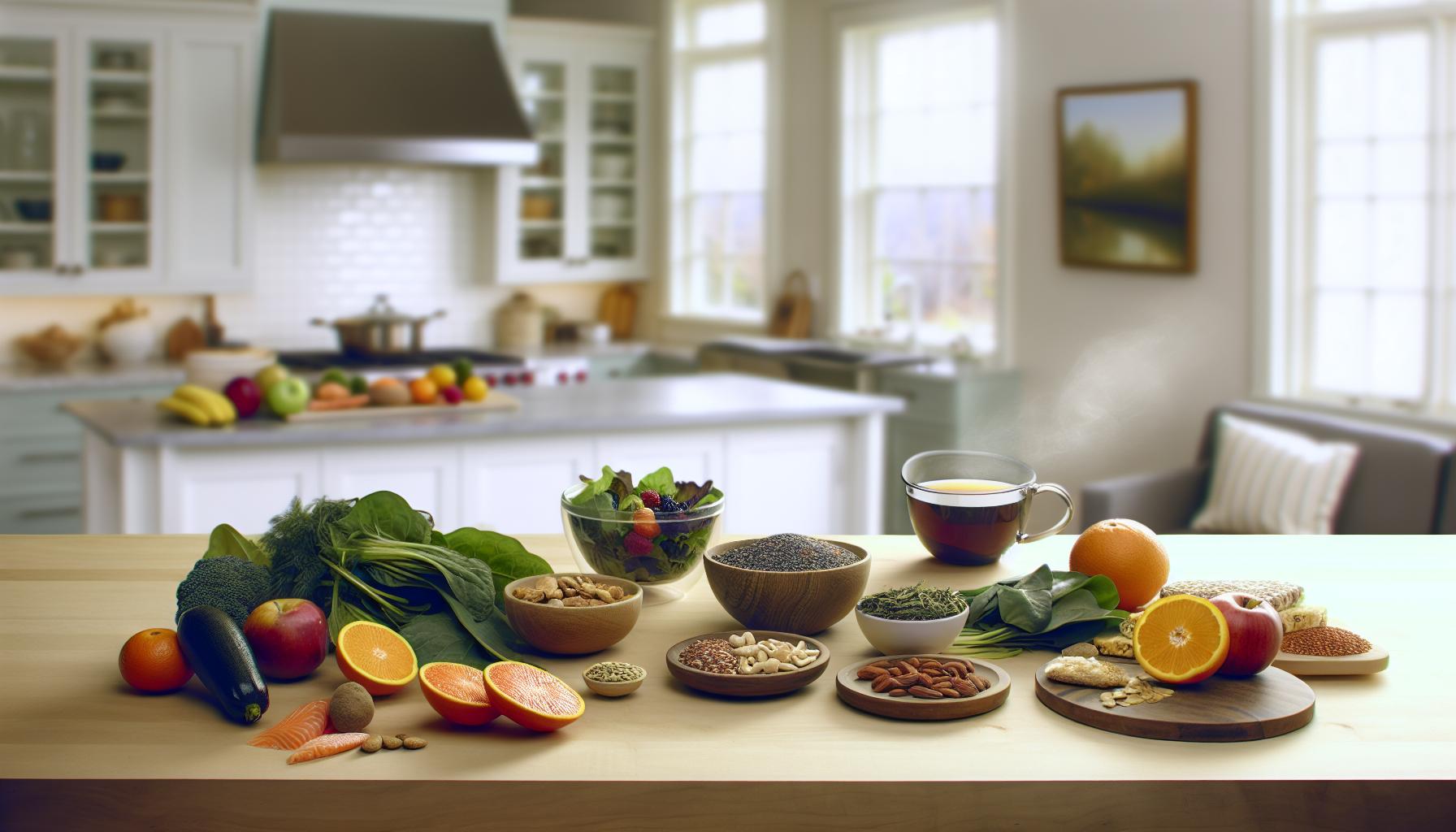
Few things nurture a new mother’s body more deeply than foods that not only replenish lost nutrients but also encourage gentle healing and vitality. After childbirth, whether you experienced a vaginal birth or a cesarean, your body is working overtime to restore strength and balance amidst hormonal shifts, sleep deprivation, and the demands of breastfeeding. Choosing the right healing foods can soothe inflammation, support tissue repair (including the delicate perineum), and boost energy—without adding pressure or complexity to your daily routine.
many traditional cultures honor specific foods for postpartum recovery because of their rich profile in vitamins, minerals, and healing compounds. Think of marrow-rich bone broths, iron-packed leafy greens, vitamin C-loaded fruits, and nourishing proteins that collectively support blood restoration and immune resilience. These nutrient-dense choices work quietly and effectively to ease postpartum fatigue and help you feel more grounded in your body’s ongoing recovery.
Key Healing Foods to embrace
- Bone broth: A comforting staple rich in collagen, gelatin, and minerals like calcium and magnesium that promote tissue repair and soothe digestion. Sip warm, or use it as a base for soups and stews. Homemade versions made by simmering organic bones for 12-24 hours yield the best nourishment.
- Iron and B-vitamin rich foods: After delivery, iron levels frequently enough dip due to blood loss. Support your body with foods like lean red meats, lentils, spinach, and pumpkin seeds. Vitamin B12 from eggs and dairy also help rebuild energy and support neurological health.
- Vitamin C and Zinc foods: Citrus fruits, bell peppers, kiwis, and strawberries enhance collagen production for skin and tissue healing. Zinc—found in nuts, seeds, and shellfish—is vital for immune function and wound repair.
- Healthy fats: Omega-3 fatty acids from sources like wild-caught salmon, walnuts, and chia seeds help counter inflammation and nourish brain function, benefiting both you and your baby’s development.
- Whole grains and complex carbohydrates: foods like quinoa, oats, and sweet potatoes provide steady energy to meet the demands of breastfeeding without glucose spikes or crashes.
A Simple Restorative Soup to Support Healing
Try this easy, nutrient-rich soup designed with postpartum recovery in mind:
- Ingredients: 4 cups bone broth, 1 cup chopped cooked chicken or lentils (for protein), 1 cup kale or spinach, 1/2 cup diced sweet potato, 1/2 cup shredded carrot, 1 small onion, minced garlic, 1 tbsp olive oil, salt and pepper to taste.
- Preparation: sauté onion and garlic in olive oil until soft. Add sweet potato, carrots, and bone broth. Simmer until vegetables are tender. Stir in protein and leafy greens; cook 5 minutes more.Season gently.
- Serving suggestion: Enjoy warm once or twice daily,sipping slowly. Freeze leftovers in single portions for easy nourishment on busy days.
Remember, healing doesn’t come from “perfect” eating but from consistent kindness to yourself and your body’s needs.If your appetite feels unpredictable, focus on small, frequent meals rich in the foods above instead of stressing over “ideal” totals. Some moms find comfort in adding a spoonful of fermented foods like sauerkraut or yogurt, which promote digestion and gut health, key underpinnings of immunity and mood.
Safety and personalization
- Stay mindful of any food aversions or sensitivities postpartum—a common experience—and adjust recipes accordingly.
- consult your healthcare provider if you’re considering supplements or have particular medical concerns like anemia or thyroid issues.
- Honor cultural foods and practices critically important to you, blending tradition with your current needs safely and lovingly.
Let nourishing, healing foods be a soft place to land as you navigate motherhood’s beautiful complexity—fueling your body gently while you embrace its resilience and grace.
Quick and Wholesome Snacks for busy Moms

Few routines demand more flexibility than those of a new mom, especially when breastfeeding calls for steady energy and gentle self-care. Quick snacks become lifelines—not just for convenience but for nurturing your body in those precious moments between feedings or during nap times. Nourishing snacks that combine protein, healthy fats, and fiber can stabilize blood sugar, support milk production, and keep postpartum energy steady without the crash of sugary treats.
Simple preparations that don’t require complex steps or a lineup of ingredients are golden. Think of snacks you can assemble in minutes or even prepare ahead and stash in the fridge or diaper bag. These bites become a loving bridge to meet your body’s needs amid the beautiful chaos of motherhood, honoring your vulnerability and strength in equal measure. Here are some approachable snack ideas crafted with care, perfect for fueling you gently and effectively.
Easy Energy Bites to Keep You Going
- Nut Butter & Fruit Rice Cakes: Spread 1-2 tablespoons of almond or peanut butter on a whole-grain rice cake.Top with sliced banana or apple for natural sweetness plus potassium, which supports muscle function and hydration.
- Greek Yogurt & Berry Parfait: Layer 1/2 cup plain Greek yogurt with fresh blueberries or strawberries, a sprinkle of chia seeds, and a drizzle of honey.This combo offers probiotics for digestion, protein for tissue healing, and antioxidants for immune support.
- Homemade Trail Mix: Combine small handfuls of unsalted nuts (like walnuts or almonds), pumpkin seeds, dried apricots, and a few dark chocolate chips. this mix provides zinc for immune health, iron for replenishing postpartum blood loss, and omega-3s for anti-inflammatory benefits.
DIY Herb-Infused Waters and Teas to Sip Alongside Snacks
- Prepare a jug of warm water infused with fresh mint and lemon slices—hydrating and soothing, this supports milk flow and postpartum digestion.
- Brew a gentle chamomile or fennel tea, both traditionally considered supportive for lactation and relaxation; opt for limited amounts and discuss with your healthcare provider if unsure.
Snack Prep Tips for Real Life
- Batch Prep and Portion: Make energy bites or trail mix in bulk and portion into small containers or snack bags for grab-and-go ease.
- Keep It Visible: Store snacks where you can see them.Out of sight often means out of mind when the days are delightfully busy and overwhelming.
- Listen to Your Body: Hunger cues may shift unpredictably postpartum. Aim for small, regular snacks to sustain you during moments when full meals feel intimidating or time-consuming.
These quick snacks do more than fill your belly—they honor the complexity of your postpartum journey, gently nourishing your body and spirit while underlining the beauty of mothering yourself first. Remember, every bite is a small act of love and care, fueling both you and your baby with warmth and strength.
Hydration Strategies That Benefit Milk Production
When your body is busy nourishing a little life, staying hydrated becomes one of the simplest yet most powerful ways to support both your health and milk supply. Breastfeeding increases your fluid needs, as breast milk is about 88% water. Even mild dehydration can quietly reduce your milk production and zap your energy, leaving you feeling exhausted when you need to feel most present. remember, thirst is not always an early signal—make sipping fluids throughout the day a gentle ritual, not just a reaction to thirst.
Hydration doesn’t mean gulping down plain water alone. Infusing water with fresh herbs and citrus adds flavor and natural nourishment, making hydration a delicious and calming part of your day. You might try:
- Mint & Lemon Water: Fill a pitcher with filtered water, add a handful of fresh mint leaves and thin slices of lemon. Let it infuse for a few hours in the fridge. The mint soothes digestion while lemon offers a gentle vitamin C boost—both supportive in postpartum healing and milk production.
- Fennel Tea: Brew a mild fennel tea by steeping 1 teaspoon of crushed fennel seeds in hot water for 5-10 minutes. Known traditionally to support lactation, fennel also eases digestive discomfort common through postpartum, but start with small amounts and observe how your body responds.
- Coconut Water: Naturally rich in electrolytes like potassium and magnesium, coconut water replenishes minerals lost during labor and breastfeeding, helping maintain fluid balance critical for sustained milk flow.
Practical Tips to Stay hydrated Gently Throughout your Day
- Keep a Favorite Bottle Handy: Whether you’re nursing on the couch or bouncing around during diaper changes, having a personal water bottle within reach encourages regular sipping.
- Pair Drinks With Feeding Sessions: Linking hydration to breastfeeding moments—like taking a few sips right before or after nursing—creates a nourishing habit that can’t be overlooked amid busy days.
- Monitor Urine Color for Hydration Clues: Pale straw-colored urine generally signals good hydration, while darker shades suggest you may need more fluids. This simple check-in can guide gentle adjustments in your daily intake without stress.
Hydration and Beyond: Balancing electrolytes and Fluids
Hydration is about more than just water. Fluid balance also requires electrolytes, especially when you’re breastfeeding around the clock or recovering from birth-related fluid loss. Simple homemade drinks combining water, a pinch of sea salt, and a squeeze of natural fruit juice can help maintain electrolyte levels safely. Consider this easy DIY electrolyte drink:
| Ingredient | Amount | benefits |
|---|---|---|
| Filtered water | 1 liter | Hydration base |
| Freshly squeezed lemon or lime juice | 2 tablespoons | Vitamin C, flavor |
| Sea salt | 1/4 teaspoon | Electrolytes (sodium and trace minerals) |
| Raw honey or maple syrup (optional) | 1-2 teaspoons | Natural sweetness, quick energy |
Mix gently and sip throughout the day, especially on warmer days or when nursing frequently. This gentle hydration aids your body’s balance and promotes more agreeable, plentiful milk flow.
It’s important to listen closely to your own body’s signals. Every mother’s hydration needs will vary with activity, climate, and individual metabolism.While traditional practices and herbs hold valuable wisdom, always ensure safety by consulting your healthcare provider, especially when trying new herbs or supplements. remember: your radiant health and milk supply thrive best on patience, care, and gentle nourishment—a steady stream of water is a kind, loving act you give both yourself and your baby every day.
Tailoring Nutrition to Your Unique Motherhood Journey

Every mother’s postpartum journey unfolds in its own beautiful, sometimes unpredictable way, making a one-size-fits-all nutrition plan not only unrealistic but also unkind. Your body, emotions, and lifestyle all continuously shift in the weeks and months after birth—and so should your nourishing meals.Tuning into what your unique experience demands fosters a deeper connection with yourself and your baby while supporting sustained energy, healing, and milk production without pressure or comparison.
Recognizing the gentle flow of your hormonal rhythms alongside your daily caregiving means valuing flexible nutrition.For instance, some days you may crave warm, healing soups rich in iron and protein—perfect for soothing a healing perineum or recovering from blood loss—while other moments call for quick, nutrient-packed smoothies or snacks because time is scarce. Adjusting what, when, and how you eat to how your body feels isn’t just practical; it’s a radical act of self-care and respect for your postpartum needs.
Practical Ways to Personalize Your Nourishment
- Honor Your Cravings and Tolerances: Pay attention to foods that feel comforting or nourishing vs. those that might trigger discomfort or sensitivities.Breastfeeding can sometimes heighten food sensitivities, so journaling meals and baby’s reactions helps guide choices gently without judgment.
- Incorporate Cultural and Family Traditions: Many cultures offer special postpartum foods or rituals designed to restore vitality and balance. Feel empowered to include these as long as they are safe—such as, nutrient-dense bone broths, mildly spiced teas, or steamed greens—while discussing herbs or supplements with your healthcare provider.
- Adjust Portions and Frequency With Your Energy: Some days call for smaller, more frequent meals; others, a larger, slower meal fits your rhythm better. Trust your appetite signals as honest guides rather than pushing “ideal” eating schedules.
Example: Tailored Smoothie to Support Moderate Energy and Milk Supply
| Ingredient | Amount | Benefit |
|---|---|---|
| Spinach (fresh or frozen) | 1 cup | Rich in folate and iron for blood health and energy |
| Greek yogurt | 1/2 cup | Protein and probiotics supporting digestion and tissue repair |
| Oats (soaked) | 1/4 cup | Traditional lactation support; sustained energy release |
| Flaxseed (ground) | 1 tablespoon | Omega-3s to aid inflammation and hormonal balance |
| Mixed berries (fresh or frozen) | 1/2 cup | antioxidants and vitamin C for immune support |
| Warm water or almond milk | 1 cup | Hydrating base compatible with digestion |
Blend all ingredients until smooth. Sip slowly, noticing how your body responds. Feel free to swap ingredients according to availability, taste, or how your digestion feels day-to-day.
Through this approach, you honor not only your body’s nutritional needs but also the complex emotional terrain you navigate. When feeding yourself becomes an intuitive, adaptable ritual rather than yet another task, nourishment feels like a true act of love—one that ripples outward to your baby and the whole family. Remember, your journey is unique, and providing what you need is a beautiful gift worth celebrating every step of the way.
Gentle Ways to Incorporate Traditional Foods Safely
Many mothers find comfort and strength in the foods that their families and cultures have cherished through generations. These traditional recipes often carry not just nourishment but also a sense of connection and healing, which can be especially soothing in the vulnerable postpartum period.Though, incorporating these familiar foods gently and safely ensures that both you and your baby benefit without unintended effects on milk supply or digestion. Embracing tradition while tuning into your body’s unique rhythms creates a nourishing dance of old wisdom and modern care.
Start by choosing dishes rooted in nutrient-dense ingredients that support postpartum recovery and lactation—think warm bone broths rich in collagen and minerals, lightly steamed greens easy on digestion, or mildly spiced teas known to encourage milk flow. It’s helpful to prepare these with mindfulness toward your body’s signals. For example, if your culture’s postpartum diet includes certain herbs or spices, confirm their safety during breastfeeding by consulting your healthcare provider or a lactation consultant first. Some herbs prized in tradition might not be suitable while nursing, so swapping or adjusting recipes preserves the spirit and benefits without risk.
Practical Tips to Safely Embrace Traditional Foods
- start Small and Observe: When introducing a traditional dish or herb, offer a small portion and watch for any changes in your baby’s behavior or digestion, such as fussiness, rash, or gassiness. Keeping a simple food-and-symptom journal can definitely help spot patterns over time without stress or judgment.
- Balance Warmth and Hydration: Many postpartum traditions emphasize warm foods and fluids. Enjoy gentle broths or teas that can soothe your digestive system and provide hydration—a key—but pair them with lighter fresh foods as your appetite returns and milk production stabilizes.
- Customize Recipes With Safe Substitutes: If your favorite traditional ingredient is questionable in lactation, try healthful alternatives that share similar flavors or benefits. such as, swap high-caffeine teas with herbal lactation blends known to support milk flow, and replace heavier fats with nourishing oils like olive or coconut that aid healing without taxing digestion.
DIY Soothing Postpartum Bone Broth
| Ingredient | Amount | Benefit |
|---|---|---|
| Beef or chicken bones | 2-3 lbs | Rich in collagen for tissue repair and minerals |
| carrot, celery, onion (chopped) | 1 cup each | Vitamins and antioxidants to support healing |
| Garlic (crushed) | 2 cloves | Anti-inflammatory properties, gentle flavor |
| Apple cider vinegar | 2 tablespoons | Helps extract minerals from bones |
| Water | Enough to cover ingredients | Hydration and base for nutrient extraction |
| Fresh parsley or thyme (optional) | A few sprigs | Flavor and mild antioxidants |
Preparation Steps
- Place bones and vegetables in a large pot. Pour in apple cider vinegar and cover with water.
- Let sit 30 minutes before heating, allowing vinegar to draw minerals.
- Slowly bring to a simmer, then reduce heat to low and cook for 12–24 hours, adding water as needed.
- Strain broth, discard solids, and sip warm throughout the day, especially when craving nourishing warmth.
This simple recipe honors the timeless wisdom of traditional foods that gently restore your strength and support milk production.Remember, postpartum healing unfolds slowly; allowing yourself grace and curiosity as you explore which traditions resonate best with your body and baby makes feeding yourself an intimate, comforting ritual.By valuing ancestral knowledge without ignoring modern lactation insight, you create a rich, nourishing postpartum experience—one that celebrates motherhood’s gifts while safeguarding well-being. Your personalized blend of traditional and contemporary nourishment is a powerful form of self-care and love for both you and your little one.
Mindful Eating Tips to Support Emotional Well-Being
Eating with awareness during the postpartum period can be a powerful tool to nurture both your body and your emotional well-being. This time is often marked by hormonal fluctuations, sleep deprivation, and the overwhelming joys and challenges of caring for a newborn—factors that all influence appetite, mood, and digestion. By embracing mindful eating,you can create moments of calm,connection,and self-compassion amidst the busyness. Simply slowing down to savor your food—not just for nutrition but as a form of gentle self-care—helps in grounding your emotions and honoring your healing body.
Listening deeply to hunger and fullness cues can prevent the common postpartum pitfalls of overeating triggered by stress or, conversely, skipping meals due to fatigue or distractions. Try to set aside small, peaceful moments free from screens or interruptions to truly taste and appreciate each bite. This not only supports better digestion but also fosters an intimate awareness of what your body needs—be it more nourishing fats,protein,or comforting warmth. For example, a nourishing oatmeal bowl with walnuts, fresh berries, and a drizzle of honey can fuel your day and feel like a hug from the inside out.
Simple Practices to foster Mindful Eating
- Create a Calm Eating Habitat: Choose a quiet, cozy spot for meals or snacks. This intentional pause allows your nervous system to relax and better digest food, which is especially helpful when tired or stressed.
- Engage Your Senses: Notice the colors, textures, and aromas of your food. Smelling an herbal tea or feeling the warmth of a homemade bone broth can soothe emotional tension and encourage milk flow.
- Honor Your Emotions With Compassion: It’s okay if some days you crave comfort foods or have a smaller appetite. Mindful eating is not about perfection—it’s about understanding and meeting your body’s needs without judgment.
- Keep a Food-and-Feeling Journal: Track how different foods affect your mood and energy. This awareness can guide your choices and reveal patterns that support emotional balance and lactation more effectively.
Breathing Into Your Meal: A Mini Ritual
Try this quick practice before you eat or drink:
| Step | Action | Benefit |
|---|---|---|
| 1 | Pause and take 3 slow, deep breaths | Calms the nervous system, preparing digestion |
| 2 | Set an intention for your meal (e.g., ”Nourishment,” “Calm”) | Focuses your mind and fosters gratitude |
| 3 | Take small bites, chew slowly, and savor each mouthful | Improves digestion, reduces overeating |
| 4 | Notice how the food makes your body feel | Builds awareness of what supports your well-being |
Remember, no two motherhood journeys are the same. what soothes and sustains one mom may differ widely from another’s needs or traditions. The kindness you extend toward yourself in these moments is as nourishing as any recipe—holding you gently while your body, heart, and spirit grow in tandem.
Simple Smoothie and drink Recipes for Daily Wellness
Nourishing your body with simple, nutrient-rich smoothies and drinks can be a beautiful, soothing ritual during the busy postpartum days. These easy-to-make beverages offer quick hydration, gentle energy boosts, and lactation support while honoring your body’s healing process. Whether you seek to increase milk supply, restore vital nutrients, or simply enjoy a comforting, flavorful treat, blending whole foods and gentle herbs offers practical, loving self-care any time of day.
Many breastfeeding moms find that including ingredients rich in protein, calcium, iron, healthy fats, and antioxidants can make a notable difference in postpartum vitality. Adding lactation-friendly herbs like fenugreek, fennel, or blessed thistle—when used thoughtfully and safely—can complement your efforts. Remember, every mom’s response to foods and herbs varies, so start with small amounts and observe how you feel. Trusting your body and adjusting recipes to your preferences is part of this nurturing journey.
Nourishing Smoothie Recipes for Postpartum Wellness
- Creamy Oat & Blueberry Lactation Smoothie
benefits: Oats support milk production and provide fiber
Ingredients:– 1/2 cup rolled oats (soaked in water or milk for 10 mins)
– 1 cup blueberries (fresh or frozen)
- 1 cup unsweetened almond or oat milk
– 1 tbsp ground flaxseeds (rich in omega-3s)
– 1 tsp honey or maple syrup (optional)
– A pinch of cinnamon for warmth
Preparation: Blend all ingredients until smooth. Enjoy immediately for a filling, antioxidant-rich start to your day. - Green Goddess Hydration Smoothie
Benefits: Spinach enhances iron, cucumber hydrates, while lemon supports digestion
Ingredients:– 1 cup baby spinach leaves
- 1/2 cucumber, sliced
– 1/2 green apple, cored
- Juice of 1/2 lemon
- 1 cup coconut water
– A small sprig of fresh mint (optional)
Preparation: Blend until smooth. Sip slowly for gentle hydration and a calming digestive boost.
Soothing Herbal Drink Ideas Safe for Lactation
Herbal infusions can be tender, warm companions to your breastfeeding routine.Many herbs known for lactation support can also soothe postpartum nerves and ease digestion. Always consult your healthcare provider before introducing new herbs, especially if you or your baby have sensitivities.
| Herbal Drink | Key Ingredients | Benefit | Preparation |
|---|---|---|---|
| Fennel & Chamomile Tea | Fennel seeds, chamomile flowers | Supports milk flow and calms digestion | Steep 1 tsp fennel seeds + 1 tsp chamomile in hot water for 5-7 mins. Strain and sip warm. |
| Ginger Lemon Honey Brew | Fresh ginger, lemon juice, raw honey | Anti-inflammatory, aids digestion, boosts immunity | Simmer sliced ginger in water for 10 mins.Add lemon and honey once cooled slightly. |
| Red Raspberry Leaf Tea | Dried red raspberry leaves | Supports uterine healing postpartum and gentle lactation aid | Steep 1 tsp dried leaves in boiling water for 8 mins.Consume up to 2 cups daily. |
By incorporating these recipes and drinks into your day, you’re inviting gentle nourishment and hydration that honors your unique body and its needs. Keep ingredients fresh and organic when possible, and listen lovingly to what feels right. This time of wellness is not about rushing or perfection—it’s about embracing small moments where you care for yourself with kindness and intention.
Recognizing and Managing Food Sensitivities During Breastfeeding
Many breastfeeding moms discover that certain foods can unexpectedly affect their baby’s comfort or feeding experience. It’s important to remember that while true food sensitivities on breast milk are relatively uncommon, they can cause fussiness, digestive upset, or skin reactions in some little ones. Tuning in with gentle patience and curiosity—rather than alarm—helps create a safe space to notice patterns and honor both mom and baby’s needs. Sensitive babies may seem gassy, irritable, or have mild rashes after feeding, prompting thoughtful exploration rather than hasty elimination of foods.
Tracking your diet alongside your baby’s symptoms over a week or two can highlight potential triggers. Common culprits include dairy, caffeine, spicy foods, and sometimes nuts or citrus. But every dyad is unique, and what unsettles one baby might be perfectly fine for another. to support both your nourishment and your baby’s comfort, start with small, mindful dietary adjustments. If you spot a possible offending food, try cutting it out for 2-3 weeks, then gradually reintroduce to observe any changes. Throughout this process, trust your intuition and lean on your healthcare provider or lactation consultant for guidance.
Simple Strategies to Manage Food Sensitivities While Breastfeeding
- Keep a Food and Symptom Journal: Note what you eat and any baby fussiness,digestive issues,or skin flare-ups. Small details can reveal helpful clues.
- Introduce One Change at a Time: Avoid removing multiple foods at once to better understand your baby’s response.
- Choose Nutrient-Dense Alternatives: If eliminating dairy,for example,seek calcium-rich substitutes like fortified plant milk,leafy greens,or tofu to support your postpartum needs.
- Practice Self-Compassion: Managing sensitivities can feel overwhelming. Celebrate small wins and remember that your well-being is vital to your family’s happiness.
- Stay Hydrated and Nourished: Even when adjusting your diet, prioritize balanced meals and hydration to sustain energy and promote milk production.
When to Seek Professional Support
If your baby shows persistent symptoms like extreme colic, eczema, or poor weight gain despite dietary tweaks, consult with a pediatrician or a lactation expert. They might reccommend allergy testing or provide tailored advice. Remember, breastfeeding thrives on trust—trust in your body, your baby, and your support network. Adjusting your diet in a gentle, informed way honors this precious bonding time and fosters feeding confidence for both of you.
Every mother’s journey is beautifully different. Embracing flexibility, kindness, and clear dialog with your care team turns food sensitivities into manageable steps rather than obstacles, ensuring you both feel nourished, supported, and loved.
Q&A
Q: How can breastfeeding moms safely include superfoods in their daily meals?
A: Breastfeeding moms can safely add superfoods like chia seeds,spinach,and berries by incorporating them into smoothies,salads,or oatmeal. Start with small portions to monitor baby’s tolerance, and choose organic when possible to avoid pesticides. For tailored ideas, see our Simple Smoothie and Drink Recipes for Daily Wellness section for easy, nutrient-rich combinations.
Q: What are the best plant-based protein sources for breastfeeding mothers?
A: Excellent plant-based proteins include lentils, chickpeas, quinoa, and tofu, which help fuel postpartum energy and support milk quality. Combining these with whole grains ensures complete amino acids. Try including them in balanced meals mentioned in our Balanced Meal Plans for postpartum energy for optimal nourishment.
Q: When is the best time postpartum to introduce new foods to support breastfeeding?
A: New foods are best introduced gradually after the first 6 weeks postpartum, once breastfeeding has stabilized. This allows moms to notice any baby’s sensitivities and adjust accordingly. Refer to Recognizing and Managing Food Sensitivities During Breastfeeding for step-by-step guidance on safe food introduction.
Q: Why is mindful eating critically important for breastfeeding moms, and how can it affect milk production?
A: Mindful eating helps reduce stress and supports hormonal balance critical for milk production. Focusing on hunger cues and eating slowly aids digestion and nutrient absorption. Explore our Mindful Eating Tips to Support Emotional well-Being for practical ways to cultivate calm, nourishing meals amid busy motherhood.
Q: What are safe ways to add herbs and spices to recipes for lactation support?
A: Adding gentle herbs like fennel, ginger, and turmeric in moderate amounts boosts lactation and digestion safely. Avoid large doses or unknown herbs without consulting healthcare providers. Our Herbs and Teas Safe for Lactation Support section provides detailed recipes and safety tips to enrich your meals thoughtfully.
Q: How can breastfeeding moms adapt traditional comfort foods for better postpartum recovery?
A: Modify traditional comfort foods by swapping in nutrient-dense ingredients like whole grains, lean proteins, and healing vegetables to support recovery without excess fat or sugar. Check Gentle Ways to Incorporate Traditional Foods Safely for simple recipe tweaks honoring both culture and body healing.
Q: What quick and wholesome snack ideas help busy breastfeeding moms maintain energy throughout the day?
A: Nut butter on whole grain toast, yogurt with nuts and berries, and energy balls made with oats and seeds are quick, nourishing snacks to sustain energy. Preparing snacks ahead saves time. See our Quick and Wholesome Snacks for Busy Moms for easy recipes that balance taste and nutrition.
Q: How does hydration influence breast milk supply, and which drinks are best?
A: Proper hydration directly supports milk volume and quality. Water, herbal teas (like chamomile), and diluted fruit-infused water are best. Avoid excessive caffeine and sugary beverages. Our Hydration Strategies That Benefit Milk Production section offers practical tips and recipes to keep you comfortably hydrated.
feel encouraged to explore these answers within the broader context of your nutrition journey and visit our detailed recipe sections for warm, practical support as you nurture both your baby and yourself.
Concluding Remarks
Nourishing your body with thoughtful, nutrient-rich recipes is a compassionate way to support lactation and postpartum healing. Remember, every mother’s journey is unique—these easy, safe meals and herbal teas are designed to complement your needs, helping you feel energized and cared for as you nurture your little one. For personalized guidance, explore our Postpartum Self-Care Tips and Gentle Lactation Boosters to deepen your understanding and comfort.
ready to continue this journey? Sign up for our newsletter to receive fresh recipes, expert insights, and heartfelt stories from fellow moms that uplift and inspire. If you have questions or want to share your own favorite recipe,join the conversation below—we’re a community bound by empathy,respect,and shared wisdom. Dive into related topics like Holistic Postpartum Healing next, and keep fueling your body with kindness, one bite at a time. your well-being matters, always.
Get our latest guides, news, and insights highlighted in your Google Search & AI Overviews.


 WARNING TO PARENTS