
Breastfeeding Safe Teeth Whitening: Your Options Explained
Did you know many new moms wonder if it’s safe to brighten their smile while breastfeeding? Teeth whitening during this special time can feel uncertain, with concerns about safety and the ingredients used. The good news is, some options are considered safe and gentle, allowing you to care for yourself without worry.This guide will gently walk you through what teeth whitening means while nursing, share expert insights, and help you explore choices that honor your body’s healing journey and your little one’s well-being. Together, we’ll navigate this with warmth and care, so you feel confident and supported in your self-care routine. Let’s shine a light on safe,nurturing teeth whitening methods designed with you in mind.
Contents
- Understanding Teeth Whitening and Breastfeeding Safety
- Why Whitening Matters for Nursing Moms
- Safe Ingredients in Teeth Whitening Products
- At-Home teeth Whitening Options for Breastfeeding Mothers
- Professional teeth Whitening: What to Expect
- Natural Teeth whitening Remedies That Are Breastfeeding-Friendly
- Timing Teeth Whitening Treatments Around Feeding Schedules
- Potential Risks and How to Minimize them
- Expert Tips for Maintaining a Bright Smile While Nursing
- balancing Self-Care and Baby’s health During Whitening
- Real Moms’ Experiences with Whitening While Breastfeeding
- FAQ
- Q: How can I safely whiten my teeth at home while breastfeeding?
- Q: Are there specific whitening ingredients I should avoid while nursing?
- Q: When is the best time to schedule professional teeth whitening during breastfeeding?
- Q: Can lifestyle changes help maintain teeth whiteness while breastfeeding?
- Q: What natural whitening remedies are safest during breastfeeding?
- Q: How do teeth whitening treatments affect breastfeeding hormones and milk supply?
- Q: What should I do if I experience tooth sensitivity during whitening while breastfeeding?
- Q: Are there any teeth whitening options specifically designed for breastfeeding mothers?
- In Summary
Understanding Teeth Whitening and Breastfeeding Safety
Many new mothers find themselves wondering if the desire for a brighter smile can safely fit into the delicate months of breastfeeding. It’s a natural wish to feel confident and cared for, even while embracing the demanding, stunning journey of nursing. the good news is that many dental professionals agree teeth whitening can be approached thoughtfully during this time—but with a mindful eye on safety and product choice.Because breastfeeding passes nutrients and sometimes small amounts of other substances to your baby, understanding how whitening products interact with your body and milk is essential to protect your little one and your own wellbeing.
While direct research on teeth whitening and breastfeeding safety is limited, the prevailing expert consensus leans toward caution yet reassurance. Most whitening treatments are topical—meaning the active ingredients stay in your mouth and generally aren’t absorbed into the bloodstream in significant amounts. For example, hydrogen peroxide, a common component in whitening gels, tends to break down quickly and is unlikely to reach your breastmilk in harmful levels. Though, as every mother and baby pair is unique, many dental professionals recommend consulting with your healthcare provider before starting any whitening regimen. This conversation helps you weigh individual factors like your baby’s sensitivity, personal allergies, and your overall dental health.
Balancing Safety and Self-Care during Breastfeeding
- Choose gentle products: Avoid strong whitening strips or in-office treatments with high peroxide concentrations during breastfeeding. Look for formulations designed with nursing moms in mind.
- Consider timing: Whitening promptly after feeding or right before your baby’s longest sleep stretch can help minimize any theoretical exposure.
- Focus on minimal ingestion: Avoid swallowing whitening gels or pastes, and rinse thoroughly to reduce any residue.
Many nursing mothers report accomplished whitening experiences by opting for milder, at-home options or by spacing dental visits until after breastfeeding concludes. Remember, your smile is a reflection of your radiant journey through motherhood—there’s no rush, just gentle care.Approaching whitening with patience and informed choices nurtures both your confidence and your baby’s safety, honoring the complexity of postpartum life with calm and kindness[[1]](https://www.edgecliffdentalcare.com.au/is-it-safe-to-undergo-teeth-whitening-while-breast-feeding/)[[3]](https://www.breastfeedingnetwork.org.uk/factsheet/dental-treatment/).
Why Whitening Matters for Nursing Moms
Few things brighten a new mother’s world quiet like reclaiming a smile that reflects her inner glow. During the demanding months of breastfeeding, it’s common to feel pulled in many directions—physically, emotionally, and socially. Yet, nurturing yourself with simple self-care rituals like teeth whitening can offer a gentle boost in confidence, reminding you that your needs deserve attention too. This small act holds power beyond appearance; it’s about honoring your journey, and quietly celebrating moments of joy amid the beautiful exhaustion of nursing.
The desire to whiten teeth while breastfeeding isn’t just vanity—it’s deeply rooted in wellness and mental health. Feeling good about your smile connects to self-esteem, which in turn supports the patience and calm so needed when caring for a tiny human. Plus, hormonal shifts postpartum can sometimes affect teeth color and sensitivity, making a safe whitening routine a thoughtful way to care for your changing body. Remember, this process isn’t about rushing back to “before baby”—it’s about embracing who you are now, with kindness and respect to your body’s ongoing healing.
- Prioritize safety and gentleness: Whitening during lactation is best approached with caution, choosing mild products that minimize potential chemical transfer through breastmilk.
- Timing matters: Scheduling whitening treatments just after breastfeeding or before longer sleep stretches can reduce any theoretical exposure to your little one.
- Customization supports well-being: Every mother’s lactation and dental health are unique—consulting with your dentist can tailor a safe, effective plan that fits your rhythm.
By weaving whitening into your postpartum wellness toolkit—mindful of natural healing and baby’s needs—you’re fostering a balanced path of self-love and safety. Many nursing moms find that approaching whitening with patience and knowledge is one of the gentlest ways to nurture a sparkling smile alongside their nurturing hearts.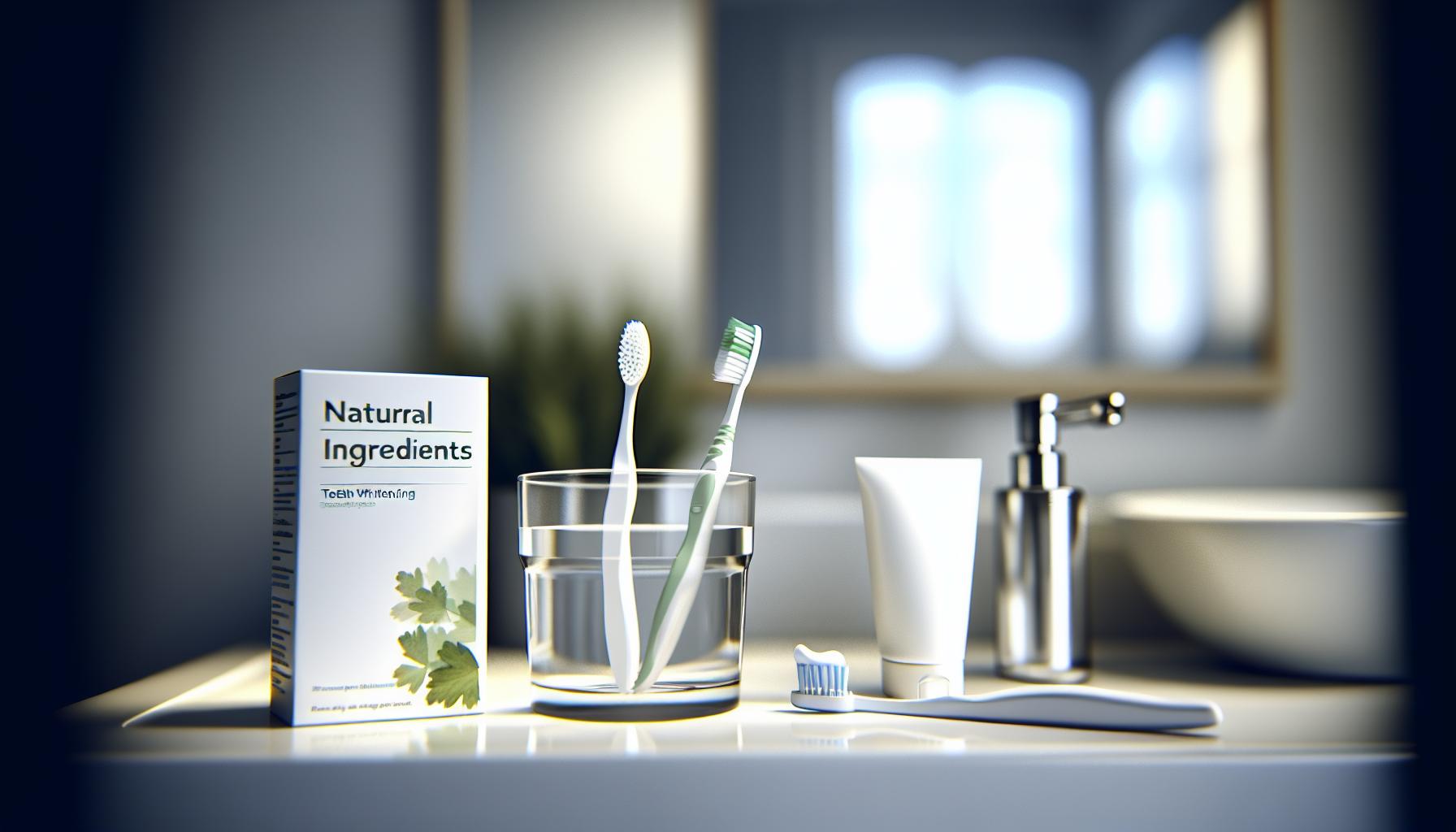
Safe Ingredients in Teeth Whitening Products
Many new mothers wonder how to safely brighten their smile without worry during breastfeeding. It’s empowering to know that some teeth whitening ingredients are gentle and thoughtfully chosen to minimize any risk to you and your baby. Because your body is guiding precious nourishment,opting for products with mild,non-toxic ingredients supports both your well-being and your child’s health. The key lies in understanding which components are generally regarded as safe and how they work within the delicate postpartum phase.
Peroxide compounds—mostly hydrogen peroxide or carbamide peroxide—are the most common active agents in whitening products. While they are effective, many breastfeeding experts and dental professionals reassure that the small quantities used in whitening tend to metabolize quickly and are unlikely to pass into breastmilk at significant levels [1] [2]. Still, for mothers wanting to be extra cautious, products labeled with lower peroxide concentrations (frequently enough under 10%) or those designed explicitly for sensitive gums offer a kinder option.
Alongside these, some whitening products incorporate natural-derived ingredients that bring gentle polishing or stain-removal benefits without harsh chemicals. Ingredients like activated charcoal, baking soda, and papaya enzyme have been traditionally used to brighten teeth with minimal systemic absorption. Though scientific evidence varies, many breastfeeding moms find these options reassuring, especially when combined with good dental hygiene habits.
- Hydrogen Peroxide & Carbamide Peroxide (Low Concentration): Effective whitening agents that break down stains. safe in mild doses; best to consult your dentist for personalized recommendations.
- Activated Charcoal: A natural absorbent that can gently lift surface stains; use sparingly to avoid enamel abrasion.
- Baking Soda (Sodium Bicarbonate): Mildly abrasive natural ingredient that whitens and neutralizes acids; excellent for sensitive teeth.
- Papaya Enzyme: Contains natural enzymes that help break down stains; generally gentle and safe but watch for unexpected sensitivities.
How to Choose Wisely and Use Safely
When selecting a whitening product, look for those explicitly tested or recommended for sensitive mouths or pregnancy/postpartum use. Always read ingredient lists carefully and steer clear of varieties containing alcohol, excessive flavors, or unnecessary chemical additives which may irritate tender gums or pose unknown risks.
If you prefer at-home DIY methods, keep recipes simple and natural. Such as, a gentle paste made from a pinch of baking soda mixed with water can be used once weekly to polish teeth. Avoid frequent use of acidic substances like lemon juice, which can erode enamel and increase sensitivity.
Remember, each mother’s body is unique during lactation. What works beautifully for one may feel too intense for another. Paying attention to your oral comfort and consulting with your dental care provider will help you develop a mindful whitening routine that honors your body’s ongoing healing—as well as the special bond you share with your little one.
| Ingredient | purpose | Safety Notes for Nursing Moms |
|---|---|---|
| Hydrogen Peroxide (≤10%) | Breaks stains, whitens enamel | Generally safe at low doses; metabolizes quickly; consult dentist |
| Carbamide Peroxide | Whitens teeth slowly; gentler than hydrogen peroxide | Safe in small amounts; recommended for sensitive gums |
| Activated Charcoal | Absorbs surface stains; natural detoxifier | Use sparingly; avoid abrasive effects; safe with caution |
| Baking Soda | Mild abrasive; neutralizes acids | Safe; good for sensitive teeth; avoid overuse |
| Papaya Enzyme | Breaks down stain proteins | Generally mild; watch for allergies |
At-Home teeth Whitening Options for Breastfeeding Mothers
Many breastfeeding moms find themselves hesitant about whitening their teeth at home, wanting to keep both themselves and their little one safe. The good news? There are several gentle, effective options that nurture your smile without disrupting your body’s natural postpartum balance. As breastfeeding involves complex hormonal and physical rhythms, choosing mild products and mindful routines helps maintain your comfort and confidence during this tender phase.
When considering at-home whitening, it’s wise to lean toward formulations with low concentrations of hydrogen peroxide or carbamide peroxide (usually under 10%). These active ingredients break down stains efficiently but metabolize quickly, minimizing any chance they transfer into breastmilk in significant amounts.Though,if you prefer to avoid peroxides altogether,nature offers some supportive allies like baking soda,activated charcoal,and papaya enzyme,which many moms have embraced for their gentle polishing and brightening effects. Using these with care can create a pleasing glow while respecting sensitive teeth and gums, common concerns in postpartum care.
DIY Whitening Paste: Safe and Simple
Here’s a nurturing recipe that feels like a self-care ritual:
- Ingredients: 1 teaspoon baking soda, a few drops of water (enough to make a pasty texture), and a pinch of finely ground turmeric (optional for extra mild stain-lifting and anti-inflammatory support).
- Method: Mix ingredients into a smooth paste. Using a soft toothbrush, gently polish your teeth with the paste for 1–2 minutes, then rinse thoroughly.
- Frequency: Use once a week to avoid enamel wear, especially if your teeth feel sensitive postpartum.
Baking soda neutralizes acids that wear down enamel and helps lift stains without harsh abrasives. Adding turmeric is popular in some holistic traditions for oral health, but always test on a small area first to ensure you don’t have sensitivities. Avoid acidic home remedies like lemon juice, which can erode enamel and heighten sensitivity, especially in the postpartum period when enamel resilience might be lower.
choosing Over-the-Counter Whitening Products Mindfully
If you’re exploring commercial kits at home, look for those specifically labeled safe for sensitive mouths or postpartum use. Many brands now offer lower peroxide levels and gentle formulas designed to protect gum tissue—important when hormonal shifts can make gums tender. Remember to:
- Read ingredient lists carefully to avoid alcohol, menthol, or strong flavorings that may irritate your mouth.
- Follow instructions exactly—avoid overuse to let your mouth rest and heal.
- Consult your dentist to tailor recommendations to your unique oral health and breastfeeding stage.
Real moms often share how pacing whitening treatments around their baby’s feeding schedule helps reduce anxiety and ensures they feel fresh and energized. For example, performing whitening routines right after nursing or during nap times lets mom enjoy quiet moments of self-care without rushing.
| Option | Type | Benefits for Breastfeeding Moms | usage Tips |
|---|---|---|---|
| Low-concentration peroxide kits (≤10%) | Commercial whitening | Effective, safe with caution; gentle on gums | Use sparingly; follow product guidance; consult dentist |
| Baking soda paste | Natural DIY | Neutralizes acid; mild whitening; low cost | Use once weekly; avoid harsh scrubbing |
| Activated charcoal | Natural absorbent | Lifts surface stains; minimal systemic absorption | Use sparingly; beware of enamel abrasion with overuse |
| Papaya enzyme treatments | Natural enzyme | Gentle enzymatic stain breakdown; safe when non-allergic | Patch test for allergies; combine with good oral hygiene |
Embracing these gentle at-home options opens space for nurturing your sense of self in postpartum life. Remember, each woman’s body and breastfeeding journey is unique. What feels right and cozy for one mom may differ for another. Trust your instincts, listen to your mouth’s signals, and never hesitate to reach out for support from dental professionals or fellow nursing moms on the same path. Brightening your smile is a beautiful act of self-kindness—not a rush or pressure—and can be savored as a quiet moment of empowerment in motherhood’s rich, complex tapestry.
Professional teeth Whitening: What to Expect
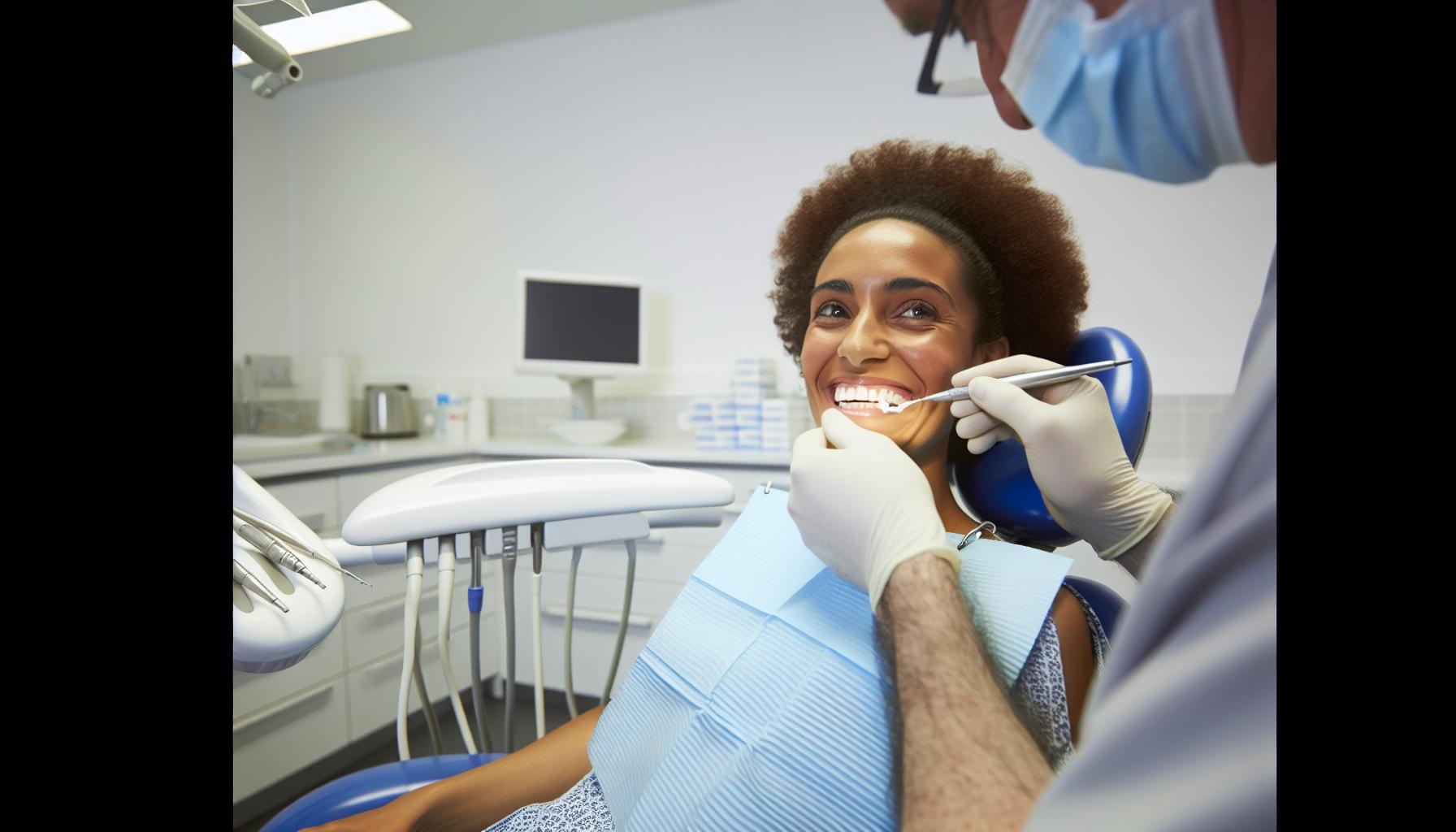
Professional teeth whitening holds a special appeal for many breastfeeding moms seeking noticeable results within a convenient timeframe. It’s important to begin this journey with a clear understanding of what the experience entails, especially amidst the delicate hormonal and physical shifts of postpartum life. While many dental professionals recognize the desire for a brighter smile during this transformative time, they also approach whitening treatments with caution to prioritize both mom and baby’s well-being.
Before booking your appointment, expect a pleasant consultation that gently explores your oral health status and breastfeeding stage. This check-in ensures your gums,enamel,and overall mouth condition are stable enough for whitening—a crucial step,as postpartum hormonal changes can sometimes cause gum sensitivity or mild inflammation. Whitening largely relies on hydrogen peroxide or carbamide peroxide at varying strengths, but professional in-office treatments typically use higher concentrations than at-home kits, which means the process is more controlled but requires careful timing and expertise. Dentists frequently enough recommend postponing in-office whitening until your baby is a bit older or feeding patterns are well established, to minimize any stress or risk, though many moms successfully undergo treatment with approval from their healthcare providers.
What Happens During Your Whitening Appointment?
- Initial Preparation: Your dentist or dental hygienist will first clean your teeth gently to remove surface debris, allowing the whitening agents to penetrate more effectively.
- Protective Measures: A soft barrier or cheek retractor is placed to shield gums and soft tissues. This is especially comforting when postpartum sensitivity is a concern.
- Application of Whitening Gel: The peroxide-based gel is carefully applied to teeth surfaces. Depending on your individual needs and dentist’s recommendations, it may be activated by a special light or left to work naturally.
- careful Monitoring: Treatment usually lasts 30–60 minutes, during which the dental team will check in frequently to ensure you feel comfortable and to avoid overexposure, which can cause sensitivity.
Many moms share that knowing this process is supervised by caring professionals eases any anxiety. The session also offers a peaceful moment to focus on yourself, surrounded by skilled hands that understand the need for gentleness after birth.
Timing and Aftercare Considerations for Nursing Moms
While no definitive research shows harmful effects of professional whitening compounds passing into breastmilk, dentists generally recommend:
- Scheduling treatments right after a nursing session to maximize the time before your next feed.
- Allowing a gap of several hours post-treatment before nursing, if this helps you feel reassured.
- Hydrating well and avoiding highly acidic or staining foods immediately after whitening to prolong results and protect enamel.
If any tooth sensitivity arises—common but usually mild—using a desensitizing toothpaste and maintaining gentle oral hygiene routines will support comfort. Your dental provider might also suggest a customized at-home touch-up kit with lower peroxide levels, offering a nurturing balance that respects your body’s healing pace.
Breastfeeding is a unique and beautiful journey with many demands, and professional whitening, approached with patience and care, can be a safe, empowering form of self-care tailored to your rhythm. Always keep open interaction with your dental team and fellow nursing moms—sharing experiences creates a warm community that uplifts without pressure.
| Stage | Key Points | Tips for Nursing Moms |
|---|---|---|
| Pre-Appointment | Oral health evaluation; discuss breastfeeding status | Be honest about sensitivities; schedule when baby is content |
| During Whitening | Application of high-concentration gel; gum protection; monitoring | Communicate discomfort promptly; stay relaxed; breathe deeply |
| Post-Treatment | Possible mild sensitivity; avoid staining foods | Nurse right after session; hydrate; use desensitizing toothpaste if needed |
Natural Teeth whitening Remedies That Are Breastfeeding-Friendly
Many breastfeeding moms find comfort in gentle, natural solutions to brighten their smile without introducing chemicals into their bodies during this tender time. Natural teeth whitening remedies offer a nurturing alternative that respects both your healing postpartum journey and your baby’s delicate system. These DIY approaches rely on simple, familiar ingredients—often found right in your kitchen—and can easily fit into busy days while promoting oral health along with a subtle glow.
Safe and Simple DIY Whitening Options
- Baking Soda Paste: A timeless classic, baking soda gently polishes away surface stains. To make a safe paste,mix 1 teaspoon of baking soda with just enough water to form a thick consistency. Use a soft toothbrush to brush your teeth with this paste for about 2 minutes, then rinse thoroughly. Limit this to 1–2 times per week to protect your enamel.
- Activated Charcoal: Known for its natural adsorption properties, activated charcoal binds to impurities and stains. Choose food-grade powder and dip a damp toothbrush lightly into the powder. Brush gently for 1–2 minutes and rinse well. Because charcoal can be abrasive,use sparingly (once weekly) and avoid if you have sensitive gums.
- Oil Pulling with Coconut Oil: Rooted in ancient Ayurvedic tradition, oil pulling supports oral hygiene and can contribute to a brighter smile by removing bacteria that cause discoloration and bad breath. Swish 1 tablespoon of organic, cold-pressed coconut oil in your mouth for 10–15 minutes (you might start with 5 minutes if it’s new to you), then spit into the trash (not the sink to avoid clogging).Follow with gentle brushing. This practice is safe during lactation and can be done daily.
expert Tips for Home Whitening During Breastfeeding
Always prioritize comfort and health—for both you and baby. Since every mom’s body and postpartum recovery are unique, listen to your body’s signals. If your gums feel sensitive or irritated,pause and consult with your dentist or healthcare provider. These natural remedies avoid harsh peroxides and toxins, making them safer choices for breastfeeding mothers who are cautious about systemic exposure but still want the confidence boost of a whiter smile.
| Remedy | Preparation | frequency | Safety Tips |
|---|---|---|---|
| Baking Soda Paste | Mix 1 tsp baking soda + water to paste | 1–2 times/week | Use a soft toothbrush; avoid overuse to protect enamel |
| Activated Charcoal | Dip soft brush into powder; brush gently | Weekly | Choose food-grade charcoal; avoid if gums are sensitive |
| Coconut Oil Pulling | Swish 1 tbsp coconut oil for 10–15 minutes | Daily or several times a week | Do not swallow; spit in trash; supports oral health |
beyond these friendly methods, some moms find added ritual in pairing these steps with warm chamomile tea rinses, which soothe sensitive tissues after brushing and carry natural antibacterial benefits. remember,while results from natural remedies might potentially be more gradual than professional whitening,embracing these gentle practices honors your body’s postpartum state,nurturing your smile with kindness and patience—a reflection of the deep care you give your little one every day.
For many women, these remedies also create mindful moments of self-care, a heartwarming reminder that tending to yourself is an essential part of motherhood’s beautiful, demanding dance. If you ever feel unsure about a product or practice, your dental provider and lactation consultant remain trusted guides in crafting a safe, effective teeth whitening routine tailored uniquely to you and your breastfeeding journey.

Timing Teeth Whitening Treatments Around Feeding Schedules
Few moments in motherhood feel as precious as those quiet breastfeeding sessions, and timing anything around these can feel like a delicate dance.When it comes to teeth whitening treatments, syncing them thoughtfully with your baby’s feeding schedule can help you care for your smile while supporting your body’s natural rhythms and your little one’s needs. although many at-home whitening options and gentle natural remedies are generally safe during lactation, coordinating treatment timing reduces any concern about potential sensitivity, swallowing aftertaste, or even temporary gum irritation that might interfere with comfort during feeding.
A helpful rule of thumb is to choose moments when you have a natural window of time free from immediate nursing or pumping. Such as, if your baby tends to feed every 2–3 hours, you might plan to whiten your teeth right after a feeding session or pumping, when your mouth is freshest and you’re least likely to experience any discomfort or residue during close contact with baby.
Practical Timing Tips for Nursing Mothers
- Post-Feeding Whitening: After your baby nurses or you pump, gently brush or use your chosen whitening method. This helps remove leftover milk sugars and minimizes the risk of bacteria buildup, supporting oral health naturally.
- Allow a Buffer Period: Give yourself at least 30 minutes to an hour between whitening and the next feeding, especially with peroxide-based or stronger treatments, to let your mouth rinse and neutralize any leftover product taste or discomfort.
- Use Milder, Natural Remedies Before Bed: If your baby’s feeding schedule permits, try coconut oil pulling or baking soda paste gently at night after your last feeding. This creates a peaceful self-care ritual without targeting a feeding time, reducing chances of irritation.
- Shield Against Sensitivity: Pay attention to any gum tenderness. if whitening near feeding times causes sensitivity, shift treatments to longer stretches when breastfeeding frequency is lower, such as as baby grows or starts sleeping through the night.
Cultivating Your whitening Rhythm Alongside Baby’s Needs
Think of teeth whitening as an act of gentle self-kindness rather than a strict regimen. Some moms find success spacing treatments every few days, syncing sessions with predictable feeding breaks to avoid stress and maximize comfort. As an example,a mom shared she prefers whitening just before her baby’s morning nap when she enjoys a quiet moment and can relax without rushing back to feed. Others weave in natural routines—like oil pulling or herbal mouth rinses—right into their nighttime wind-down, honoring their body’s evening slow-down while keeping their oral health in focus.
Remember, every breastfeeding journey is beautifully unique. Listen to your body’s signals and adjust timing as needed. Consult your healthcare provider or dental professional if you experience unexpected sensitivity or have questions about timing treatments with specific products.
This blend of mindful timing, gentle ingredients, and honoring your feeding rhythms nurtures both your smile and your wellbeing, reflecting the profound care you offer yourself and your baby every day.[1], [2], [3]
Potential Risks and How to Minimize them
Many nursing moms find themselves wondering about the safety of teeth whitening and the subtle risks involved while breastfeeding. While most whitening products are designed to act on the surface of the teeth and are not meant to be ingested,it’s vital to approach whitening gently and thoughtfully during this delicate phase.Your body is recovering from childbirth, your hormones are balancing, and your baby depends on you—so minimizing any chance of discomfort or adverse effects is a caring way to honor both your needs and your little one’s wellbeing.
One common concern is the potential for gum sensitivity or mild irritation,especially with peroxide-based whiteners,which can be harsher on sensitive oral tissues. This can make eating, drinking, or breastfeeding moments uncomfortable if treatments are mistimed. Another risk involves accidental swallowing of residual whitening gel or strips,which,even though typically in very small amounts,may raise understandable caution for breastfeeding moms.Sensitivities or allergic reactions—while rare—can also surface unexpectedly due to hormonal shifts postpartum, making it even more important to proceed with products that have gentle, well-tested ingredients.
Simple Practices to Protect Your Smile and Your Baby
- Choose milder formulations: Opt for whitening kits that contain lower concentrations of peroxide or that use alternative agents such as activated charcoal or natural enzymes. These reduce the risk of irritation and are generally safer to use while breastfeeding.
- Practice impeccable oral hygiene: Brushing before whitening removes milk residue and sugars that can trap bleaching agents, helping minimize bacterial growth and gum irritation around feeding times.
- Allow proper timing buffers: After applying any whitening product, wait at least 30 minutes to an hour before breastfeeding or pumping. This pause lets your mouth clear away any lingering product, reducing exposure risks and discomfort.
- Patch test new products: Before a full whitening session,gently apply the product to a small area to see if there is any tenderness or reaction. This simple step can save you from unexpected sensitivity during a crucial time.
- Hydrate well: drinking water after whitening sessions helps rinse any residual product and soothes oral tissues, supporting overall mouth health.
- consult your dental professional: Don’t hesitate to ask your dentist or lactation consultant about specific products or ingredients. Personalized advice can make your whitening journey safer and more comfortable.
Real-World Wisdom from Nursing Moms
Many mothers share that whitening sessions planned just after feeding offer the best blend of comfort and safety. as a notable example, one mom found that whitening just before her baby’s longest nap helped her relax into the treatment and rinse thoroughly before the next feeding, avoiding any discomfort or worry about residue. Others favor natural remedies like gentle coconut oil pulling, which provides a mild detoxifying effect without harsh chemicals, creating a soothing nightly rhythm that honors their body’s healing pace.
Remember, no whitening choice needs rush or pressure—your smile will shine brightest when cared for with kindness to your body and your feeding rhythm. Every mother’s experience is unique, so listen closely to your body, prioritize gentle care, and create your own safe, nurturing path to a shining, confident smile.
Expert Tips for Maintaining a Bright Smile While Nursing
A radiant smile often feels like a small but meaningful act of self-care during the whirlwind of new motherhood. While breastfeeding, your body is navigating a unique hormonal landscape that can influence gum sensitivity and oral health. Prioritizing gentle, consistent care helps protect your enamel and keep your smile bright without compromising your well-being or your baby’s safety. You don’t need harsh chemicals or time-consuming routines to maintain that glow—sometimes, simple, mindful habits make all the difference.
Daily Habits to Support Oral Health and Brightness
- Gentle brushing twice daily: Use a soft-bristled toothbrush and fluoride toothpaste to clean teeth without irritating delicate gums. Replace your toothbrush every 3 months to avoid bacterial buildup.
- Hydration is key: Drinking plenty of water throughout the day not only supports breast milk production but also helps rinse away food particles and neutralizes acids that may cause staining.
- Mindful snacking: Limit sugary or acidic snacks that can weaken enamel and contribute to discoloration.When you do indulge, rinse with water afterward or chew sugar-free gum to stimulate saliva and protect your teeth.
- Natural refreshing aids: Incorporate foods like crunchy apples, celery, or carrots as snacks. Their natural abrasiveness subtly polishes teeth and boosts saliva.
Creating a Calm, Nourishing Oral Care Routine
Try to time your oral care practices around your feeding schedule.For example, brushing and any whitening treatments can be most comfortable and effective when done just after feeding or before your baby’s longest nap. This reduces the risk of discomfort and allows you to rinse thoroughly before breastfeeding again. Many mothers find that using gentle, natural remedies such as oil pulling with coconut or sesame oil for 5–10 minutes helps maintain brightness while also soothing oral tissues. It’s a simple ritual—swish, spit, brush lightly—that can be easier on sensitive gums than chemical whiteners.
Wisdom from the Community: What Worked for Other Moms
Real moms often recommend patience and listening to your body’s unique signals. One mother shared how she replaced peroxide-based products with whitening toothpaste containing safe enzymes, finding it kinder to her sensitive gums while still enhancing brightness over time. Another found subtle exfoliation with a baking soda paste—just once a week—helped lift stains without irritation. Remember, hormones postpartum can affect your mouth’s response, so it’s perfectly normal to adjust your routine and take breaks when needed.
- Patch test first: Before trying new products, test a small amount on your gums to check for sensitivity.
- Consult your healthcare provider: If you notice unusual discomfort or changes, talk to your dentist or lactation consultant for personalized guidance.
- Embrace gradual results: Whitening is a gentle journey—focus on overall oral health rather than fast fixes.
Taking these thoughtful steps supports both your smile and your role as a nurturing mother, honoring your wellness and your baby’s needs simultaneously. In this delicate season of change, your kindness toward yourself is the brightest glow of all.
balancing Self-Care and Baby’s health During Whitening
Finding the balance between caring for your smile and nurturing your baby often feels like walking a tightrope. The good news is that with mindful choices,you can maintain your oral health without compromising your breastfeeding journey. It’s critically important to remember that while some whitening agents are not thoroughly studied for safety during lactation, gentle approaches and timing can definitely help you feel confident and cared for, both as a mom and as a person.
Many nursing mothers find success by selecting whitening products formulated with safe, minimal ingredients and using them at times that minimize any risk of transfer. For example, performing whitening treatments right after feeding or during your baby’s longest naps gives you a window to rinse thoroughly and reduce potential exposure through breast milk. This practical timing honors both your need for self-care and your baby’s well-being. Some mothers share how switching from peroxide-based strips to enzyme-based whitening toothpaste, or incorporating natural methods like coconut oil pulling, helped maintain a healthier mouth without worry.
Tips for Gentle Whitening That Honours Your Body and Baby
- choose products labeled safe for sensitive gums and free of harsh chemicals. Many commercial whiteners contain ingredients not fully tested in breastfeeding,so safer enzyme or baking soda-based options can be kinder.
- Keep your routine short and effective. overuse or prolonged contact with whitening agents can irritate gums, which may be more sensitive postpartum due to hormonal changes.
- Stay hydrated throughout the day. Ample water intake supports both milk production and naturally flushes your mouth, assisting with stain prevention.
- Maintain open communication with your dentist or lactation consultant. Personalized advice helps address any oral discomfort early and ensures your choices align with your unique lactation experience.
Listening to Your Body and Embracing Flexibility
Your postpartum body is a dynamic landscape, with hormonal fluctuations affecting gum sensitivity and saliva flow. These changes can influence how whitening products feel and how effective they are for you. It’s perfectly normal to adjust your approach—perhaps spacing out treatments more or pausing altogether during periods of heightened sensitivity.Remember, gradual progress is a gift, not a race. Many moms emphasize kindness toward themselves during this time,releasing any pressure to “bounce back” quickly and instead savoring small,self-nurturing actions that support both their smile and their baby’s health.By honoring these gentle rhythms and nurturing self-care within your feeding schedule, you create a supportive space for your body to heal and flourish. This approach recognizes the beautiful complexity of motherhood—where caring for your radiant smile is a vital part of caring for your whole self and your precious little one.
Real Moms’ Experiences with Whitening While Breastfeeding
Many nursing moms share that approaching teeth whitening with gentle care and patience enhances both their confidence and comfort during postpartum. One mom explained how she switched from conventional peroxide strips—known for their potent bleaching power but uncertain safety during lactation—to a mild, enzyme-based toothpaste recommended by her dentist. She found it less irritating to her sensitive gums, which can be quite tender due to postpartum hormonal shifts, and appreciated that it aligned with her breastfeeding routine without any worry of chemical transfer through breast milk.
Another mother found success using natural methods like coconut oil pulling—swishing a tablespoon of organic coconut oil in the mouth for 10–15 minutes daily—which helped brighten her smile softly while supporting oral health. She valued that this simple ritual could be easily slotted in during her baby’s nap or right after feeding, honoring the timing that minimizes any possible exposure. Moms frequently enough emphasize the importance of rinsing thoroughly after whitening treatments and staying well hydrated, both to protect oral tissues and support milk production.
What Real Moms Suggest for Safe and Effective Whitening While Nursing
- Start slow and observe your body’s response. If gums feel sensitive or irritated,reduce frequency or pause until comfort returns.
- Incorporate whitening into low-stress parts of your day. Such as, right after breastfeeding or during your baby’s longest nap, so you can rinse well afterwards.
- Opt for products with minimal,gentle ingredients. Enzyme-based toothpastes and baking soda options are favorites for their mildness.
- Balance whitening with holistic oral care. Gentle flossing, regular dental check-ups, and soothing rinses with salt water support a healthy mouth.
- be compassionate with your progress. Whitening during this period isn’t about racing to “bounce back”—it’s about embracing small, nurturing acts that make you feel your best.
These shared experiences shine a light on the beautiful reality that self-care during breastfeeding doesn’t require rigorous or high-risk treatments. It’s about respecting the complexity of postpartum life, honoring your body’s healing, and keeping your baby’s safety at heart. Each mom’s journey with whitening is unique—so tuning into your own comfort and consulting trusted healthcare providers can transform your smile care into a gentle party of motherhood.
FAQ
Q: How can I safely whiten my teeth at home while breastfeeding?
A: To safely whiten teeth at home while breastfeeding, choose gentle, peroxide-free whitening products or natural remedies like baking soda and activated charcoal. Always follow product instructions and avoid harsh chemicals. For detailed safe at-home options, see our section on At-home Teeth Whitening for Breastfeeding Mothers. consult your dentist if unsure.
Q: Are there specific whitening ingredients I should avoid while nursing?
A: Yes, avoid strong peroxide-based agents like hydrogen peroxide or carbamide peroxide in high concentrations, as they might pass into breast milk. Opt for whitening ingredients that are non-toxic and breastfeeding-friendly described in our Safe Ingredients section to protect you and your baby.
Q: When is the best time to schedule professional teeth whitening during breastfeeding?
A: The best time is right after a feeding session when the baby is least likely to nurse soon after. This helps minimize chemical exposure. Discuss scheduling with your dentist and refer to our guide on Timing Whitening treatments Around Feeding Schedules for practical tips.
Q: Can lifestyle changes help maintain teeth whiteness while breastfeeding?
A: Absolutely! Drinking plenty of water, avoiding staining foods like coffee or red wine, and practicing excellent oral hygiene can help maintain whiteness without extra treatments. Explore our Expert Tips for Maintaining a Bright Smile While Nursing for simple daily habits.
Q: What natural whitening remedies are safest during breastfeeding?
A: Safe natural remedies include gentle brushing with baking soda or using coconut oil pulling. Avoid abrasive substances or herbal products with unknown effects on lactation. Our Natural Teeth Whitening Remedies That Are Breastfeeding-Friendly section offers step-by-step recipes and safety notes.
Q: How do teeth whitening treatments affect breastfeeding hormones and milk supply?
A: Teeth whitening treatments generally do not affect breastfeeding hormones or milk supply as chemicals rarely enter the bloodstream in significant amounts. For peace of mind, consult your healthcare provider and review Potential Risks and How to Minimize Them in our article.
Q: What should I do if I experience tooth sensitivity during whitening while breastfeeding?
A: If sensitivity occurs, reduce treatment frequency or pause whitening. Use toothpaste for sensitive teeth and maintain hydration. Check our Potential Risks and How to Minimize Them for detailed care tips, and always discuss concerns with your dentist to ensure breastfeeding safety.
Q: Are there any teeth whitening options specifically designed for breastfeeding mothers?
A: some brands offer formulas with minimal or no peroxide and natural ingredients specifically marketed as breastfeeding-friendly. Look for these in our Safe Ingredients and at-Home Whitening Options sections, and always verify safety labels before use.
For more personalized advice, explore our guide sections or consult a dental professional experienced with nursing moms—your bright smile matters alongside your baby’s health!
In Summary
Navigating teeth whitening while breastfeeding can feel overwhelming, but knowing your safe options empowers you to care for your smile without worry. Remember, gentle whitening methods are considered safe during lactation, letting you brighten your smile while honoring your body’s unique postpartum journey. If you’re curious about natural recipes for dental care or want tips on maintaining oral health during motherhood, explore our Postpartum Self-Care Guides and Natural Oral Health Remedies for nurturing, evidence-based approaches.
Taking small, mindful steps toward teeth whitening today supports not only your confidence but your well-being as a breastfeeding mom. If you have questions or need personalized advice, don’t hesitate to book a consultation with our dental care experts or join our nurturing community newsletter for ongoing support and tips.Share your experiences below or connect with other moms facing similar choices—your journey matters here. Together, we celebrate safe, effective self-care that fits your postpartum rhythm and brightens every smile along the way.
for more on holistic postpartum wellness and safe beauty routines, check out our related resources on Motherhood Nutrition Essentials and Safe Skincare While Nursing. Let’s continue this caring conversation, because your health and happiness bloom brightest when supported with kindness and knowledge.
Get our latest guides, news, and insights highlighted in your Google Search & AI Overviews.


 JUST 15 MINUTES A DAY