
Dinner Ideas for Breastfeeding Moms: Easy Nourishing Meals
Did you know that what you eat while breastfeeding directly supports your little one’s growth and your own healing? Finding simple, nourishing dinner ideas can feel overwhelming amid the exhausting rhythms of new motherhood, yet these meals are vital for replenishing energy, boosting milk supply, and caring for your postpartum body. This guide gently blends practical, easy-to-prepare recipes with mindful nutrition tips designed specifically for breastfeeding moms.Together, we’ll explore wholesome ingredients and balanced flavors that respect your healing process and honor cultural traditions, all while keeping safety front and center. Whether you’re navigating hormonal shifts, sleep deprivation, or just need a moment of calm through cooking, these dinners aim to empower you with self-care that feels good—without pressure or judgment. Let’s make mealtime a source of comfort and strength, nourishing both you and your baby, one delicious, doable meal at a time.
Contents
- Safe and Nutrient-Rich Ingredients for Breastfeeding Meals
- Easy, Nourishing Dinner Recipes for New Moms
- Meal Prep Tips to Save Time and Boost Energy
- Balancing Hydration and Nutrition While Nursing
- Herbs and Supplements: What to use and Avoid
- Comfort Foods That Support Milk Supply and Mood
- Adapting Recipes for Postpartum Recovery Stages
- Including Baby-Friendly Foods in Family Dinners
- Real Mom Stories: Favorite Go-To Breastfeeding Meals
- Quick Snacks to Keep You Energized at Night
- Frequently asked questions
- Q: How can breastfeeding moms adjust dinner meals to manage common nursing-related fatigue?
- Q: What are some easy dinner swaps to increase milk supply without sacrificing variety?
- Q: When is the best time to have dinner for optimal digestion and milk production?
- Q: How can breastfeeding moms include diverse cultural flavors safely in dinner recipes?
- Q: What are some troubleshooting tips for moms who lose appetite at dinnertime while breastfeeding?
- Q: how can new moms balance family dinner preferences with breastfeeding nutritional needs?
- Q: Why is meal prepping dinner especially beneficial for breastfeeding moms during postpartum recovery?
- Q: What are simple dinner ingredients to soothe common postpartum discomforts breastfeeding moms face?
- The Conclusion
Safe and Nutrient-Rich Ingredients for Breastfeeding Meals
Breastfeeding creates remarkable demands on a mother’s body, making nutrient-rich, healing foods not just helpful—but essential. Meals that are carefully chosen to provide safe, nourishing ingredients can support energy levels, enhance milk quality, and gently nurture postpartum recovery. Think of your plate as a restorative tool, filled with foods that are both comforting and packed with vitamins, minerals, and healthy fats crucial for you and your little one’s well-being.
Many new moms notice that hydration and nutrient density directly impact their milk supply and mood. Prioritizing ingredients naturally high in iron, calcium, vitamin D, omega-3s, and protein helps sustain these delicate balances. Examples include leafy greens like spinach and kale, whole grains such as quinoa and brown rice, and lean proteins like skinless poultry, beans, and fish rich in DHA (an omega-3 fatty acid). Incorporating fresh fruits, especially berries and citrus, boosts antioxidants that support immune health and reduce postpartum inflammation. For moms interested in gentle herbal support, options like fenugreek and fennel seeds have traditionally been used to encourage lactation—though, these should be approached thoughtfully, respecting individual tolerance and medical advice.
Key Ingredients to Include
- Complex Carbohydrates: Oats, sweet potatoes, and brown rice provide steady energy and fiber for digestion.
- Protein Sources: Eggs, salmon, lentils, and tofu support tissue repair and milk production.
- Healthy Fats: Avocados, nuts, seeds, and fatty fish support brain health for both mom and baby.
- Calcium-Rich Foods: Yogurt,fortified plant milks,and leafy greens aid in bone health and muscle function.
- Hydrating Produce: Cucumbers, tomatoes, and watermelon help replenish fluids lost during breastfeeding.
Foods to Approach with Caution
Some new mothers worry about the impact of specific foods on their babies through breastmilk. While most nutritious foods are safe, it’s wise to monitor and moderate highly allergenic or gas-inducing foods like certain nuts, cruciferous vegetables (broccoli, cauliflower), and caffeine. Always observe your baby’s reactions and consult a lactation expert if concerned. Also, avoid unpasteurized products and limit high-mercury fish to protect you and your infant.
Crafting meals from these safe, nutrient-rich ingredients can feel empowering and nurturing rather than overwhelming. As an example, a simple salmon bowl with quinoa, steamed greens, and avocado drizzle provides a balanced mix of essential fats and proteins without intricate prep. Or, a cozy bowl of oatmeal topped with almonds and fresh berries fuels you gently on a busy day. These bites of nourishment honor your body’s healing process and celebrate the gorgeous, complex journey of motherhood.
By tuning into your body’s needs and choosing whole foods with intention, you create a foundation not just for milk production but for your holistic postpartum vitality. Remember, every mother’s path is unique—trust your intuition, embrace flexibility, and nourish yourself with kindness.

Easy, Nourishing Dinner Recipes for New Moms
Nourishing dinners that come together with ease can feel like a balm on busy postpartum evenings. When your body is working overtime to feed your baby, meals that combine warmth, nutrition, and simplicity help restore your energy and support healing. Imagine a vibrant bowl where tender salmon meets quinoa,steamed kale,and slices of creamy avocado—this combo delivers protein,omega-3s,fiber,and healthy fats in one wholesome plate,gently fueling both you and your nursing little one. These dinners don’t just feed the body; they soothe the spirit,honoring your mama journey with every bite.
Embracing recipes that are flexible and forgiving lets you adapt to how you feel daily.A simple lentil stew with carrots, tomatoes, and spinach simmers quietly on the stove, providing iron and vitamin C to support postpartum recovery and replenish your blood supply after birth. pair it with a side of warm,crusty whole-grain bread to keep energy steady. Don’t worry about fancy technique—slowly cooking veggies until they release their sweetness unlocks comforting flavors and makes digestion gentle.Keeping meals nourishing yet straightforward invites calmness into the kitchen and frees up space for cuddles or rest.
Simple Nourishing Dinner Ideas
- Salmon and Quinoa Bowl: Bake or pan-sear salmon seasoned with lemon and dill. Serve over cooked quinoa with steamed kale and sliced avocado. Drizzle with olive oil for healthy fats.
- Lentil + Veggie Stew: Sauté garlic and onions, add lentils, diced tomatoes, carrots, and spinach. Simmer until lentils are tender. Season with mild spices like turmeric or cumin.
- Sweet Potato & Black Bean Tacos: Roast cubed sweet potatoes with paprika, fold into corn tortillas with black beans, fresh cilantro, and a dollop of plain yogurt or avocado crema.
- Simple Chicken Stir-Fry: Swift-cook strips of skinless chicken breast with broccoli florets, snap peas, and carrots in a light ginger-soy sauce. Serve with brown rice for sustained energy.
- Oat and Spinach Patties: Combine cooked oats, finely chopped spinach, eggs, and a bit of cheese. Pan-fry small patties to golden brown. Serve with a side salad or roasted root vegetables.
Remember,the best nourishing meal is one that meets your current need—whether that’s warm comfort,quick fuel,or healing nutrients. It’s okay to rely on simple staples and batch-cook when possible. Sharing these dishes with family connects nurturing across generations and models the beauty of balanced, safe nourishment for your whole household. Above all, listen closely to your body’s whispers.trust that your intuitive choices, paired with mindful ingredients, build the foundation for your unique postpartum recovery and joyful breastfeeding journey.

Meal Prep Tips to Save Time and Boost Energy
Time is one of the most precious gifts a new mom can find in her day—especially when breastfeeding requires both physical energy and emotional presence. Thoughtfully preparing meals ahead can transform your relationship with food from a source of stress into a wellspring of nurturing comfort and vitality. When you organize your meal prep around your unique rhythm, you create pockets of ease that protect your limited energy while ensuring your body receives the nutrients it needs to sustain lactation and healing.
Start with planning a few versatile ingredients that can be mixed and matched throughout the week. Cooking grains like quinoa, brown rice, or barley in a big batch allows you to quickly assemble meals without starting from scratch each evening. Roasting a tray of mixed vegetables—think carrots, broccoli, and sweet potatoes—with just olive oil and gentle spices offers ready-to-go sides or toppings that boost fiber and antioxidants. Protein is crucial; simple options like baked chicken breasts, pan-seared salmon, or lentils can be prepared in bulk and stored safely in the fridge or freezer for quick reheat. When your schedule or sleep allows, double a recipe to save portions for a busy day ahead.
Simple Strategies to Maximize Efficiency and Energy
- Set a Weekly Menu: Planning just 3–4 meals based on your favorite nourishing recipes reduces decision fatigue and grocery trips.
- Batch Prep Staples: Cook core ingredients (grains, proteins, beans) once and use them across different dishes, saving precious hands-on time.
- Use One-Pot or Sheet-pan Meals: Gather colorful veggies, lean proteins, and mild spices on a single pan for an easy, wholesome dinner with minimal cleanup.
- Freeze in Portions: Divide soups, stews, or casseroles into ready-sized containers; just thaw and reheat on demanding days.
- Keep Healthy Snacks Handy: Pre-cut fruits,nut mixes,or homemade energy balls can quickly boost energy levels during nighttime feeds.
These gentle routines not only protect your physical reserves but also invite moments of calm, turning cooking into a nurturing ritual rather than an exhausting task. As one mom shared, “Batch cooking felt like a gift to my future self—when I was foggy from sleep and short on time, I knew nourishing food was waiting.” Embracing simplicity and flexibility means honoring your body’s changing needs and creating space for joyous, mindful nourishment during this sacred postpartum season.
Balancing Hydration and Nutrition While Nursing
A breastfeeding mother’s body is a beautifully busy place—working around the clock to nourish a tiny life. This makes balanced hydration as essential as the nutrients in your meals. Milk production requires extra water, yet thirst can be sneaky during the everyday demands of new motherhood. staying gently hydrated throughout the day not only supports lactation but also helps maintain your overall energy and mood, which might fluctuate with hormonal shifts and interrupted sleep. Instead of chasing down large glasses of water in stressful bursts, think of hydration like a continuous self-care practice woven through your meals and snacks.
Try to keep fluids close by—whether it’s a large water bottle, herbal teas safe for breastfeeding, or light broths—that you can sip mindfully. Herbal infusions like chamomile or fennel can be soothing and may help with digestion, but always check for safety and consult your healthcare provider before adding new herbs. remember, caffeine in reasonable amounts is generally fine but best balanced with plenty of water to avoid dehydration or mood swings. Fresh fruits and vegetables with high water content, such as cucumbers, watermelon, and oranges, offer dual hydration and nutrients, making them perfect companions to your dinners or snacks.
Practical Ways to Keep Hydrated and Nourished
- set Fluid Reminders: Small alarms or notes can remind you to sip fluids regularly—especially during nighttime feeds.
- hydrating Meal Components: Incorporate soups, stews, and smoothies that provide both nutrition and fluid.
- Balance Electrolytes: Include foods rich in potassium and magnesium—like leafy greens, bananas, and nuts—to support fluid balance and muscle function.
- Limit Sugary Drinks: While fruit juices and flavored drinks are tempting, stick to mostly water and herbal tea to avoid blood sugar spikes.
- Listen to Your Body: Every mother’s hydration needs vary; if your milk is plentiful and your urine is pale yellow,you’re likely hydrated well.
By blending replenishing liquids with easy, nutrient-dense meals, you honor your body’s needs without extra stress. One mom shared, “After my baby’s late-night feeds, I kept a jar of cucumber water on the bedside table—it felt like a quiet act of kindness towards myself.” Simple habits like this create steady support for your energy and healing, nurturing both you and your baby through this remarkable phase.
Herbs and Supplements: What to use and Avoid
many breastfeeding moms turn to herbs and supplements hoping to naturally support milk supply, boost energy, or soothe postpartum discomfort—but navigating this world can be tricky. It’s important to approach these aids with gentle caution and clear knowledge because not all herbs are safe during lactation, and the impact on your baby can vary. Remember,what feels nurturing and helpful for one mom might not be right for another,especially when your body and baby are tuning in so closely to each other.
Certain herbs are celebrated for their milk-enhancing properties and calming effects. For example,fenugreek is a popular galactagogue (milk booster),frequently enough brewed as a tea or taken in capsule form. Many moms find it effective in the early weeks of nursing,but it can cause side effects like digestive upset or maple-syrup-smelling sweat in certain specific cases. Another gentle friend is fennel, known to ease digestion and sometimes support milk flow; fennel tea can be a comforting way to add hydration and relief after meals. Nettle leaf is rich in iron and nutrients, supporting postpartum recovery and energy levels when prepared as an infusion. Always introduce one herb at a time, note how your body and baby respond, and consult your healthcare provider to avoid contraindications, especially if you or your infant have allergies or medical conditions.
On the other hand, there are herbs and supplements best avoided because they may reduce milk supply or pose risks to your baby.For example, sage, peppermint, and parsley in large quantities can decrease milk production. Similarly, high doses of vitamin A or certain essential oils aren’t safe during breastfeeding and need strict guidance. Some herbal supplements aren’t regulated for purity or dosage,so choose products from trusted brands with transparent labeling. when considering any supplement—like iron, vitamin D, or omega-3 fatty acids—prioritize blood tests or professional advice to meet your specific nutritional needs without guesswork.
Safe Herbal Options and How to Use Them
- Fenugreek Tea: Steep 1 teaspoon of crushed fenugreek seeds in hot water for 10 minutes, strain and sip 1-3 cups daily. Start slow to monitor tolerance.
- Fennel Infusion: use 1 teaspoon of fennel seeds per cup of boiling water,let steep 10 minutes. Good after meals to soothe digestion.
- Nettle leaf Tea: Brew 1 tablespoon of dried nettle leaf in a cup of hot water for 10 minutes. Rich in iron,supports energy during recovery.
Herbs and Supplements to Skip or Use with Caution
| Herb/Supplement | Potential risk | Notes |
|---|---|---|
| Sage | May reduce milk supply | Avoid strong teas or supplements during active nursing |
| Peppermint | possible reduction in milk | Best avoid concentrated peppermint oil or large quantities |
| Vitamin A (High doses) | Risk of toxicity to baby | Follow recommended dietary allowances cautiously |
| Essential oils (e.g., eucalyptus, rosemary) | May irritate baby or affect milk taste | Use with caution; avoid ingestion or undiluted topical use near breast |
Remember, herbs and supplements are partners, not substitutes, for a nutrient-rich diet and balanced hydration. They work best when combined with whole foods, kind self-care, and attentive support from your healthcare team. Sharing experiences in community can help you discover what feels safe and soothing.One mom found her favorite nighttime ritual was a warm fennel and nettle blend “to calm my tummy and gently encourage milk flow, a tiny pocket of peace during those long nights.” Trust your intuition, ask questions, and savor the small, nurturing routines that honor your postpartum journey.
Comfort Foods That Support Milk Supply and Mood
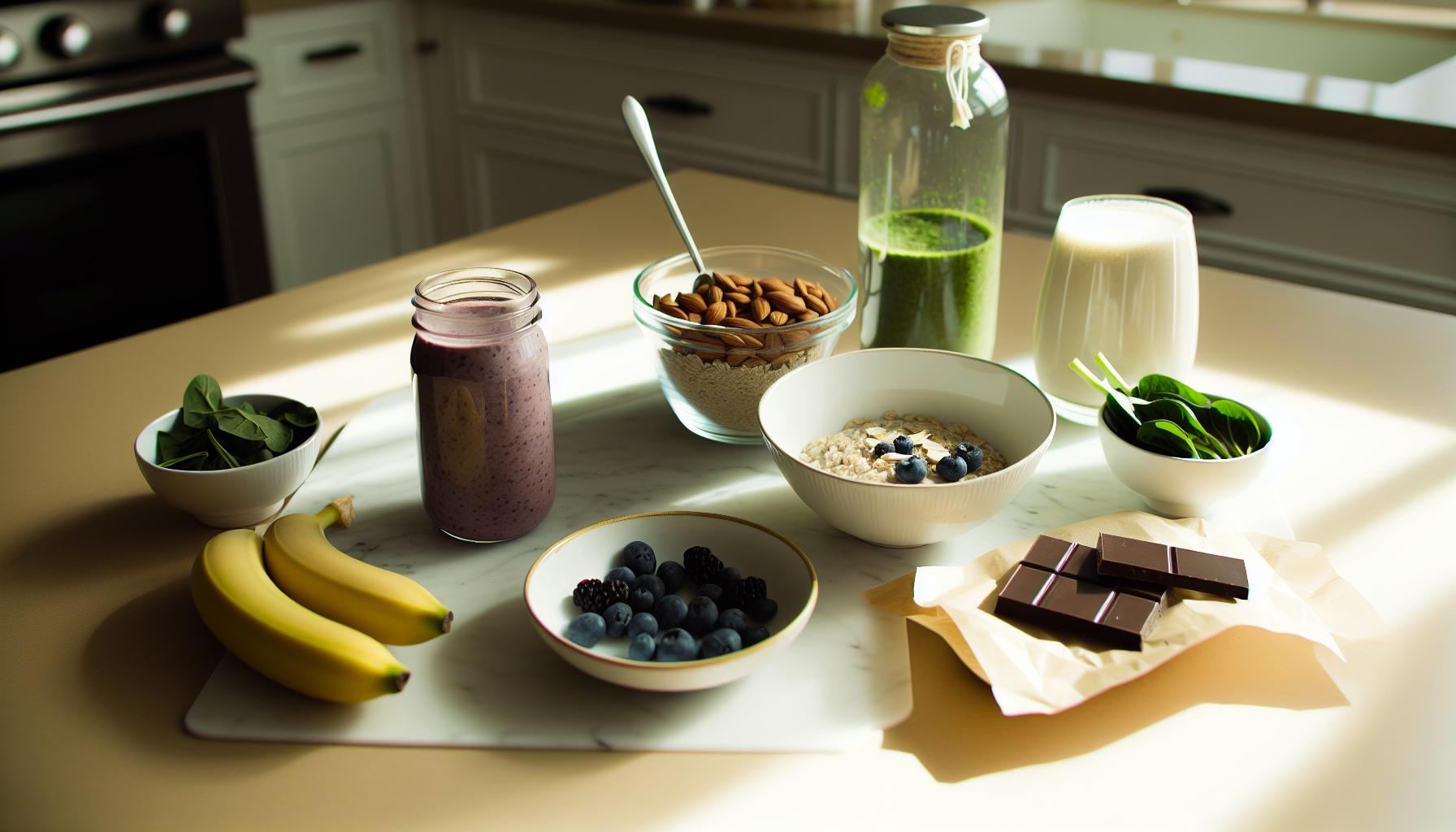
Sometimes,the simplest meals feel like the most powerful medicine. When your body is tirelessly nourishing your little one, comfort foods that gently steady your milk supply and lift your mood can be a true lifeline. These meals aren’t about strict rules or fancy ingredients—they’re about soothing your soul and honoring your body’s deep work during postpartum healing. Think warm bowls brimming with satiny oats, soothing soups rich with gentle spices, or vibrant stews that provide slow-burning energy and essential nutrients—all designed to nurture both you and your baby.
Many traditional cultures lean on hearty, nutrient-dense dishes called “strengthening foods” during the postpartum phase. these recipes often center around slow-cooked bone broths, iron-rich greens, and whole grains to restore energy and support lactation. Such as,a comforting chicken and vegetable stew simmered with garlic,ginger,and a splash of lemon can encourage milk flow while calming digestion. The balance of protein, healthy fats, and complex carbohydrates stabilizes blood sugar and helps stabilize mood swings frequently enough common in early motherhood. Remember, taking a quiet moment with yourself and your meal—away from distractions—can enhance digestion and, by extension, nourish your milk supply.
Ingredients to Embrace
- Oats: A lactation superstar, oats are packed with iron and fiber, helping to reduce fatigue and promote milk production. Try a warm oatmeal bowl with sliced banana and a sprinkle of cinnamon for a mood-boosting start or end to the day.
- Leafy Greens: spinach, kale, and nettle leaf (in teas or cooked) provide iron and calcium, vital for postpartum recovery and milk quality.
- Healthy Fats: Think avocados,nuts,seeds,and olive oil. These fats support hormone balance,which plays a big role in mood regulation and milk supply.
- Protein-Rich Foods: Eggs, lentils, beans, and fatty fish like salmon offer amino acids essential for tissue healing and energy replenishment.
- Comfort Carbohydrates: Sweet potatoes, brown rice, and quinoa deliver steady energy without sugar crashes, helping soothe stress and anxiety.
Simple Dinner Idea to Try Tonight
Ginger-Turmeric Lentil Soup (serves 4)
- 1 cup red lentils, rinsed
- 1 tablespoon olive oil
- 1 small onion, chopped
- 2 cloves garlic, minced
- 1 teaspoon grated fresh ginger
- 1 teaspoon turmeric powder
- 4 cups vegetable broth
- 2 cups chopped kale or spinach
- Salt and pepper, to taste
Preparation: In a large pot, heat olive oil over medium heat. Sauté onion and garlic until translucent.Stir in ginger and turmeric, cooking for 1 minute to release their aroma. Add lentils and broth, bring to a boil, then reduce heat and simmer for 20 minutes until lentils are soft. Add greens and cook for another 5 minutes. Season with salt and pepper. This soup is gentle on the belly, rich in antioxidants, and supports both your mood and milk supply.
Gentle Nourishment for the Mind and Body
The comfort of food goes beyond vitamins and minerals—it’s about what it symbolizes: care, warmth, and rest. Many moms share how including a nightly ritual with warm herbal teas—like mild fennel or nettle—paired with a nurturing meal, helps soothe their spirit and encourage milk flow. These little pauses remind you to breathe deeply and honor the changes your body is making. Remember, each mom’s journey is unique; trust your instincts, welcome what feels good, and savor these moments of self-kindness. Through nourishing meals, you’re not only feeding your baby—you’re feeding your own resilience and joy, stitch by stitch in this new chapter of motherhood.
Adapting Recipes for Postpartum Recovery Stages
One of the most empowering ways to support your body through the postpartum journey is by gently adapting your meals as your recovery unfolds. In these early weeks after birth, your nutritional needs—and your body’s tolerance for different foods—can shift dramatically. For example, immediately after delivery, healing tissues like the perineum (the area between the vagina and anus) require soothing, anti-inflammatory meals that are easy to digest and rich in protein and vitamins to repair and replenish energy. As your body moves through the first six to eight weeks postpartum—frequently enough called the “fourth trimester”—your meals can gradually become heartier to sustain growing milk production and replenish nutrient stores.
Many mothers find that soft,warm foods like stewed vegetables,brothy soups,and tender grains work well in the early postpartum phase. Think about meals that are not only comforting but also specially crafted to support lactation, such as gentle bone broth simmered with ginger and garlic, or soft-cooked legumes combined with mild spices that encourage digestion without overwhelming sensitive stomachs. As you progress through recovery,adding a variety of colorful vegetables,healthy fats like avocado or nuts,and protein-rich foods such as eggs or salmon can help balance hormones and maintain energy.
Practical Meal Adjustments by Postpartum Phase
- Early Postpartum (0–2 weeks): Focus on nourishing broths, gentle stews, and easily digestible options. Avoid heavy spices or unfamiliar herbs until your digestive system settles.
- Mid Postpartum (2–6 weeks): Introduce a wider range of vegetables, whole grains, and moderate spices to support milk supply and mood stabilization.
- Late Postpartum (6+ weeks): Feel free to experiment with new recipes incorporating diverse superfoods and lactation-supporting ingredients like oats, flaxseeds, and leafy greens, while monitoring how your body responds.
tips for Customizing Recipes
- Adjust texture: blend or puree if chewing is uncomfortable postpartum, or add extra cooking time for softer meals.
- Mind herbs and supplements: Some herbs like fenugreek or blessed thistle can enhance milk supply but may not suit everyone; consult a healthcare provider before adding new supplements.
- Incorporate cultural wisdom: Many cultures have traditional postpartum foods that can inspire gentle meal ideas, like warm miso soup or healing turmeric-infused rice dishes.
- Listen to your body: Appetite and tolerance will vary—some days you may prefer lighter fare, others something richer with more calories and fats.
Simple Nourishing Soup for Early Recovery
Healing Miso and Vegetable Broth (serves 2)
- 3 cups vegetable broth
- 1 tablespoon white miso paste (added off heat)
- 1 small carrot, thinly sliced
- 1/2 cup soft tofu, cubed
- 1/4 cup chopped spinach or bok choy
- 1 teaspoon grated ginger
Preparation: Gently simmer broth with carrot and ginger until tender (about 10 minutes). Remove from heat, stir in miso paste until dissolved, then add tofu and greens, cooking just until heated through. This soup is soothing on sensitive digestion, rich in probiotics, and packed with vitamins to support recovery and milk supply.
Adapting meals thoughtfully through these postpartum stages nurtures both body and spirit. Each step honors the profound changes you’ve experienced and respects the unique rhythm of your healing journey—reminding you to move with kindness, patience, and practical nourishment. Through food that embraces your evolving needs, you’ll build strength and resilience, one lovingly prepared bite at a time.
Including Baby-Friendly Foods in Family Dinners
The transition from breastfeeding mom to nurturing a growing family can be a beautiful, though sometimes challenging, balancing act—especially when it comes to mealtimes. Including ingredients and dishes that are gentle for your little one, yet nourishing for you, creates a shared dining experience full of love and practical benefits. Offering baby-friendly foods during family dinners not only helps your baby explore new tastes and textures safely but also supports your own nutritional needs as you continue lactation and recovery.
Young babies, especially when starting solids around six months, do well with simple, wholesome foods that mirror what’s on your plate, prepared with gentle textures and without added salt or sugar. This creates a seamless rhythm where your meals can nourish both your body and toddler’s developing palate. Think naturally soft-cooked vegetables like steamed carrots, sweet potatoes, or peas—these ingredients are packed with vitamins essential for growth and also provide comforting flavors for you as a breastfeeding mom. Including a source of healthy fats, such as avocado or a drizzle of olive oil, can help support brain development for baby and hormone balance for you.
Practical Tips for Baby-Friendly Family Meals
- Separate, then combine: Prepare baby’s portion by soft-cooking and pureeing or mashing before serving your own slightly more textured version at the table.
- Focus on nutrient synergy: Include iron-rich foods such as lentils or chicken for baby and pair these with vitamin C-rich veggies like bell peppers or tomatoes on your plate to enhance iron absorption—great for postpartum energy.
- Keep seasonings simple: Avoid salt, honey, and strong spices for baby’s servings but use herbs like mild basil or parsley in your dishes to uplift flavor without overwhelming digestion.
- Model mealtime mindfulness: Eating together encourages positive feeding habits, offers emotional bonding, and gently introduces your little one to diverse foods at a comfortable pace.
A Sample Family-Friendly Dinner Idea
Slow-Cooked Chicken and Vegetable Medley (serves 4, including baby)
- 2 boneless chicken thighs, skin removed
- 1 large sweet potato, peeled and chopped
- 1 cup diced carrots
- 1/2 cup peas (fresh or frozen)
- 1 tablespoon olive oil
- Fresh basil leaves, chopped (for adults)
Preparation: Gently simmer chicken thighs with sweet potato and carrots until very tender (about 30-40 minutes). remove chicken and shred finely for baby.Mash or puree vegetables, adding some cooking liquid for a smooth consistency. For adults, toss the peas separately in olive oil and fresh basil, serving alongside. This meal is calming on the digestive system and rich in protein and vitamins, making it ideal for nurturing milk supply and gentle baby eating.
Incorporating baby-friendly foods fosters a nurturing mealtime atmosphere where you and your infant grow in tandem—your body regenerating and producing nutrient-rich milk,and your baby developing food acceptance and enjoyment. Always remember that each baby progresses at their own rate and that your well-being is just as critically important as theirs. Trust your instincts and reach out to community resources or lactation consultants if questions arise. With intentional planning and gentle flexibility, family dinners can become a cornerstone of connection, healing, and joyful nourishment for all.
Real Mom Stories: Favorite Go-To Breastfeeding Meals
Mothers frequently enough find that certain meals become their trusted allies during the demanding days and nights of breastfeeding. These dishes are more than just food—they offer comfort,lasting energy,and essential nutrients that support milk production while respecting the body’s ongoing healing process. many moms share that simple, wholesome recipes with familiar ingredients create a stable foundation when life feels unpredictable, and hunger strikes fast.
One mom recalls how her go-to was a hearty lentil stew packed with carrots, tomatoes, and spinach, simmered slowly to tenderness. Lentils provide plant-based protein and iron, vital for replenishing postpartum blood stores, while vitamin C from tomatoes boosts iron absorption—a combination praised by lactation consultants. This stew’s ease of prep meant she could cook a large batch on weekends, freezing portions to reheat during busy days. Adding a side of whole-grain bread rounded out the meal, offering additional fiber and slow-burning carbs to keep her energized throughout nursing sessions.
Another favorite comes from a mother balancing cultural traditions with modern breastfeeding needs: a turmeric-infused chicken and vegetable curry,simmered gently and served with soft jasmine rice. Turmeric’s anti-inflammatory properties can soothe postpartum soreness, and chicken delivers high-quality protein supporting milk supply. She customizes the spice level to be baby-friendly and uses coconut milk to add healthy fats, which are important for both her recovery and the baby’s brain development. preparing this dish in a slow cooker allows her to tend the baby while fragrant warmth fills the kitchen.
Mom-Approved Meal Ideas That Nourish and Comfort
- Oat and Banana Pancakes: Quick to make,these pancakes blend fiber-rich oats with potassium-packed bananas to support electrolyte balance and energy. no added sugar and safely flavored with cinnamon provide a gentle sweetness perfect for mornings or late-night snacks.
- Salmon and Quinoa Bowl: Rich in omega-3 fatty acids and complete protein, salmon pairs well with quinoa and steamed broccoli for a powerhouse meal enhancing milk quality and postpartum mood.
- Vegetable-packed Minestrone Soup: Loaded with seasonal veggies and beans, this soup hydrates while delivering vitamins and minerals essential for healing and lactation.
Every mom’s experience is unique,and what feels nurturing during one phase might shift as energy levels and digestion change postpartum.It’s perfectly okay to adapt or take breaks from specific foods. Connectivity with fellow moms—as well as seeking advice from a lactation consultant or a nutrition-savvy healthcare provider—can help tailor meals to your personal journey. Remember,the goal is gentle self-care through accessible,loving nourishment that celebrates where you are today.
By embracing easy-to-make,nutrient-rich dishes shared through community wisdom,breastfeeding moms can find practical comfort and strength. After all, well-being begins on the plate—one mindful bite at a time.
Quick Snacks to Keep You Energized at Night
Nursing through the night frequently enough means sudden hunger strikes when energy feels low but rest is precious. These moments call for snacks that are not only easy to prepare and digest but also packed with nutrients to support breastfeeding and postpartum healing. Quick bites that balance protein, healthy fats, and complex carbohydrates provide sustained energy without spiking blood sugar, helping you feel grounded and nourished even in the foggiest hours.
Many moms find comfort in small, wholesome snacks that can be enjoyed quietly between feedings or while rocking baby to sleep. For example, a simple combination of whole-grain crackers with almond butter and sliced banana offers fiber, protein, potassium, and healthy fats—key ingredients that support hydration, muscle function, and milk production. Another favorite is a warm smoothie made with Greek yogurt, frozen berries, spinach, and a spoonful of flaxseeds; it’s gentle on digestion and rich in calcium, antioxidants, and omega-3 fatty acids which may help postpartum mood and milk quality.
Practical Snack ideas for Nighttime Nursing
- Chia Pudding: Soak 3 tablespoons of chia seeds overnight in 1 cup of milk or plant-based option. Add a dash of cinnamon and a teaspoon of honey or maple syrup. Chia seeds hydrate and provide fiber and omega-3s, supporting breastmilk and digestion.
- Boiled Eggs and Avocado: A quick,protein-rich option with healthy fats and vitamin E,essential for tissue repair. Keep pre-cooked eggs in the fridge for easy access during nighttime feedings.
- Oat Energy Balls: Blend oats, nut butter, flaxseeds, and a touch of dried fruit or dark chocolate chips. Roll into bite-sized balls for a no-mess,ready-to-eat snack.
- Warm Herbal Teas with Toast: Choose lactation-friendly herbs like fennel or ginger (note any herbal intake with your provider). Pair with a slice of whole-grain toast topped with ricotta or cottage cheese for gentle protein and complex carbs.
remember, every mom’s body reacts differently—some find certain ingredients comforting, while others may notice sensitivities, especially to caffeine or stronger spices. Hydration is also crucial; pairing snacks with a glass of water or naturally flavored hydration can improve milk supply and prevent fatigue. Keeping a small stock of these nurturing options handy can reduce stress and ensure you have the energy to meet your baby’s needs while honoring your own healing journey.
Frequently asked questions
A: Breastfeeding moms can combat nursing fatigue by including complex carbs, lean proteins, and plenty of iron-rich foods like spinach and legumes at dinner. These nutrients boost energy levels and support recovery. Incorporate easy-prep meals from the Easy, Nourishing Dinner Recipes section to save time while maintaining balanced nutrition.
Q: What are some easy dinner swaps to increase milk supply without sacrificing variety?
A: To gently increase milk supply, swap regular grains for oats or quinoa and add galactagogue-rich ingredients like fennel or moringa in your dinner recipes. These swaps add variety and nutrition while supporting lactation naturally. For safe herbs and supplements, reference the Herbs and Supplements: What to Use and Avoid section.
Q: When is the best time to have dinner for optimal digestion and milk production?
A: Eating dinner about 2-3 hours before bedtime helps optimize digestion and balances energy for milk production. A light, nutrient-dense meal—lean protein with veggies—supports restful sleep and controls nighttime hunger. Find tailored timing tips in the Balancing Hydration and Nutrition while Nursing section.
Q: How can breastfeeding moms include diverse cultural flavors safely in dinner recipes?
A: Breastfeeding moms can embrace cultural flavors by selecting safe herbs and spices and adapting traditional meals with nutrient-dense ingredients.Avoid unsafe supplements or strong essential oils. Explore our Safe and Nutrient-Rich Ingredients guide for cultural adaptations that honor heritage and nourish both mom and baby.
Q: What are some troubleshooting tips for moms who lose appetite at dinnertime while breastfeeding?
A: If appetite wanes, try small, frequent meals or nutrient-packed smoothies rather of large dinners. Focus on comfort foods from our Comfort Foods That Support Milk Supply and Mood section that are soothing, easy to digest, and still nourishing. Hydration remains key, so sip water or herbal teas throughout the evening.
Q: how can new moms balance family dinner preferences with breastfeeding nutritional needs?
A: Balance family meals by incorporating baby-friendly and breastfeeding-supportive ingredients into shared recipes, such as mild proteins and steamed veggies. Refer to Including Baby-Friendly foods in Family Dinners for ideas on meals everyone enjoys without compromising mom’s nutritional needs or milk quality.
Q: Why is meal prepping dinner especially beneficial for breastfeeding moms during postpartum recovery?
A: Meal prepping reduces stress and preserves energy during postpartum recovery by providing ready-to-eat, nutrient-rich dinners that support healing and lactation. By organizing meals in advance, moms can focus more on rest and bonding. Check Meal Prep Tips to Save Time and Boost Energy for practical, step-by-step guides.
Q: What are simple dinner ingredients to soothe common postpartum discomforts breastfeeding moms face?
A: Ingredients like ginger, turmeric, and leafy greens help reduce inflammation and soothe digestive discomfort common postpartum. These can be added easily to soups or stir-fries from the Adapting Recipes for Postpartum Recovery Stages section, promoting gentle healing alongside nourishing milk supply.
For more nurturing dinner ideas and practical tips, explore our full article sections tailored to support every breastfeeding mom’s unique journey.
The Conclusion
Nourishing your body with easy, wholesome dinners not only supports your breastfeeding journey but also honors your unique postpartum experience. Remember,gentle,nutrient-rich meals—crafted with safe,lactation-friendly ingredients—can soothe both body and spirit during these tender months. If you’re curious about calming herbal teas or nourishing smoothie recipes perfect for new moms,explore our Postpartum Wellness Guide and Lactation Nutrition Tips to find more gentle,evidence-based ideas tailored just for you.
Taking small, mindful steps today can make all the difference in your energy and milk supply tomorrow. To stay inspired and connected, consider signing up for our newsletter, where real moms and experts share practical advice and heartfelt support. Have questions or stories to share? Drop a comment below—we’d love to hear your experiences and help you on this beautiful, sometimes challenging path. Together, let’s keep nurturing motherhood with kindness, patience, and nourishing meals that truly make a difference.
Get our latest guides, news, and insights highlighted in your Google Search & AI Overviews.


 JUST 15 MINUTES A DAY