
Nipple Cream Safe for Breastfeeding: Healing Without Harm
Did you know that many new mothers experience sore, cracked nipples during breastfeeding—yet not all creams are safe for your little one? Finding a nipple cream that soothes and heals without harmful ingredients is essential to keep feeding comfortable and worry-free. This gentle guide honors your body’s healing journey by sharing safe,effective options that support breastfeeding while respecting your baby’s health. Whether you’re navigating tenderness in early weeks or caring for sensitive skin later on, understanding which creams truly nurture without risk helps you feel confident and cared for. let’s explore simple, safe remedies that blend gentle care with practical wisdom—because healing your nipples shouldn’t come at the expense of your breastfeeding bond.
Contents
- Understanding Nipple Creams Safe for Breastfeeding
- Key Ingredients to Look for in Nipple Creams
- How Nipple Creams Support Healing and Comfort
- Step-by-Step Guide to Applying Nipple Cream Safely
- Natural and DIY Nipple Cream Recipes for Moms
- When and How Often to Use nipple Cream During Breastfeeding
- Medical Insights: Treating Cracked or Sore Nipples Safely
- Common Ingredients to Avoid while Breastfeeding
- Balancing Traditional Remedies with Modern Safety Guidelines
- Real Moms’ Experiences and Tips for Nipple Care
- Choosing between Organic, Natural, and Pharmaceutical Creams
- Addressing Allergies and Sensitivities with Nipple Creams
- FAQ
- Q: How soon can I start using nipple cream safely after breastfeeding begins?
- Q: Can nipple creams affect milk supply or breastfeeding success?
- Q: What natural ingredients in nipple creams are proven safe and effective during breastfeeding?
- Q: How can I tell if my nipple cream might cause an allergic reaction while breastfeeding?
- Q: Is it safe to use homemade nipple creams during breastfeeding?
- Q: How often should nipple cream be applied to maximize healing without interfering with breastfeeding?
- Q: Can nipple cream help prevent infection in cracked or sore nipples during breastfeeding?
- Q: Should I avoid nipple creams with fragrances or preservatives while breastfeeding?
- In Conclusion
Understanding Nipple Creams Safe for Breastfeeding
Many new mothers find the first days of breastfeeding both a beautiful and challenging journey, frequently enough encountering delicate soreness or cracking of the nipples as their bodies adjust. using a nipple cream that is safe for breastfeeding can be a gentle yet powerful way to ease discomfort and promote healing—without interrupting the natural bonding or feeding process. Unlike standard lotions or ointments, these creams are specially formulated to protect tender skin, helping it repair while remaining safe if ingested by your baby, offering peace of mind during such an intimate time.
The key to selecting a nurturing nipple cream lies in recognizing that not all products are created equal. Safe nipple creams prioritize ingredients that soothe and hydrate without harsh chemicals or synthetic additives that may irritate sensitive skin or risk your infant’s well-being. Such as, healing botanicals like pure lanolin, intended for the breastfeeding stage, act as a natural barrier that locks in moisture while remaining non-toxic and easily absorbed. This approach aligns with both evidence-based practice and gentle, holistic care traditions, honoring your body’s natural ability to heal alongside your baby’s nutritional needs.
Safety and Efficacy in One Careful Blend
A thoughtfully chosen nipple cream supports the complex dance of hormonal shifts,physical recovery,and emotional vulnerability during postpartum. Many moms share how creams with simple, recognizable ingredients not only relieved pain but also gave them a moment of self-care and reassurance. Always opt for products labeled explicitly as safe for breastfeeding or designed with lactation consultants’ guidance. When in doubt,natural options like 100% medical-grade lanolin are an excellent starting point,known for their gentle,hypoallergenic nature that respects every mother’s unique sensitivity. Remember, healing doesn’t have a set timeline—and your self-compassion is just as important as the cream you choose.
- Look for: pure lanolin, calendula, shea butter, vitamin E
- Avoid: Fragrances, parabens, antibiotics, and artificial dyes
- Tip: Test any new cream on a small skin patch to check for reactions
Key Ingredients to Look for in Nipple Creams
Many mothers are surprised to learn that the simplest ingredients often provide the greatest relief and nourishment for sore, delicate nipples during breastfeeding. Healing creams designed for this special purpose combine skin-soothing botanicals and gentle emollients that harmonize with your body’s natural healing process. Choosing creams rich in safe, moisturizing, and protective ingredients helps maintain nipple integrity while feeding continues uninterrupted. This care honors your postpartum journey—gentle, nurturing, and free from needless chemicals.
Essential Ingredients That Calm and Rebuild
The foundation of many trusted nipple creams is pure medical-grade lanolin, a naturally derived wax from sheep’s wool.Lanolin acts as a breathable moisture barrier, locking in hydration without clogging pores or feeling greasy. It’s hypoallergenic and safe if your baby ingests small amounts during feeding. Many experienced lactation consultants recommend it for its long-standing history of supporting skin repair in breastfeeding mothers.
Other nurturing components often included are:
- Calendula Extract: A gentle botanical known for its anti-inflammatory and antimicrobial properties, helping to reduce redness and support skin renewal.
- Shea Butter: Rich in vitamins A and E, shea butter deeply moisturizes and restores skin elasticity, soothing cracked or dry nipples.
- Vitamin E: A natural antioxidant that promotes skin healing and reduces scarring,vitamin E oil enhances the cream’s restorative effects.
- Coconut Oil (Cold-Pressed): Frequently included for its antibacterial qualities and smooth texture, providing added protection and hydration.
These ingredients work synergistically to soothe irritation, maintain softness, and shield sensitive skin from further wear.Because nipple skin is so thin and richly innervated, avoiding ingredients that can cause irritation or allergic reactions is crucial.
Avoiding Hidden Harms: What to skip
Sometimes, products marketed for skin repair contain fragrances, parabens, topical antibiotics, or artificial dyes that disrupt your nipple’s delicate balance. These can lead to inflammation or unintended exposure for your baby. It’s wise to consistently check labels and select creams that clearly state they are safe for breastfeeding.
When introducing a new cream, a rapid patch test—a small dab on your inner arm or behind the ear—can prevent uncomfortable surprises. Remember, every mom’s skin responds uniquely. What brings calm to one may provoke irritation in another.
In the quiet moments after feeding, gently applying creams with these key, nurturing ingredients becomes an act of self-kindness—one that supports your body’s innate wisdom and deepens your connection with your infant. This mindful step honors motherhood’s tender realities and empowers healing from the inside out.
How Nipple Creams Support Healing and Comfort
When nipples become sore or cracked during breastfeeding, the right cream offers more than just surface relief—it actively supports your skin’s natural healing rhythm while also comforting deeply sensitive tissue. Because nipple skin is uniquely delicate, richly supplied with nerve endings and tiny milk ducts, a nurturing nipple cream acts as a gentle shield that both protects and hydrates. This protective layer can reduce pain during feeding, soften hardened or cracked skin, and promote quicker repair without interfering with the breastfeeding process.
A thoughtfully formulated nipple cream works by creating a breathable moisture barrier, which locks in hydration and prevents further dryness—key factors in maintaining skin elasticity and resilience. Ingredients like medical-grade lanolin mimic the skin’s own lipids,fostering an habitat where damaged cells can regenerate comfortably. Meanwhile, botanicals such as calendula extract bring natural anti-inflammatory and antimicrobial benefits, helping to calm irritation and reduce redness safely. These gentle components soothe discomfort,allowing moms to continue feeding confidently and with less distress.
Understanding Comfort Through Care
- Hydration and Barrier Support: By sealing in moisture, nipple creams help prevent cracking and peeling, which can worsen pain or lead to infection.
- Anti-Inflammatory Action: Natural extracts soothe irritated skin, calming swelling and tenderness after each feeding session.
- Safe, Baby-Friendly Density: The texture of good creams is specially balanced so they don’t clog pores or leave thick residues, making it safe if infants ingest small amounts during nursing.
Moreover, the ritual of applying nipple cream can be empowering for mothers—a quiet moment of self-care that acknowledges the hard work their bodies are doing. Many moms find that this simple act deepens their connection with their postpartum self and supports emotional as well as physical healing. It’s a reminder that tenderness and patience are vital allies on the breastfeeding journey, wrapping both mother and baby in care and safety.
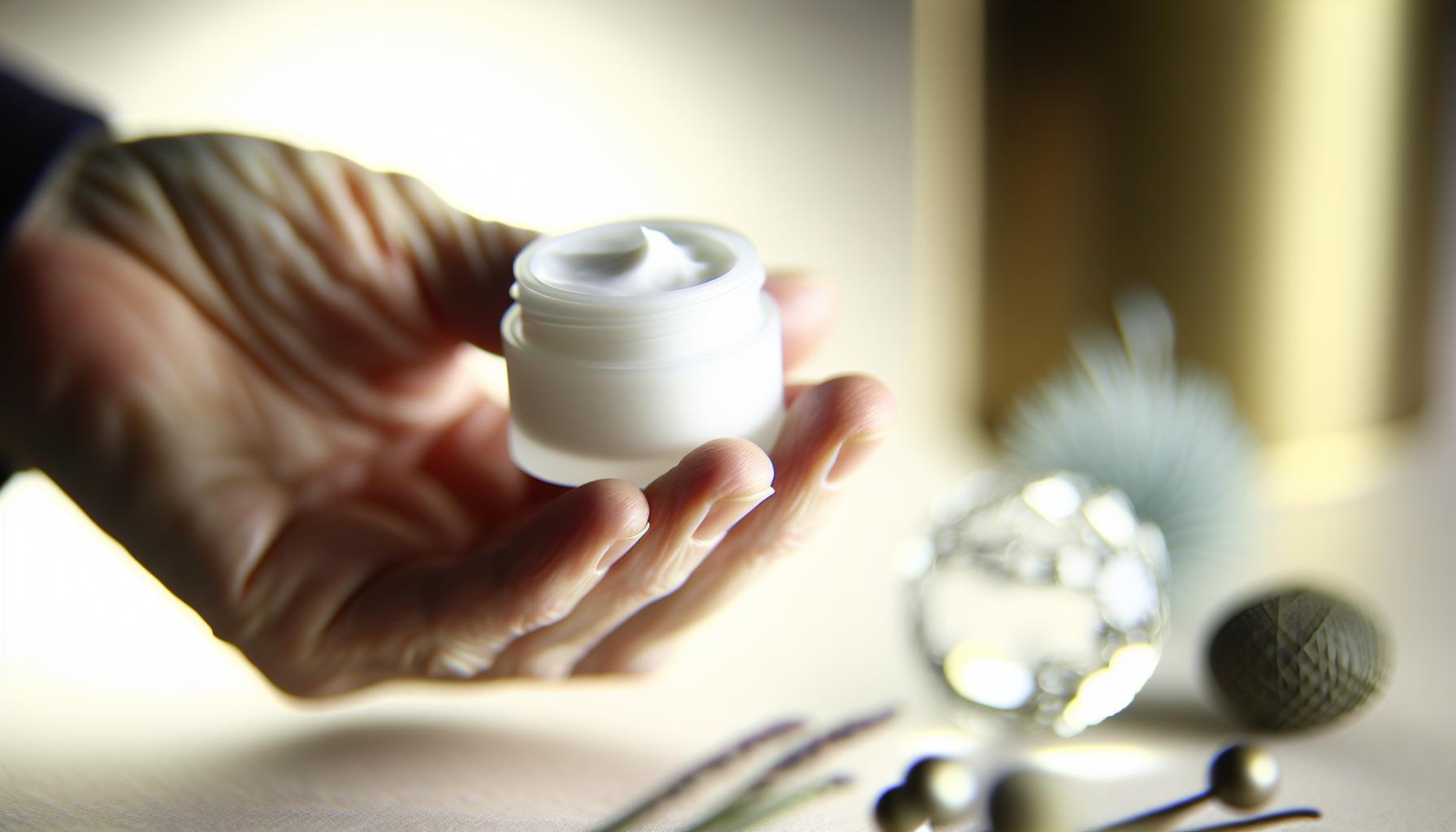
Step-by-Step Guide to Applying Nipple Cream Safely
Applying nipple cream may seem simple, but doing it thoughtfully can make a world of difference in comfort and healing. When your skin is tender and delicate postpartum, the way you care for it reflects the kindness you offer yourself on this demanding journey. A gentle, clean application keeps the cream effective, introduces no irritation, and supports your breastfeeding relationship without worry. Let’s walk through each moment so you feel confident and nurtured every time you soothe your nipples.
- Start with Clean Hands: Before touching your breasts or applying any cream, wash your hands thoroughly with warm water and mild soap. This step is essential to prevent introducing bacteria to sensitive tissue and supports safe healing.
- Gently Cleanse Your Nipples: Use a soft, damp washcloth or warm water to gently cleanse your nipples and surrounding area. Avoid harsh soaps or scrubbing, as these can strip natural oils and increase dryness or irritation.
- Apply a Small Amount of Cream: Scoop a pea-sized amount of your chosen nipple cream onto clean fingertips. With soft, circular motions, spread it evenly across your nipple and the surrounding areola. There’s no need to over-apply; a thin,breathable layer is ideal to allow your skin to breathe and heal.
- Allow the Cream to Absorb: Give your skin a few minutes to absorb the cream before dressing. This pause ensures maximum benefit and prevents the cream from rubbing off on clothing.
- No Need to Wipe Off Before Nursing: Many nipple creams safe for breastfeeding are designed to be left on during nursing. This means the cream helps protect and soothe your skin while baby feeds, with ingredients that are safe if ingested in tiny amounts.
- Reapply as Needed: After each feeding session, repeat this gentle care ritual to maintain hydration and protect cracked or sensitive nipples. Consistent application supports steady healing without overwhelming delicate skin.
Listening to Your Body’s Signals
Every mother’s experience is unique. Some may find their nipples benefit from cream after every feed,while others prefer less frequent application. Trust how your skin feels. If you notice increased irritation, swelling, or unusual redness after applying a product, consider switching to a simpler formula or consult a lactation specialist. Sometimes spacing out applications or gently massaging dried cream into the skin helps maintain comfort.
One experienced mom shared how she turned her cream application into nurturing self-time—lighting a candle, playing soft music, and taking deep breaths while caring for her nipples. This mindful moment became her daily sanctuary, a small but powerful ritual that balanced physical healing with emotional tenderness.
Natural and DIY Nipple Cream Recipes for Moms
many mothers find comfort not only in carefully chosen commercial nipple creams but also in creating their own soothing balms at home. Natural, homemade nipple creams can offer gentle, effective relief, crafted from safe, nourishing ingredients that support the skin’s healing without introducing harmful chemicals. When you blend simple, nature-derived components, you control exactly what touches your delicate skin and feeds your little one, lending an empowering sense of connection and care to your postpartum routine.
The key to a homemade nipple cream lies in balancing natural moisturizers with mild, healing agents that hydrate and shield cracked or sensitive nipples. Ingredients like organic shea butter, coconut oil, and beeswax form a rich, protective base that locks in moisture while letting your skin breathe. Adding a touch of calendula or chamomile-infused oil introduces gentle anti-inflammatory and soothing properties favored by many mothers and herbalists alike. Remember, the safest DIY creams avoid essential oils or herbal extracts with known risks during breastfeeding and focus on skin-friendly, edible-grade ingredients.
Simple DIY Nipple Cream Recipe
this easy, no-fuss recipe creates a nourishing balm you can whip up quickly. It’s perfect for those tender postpartum days when your skin needs extra gentle love.
- Ingredients:
- 2 tbsp organic shea butter (moisturizes deeply)
- 1 tbsp raw, unrefined coconut oil (antimicrobial, soothing)
- 1 tbsp beeswax pellets (creates protective barrier)
- 1 tbsp calendula-infused olive oil (calms irritation)
- Preparation:
- In a double boiler, gently melt shea butter, coconut oil, and beeswax, stirring continuously.
- Once melted, remove from heat and stir in calendula oil.
- Pour into a small, sterilized jar and let cool until firm.
- Usage: Apply a pea-sized amount to clean nipples after feeding. As all ingredients are safe if baby ingests small amounts, there’s no need to wipe off before nursing.
Herbal Oil Infusions for Extra healing
If you enjoy herbal medicine but want to keep it straightforward and safe, infusing olive or sweet almond oil with gentle herbs at home can be a splendid addition to your chest care. Calendula, chamomile, and comfrey are beloved for their skin-soothing and tissue-repairing properties when used topically.
- Quick Infusion method: Place dried herbs in a clean, dry jar. Cover with olive oil and leave in a sunny window for 2–4 weeks, shaking occasionally. Strain before use.
- Storage: Keep your infused oil in a dark glass jar in a cool spot to preserve freshness.
- Note: Always patch test new infusions to check for sensitivity before full application.
Many mothers cherish creating these balms not just for their healing effects but as a meaningful ritual—transforming care into a calm moment of connection. Trust your intuition: if your skin reacts differently, adjust ingredient ratios or try a milder base like aloe vera gel or pure lanolin, which has centuries of safe use in breastfeeding care. Remember, nourishment can be as much emotional as physical; the warmth in your hands and the peace in your mind play a quiet but powerful role in recovery and comfort.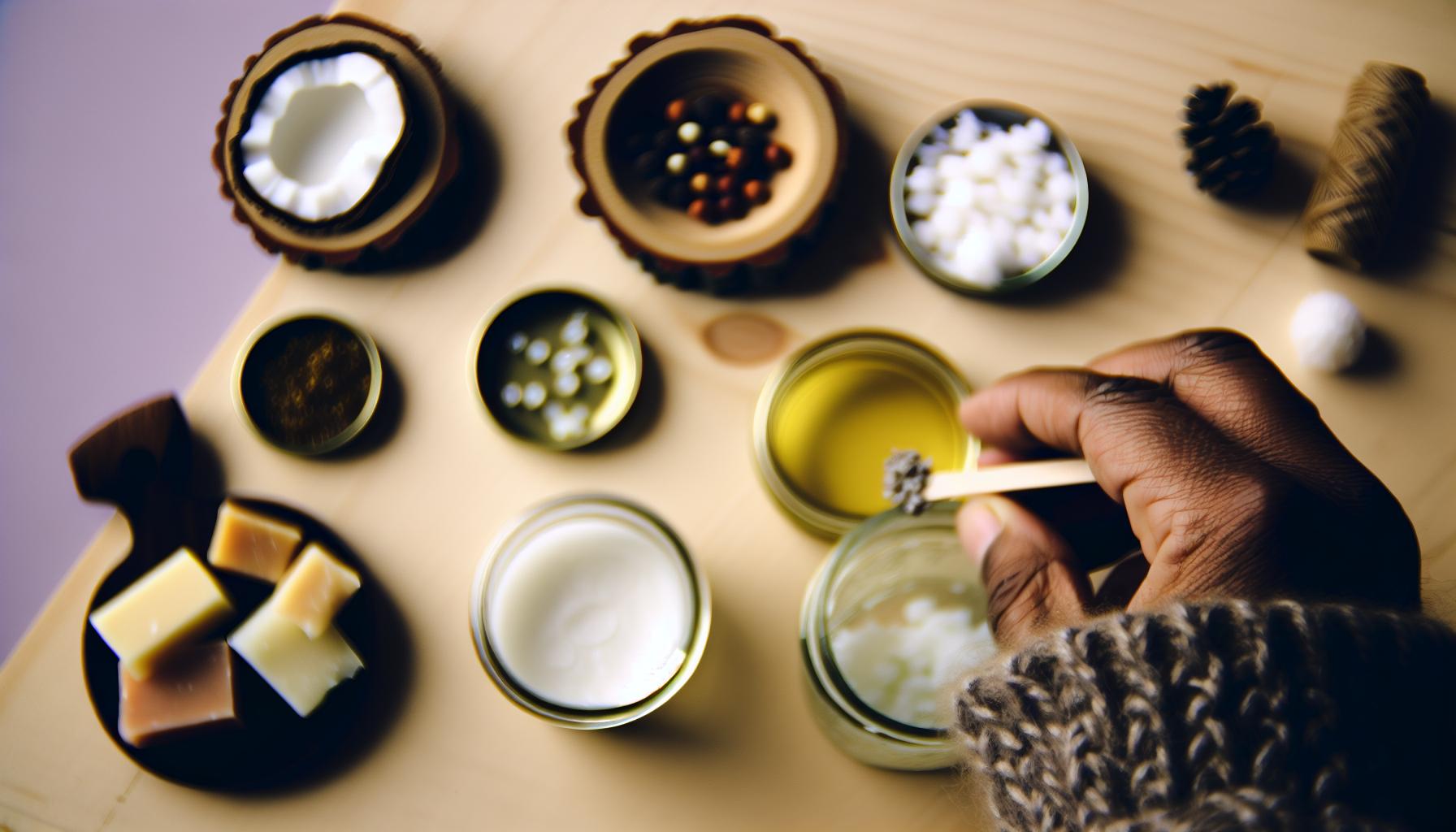
When and How Often to Use nipple Cream During Breastfeeding
The moments right after breastfeeding are a golden possibility to nurture and protect your nipples, especially when sensitivity or soreness is part of your journey. Applying nipple cream immediately after each feeding not only soothes existing discomfort but also creates a gentle barrier that helps prevent further irritation. since nipple skin can be delicate and prone to cracking, frequent and consistent use of a safe, nourishing cream supports quicker healing and ongoing comfort—without requiring you to wipe it off before your next feed, provided the ingredients are baby-safe.
Every mother’s experience is unique—some find relief applying cream after every feeding, while others find that once or twice daily application keeps their nipples well-hydrated and protected. It’s perfectly fine to start gently: applying a pea-sized amount after breastfeeding and then assessing how your skin feels before increasing frequency. Trusting your body’s signals is key; if you notice dryness returning or sensitivity flaring up, increasing applications can be part of your self-care rhythm. On tougher days, combining cream use with other supportive measures—like allowing nipples to air dry and wearing breathable fabrics—amplifies healing benefits.
Practical Tips for Timing and Frequency
- Right After Feeding: Clean your nipples gently if needed, then apply cream while skin is still slightly moist to lock in hydration.
- during Intense Soreness: Use cream after every feeding (which can be 8-12 times daily depending on your baby’s feeding schedule).
- When Healing Stabilizes: Gradually reduce to once or twice a day maintainance until skin is fully recovered.
- Nighttime Application: A thicker layer before bed can aid overnight repair when skin has the longest rest period.
- Avoid Overuse: While frequent application is safe with natural, baby-friendly creams, avoid piling on too much product to prevent clogged pores or irritation.
Remember, healing is a gentle process that doesn’t rush—your body and baby’s feeding patterns might shift daily.Some mothers find applying nipple cream becomes a soothing ritual that reconnects them with their bodies—a moment of kindness amid the beautiful complexity of motherhood. When you honor your skin’s needs with consistent care and gentle timing, you set the stage for comfort, confidence, and continued breastfeeding success.
Medical Insights: Treating Cracked or Sore Nipples Safely
Cracked or sore nipples can feel overwhelming—especially when you’re working hard to nourish your little one. It’s important to remember that not only is this a common challenge in breastfeeding, but sensitive skin deserves gentle, evidence-based care that supports healing while respecting both mother and baby. Healing cracked nipples safely involves more than just slathering on cream; it’s about creating a nurturing environment where skin can repair naturally without introducing ingredients or practices that might cause irritation or harm.
Many healthcare providers emphasize using lanolin-based creams or purified medical-grade ointments specifically formulated for breastfeeding moms. these act as protective barriers, sealing in moisture and helping damaged skin regenerate without needing to be wiped off before feeding.Sometimes, topical antibiotics or antifungal creams may be recommended if nipple fissures become infected—however, any additional treatment should always be guided by your lactation consultant or healthcare provider to avoid unneeded exposure to medications. Overuse of harsh products or scented creams can disrupt delicate skin balance and worsen discomfort. When soreness is severe or persistent, it’s essential to check for underlying issues such as improper latch, thrush, or eczema, as treating the root cause is key to lasting relief.
Medical-Backed Tips for Supporting Skin Recovery
- Assess Latch Technique: Correct positioning reduces friction and pressure, preventing further nipple trauma.
- Keep Nipples Clean and Dry: Gently wash with warm water only; avoid soaps or wipes with alcohol or fragrance.
- Apply Nipple Creams: Use 100% medical-grade lanolin or approved natural alternatives after every feed.
- Allow Air-Drying Periods: Let nipples air dry for a few minutes after applying cream to enhance skin barrier repair.
- Consult a Specialist: If cracks bleed, persist beyond a week, or are accompanied by redness and swelling, seek medical evaluation promptly.
many mothers find comfort in combining trusted medical advice with traditions like gentle cold compresses or oil massages using safe oils such as almond or coconut—always patch testing first for sensitivities. Remember, each mother’s healing journey is unique; some nipples respond quickly while others take time, influenced by hormonal fluctuations and physical demands of breastfeeding.Embracing patience while applying consistent, nourishing care allows for gradual, safe recovery that supports both you and your baby’s continued breastfeeding success.
| Common Treatments | Benefits | Safety Notes |
|---|---|---|
| Medical-grade Lanolin Cream | Effective moisturizing, safe for baby, no need to wipe off | Choose pure, hypoallergenic formulas without additives |
| cold Compresses | Reduces swelling and pain after feeding | Use clean cloths; avoid ice directly on skin |
| Antifungal/Antibiotic Ointments | Treats infections like thrush or bacterial irritation | Use only under medical guidance to avoid milk contamination |
| Natural Oils (coconut, Almond) | Gentle emollients that support softening and hydration | Patch test to check for allergies; ensure food-safe quality |
Common Ingredients to Avoid while Breastfeeding
Many nipple creams on the market boast soothing benefits, but not all ingredients play nicely with breastfeeding bodies or tiny tummies. As your baby’s first meal comes directly from your skin, it’s especially critically important to avoid substances that can irritate sensitive nipples or pose risks if ingested. Choosing the right cream means protecting your delicate skin while also nurturing your baby’s well-being.
Certain additives, preservatives, and fragrances can be more harmful than helpful during this vulnerable time. For example, synthetic fragrances frequently enough contain chemicals that may trigger allergic reactions or skin sensitivities. similarly, parabens and phthalates, common preservatives used to extend shelf life, have raised safety concerns related to hormonal disruption—best to steer clear, especially when breastfeeding. Ingredients like menthol, camphor, or phenol, although sometimes marketed for their cooling or antiseptic effects, may cause skin dryness or irritation and could be unsafe if transferred to your baby during feeds.
Ingredients to Watch Out For
| Ingredient | Why Avoid | Common Sources |
|---|---|---|
| Synthetic Fragrances & Perfumes | Cause irritation, allergic reactions; harsh on damaged skin | Many over-the-counter creams, lotions, oils |
| Parabens (Methyl-, Propyl-, Butyl-) | Endocrine disruptors; potential hormonal effects | Preservatives in creams, moisturizers |
| Phthalates | Hormone interference; linked to developmental concerns | Fragranced products, some topical ointments |
| Menthol, Camphor, Phenol | Skin irritants; may cause dryness or numbness | Cooling or antiseptic nipple creams |
| Alcohol (Denatured or Ethanol) | Dries and cracks skin; worsens irritation | some wipes, cleansing solutions, lotions |
| Essential Oils in High Concentrations | Risk of sensitization; may affect baby if transferred | Lavender, tea tree, eucalyptus in undiluted forms |
Many moms find it empowering to take a mindful approach in reading labels, considering how each ingredient aligns with their personal comfort and safety goals.When patch testing new creams or DIY concoctions, apply a small amount to a clean patch of skin (such as inner forearm) and monitor for redness or itching over 24 hours before using on nipples.
Balancing Natural and Safe
While some natural ingredients like coconut oil or medical-grade lanolin are widely celebrated for gentle hydration and barrier support, even natural products should be chosen carefully. As an example, raw or cold-pressed oils can occasionally cause allergies, so starting slowly and observing your skin’s response preserves your nipples’ comfort without interrupting breastfeeding.
Remember, this healing phase is deeply personal and seasonal—what works for one mother may not for another. Always prioritize gentle, fragrance-free, non-toxic ingredients. And when in doubt, lean on your lactation consultant, midwife, or trusted healthcare provider’s expertise to guide you through safe choices that honor both your body’s healing and your baby’s safety. You’re doing a beautiful job caring for two beings at once. A little extra attention to ingredients goes a long way in creating a nurturing space for both healing and feeding.
Balancing Traditional Remedies with Modern Safety Guidelines
Finding harmony between time-honored healing traditions and modern safety standards can create a nurturing experience that respects both cultural wisdom and your baby’s wellbeing. Many mothers naturally turn to herbal remedies or family recipes passed down through generations—these practices frequently enough carry deep emotional meaning and offer soothing comfort amid the physical challenges of breastfeeding. Tho, it’s essential to blend this rich heritage with a careful eye on ingredient safety, especially as newborns are uniquely sensitive to anything they ingest, even through skin contact.
Integrating traditional remedies doesn’t mean abandoning caution. For example, coconut oil has been cherished across many cultures for its moisturizing and antimicrobial properties, making it a gentle, popular choice for nipple care.Yet, even natural oils require patch testing to rule out allergies or irritation. Some herbal treatments, such as calendula or chamomile, can support gentle healing but must be used in appropriate dilutions to avoid sensitivities or adverse reactions. While your grandmother’s salve may sound comforting,modern knowledge reminds us to avoid blends containing menthol,camphor,or undiluted essential oils,which can harm both your skin and your baby’s delicate system.
Practical Tips to Blend Tradition with Safety
- Start Small: Always patch-test any homemade or traditional preparation on your inner arm before applying to nipples.Wait 24 hours to check for redness or itching.
- choose Purity: Use medical-grade lanolin or cold-pressed, unrefined oils without synthetic additives.
- Avoid Known Risks: Skip ingredients like camphor, menthol, and concentrated essential oils that can cause irritation or transfer risks to your baby.
- Consult Trusted Experts: Reach out to your lactation consultant or midwife—many embrace holistic care and can help you safely incorporate traditional remedies.
- Observe Your Body: Every healing journey is unique. if something doesn’t feel right—be it a slight burning or increased nipple sensitivity—pause use and seek guidance.
Bringing these thoughtful practices together can empower you to care deeply for yourself and your child, honoring both your cultural roots and the gentle science that protects this precious time. This thoughtful balance respects how postpartum bodies heal—physically and emotionally—while feeding a tiny life, creating a unique safe space for your breastfeeding journey.
Real Moms’ Experiences and Tips for Nipple Care
Many mothers find that caring for sore or cracked nipples is one of the more tender—and often unexpected—challenges of breastfeeding. Stories frequently enough surface about how something as simple as switching to a gentle, safe nipple cream made a big difference in comfort and confidence. One mom shared how she struggled with painful latch early on, but incorporating a pure lanolin cream after every feed not only soothed her nipples but also encouraged her to keep nursing without dread. Her advice? “consistency is key—apply a thin layer right after feeding while your skin is still clean and moist.” This small, gentle ritual became a meaningful moment of self-care in her hectic postpartum days.
Real moms often emphasize the importance of listening to your body and honoring what it needs.As an example, some find warm compresses before nursing help reduce discomfort, while others swear by a cooled herbal compress using chamomile tea bags to ease inflammation naturally. A doula-mom I know suggests pairing a nurturing nipple cream with simple mindfulness breaths—inviting calm into both you and baby during feeding breaks. she reminds new moms that healing isn’t linear, and what works wonderfully one day may need adjusting the next—especially as hormonal shifts and baby’s growth change feeding dynamics.
- patch-Test Every New Product: A mom from a breastfeeding support group shared her experience with mild irritation from a popular organic balm and stresses testing on a small skin patch well before applying to nipples.
- Hydration and Nutrition Matter: Many moms noticed that staying well-hydrated and focusing on nutrient-rich foods seemed to improve skin elasticity and healing capacity.
- Keep Nipple Skin Airy and dry: After feeding and cream applications, some mothers find letting nipples air dry for a few minutes speeds recovery and prevents yeast overgrowth.
Simple DIY Nipple Balm That Worked for Many Moms
| Ingredient | Amount | Purpose |
|---|---|---|
| Medical-grade lanolin | 2 tbsp | Moisturizing, skin barrier repair |
| Cold-pressed coconut oil | 1 tbsp | Antimicrobial, soothing |
| calendula infused oil | 1 tsp | Anti-inflammatory, healing |
Preparation: Gently melt lanolin and coconut oil over low heat. Stir in calendula oil,then pour into a clean jar. Let it cool and solidify. Use a small dab after each feeding.
Every mother’s path with nipple discomfort is unique, shaped by individual skin sensitivity, breastfeeding technique, and even emotional stress. Surrounding yourself with a supportive community—whether lactation consultants, trusted moms, or doulas—can offer practical tips and heartfelt reassurance. It’s okay to try different safe options before finding your perfect fit. Remember, nurturing your nipples is an act of self-love that nourishes your bond with baby, too.
Choosing between Organic, Natural, and Pharmaceutical Creams
Choosing a nipple cream during breastfeeding is deeply personal and often feels like balancing a delicate dance between safety, comfort, and effectiveness. You want something gentle to soothe sensitive skin without introducing anything harsh to your baby’s environment. Whether you lean toward organic, natural, or pharmaceutical options, understanding the differences can definitely help you make an informed choice that honors your unique journey.
Many moms find organic creams appealing because of their plant-based ingredients and minimal processing. These often include soothing elements like calendula, chamomile, or shea butter, trusted for their calming properties and skin-nourishing benefits. However, natural doesn’t always mean risk-free. Some botanical ingredients may cause allergies or irritations, so be sure to patch-test every new product and observe how your skin responds. For example,while essential oils provide wonderful scents and healing benefits,they can be potent and aren’t always recommended directly on nipple skin during breastfeeding. A nurturing doula I know frequently enough suggests sticking to organic balms free from fragrances or additives during the early weeks postpartum to minimize any sensitivity.
On the other hand, pharmaceutical nipple creams like pure medical-grade lanolin have decades of research backing their safety and effectiveness. lanolin, derived from wool wax, acts as a moisture barrier and skin healer, supporting cracked or dry nipples without interfering with breastfeeding. It’s often the go-to for many lactation consultants because it doesn’t need to be wiped off before nursing and is inert enough not to disrupt baby’s delicate system. Some moms appreciate this consistency, especially during those tender first days when the skin is very raw and vulnerable.
Weighing Benefits and Concerns
| type | Ingredients | Benefits | Considerations |
|---|---|---|---|
| Organic | Plant oils, butters, herbal extracts | Gentle, minimal synthetic chemicals, aligns with holistic care | Possible allergens, variable potency, patch test needed |
| Natural | Unrefined, minimally processed ingredients | Fewer additives, frequently enough soothing | Lack of standardization, not always clinically proven |
| Pharmaceutical | Medical-grade lanolin, zinc oxide, approved actives | Clinically tested, reliably safe for breastfeeding | Some moms sensitive to lanolin, less “natural” appeal |
A warm piece of wisdom shared in a breastfeeding forum reminds us: “Trust your instincts. Your body knows what it needs.” some days you may crave the simplicity of pharmaceutical creams, while others lean into the ritual of applying a lovingly made natural balm. Both choices are valid and can coexist on the spectrum of gentle postpartum care.
It’s also worth honoring the role cultural traditions might play in your selection. Many communities have longstanding,time-tested remedies palms by experience and love—ingredients like coconut oil or homemade herbal salves—that offer comfort without overwhelming nipple skin. Integrating these within the guidance of your healthcare provider can create a beautiful balance between modern safety and soulful healing.
Ultimately,whether you choose an organic cream rich in botanical goodness,a trusted pharmaceutical blend,or a natural homemade recipe,the key lies in attentiveness: tuning into your skin’s signals,respecting the healing process,and embracing care as a tender moment for you and your baby.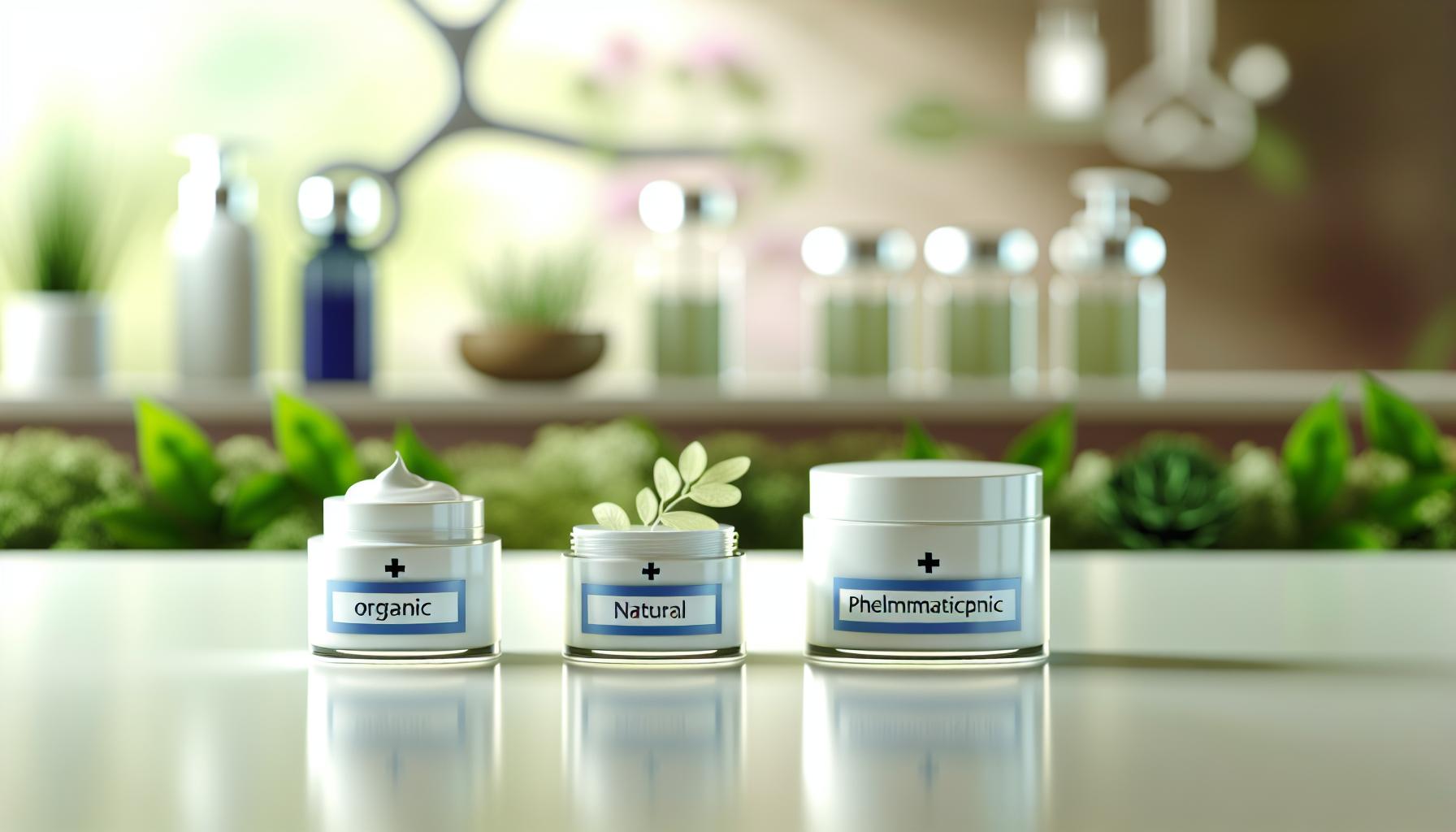
Addressing Allergies and Sensitivities with Nipple Creams
Many new moms discover the hard way that the very creams meant to soothe their sore nipples can sometimes trigger unexpected sensitivities or allergic reactions. This can feel frustrating, especially when your body is already navigating the whirlwind of postpartum healing and breastfeeding adjustments. Understanding how to recognize and manage these reactions is a gentle step toward honoring your body’s unique needs without adding stress. Remember, your skin is your first line of interaction—it can signal when something isn’t quite right, and tuning into those signals helps protect both you and your baby.
Watch for Signs of Sensitivities
Sensitive skin can react to both natural and synthetic ingredients. Common symptoms include redness, itching, burning sensations, or unusual dryness after applying a cream. In some cases, you might notice tiny blisters or swelling. It’s critically important to differentiate between normal tingling as part of healing and true allergic responses. A simple patch test can be your best friend here: apply a small amount of the cream to a less sensitive area,like your inner forearm,and observe for 24 hours before using it on your nipples.
Safe Cream Selection tips
- Choose fragrance-free and additive-free formulas.Even “natural” scents can irritate delicate skin during breastfeeding.
- Check ingredient labels carefully. Common allergens include lanolin (in some sensitive moms), certain essential oils, preservatives like parabens, and fragrances.
- Rotate creams cautiously. Switching between products can sometimes confuse sensitive skin,so introduce new creams one at a time.
Listening to Your Body and Seeking Support
Your healing journey is deeply personal—what works beautifully for one mom might not for another. For example, Maria, a new mama from my community, found that her beloved calendula-infused balm caused a rash, while medical-grade lanolin soothed her skin without irritation. Meanwhile, another mom embraced a gentle coconut oil blend prescribed by her grandmother, finding relief in that familiar touch. Sharing stories like these reminds us that no single “perfect” cream exists—only what feels right for you.If a reaction persists or worsens, don’t hesitate to reach out to a lactation consultant or healthcare provider. They can help rule out infections such as thrush, which sometimes mimic allergic responses, and recommend safe treatment options. Above all, trust the wisdom of your body and the nurturing instincts that led you to care so lovingly for yourself and your baby.
| Potential Allergens to Watch For | Common Symptoms | Alternatives to Consider |
|---|---|---|
| Lanolin (for some sensitive moms) | Redness, itching, rash | Pure petroleum jelly, hypoallergenic creams |
| Essential oils (e.g.,lavender,eucalyptus) | Burning sensation,irritation | Fragrance-free balms,shea butter |
| preservatives and fragrances | Swelling,hives | Certified organic,fragrance-free products |
Approach your self-care as an ongoing conversation with your body,mixing mindful observation with gentle experimentation. This openness fosters confidence and calm, turning nipple care into a tender act of love and respect—one that supports healing without harm.
FAQ
Q: How soon can I start using nipple cream safely after breastfeeding begins?
A: You can start applying nipple cream safely immediately after breastfeeding begins if you experience soreness or cracking. Choose creams labeled safe for feeding babies, applying a thin layer after each feed to soothe and protect. Early use supports healing without interrupting feeding routines. For detailed application,see our Step-by-Step Guide to Applying Nipple Cream Safely.
Q: Can nipple creams affect milk supply or breastfeeding success?
A: Nipple creams safe for breastfeeding do not affect milk supply or breastfeeding success. They nourish and protect nipple skin, reducing pain and helping moms continue feeding comfortably. Always use products free from harmful chemicals to avoid irritation, supporting healthy lactation and infant safety.
Q: What natural ingredients in nipple creams are proven safe and effective during breastfeeding?
A: Natural ingredients like lanolin,coconut oil,and calendula are proven safe and soothing during breastfeeding. They moisturize cracked skin and promote gentle healing without harming your baby. Avoid essential oils or additives not tested for nursing moms. Learn more in our Key Ingredients to Look for in Nipple Creams section.
Q: How can I tell if my nipple cream might cause an allergic reaction while breastfeeding?
A: To spot an allergic reaction, watch for redness, itching, or swelling after applying nipple cream.If irritation appears, discontinue use immediately and consult your healthcare provider. Always patch-test new creams on a small skin area before full application to ensure safety and comfort.
Q: Is it safe to use homemade nipple creams during breastfeeding?
A: homemade nipple creams can be safe if they use simple, natural, non-toxic ingredients like olive oil or shea butter. Avoid untested herbs or essential oils that may cause sensitivity. Follow trusted DIY recipes and consult a healthcare professional if in doubt. Explore our natural and DIY nipple Cream Recipes for Moms for guidance.
Q: How often should nipple cream be applied to maximize healing without interfering with breastfeeding?
A: Apply nipple cream after every feeding or as recommended, usually 2-3 times daily, to promote healing without residue buildup. A thin layer absorbs quickly and won’t interfere with baby’s latch. Consistency in use helps soothe soreness and prevents cracks while breastfeeding.
Q: Can nipple cream help prevent infection in cracked or sore nipples during breastfeeding?
A: Yes, certain nipple creams with antimicrobial ingredients like lanolin or calendula can help prevent infection while soothing cracked nipples. Keeping nipples moisturized reduces the risk of irritation and potential infection during breastfeeding. For medical advice and cream options, see Medical Insights: Treating Cracked or Sore nipples Safely.
Q: Should I avoid nipple creams with fragrances or preservatives while breastfeeding?
A: It’s best to avoid nipple creams containing fragrances, dyes, or harsh preservatives, as these can irritate sensitive skin and affect baby safety. Choose fragrance-free, minimal-ingredient creams designed for breastfeeding moms to ensure gentle, effective care. For safe ingredient tips, refer to our Common Ingredients to Avoid While Breastfeeding section.
Feel free to explore the full guide for nurturing, practical tips and gentle, evidence-based support on healing your nipples safely during breastfeeding. Your comfort matters—and so does your baby’s health.
In Conclusion
Choosing a nipple cream that’s truly safe for breastfeeding supports both healing and your baby’s wellbeing—because gentle, effective care matters during this tender postpartum phase. Remember, every mother’s journey is unique; what soothes one may differ for another. For a step-by-step DIY soothing balm or insights on postpartum skin care, explore our Natural Breastfeeding Remedies and Postpartum Self-Care Tips pages to deepen your self-care routine.
If you’re ready to embrace healing without worry, don’t hesitate to try recommended creams formulated with breastfeeding-safe ingredients that protect lactation and encourage comfort. For expert advice tailored to your journey, sign up for our newsletter or consult with our lactation support community. Your healing process deserves compassionate care—feel free to share your experiences or questions below, and join us as we nurture motherhood together. Discover more on Holistic Healing After Birth and keep your breastfeeding experience joyful and safe.
Get our latest guides, news, and insights highlighted in your Google Search & AI Overviews.


 WARNING TO PARENTS