
Is Side-Lying Breastfeeding Safe for Newborns? Position Guide
did you know that side-lying breastfeeding can offer new mothers a restful, hands-free way to nurse their newborns while gently supporting postpartum recovery? This position is especially helpful when you’re tired, healing, or seeking a cozy moment together—yet many wonder if it’s truly safe for tiny babies. Understanding how to safely breastfeed lying down helps protect your little one’s airway, supports good latch, and nurtures bonding without added stress. In this guide,we’ll explore the benefits,practical tips,and important safety considerations for side-lying breastfeeding,honoring both your body’s healing journey and your baby’s needs. Whether you’re easing into night feeds or managing perineal tenderness, these insights aim to empower you with confidence and calm, creating a loving, secure experience that fits your unique rhythm. Let’s embrace the joys and challenges of feeding this way—gently, practically, and with all the care new motherhood deserves.
Contents
- Understanding Side-Lying Breastfeeding: What You Need to Know
- Safety Benefits and Risks of Side-Lying Position for Newborns
- Step-by-Step Guide to Safe Side-Lying Breastfeeding
- How to Position Your Baby Correctly for Side-Lying Feeding
- When Is Side-Lying breastfeeding Most Helpful?
- Common Challenges and Solutions for Side-Lying Nursing
- signs your baby Is Feeding Well in Side-Lying Position
- Comparing Side-Lying to Other Breastfeeding Positions
- Tips for Creating a Comfortable and Safe Nursing Environment
- Expert Insights: Midwives and Lactation Consultants on Side-Lying
- Real Mom Stories: Side-Lying Breastfeeding Success and Struggles
- Adjusting Side-Lying Technique as Your Baby Grows
- Q&A
- Q: How can I ensure my baby’s airway stays clear during side-lying breastfeeding? A: To keep your baby’s airway clear during side-lying breastfeeding,position your newborn with their nose and mouth unobstructed,slightly tilted back but not compressed against your body. Always check your baby’s chin is not tucked in and monitor breathing throughout. This simple adjustment promotes safe feeding and reduces risks. For detailed positioning tips, see the How to Position Your Baby Correctly section. Q: When should I avoid side-lying breastfeeding with my newborn?
- Q: what bedding and environment best support safe side-lying breastfeeding?
- Q: Can side-lying breastfeeding help with nipple pain or cracked nipples?
- Q: How long can I safely breastfeed my newborn in the side-lying position each session?
- Q: What signs indicate my newborn is not feeding well in the side-lying position?
- Q: Does side-lying breastfeeding affect milk flow or letdown reflex?
- Q: how can I transition from side-lying breastfeeding as my baby grows?
- Concluding Remarks
Understanding Side-Lying Breastfeeding: What You Need to Know
Many new mothers find the side-lying breastfeeding position a comforting and practical way to nurse, especially during those sleepy nighttime feedings. This position allows both you and your newborn to rest while feeding, creating a peaceful bonding experience that can help ease the exhaustion of early motherhood. Side-lying breastfeeding gently supports your body’s natural healing after birth,letting you avoid pressure on sensitive areas like a sore perineum or cesarean incision. It also offers a welcomed break from sitting or holding your baby upright for long periods.What makes side-lying nursing especially nurturing is its adaptability to your body’s rhythm and your baby’s unique feeding needs. This position can be a gentle introduction for newborns still mastering latching and sucking, as it encourages a calm environment that helps regulate their reflexes. Plus, it supports the natural flow of milk by using gravity subtly, which can be a blessing if you’re managing oversupply or engorgement. Yet, as with all feeding methods, understanding key safety tips—like ensuring clear airways and a proper latch—empowers you to protect your baby while you rest together.
why Consider Side-Lying Breastfeeding?
- Restful feeding: Ideal for nighttime feeding without fully waking either of you.
- Comfort for mom: Especially helpful post-cesarean or with perineal soreness.
- Support for newborns: Promotes calm and steady feeding for babies new to breastfeeding.
- Safe bonding: Enables close skin-to-skin contact,soothing both mother and baby.
Embracing this position on your own terms means honoring your body’s healing and your baby’s cues without pressure. Each mother-baby pair will find their flow in side-lying nursing, making it a gentle, empowering choice for many during those tender first weeks and beyond.
Safety Benefits and Risks of Side-Lying Position for Newborns
Many parents find that side-lying breastfeeding offers a soothing, restful way to feed their newborns while both mother and baby can relax comfortably. this position supports bonding and eases nighttime feeds, especially when mom needs to rest or is recovering from birth. However, as nurturing and gentle as side-lying nursing can be, being mindful of safety is key to protect your little one and enjoy the benefits fully.
The side-lying position naturally encourages skin-to-skin contact and can help regulate your baby’s body temperature and stress levels. But safety comes from ensuring your baby’s airway remains fully clear throughout feeding. Keep pillows, loose blankets, or soft bedding well away from your baby’s face to avoid accidental smothering. Always place your baby facing toward you, with their head slightly elevated and their nose unobstructed—this alignment helps maintain unobstructed breathing without forcing unnatural neck angles.
- Choose a firm, flat surface: Lying on a bed or couch with a firm mattress reduces risk. Avoid soft, sagging surfaces that can increase suffocation hazards.
- Position your baby tummy-to-tummy: Align your baby’s nose level with your nipple, encouraging an easy latch and thorough breathing.
- Stay awake and attentive: It’s natural to feel sleepy during night feeds, but remain awake enough to monitor your baby’s breathing and swallowing.
The risks can be minimized significantly by making small, mindful adjustments—like using a rolled towel or pillow behind your baby’s back to prevent rolling and ensuring that your baby’s chin is gently tucked to maintain a clear airway. Newborns’ reflexes are delicate, and their ability to feed efficiently improves over days and weeks, so this position can be especially useful when they’re finding their rhythm.
Why Safety Matters in Side-Lying Feeding
While side-lying offers comfort and rest for parents, it’s important to recognize that newborns are naturally vulnerable during the early postpartum days. Their neck muscles aren’t strong yet, and their motor control is developing. This means that improper positioning—like twisting the head or pushing the chin upward—can lead to difficulty breathing or ineffective feeding. Also, maternal exhaustion can increase the chance you might fall asleep deeply; setting up a safe environment and possibly having a support person nearby during early nighttime feeds helps provide an extra layer of protection.
Balancing Benefits with Mindful Risk Reduction
Remember, side-lying breastfeeding is a tool in your feeding toolkit—not the only way to nurse. It’s beautifully suited to times when you need comfort and connection, and when your newborn is alert enough to latch well. Many mothers find that combining side-lying with other positions helps keep feeding safe, dynamic, and nurturing. Listening closely to your baby’s cues and trusting your instincts as a mother empowers you to adapt this position to your unique situation.
Safety in side-lying nursing blossoms when you honor your body’s healing, respect your baby’s needs, and approach each feed with gentle awareness. This creates a quiet space where breastfeeding can thrive, nurtured by warmth, vigilance, and love—just as it should be.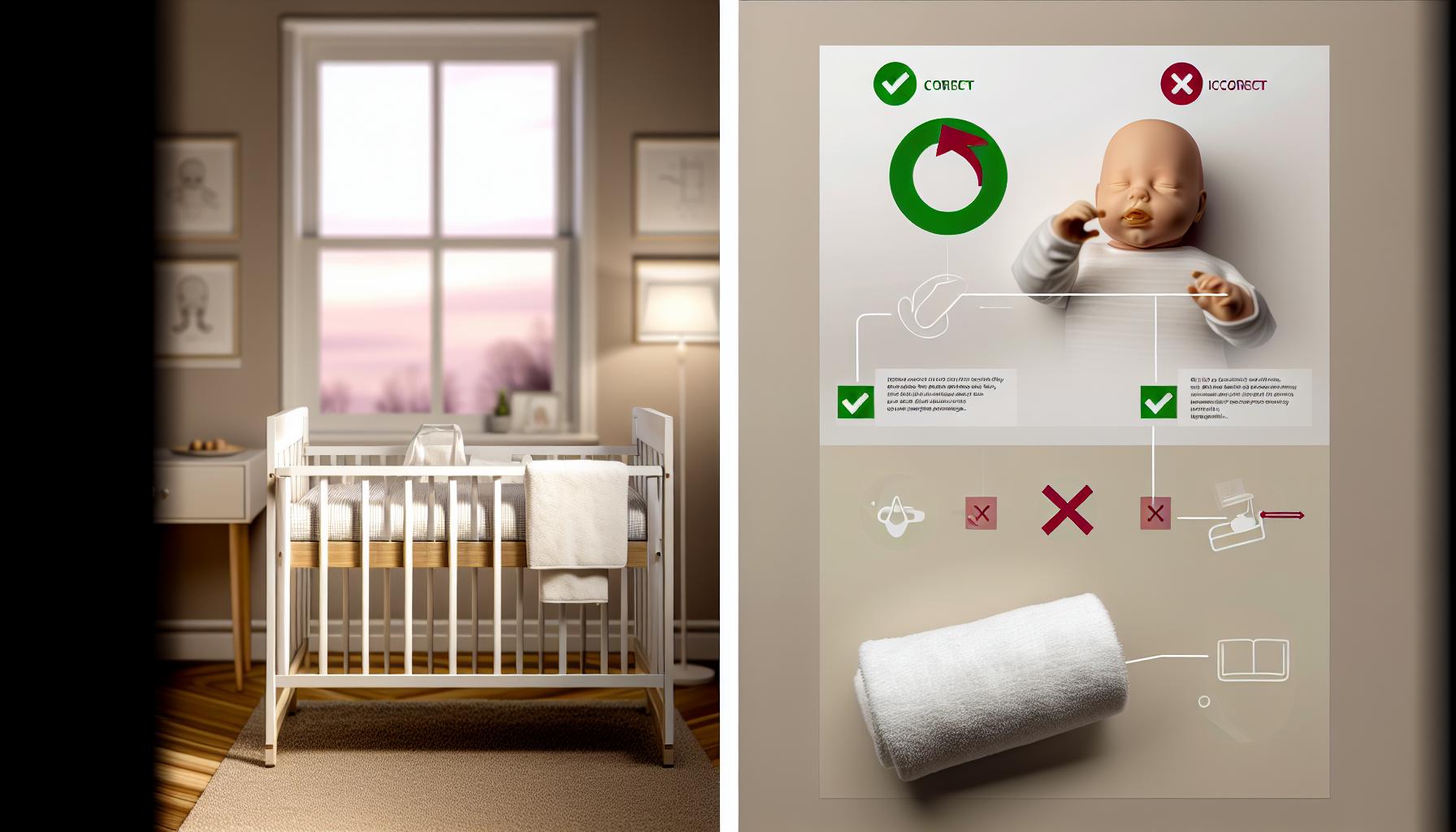
Step-by-Step Guide to Safe Side-Lying Breastfeeding
Many mothers find side-lying breastfeeding a gentle sanctuary during those quiet, often sleepy hours, offering rest without sacrificing the special closeness that feeds both baby and parent’s souls. Yet, this peaceful moment must be framed with care and mindfulness to ensure your newborn’s safety and comfort. Embracing a step-by-step approach can definitely help you seamlessly weave safety into this intimate practice, welcoming your baby to a calm feeding experience that honors both your healing body and your little one’s delicate needs.
Begin by preparing your environment thoughtfully.choose a firm, flat surface such as a supportive mattress on a bed—not a soft couch or overly cushioned area—to minimize risks of sinking or accidental suffocation. Have a rolled towel or small pillow ready to gently support your baby’s back, preventing unexpected rolling. It’s helpful to clear the surrounding area of loose blankets, pillows, or heavy bedding that could obstruct your baby’s airway. Position yourself lying on your side,ideally propped slightly with a pillow behind your back for comfort and to maintain stability.
Next, gently bring your baby to lie tummy-to-tummy with you. Align their nose at nipple level to encourage a natural, easy latch. Supporting your breast with a hand or a small pillow can make positioning smoother and reduce strain on your perineum and shoulders during recovery. Keep your baby’s chin slightly tucked in and avoid any twisting of the neck — this subtle positioning supports clear breathing while fostering an effective suckling rhythm. Throughout the feeding, stay awake and attentive. It’s natural to feel drowsy, especially during night feedings, but try to maintain gentle awareness of your baby’s swallowing and breathing cues. If exhaustion is overwhelming, consider asking a trusted partner or doula to be nearby for added safety and reassurance.
- Prepare your space: Firm mattress, no loose bedding near baby’s face.
- Support your baby: Use a rolled towel or pillow behind their back to prevent rolling.
- Body alignment: Baby tummy-to-tummy, nose to nipple, chin gently tucked.
- Stay alert: Monitor baby’s breathing and swallowing throughout the feed.
- Seek support if tired: A loved one can watch over during nighttime feeds.
A Real-Life Moment
One mother shared how she initially worried about falling asleep and accidentally smothering her baby. By creating a ‘nursing nest’ with firm pillows to keep her baby stable and setting her phone alarm as a gentle reminder to stay alert, she found side-lying feeds not only became safer but a deeply soothing ritual that enhanced her postpartum recovery. Such small mindful rituals honor your body’s need for rest while safeguarding your newborn’s safety.
Every mother’s experience is unique; trust your instincts, and adjust your positioning gently as you and your baby grow together. With attentiveness and care, side-lying breastfeeding can be a nurturing bridge between your healing journey and your baby’s growing world.
How to Position Your Baby Correctly for Side-Lying Feeding
Few moments rival the quiet intimacy of a side-lying feed, where mother and baby lie closely together, skin to skin, cocooned in calm. Getting your baby into just the right position not only supports a pleasant latch but also keeps their delicate airway safe and uninterrupted—a top priority during these restful nursing sessions. The goal is a natural alignment that encourages easy swallowing and relaxed breathing, allowing your baby to nurse peacefully while you rest.
Begin by ensuring your baby’s body nestles tummy-to-tummy with yours. This close contact fosters warmth and security, and practical positioning too—your baby’s ear, shoulder, and hip should ideally be aligned to avoid any twisting that could make swallowing or breathing harder. Gently lift your baby so their nose lines up with your nipple; this simple adjustment invites a natural rooting reflex, prompting your baby to open wide and latch deeply. Supporting your breast with your hand or a small pillow under your arm can reduce strain on your shoulder and help steady the nipple at the right height.
Keep your baby’s chin tilting slightly toward the chest—this small tuck is a subtle but effective way to keep the airway open while encouraging a strong suckling rhythm.When your baby is latched correctly,you’ll notice their cheeks round with each suck instead of dimpling,and gentle jaw movement rather than frantic fluttering.To prevent rolling or slipping during the feed, place a rolled towel or small pillow behind your baby’s back for gentle support. Remember, staying awake and aware throughout the feed is essential; a bedside lamp or soft nightlight can definitely help you observe swallowing and breathing cues.Don’t hesitate to ask for support if you feel drowsy or unsure—your safety and your baby’s well-being work best as a team effort.
- Align body parts: Ear, shoulder, and hip in a straight line.
- Nose to nipple: Adjust baby’s head gently to meet breast.
- Chin tucked: Subtle chin tuck aids airway openness and latch quality.
- Back support: Use a rolled towel behind baby to prevent rolling.
- Breast support: Hand or pillow under breast keeps nipple steady.
- Stay vigilant: Watch breathing and swallowing throughout feeding.
A Gentle Reminder from a Mom’s Experience
One new mother discovered that lightly tucking her baby’s chin and using a small nursing pillow under her breast helped her feel more secure during night feedings. She created a ritual of setting her phone alarm every 20 minutes to stay alert, especially during those heavy postpartum exhaustion phases. her takeaway? Small thoughtful positioning tweaks and safety habits make side-lying not only nurturing but reassuringly safe.Every dyad is unique. Gently explore and adjust positioning as your baby grows, honoring your postpartum body’s healing rhythm and your baby’s evolving feeding needs. With patience and mindfulness, side-lying breastfeeding can become a beautifully restful and safe chapter in your shared journey.
When Is Side-Lying breastfeeding Most Helpful?
Many mothers find that side-lying breastfeeding becomes a lifesaver during those deeply tired postpartum nights when exhaustion feels overwhelming. This position allows you to nurse while lying down, offering a chance to rest alongside your baby without the strain of sitting upright or holding your baby in your arms for prolonged periods. It’s particularly helpful for parents recovering from cesarean births or perineal tears, as it reduces pressure on sensitive areas and supports gentle healing. The gentle closeness also soothes newborns who crave skin-to-skin contact and comfort, promoting better latch and calm feeding sessions.
Side-lying feeding shines when night awakenings are frequent and unpredictable. Moms frequently enough share how this position enables them to quickly and safely feed without fully waking themselves,thus preserving energy and easing the mental load of endless nighttime care. It is also beneficial for babies who may tire easily during feeding or have low muscle tone, as the supported, reclined posture helps little ones nurse at a pace that suits their stamina.If you’re managing postpartum dizziness, fatigue, or healing wounds, side-lying can create a nurturing space that prioritizes restful feeding.
- Post-cesarean recovery: Minimizes strain on your abdomen—ideal in early weeks postpartum.
- Nighttime nursing: Supports resting while feeding, reducing sleep interruption stress.
- Babies with feeding challenges: Helps maintain latch and control milk flow for slower feeders.
- Parents with mobility limitations: provides a comfortable, safe alternative to upright holds.
- Promoting skin-to-skin intimacy: Enhances bonding and regulation of baby’s temperature and heartbeat.
Personal Stories Highlighting Timing and Benefits
One mom recalled her first few days after a cesarean when side-lying nursing became her go-to. She shared how reclining felt less painful and more natural than sitting,allowing her to breastfeed gently without tensing her incision. Another mother, navigating postpartum anemia and fatigue, relied on this position during nighttime feeds.She paired it with soft lighting and a supportive pillow setup,helping her stay alert and comfortable while her baby slept contentedly at her side. These real experiences underscore how side-lying breastfeeding fits uniquely into different healing journeys and parenting rhythms.
Remember, every family’s needs and experiences are distinct.Trust your intuition as you explore side-lying nursing, honoring your body’s pace as it heals and your baby’s developing feeding cues. This position can be a gentle, practical way to nurture both mother and newborn during some of the most vulnerable and tender moments of early life together.
Common Challenges and Solutions for Side-Lying Nursing
Breastfeeding while lying down can feel like a magical solution during those exhausting early weeks, but it’s not without its challenges.Many moms find that getting comfortable, maintaining a good latch, and staying alert can feel like a delicate balancing act when nursing in the side-lying position. These hurdles are completely normal and can be gently worked through with patience and a few practical adjustments that honor your body’s recovery and your baby’s unique rhythms.
One common struggle is finding the perfect alignment. Babies can sometimes fuss or slip off the nipple if their head and body aren’t well-supported.to ease this, try using a supportive nursing pillow or a rolled towel behind your baby’s back to maintain a slight recline. Ensure your baby’s ear, shoulder, and hip are in a straight line—this helps keep their airway open and encourages effective swallowing. Keep pillows around to elevate your own head and shoulders just enough for comfortable eye contact without straining your neck.
Another challenge new mothers often face is feeling sleepy or too tired to stay awake during side-lying nursing sessions, especially at night. It’s completely understandable—your body is healing, your hormones are shifting, and exhaustion can be overwhelming. To stay safely alert, dim lighting is crucial; try soft nightlights rather of harsh overhead lamps.Placing a soft, cool cloth on your face or gently tapping your feet on the floor can help keep your senses engaged. Many moms find that using a timer or having a partner gently check in can offer peace of mind while they rest alongside baby.
- challenge: Poor latch or baby slipping off nipple
Solution: Use pillows/towels to align baby’s body and support head slightly reclined. - Challenge: Mom feeling too tired to stay awake and focused
Solution: Use dim night lighting,engage senses with gentle touch or sound,and consider a partner’s presence.
- Challenge: Managing milk flow for babies who tire easily
Solution: Express a little milk before nursing to slow flow, or switch breastfeeding sides more frequently.
- Challenge: Maintaining comfort around healing cesarean or perineal areas
Solution: Arrange pillows to avoid pressure on the abdomen or perineum, and avoid twisting your torso.
A dear mother once shared how, after her cesarean, she felt frustrated by restlessness during side-lying feedings. With the help of her midwife, she crafted a “nest” of pillows that cushioned her abdomen while giving her baby just-right support to latch without strain. They also incorporated slow breasts gently hand-expressed first,allowing her baby to feed at a comfortable pace without exhausting themselves. With time, this gentle dance became a cherished bonding ritual — a reminder that healing and feeding go hand-in-hand with tenderness and creativity.
Remember, if side-lying feels challenging at first, it’s okay to try other positions and mix them with side-lying as you heal. Your body, your baby, and your feeding journey are uniquely yours. Trust your instincts, celebrate small victories, and lean into the comforting rhythm that side-lying nursing can provide. You’re doing a beautiful job nurturing both yourself and your little one.
signs your baby Is Feeding Well in Side-Lying Position
Many moms wonder how to tell if their baby is truly feeding well when nursing in the side-lying position, especially during those quiet nighttime sessions when everything feels so gentle and still. One of the most reliable signs is the presence of a strong, rhythmic suck-swallow pattern. You might notice baby’s jaw and ear moving softly as they draw milk in, followed by slight pauses to breathe and swallow comfortably. This gentle rhythm, rather than frantic or shallow sucking, frequently enough signals effective milk transfer and satisfaction.
Babies who latch deeply and correctly in side-lying tend to have their lips flanged outward like a cupcake wrapper,forming a wide,soft seal around the breast. If you spot a relaxed chin pressing firmly against the breast and cheeks that are rounded rather than dimpled, that’s a wonderful sign your baby is comfortably and efficiently nursing.Often, subtle swallowing sounds—almost like soft “pauses” or tiny gulps—can reassure you that milk is flowing and baby is coordinating breathing well while feeding. Trust your senses and tune in to these calming cues; they frequently enough speak louder than words.
- Steady swallowing: Rhythmic and audible without coughing or gagging.
- Comfortable body alignment: Baby’s ear,shoulder,and hip form a straight line,supporting smooth swallowing.
- Relaxed hands and fingers: Soft fists or open palms usually mean your baby feels secure and content.
- Alert yet calm: Baby shows gentle eye contact or soft rooting motions,not restless or agitated.
when to Look for Feeding Success
In the early postpartum days, frequent nursing with signs like milk swallowing every few sucks and calm settling after feeds indicates good progress. Over time,steady weight gain,at least six wet diapers a day,and stooling patterns that reflect your baby’s unique digestion all affirm feeding is on track. Remember, some babies may feed more quietly in side-lying, so subtle signs are your best guide.A sweet story shared by a mother reflected how she learned to trust the soft little “gulp” sounds in the dark. Initially anxious, she realized that her baby’s calm breathing and peaceful sleep afterward meant feeding was effective—this gentle reassurance helped her relax and enjoy those nighttime closeness moments without self-doubt.
Tips to Support Good Feeding in Side-Lying
- Use a firm but gentle pillow behind baby to keep the head aligned and slightly reclined.
- Maintain skin-to-skin contact to encourage rooting and latch reflexes.
- Offer both breasts during the feed, watching for baby’s natural pause and cues to switch.
- Keep a soft night light on to visually confirm latch and swallowing without startling either of you.
Trust yourself—you and your baby are learning a beautiful dance. With patience and attention to these gentle signs, you’ll find the rhythm that nourishes both body and soul in side-lying breastfeeding.
Comparing Side-Lying to Other Breastfeeding Positions
Few breastfeeding positions offer the unique blend of comfort and bonding that side-lying does, especially during those soft, sleepy nighttime feeds. Compared to more upright holds—like the cradle or football hold—the side-lying position allows both mom and baby to rest while nursing, which is a precious gift in the weary postpartum phase. It’s a gentle way to feed that can definitely help ease strain on healing bodies, especially for moms recovering from cesarean births or perineal tears. However, it’s not a one-size-fits-all; understanding the practical differences can empower you to choose what fits best for your unique journey.
Side-lying nursing supports a natural alignment for baby’s head, neck, and spine, which fosters an effective latch without forcing awkward angles. This can be particularly beneficial for newborns who struggle with traditional positions or for feeding during night wakes when you both crave minimal movement. In contrast,the more common cradle hold offers increased visibility and control over latch adjustments,which some moms find reassuring during early breastfeeding days. Football hold (or clutch hold) distributes baby’s weight differently, making it easier to support a larger baby or one with a strong rooting reflex, while also offering direct access to the breast if latching challenges arise.
| Position | Best For | Mom’s Comfort | Baby’s Alignment | Visibility & Control | When to Use |
|---|---|---|---|---|---|
| Side-Lying | Night feeding, post-cesarean recovery, tired moms | Supports rest; minimal physical effort | Natural, side-by-side alignment | Limited; relies on touch, gentle feel | Sleepy feeds, soothing colicky babies |
| Cradle Hold | Most newcomers; daytime feeding | Upright but relaxed; can strain arms | Good with coaching; aligns baby face-to-breast | High; easy to see latch and reposition | Learning latch, cluster feeding |
| Football Hold | Moms healing from c-section, twin feeding | Requires arm support; may need pillows | Direct line to nipple; helps with latch issues | High visibility, good control | Latching challenges, large babies |
| Laid-Back / Biological Nurturing | Moms wanting a relaxed, reclined feed | Extremely comfortable; uses gravity | Baby on belly, naturally seeking breast | Moderate; requires patience to find latch | Hands-free feeding, bonding sessions |
While the side-lying position shines in facilitating restful feeding moments, it does require vigilance to ensure baby’s airway remains clear and that latching is deep enough to avoid nipple discomfort or ineffective milk transfer. Some moms worry about not seeing their baby as clearly, but with gentle practice, trust grows in sensing baby’s cues even in the dim glow of a nightlight. On the other hand, more upright positions can give a fuller view to reassure you—but they may feel more demanding physically or be less suitable during nighttime or recovery.
Listening to your body and your baby’s signals is key. If the side-lying hold feels soothing and your baby feeds well with steady swallowing and relaxed alignment, it’s a beautiful option to embrace fully. It’s perfectly okay to mix positions throughout the day and night, valuing comfort, effectiveness, and emotional closeness equally. Remember, your breastfeeding journey is a deeply personal dance, and the “best” position is the one that nurtures both you and your baby in mind, body, and spirit.
Tips for Transitioning Between Positions
- Use pillows: Support your back, arms, and baby to reduce strain.
- Practice latching: Whether lying down or sitting up, work on a deep latch to protect nipples and aid flow.
- Follow baby’s cues: If your little one fusses or seems fussy, gently try a different hold to find what soothes.
- Be patient: Mastery takes time; each position has a learning curve.
Warm encouragement and gentle adjustments can transform your feeding sessions into treasured moments. you’re creating more than just nutrition—you’re building trust,comfort,and connection that’ll carry you both through many phases of motherhood.
Tips for Creating a Comfortable and Safe Nursing Environment
Creating a nurturing space for side-lying breastfeeding can make all the difference in how you and your baby experience these daily moments together. The comfort and safety of this environment not only support effective feeding but also help ease the overwhelming waves of new-parent fatigue and postpartum healing. Think of your nursing nook as a cozy sanctuary where both of you can relax deeply, feel secure, and connect without added pressure or distractions.
Simple adjustments can transform your space into a restorative haven. Start by layering soft pillows to support your back, neck, and arms—especially if you’re recovering from a cesarean or perineal tears. Using a wide, firm pillow or breastfeeding wedge can gently elevate your baby to the right height, preventing any strain or awkward reaching. A bedside crib or bassinet nearby is a safe friend for those sleepy feeds, allowing you to keep an eye on baby’s breathing without needing to sit up fully. Keep soft lighting, like a dim nightlight or warm lamp, close by to protect your eyes while maintaining a calm atmosphere. This gentle glow also helps your baby stay sleepy and content, reducing stimulation that might interrupt feeding.
Practical Steps to a Safe and Comfortable Nursing Spot
- Clear the space: Remove clutter or objects that might accidentally interfere with feeding or pose risks (like loose blankets near baby’s face).
- Arrange your supports: Use pillows under your head, behind your back, and between your knees to maintain good spine alignment and avoid aches.
- Drape a light blanket or nursing cover: This can provide modesty and warmth while letting you maintain skin-to-skin contact, which calms hormones and encourages milk flow.
- Keep essentials nearby: Have a water bottle, snacks, burp cloths, and breastfeeding aids within arm’s reach to minimize needless movement.
- Monitor positioning carefully: Ensure baby’s nose is free of any fabric and that their chin gently tilts into your breast,maintaining a clear airway at all times.
Honoring Your Body and Baby’s Rhythm
Comfort isn’t just physical—it’s emotional and mental wellness too. allow yourself permission to slow down, breathe deeply, and acknowledge that perfect-feeding moments happen over time, not instantly. Your body is still healing and adjusting hormonally; embracing gentle self-care rituals alongside these nursing sessions supports your resilience. Some moms find it healing to play soft music or sip on a calming postpartum herbal tea (like chamomile or fennel)—always checking if the herbs are safe for nursing.
Remember, cultural traditions and individual preferences beautifully color each breastfeeding journey. Some families incorporate postpartum wraps or warm compresses to soothe muscles and aid milk flow—these can be thoughtfully adapted to the side-lying position. If unsure about any aids or herbs, consulting with a lactation consultant or midwife can provide personalized guidance.
Creating Safety Awareness Together
| Key Safety Focus | Action | Why It Matters |
|---|---|---|
| Clear Airway | Keep baby’s face unobstructed by pillows or blankets | Prevents accidental suffocation and supports easy breathing |
| Proper Baby Alignment | Ensure head, neck, and body are straight and supported | Promotes effective latch and comfortable feeding |
| Mom’s Comfort | Use cushions to avoid back or arm strain | supports longer, more relaxing feeding sessions without ache |
| Minimal Distractions | Dim lighting and quiet environment | Facilitates bonding and helps baby stay calm and sleepy |
| Emergency readiness | Keep phone or baby monitor nearby | Ensures immediate help if needed, calming postpartum anxieties |
By gently preparing your nursing environment with these loving considerations, you create a foundation rich in safety, ease, and connection. these simple yet powerful choices honor both your body’s needs and your baby’s well-being, turning breastfeeding sessions into cherished moments of calm and closeness during the whirlwind of postpartum life.
Expert Insights: Midwives and Lactation Consultants on Side-Lying
Side-lying breastfeeding offers a gentle and restful feeding option that many new mothers find deeply nurturing, especially during those early weeks when both mom and baby are learning and healing. Midwives and lactation consultants often emphasize that this position can be a safe and effective way to nurse, as long as certain precautions are carefully followed to maintain clear airways and proper alignment. Many professionals appreciate side-lying for its ability to reduce strain on the mother’s back and perineum—this can be particularly soothing after vaginal birth or cesarean recovery. It also allows for cozy skin-to-skin contact, supporting hormonal balance and strengthening the breastfeeding bond in a calm, low-stimulation environment.
The wisdom shared by experienced midwives reminds mothers that comfort and safety go hand-in-hand. A lactation consultant might gently suggest keeping a firm pillow behind the mother’s back and stacking soft supports behind baby to ensure their head is well-aligned with the breast, which helps with latching and milk transfer. They often advise moms to watch for signs that baby is swallowing with a relaxed jaw and to confirm that the infant’s nose remains unobstructed throughout feeding. These small adjustments promote safer feeds and give moms confidence in managing side-lying nursing sessions without feeling overwhelmed or unsure. Importantly, experts encourage trusting your instincts—if something feels uncomfortable or unsafe, it’s okay to switch positions or ask for guidance.
Practical Guidance from the Field
- Start slow: Begin side-lying feeds when you feel physically ready—this may be after you’ve established a basic latch in other positions or when resting upright feels too tiring.
- Mind the bedding: Use a firm mattress and avoid excess pillows or loose blankets near baby’s face. Midwives frequently enough remind parents to create a snug but uncluttered space.
- Safe monitoring: Keep a baby monitor or phone close by,especially during nighttime feeds,so you feel secure and can respond quickly if needed.
- Personalize your setup: Some moms incorporate traditional postpartum aids, like warm compresses or herbal teas (e.g.,chamomile or fennel for relaxation),but always check safety with your consultant before adding any herbs.
Many midwives and lactation consultants celebrate side-lying breastfeeding as a beautiful, nurturing choice that respects the delicate postpartum phase.They emphasize that every mother’s body and baby are unique. What feels healing and comfortable for one family might evolve over time or differ for another. The consensus is clear: prioritize your well-being, embrace versatility, and allow your breastfeeding journey to unfold with patience and gentleness. Supportive professionals are there to walk alongside you, offering compassionate help and celebrating every step—no matter how small—toward confidence and connection.
Real Mom Stories: Side-Lying Breastfeeding Success and Struggles
One of the most powerful reminders new mothers share is how side-lying breastfeeding transformed their nighttime routine from a tiring chore into a soothing ritual. Emma, a first-time mom, found this position especially helpful during those long, bleary nights. After a C-section, she struggled with sitting upright for feeds due to discomfort. Side-lying allowed her to rest while her baby latched on comfortably, reducing pressure on her healing perineum and abdominal area. Still, she notes it wasn’t without challenges—finding the right pillow setup and ensuring her newborn’s nose stayed clear meant some trial and error. But with gentle patience, she gained confidence and grew to cherish these calm bonding moments.
Another mother, Sofia, shared how side-lying became a lifesaver when her baby had a strong suck but struggled to maintain latch in traditional positions. By “nestling” her little one carefully on her side, she noticed improved milk transfer and less jaw fatigue for both. sofia also emphasizes how listening to her body’s limits helped her avoid unnecessary strain. At first, she felt pressure to “bounce back” quickly and try other positions, but embracing side-lying allowed her postpartum body the grace it needed. She advises moms to create a safe, clutter-free space and to not hesitate asking for help from lactation consultants or doulas.
- Start with small sessions: Try side-lying feeds when you’re rested and baby is calm,joining gradually as a complement—not replacement—to other feeding positions.
- Use supportive pillows: Use one behind your back for comfort, and stack soft cushions or rolled blankets behind baby to keep their head aligned.
- Keep baby’s airways clear: Always ensure baby’s nose isn’t pressed into your breast or bedding. A slight gap or gentle tilt helps keep breathing easy during feeds.
- Create a calming environment: Dim lights, gentle skin-to-skin contact, and soft rhythms can ease baby into a relaxed feeding state.
- Honor your instincts: if something feels off or tiring, switch positions or pause. You know your body and baby best.
These lived experiences underscore that while side-lying breastfeeding is a beautiful option, it is not a one-size-fits-all solution. Every mother-baby pair navigates their unique rhythms and challenges. Hearing real stories helps normalize struggles rather than romantically idealize the experience—validating that it’s okay to stumble, seek support, and adjust techniques as your journey unfolds. The gentle lesson? Trust yourself,slow down,and celebrate every small success along the way.
Adjusting Side-Lying Technique as Your Baby Grows
as your baby grows, their changing size, strength, and feeding patterns naturally call for adjustments to the side-lying breastfeeding technique. What worked beautifully in those early newborn days might feel less comfortable or effective as your baby gains weight and becomes more alert. Staying mindful of these shifts empowers you to continue nourishing your baby safely while honoring your own comfort and healing process.
Older babies often develop stronger neck control and longer feeding sessions, which can mean you’ll need to revisit your support system. Consider adding firmer,longer pillows or stacked cushions to maintain steady alignment for both of you. Supporting your baby’s upper back and shoulders prevents them from sliding down or leaning too heavily, reducing strain on your arms and ensuring a proper latch throughout the feed. It’s also common to notice that your baby’s head shape or feeding rhythms change—adjust the angle slightly to keep their nose clear and airways open, perhaps by placing a small rolled blanket behind their shoulders for a gentle tilt.
When Full Side-Lying Feeds Turn Into Comfort Nursing
As babies grow more interested in the world around them,side-lying feeds may gradually shift from solely nutritional to partly soothing rituals. It’s okay if feeds become shorter or more frequent, or if your little one prefers skin-to-skin cuddles over a strict feeding schedule. This transition highlights the beauty of side-lying nursing as a shared moment of closeness, grounding both of you in calm after stimulating days.
- Watch for cues: Your baby might pull off the breast or nuzzle more, signaling a natural change in feeding style.
- use gentle repositioning: Lifting your baby slightly to adjust latch or switching breasts can keep feeds effective without agitation.
- Listen to your body: If you feel discomfort, soreness, or fatigue, try modifying pillow support or alternate sides to give yourself relief.
Many mothers find that combining side-lying with other positions, like cradle or laid-back breastfeeding, adds variety and comfort as baby grows. Remember, there’s no “perfect” approach—your connected intuition guides you both best.If you experience persistent difficulties or discomfort, reaching out to a lactation consultant can provide tailored strategies to ease transitions and boost confidence.
Practical Positioning Tips as Baby Develops
| Baby’s Growth Stage | Side-Lying Adjustment | Benefits |
|---|---|---|
| 3-6 weeks | Use extra pillows behind back and under head; slight incline to support baby’s neck | Improved latch comfort,baby’s airway stays clear,less strain on mom’s abdomen |
| 2-3 months | Add rolled blanket behind baby’s shoulders for gentle head tilt; alternate sides regularly | Maintains effective latch; prevents neck stiffness; balances feeding load for mom |
| 4+ months | Introduce broken side-lying with brief sitting up or cradle hold breaks; support baby’s active movement | Accommodates baby’s alertness; reduces feeding fatigue; encourages exploring feeding cues |
Above all,honor the unique pace at which your baby grows and your body heals. Side-lying breastfeeding is a delicate dance, tuned by patience and attentiveness. Celebrate how these moments evolve—your continuing care creates a safe nurturing haven that adapts with your family’s journey.
Q&A
Q: How can I ensure my baby’s airway stays clear during side-lying breastfeeding?
A: To keep your baby’s airway clear during side-lying breastfeeding,position your newborn with their nose and mouth unobstructed,slightly tilted back but not compressed against your body. Always check your baby’s chin is not tucked in and monitor breathing throughout. This simple adjustment promotes safe feeding and reduces risks. For detailed positioning tips, see the How to Position Your Baby Correctly section.Q: When should I avoid side-lying breastfeeding with my newborn?
A: Avoid side-lying breastfeeding if you feel overly tired, are under the influence of medication, or if your baby has reflux or breathing difficulties. These conditions may increase risks during side-lying feeding. Choose a more upright feeding position until you and your baby are comfortable and alert. Refer to Safety Benefits and Risks for more guidance.
Q: what bedding and environment best support safe side-lying breastfeeding?
A: Use a firm mattress with minimal pillows and no heavy bedding around your baby to prevent suffocation hazards.Create a calm, dimly lit room to help both you and your baby relax and focus on feeding safely. These simple environment tweaks enhance comfort and safety during side-lying breastfeeding.
Q: Can side-lying breastfeeding help with nipple pain or cracked nipples?
A: Yes, side-lying breastfeeding can reduce pressure on sore nipples by changing baby’s latch angle and body position. This can help heal cracked nipples and ease discomfort. combine side-lying with proper latch techniques for best results, as explained in Common Challenges and Solutions for Side-Lying Nursing.
Q: How long can I safely breastfeed my newborn in the side-lying position each session?
A: It is indeed safe to breastfeed in the side-lying position for the entire feeding session provided that your baby remains awake and actively sucking. Watch for signs of fatigue or disengagement to avoid choking or poor latch.Regular monitoring ensures comfortable, effective feeding times.
Q: What signs indicate my newborn is not feeding well in the side-lying position?
A: Signs include fussiness, slipping off the breast, shallow sucking, or no audible swallowing. If these occur, adjust your baby’s alignment and latch or try another feeding position. Refer to the Signs Your Baby Is Feeding Well in Side-Lying position section for detailed cues to watch.
Q: Does side-lying breastfeeding affect milk flow or letdown reflex?
A: Side-lying breastfeeding can actually support a steady milk flow by promoting relaxation in both mother and baby, which may enhance the letdown reflex. If milk flow feels slow, try gentle breast massage before feeding and ensure good latch. Learn more in Expert Insights: Midwives and Lactation Consultants on Side-Lying.
Q: how can I transition from side-lying breastfeeding as my baby grows?
A: As your baby grows, gradually encourage other positions like cradle or football hold to support sitting skills and oral motor development. Adjust pillows and your body position for comfort and safety during this transition. See the article’s Adjusting Side-Lying Technique as Your Baby Grows for practical tips.
For more on safe positioning and troubleshooting, please explore our detailed guides to support your breastfeeding journey with confidence and care. your comfort and your baby’s safety are always the priority.
Concluding Remarks
Choosing side-lying breastfeeding can be a safe, comforting way to nurture your newborn, especially when practiced with care and attention to positioning. Remember, creating a secure, cozy environment supports both you and baby’s wellbeing during those delicate early postpartum days. If questions or concerns linger, exploring our detailed guides on newborn latch techniques and postpartum self-care can offer valuable insights tailored to your journey.
Take a moment to join our supportive community—sign up for our newsletter to receive gentle tips, comforting recipes, and expert advice that honor your unique motherhood experience. For personalized guidance, consider scheduling a consultation with one of our lactation specialists who understand the blend of medical knowledge and holistic care. Your path to confident, safe feeding is just a step away.
Curious about other feeding positions or holistic postpartum remedies? Dive into our articles on breastfeeding positions to find what fits your rhythm best,or explore our nourishing postpartum tea recipes designed to support lactation and healing.Engage with us by sharing your story or questions—because every mother’s voice enriches this caring space.
Make BlossomingMotherhood.Com a Preferred SourceGet our latest guides, news, and insights highlighted in your Google Search & AI Overviews.
✓ Preferred Source Added
Get our latest guides, news, and insights highlighted in your Google Search & AI Overviews.


 WARNING TO PARENTS