
Is Ashwagandha Safe While Breastfeeding? Stress Relief Facts
feeling overwhelmed by stress while breastfeeding is common, and many new moms look for gentle ways to find calm—like Ashwagandha, a traditional herb praised for its natural stress-relief benefits. But is it safe to use during this sensitive period? Understanding how Ashwagandha interacts with yoru body and your baby’s is key to making informed, nurturing choices for both of you. Postpartum is a beautiful yet delicate time, with hormones, exhaustion, and healing all at play, so knowing what supports your wellbeing without compromising your little one’s safety brings peace of mind. In this guide,we’ll explore how Ashwagandha works,its potential benefits for breastfeeding moms,and what experts say about its safety. Whether you’re curious about trying an herb-based tea or supplement, or simply want to better understand holistic stress relief during lactation, this balanced approach respects your journey and invites you to discover what feels right for your family. Let’s gently navigate teh facts together, honoring your strength and the special bond you’re nurturing every day.
Contents
- Understanding Ashwagandha and Its Traditional Uses
- Safety of Ashwagandha During Breastfeeding: What Science Says
- Potential Benefits of Ashwagandha for Postpartum Stress Relief
- Risks and Side Effects: What Nursing Moms Should Know
- How ashwagandha Affects Milk Supply and Infant Health
- Safe Dosage Guidelines for Breastfeeding Mothers
- Preparing Ashwagandha Teas and Remedies at Home
- Alternative Natural Stress Relief Options for Nursing moms
- Listening to Your Body: When to Avoid Ashwagandha
- Expert insights and Real Mom Experiences with Ashwagandha
- Balancing Holistic Care with Medical Advice Postpartum
- Frequently asked questions
- Q: How soon after giving birth can I safely start taking Ashwagandha for stress relief while breastfeeding?
- Q: can Ashwagandha interact with common medications used by breastfeeding moms?
- Q: What signs should I watch for in my baby after I start Ashwagandha while nursing?
- Q: How does Ashwagandha compare to other natural herbs for postpartum stress in breastfeeding moms?
- Q: Can Ashwagandha help improve sleep quality for breastfeeding mothers experiencing postpartum stress?
- Q: Is it safe to combine ashwagandha with other supplements during breastfeeding for stress management?
- Q: How can I prepare Ashwagandha tea safely at home while breastfeeding?
- Q: Why do some breastfeeding mothers avoid Ashwagandha despite its stress-relief benefits?
- Future Outlook
Understanding Ashwagandha and Its Traditional Uses
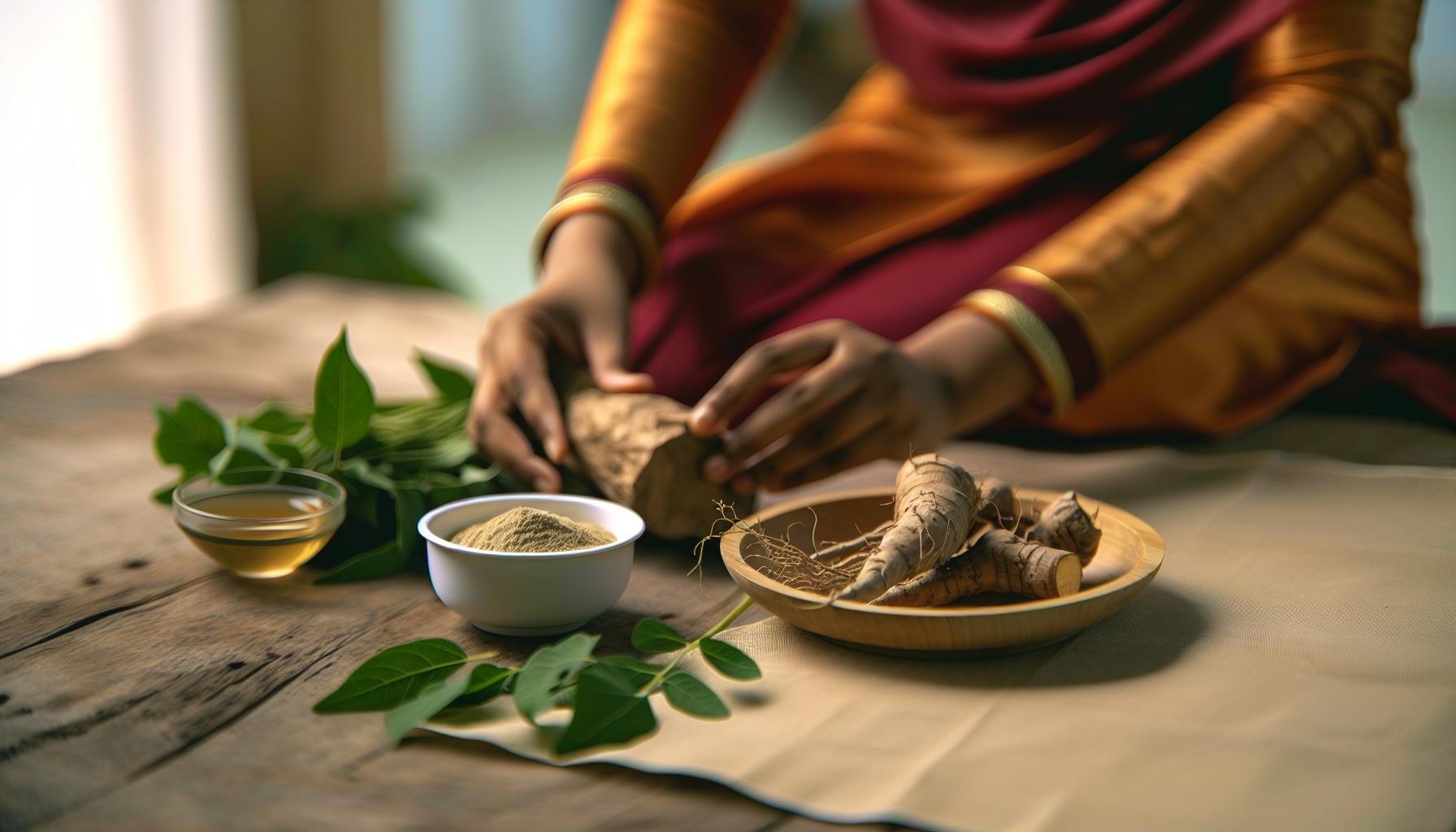
Ashwagandha has been cherished for centuries in Ayurvedic medicine as a gentle yet potent herb supporting the whole body — mind and heart alike — especially through times of transition and stress. Known as an “adaptogen,” it helps the body adapt to daily challenges and promote a calming balance. For many cultures, it’s been trusted to nurture wellness naturally, enhancing vitality without harsh stimulation. This heritage roots deeply in traditional uses,often embraced by mothers and elders for grounding and restoring energy after childbirth or during moments of overwhelm.
In practical terms, Ashwagandha has traditionally been used to ease emotional strain, improve sleep quality, and support physical endurance, all of which are particularly meaningful during the postpartum period when recovery is complex and multifaceted. It’s commonly prepared as a warm herbal tea, tonic, or mixed into meals, creating soothing rituals that invite relaxation and foster a sense of harmony. Many mothers appreciate how these simple preparations feel like a quiet, nurturing hug — a welcome pause in the busy swirl of new parenthood.
- Traditional uses include: stress reduction, strengthening immune resilience, and supporting restful sleep, which overlaps beautifully with the needs of new mothers.
- by gently modulating the nervous system, it may ease anxiety and promote mental clarity in the fog of postpartum adjustment.
- Its reputation for revitalizing energy without overstimulation also makes it a thoughtful choice during physically demanding phases of motherhood.
Viewing Ashwagandha through this combined lens of ancient wisdom and careful, informed use invites a respectful approach — one honoring both the deep cultural heritage of the herb and the unique journey of each breastfeeding mother seeking natural stress relief and balance.[[2]] [[3]]
Safety of Ashwagandha During Breastfeeding: What Science Says
Many breastfeeding mothers naturally seek gentle, effective ways to soothe stress and support their healing bodies, and Ashwagandha often enters conversations as a promising herbal ally. Yet,when it comes to nursing,cautious curiosity is wise. While Ashwagandha has a long history of use in traditional medicine to bolster vitality and ease mental fatigue, modern scientific research specifically addressing its safety during lactation remains limited. This means that even though no major studies have shown harm to breastfed infants from maternal use of Ashwagandha, the evidence base is still insufficient for definitive safety claims.
ashwagandha’s active compounds—called withanolides—are believed to influence hormonal and nervous system balance, which might indirectly affect both milk production and infant health. However, current clinical trials primarily focus on adult use and do not thoroughly evaluate effects on breastfeeding babies or milk composition. For this reason, many healthcare professionals recommend a cautious approach, emphasizing individualized decision-making. Mothers are encouraged to consult with their healthcare provider, especially if their infant has any health concerns or sensitivities.
- Moderate use, typically in culinary amounts (as found in teas or smoothies), is generally considered low risk, but concentrated extracts or supplements should be approached with more care.
- Timing and dosing matter: introducing Ashwagandha gradually and monitoring both maternal response and infant behavior can definitely help detect any subtle sensitivities early.
- Observation is key: As every mother-baby dyad is unique, paying close attention to changes in the baby’s feeding patterns, sleep, and mood after the mother starts Ashwagandha is essential.
Balancing Traditional Wisdom and Modern caution
In various cultures, Ashwagandha is lovingly woven into postpartum rituals, offering nurturing warmth and emotional support. These traditions often emphasize gentle preparations—like herbal infusions or milder doses integrated with food—which align well with a safety-first mindset during breastfeeding periods. For mothers feeling drawn toward Ashwagandha’s calming embrace,making tea from the root powder rather than concentrated capsules is a wise starting point.Remember, it’s perfectly natural to want to try natural remedies, especially ones admired for centuries. But the postpartum phase invites extra tenderness—for a mother’s body and her baby’s delicate system alike. The safest path combines respect for ancient practices with openness to current medical advice. And always, open conversations with lactation consultants or integrative health providers create the best support network. This gentle collaboration helps mothers nourish themselves confidently without pressure or worry.
If you choose to incorporate Ashwagandha, here’s a simple way to start:
- Ingredients: 1 teaspoon Ashwagandha root powder, 1 cup water, a small piece of ginger or cinnamon (optional for flavor)
- Preparation: Boil the water, add Ashwagandha and ginger/cinnamon, simmer gently for 10 minutes, strain, and sip warm once or twice daily.
This method respects traditional use and emphasizes moderate intake until more personalized safety guidance is available. Ultimately,nurturing yourself thoughtfully lays the foundation for nurturing your little one—a gift of care going both ways.[[1]] [[2]]
Potential Benefits of Ashwagandha for Postpartum Stress Relief

New motherhood brings a whirlwind of emotions—joy, exhaustion, and sometimes an overwhelming sense of stress.ashwagandha, a revered herb in Ayurvedic tradition, has gained attention for its potential to gently support postpartum mental well-being during this tender, often vulnerable time. its adaptogenic qualities mean it may help the body better adapt to stress, easing anxiety and soothing the nervous system without sedating effects, which can feel like a true balm for frazzled new moms navigating hormonal shifts and the demands of caring for a newborn.
Many mothers share that incorporating Ashwagandha into their routine helped them find a steadier emotional footing, with improved mental clarity and a softer sense of calm amidst the unpredictability of postpartum life. This herb is thought to modulate cortisol—the body’s stress hormone—promoting a more balanced mood and helping restless minds find rest, which is invaluable when broken nights and constant feeds are the norm. Incorporating gentle Ashwagandha preparations, such as a warm tea made with root powder and a hint of soothing spices, can be an easy, nurturing ritual integrated into quiet moments between feedings and cuddles.
- support for sleep: Its calming properties may encourage deeper, more restorative sleep, so precious sleep cycles can reset without overwhelming sedation.
- Mental resilience: Enhances focus and reduces symptoms of “mom brain” fog, helping mothers stay present and responsive without feeling jittery.
- Balance for emotional swings: By supporting the nervous and endocrine systems, it can help smooth mood fluctuations common in postpartum recovery.
Practical ways to Use Ashwagandha Postpartum
Starting with a low-dose Ashwagandha tea is both traditional and wise during breastfeeding. Here’s a simple, calming recipe to try:
- Ingredients: 1 teaspoon Ashwagandha root powder, 1 cup water, ¼ teaspoon cinnamon or a small slice of fresh ginger (optional, for gentle flavor and added digestive support)
- Preparation: Boil water and add Ashwagandha powder plus optional spices. Simmer gently for 10 minutes, strain, and sip warm in the evening.
- Tip: Begin by drinking once daily, observing your and baby’s responses before increasing to twice daily.
Remember, as with any herbal support, individual experiences differ. While many find comfort and strength with Ashwagandha, some may notice little change or prefer option approaches to self-care. The goal is gentle empowerment—honoring your body’s unique rhythm and your baby’s needs as you both heal and grow together.[[2]] [[2]]
Risks and Side Effects: What Nursing Moms Should Know
New moms frequently enough face a complex balancing act when considering herbal supplements, especially during breastfeeding. While Ashwagandha is celebrated for its calming, adaptogenic qualities, it’s critically important to understand that not all herbs are universally safe for every nursing mother and her baby. As scientific research on Ashwagandha’s direct effects during lactation is limited, a gentle approach grounded in caution can definitely help support both your wellbeing and your infant’s safety.
Some nursing mothers may experience mild digestive discomfort, such as nausea or an upset stomach, especially when first introducing Ashwagandha. Because Ashwagandha can also influence hormone levels, specifically thyroid and cortisol, it may not be suitable for moms with thyroid conditions or those who are sensitive to hormonal shifts.Although toxic reactions are rare at recommended doses, individual sensitivity varies widely—what soothes one mom might feel overstimulating or cause mild headaches in another. This variation highlights the importance of starting with low amounts and observing any changes in your mood, sleep, or baby’s feeding and behavior.
- Potential mild side effects in mothers: digestive upset, mild drowsiness, or headache
- possible interactions: if you are on thyroid medication or other hormonal treatments, consult your healthcare provider before use
- Infant considerations: watch for fussiness, rash, or changes in feeding patterns, as herbs can sometimes mildly affect breastmilk taste or infant digestion
Listening to Your Body and Baby’s Signals
Approach Ashwagandha with the same loving curiosity you have for your newborn’s cues. Begin with a small dose—such as a teaspoon of root powder brewed into a soothing tea—and note any shifts not only in your own mood or digestion but also in your baby’s nursing comfort and sleep. If you notice increased irritability, changes in stool patterns, or skin reactions in your infant, it may be wise to pause or reduce intake. Remember, the postpartum period is one of immense hormonal and emotional fluidity; sometimes what seems like a side effect can also be a natural adjustment phase.
Many experienced moms describe Ashwagandha as a gentle helper rather than a quick fix—something to incorporate over weeks, not days, and always with openness to tweak or stop if needed. This kind of mindful, attuned approach honors both the ancient wisdom of herbal traditions and the modern need for safety during such a precious time.
By grounding your self-care in respect for your unique postpartum journey, you create a nurturing space where herbs like Ashwagandha may support healing without overwhelm. When in doubt, leaning on trusted healthcare providers who honor both holistic practices and medical safety can provide the reassurance new mothers deserve.[[1]] [[2]]
How ashwagandha Affects Milk Supply and Infant Health
Many nursing mothers wonder whether taking ashwagandha might affect their milk supply or their baby’s health, and it’s a thoughtful question rooted in love and careful stewardship. While Ashwagandha has been cherished in Ayurvedic tradition for centuries as an adaptogen that supports stress relief and hormonal balance, modern research on its direct impact during breastfeeding is still limited. The gentle truth is that most evidence suggests Ashwagandha does not negatively reduce milk production, but each mother’s experience can be wonderfully unique, which calls for close and loving observation.
Because Ashwagandha may influence cortisol and thyroid hormones, both of which play subtle roles in lactation, some mothers find it helpful to approach this herb as part of a broader self-care routine rather than a standalone “milk booster.” For some, Ashwagandha’s calming properties can indirectly support milk supply by easing stress—a known factor that can stall let-down or milk flow. When stress levels soften, oxytocin, the hormone responsible for milk ejection, often follows more easily. Remember, gentle support for your whole well-being nurtures your milk as much as any herb might.
Watching for Infant Responses and Maintaining Comfort
Although Ashwagandha is generally well tolerated, a few nursing moms notice mild changes in their baby’s behavior or digestion, such as slight fussiness or altered sleep patterns, especially when starting the herb. These changes frequently enough resolve as mom’s body adjusts, but if you observe persistent irritability, rash, or feeding challenges, pausing ashwagandha for a few days and reintroducing it slowly can be a wise act of care—for both you and your little one.
- Start low and go slow: Begin with a small dose (e.g., 1/2 teaspoon of powder brewed as tea) and space out usage to watch for subtle shifts in baby’s comfort or feeding habits.
- Hydrate generously: Encourage your body’s natural milk production by staying well hydrated alongside herbal support.
- Track your mood and milk supply: Some moms find journaling helpful to notice connections between Ashwagandha use, emotional balance, and breastfeeding patterns.
- Consult your care team: If your baby shows unusual changes or if you have thyroid or hormonal concerns, it’s always best to touch base with a lactation consultant or healthcare provider.
Balancing Tradition and Science in Your Postpartum Journey
For centuries, women across cultures have used nourishing herbs like ashwagandha to support postpartum healing, believing these plants promote vitality, calm, and overall balance. When blending this ancient wisdom with today’s evidence-based guidance, the key is mindful integration: honoring your body’s unique rhythms and signals, nurturing your infant’s wellbeing, and adjusting as needed. Many moms have shared that incorporating Ashwagandha as a warm tea or gentle tincture—paired with loving self-care practices—adds a quiet steadiness to the frequently enough whirlwind early months. Yet always remember: your intuitive listening and gradual approach create the safest space for both you and your baby to flourish together through this sacred time.[[1]] [[2]]
Safe Dosage Guidelines for Breastfeeding Mothers
Ashwagandha’s gentle power as an adaptogen makes it a tempting ally for new mothers navigating the emotional tides of postpartum life. When considering how much to take while breastfeeding, the key is mindful moderation combined with attentive self-care. Because Ashwagandha can influence hormone balance and stress levels—both of which subtly affect lactation—starting with the lowest effective doses helps support your body without overwhelming it or your little one.
A common and soothing way to introduce ashwagandha is as a mild tea,which allows gradual absorption and easy adjustment. Begin with about ½ teaspoon of Ashwagandha powder steeped in warm water once daily. This low entry point respects both your body’s sensitivity and your baby’s delicate developing system.Over days or weeks, if you feel steady and your baby remains cozy, you might gently increase the dose to a full teaspoon per day, divided if preferred, paying close attention to any shifts in your mood, milk supply, or baby’s behavior. Avoid doses exceeding 600 mg per day (roughly one capsule) unless guided by a healthcare professional familiar with herbal medicine during lactation.
- Start low and slow: Small doses help you watch for subtle responses in both you and your baby, minimizing surprises.
- steep for 7–10 minutes: this ensures your tea is flavorful but not too concentrated, maintaining a gentle experience.
- Time your intake: Taking Ashwagandha in the evening can blend well with its natural calming effects, supporting restful sleep without affecting daytime energy.
- Keep a journal: Track your mood, milk flow, and your baby’s feeding and sleep patterns to notice any correlations.
| Dose | Form | Frequency | Notes |
|---|---|---|---|
| ½ teaspoon (~300 mg) | Powder (tea) | Once daily | Start here during first 1-2 weeks |
| 1 teaspoon (~600 mg) | Powder (tea) or capsule | once daily or split | increase only if no adverse effects |
| Over 600 mg | Capsules or tincture | Consult with healthcare provider | Higher doses require professional oversight |
Remember, personal differences mean what feels nurturing for one mom may feel too strong or insufficient for another. Hydration is your steadfast partner in this journey—drink generous water alongside Ashwagandha to nourish milk production and flush toxins gently. Always prioritize open, judgment-free conversations with your midwife, lactation consultant, or herbalist. They can help tailor your herbal wellness to your unique postpartum rhythm, ensuring both you and your baby thrive with safety and calm.
Embracing Ashwagandha as part of a broader self-care tapestry invites a holistic rhythm: pairing gentle herbal support with rest, nourishing meals, and tender moments with your baby. When used thoughtfully, Ashwagandha can become a warm hug in a teacup, gently weaving peace into your postpartum days while honoring your body’s beautiful complexity [[1]] [[2]].
Preparing Ashwagandha Teas and Remedies at Home
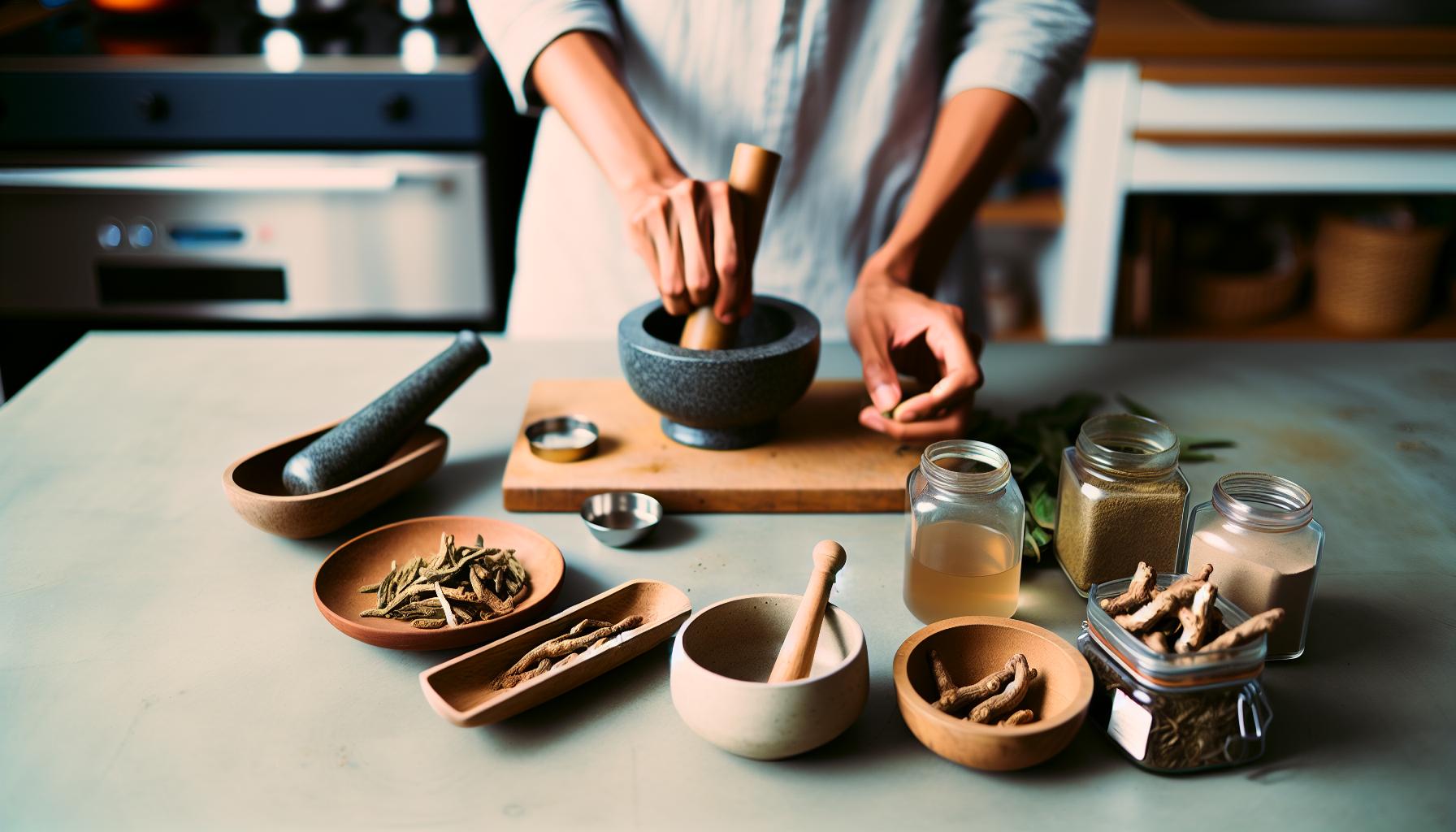
Few rituals soothe a new mother quite like the simple act of sipping a warm, nurturing cup of Ashwagandha tea. This ancient herb,cherished in Ayurvedic tradition for balancing stress and supporting vitality,can be gently introduced into your postpartum self-care with mindful preparation. embracing this ritual allows you to tend not only your body’s healing but also your emotional well-being, weaving a moment of calm into the often unpredictable rhythms of breastfeeding life.
Gathering Ingredients and Tools
Before steeping your first cup, ensure you have access to high-quality Ashwagandha powder—organic, purified, and sourced from reputable herbal suppliers—to safeguard you and your baby’s health. For extra comfort, consider pairing it with gentle, complementary ingredients that enhance flavor and soothe postpartum sensitivities.
- Basic Ingredients: ½ to 1 teaspoon of ashwagandha root powder, filtered warm water (about 1 cup/240 ml)
- Optional additions: Raw honey or maple syrup (for sweetness), a slice of fresh ginger (to aid digestion), a pinch of cinnamon or cardamom (warming and comforting spices)
- Tools: Small saucepan or teapot, fine strainer or muslin cloth, a cozy favorite mug
Step-by-Step Preparation for a Soothing Ashwagandha Tea
| Step | Action | notes |
|---|---|---|
| 1 | Measure your powder and water | start with ½ teaspoon of Ashwagandha powder and 1 cup warm water to keep doses gentle. |
| 2 | Simmer gently | Bring water to a gentle boil, then reduce heat. Add the powder and optional spices. |
| 3 | Steep and simmer for 7–10 minutes | This slow infusion extracts beneficial compounds without overwhelming flavors. |
| 4 | Strain carefully | Use a fine strainer or muslin cloth to remove powder residue, ensuring smoothness. |
| 5 | Add sweetener if desired | Honey or maple syrup can be soothing, but add only when the tea is cool enough to preserve their natural enzymes. |
| 6 | Enjoy mindfully | Drink warm, ideally in the evening to complement Ashwagandha’s calming effects but avoid too close before nursing if your baby is sensitive. |
Creative Variations for Postpartum Wellness
Consider blending Ashwagandha into gentle smoothies or warm milk (dairy or plant-based), combining it with other lactation-friendly herbs like fennel or chamomile. Such as, a small spoonful stirred into warm almond milk with a dash of turmeric and a touch of cinnamon can feel like a comforting hug that eases nighttime restlessness. Real moms frequently enough share how such rituals create grounding pauses in their busy days, nurturing both spirit and body.
Safety and Sensitivity Tips
- Start with low doses: Your body and your baby’s reactions provide the best feedback. Watch for any changes in mood, milk supply, or baby’s sleep.
- Hydrate well: Ashwagandha is best enjoyed alongside plenty of water to support lactation health.
- Consult your care team: Always check with your midwife, lactation consultant, or herbalist before starting new herbal remedies, particularly if you have underlying health conditions or are taking other medications.
- Avoid mixing with strong stimulants or sedatives: To keep your herbal support straightforward and gentle.
Every mother’s journey with Ashwagandha is uniquely her own—a tender blend of cultural wisdom, personal intuition, and modern knowledge. This slow, thoughtful preparation honors your body’s natural rhythms during postpartum and invites you into a healing practice that can feel like a quiet festivity of resilience and love.
Alternative Natural Stress Relief Options for Nursing moms

Finding calm in the swirl of new motherhood can be a tender balancing act, especially when breastfeeding naturally adds layers of emotional and physical adjustments. While herbs like Ashwagandha show promise for stress relief, many nursing moms seek gentle, well-researched alternatives that harmonize with lactation and postpartum healing. These options lean into nurturing rituals and holistic care without overwhelming the delicate postpartum system.
Herbal Allies for Soothing Stress
Certain herbs have long been embraced in traditional postpartum care for their calming, lactation-supportive qualities. Fennel, chamomile, and lemon balm are gentle choices to consider. Fennel, as an example, may help support milk supply while its mild sweetness comforts digestion—a common postpartum woe. Chamomile offers a soothing, anti-inflammatory touch and can be sipped as a warm tea to ease anxiety and promote restful sleep. Lemon balm’s mild sedative effect can definitely help quiet busy minds, especially during the early weeks when sleep is fragmented.
- Fennel Tea Recipe: Steep 1 teaspoon crushed fennel seeds in a cup of hot water for 10 minutes. Strain and enjoy warm once or twice daily.
- Chamomile-Lemon Balm Blend: Combine ½ teaspoon dried chamomile flowers and ½ teaspoon dried lemon balm, steep for 5–7 minutes, then strain. Add a drizzle of honey if desired for sweetness and comfort.
Simple Lifestyle Rituals to Promote Calm
Stress relief isn’t only about what you consume—it’s also about how you care for your mind and body gently and mindfully. Mindful breathing exercises, brief outdoor walks, or incorporating restorative yoga stretches can mitigate stress hormones naturally without disrupting milk supply. In fact, these practices may even enhance the let-down reflex, making nursing moments more relaxed.
Taking small pauses during the day to create sensory comfort—soft blankets, dimmed lighting, or even a favorite scented candle with nursing-safe essential oils like lavender (used sparingly)—can foster a peaceful environment that soothes both mom and baby.
Creative nourishing Recipes to Support Mood and Milk
Food itself can be medicine in these early months. Nutrient-rich smoothies layered with calming ingredients can be both quick to prepare and comforting.Here’s a nurturing recipe you might find grounding:
| Ingredient | Benefit | Suggested Amount |
|---|---|---|
| Almond milk (or preferred plant-based milk) | Hydrating, vitamin E-rich base | 1 cup |
| Banana | Natural sweetness, potassium for muscle relaxation | 1 medium |
| Ground flaxseed | Omega-3s supporting mood and inflammation | 1 tablespoon |
| Spinach or kale | Iron and folate to combat postpartum fatigue | 1 handful |
| Chamomile tea (cooled) | Calmative, adds gentle floral notes | ½ cup |
Simply blend together until smooth and sip slowly, allowing yourself a mindful moment to nourish both body and spirit.every mother’s stress relief toolkit is uniquely hers. What works one day might shift the next—that’s normal. Always listen to your body, watch how your baby responds, and keep open dialog with your healthcare providers about any new herbs or practices you wish to introduce.The postnatal journey is a sacred weaving of self-compassion, safety, and finding what truly helps you thrive.
Listening to Your Body: When to Avoid Ashwagandha

Many new mothers find themselves drawn to natural remedies like Ashwagandha for its reputed stress-relieving benefits, but it’s essential to pause and truly tune into your body’s signals before introducing this herb during breastfeeding. Not all postpartum journeys are the same—your body is still healing, your hormones are shifting, and your baby’s unique sensitivities matter deeply. Sometimes what feels like a gentle boost for one mom can stir unexpected discomfort or anxiety for another. Trusting your intuition and observing any changes in how you or your little one respond can guide gentle, personalized care.
There are specific moments when it’s wise to hold off on ashwagandha. If you notice heightened fatigue, digestive upset, or abrupt changes in mood after trying it, this could indicate your body’s asking for rest rather than stimulation. Some mothers have reported mild nausea or irritability, which might interfere with the calm bonding moments so vital postpartum. Also, if your baby shows signs of fussiness, increased sleep disruption, or digestive changes, these could be subtle clues that the herb isn’t a perfect fit at this time. In these cases, stepping back and consulting with your healthcare provider or a lactation consultant can bring reassurance and help explore other nurturing options.
- Wait for the right time: If your postpartum recovery feels fragile—whether due to cesarean healing, perineal soreness, or hormonal upheaval—delaying Ashwagandha use is sensible until your body feels more settled.
- Know your health history: Moms with thyroid conditions, autoimmune disorders, or who are on specific medications should avoid Ashwagandha unless cleared by their doctor, due to potential interactions.
- Monitor dose and response carefully: Starting with a very small amount or a mild tea version can help you tune into how your body reacts before considering higher doses or supplements.
Gentle Signs to Watch For
| Symptom | Possible Indication | Recommended Action |
|---|---|---|
| Increased irritability or anxiety | Overstimulation or sensitivity to herb | Pause use, seek calming alternatives like chamomile tea |
| Digestive upset (nausea, cramps) | Herbal intolerance or dosage too high | Reduce dose or discontinue; focus on soothing digestion |
| Changes in baby’s sleep or fussiness | Possible infant reaction through breast milk | Stop herb and communicate with pediatrician |
| Persistent fatigue or low energy | Body needs rest, not stimulation | prioritize gentle self-care and adequate sleep |
Your postpartum body is an exquisite barometer—when it speaks, it’s worth listening.Ashwagandha is a botanical with promise, but safety and comfort always come first in this sacred season. If uncertainty arises, it’s perfectly okay to explore other herbal allies or lifestyle approaches that honor both your healing and nurturing rhythms without pressure. Remember,the best self-care includes kindness,patience,and the freedom to change course as you grow in this beautiful new role[[1]][[2]][[3]].
Expert insights and Real Mom Experiences with Ashwagandha
Many nursing moms share that Ashwagandha feels like a gentle,supportive friend during the whirlwind of postpartum life—helping ease stress,improve sleep,and gently lift mood without the rush of stronger medications. Yet, the journey with this herb can be as unique as each mother and baby duo. Some find it deeply calming when taken as a mild tea, while others notice subtle shifts in their baby’s behavior or their own digestion. Listening closely to these early signals is key. One mom describes starting with a half teaspoon of powdered ashwagandha in warm milk before bedtime, and gradually noticing her anxiety soften along with better sleep quality. Though, she also emphasizes the importance of pausing immediately when her infant became unusually fussy, reminding us that every breastfeeding relationship is a delicate dance of trial, observation, and responsive care.
Healthcare professionals with expertise in herbal supplementation during lactation frequently enough encourage a “start low and go slow” approach. This means beginning with the smallest effective dose (such as 250 mg of standardized Ashwagandha extract or a soothing herbal tea) and monitoring for any changes in mood,digestive comfort,or infant sleep patterns. One lactation consultant suggests pairing Ashwagandha with heartwarming self-care rituals like a quiet evening soak or gentle breathing exercises, helping mothers feel more centered as their bodies continue the healing process postpartum. These holistic rituals connect mind, body, and spirit, reinforcing that Ashwagandha is not a quick fix but part of a nurturing lifestyle that embraces patience and kindness.
- Consistency with caution: “I brewed Ashwagandha tea three times a week, sipping slowly after my baby’s evening feed. It helped my mood but I always watched for baby’s cues. When she had a restless night, I skipped the herb the next day.”
- Customization is key: “I started with capsule powders but switched to powdered root mixed into smoothies for a gentler effect. Everyone’s body is different—what helped my anxiety might not suit another mom.”
- Balancing traditions and safety: “My family has used Ashwagandha for generations, but I made sure to discuss it with my doctor first. It felt good honoring my culture while being mindful of my breastfeeding journey.”
- Listening and adapting: “There were days my fatigue felt overwhelming, and I chose rest over herbs. Sometimes the best medicine is a slow day and trusting your body’s needs.”
This shared wisdom underscores that while Ashwagandha holds promise as a postpartum ally, it’s not a one-size-fits-all remedy. Mothers are invited to engage with it thoughtfully, integrating their own rhythms, medical advice, and baby’s feedback into a holistic plan. By honoring this tender phase with awareness and compassion, new moms create space not only for relief but for growth, resilience, and self-trust in motherhood’s beautiful complexity.
Balancing Holistic Care with Medical Advice Postpartum
Many new moms find themselves walking a careful path between honoring time-tested herbal traditions and following modern medical advice, especially when exploring stress relief options like ashwagandha during breastfeeding. It’s important to remember that this balance is deeply personal and ever-changing. Every mother’s body, baby, and situation are unique, and tuning in to your own rhythms while consulting trusted healthcare providers creates the safest, most nourishing environment for both you and your little one. Ashwagandha,known for its adaptogenic properties,may offer gentle support—but integrating it thoughtfully alongside medical wisdom ensures you’re not rushing or bypassing critical postpartum healing phases.
Approaching Ashwagandha as part of a broader self-care routine can be empowering.Consider pairing its use with mindful practices—deep breathing, warm baths, or quiet moments with your baby—to cultivate calm within and outside your body. Always keep open communication with your lactation consultant,midwife,or doctor.they can definitely help monitor for any subtle changes in milk supply, infant behavior, or your own energy levels, guiding dosage and timing adjustments. Such as, starting with a small dose of 250 mg standardized Ashwagandha or a gentle tea brewed from dried root, taken after nursing sessions, may ease stress without overwhelming your system. If you notice any fussiness in baby or digestive shifts in yourself,pause and reassess. This “start low and go slow” approach respects the delicate dance of postpartum recovery.
practical Tips for Harmonizing Ashwagandha Use with Medical Guidance
- Keep a journal: Track your mood, sleep, milk supply, and baby’s behavior daily. These notes help you and your healthcare team spot patterns or concerns early.
- Communicate openly: Share your plans to use Ashwagandha and any observed effects during routine postpartum check-ups or breastfeeding consultations.
- Honor cultural practices: if Ashwagandha or similar herbs are part of your tradition, discuss how to adapt these safely within a modern postpartum care plan.
- Listen to your body: On days when fatigue or stress feels overwhelming,prioritize rest over any supplement. Herbs support the body—they don’t replace foundational self-care.
- Combine with gentle self-care rituals: Herbs work best when integrated thoughtfully—with slow, nurturing activities like stretching, meditation, or connecting socially.
This balanced approach creates a safe, supportive space to explore Ashwagandha without pressure or guilt.Postpartum is a sacred time of adjustment and healing. Embracing both traditional wisdom and medical advice allows you to honor your unique motherhood journey fully—celebrating small wins, adapting as you grow, and always prioritizing gentle care for you and your baby.
Frequently asked questions
Q: How soon after giving birth can I safely start taking Ashwagandha for stress relief while breastfeeding?
A: It’s best to wait until your postpartum healing is well underway, usually around 6 weeks, before considering Ashwagandha. This allows your body and milk supply to stabilize. Always consult your healthcare provider and refer to our Safe Dosage Guidelines for Breastfeeding Mothers section for personalized timing and stress relief tips.
Q: can Ashwagandha interact with common medications used by breastfeeding moms?
A: Yes, Ashwagandha may interact with medications like thyroid hormones, sedatives, or blood pressure drugs. Breastfeeding mothers should discuss all supplements and prescriptions with their doctor to avoid unwanted effects. See Balancing Holistic Care with Medical Advice Postpartum for managing interactions easily and safely.
Q: What signs should I watch for in my baby after I start Ashwagandha while nursing?
A: Watch for unusual irritability, rash, digestive upset, or changes in feeding patterns.These could indicate sensitivity to Ashwagandha through breast milk. If any symptoms appear, pause the supplement and seek medical advice. Our Listening to Your Body: When to Avoid Ashwagandha section offers practical guidance on monitoring both you and your baby.
Q: How does Ashwagandha compare to other natural herbs for postpartum stress in breastfeeding moms?
A: Ashwagandha uniquely supports hormonal balance and stress resilience, but herbs like chamomile or lemon balm might potentially be gentler for some moms. Exploring Alternative Natural Stress Relief options for Nursing Moms can help you choose based on your body’s needs and breastfeeding goals.
Q: Can Ashwagandha help improve sleep quality for breastfeeding mothers experiencing postpartum stress?
A: Yes,Ashwagandha is known to promote restful sleep and reduce anxiety,which benefits stressed nursing moms.Though,start with a low dose to assess tolerance and consult your provider. Refer to Potential Benefits of Ashwagandha for Postpartum Stress Relief for safe use and step-by-step calming recipes.
Q: Is it safe to combine ashwagandha with other supplements during breastfeeding for stress management?
A: Combining Ashwagandha with other supplements like magnesium or vitamin B complex can support stress relief, but caution is needed to avoid interactions. always check with a healthcare professional and see our Risks and side Effects: What Nursing Moms Should Know section for safe supplement strategies.
Q: How can I prepare Ashwagandha tea safely at home while breastfeeding?
A: To prepare Ashwagandha tea safely, use 1 teaspoon of Ashwagandha powder steeped in hot water for 10-15 minutes. Drink one cup daily and monitor for any side effects. Our Preparing Ashwagandha Teas and Remedies at Home section offers easy, mother-friendly recipes tailored for postpartum wellness.
Q: Why do some breastfeeding mothers avoid Ashwagandha despite its stress-relief benefits?
A: Some avoid Ashwagandha due to limited breastfeeding safety data,possible side effects,or personal sensitivity. respecting your body’s signals and consulting your healthcare provider—as highlighted in Listening to Your body: When to Avoid Ashwagandha—helps ensure you choose what’s best for you and your baby.
For more empowering tips on postpartum self-care and herbal wisdom, explore our full article and join our nurturing community supporting new mothers every step of the way.
Future Outlook
Navigating stress relief while breastfeeding calls for gentle care and informed choices—ashwagandha can be a supportive herb, but safety and timing matter most. Remember, every mother’s journey is unique; consulting with your healthcare provider ensures the best fit for you and your little one’s wellbeing.For trusted guidance on postpartum self-care, explore our calming herbal tea recipes and holistic wellness tips crafted for new moms.
Feeling ready to embrace natural stress support? Discover more about safe herbal supplements during lactation and how they balance with your daily routine in our detailed guides on postpartum nutrition and mindful motherhood. Join our community newsletter for ongoing expert insights, real mom stories, and nurturing self-care strategies designed to empower your healing journey with confidence.
If you found this helpful, share your thoughts below or connect with other moms sharing their experiences. Your voice enriches our safe space for every stage—from newborn days to beyond—where wisdom meets warmth in motherhood’s beautiful complexity.


 JUST 15 MINUTES A DAY