
Breastfeeding Safe Deodorant: Natural Options That Work
Did you know that many conventional deodorants contain ingredients that might raise concerns for breastfeeding moms? Choosing a safe, natural deodorant during this special time can support your body’s healing and protect your little one from unwanted exposure. As your hormones shift and your skin becomes more sensitive postpartum, gentle, effective options become essential—not just for freshness, but for peace of mind. This guide will walk you through natural deodorants that work—free from harsh chemicals and thoughtfully crafted to honor your breastfeeding journey. You’ll find easy recipes, ingredient know-how, and expert tips designed to fit your unique needs, whether you’re navigating early recovery or settling into your new rhythm. Let’s explore nurturing self-care choices that celebrate your strength and support your baby’s health, creating a safe and soothing space both for you and your family.
Contents
- What Makes Deodorants Safe for Breastfeeding Moms
- Top Natural Ingredients for Gentle, Effective Deodorants
- Step-by-Step DIY Breastfeeding-Safe Deodorant Recipes
- how Hormonal Changes Affect Odor and Deodorant Needs
- Tips for Choosing Store-Bought Natural Deodorants Safely
- Essential Oils to Avoid During Lactation and Why
- Managing sweat and Odor: Lifestyle Tips for New Moms
- Real mom Stories: Finding the Right deodorant Postpartum
- Understanding Skin Sensitivity and Allergies while Breastfeeding
- When to Consult Your Healthcare Provider About Deodorants
- Frequently Asked Questions
- Q: How can breastfeeding moms safely transition from conventional to natural deodorants?
- Q: Why are aluminum-free deodorants preferred during breastfeeding?
- Q: What natural ingredients should breastfeeding moms avoid in deodorants?
- Q: How frequently enough can I safely apply natural deodorant while breastfeeding?
- Q: Can homemade natural deodorants be as effective as store-bought ones during breastfeeding?
- Q: When is the best time postpartum to start using deodorant again?
- Q: How do hormonal changes during breastfeeding impact deodorant effectiveness?
- Q: What lifestyle habits support odor control alongside using natural deodorants while breastfeeding?
- Key Takeaways
What Makes Deodorants Safe for Breastfeeding Moms
Many breastfeeding moms find themselves reconsidering everyday products as they adjust to their new routines and heightened awareness of what touches their skin. When it comes to deodorants, safety is not just about protecting mom’s delicate, often more sensitive skin—it’s about honoring the baby’s well-being, too. Since many deodorants contain ingredients that can be absorbed through the skin and may pass into breastmilk, choosing options free from harsh chemicals and synthetic fragrances gives peace of mind during this precious bonding time.At the heart of safe deodorant use for breastfeeding moms is a gentle, clean ingredient list that supports the unique needs of postpartum skin, frequently enough influenced by fluctuating hormones and occasional sensitivity. Ingredients should be non-toxic, unlikely to disrupt hormonal balance, and free from potential irritants like aluminum compounds, parabens, phthalates, and artificial dyes. Natural oils, soothing botanical extracts, and mineral-based powders commonly form a breastfeeding-amiable formula. These not only help control odor and moisture but also nurture skin’s healing and protect its natural barrier.
Key Factors That Help Identify Safe Deodorants
- Non-toxic formulation: Avoiding synthetic preservatives and endocrine disruptors helps keep both mother and baby safe. Look for products made with natural minerals like magnesium or baking soda alternatives when sensitive.
- Fragrance transparency: many natural deodorants use essential oils, but some can impact lactation or cause irritation. Choosing products that clearly list essential oils—and avoiding those with allergenic or hormone-active oils—is vital.
- Skin sensitivity support: Postpartum skin can be drier or more reactive. Safe deodorants often include calming agents such as aloe vera, chamomile, or calendula to soothe and protect.
- Minimal ingredient lists: Because fewer ingredients typically mean less chance of irritation or unwanted chemical exposure, simpler blends are often the best choice in this phase.
the best approach is to treat deodorant selection as an intimate conversation with your body. What works wonderfully for one breastfeeding mom might irritate another, so patch testing new products on a small skin area before regular use helps prevent discomfort. Listening with kindness to your body honors the journey you and your baby share—a space where self-care is about comfort and safety, not perfection.
Top Natural Ingredients for Gentle, Effective Deodorants
Many breastfeeding moms find the delicate balance of caring for their skin while protecting their little one a top priority. Natural ingredients in deodorants can offer gentle,effective odor control without harsh chemicals that may interfere with hormonal health or cause skin irritation during this sensitive time.choosing ingredients that nurture the skin’s barrier and support overall well-being creates a comforting ritual aligned with postpartum healing.
Gentle mineral powders like magnesium hydroxide and arrowroot powder serve beautifully to absorb moisture without clogging pores. Magnesium, in particular, is prized for its non-toxic nature and ability to neutralize odor-causing bacteria naturally, without disrupting skin’s pH. If baking soda is in the mix, moms who experience sensitivity can swap it with magnesium or arrowroot to avoid irritation while still keeping fresh through the day.
Soothing botanicals have a special place in breastfeeding-safe deodorants.ingredients such as aloe vera gel, chamomile extract, and calendula oil are renowned for calming inflammation and hydrating delicate postpartum skin. These herbs provide anti-inflammatory benefits while reinforcing the skin’s natural barrier, which might feel more vulnerable as hormones fluctuate. Using gentle botanical extracts offers a moment of comfort and care,honoring the body’s ongoing healing process.
Natural Antimicrobial and Odor-Control Powerhouses
- Magnesium Hydroxide: A mineral-based deodorizer that eliminates odor without blocking sweat glands or irritating sensitive skin.
- Arrowroot Powder: A silky, plant-derived starch that absorbs sweat beautifully while leaving a soft finish.
- Coconut Oil: Provides moisturizing benefits and contains lauric acid with antimicrobial properties to combat odor-causing bacteria.
- Shea Butter: Nourishes and soothes dry or inflamed skin, perfect for postpartum sensitivity.
- Beeswax: Used in DIY recipes for its ability to gently thicken and bind ingredients, creating a balm that protects delicate underarm skin.
Essential Oils with Careful Consideration
When incorporating essential oils, the key is safety and simplicity. Mild oils like lavender and sweet orange can offer uplifting, gentle fragrance while supporting lymphatic drainage and relaxation for new moms. Always patch test and avoid strong hormone-influencing oils such as clary sage or fennel during lactation.
Breastfeeding moms deserve deodorants that feel like a warm hug rather than a source of worry. By focusing on natural, minimally processed ingredients, you create space for self-care that respects both your body’s healing journey and your baby’s safety.
| Ingredient | Benefit | Postpartum Suitability |
|---|---|---|
| Magnesium Hydroxide | Odor neutralizer, gentle on skin | High — preferred over baking soda if sensitive |
| Arrowroot Powder | Absorbs moisture, silky texture | High — safe for all skin types |
| Coconut Oil | Moisturizing and antimicrobial | High — avoids drying during postpartum |
| Chamomile Extract | Soothes irritation, anti-inflammatory | High — grate for sensitive skin |
| Lavender Essential Oil | Calming scent, mild antibacterial | Moderate — safe in low amounts with patch testing |
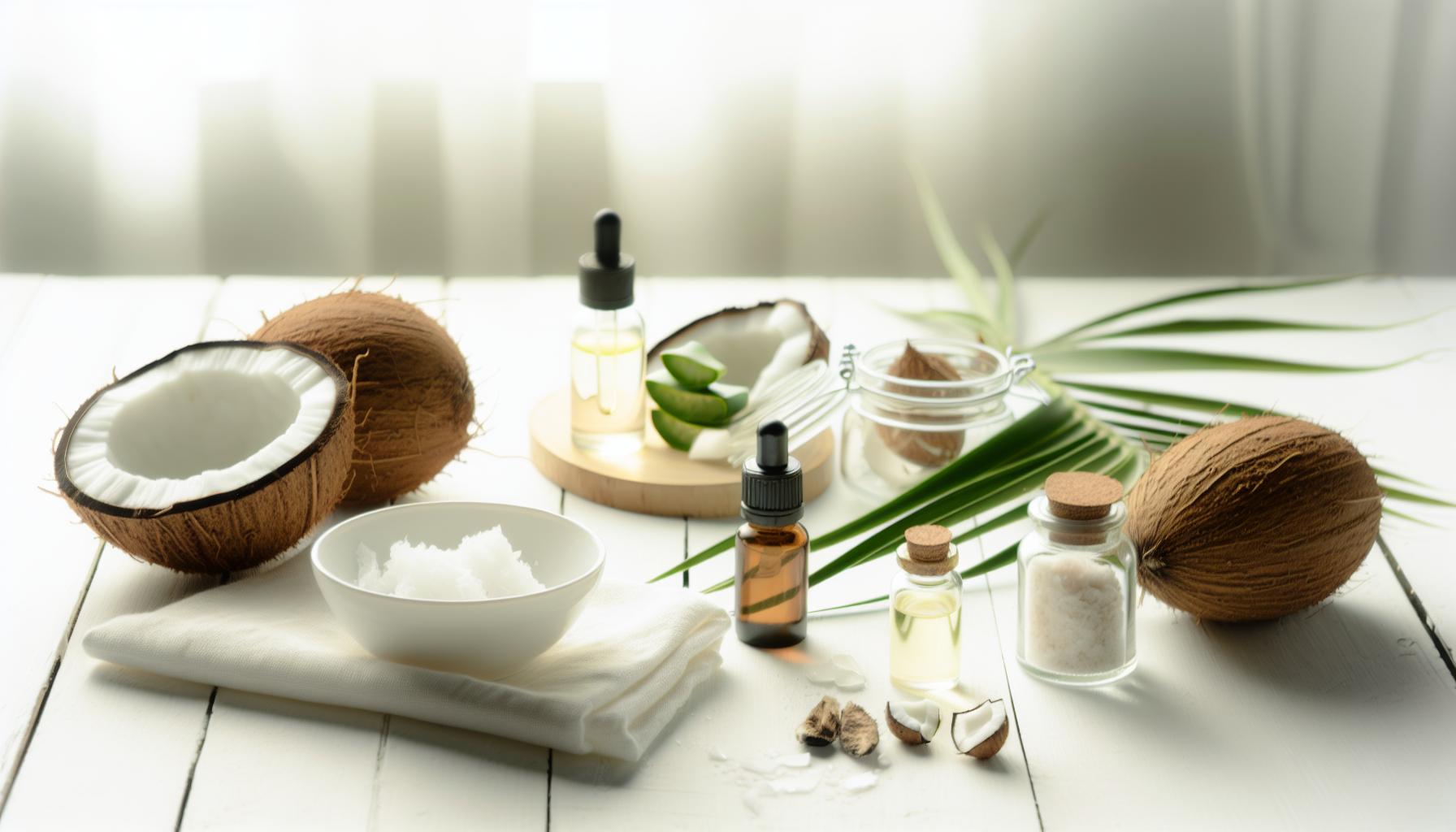
Step-by-Step DIY Breastfeeding-Safe Deodorant Recipes
Discovering the joy of creating your own breastfeeding-safe deodorant empowers you to nurture both your skin and your baby with pure, thoughtfully chosen ingredients. Many new moms find comfort in this gentle ritual—one that honors the body’s postpartum sensitivity while avoiding harsh chemicals and potential irritants. Whether you experience skin sensitivity, hormonal shifts affecting odor, or simply desire a natural alternative that feels like a soft embrace, these easy recipes offer a warm invitation to self-care that respects your unique healing journey.
Simple Balm-Style Deodorant
This recipe blends moisturizing and odor-fighting natural elements into a smooth balm that melts effortlessly on your skin.It’s especially nurturing for delicate underarms during lactation, helping maintain moisture balance without clogging pores.
- Ingredients:
- 2 tbsp beeswax pellets (for gentle thickening and protection)
- 2 tbsp shea butter (hydrating and soothing)
- 3 tbsp coconut oil (antimicrobial and moisturizing)
- 2 tbsp magnesium hydroxide powder (odor neutralizer, gentle alternative to baking soda)
- 1 tbsp arrowroot powder (absorbs moisture with a silky finish)
- Optional: 5 drops lavender essential oil (for mild scent and calming effect; patch test first)
Preparation & Use:
Gently melt the beeswax, shea butter, and coconut oil in a double boiler or a glass bowl over simmering water. Once fully melted,remove from heat and stir in the magnesium hydroxide and arrowroot powders until smooth. Add essential oil drops last, mixing well. Pour into a small jar or tin and allow to cool at room temperature until solid. Apply a pea-sized amount to clean, dry underarms each morning.
Cooling aloe & Chamomile Spray
If you prefer a light, refreshing spray that soothes sensitive skin while tackling odor, this recipe is quite and nurturing—perfect for swift application mid-day or during warmer months.
- Ingredients:
- ½ cup distilled water
- ¼ cup aloe vera gel (calms inflammation and hydrates)
- 1 tsp chamomile tea extract (anti-inflammatory and gentle)
- 1 tbsp magnesium hydroxide powder (odor control)
- Optional: 3 drops sweet orange essential oil (uplifting and mild)
Preparation & Use:
brew a strong chamomile tea and let it cool. In a spray bottle, combine distilled water, aloe vera gel, cooled chamomile tea, and magnesium hydroxide powder. Shake well before each use. Add essential oil drops if desired, ensuring you do a skin patch test first. Spray lightly under clean, dry arms whenever you need a refresher during the day.
Guiding You Through Individual Needs
Every mother’s body responds differently—especially as hormones and skin sensitivity fluctuate throughout lactation and postpartum healing. If you notice irritation, consider swapping magnesium hydroxide for more arrowroot powder or omitting essential oils altogether. Start with a small amount to observe how your skin reacts; this patient approach respects your body’s pace and prevents discomfort.These homemade deodorants can become a personal ritual—an empowering way to honor your postpartum body with kindness and intention. The simple act of blending natural, toxin-free ingredients at home nurtures not only your skin but your inner calm. When you feel supported and confident in your self-care, that warmth radiates through motherhood’s many lovely, challenging moments.
how Hormonal Changes Affect Odor and Deodorant Needs
The postpartum period brings a beautiful yet complex whirlwind of hormonal shifts that can deeply impact a mother’s body—and that includes changes in natural body odor and how your skin reacts to deodorants. As estrogen and progesterone levels adjust following birth and throughout breastfeeding, sweat gland activity and bacterial flora in the underarm area frequently enough change. This can make odor more noticeable or different than before, sometimes catching new moms by surprise.It’s crucial to know this is a normal part of your body’s healing and adaptation process after pregnancy.During lactation, the hormone prolactin rises to support milk production, and this can interplay with your body’s scent profile by altering sweat composition and skin sensitivity. Because your skin may be more delicate and prone to irritation right now, especially from typical deodorant ingredients, choosing gentle, natural options can feel like a soothing act of self-care. Many breastfeeding mothers find that deodorants formulated without harsh chemicals or synthetic fragrances respect their body’s sensitivities better. You might notice that lighter, balm-based or spray deodorants with natural odor absorbers (like arrowroot powder or magnesium hydroxide) work better than heavier creams or strong antiperspirants that block sweat glands.
What to Expect and How to Adjust
- Increased Sensitivity: Postpartum skin can feel tender or more reactive due to hormone-driven shifts in skin barrier function. Start with patch testing any new deodorant, especially those containing essential oils.
- Fluctuating Odor: Odor may become stronger, milder, or change in character throughout breastfeeding stages. Keep a small diary to track what works for you and note any triggers like stress, diet, or medication.
- Gentle Ingredients Matter: Opt for natural, soothing components such as shea butter, coconut oil, chamomile, and magnesium hydroxide. These nourish cracked or sensitive skin while gently neutralizing odor.
Remember,your postpartum body is in a unique state of transition and healing. What worked before pregnancy or during pregnancy might not serve you well now, and that’s perfectly okay. Embracing a flexible approach—using milder, natural deodorants during this window—allows your skin and senses to rebalance without overwhelm. Real moms share that simply scaling back deodorant use or switching to DIY recipes tailored for sensitive skin has eased their discomfort and honored their body’s natural rhythm.
Lastly,don’t hesitate to listen to your body’s cues and consult your healthcare provider if you experience persistent irritation or unusual odor changes. Like every breastfeeding journey, your relationship with deodorant is personal and evolving, deserving gentle patience and kind experimentation.This time calls for nurturing, not rushing—celebrate your resilience as you uncover what truly supports you at this tender phase of motherhood.
Tips for Choosing Store-Bought Natural Deodorants Safely
Choosing a natural deodorant while breastfeeding can feel overwhelming, especially when your body is already navigating so many changes. What’s reassuring is that many breastfeeding-safe options exist that honor your skin’s sensitivity and your baby’s well-being. When selecting a product off the shelf, start by focusing on transparency—look for brands that clearly list every ingredient and avoid hidden chemical names. ingredients like aluminum compounds, parabens, synthetic fragrances, and triclosan are best steered clear of, as these may irritate delicate skin or raise concerns during lactation.Many brands now favor gentle, plant-based ingredients such as arrowroot powder, baking soda (in moderate amounts), magnesium hydroxide, shea butter, and nourishing oils like coconut or jojoba. Choosing a lighter balm or spray formulation frequently enough feels kinder postpartum, as heavier creams or antiperspirants that block sweat can disrupt your body’s natural cooling and bacteria balance. Patch testing is a small but powerful step before fully committing—simply apply a small dab on your inner arm for a few days and watch for any redness or irritation.
Key Considerations When Shopping
- Check for hormonal disruptors: Stay away from products containing phthalates, parabens, and other endocrine-disrupting chemicals, as these may affect lactation or your hormonal balance.
- Favor fragrance-free or naturally scented options: Synthetic fragrances can cause skin reactions. Instead, look for deodorants scented with breastfeeding-safe essential oils like lavender or chamomile, but only after verifying that they’re safe during lactation.
- Mind the baking soda content: While effective, baking soda can irritate sensitive postpartum skin. If you notice itching or rash,choose deodorants with alternative odor-neutralizers like magnesium hydroxide or arrowroot powder.
- Support brands with clean, minimal ingredients: Simple formulas reduce the chance of skin flares and let your body’s natural scent adjust during breastfeeding.
Real moms frequently share that balancing ingredient labels with gut feelings and gentle trial-and-error helped them find their perfect match. One mom told me she carried several minis in her diaper bag—swapping between balm and spray based on the day’s needs. Another chose an unscented formula at first,introducing lightly scented varieties gradually. This personalized, patient approach puts self-care front and center, without pressure. Remember that cultural wisdom and holistic traditions can guide you, too—many new mothers lean on herbal salves or root powders passed down through generations for that nurturing connection.Being informed and tuned-in to your body’s subtle signals will empower you to choose a deodorant that feels like a supportive companion on your breastfeeding journey. It’s perfectly okay to switch brands or formulas as your postpartum hormone dance evolves. Every mama’s path is unique, and your kind, curious exploration is a beautiful form of self-love.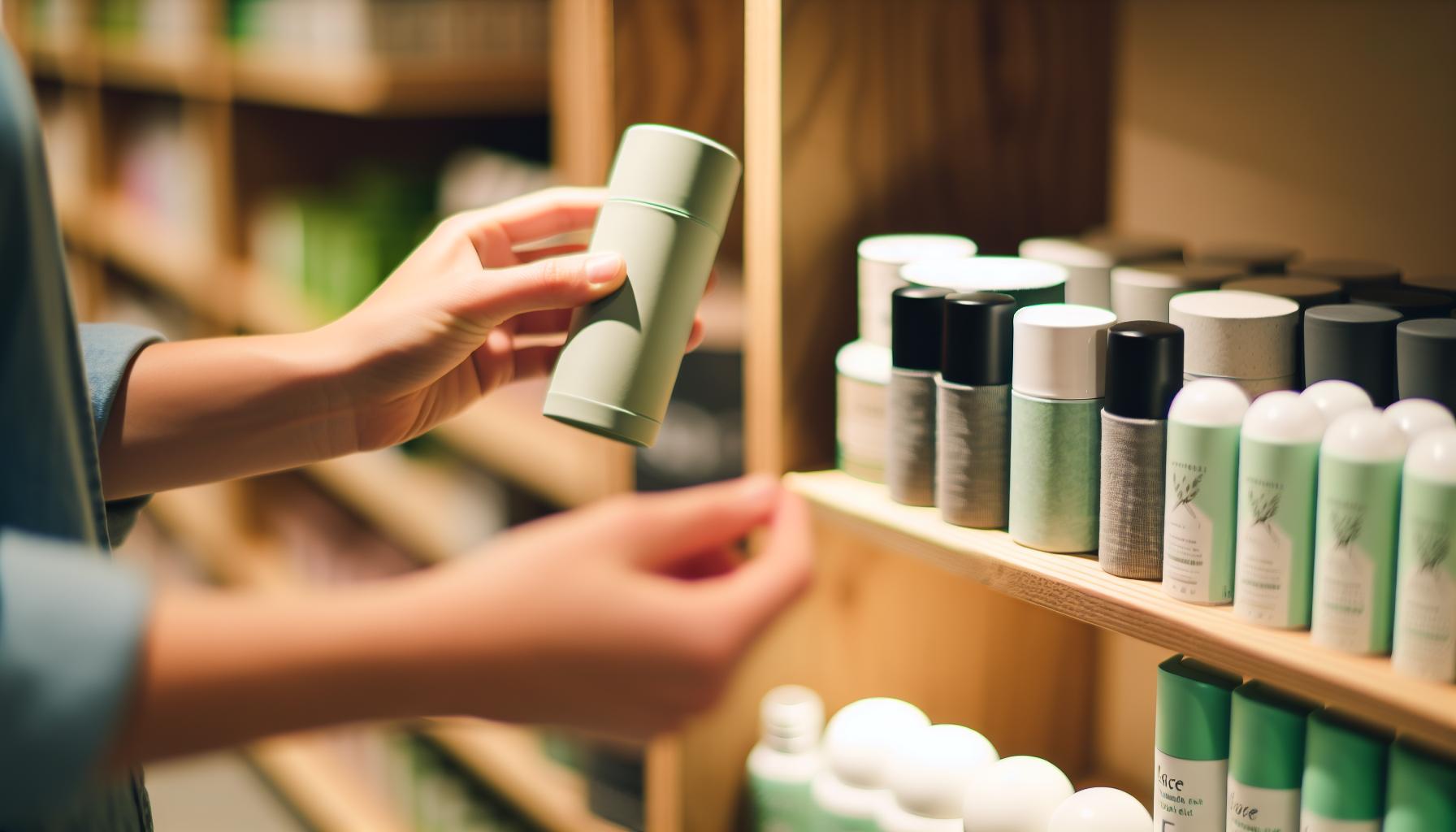
Essential Oils to Avoid During Lactation and Why
The postpartum period is a delicate dance of healing and hormonal adjustments, making it especially important to be mindful of what touches your skin and, by extension, what may affect your little one through breastfeeding. Not all essential oils, even those that smell lovely or are touted as “natural,” are safe during lactation. Some oils contain compounds that can pass into breast milk or cause skin irritation, hormone disruption, or allergic reactions—issues that can ripple beyond you to your baby’s tiny, developing system.
- Clary Sage and Fennel are known for their hormone-like effects and should be avoided. While these oils are sometimes used to stimulate labor or menstrual cycles, their phytoestrogens could interfere with milk supply or hormonal balance postpartum.
- Wintergreen and Camphor contain powerful compounds that can be toxic if absorbed through the skin in notable amounts. These may also cause skin irritation, making them poor choices for sensitive postpartum skin.
- Tea tree and Eucalyptus oils, although popular for their antimicrobial properties, are best limited or avoided in concentrated forms. These can sometimes cause allergic reactions or respiratory issues in both mother and baby, especially if you or your infant have sensitivities.
Many new moms find themselves drawn to the comforting scents of herbal essential oils to reclaim a sense of normalcy and self-care. Yet, gentle caution is key—small does not always mean safe, particularly when breastfeeding. It helps to remember that “natural” doesn’t automatically mean “safe,” especially around little ones. Always dilute any essential oil thoroughly, and do a patch test on your inner arm to check for sensitivity. If you feel unsure, reaching out to a trusted lactation consultant, herbalist, or healthcare provider familiar with postpartum care can provide peace of mind.
Why Avoiding Certain Oils Matters
Essential oils work through tiny molecules that easily penetrate the skin and enter the bloodstream. During lactation, these molecules can transfer to breast milk, perhaps affecting your baby’s developing liver, immune system, or hormones. For example, oils with estrogenic activity might disrupt your body’s natural hormonal balance or infant development.Additionally, many oils can irritate the delicate skin around the underarms where deodorants apply, increasing discomfort or rashes just when gentle care is most needed.
Safe Practices and Alternatives
- choose breastfeeding-safe essential oils: Lavender and chamomile are generally regarded as safe in modest amounts and well diluted.
- Keep usage minimal: Use essential oils sparingly and always diluted in carrier oils like jojoba or sweet almond.
- Stay patch test vigilant: Even safe oils can cause reactions when your skin is particularly sensitive from postpartum hormone shifts.
- Seek guidance: If you want to DIY your deodorants, resources like e-lactancia.org or consultations with postpartum doulas or midwives can help you tailor your choices safely.
Knowing what to avoid and how to use essential oils wisely cultivates a nurturing self-care routine that honors your body’s healing and your baby’s well-being. You deserve to feel fresh and cared-for—without compromise. Trust your intuition,honor your unique journey,and allow gentle,informed choices to guide your path to confidence and comfort in this beautiful breastfeeding season.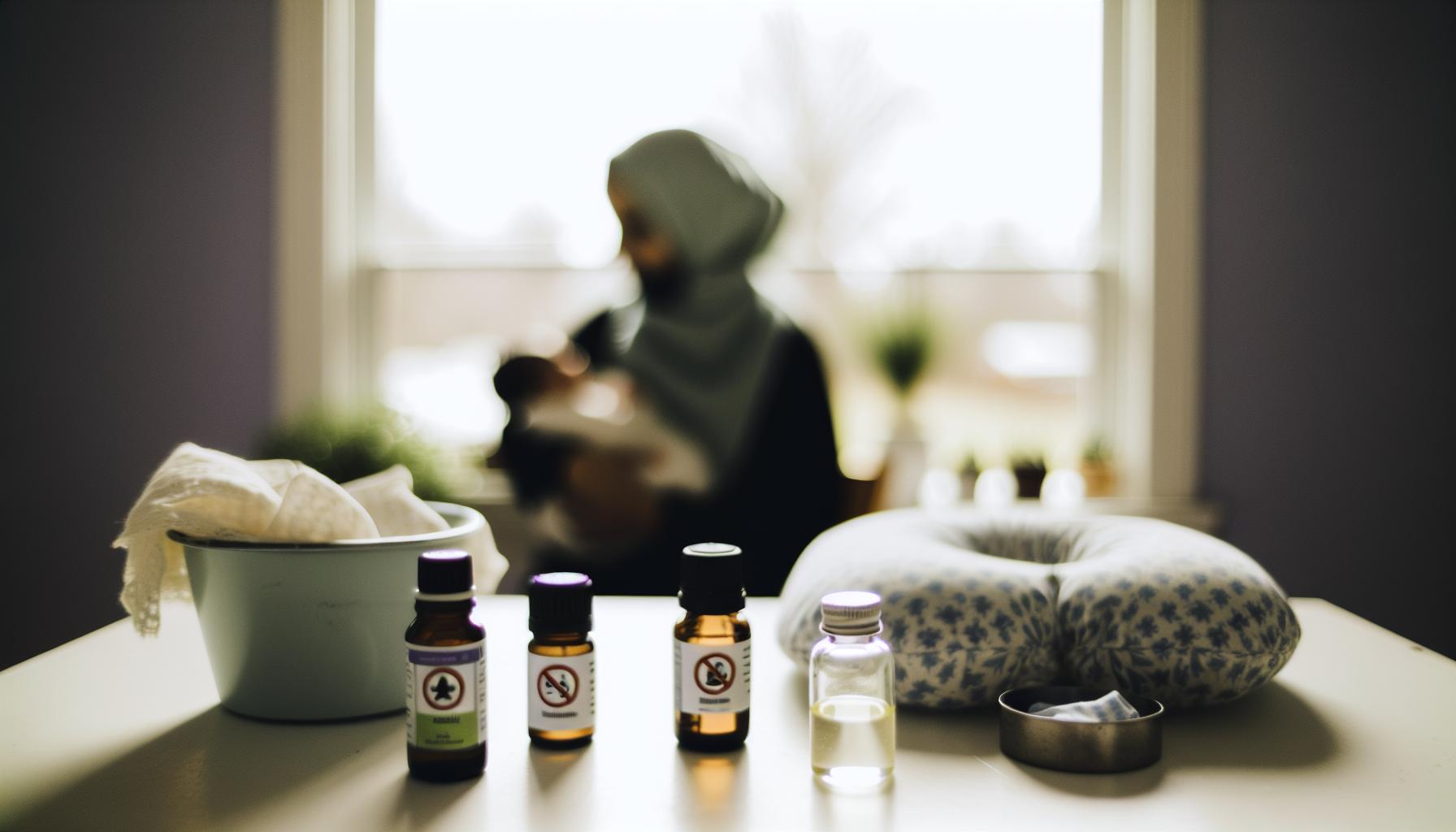
Managing sweat and Odor: Lifestyle Tips for New Moms
New motherhood brings profound joys alongside undeniable physical and emotional shifts. One common challenge many moms face is managing sweat and odor when hormonal changes stir the body’s natural rhythms—and sensitivity in the postpartum period is very real. Your body is working overtime, healing, adjusting lactation hormones, and often sleepless too. This combination can increase perspiration and shift your natural scent, making it more critically important than ever to embrace gentle, nurturing ways to stay fresh without stress or harsh chemicals.
Simple lifestyle adjustments can make a big difference. Hydration is key—not only does drinking plenty of water support your milk supply, but it also naturally helps regulate body temperature and flush toxins that contribute to odor. Choosing breathable, natural fabrics like organic cotton or bamboo helps your skin “breathe,” reducing sweat buildup and irritation around sensitive underarm areas. frequent, gentle cleansing with mild, fragrance-free soaps keeps the skin clean without stripping natural oils or disrupting delicate pH balance.
Practical Strategies for Comfort and Confidence
- Wear loose, agreeable clothing: tight fabrics trap heat and moisture. Opt for layers you can adjust as your body temperature fluctuates.
- Incorporate cooling herbal teas: peppermint or sage teas are conventional favorites known to help reduce excessive sweating. Remember to confirm herbal safety with your healthcare provider during breastfeeding.
- Practice mindful breathing and stress reduction: postpartum anxiety and sleep deprivation can exacerbate sweating. Gentle yoga,meditation,or simply deep breathing can calm nervous system responses.
- Regularly dry underarms thoroughly: moisture invites bacteria that cause odor. After showers or feedings, pat dry softly with a clean towel or use natural, skin-friendly powders like cornstarch mixed with arrowroot to absorb excess moisture.
Every mother’s experience with sweat and scent is unique, influenced by hormones, diet, activity levels, and emotional well-being. Trust your instincts and know it is indeed okay to experiment gently—what works wonderfully for one mom may need tweaking for you. Supportive communities, whether online or in person, can offer shared wisdom and empathy during this tender time. Above all, be kind to yourself, honoring your body’s astonishing work and its need for patience and self-care.
| Lifestyle Tip | Why It helps | Breastfeeding Safety Notes |
|---|---|---|
| Drink plenty of water | Regulates body temp and detoxifies | Usually safe; increase as needed for milk supply |
| Choose breathable fabrics | Prevents trapped moisture and irritation | Non-toxic, safe for baby contact |
| Use cooling herbal teas | Supports sweat reduction naturally | check safety of herbs during lactation |
| Practice stress-reduction techniques | Lowers stress-induced sweat | Safe, promotes overall wellness postpartum |
| Dry underarms well, consider natural powders | Minimizes odor-causing bacteria growth | Use non-irritating powders, patch test first |
Real mom Stories: Finding the Right deodorant Postpartum
many new moms discover that the deodorant they used before pregnancy just doesn’t feel right postpartum. Skin often becomes more sensitive due to hormonal fluctuations and breastfeeding demands, making some conventional products uncomfortable or irritating. one mom shared how switching to a simple,natural deodorant blend helped her regain confidence: after weeks of trial and error,she found that a homemade version using arrowroot powder,coconut oil,and a gentle,breastfeeding-safe essential oil kept her feeling fresh without upsetting her baby or causing skin reactions.
Another mom highlighted the importance of patience and gentle experimentation. she described how her body’s changing chemistry altered how sweat and odor presented, requiring her to adjust the deodorant formula seasonally. By keeping a small set of natural recipes handy—ranging from baking soda-free options to soothing calendula-infused sticks—she could respond to her body’s needs while respecting her baby’s sensitivity. Such adaptability fosters self-trust and reduces the pressure to find a “perfect” fix too quickly.
- Start simple: Begin with mild, natural ingredients known for safety during lactation, like shea butter or zinc oxide.
- Patch test: Always test a small area to check for irritation before full use, especially as skin changes postpartum.
- Listen to your body: Notice shifts in odor or skin sensitivity that may require formula tweaks or seasonal adjustments.
- Connect with community: Real mom forums and support groups frequently enough share trusted product recommendations and homemade recipe tips.
One mother reflected, “Finding a deodorant that doesn’t irritate or interfere with breastfeeding was a gentle journey for me. It required slowing down and honoring my body’s healing process, rather than rushing toward a quick fix.” Another found comfort in natural powders that absorb moisture without blocking pores, paired with mindful self-care routines like relaxation and hydration to support overall balance.These stories affirm that there’s no one-size-fits-all solution, but a nurturing approach helps moms reclaim their freshness while remaining safe and confident during this precious phase.
| Mom’s Experience | Deodorant Solution | Key Benefit |
|---|---|---|
| Increased skin sensitivity, reaction to commercial brands | DIY blend: coconut oil, arrowroot powder, lavender (breastfeeding-safe) | Gentle, soothing, natural scent |
| Seasonal changes in sweat and odor | Multiple recipes: baking soda-free, calendula-infused, powder-based | Adaptable, non-irritating options for fluctuating needs |
| anxiety about chemicals affecting milk supply | Certified natural store-bought brands with obvious ingredients | Peace of mind with efficacy and baby safety |
| Sensitivity to underarm irritation postpartum | Simple, fragrance-free natural powders (cornstarch + arrowroot) | Reduces moisture and irritation without additives |
Remember, your postpartum journey with deodorant is deeply personal. Honor your unique body responses, trust your instincts, and lean on the wisdom shared by seasoned moms who’ve walked this path before. Together, you create a circle of healing, vibrant self-care—celebrating both the joys and the challenges of new motherhood.
Understanding Skin Sensitivity and Allergies while Breastfeeding
Skin sensitivity often deepens in the postpartum period, transforming how new moms experience everyday self-care routines like applying deodorant. Hormonal shifts can make the skin more reactive, causing redness, itching, or discomfort when using products that previously felt fine. This heightened sensitivity is a natural part of the body’s healing process and lactation, signaling the need for gentler, thoughtfully selected ingredients that honor both mom’s comfort and baby’s safety.
Many breastfeeding mothers find that irritation stems not only from synthetic chemicals and fragrances but also from certain natural components that may trigger allergic reactions. It’s important to recognize that “natural” doesn’t always mean hypoallergenic.For example, essential oils like peppermint or eucalyptus, while commonly used for freshness, can provoke sensitivity for some women during this vulnerable time. A warm, supportive approach involves starting with patch tests—applying a small amount of a new deodorant or ingredient on the inner forearm and observing the response for 24–48 hours—before trusting it under the arms. This simple step prevents unwelcome flare-ups and helps build confidence in what truly nourishes your skin.
Recognizing and Managing allergic Reactions
- Watch for early signs: Mild redness, stinging, or bumps may appear shortly after product use.
- Adjust formulas gradually: Opt for baking soda-free, fragrance-free, and hypoallergenic blends, experimenting slowly to identify what your skin tolerates best.
- Maintain moisture balance: Ingredients such as shea butter or zinc oxide support skin barrier function, helping to soothe irritation and prevent dryness that can worsen sensitivity.
One mom shared her experience of managing underarm rash by switching to a simple combination of arrowroot powder and fractionated coconut oil, avoiding common irritants like talc or baking soda. This nurturing formula allowed her skin to heal while maintaining effective moisture absorption and odor control—a relief that brought back confidence without sacrificing safety. Another mother emphasized the comfort found in gentle calendula-infused deodorants, tapping into herbal traditions to calm inflamed skin while respecting her baby’s delicate system.These stories highlight the value of patience and attentive care during this transient but impactful phase.
| symptom | Likely Cause | Recommended Action |
|---|---|---|
| Redness and burning sensation | Fragrance, alcohol, or baking soda irritation | Switch to fragrance-free, baking soda-free natural formulas; patch test |
| Itching or small bumps | Allergic reaction to essential oils or preservatives | Eliminate suspect ingredients; choose gentle, minimalistic blends |
| Dry, flaky skin | Compromised skin barrier | Use moisturizing ingredients like shea butter or zinc oxide; avoid harsh exfoliants |
Remember, every mother’s skin is as unique as her breastfeeding journey. Embrace experimentation with kindness toward yourself, verifying ingredient safety and embracing soft, nurturing textures that restore comfort. Connecting with communities of fellow nursing moms can also provide gentle encouragement, shared solutions, and reassurance that these skin challenges are common—and manageable—during the beautiful transition into motherhood.
When to Consult Your Healthcare Provider About Deodorants
Your body is an extraordinary landscape of healing and change during breastfeeding, and sometimes, trusting your own instincts about what’s “normal” with new skin or reactions isn’t enough. While many natural deodorants gently support the delicate balance of postpartum skin and baby’s safety, there are moments when reaching out to a healthcare provider brings clarity, reassurance, and tailored care—especially when simple tweaks don’t resolve discomfort or unexpected symptoms arise.
If you notice persistent redness, swelling, pain, or blistering that doesn’t improve after switching to a milder, baking soda-free, fragrance-free deodorant, it’s time to seek professional advice. These signs might indicate a more significant allergic reaction, infection, or skin condition that needs specific treatment. Also, if you develop unusual lumps, ongoing irritation beneath your arms, or if the affected area worsens despite your best efforts at gentle care, your provider can assess for other causes such as bacterial or fungal infections that may require medical attention.
Breastfeeding mothers may also want to consult when there are concerns about how deodorant ingredients might interact with healing surgical sites like a C-section scar or with hormonal skin changes causing extreme sensitivity. Your midwife, dermatologist, or lactation consultant can help you navigate ingredient lists or suggest safer alternatives tailored to your unique skin and lifestyle.
When to Reach Out for Support
- Persistent or worsening rash: If redness, itching, or bumps last beyond 1-2 weeks or intensify.
- Signs of infection: Pain, warmth, swelling, pus, or fever accompany skin symptoms.
- unexplained lumps or thickening: Any new underarm masses warrant evaluation.
- Concerns about ingredients: Questions about safety of specific essential oils, preservatives, or chemical components.
- Complications with healed wounds: Irritation around scars or stitches used during birth.
Many new moms find comfort in framing these moments as part of honoring their bodies’ unique journeys. Consulting your healthcare provider doesn’t signal failure—it’s a loving act of self-care that supports your wellbeing and empowers your breastfeeding experience. Share your observations candidly, and remember that your provider can definitely help you balance natural remedies with evidence-based treatments when needed, creating a safe space for your individual needs. Trusting your body and its rhythms, while welcoming expert guidance, is an empowering approach that keeps both you and your baby nurtured.
| Symptom | What It Might Mean | Suggested Action |
|---|---|---|
| Red, burning rash lasting over 2 weeks | Chronic irritation or allergy | Stop offending product, consult healthcare provider |
| Painful swelling or pus-filled bumps | Possible infection (bacterial or fungal) | Seek medical evaluation promptly |
| New lump in armpit | Lymph node enlargement or cyst | Medical assessment recommended |
| Severe itching or discomfort spreading | Allergic reaction or dermatitis | Discontinue product and reach out for advice |
Frequently Asked Questions
Q: How can breastfeeding moms safely transition from conventional to natural deodorants?
A: Breastfeeding moms can safely transition by gradually introducing natural deodorants, allowing the body to adjust to fewer synthetic ingredients. Start with gentle,fragrance-free formulas and monitor skin response. Refer to our step-by-step DIY recipes and store-bought tips sections for smooth switching and minimizing irritation during lactation.
Q: Why are aluminum-free deodorants preferred during breastfeeding?
A: aluminum-free deodorants are preferred because they avoid blocking sweat glands, reducing the risk of skin irritation and harmful chemical absorption during breastfeeding. These deodorants gently control odor while supporting skin health, which is vital during postpartum hormonal changes. Learn more in the safe ingredient guide for breastfeeding moms.
Q: What natural ingredients should breastfeeding moms avoid in deodorants?
A: Breastfeeding moms should avoid ingredients like synthetic fragrances, parabens, and certain essential oils such as rosemary or clary sage, which may affect milk supply or cause irritation. Stick to gentle botanicals like chamomile or calendula for safe, soothing deodorants as detailed in our essential oils to avoid section.
Q: How frequently enough can I safely apply natural deodorant while breastfeeding?
A: It’s safe to apply natural deodorant once or twice daily. Choose gentle, non-irritating formulas to maintain comfort and skin balance. Avoid over-application to minimize risk of sensitivity, especially on healing postpartum skin. Consult the skin sensitivity and allergy guide for personalized recommendations.
Q: Can homemade natural deodorants be as effective as store-bought ones during breastfeeding?
A: Yes, homemade natural deodorants can be just as effective when made with ingredients like baking soda, arrowroot powder, and shea butter. DIY options allow control over ingredients, helping breastfeeding moms avoid irritants. our DIY deodorant recipes section offers easy, safe preparations tailored to new moms.
Q: When is the best time postpartum to start using deodorant again?
A: You can start using deodorant as soon as you feel comfortable, typically within days after birth, provided that your skin isn’t broken or irritated.choose gentle, fragrance-free natural options initially. For guidance, review the postpartum deodorant timing and tips in our care advice section.
Q: How do hormonal changes during breastfeeding impact deodorant effectiveness?
A: Hormonal shifts can increase sweat and odor intensity, making some deodorants less effective. natural,plant-based deodorants designed for sensitive,hormonally influenced skin can improve odor control safely. Explore how hormones affect odor and deodorant needs in our hormonal changes section for practical understanding.
Q: What lifestyle habits support odor control alongside using natural deodorants while breastfeeding?
A: Staying hydrated, wearing breathable fabrics, maintaining good hygiene, and managing stress all support odor control. combine these habits with gentle natural deodorants for best postpartum results. Check out our lifestyle tips for new moms for comprehensive self-care strategies during breastfeeding.
For personalized care and to deepen your understanding of breastfeeding-safe deodorants, explore our full guide including natural ingredient benefits, DIY recipes, and real mom stories. Your comfort and confidence postpartum matter!
Key Takeaways
Choosing a breastfeeding safe deodorant means nurturing both your wellbeing and your baby’s health with confidence. By opting for natural, aluminum-free options, you embrace gentle care that honors your body’s healing and the beautiful complexity of postpartum life. Remember, every mom’s journey is unique—finding the right balance may take a little experimentation, and that’s perfectly okay. For more in-depth tips on postpartum self-care and safe skincare routines, explore our [Holistic Postpartum Healing Guide] and discover gentle recipes suited for your changing needs.
If you’re ready to take the next step, sign up for our newsletter to receive expert insights, real-mom stories, and DIY deodorant recipes that support lactation and skin health. Don’t hesitate to join the conversation below—sharing your experiences and questions creates a supportive community nurturing every stage of motherhood. Looking for natural deodorant recommendations tailored to pregnancy or breastfeeding? Check out our [Safe Products for Nursing Moms] and deepen your self-care toolkit today. Your journey toward safe, effective freshness starts now—because you and your baby deserve nothing less.
learn more about safe deodorant ingredients for breastfeeding moms, discover trusted non-aluminium deodorants, and keep exploring natural wellness tailored just for you.


 WARNING TO PARENTS