
Best Fenugreek Supplement for Breastfeeding: Boost Supply
Did you know that many breastfeeding moms turn to fenugreek supplements to gently boost their milk supply within just a few days? Finding the right fenugreek product can be a comforting step toward feeling more confident and supported during those early, sometimes overwhelming weeks of feeding your little one. Whether you’re navigating challenges with low supply or simply want to enhance your natural lactation, understanding how fenugreek works—and how to use it safely—is key. This nurturing guide will walk you through the best fenugreek supplements,practical dosing advice,and gentle recipes to help you nurture both your baby and yourself. As every mother’s body and journey is unique, we honor your experience with warmth, respect, and evidence-based insights, creating a trusted space where you can explore natural ways to support breastfeeding with confidence and care.
Contents
- Understanding Fenugreek’s role in Breastfeeding Support
- How Fenugreek Boosts Milk Supply: Science and Traditions
- Choosing the Safest and Most Effective Fenugreek Supplements
- Proper Dosage and Timing for Fenugreek Use During Postpartum
- Step-by-Step Recipes: Fenugreek Teas, Smoothies & Meals
- Combining Fenugreek with Other Herbal Galactagogues Safely
- Real Mom Stories: Fenugreek Successes and Challenges
- Potential Side Effects and Safety Precautions for Nursing Moms
- When to Avoid Fenugreek: Health conditions and Contraindications
- Tracking Your milk Supply: Measuring Fenugreek’s Impact
- Tips for Integrating Fenugreek into Your Daily Routine
- Holistic Self-Care Beyond Supplements for Sustained Milk Supply
- Frequently asked questions
- Q: How quickly can I expect fenugreek supplements to boost my breast milk supply?
- Q: What should I look for in the best fenugreek supplement for breastfeeding?
- Q: Can fenugreek supplements be taken with other medications or supplements while breastfeeding?
- Q: Are there natural ways to enhance fenugreek’s effect on milk production?
- Q: Is it better to take fenugreek in capsule, tea, or food form to boost breast milk?
- Q: Can fenugreek supplements cause allergic reactions while breastfeeding?
- Q: How do I know if fenugreek is effectively increasing my milk supply?
- Q: Can I use fenugreek supplements if I have gestational diabetes or other health conditions?
- Key Takeaways
Understanding Fenugreek’s role in Breastfeeding Support
Many breastfeeding mothers find themselves searching for gentle,natural ways to support their milk supply when early challenges arise. Fenugreek,a fragrant seed with a rich history in traditional medicine,has emerged as a trusted ally for countless parents on this journey. This herb is cherished not only for its potential to boost lactation but also for its comforting presence, reflecting centuries of cultural wisdom passed down among nurturing communities worldwide. While each mother’s experience is beautifully unique, fenugreek offers an accessible option rooted in both nature and nurturing care, making it a valuable addition to your postpartum toolkit.
Understanding how fenugreek works can definately help you make empowered choices. Fenugreek contains phytoestrogens—plant compounds that mimic the female hormone estrogen,which plays a role in milk production. These compounds may gently encourage the body’s lactation hormones to respond more robustly, supporting an improved milk supply. Many moms share stories of feeling more confident and connected to their breastfeeding journey after introducing fenugreek supplements or teas, often noticing changes within just a few days.However, it’s vital to approach fenugreek as one part of a holistic breastfeeding plan, including regular nursing or pumping, hydration, rest, and emotional support.
Why Fenugreek Resonates With Breastfeeding Moms
- Traditional roots: Used for generations in Middle Eastern, Indian, and Mediterranean cultures, fenugreek has a long reputation as a galactagogue—meaning a substance that encourages milk flow.
- Ease of use: It’s easily incorporated into daily routines through capsules, teas, or cooking, offering customizable options to fit each mom’s pace and preferences.
- shared stories: While clinical research is still growing, many mothers find comfort in collective experiences, offering hope and a sense of belonging when breastfeeding feels challenging.
- Supportive—not miraculous: Fenugreek gently supports your body’s natural processes without pressure or judgment, honoring individual variation and the emotional complexities of postpartum life.
Remember, every mother’s body is unique. fenugreek’s role isn’t to “fix” but to accompany you with warmth and care, respecting where you are in your lactation journey and helping you nurture your baby in a way that feels right and safe.
How Fenugreek Boosts Milk Supply: Science and Traditions
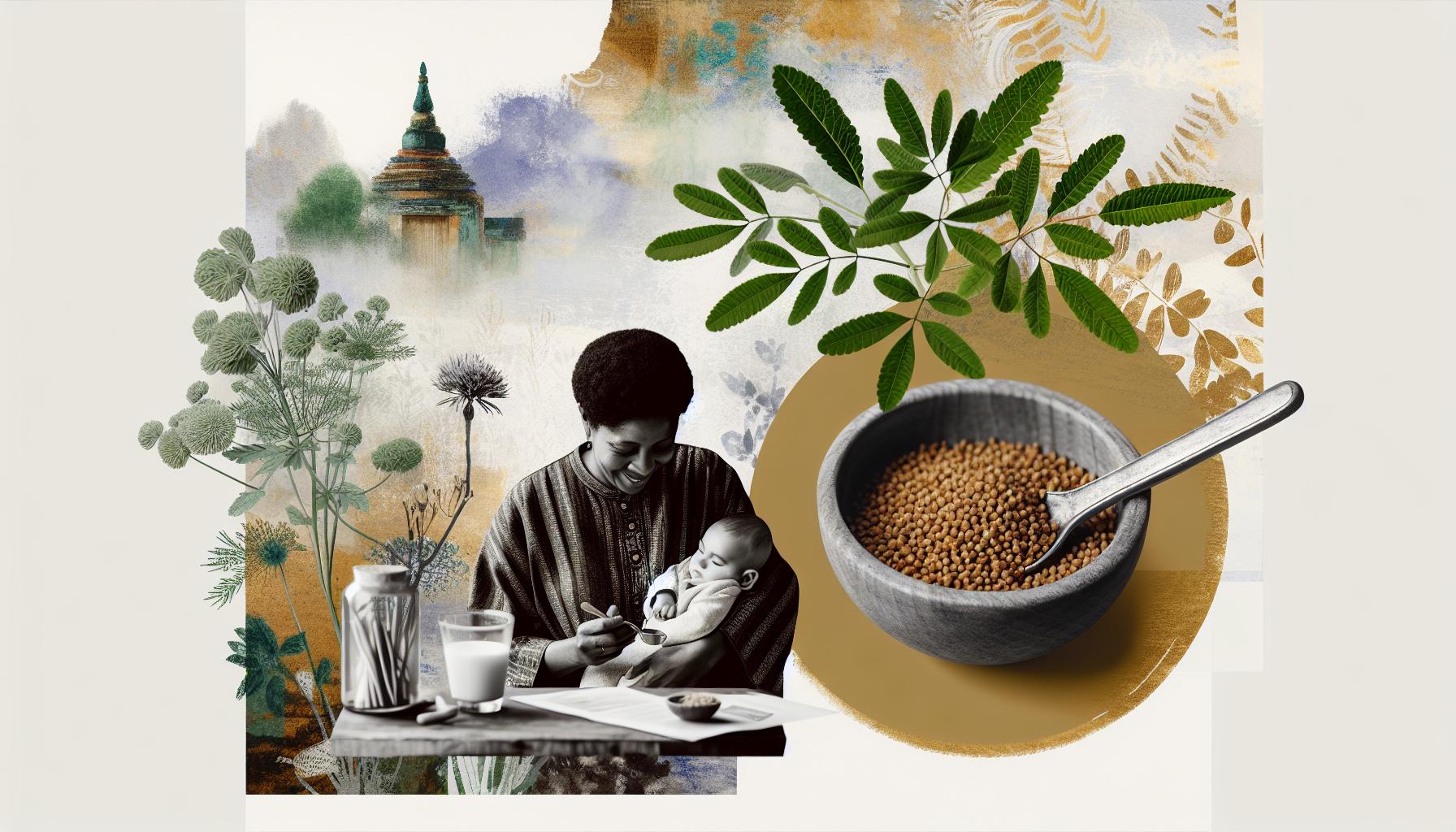
It’s fascinating how a humble seed like fenugreek, passed down through generations across continents, can quietly support the powerful journey of breastfeeding. Science reveals that fenugreek contains compounds called phytoestrogens, which act like gentle hormonal messengers in the body. These plant-based molecules mimic estrogen, a hormone closely tied to the progress and function of milk-producing glands. By subtly encouraging the body’s natural lactation hormones—such as prolactin—to rise, fenugreek can definitely help create a more nurturing environment for milk production to flourish.This botanical ally has earned a beloved spot in traditional medicine systems from the Middle east to India and the Mediterranean, where mothers have long turned to its bittersweet aroma and warming qualities. These cultural roots remind us that feeding your baby is more than biology; it’s a holistic exchange of comfort, nourishment, and confidence. For many moms, fenugreek becomes a gentle companion, aiding the body’s rhythms without rushing or pressuring. Real-world experiences frequently enough speak louder than studies: some mothers notice an increase in milk volume within days, while others find it enhances their breastfeeding confidence and sense of calm. Remember, subtle shifts in supply or breastfeeding ease might be tied to a combination of loving care, hydration, rest, and the right support around you.
Practical Insights Into Fenugreek’s Role
- Phytoestrogens at work: These naturally occurring plant compounds may gently boost hormone signals related to milk production, helping your body respond as it’s designed to during postpartum.
- Consistency matters: Like any herb, fenugreek’s effects grow stronger with regular use, often seen after a few days of steady intake, which fits gently into a mom’s varied postpartum days.
- More than milk volume: Fenugreek may also soothe digestion or support energy, adding layers of holistic well-being essential for sustained breastfeeding.
Every mother’s body writes its own breastfeeding story. Fenugreek doesn’t promise miracles, but it offers a kind, supportive nudge—honoring the delicate blend of biology, tradition, and emotional strength that defines your unique path. Always combine herbal support with attentive self-care, and know that alongside fenugreek’s ancient wisdom, you’re nurturing your baby with both heart and science.
Choosing the Safest and Most Effective Fenugreek Supplements

Fenugreek supplements come in many forms—capsules, teas, powders—and choosing the right one can feel overwhelming, especially when your focus is on safety and gentle effectiveness during this vulnerable postpartum phase. What matters most is selecting a supplement that honors both your body’s unique needs and the precious bond you’re nurturing with your baby. Remember, quality and purity are your best friends here; look for products that are third-party tested and free from additives or fillers that may cause irritation or unexpected reactions.
Many moms find capsules convenient for consistency,offering standardized doses that help gently encourage milk supply without the bitter taste of the seeds. However, for those who enjoy a more holistic ritual, whole seed powders or teas provide a comforting, nurturing experience. This can be especially soothing during late evening feeding times, blending warmth and calm alongside the potential lactation support. Just be sure to choose organically grown fenugreek whenever possible—this reduces exposure to pesticides and environmental toxins, aligning with the gentle care your body and baby deserve.
Key Factors to Consider When Selecting Fenugreek Supplements
- Purity & Sourcing: Opt for organic, non-GMO fenugreek to avoid harsh chemicals and support sustainable farming practices that respect the earth and your health.
- Standardized Extracts vs. Whole Seeds: standardized extracts may offer consistent phytoestrogen content, but whole seeds honor tradition and provide additional nutrients and fiber.
- Third-Party Testing: Choose brands that undergo independent lab verification to ensure potency and free-from contaminants—a peace of mind for nursing moms.
- Formulation: check if the product is fenugreek alone or combined with other herbal galactagogues, as synergy might help but also may increase sensitivity or side effects.
- Ease of Use & taste Preference: Capsules are discreet and easy, while teas and powders invite you into a mindful self-care moment. Pick what feels nurturing to your spirit and schedule.
Practical Example: Trusted Supplement Attributes and How They Fit Into Postpartum Life
| supplement type | Advantages | considerations | Suggested Use |
|---|---|---|---|
| Capsules (standardized extract) | Consistent dosing,convenient for busy days | Less sensory ritual,monitor for any digestive upset | 2–3 times daily with water,beginning postpartum day 2 or 3 |
| Whole seed powder | Traditional,nutrient-rich,flexible for recipes | Bitter taste; requires brewing or mixing into foods | Teas or smoothies—1 teaspoon per cup,up to 3 cups/day |
| Fenugreek tea blends (combined herbs) | Holistic benefits,calming ritual | Possible side effects from other herbs; check interactions | 1–2 cups/day,ideally mid-morning and evening |
Each family’s path is uniquely theirs,so start slow and listen deeply to your body’s responses. If you notice any discomfort, pause and consult a lactation expert or healthcare provider who understands herbal use in breastfeeding. This measured, loving approach gives you space to find the most nurturing supplement support for your milk journey—one that enhances your confidence and well-being without rushing or pressure.
Proper Dosage and Timing for Fenugreek Use During Postpartum
Fenugreek has been cherished for centuries as a gentle, natural ally in supporting milk supply, but finding the right dose and timing that fits your unique postpartum rhythm can make all the difference. starting fenugreek too early or taking too much at once might feel overwhelming for your still-recovering body, so it’s best to begin with modest amounts and observe how your milk production and overall well-being respond.
Most lactation experts and studies recommend 2 to 3 grams of fenugreek,taken three times daily—often delivered through capsules or as a brewed tea—to safely encourage milk flow without overstimulating the body. This steady intake spaced throughout the day helps sustain elevated milk production by keeping phytoestrogen levels consistent in your system without spikes, which aligns beautifully with your baby’s natural feeding pattern and your postpartum healing process. For example, mom-to-mom sharing frequently enough highlights taking fenugreek mid-morning, mid-afternoon, and early evening, allowing time to gauge both how your milk supply reacts and if any mild side effects like digestive changes occur.
Timing Your Fenugreek Routine for Maximum Support
- Start Slowly: Begin fenugreek supplementation around postpartum day 2 or 3, giving your body time to settle into lactation naturally before adding herbal support.
- Consistent Intervals: Space doses evenly—morning, midday, and evening—helping your system maintain a gentle, ongoing boost without overwhelming sensitive digestion.
- Listen and Adjust: If you notice no change in milk supply after a week, it’s okay to increase the dose slightly, but always stay within the recommended 6 grams daily total to avoid unwanted side effects.
- Match Form to Lifestyle: Capsules suit busy moms needing simple, tasteless support, while teas or smoothies can become mindful, nurturing rituals—especially peaceful during quiet evening hours.
| Form | Typical Dose | Suggested Timing | Notes |
|---|---|---|---|
| Capsules | 2–3 capsules, 3 times/day (approx. 2g per dose) | Morning, lunch, early evening | Convenient and consistent; monitor for mild digestive upset |
| Fenugreek Tea (powder or seeds) | 1 teaspoon per cup, up to 3 cups/day | Mid-morning, mid-afternoon, before bed | Soothing ritual; helps calm and nurture both body and mind |
| Fenugreek Smoothies or meals | 1 teaspoon powder incorporated per serving | With breakfast or lunch | Enjoyable way to add nutrients, fiber; mask bitterness with sweet fruits |
Every breastfeeding journey is as individual as the baby at your breast. Some moms note milk supply improvements within just a couple days, while others take up to two weeks before experiencing benefits. maintain nurturing patience with your body—this herbal support complements your hormones and hydration, not replaces them. Share your experiences with trusted providers or supportive mama circles, especially if you face challenges like engorgement, nipple tenderness, or mood fluctuations, which might affect your ability to keep consistent dosing. Your well-being is the heart of sustainable milk supply.
Real-World Tip:
If preparing fenugreek tea, soak seeds overnight or simmer gently for 10-15 minutes to unlock potent benefits and mellow bitterness. Add a touch of honey and a slice of lemon for comfort—precious moments to pause and honor your postpartum body.
Balancing respect for long-standing herbal traditions with modern safety guidelines will help you create a personalized fenugreek routine that feels like a warm, gentle hug during this stunning, complex time of growth and bonding. Remember, the goal isn’t to “push” your body but to support it with love, patience, and clarity every step of the way.
Step-by-Step Recipes: Fenugreek Teas, Smoothies & Meals
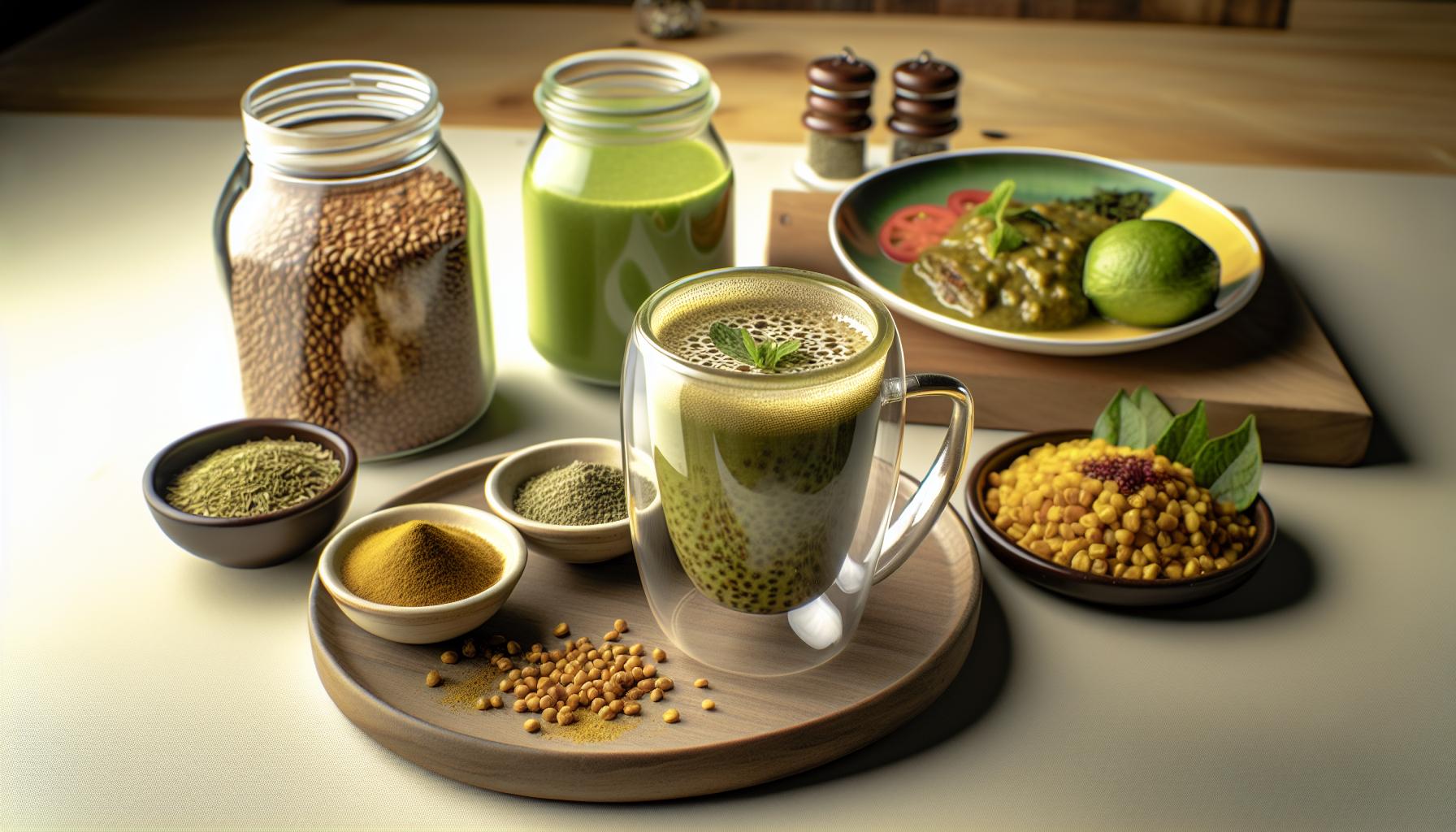
Fenugreek’s warm, nutty flavor and gentle milk-boosting qualities make it a wonderful ingredient to weave into nurturing drinks and meals, turning everyday nourishment into a soothing ritual that supports your breastfeeding journey.incorporating fenugreek through teas, smoothies, or meals not only helps promote milk supply but also invites moments of calm and care—a small, empowering practice that honors the complexity and beauty of postpartum healing. Each recipe offers a way to blend traditional wisdom with easy, flexible preparation that respects your time, taste, and body’s unique rhythm.
Simple Fenugreek Tea for Lactation Support
Fenugreek tea is a comforting,effective way to boost milk flow,especially when made with whole seeds that release their beneficial compounds gently. starting with a milder brew and adjusting to your taste can ease any digestive sensitivity—plus, it’s a perfect pause for self-care amid a busy day.
- Ingredients: 1 teaspoon fenugreek seeds, 1 cup water, optional: honey and a lemon slice
- Preparation:
- Soak fenugreek seeds overnight or simmer them in water for 10–15 minutes for a richer infusion.
- Strain the seeds out and pour the warm tea into your favorite mug.
- Add a teaspoon of honey and a lemon slice for natural sweetness and comfort if desired.
- Dosage & Timing: Sip this tea mid-morning, mid-afternoon, or before bed up to three times a day, supporting a steady, gentle boost in milk supply.
Fenugreek Smoothie to Energize Your Day
For a busy mom needing a nourishing, easy option, blending fenugreek powder into a sweet smoothie merges lactation support with a delicious, nutrient-packed snack. This is especially helpful during the demanding early postpartum weeks when balanced meals might feel elusive.
- Ingredients: 1 teaspoon fenugreek powder, 1 cup almond milk (or preferred milk), 1 banana, ½ cup frozen berries, 1 tablespoon Greek yogurt, 1 teaspoon honey (optional)
- Preparation:
- Add all ingredients into a blender.
- Blend until smooth and creamy.
- Taste and adjust sweetness with honey or more fruit as desired.
- Dosage & Timing: Enjoy this smoothie once daily, ideally with breakfast or as a midday snack, to keep milk-boosting nutrients flowing alongside sustained energy.
Wholesome Fenugreek Porridge
porridge enriched with fenugreek offers a warm, filling meal rich in protein and calcium—two key nutrients that support both you and your baby during breastfeeding. This recipe draws on nourishing traditions and can become a comforting morning or lunch ritual.
- Ingredients: ½ cup oats, 1 teaspoon fenugreek seeds or powder, 1 cup milk (dairy or plant-based), 1 tablespoon nuts or seeds, 1 teaspoon honey or maple syrup, fresh fruit for topping
- preparation:
- Toast fenugreek seeds lightly in a dry pan for 1-2 minutes to mellow bitterness (skip if using powder).
- Simmer oats, fenugreek, and milk together over medium heat until creamy (about 5-7 minutes).
- Stir in honey and nuts/seeds, then top with fresh fruit.
- Dosage & Timing: This nourishing porridge fits beautifully into your morning routine or a mid-day lunch,providing sustained lactation support and gentle digestion.
| Recipe | Key Fenugreek Form | Serving Size | Recommended Frequency | Notes |
|---|---|---|---|---|
| Fenugreek Tea | Whole seeds | 1 cup | Up to 3 times daily | Soak overnight or simmer; add honey/lemon to taste |
| fenugreek Smoothie | powder | 1 serving | 1 time daily | blend with fruits and yogurt; adjustable sweetness |
| Fenugreek Porridge | Seeds or powder | 1 bowl | 1-2 times daily | Toasting seeds mellows bitterness; boosts nutrition |
Remember, every mama’s body and taste preferences are beautifully unique. If fenugreek’s flavor feels too strong, start with half the amount and gradually increase. Mixing fenugreek with familiar foods and drinks not only softens any bitterness but helps create a healing routine that feels natural, grounded, and joyful. And as always, keep an eye on how your body responds, and share your experience with a trusted lactation consultant or community—because breastfeeding support is never a solo journey.
By gently infusing your daily meals and drinks with fenugreek, you’re nourishing both your milk supply and your soul—one mindful sip or spoonful at a time.
Combining Fenugreek with Other Herbal Galactagogues Safely
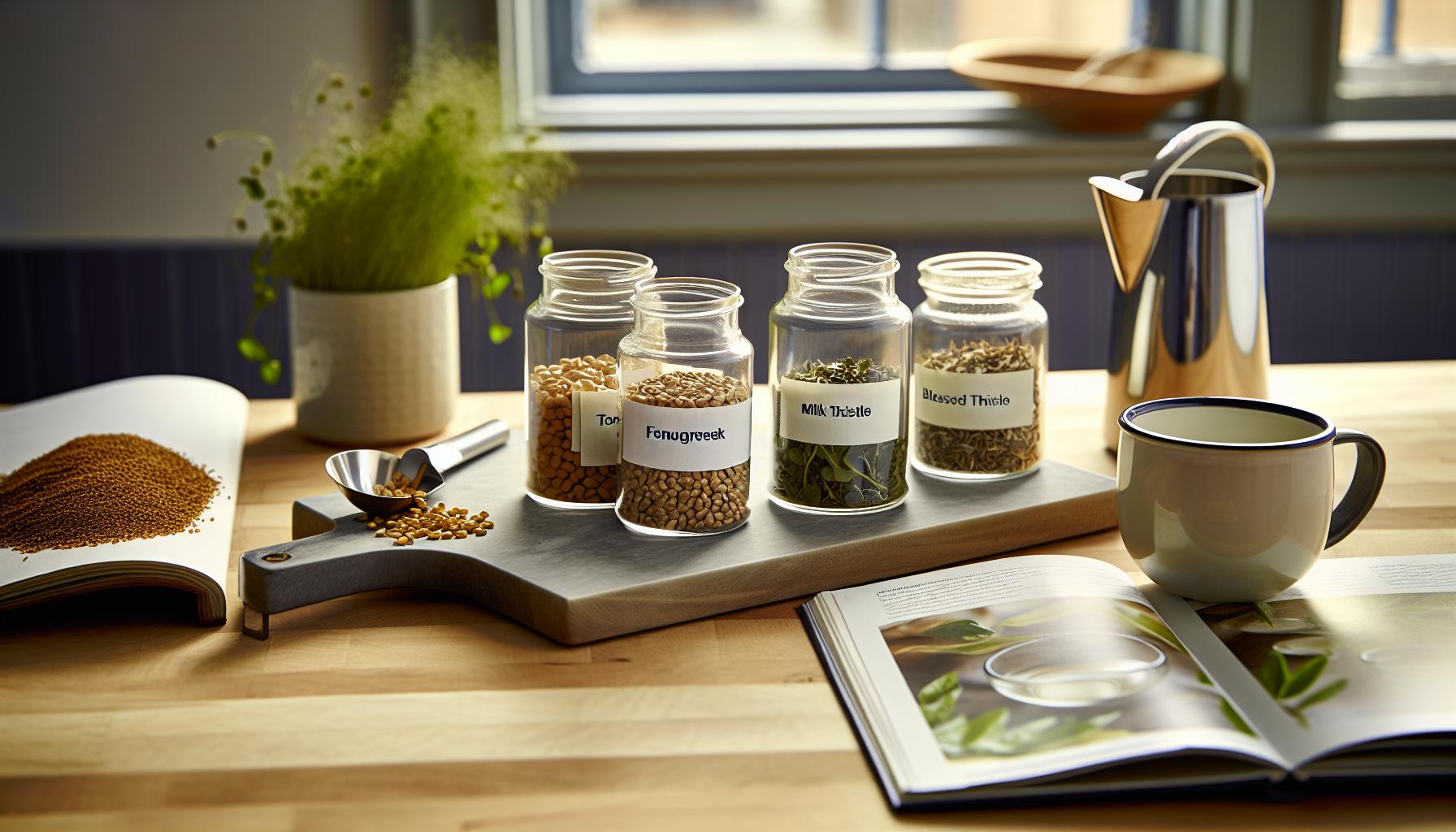
Many nursing mothers find that combining fenugreek with other gentle herbal galactagogues can offer a comforting and natural way to support their milk supply. However, blending herbs requires thoughtful care, just like weaving threads into a tapestry where each element enriches but doesn’t overwhelm. Approaching this practice with mindfulness and respect for your body’s signals ensures you honor the delicate postpartum period while nurturing lactation effectively.Fenugreek pairs beautifully with herbs like blessed thistle, fennel, or fennel seeds—each known for unique properties that may support milk production and digestion but with varied effects on different moms. For example, blessed thistle has a long traditional use in lactation support and may complement fenugreek’s warm, nutty essence with its slightly bitter, herbaceous note. Fennel, gentle and soothing, supports digestion and may help relax tense muscles, aiding overall comfort especially when breastfeeding can feel physically demanding. Many mamas enjoy a blend of fenugreek and blessed thistle in teas or tinctures as a balanced milk-boosting duo.
Guidelines for Blending Herbal Galactagogues safely
- Start Slow and Observe: Introduce one new herb at a time or begin with small doses in combination. this helps track any body responses or sensitivities without added overwhelm.
- Mind the Dosage: Too much of any herb, including fenugreek, may cause digestive upset like bloating or mild diarrhea. Keep fenugreek under 3 grams per day unless advised otherwise, and give other herbs moderate amounts to avoid overstimulation.
- Quality Matters: Choose high-quality, organic herbs or supplements free from fillers and contaminants, ideally from brands trusted for purity and safety.
- Timing: Sip herbal teas or take supplements at times when you can notice effects — usually 1 to 3 times a day spread evenly. Evening doses might help with overnight milk flow, while morning doses can support day-long supply.
- Consult Your Care Team: If you are taking medications, have a health condition, or face breastfeeding challenges such as thrush or mastitis, check with your lactation consultant or healthcare provider before combining herbs.
Simple Fenugreek + Blessed Thistle Tea Recipe
This gentle, warming tea marries two classic galactagogues to inspire calm and lactation support.
- Ingredients: 1 tsp fenugreek seeds, 1 tsp blessed thistle leaves, 1 cup water, honey or lemon (optional)
- Preparation:
- Simmer fenugreek seeds and blessed thistle leaves in water for 10–15 minutes.
- Strain and pour into a cup.
- Add honey or lemon to your taste if desired.
- Dosage: Up to 2 cups daily, spaced evenly morning and afternoon.
Many real moms share this blend offered them gentle milk boosts without digestive discomfort. Remember,your body’s rhythm is your best guide,so adjust frequency or quantities as you feel necessary—or take breaks to notice how your supply responds.
Respecting Individual Differences
It’s key to celebrate how every breastfeeding journey is unique. Some mothers find fenugreek alone a powerhouse, while others see benefits in multi-herb blends with ginger or turmeric for anti-inflammatory support. Always pay close attention to your body’s responses. If you feel any nausea, headache, or changes in milk taste that baby rejects, pause or scale back.By approaching herbal combinations with curiosity, care, and support, you create a personalized lactation toolkit—woven from nature’s gifts and your own intuition. This gentle blending approach encourages both nurturing your milk supply and your spirit during the profound postpartum transition.
for additional safety info and effectiveness, some studies suggest that fenugreek combined with ginger and turmeric may increase milk supply without adverse effects, making thoughtful blends worth considering when done mindfully[[[3]](https://journals.lww.com/ebp/fulltext/2022/01000/are_herbal_supplements_safe_and_effective_for.23.aspx). Though, always listen to your body and seek expert guidance for the most supportive and joyful experience.
| Herb | Benefits | Common Uses | Safety Notes |
|---|---|---|---|
| Fenugreek | Milk supply stimulant, warming, nutty-rich flavor | Teas, smoothies, capsules | May cause digestive upset; avoid if allergic to legumes |
| Blessed Thistle | Supports milk production, digestive aid | Teas, tinctures | Generally safe in moderate doses; avoid if sensitive to ragweed |
| Fennel | Soothes digestion, mild galactagogue | Teas, cooking spice | Possible allergic reactions; avoid in excess |
| Ginger & Turmeric | Anti-inflammatory, may enhance lactation | Teas, capsules, food spice | Safe generally but monitor for sensitivity |
Real Mom Stories: Fenugreek Successes and Challenges
Many nursing moms discover that fenugreek can be a quiet yet powerful ally in their breastfeeding journey, gently nudging milk supply upward during those vulnerable early weeks. One mom shared how incorporating fenugreek tea twice daily offered a noticeable boost,helping ease the anxiety of low supply without harsh side effects.Though, her story also highlights the importance of patience—fenugreek’s effects aren’t always immediate. She recommends starting fenugreek within the first two weeks postpartum, as research suggests this timing aligns best with lactogenesis, the body’s milk production phase, making herbal support more effective[[[1]](https://www.babycenter.com/baby/breastfeeding/fenugreek-breastfeeding_40010226).
Another mother found success combining fenugreek with complementary herbs like blessed thistle and fennel, crafting gentle teas that soothed not just milk supply concerns but postpartum digestion and stress. She advises paying close attention to your body’s reactions, as fenugreek can sometimes cause mild digestive upset or change the taste of breast milk, which her baby initially noticed. Taking breaks or adjusting dosage helped her fine-tune what worked. This delicate balancing act requires kindness toward yourself and your baby, recognizing that uniform results don’t exist in breastfeeding—and that’s okay.
practical Tips from Real Experiences
- Start Slowly: Beginning with 1 teaspoon of fenugreek seeds brewed as tea, once a day, allows your body to adjust.
- Track Your Body’s Signals: Notice any digestive changes or baby’s feeding behavior to adjust amounts or frequency.
- Combine Thoughtfully: Many moms find fenugreek works well alongside soothing herbs like fennel or digestion-friendly blessed thistle.
- Integrate into meals and Smoothies: Adding ground fenugreek to warm meals or smoothies can diversify intake methods,making consistent use easier.
- Honor Individual Rhythms: some moms see benefits quickly, while others notice gradual changes over weeks. Patience is a form of self-care.
These shared stories reveal how fenugreek’s nurturing qualities can weave into a mother’s postpartum self-care tapestry—supportive but never demanding. Embracing this natural option with respect for your unique path fosters confidence and calm in a time rich with emotional, hormonal, and physical shifts. Always remember to discuss herbal use with your healthcare provider, especially if you have pre-existing conditions or are on medication, to keep your breastfeeding journey both safe and joyful.
Potential Side Effects and Safety Precautions for Nursing Moms
Fenugreek, while cherished by many breastfeeding moms as a gentle helper to stimulate milk production, carries with it a set of important safety considerations. about 45% of mothers using fenugreek report side effects, reminding us that even natural remedies deserve thoughtful use and respect for the body’s signals. The postpartum period is a delicate time of healing and hormonal change, so tuning into your body and your baby’s cues helps ensure that fenugreek supports your breastfeeding journey without added stress or discomfort[[[1]](https://www.babybonds.us/blog/2022/2/22/fenugreek-yes-or-no).
Many moms notice mild digestive changes such as gas, bloating, or mild stomach upset when first introducing fenugreek.This is usually temporary but can be eased by starting with small doses and gradually increasing, allowing your digestive system to adjust gently. Some babies may detect a change in the taste of breastmilk, occasionally leading to fussiness or feeding reluctance. If this occurs, it’s perfectly okay to pause fenugreek use or lower the dose, then reintroduce when both you and baby feel ready.
Beyond these mild reactions, fenugreek’s effects extend to blood sugar regulation and uterine activity, which is why nursing moms with diabetes or a history of uterine sensitivity should approach fenugreek cautiously and only under medical guidance. Since fenugreek can lower blood sugar,it’s especially important to monitor for symptoms of hypoglycemia such as dizziness or sweating. Because of these factors, open conversations with your healthcare provider about fenugreek use ensure you’re making safe, informed choices for you and your baby[[[2]](https://womensmentalhealth.org/posts/fenugreek-and-breastfeeding/).
Helpful Safety Tips for Fenugreek
- Start Small: Begin with about 1 teaspoon of fenugreek seed brewed as tea once daily and observe how you and your baby respond.
- Watch for Side Effects: Mild digestive upset or baby’s feeding behavior changes may signal a need to adjust dosage or pause use.
- Check for Allergies: Though rare,fenugreek can cause allergic reactions. If you notice rash, itching, or swelling, stop use immediately.
- Avoid if Pregnant or Medical Conditions Present: Fenugreek can stimulate uterine contractions; it is indeed contraindicated during pregnancy and should be avoided by moms with certain health conditions unless advised.
- Consult Your Healthcare Provider: Always discuss herbal supplements in your postpartum care plan, especially if taking medications or managing health issues.
The Gentle Groove: Listening and Adjusting
Every mother’s response to fenugreek is beautifully unique. While some find fast benefit, others discover that slow, mindful introduction paired with self-kindness leads to the best results. Remember, a thriving breastfeeding relationship is about what works for you and your baby—whether that includes fenugreek or not. Honoring your body’s wisdom with patience and care creates space for confidence and calm on this intimate path of nourishment and connection.
| Potential Side effect | How to Manage | When to Seek Help |
|---|---|---|
| Digestive upset (gas, bloating) | Reduce dose, sip gently, increase slowly | If severe or persistent discomfort |
| Change in breastmilk taste (baby fussiness) | Pause use or lower dose, try later | If baby refuses feeds or loses weight |
| Allergic reaction (rash, swelling) | Stop immediately, avoid future use | Seek urgent medical care |
| hypoglycemia symptoms (dizziness, sweatiness) | Monitor blood sugar, consult provider | If symptoms worsen or recur |
When to Avoid Fenugreek: Health conditions and Contraindications
Many breastfeeding mothers turn to fenugreek hoping to naturally boost their milk supply, but it’s important to recognize that this herb isn’t safe or suitable for everyone. While fenugreek can be a gentle aid for many, certain health conditions and situations call for extra caution—or avoiding it altogether—to protect both mother and baby. Being mindful about when to skip fenugreek ensures your postpartum journey remains as smooth and nurturing as possible.
Fenugreek has a known effect of stimulating uterine contractions, which means it’s generally not recommended during pregnancy or in the early postpartum weeks if there are any concerns about uterine healing, such as after a cesarean or a elaborate vaginal birth. Such as, if you have a sensitive or healing perineum, or experienced postpartum hemorrhage, it’s best to steer clear until your healthcare provider gives the green light. This helps avoid unnecessary stimulation of the uterus that could lead to discomfort or complications.
Beyond childbirth-related issues, women with certain medical conditions should also avoid fenugreek or use it strictly under medical guidance:
- Diabetes: Fenugreek has natural blood sugar-lowering properties. If you have diabetes or hypoglycemia,fenugreek may interact with your medications or tip blood sugar too low,causing dizziness,sweating,or even fainting. Careful blood sugar monitoring and professional advice are essential before incorporating fenugreek into your routine.
- Allergies to Peanuts or Chickpeas: Because fenugreek is a legume, there is a chance of cross-reactivity. Women allergic to peanuts, chickpeas, or other legumes should exercise caution as allergic reactions—even severe ones—have been reported.
- History of Hormone-Sensitive conditions: Conditions like breast or ovarian cancer that are hormone-sensitive might warrant avoiding fenugreek, as there is limited research on its estrogen-like effects during lactation and beyond.
Check First, Use Safely
Before introducing fenugreek, take a moment to ask yourself or your care provider these important questions:
- Do I have any medical conditions (e.g., diabetes, hormone-sensitive health issues) that require monitoring?
- Am I currently healing from surgery or childbirth complications that may make uterine stimulation risky?
- Could I be allergic to legumes or have a history of food sensitivities?
Opening this conversation with your healthcare provider or a trusted lactation consultant helps tailor your postpartum plan safely and gently.Remember, this is a personal journey, and your well-being alongside your baby’s is what truly matters most.
Real Mom Wisdom: When Saying No Means Saying Yes to Yourself
One experienced mother shared, “I was eager to try fenugreek but had gestational diabetes, so I checked with my doctor first.We decided to hold off and focus on other milk-boosting steps.It was hard to wait, but in hindsight, I’m grateful I skipped something that could have caused more stress.” This gentle example reminds us that choosing not to use fenugreek isn’t a failure—it’s a courageous act of self-care.
Cultivating awareness around your body’s needs and honoring medical advice is part of the postpartum healing cascade. The world of galactagogues is rich with options, and sometimes the safest choice is to explore what feels right without rushing to every “milk booster.” Listen deeply, stay curious, and trust your body’s natural wisdom during this precious, transformative time.
| Health Condition or Situation | Why Avoid or use Caution | Safe Alternatives or Precautions |
|---|---|---|
| Pregnancy or Early Postpartum with Uterine healing concerns | Fenugreek can stimulate uterine contractions; risk of bleeding or complications | Wait until full healing; consider gentle lactation support like hydration and rest |
| Diabetes or Hypoglycemia | May lower blood sugar excessively; interacts with medications | monitor blood sugar closely; consult health provider before use |
| Allergy to Peanuts/Chickpeas or Other Legumes | Risk of allergic reaction ranging from mild rash to severe symptoms | Allergy testing; avoid fenugreek if sensitivity is known |
| Hormone-Sensitive Cancers (e.g., breast, ovarian) | Potential estrogenic effects; limited safety data | Choose non-hormonal lactation aids; discuss any supplement use with oncologist |
Tracking Your milk Supply: Measuring Fenugreek’s Impact
Tracking changes in your milk supply after starting fenugreek can feel both hopeful and uncertain—because every mother’s body responds uniquely, and fluctuations in milk can stem from many factors. Yet tuning into your milk production is a deeply empowering practice, allowing you to gently observe whether fenugreek is supporting your breastfeeding journey as you hoped. The good news is, there are simple, non-stressful ways to measure your milk supply that honor postpartum emotions and your body’s natural rhythms, helping you celebrate small wins along the way.
Simple Ways to Notice Milk Supply Changes
- Feed and diaper count: One of the most reliable signs you’re producing enough milk is a steady number of wet and dirty diapers—usually about 6-8 wet diapers per day for babies a few days old and beyond. Keeping a gentle log can help you track trends over several days, offering reassurance without weighing each feeding.
- Pumping output: If you pump, note the amount of milk collected before and after starting fenugreek. While pumping doesn’t always reflect total milk available at the breast, increases here can be a useful indicator of progress.
- Baby’s feeding behavior: Watch for signs your baby seems satisfied after feeds—relaxed hands,soft body,and calm demeanor. A content, growing baby with regular weight checks signals milk supply is meeting needs.
Making Fenugreek’s Impact More Visible
Fenugreek typically takes a few days to a week to show effects. Set clear timelines for yourself—such as checking supply indicators weekly—to avoid feeling stuck waiting for “instant results.” Because milk production gently responds to many influences, it’s helpful to combine fenugreek with trusted breastfeeding practices like frequent skin-to-skin contact, proper latch, and plenty of hydration.
tip: keep a simple journal, noting fenugreek dose, times taken, pumping volumes (if applicable), and baby’s diapering patterns. Over time, this log becomes a personalized story of your journey—a beautiful reminder that progress may be subtle but definitely moving forward.
Signs it might Be Time to Reassess
While tracking is encouraging, trust your intuition if you notice no enhancement or experience unusual side effects. Milk supply can ebb and flow naturally, and sometimes fenugreek isn’t the right fit. That’s okay. Reaching out to lactation experts for tailored guidance or exploring additional gentle galactagogues can keep your breastfeeding goals gently on track.
| What to Track | Why It Matters | How to Track |
|---|---|---|
| Wet and Dirty Diapers | Reflects hydration and digestion; key indicator of adequate milk intake | Record diaper changes daily; aim for 6-8 wet diapers by day 5 postpartum |
| Pumped milk Volume | Offers measurable insight into milk removed during a session | Weigh pump bottles before and after; note amount in mL or oz |
| Feeding Duration and Baby Satisfaction | signals effective milk transfer and baby’s fullness | observe baby’s cues during/after feeds; note feeding times |
| Physical Signs for Mom | Compliments other measures; includes breast fullness and let-down feeling | Journal sensations and any breast changes |
Remember, your breastfeeding journey is uniquely yours—celebrating small shifts helps nourish your spirit and your bond with baby. Fenugreek can be a kind helper along the way, but your body’s wisdom and your baby’s cues remain the most trusted guides. Patience, tenderness, and a supportive circle will light the path as you track progress together.
Tips for Integrating Fenugreek into Your Daily Routine
many breastfeeding moms find that weaving fenugreek into their daily routine invites a gentle sense of rhythm and support during the postpartum period. The key is to create simple, nurturing habits that feel natural rather than burdensome, honoring both the delicate emotional state and physical healing happening after birth. Fenugreek’s benefits unfold best with consistent use, so setting clear, achievable patterns can definitely help mothers feel empowered rather than overwhelmed.
Make It Part of Mealtime Rituals
Integrating fenugreek with your meals or snacks is an easy way to remember to take it regularly. Such as, adding fenugreek powder to a warm morning smoothie or mixing it into yogurt or oatmeal creates a nourishing start to your day. Many moms find that incorporating fenugreek into herbal teas during afternoon breaks not only helps with lactation but also provides a calming moment for self-care.Here’s a simple fenugreek tea recipe to try:
- Ingredients: 1 teaspoon fenugreek seeds, 1 cup boiling water, honey or lemon to taste (optional)
- Preparation: steep fenugreek seeds in boiling water for 10 minutes. Strain and sweeten if desired.
- Dosing: enjoy 1 cup 2-3 times daily, ideally between meals to support absorption and limit digestive discomfort.
Sync Supplement Times with Feeding or Pumping
Aligning fenugreek intake with your breastfeeding or pumping schedule can support a positive feedback loop between supplement use and milk production. as fenugreek typically shows effects within 3-7 days of regular use, taking capsules or teas about 20-30 minutes before nursing sessions can encourage your body to respond more readily to your baby’s cues for milk.Keeping fenugreek on your breastfeeding station or near your pump can serve as a gentle reminder to stay consistent.
- Tip: Set gentle alarms or use a habit-tracking app to mark fenugreek doses, especially during sleepy postpartum days.
- Remember: Staying well hydrated alongside fenugreek intake enhances milk production and your own energy levels.
Honor your Body and Adjust as Needed
Every mom’s rhythm is unique,so it’s important to listen to how your body responds and adjust fenugreek usage accordingly. Some mothers prefer capsules for convenience; others love the ritual of preparing fenugreek-infused meals or teas. Notice how your digestion feels, and if you encounter any side effects—like mild gastrointestinal upset—try reducing the dose or spreading it out throughout the day. Sharing these experiences in mothering circles or with lactation consultants can create community and ease.
| Tip | Purpose | Example |
|---|---|---|
| Mix fenugreek powder into smoothies or oatmeal | Easy integration with breakfast for consistent intake | Banana-fenugreek smoothie with almond milk and honey |
| Drink fenugreek tea mid-afternoon | Creates a calming self-care ritual while supporting lactation | Fenugreek seed tea with lemon and a touch of ginger |
| take fenugreek capsules 20-30 minutes before feeding | Supports milk production timed with baby’s demand | Two 600 mg capsules before morning and evening feeds |
| Track intake with alarms or journaling | keeps dosage consistent amid postpartum busyness | Using phone reminders or paper breastfeeding journal |
Remember, integrating fenugreek is about gentle support—not pressure. Celebrate your small wins, honor your feelings, and build a routine that feels joyful and sustainable. This nurturing approach creates space for both your milk supply and your wellbeing to flourish naturally.
Holistic Self-Care Beyond Supplements for Sustained Milk Supply
There’s a quiet power in embracing self-care practices that nurture your whole being—not just boosting milk supply with supplements, but honoring the emotional and physical journey of postpartum life. Milk production thrives best when the body feels supported,rested,and loved. This means leaning into gentle routines that soothe stress, balance hormones, and invite calm, alongside your fenugreek regimen.
Rest and hydration are cornerstones often overlooked amid the whirlwind of new motherhood. Aim to sip water regularly throughout the day, as hydration fuels every cell, including those in your breasts. Short, frequent rest breaks—even if just closing your eyes for a few moments—can lower cortisol, the stress hormone that may interfere with milk flow. You might consider simple breathing exercises or a brief mindfulness practice, just 5 minutes to reconnect with yourself and ease tension. These moments also honor the deep emotional shifts happening as your body heals from birth, whether that include perineal recovery or cesarean healing.
Gentle Movement and Nourishing Foods
Light exercise, like daily walks or gentle yoga tailored for postpartum bodies, helps circulation and mood, both important for lactation health. Movement also gives your mind a break and releases endorphins,those feel-good hormones that contribute to overall wellbeing. Pair this with meals rich in whole foods—think colorful vegetables, healthy fats, and sufficient protein—to provide the raw materials your milk needs to flow. Adding herbal allies beyond fenugreek, such as fennel or chamomile, in cooking or teas, can gently support digestion and relaxation while honoring timeless lactation traditions[[[1]](https://aanmc.org/naturopathic-treatment/herbal-lactation-support/).
- Example Recipe: Chamomile and fennel tea
Ingredients: 1 tsp chamomile flowers, 1 tsp fennel seeds, 1 cup boiling water
Preparation: Steep together for 10 minutes, strain, and sip in the evening to unwind
Dosing: Drink once daily to promote calm and digestive comfort
Building Your support Circle
Self-care extends beyond the body. Emotional nourishment frequently enough comes from connection.Sharing your breastfeeding triumphs and challenges with trusted friends, lactation consultants, or mothering groups offers both practical insights and heartfelt encouragement. Many moms find that simply knowing they’re not alone cultivates resilience. This safe space can help you feel validated in your unique experience—acknowledging that feeding journeys vary widely,and honoring whatever path feels right for you and your baby. Remember, self-care means listening without judgment to your body’s signals, and giving yourself grace even when days feel hard.
| Self-Care Activity | Purpose | suggestions |
|---|---|---|
| Hydration | Supports milk production and overall energy | Keep a water bottle nearby, add lemon or cucumber for flavor |
| Mindful rest | Reduces stress hormones that inhibit let-down | Deep breathing, guided meditation apps, quiet naps when possible |
| support Networks | Emotional connection and shared knowledge | Breastfeeding groups, doula check-ins, online forums |
| Gentle Movement | Improves circulation and mood | Postpartum yoga, walking, pelvic floor exercises |
Sustained milk supply blossoms not just from herbs but from a mosaic of care that respects your body’s rhythm, emotions, and community ties. By nurturing yourself fully—mind, body, and heart—you create fertile ground where breastfeeding can flourish naturally and joyfully, alongside the magic of fenugreek’s support.
Frequently asked questions
Q: How quickly can I expect fenugreek supplements to boost my breast milk supply?
A: Fenugreek supplements frequently enough begin to increase milk supply within 24 to 72 hours,though results can vary. Consistent intake combined with effective breastfeeding practices enhances results. For detailed dosing and timing, see the *Proper Dosage and timing for Fenugreek Use During Postpartum* section of our article.
Q: What should I look for in the best fenugreek supplement for breastfeeding?
A: The best fenugreek supplements contain *high-quality, organic fenugreek seed extract* without fillers or additives. Capsules combined with other lactation herbs like blessed thistle or goat’s rue may boost effectiveness.Always choose brands with transparent sourcing and dosage details for safety.
Q: Can fenugreek supplements be taken with other medications or supplements while breastfeeding?
A: Fenugreek can interact with blood thinners, diabetes medications, and others. Always consult your healthcare provider before combining fenugreek with other supplements or medications. Our *Potential Side Effects and Safety Precautions* section offers guidance on safe use during breastfeeding.
Q: Are there natural ways to enhance fenugreek’s effect on milk production?
A: Yes, combining fenugreek with proven lactation tips like frequent breastfeeding, skin-to-skin contact, and proper hydration can maximize supply. Also, mixing fenugreek with herbal galactagogues such as blessed thistle can amplify benefits. See our *Tips for Integrating Fenugreek into Your Daily Routine* for practical advice.
Q: Is it better to take fenugreek in capsule, tea, or food form to boost breast milk?
A: Capsules provide consistent dosing and convenience, while teas and meals offer soothing, gentle ways to consume fenugreek. choose what fits your lifestyle and comfort. For step-by-step recipes and preparation tips, explore our *Step-by-Step Recipes: Fenugreek Teas, Smoothies & Meals* section.
Q: Can fenugreek supplements cause allergic reactions while breastfeeding?
A: Though rare, fenugreek can cause allergies like rash, swelling, or breathing difficulties. Start with a small dose and monitor your body. If you notice any signs, discontinue use and seek medical advice promptly for safe breastfeeding support.
Q: How do I know if fenugreek is effectively increasing my milk supply?
A: Track your baby’s feeding patterns, wet diapers, and weight gain alongside your own breast fullness. Using a milk supply journal or measuring output after pumping helps monitor progress. Learn proven methods in our *Tracking Your Milk Supply: Measuring Fenugreek’s Impact* article segment.
Q: Can I use fenugreek supplements if I have gestational diabetes or other health conditions?
A: Fenugreek may affect blood sugar levels, so mothers with gestational diabetes or similar conditions should use it cautiously and only under medical supervision. Refer to our *When to Avoid Fenugreek: Health Conditions and Contraindications* for detailed guidance on safety considerations.
—
For more in-depth guidance, practical recipes, and safety tips, explore our complete article on *Best Fenugreek Supplement for Breastfeeding: Boost Supply* to empower your breastfeeding journey with confidence and care.
Key Takeaways
supporting your breastfeeding journey with the best fenugreek supplement can gently enhance your milk supply, nurturing both you and your baby through postpartum changes. Remember, safety and timing matter—starting with recommended dosages and paying attention to your body’s responses ensures a natural boost to lactation without stress. For personalized support, explore our guides on lactation-friendly recipes and safe herb blends curated for new moms, designed to honor your unique healing process and cultural traditions.If you’re wondering about next steps or want to deepen your breastfeeding knowledge, check out our posts on postpartum nutrition and self-care routines, or join our nurturing community for shared experiences and expert tips. Don’t wait to embrace this supportive, holistic approach that empowers you with confidence and calm—sign up for our newsletter to stay inspired and discover more wellness tools tailored for motherhood. Your breastfeeding journey is one of many beautiful paths; we’re here whenever you need gentle guidance or a trusted friend.
Feel free to share your story or questions below—your voice helps build a safe space for all moms navigating breastfeeding and beyond.Together, we celebrate every small victory and honor the astonishing strength you embody.Explore more on breastfeeding support, natural lactation aids, and postpartum wellness to keep your journey thriving.


 WARNING TO PARENTS