
Best Drinks for Breastfeeding: Boost Hydration & Supply
Staying well-hydrated is one of teh simplest yet most powerful ways to support your breastfeeding journey. Breast milk is made mostly of water, so choosing the right drinks can definitely help boost your milk supply and keep you feeling energized and nourished. this guide gently walks you through safe, nurturing beverage options—from soothing herbal teas to refreshing smoothies—that honor your body’s healing process while respecting your unique postpartum needs. whether you’re navigating hormonal shifts or just looking for comforting rituals,these recipes and tips combine trusted expert advice with real-mom wisdom to empower you,without judgment or pressure. Embrace this time with kindness toward yourself and discover tasty, practical ways to hydrate and nurture your milk supply, one sip at a time.
Contents
- Best Hydrating Drinks to Support Breastfeeding moms
- Top Lactation-Boosting Drinks Backed by Science
- Herbal Teas That Enhance Milk Supply Safely
- Nutritious Smoothie Recipes for Energy & Hydration
- How to Balance Hydration Without Overdoing It
- Best Times to Drink for Optimal Milk Production
- Natural Ingredients to Avoid While Breastfeeding
- Hydrating Foods to Complement Your Drink Choices
- DIY Lactation drink Mixes you Can Make at Home
- understanding Fluid Needs in Different Postpartum Stages
- Signs of Dehydration and How to Prevent Them
- Real Mom tips: Favorite Drinks for Breastfeeding Success
- Frequently Asked Questions
- Q: How do electrolyte drinks support hydration and milk supply during breastfeeding? A: Electrolyte drinks help restore essential minerals like sodium and potassium, supporting optimal hydration and muscle function. Staying balanced with electrolytes can prevent dehydration,which is crucial for healthy milk production. Choose low-sugar options or homemade mixes to avoid excess calories. For more ideas, see our section on Balancing Hydration Without Overdoing It. Q: What are safe caffeine limits in drinks for breastfeeding moms?
- Q: When is the best time to drink fluids to maximize breastmilk production?
- Q: Can fermented beverages like kombucha be beneficial or risky while breastfeeding?
- Q: How do flavored waters compare to plain water for breastfeeding hydration?
- Q: What homemade lactation drink recipes can boost supply and hydration simultaneously?
- Q: Why is it important to avoid sugary sports drinks while breastfeeding?
- Q: How does hydration change through different postpartum stages for breastfeeding moms?**
- Closing Remarks
Best Hydrating Drinks to Support Breastfeeding moms
Hydration plays a quietly powerful role in supporting breastfeeding moms.Nursing increases your body’s fluid needs,and staying well-hydrated can definitely help maintain milk supply while keeping you energized and refreshed during those busy postpartum days. While plain water is essential,not all fluids are equally nourishing or beneficial for lactation. Choosing drinks that gently hydrate *and* support your body’s unique demands can feel like a loving act of self-care—an easy, comforting way to nurture yourself alongside your little one.
Hydration with purpose: What Works best for Breastfeeding
Starting with the simplest foundation,water remains your best friend. Aim for steady, regular sips throughout the day, rather than large amounts at once. This helps your body absorb fluids efficiently and keeps milk production steady. But don’t hesitate to enrich your hydration routine with drinks that offer both fluids and nutrients:
- Coconut water: Naturally rich in electrolytes like potassium and magnesium, it replenishes minerals lost during nursing and helps prevent dehydration without added sugars.
- Milk or fortified plant-based alternatives: These add calcium, vitamin D, and protein—key nutrients for postpartum recovery and breastmilk quality.
- Infused waters: Simple homemade blends like cucumber-lemon or mint-berry not only encourage extra water intake but soothe digestion and uplift mood.
- Non-caffeinated herbal teas: Gentle on the system and often conventional galactagogues, some herbal teas can gently support milk flow when chosen carefully (more on this in the herbal section).
Balancing Hydration and Nutritional Benefits
It’s easy to feel overwhelmed by advice on “perfect” breastfeeding drinks. What matters most is tuning into your body’s signals. Feeling thirsty, experiencing headaches, or noticing a decrease in milk supply might be subtle signs your fluids need a boost. Remember: hydration contributes not just to physical health but to emotional balance during this transition. Mixing fluids that nurture both body and spirit can make drinking fluids a moment of pause and care amid a hectic day.
Here’s a simple self-care tip from experienced moms: keep a pretty, refillable water bottle nearby and personalize it with herbs or fruit slices that delight you. This gentle ritual transforms a routine into a mindful pause, encouraging you to sip more frequently without pressure.
Quick DIY Hydrating Drink: Postpartum Refresher
- 1 cup coconut water (electrolytes & hydration)
- 1/2 cup chilled herbal tea (like chamomile or rooibos, caffeine-free)
- Juice of 1/2 lemon or lime (vitamin C, fresh flavor)
- A few fresh mint leaves (soothing & pleasant)
Preparation: Mix all ingredients in a glass or reusable bottle. Add ice if desired.Sip slowly and enjoy throughout the day,especially after nursing or pumping sessions.
Learning to hydrate well while caring for a newborn is a journey, not a checklist. Each sip you take nourishes both your body and your breastfeeding journey. Trust your instincts, be gentle with yourself, and celebrate every small step toward feeling vibrant and connected through this astounding season.
For additional nourishing beverage ideas and hydrating foods to complement them, consider exploring recipes and options tailored to each postpartum phase and your personal preferences [[1]](https://health.clevelandclinic.org/hydrating-foods), [[3]](https://draxe.com/nutrition/hydrating-foods/).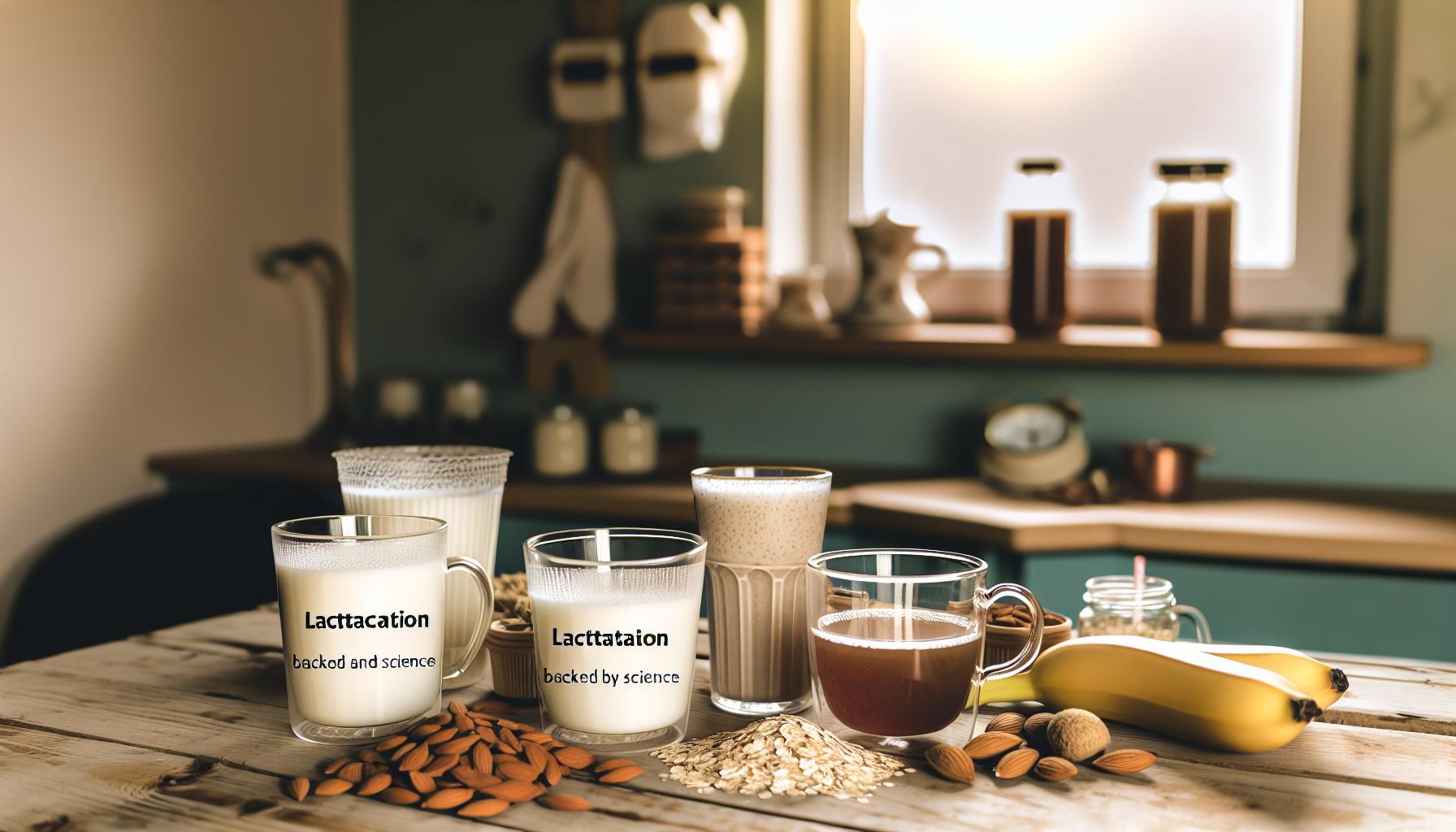
Top Lactation-Boosting Drinks Backed by Science
Some drinks have stood the test of time—and science—as gentle allies in supporting milk production. While hydration is foundational, certain beverages offer nutrients and compounds that may help nudge your body’s lactation process along, easing some common worries about supply and energy. Remember, each body is wonderfully unique; these drinks can complement your routine but aren’t magic fixes. Staying attuned to your needs and pairing drinks with balanced nutrition and rest remains key.
- Fenugreek tea: One of the most studied galactagogues, fenugreek seeds contain compounds that may increase milk supply for many moms within a few days. steep about one teaspoon of crushed seeds in hot water for 5–10 minutes, up to twice daily. Some find the flavor strong, so honey or lemon can help. Use cautiously if you have diabetes or allergies to chickpeas or peanuts.
- Oat milk or oatmeal water: Oats are rich in iron, fiber, and beta-glucans which coudl promote prolactin, the hormone essential for milk production. A warm glass of oat milk or water infused with rolled oats can be a comforting, nourishing ritual. Try this simple recipe: soak ½ cup rolled oats in 2 cups of water overnight, strain, and warm gently before drinking.
- Brewer’s yeast drinks: Containing B vitamins and protein, brewer’s yeast is favored in traditional lactation support blends. It’s often combined with oats and flaxseed in “lactation cookies” or smoothies. Add 1–2 tablespoons of brewer’s yeast powder to smoothies or warm drinks, but consult your healthcare provider if you have yeast sensitivities.
- Fennel tea: Fennel seeds have phytoestrogens that may support milk flow and soothe digestion. To prepare, lightly crush 1 teaspoon of fennel seeds, steep in boiling water for 5–7 minutes, then strain. Enjoy up to 3 cups daily but avoid if you have allergies to carrots or celery.
- Red raspberry leaf tea: Beyond its renowned role preparing the uterus for childbirth,red raspberry leaf tea also gently supports maternal hydration and nutrient replenishment postpartum. It contains vitamins C and E and minerals like calcium and iron. Brew 1 teaspoon of dried leaves in hot water for 10–15 minutes. Limit intake to 1–2 cups daily during breastfeeding.
Brewing Your Support: Easy Preparation Tips
- Use fresh, high-quality dried herbs to maximize benefits and minimize contaminants.
- Limit herbal tea intake to recommended amounts to avoid overstimulation or side effects.
- Introduce one new herb at a time to notice how your body responds and reduce allergy risks.
- Always hydrate with plain water alongside herbal drinks to maintain fluid balance.
Many mothers find that combining these nourishing drinks with a consistent nursing or pumping schedule gives the best results. Lactation responds beautifully to rhythm and relaxation, so making your drink times cozy and calm—a little self-care moment—can enhance effectiveness.Above all, trust your body, and remember that emotional connection, rest, and joy also feed your milk supply in profound ways.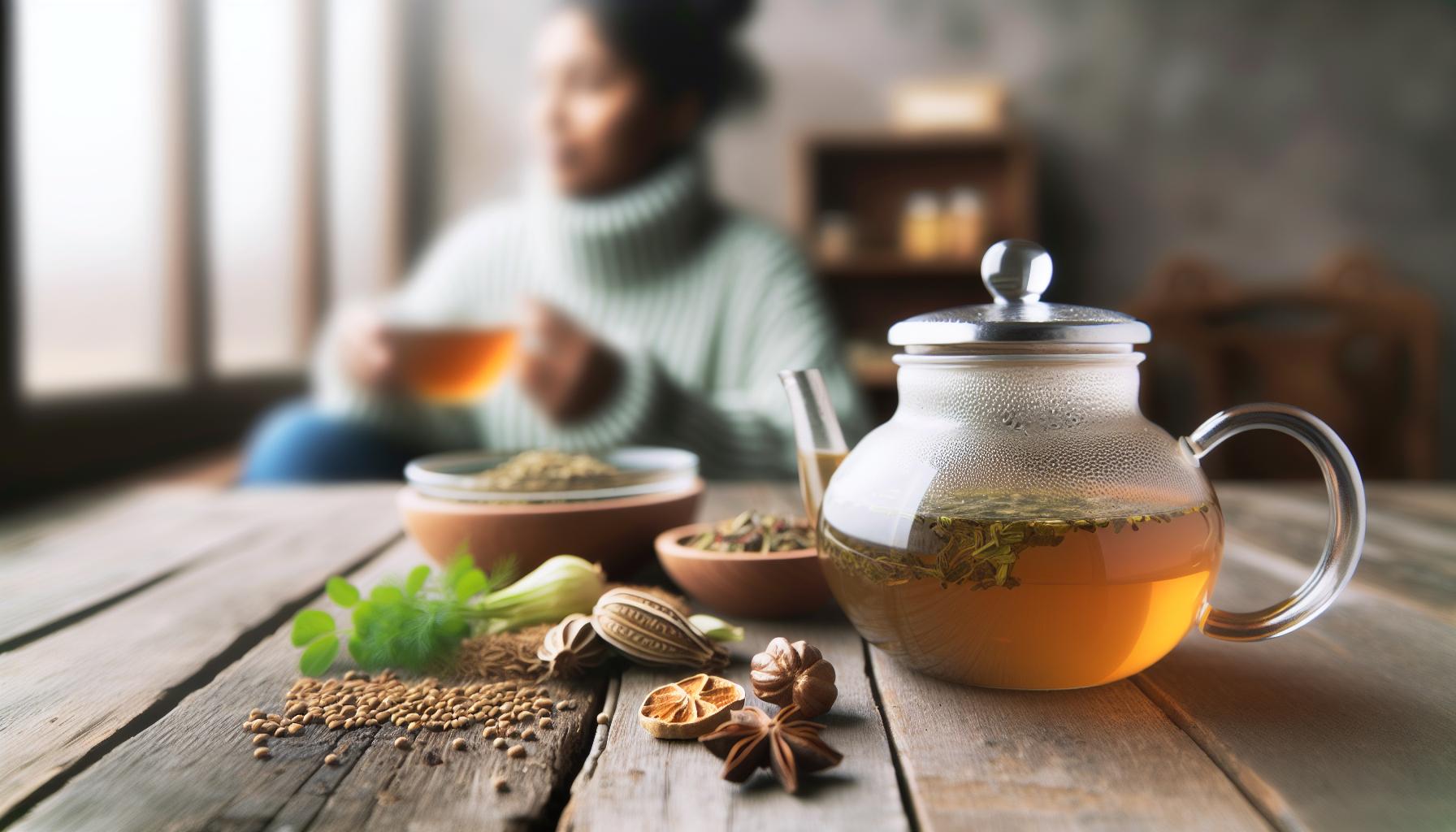
Herbal Teas That Enhance Milk Supply Safely
Many breastfeeding moms find comfort and encouragement in herbal teas known for their gentle support of milk supply. Herbs like fenugreek, fennel, and red raspberry leaf have been cherished across cultures and generations for their nourishing properties and soothing qualities. these teas work by delivering specific compounds—like phytoestrogens and vitamins—that may gently promote prolactin, the hormone that encourages milk production, while also calming the nervous system. Incorporating these warm, fragrant brews into your daily routine can feel like a nurturing self-care ritual, especially during the sometimes overwhelming postpartum period.
When choosing herbal teas, safety is paramount. Start with small amounts to monitor your body’s response and consult your healthcare provider if you have allergies, sensitive digestion, or underlying conditions. For example, fenugreek tea, which is one of the most researched herbs for lactation, involves steeping about one teaspoon of crushed seeds in hot water for 5–10 minutes, up to twice daily. some moms find its strong, maple-like flavor easier to enjoy with a splash of lemon or honey. Meanwhile, red raspberry leaf tea is a gentle way to support hydration and replenish nutrients like iron and calcium during the later postpartum phase—brewing one teaspoon of dried leaves for 10–15 minutes and drinking up to two cups daily is a common practice. Each herb demands its own attention to dosing and timing, helping balance effectiveness without overstimulation.
- Fenugreek Tea: Use 1 teaspoon crushed seeds steeped in hot water for 5–10 minutes. Drink up to twice daily. Watch for allergies if you have peanut or chickpea sensitivities.
- Fennel Tea: Lightly crush 1 teaspoon of fennel seeds, steep 5–7 minutes, strain, and enjoy up to three cups a day. avoid if allergic to carrots or celery.
- Red Raspberry Leaf Tea: Brew 1 teaspoon of dried leaves in boiling water for 10–15 minutes. Drink 1–2 cups daily, especially during mid to late postpartum for uterine support and gentle hydration.
Simple Step-by-Step Guide to Brewing Your Lactation Tea
- Choose your herb: Start with one type to track tolerance and effect.
- Measure carefully: Use about 1 teaspoon of dried herbs or seeds per 8 ounces of water.
- Steep with care: Pour boiling water over herbs, cover, and steep for recommended time (5–15 minutes).
- Strain and taste: Strain loose herbs, then add optional honey or lemon for flavor.
- Drink mindfully: Enjoy slowly, ideally during quiet moments or breastfeeding sessions to connect body and mind.
Remember, while herbal teas have been part of traditional lactation support for centuries, individual responses vary. Some moms may notice increased milk supply within days, while others feel the benefits more as calming hydration and gentle nourishment. Above all, these teas are companions to your body’s natural wisdom—not substitutes for balanced hydration, nutrition, and rest. Trust your experience, and embrace this time as one of connection and care. If uncertain,collaborating with a lactation consultant or herbalist knowledgeable in postpartum care can enrich your safe,joyful journey.
Learn more about herbs and their traditional uses and always prioritize your comfort and safety first[[1]].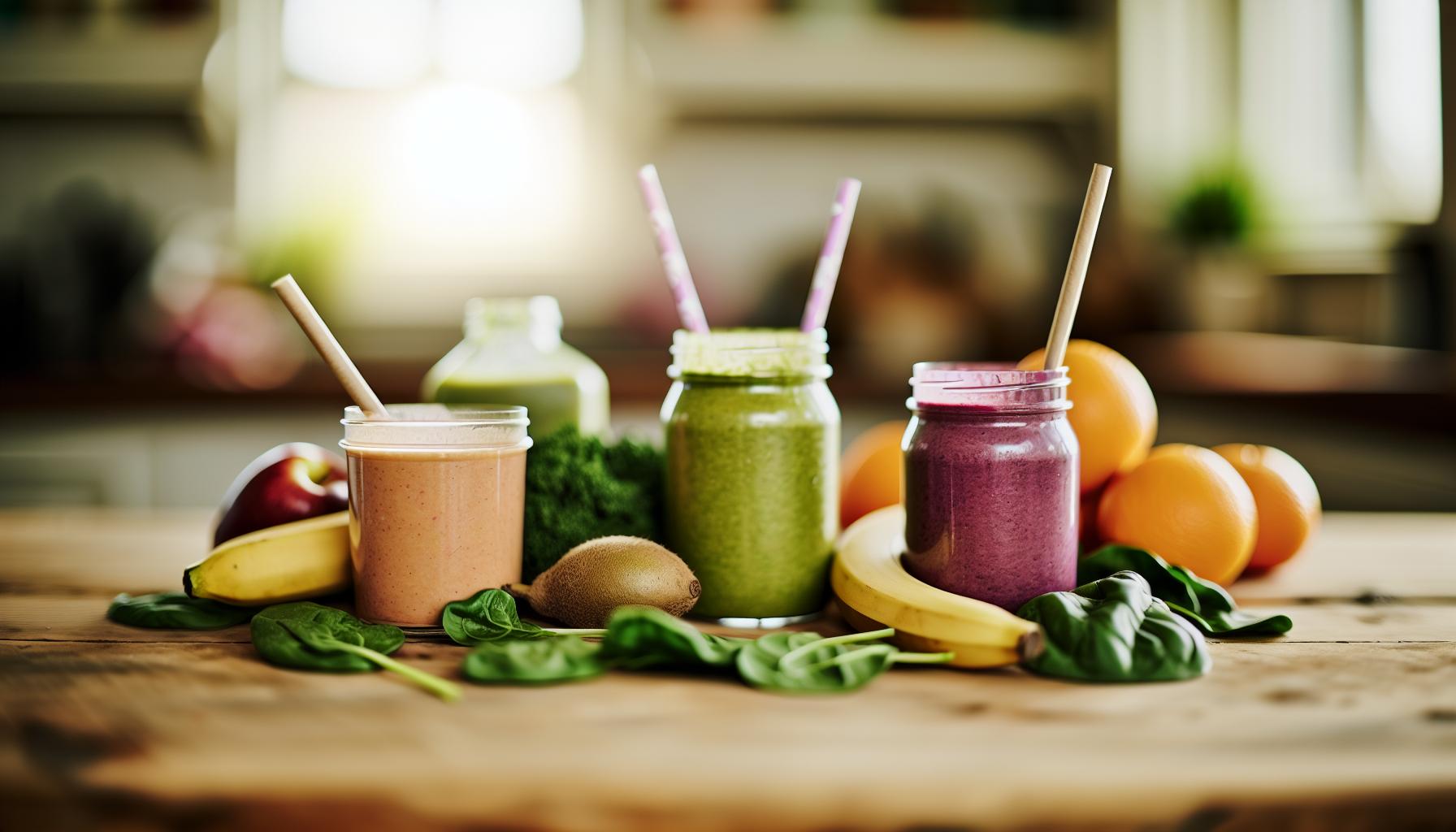
Nutritious Smoothie Recipes for Energy & Hydration
Breastfeeding takes a lot of energy and hydration — more than many new moms realize. Smoothies can be a delicious, quick way to nourish your body and keep fluids flowing, especially during those busy postpartum days when sitting down feels like a luxury. Thoughtfully blending hydrating ingredients with nutrient-dense additions gives your milk supply a gentle boost while supporting your own stamina and recovery. Plus, smoothies can be tailored to your tastes and postpartum phase, making self-care feel like an act of love rather of another chore.
Key Ingredients to Support Hydration and Milk Supply
- Hydrating bases: Coconut water,almond milk,plain water,or herbal teas add fluid and electrolytes without excess sugar.
- Healthy fats: avocado, nut butters, or flaxseeds offer essential fatty acids significant for infant brain advancement and mom’s sustained energy.
- lean protein: Greek yogurt or plant-based protein powder supports tissue repair and maintains fullness between feeds.
- Greens: Spinach, kale, or red raspberry leaf provide vitamins and minerals such as calcium and iron.
- Lactation boosters: A small pinch of powdered fenugreek or brewer’s yeast can be included carefully after consulting your healthcare provider.
- Natural sweetness: Fresh or frozen berries, banana, or a touch of raw honey (for moms beyond baby’s first year or who have confirmed no infant allergies).
Simple Energizing & Hydrating Smoothie Recipe
Ingredients:
• 1 cup coconut water
• ½ avocado
• 1 handful spinach leaves
• ½ frozen banana
• ¼ cup Greek yogurt
• 1 teaspoon chia seeds
• 1 teaspoon brewer’s yeast or finely ground flaxseeds
• Optional: small pinch of fenugreek powder (start with ¼ teaspoon)
Directions:
- Add all ingredients to a blender.
- Blend until smooth and creamy.
- Enjoy promptly, ideally between feedings to maximize energy support.
This smoothie combines hydration from coconut water with nourishing fats and protein, plus fiber and gentle lactation support—all designed with your wellbeing and milk production in mind. Adjust sweetness to your liking and introduce herbs slowly, noting how your body responds.
In early postpartum, focus on lighter, easy-to-digest smoothies rich in hydration and healing nutrients. for example,a blend featuring cucumber,mint,and aloe vera juice with a small banana can soothe digestion and replenish fluids.Later, as your appetite returns, add more calories and protein to support growing milk volumes and your energy levels.
Remember, each body responds differently, so these recipes serve as starting points, not strict rules. Always listen to your own needs, and check with lactation consultants or healthcare providers if you consider supplements like fenugreek or brewer’s yeast, as these may cause digestive upset or allergies for some. Hydrating and nourishing yourself through smoothies is another loving way to honor your journey and care for your tiny milk recipient with thoughtful, safe nutrition[[2]][[3]].
How to Balance Hydration Without Overdoing It
Even though staying well-hydrated feels essential during breastfeeding, drinking too much water can sometimes feel overwhelming or uncomfortable. The body is wise at signaling what it needs, and listening closely to your thirst cues frequently enough leads to better balance than forcing fluids “just in case.” Too much fluid intake can rarely cause swelling or strain your kidneys, especially in the early weeks when your body is already adjusting to hormonal shifts and physical recovery. So, a mindful approach empowers you to care for yourself gently and effectively.
Think of hydration like tuning a musical instrument during a quiet moment—neither too tight nor too slack. Sip fluids regularly throughout the day rather than gulping large amounts all at once. Including drinks with natural electrolytes (like coconut water or diluted herbal teas) supports hydration more than plain water alone, because breastfeeding often causes you to lose essential minerals through sweat and milk production. Also,pairing water intake with hydrating foods,such as watermelon,cucumber,and soups,helps maintain a gentle,steady fluid balance. Let your urine color guide you—it should be pale straw yellow, indicating good hydration without excess.
Simple Strategies for Balanced Hydration
- Set realistic goals: aim for about 8–12 cups of fluids daily, but adjust according to your thirst and activity level.
- Choose nutrient-rich fluids: Include herbal teas like red raspberry leaf (after consulting your provider), coconut water, and homemade smoothies to combine hydration with nourishment.
- Space out drinks evenly: Keep a water bottle handy and take small sips between feeds and meals rather than chugging large amounts.
- Be mindful of caffeine and sugar: Limit drinks high in caffeine or added sugars, as they can disrupt hydration and potentially affect your baby’s comfort.
When to Skip or Slow down
It’s wise to pause and reassess if you notice frequent nighttime urination disrupting your rest, swelling in hands or feet, or feelings of bloating. These signs might suggest your body is handling fluids differently as it recovers postpartum. Remember that fluid requirements shift as breastfeeding patterns change,so adaptability is key. Listening to your body and tuning into your personal needs—rather than rigidly following advice—nurtures lasting habits that support both milk supply and your well-being.
Your hydration journey postpartum is uniquely yours—a balance between honoring your body’s messages and the practical realities of new motherhood. Embracing gradual, gentle fluid replenishment helps you avoid overwhelm, so you can focus on loving care for your baby while nourishing yourself fully.
DIY Balanced Hydration Drink
Ingredients:
• 1 cup coconut water
• ½ cup cooled herbal tea (like chamomile or red raspberry leaf, if cleared by your healthcare provider)
• ½ cup plain water
• 1 teaspoon fresh lemon juice
• Optional: ½ teaspoon honey (only if your baby is over 12 months and no allergies)
Directions:
- Mix all ingredients lightly and chill if desired.
- Sip slowly throughout the day, especially between feeds.
- Adjust the ratios to suit your taste and hydration needs.
This blend balances electrolytes and gentle hydration without overwhelming your system or adding too much volume at once, making it a nurturing companion for your breastfeeding days.
Best Times to Drink for Optimal Milk Production
Milk production during breastfeeding is deeply connected to your body’s natural rhythms and how you respond to your baby’s needs throughout the day. Tuning in to your body’s signals and timing your fluid intake around feeding sessions can gently support both milk supply and your overall hydration without feeling overwhelming. Rather than drinking large amounts all at once, spacing fluids evenly—especially before and after nursing—can help maintain steady hydration levels, which is crucial because breasts need consistent fluid to produce nutritious milk without causing discomfort or bloating.
Many moms find that beginning the day with a nourishing glass of hydrating herbal tea or a gentle electrolyte drink sets a positive tone for milk flow. early morning hydration can replenish overnight fluid loss and support the body’s natural surge in milk production that typically happens in the first feedings. Similarly, sipping fluids just before breastfeeding or pumping can complement the let-down reflex, supporting more abundant milk ejection. between feeds, gentle sipping of water or lactation-friendly drinks keeps hydration balanced without diluting milk supply signals your body relies on.
- Early Morning: Start with a warm cup of red raspberry leaf tea (if cleared by your provider) or coconut water to gently boost hydration and support uterine recovery postpartum.
- Before and After Feeds: Have a small glass (4–6 oz) of water,herbal tea,or a homemade lactation drink. This helps keep breasts hydrated and supports milk synthesis without feeling heavy.
- Midday & Afternoon: Choose nutrient-rich smoothies or diluted herbal teas to sustain energy and hydration during active hours.
- Evening: Opt for caffeine-free teas or plain water to avoid disrupting rest, while gently replenishing fluids lost during the day.
practical Tips for timing Hydration
- Keep a water bottle within easy reach during feeds as a subtle reminder to sip.
- Note how your body responds to different timing—some moms find drinking directly before feeding bothers their tummy, so experimenting gently is key.
- Use a hydration tracker app or simple checklist if balancing hydration feels confusing amidst new motherhood’s busy rhythms.
- Be mindful of nighttime hydration—if frequent urination interrupts sleep, adjust evening drinks earlier to better suit your body’s ebb and flow.
The flow of milk responds not only to your milk removal routine but also to your body’s overall wellness. Timing drink intake thoughtfully allows you to nurture your body with kindness,without pressuring yourself to “do more.” Every mama’s hydration needs and rhythms are unique—honoring your personal cues alongside these gentle suggestions creates a supportive, sustainable foundation for thriving lactation.
Natural Ingredients to Avoid While Breastfeeding
It can feel tempting to reach for every “natural” remedy or herbal tea touted as safe during breastfeeding, yet some ingredients carry risks that may affect your baby’s wellbeing or your milk supply. While nature gifts us many nourishing options, it’s important to approach them with gentle caution—especially as some herbs and additives can cross into breast milk and impact your little one’s delicate system. Remember, an ingredient that feels supportive for one mom might not be right for another, so tuning in to your body and consulting your healthcare provider remains the wisest step.
Certain herbs like sage, parsley, and peppermint—often enjoyed for flavor or traditional uses—can actually decrease milk production if consumed in large amounts. These herbs have mildly drying effects that might unintentionally signal your body to reduce milk synthesis. Similarly,strong stimulants such as ginseng or large doses of fenugreek extracts could provoke side effects ranging from fussiness in babies to maternal digestive upset. It’s best to savor these herbs in moderation or avoid while establishing steady milk supply, especially in early postpartum weeks.
- Stay clear of: Comfrey, pennyroyal, lobelia, and wormwood—these contain compounds that can be toxic or irritating to infants and are best avoided entirely.
- Limit intake of: Caffeinated drinks like strong coffee or black tea, as caffeine can accumulate in baby’s system, affecting sleep and mood, even if it doesn’t directly harm milk production.
- Avoid essential oils internally: While aromatic and soothing, essential oils such as peppermint or eucalyptus should never be ingested in drinks without expert guidance due to potential toxicity.
Practical Guidance for Safe Hydration
If you’re interested in herbal hydration,try starting with mild,lactation-friendly choices like red raspberry leaf or chamomile teas,which many moms find gentle and supportive. Always prepare teas with fresh, high-quality herbs, steeping for the recommended time (usually 5–10 minutes), and consuming in moderate amounts (1–2 cups daily). If you notice any changes in your baby’s feeding habits, sleep, or digestion after trying a new ingredient, pause and seek advice from a lactation consultant or healthcare provider.
Remember,safety is about respect for your body’s healing journey and your baby’s unique sensitivities. Embracing careful choices empowers you to nourish both yourself and your child with peace of mind—and lets you focus on the joy of nurturing during this beautiful, if sometimes challenging, time.
Hydrating Foods to Complement Your Drink Choices
Hydrating well isn’t just about reaching for a glass of water or a soothing herbal tea—it’s also about nourishing your body with foods that hold moisture and offer essential nutrients needed for milk production and postpartum recovery. Many breastfeeding moms find that including hydrating fruits and vegetables alongside their drinks can gently support hydration without making them feel overly full or uncomfortable.These foods not only add water content but also gift you with vitamins, minerals, and antioxidants that encourage energy and well-being during this demanding time.
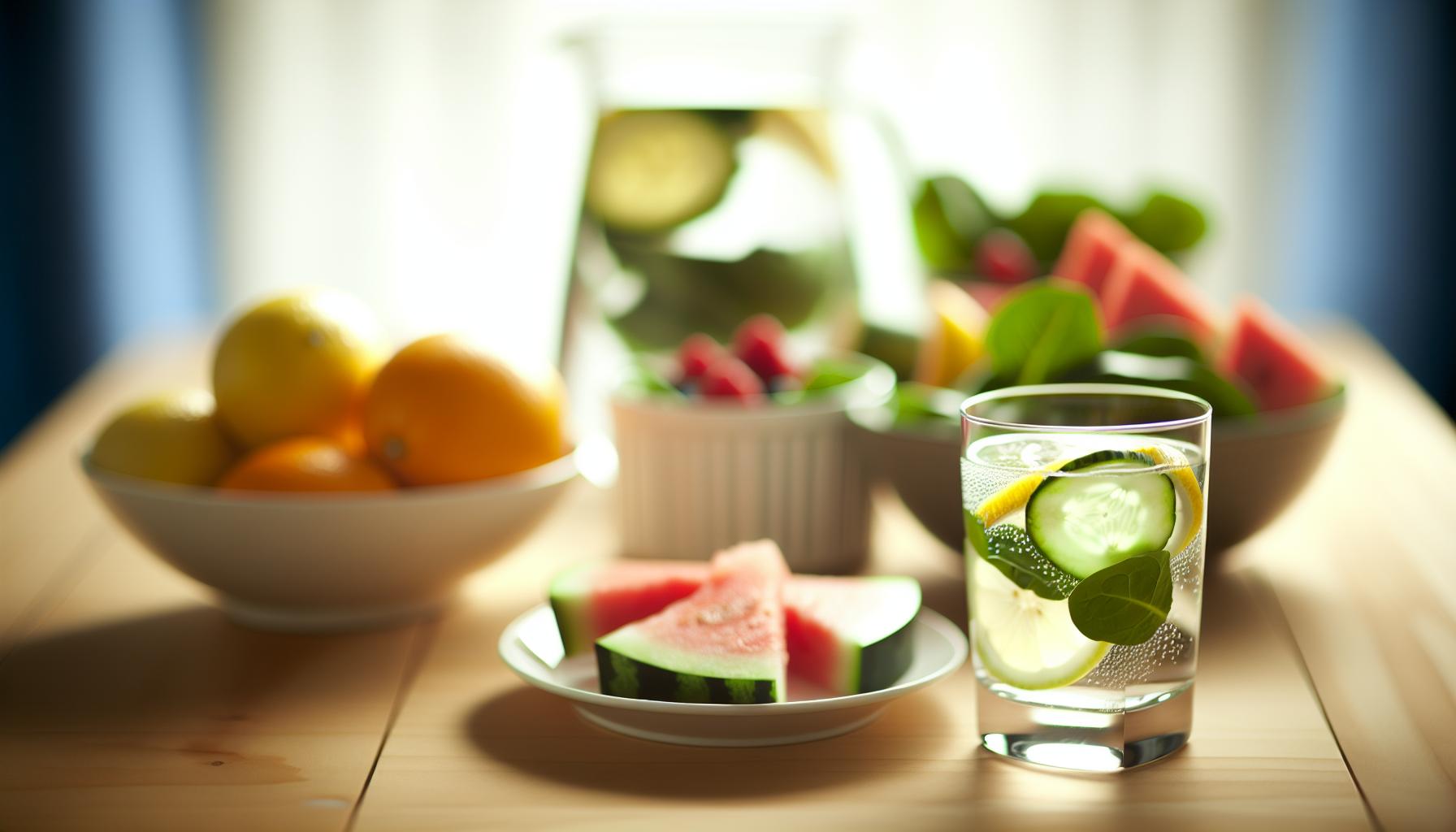
Foods like cucumber, watermelon, celery, and strawberries are naturally rich in water—often more than 90%—making them refreshing, light snacks that hydrate as you munch. They are easy to prepare and can be added to salads, smoothies, or eaten plain for a quick pick-me-up. for example, slicing up cucumbers and layering them with a tiny sprinkle of sea salt and fresh mint creates a cooling, hydrating snack that supports digestion—an critically important bonus postpartum.Similarly, enjoying a bowl of watermelon cubes between feedings provides natural sugars alongside hydration, helping you feel energized without heaviness.
Incorporating hydrating Foods into Your Day
- Start your morning with a hydrating breakfast: Blend a smoothie using coconut water as a base with hydrating fruits like pineapple and blueberries, plus a handful of spinach for iron and calcium.
- Snack smart: Keep cut veggies like celery sticks and cherry tomatoes ready in the fridge. Pair with a dollop of hummus for added protein.
- Hydration-boosting salads: Combine leafy greens,cucumber slices,orange segments,and a light lemon-olive oil dressing for a nutrient-rich mid-afternoon meal that replenishes both fluids and electrolytes.
breastfeeding can sometimes make it tricky to eat regularly, so having these water-rich foods handy can definitely help maintain a steady fluid balance throughout the day. They’re gentle on the digestive system—especially helpful if you’re healing from birth, whether vaginal or cesarean—and support milk synthesis without overwhelming your palate or appetite. remember, each body responds differently, so observe how you feel with new additions and let your cravings guide you gently.
| Hydrating Food | Water content (%) | Key Nutrients | Postpartum Benefit |
|---|---|---|---|
| Cucumber | 95% | Vitamin K, Potassium | Supports hydration and gentle digestion |
| Watermelon | 92% | Vitamin C, Lycopene | Hydrating and antioxidant-rich for immune support |
| Celery | 95% | Vitamin K, Folate | Promotes fluid balance and reduces bloating |
| Strawberries | 91% | Vitamin C, Manganese | Supports collagen healing and immune health |
| Oranges | 87% | Vitamin C, Potassium | Hydrates while aiding iron absorption |
By weaving these hydrating foods into your daily routine, you create a nourishing rhythm that honors your body’s fluid needs alongside your milk production demands. They dovetail beautifully with your drink choices, making hydration feel natural, tasty, and vibrant rather than a chore. Keep in mind that gentle variety and mindful savoring help you stay connected to your body’s cues—an important part of the nurturing journey through motherhood.
DIY Lactation drink Mixes you Can Make at Home
Few things feel as nurturing and empowering as crafting your own lactation-supportive drinks, blending tradition with modern ease. Homemade lactation mixes can be tailored carefully to your taste and needs, giving you not just hydration but also a gentle boost to milk production—while honoring your body’s healing journey. These DIY recipes blend herbs, nourishing ingredients, and hydration in comforting formats that work beautifully during the varying stages of postpartum recovery.
Many herbs used traditionally to support lactation—like fenugreek, fennel, and blessed thistle—can be steeped gently into teas or infused into drink bases. When combined with hydrating liquids such as coconut water or mild fruit juices,they create a calming ritual and a nutritional lift. It’s important to start small with any herbal addition, watching how your body responds. While research supports many herbs’ roles in enhancing milk supply, always consult your healthcare provider to ensure safety for you and your baby.
Simple Herbal Lactation Tea Blend
- Ingredients: 1 tsp fennel seeds, 1 tsp fenugreek seeds, 1/2 tsp dried blessed thistle, 1 cup hot water
- preparation: Steep seeds and herbs in hot water for 10 minutes. Strain,and add a teaspoon of honey or lemon for flavor if desired.
- Dosing: Sip 1–2 cups daily, preferably between feedings for calm hydration.
This classic blend gently supports milk production and digestion—two critically important factors for new moms. Fenugreek may have a slightly sweet, nutty taste while fennel offers digestive relief and a soothing licorice note. Blessed thistle is traditionally used to stimulate milk flow.
Refreshingly Nourishing Lactation Smoothie
- Ingredients: 1 cup coconut water,1/2 cup fresh or frozen blueberries,1 ripe banana,1 tbsp ground flaxseed,1 tsp brewer’s yeast
- Preparation: Combine all ingredients in a blender. Blend until smooth, adding water or ice to desired thickness.
- Dosing: Enjoy once daily as a hydrating breakfast or mid-afternoon pick-me-up.
Brewer’s yeast offers an abundance of B vitamins, critically important for energy and milk production, while flaxseed adds omega-3s and fiber. Coconut water hydrates deeply with natural electrolytes, making this an all-in-one powerhouse drink.
| Ingredient | Lactation Benefit | Additional Nutrients | Safety Notes |
|---|---|---|---|
| Fenugreek Seeds | May increase milk supply | Vitamin C, Iron | Not recommended if allergic to peanuts or chickpeas; may cause maple syrup scent in sweat |
| Fennel Seeds | supports digestion and milk flow | Vitamin A, Calcium | Generally safe in tea amounts |
| Brewer’s Yeast | Boosts energy and milk quantity | B-complex vitamins, Chromium | Check for sensitivity or yeast allergies |
| Flaxseed | Omega-3 support for quality milk fats | Fiber, Lignans | Consume ground for digestibility; avoid in excess |
Creating your own lactation drinks offers more than hydration—it’s a mindful act of self-care, inviting you to slow down, savor, and nourish. Remember, every mother’s body is unique, and responses to herbs and supplements vary.trust your intuition, listen to your body, and seek community or professional support whenever you feel unsure. With gentle experimentation and love,these drinks can be a comforting ally on the breastfeeding journey.
understanding Fluid Needs in Different Postpartum Stages
milk production is a beautifully complex process that relies deeply on a mother’s hydration status, but this need doesn’t remain the same throughout the postpartum journey. Just as your body moves through stages of healing, hormonal shifts, and changing milk demands, your fluid needs shift too.In the immediate days after birth, your body works hard to transition from colostrum to mature milk—a time when generous hydration supports not only milk supply but also recovery from labor and potential blood loss. During this early phase,sipping on hydrating drinks regularly—even if in small amounts—helps maintain energy and keeps your milk flowing steadily.
As you move into the established breastfeeding phase, typically after the first 2 to 4 weeks, hydration focuses on balancing supply with comfort. Your body becomes more efficient, but milk production stays high, especially if nursing frequently.This means keeping fluid intake consistent, rather than gulping large quantities at once, which can overwhelm your system. Think of drinking like tending a garden: steady watering encourages healthy, sustained growth. Introducing electrolyte-rich fluids like coconut water or mild herbal teas can gently replenish the minerals lost through breastfeeding without burdening digestion.
Later in the postpartum months, notably as babies start diversifying their diet and nursing patterns shift, hydration needs may subtly decrease but never disappear.Your body still benefits from mindful drinking, especially on days when nursing is more intense or you experience physical activity or warmer weather. Listening closely to thirst cues, paired with awareness of urine color and energy levels, creates a personal hydration rhythm that honors your evolving body’s needs. Remember, every mother’s fluid requirements are unique—some may find herbal lactation teas comforting, others might enjoy fresh fruit-infused water. It’s a gentle dance of experimentation and care.
Fluid Guidelines by Postpartum Phase
| Postpartum Stage | Fluid Needs Focus | Suggested Drink Types | Tips for Hydration |
|---|---|---|---|
| Early postpartum (0-2 weeks) | Restore fluids lost; support colostrum & healing | Water, coconut water, mild herbal teas (fennel, chamomile) | Drink small amounts frequently; combine hydration with nourishment |
| Established breastfeeding (2-12 weeks) | Maintain steady milk production and electrolytes | Electrolyte drinks, lactation teas, smoothies with water base | Hydrate consistently; avoid large volumes at once to prevent bloating |
| Later postpartum (3+ months) | Support varied nursing patterns; maintain energy & hydration | Infused waters, herbal teas, nutrient-rich smoothies | Follow thirst cues; add hydrating foods (cucumber, watermelon) |
Real Mom Insight
“Right after my daughter was born, I found it easiest to keep a water bottle near my nursing spot and take little sips frequently enough. Later, I enjoyed making herbal teas with fennel and a splash of lemon—it felt soothing and like a tiny act of self-care between feedings.” — Jenna, 2nd-time mom
Your hydration journey postpartum is as unique as your motherhood path.Embrace the ebb and flow of your body’s cues, and customize your drink choices to what feels nourishing and joyful. With gentle patience, hydration will naturally support both your healing and your little one’s growth.
Signs of Dehydration and How to Prevent Them
Every mother knows that breastfeeding can sometimes feel like a balancing act, especially when it comes to staying hydrated. Yet,it’s surprisingly easy to overlook the quiet warning signs of dehydration—signals your body sends that can affect both your well-being and your milk supply. Because your fluids not only feed you but also nourish your baby through breast milk, recognizing these subtle clues early allows you to care for yourself gently and effectively, without pressure or guilt.
Common signs can be simple to track if you know what to look for. These include:
- Dark or strong-smelling urine: A quick glance at the color of your urine can tell you a lot. Pale straw-yellow urine usually means good hydration,while darker hues suggest you need more fluids.
- Unusual fatigue or dizziness: Breastfeeding already uses significant energy,but feeling overwhelmingly tired or lightheaded might mean hydration levels are slipping.
- Dry mouth and lips: This classic symptom is your body’s way of asking for more liquids.
- Headaches: Frequently enough related to low fluid volume, headaches can creep in during busy feeding schedules or sleepless nights.
- Decreased milk supply or unusual milk taste: While many factors play into milk production, insufficient hydration can subtly impact volume or flavor.
Simple Steps to Stay Ahead
Preventing dehydration is about consistent, loving attention to your body’s cues rather than drinking in large amounts all at once. Here’s a warm, easy plan:
- Carry a water bottle: Keep one nearby during nursing sessions.Taking small sips often is kinder for your digestion and keeps fluids flowing steadily.
- Incorporate electrolyte-rich drinks: Coconut water or mild herbal teas like fennel or chamomile gently replenish minerals lost through breastfeeding without overtaxing your system.
- balance hydration with nourishing foods: Water-dense fruits (like watermelon or cucumber) and soups can boost your fluid intake in comforting ways.
- respond to thirst cues: Trust your body’s natural signals rather than rigid schedules—this respects your unique postpartum rhythm.
- Watch for hormonal and emotional factors: Stress, postpartum hormones, and even certain medications can affect thirst and fluid retention. Grant yourself grace in these complex times.
When to Seek extra Care
If you notice persistent dizziness, very dark urine, rapid heartbeat, swelling, or if breastfeeding feels unusually difficult, please reach out to a healthcare provider. These can be signs of more severe dehydration or other postpartum complications that need gentle medical attention.
Remember, every hydration journey postpartum is deeply personal. just like you wouldn’t rush your baby’s development, take your time tuning into your body’s fluid needs. Celebrating this self-care supports both thriving milk supply and your own healing in a way that feels loving rather than demanding.
—
Quick Hydrating Herbal Tea Recipe
Try this gentle lactation-supportive tea to soothe and hydrate between feeds:
| Ingredient | Amount | Benefits |
|---|---|---|
| Fennel seeds | 1 tsp | Supports milk production; mild digestive aid |
| Chamomile flowers | 1 tsp | Calms nerves and digestion; hydrates gently |
| Fresh lemon slice | 1 slice | Adds vitamin C and refreshing flavor |
| Filtered water | 1 cup (240 ml) | Hydrates and serves as tea base |
Preparation steps:
- Boil water and pour over fennel seeds and chamomile.
- Let steep for 5–7 minutes.
- Strain and add lemon slice if desired.
- Drink warm between feedings, sipping slowly.
Safety note: Always check with your healthcare provider about herbal use, especially if you have allergies or health conditions.
By catching dehydration early and caring for yourself with nurturing drinks like this, you create a loving foundation for yourself and your breastfeeding journey.
Real Mom tips: Favorite Drinks for Breastfeeding Success
Few things are as comforting and empowering as discovering your own favorite drink that keeps you feeling nourished and hydrated during the breastfeeding months. Hydration needs can vary widely from one mother to another,influenced by hormones,weather,activity level,and where you are in your postpartum journey.Many experienced moms share that the ritual of sipping on a familiar, soothing beverage not only replenishes their fluid stores but also offers a small moment of calm amid the demands of nursing and newborn care.
A common and beloved choice is warm herbal teas infused with lactation-supportive herbs like fenugreek, fennel, or nettle. These herbs have centuries of traditional use for gentle milk supply support, offering a mild, calming effect that complements the nurturing act of breastfeeding.One mom recently shared her “tea time” ritual: she brews a calming blend in the morning and late afternoon, adding a touch of raw honey for sweetness and a slice of lemon for a refreshing zing. This simple practice becomes a small act of self-kindness and a signal to her body that it’s time to nourish both herself and her baby.just remember to confirm safety with your healthcare provider before starting any herbal regimen,especially if you’re managing allergies or sensitivities.
Simple Lactation Tea Blend to Try
| Ingredient | Amount | Benefit |
|---|---|---|
| Fenugreek seeds | 1 tsp | Traditionally supports milk production |
| Fennel seeds | 1 tsp | Soothes digestion and may aid lactation |
| Nettle leaves (dried) | 1 tsp | rich in vitamins and minerals to support energy |
| Filtered water | 1 cup (240 ml) | Hydration base |
Preparation:
- Pour boiling water over herbs and steep for 7–10 minutes gently covered.
- Strain well; add lemon slice or honey if desired for taste and added benefits.
- Enjoy warm between feeds, sipping slowly to stay hydrated throughout the day.
For moms needing a quick, on-the-go option, nutrient-packed smoothies made with hydrating fruits and wholesome ingredients often become go-tos. One mother described blending frozen mango, spinach, coconut water, a spoonful of oats, and flaxseeds for a vibrant smoothie that fuels her energy while promoting hydration—and it became her ‘secret weapon’ during long nursing days. Smoothies like this provide essential vitamins, minerals, and hydration in a cup, helping balance the many demands on a new mom’s body.
DIY Energizing Hydration Smoothie
| Ingredient | Amount | Benefit |
|---|---|---|
| Fresh or frozen mango | ½ cup | Rich in vitamin C and natural sweetness |
| Spinach (fresh) | 1 cup packed | Loaded with iron and folate |
| Coconut water | 1 cup (240 ml) | Natural electrolytes for hydration |
| Rolled oats | 2 tbsp | Slow-release energy and fiber |
| Ground flaxseeds | 1 tbsp | Omega-3s for postpartum health |
Preparation:
- Combine ingredients in a blender until smooth.
- Drink fresh to maximize nutrient absorption.
- Consume as a morning boost or in between feeds for sustained energy.
It’s important to honor your body’s rhythms and preferences—what feels nurturing for one mom might not for another. Some women benefit from cool, refreshing drinks, while others prefer warm sips that soothe and invite relaxation.Listening closely to your body’s cues and pairing that with gentle, evidence-based guidance creates a balanced, joyful feeding journey. Above all, these moments of mindful hydration remind you that taking care of yourself is part of taking care of your little one.
If you’re ever uncertain about herbs or supplements, reach out to trusted professionals. There’s no one “right” answer,only what supports your wellness and breastfeeding experience most lovingly.
Frequently Asked Questions
Q: How do electrolyte drinks support hydration and milk supply during breastfeeding?
A: Electrolyte drinks help restore essential minerals like sodium and potassium, supporting optimal hydration and muscle function. Staying balanced with electrolytes can prevent dehydration,which is crucial for healthy milk production. Choose low-sugar options or homemade mixes to avoid excess calories. For more ideas, see our section on Balancing Hydration Without Overdoing It.Q: What are safe caffeine limits in drinks for breastfeeding moms?
A: Breastfeeding moms should limit caffeine to about 200-300 mg per day to avoid affecting baby’s sleep or causing fussiness. This equals roughly two small cups of coffee.Herbal teas and decaf options provide flavorful hydration without overloading caffeine—see Herbal Teas That enhance Milk Supply Safely for gentle alternatives.
Q: When is the best time to drink fluids to maximize breastmilk production?
A: Drinking water or lactation drinks 15-30 minutes before and after nursing supports steady milk flow and hydration. consistent sipping throughout the day helps maintain supply. Refer to Best Times to Drink for Optimal Milk Production for practical timing tips tailored to your routine.
Q: Can fermented beverages like kombucha be beneficial or risky while breastfeeding?
A: Fermented drinks like kombucha offer probiotics that may aid digestion, but they can contain small amounts of alcohol and caffeine. It’s best to limit intake and choose low-sugar, organic versions. Always observe your baby for sensitivity. For safer herbal and natural options, check Top Lactation-Boosting Drinks Backed by Science.
Q: How do flavored waters compare to plain water for breastfeeding hydration?
A: Flavored waters can encourage more drinking and thus better hydration if they contain natural fruit infusions without added sugars or artificial sweeteners.They’re a tasty option to plain water, helping moms stay refreshed while supporting milk supply. explore Hydrating Foods to Complement Your Drink Choices for pairing ideas.
Q: What homemade lactation drink recipes can boost supply and hydration simultaneously?
A: DIY drinks combining ingredients like oats, flaxseed, ginger, and fenugreek safely support milk supply and hydration. Simple recipes include blended smoothies or infused waters—perfect for postpartum energy.See DIY Lactation drink Mixes You Can Make at Home for step-by-step, nourishing recipes with ingredient lists.
Q: Why is it important to avoid sugary sports drinks while breastfeeding?
A: sugary sports drinks can cause needless calorie spikes and blood sugar fluctuations without improving hydration. They may reduce milk supply or baby’s appetite when overconsumed. Opt for natural, low-sugar hydration options described in Best Hydrating Drinks to Support Breastfeeding Moms for balanced nourishment.
Q: How does hydration change through different postpartum stages for breastfeeding moms?**
A: Fluid needs vary—early postpartum requires higher hydration to establish milk supply, while later stages focus on maintenance and recovery. Adjust intake based on activity and milk output. Our section on Understanding Fluid Needs in Different Postpartum Stages offers practical guidance for each phase.
Feel encouraged to explore our full guide to find personalized hydration tips and delicious recipes tailored for your breastfeeding journey. Each mom’s experience is unique, and staying hydrated is a loving way to nurture both you and your baby.
Closing Remarks
Nourishing your body with the best drinks for breastfeeding not only supports hydration but also gently boosts your milk supply during this special postpartum phase. Remember, every mom’s journey is unique—listen to your body and choose recipes that feel right for you, keeping safety and comfort at the heart of your self-care. For simple,step-by-step tea blends and smoothie recipes tailored to each stage of motherhood,explore our Holistic lactation Recipes and Postpartum Wellness Tips to deepen your nurturing routine.
If you’re curious about how nutrition and hydration work together to enhance lactation or want personalized guidance,our Expert Lactation Consultation can provide support grounded in both science and real-mom wisdom. Don’t wait to prioritize your well-being; sign up for our newsletter to receive weekly insights, recipe ideas, and encouragement crafted for breastfeeding moms navigating the beautiful, sometimes challenging, postpartum path.
We’d love to hear your favorite drinks and tips! Share your experiences below or join our community to connect with moms just like you. Together, we celebrate each small victory, honor healing rhythms, and create a safe space where every feeding journey feels supported and empowered.
A: Drinking water or lactation drinks 15-30 minutes before and after nursing supports steady milk flow and hydration. consistent sipping throughout the day helps maintain supply. Refer to Best Times to Drink for Optimal Milk Production for practical timing tips tailored to your routine.
A: Fermented drinks like kombucha offer probiotics that may aid digestion, but they can contain small amounts of alcohol and caffeine. It’s best to limit intake and choose low-sugar, organic versions. Always observe your baby for sensitivity. For safer herbal and natural options, check Top Lactation-Boosting Drinks Backed by Science.
A: Flavored waters can encourage more drinking and thus better hydration if they contain natural fruit infusions without added sugars or artificial sweeteners.They’re a tasty option to plain water, helping moms stay refreshed while supporting milk supply. explore Hydrating Foods to Complement Your Drink Choices for pairing ideas.
A: DIY drinks combining ingredients like oats, flaxseed, ginger, and fenugreek safely support milk supply and hydration. Simple recipes include blended smoothies or infused waters—perfect for postpartum energy.See DIY Lactation drink Mixes You Can Make at Home for step-by-step, nourishing recipes with ingredient lists.
A: sugary sports drinks can cause needless calorie spikes and blood sugar fluctuations without improving hydration. They may reduce milk supply or baby’s appetite when overconsumed. Opt for natural, low-sugar hydration options described in Best Hydrating Drinks to Support Breastfeeding Moms for balanced nourishment.


 CRITICAL DEVELOPMENT WINDOW