
Best Birth Control for Breastfeeding: Safe Contraception
Did you know that choosing the right birth control while breastfeeding is not only about preventing pregnancy but also about protecting yoru milk supply and honoring your body’s natural rhythms? In those early postpartum months, your body is still healing, and your feeding journey is uniquely yours. Finding safe contraception that supports breastfeeding means balancing effectiveness with gentleness—so you can nurture your baby without added worry. this guide offers warm, evidence-based insights and practical tips tailored to your postpartum phase. Together, we’ll explore options that respect your hormonal shifts and honor cultural traditions, all while empowering your choices as a new mother. Whether you want simple natural methods or expert-backed medical advice, you’ll find compassionate support here, helping you navigate contraception with confidence and care.Let’s embark on this gentle journey, ensuring your family’s health and your well-being go hand in hand.
Contents
- Understanding Birth Control and Breastfeeding Safety
- Hormonal vs. Non-Hormonal Options: What’s Best?
- How Birth Control Affects Milk Supply and Baby
- Timing Your contraception: When to Start Postpartum
- Natural and Holistic Contraception methods for nursing Moms
- Step-by-Step Guide to Inserting and Using IUDs Safely
- Essential Safety Tips: What to Avoid While Breastfeeding
- combining Birth Control with Breastfeeding Challenges
- Real Mom Stories: Finding What Works for You
- Herbal Remedies and Supplements: Risks and Rewards
- Partner Involvement: Sharing Contraception Decisions
- Balancing Emotional Wellbeing with Postpartum Birth Control Choices
- Faq
- Q: Can breastfeeding alone be an effective form of birth control?
- Q: which non-hormonal birth control methods are safest while breastfeeding?
- Q: How soon after giving birth can I safely start hormonal birth control while breastfeeding?
- Q: Why do some hormonal birth control methods reduce milk supply?
- Q: What are signs that birth control is affecting breastfeeding or my baby’s health?
- Q: Can I use natural or herbal birth control methods while breastfeeding? Are they safe?
- Q: How can I involve my partner in choosing breastfeeding-friendly birth control?
- Q: What should I do if breastfeeding challenges interfere with my chosen birth control method?
- The Way forward
Understanding Birth Control and Breastfeeding Safety
Many new mothers are surprised to learn how intricately birth control choices can influence breastfeeding safety and success.since breastmilk provides essential nutrition and immunity support for babies, it’s natural to wonder what contraceptive methods protect both mom and child without interfering with milk supply or infant health. The good news is that with thoughtful guidance, you can find an option that respects your body’s postpartum healing and supports your breastfeeding journey with confidence.
understanding the balance between effective pregnancy prevention and maintaining a healthy lactation process is key. For example, many healthcare providers recommend non-hormonal methods or progestin-only contraceptives during breastfeeding because they are less likely to affect milk production. Combination hormonal methods containing estrogen may sometimes reduce milk supply and are frequently enough delayed until the baby is at least six weeks or older. This gentle timing helps your body establish a stable breastfeeding rhythm while keeping your baby safe.
Key Considerations for Safe Birth Control During Breastfeeding
- Type of hormone: Progestin-only options like the mini-pill, implant, or hormonal IUD usually pose fewer risks to milk supply than estrogen-containing contraceptives.
- Milk supply effects: Any new hormonal birth control introduced should be monitored carefully as individual responses vary—some moms notice reduced milk volume, while others do not.
- Baby’s exposure: Progestin doses in birth control are typically low and fat-soluble, minimizing transfer into breastmilk and its impact on the infant.
- Non-hormonal choices: Barrier methods, copper IUDs, and fertility awareness can complement breastfeeding without hormonal interference.
Approach contraception as part of your unique postpartum care,honoring your body’s complexities and your feeding preferences. Many moms find that open discussions with lactation consultants or midwives help make sense of their options. remember, there is no one-size-fits-all answer. Some mothers thrive on the mini-pill, others prefer an IUD, and some embrace non-hormonal paths—all valid and safe choices when carefully planned and supported.
Balancing birth control with breastfeeding isn’t just about preventing pregnancy; it’s about nurturing your wellbeing and your baby’s health together.Trust your intuition, reach out for personalized advice, and know that you are creating a foundation of safety and love, every step of the way.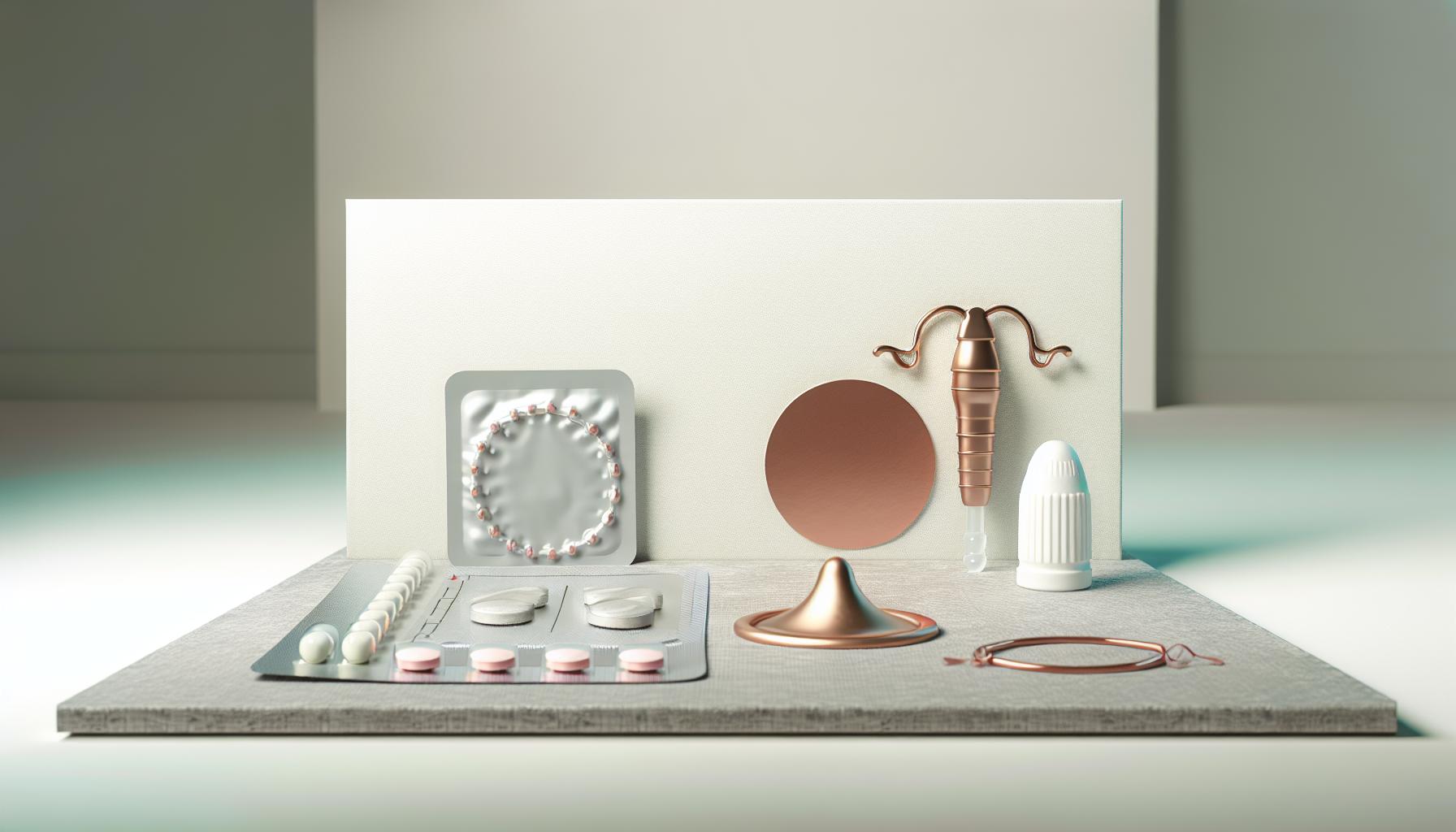
Hormonal vs. Non-Hormonal Options: What’s Best?
Choosing the right contraceptive method while breastfeeding is a deeply personal journey shaped by your body’s needs, your baby’s wellbeing, and your comfort with different options. Many nursing mothers find themselves weighing the benefits and trade-offs between hormonal and non-hormonal birth control—and it’s perfectly okay if this feels overwhelming. The good news is that both offer safe, effective ways to prevent pregnancy, as long as the method fits your unique postpartum rhythm and prioritizes milk supply and infant health.Hormonal options, especially those containing only progestin, are often favored during breastfeeding because they have minimal impact on milk production. Progestin-only pills (“mini-pills”), hormonal IUDs, and implants release hormones at low doses that typically don’t interfere with the delicate balance of lactation hormones like prolactin. Still, every body reacts differently—some moms notice little change in their milk supply, while others may need extra hydration or support during the adjustment period. Timing matters, too: waiting until around six weeks postpartum before starting combination (estrogen-progestin) contraceptives helps safeguard milk supply and allows your body to settle into breastfeeding naturally.
Non-hormonal birth control, such as the copper IUD, diaphragms, condoms, and fertility awareness methods, offers hormone-free options that sidestep concerns about hormone-related milk supply or infant exposure entirely. These can be wonderful choices for moms seeking a natural or low-interference path. For example,the copper IUD provides long-term contraception without releasing any hormones,making it a popular choice among breastfeeding mothers who prefer to avoid hormonal contraception. Natural family planning demands patience and attentiveness but can also deepen your connection to your body’s postpartum changes.
Comparing Hormonal and Non-Hormonal Options
| Feature | Hormonal Methods (Progestin-only] | Non-Hormonal Methods |
|---|---|---|
| Milk supply impact | Generally minimal; monitor for individual variation | None; no effect on lactation |
| Ease of use | Daily pills, implants, or IUD insertion; requires medical guidance | Barrier methods need user involvement each use; fertility awareness requires tracking cycles |
| effectiveness | High, especially implants and IUDs | Varies; copper IUD highly effective; some methods less reliable alone |
| Infant exposure risk | Very low due to low-dose hormones and fat solubility | None |
| emotional/physical side effects | Possible mood changes, spotting; usually mild postpartum | Usually none; some discomfort with barriers or tracking |
Listening to your body while embracing flexible solutions can make all the difference.If the idea of hormones feels daunting,starting with a copper IUD or barrier methods is a nurturing way to honor your body’s natural postpartum state. If you prefer hormonal methods, partnering closely with your healthcare provider and lactation consultant will help you navigate timing and side effects gently. Remember, what feels right at two weeks postpartum may change by three months, and your contraception plan can evolve alongside your breastfeeding journey.
You might also find comfort in hearing mom stories—many have walked this tightrope and come out feeling empowered, having tried a few routes before landing on their best fit. Whatever path you choose, the goal is to protect your health and milk supply, respect the postpartum transition, and feel confident in your choice—because nurturing yourself is part of nurturing your baby.
How Birth Control Affects Milk Supply and Baby
Starting birth control while breastfeeding stirs many questions—and rightly so. Your body is still beautifully adjusting to postpartum changes, and your milk supply is a lifeline for your baby’s nutrition and comfort. The good news is that most birth control methods can be woven thoughtfully into this delicate period without derailing your breastfeeding journey. Understanding how these choices may influence milk production and your baby’s health helps you feel confident and cared for.
Hormonal contraceptives, especially those that contain only progestin, are widely recommended for nursing moms as they tend to have little to no negative effect on milk supply. Progestin works differently than estrogen, which in higher doses can reduce prolactin—the hormone responsible for milk production.By choosing progestin-only pills, implants, or hormonal IUDs, many mothers successfully maintain a steady milk flow while preventing pregnancy. But remember, every mom’s body dances to its own rhythm. A few moms notice slight changes in milk volume or experience spotting initially, which often stabilizes with time and gentle self-care like staying hydrated and supporting nipple comfort.
Non-hormonal methods, such as the copper IUD or barrier options like diaphragms and condoms, present a hormone-free path that entirely sidesteps concerns about milk supply or hormonal exposure to baby. These can provide peace of mind if you prefer an all-natural approach. Some nursing mothers find that choosing non-hormonal methods aligns beautifully with holistic postpartum care, allowing them to focus solely on recovering and bonding without introducing hormones. Just keep in mind, methods like fertility awareness require careful body tracking and patience, cultivating a deeper connection to your postpartum cycle but may need extra support and learning.
What to Watch For
- Milk supply fluctuations: If you start hormonal birth control and notice sudden drops in milk, check in with a lactation consultant who can offer personalized strategies.
- Baby’s behavior: Mild fussiness or changes in feeding patterns can sometimes happen when introducing new hormones, but most infants adjust quickly without long-term effects.
- Timing matters: Experts often suggest waiting until breastfeeding is well established—around 6 weeks postpartum—before starting combined estrogen-progestin methods, as estrogen carries a higher risk of reducing milk supply.
Here’s a gentle reminder: your postpartum experience is unique, blending physical healing, emotional shifts, and the treasured work of nurturing your baby. Whatever your choice, be patient with yourself and open to adjustments. The right birth control respects your body’s healing, supports your breastfeeding goals, and helps you feel safe and empowered in this tender season.

Timing Your contraception: When to Start Postpartum
One of the most common questions new mothers ask is, “When is the right time to start birth control while breastfeeding?” This is a beautifully complex moment in your postpartum journey. Your body is still deeply healing, your milk supply is establishing itself, and your baby is learning the rhythms of feeding and growth.Timing your contraception thoughtfully is key—for both your comfort and your baby’s wellbeing—allowing your body space to recover while supporting reliable pregnancy prevention.
Generally, lactation experts and healthcare providers suggest waiting until breastfeeding is well established, frequently enough around 6 weeks postpartum, before beginning hormonal birth control—especially combined estrogen-progestin methods. Estrogen, while effective for contraception, can decrease prolactin, the hormone that encourages milk production. Starting estrogen too early may cause a drop in milk supply,which can be stressful for both mom and baby. In contrast, progestin-only options (like mini-pills, implants, or hormonal IUDs) are typically safe to begin promptly post-birth, as they generally don’t interfere with milk production. for moms choosing non-hormonal methods such as copper IUDs, barrier contraception, or fertility awareness, timing depends more on personal healing and comfort, though many wait until postpartum check-ups confirm appropriate recovery.
Making your Timing Work For You
- Trust your healing pace: Your uterus and perineum (the area between the vagina and anus) need time to mend safely. For vaginal births, this might be six weeks; for cesarean sections, sometimes a bit longer.
- Watch your milk supply: If you choose hormonal contraception, monitor feeding patterns closely. Any sudden change warrants a chat with your lactation consultant—it’s a safe space to troubleshoot.
- Consider your lifestyle and needs: some moms return to sexual activity sooner and want contraception early; others prefer to wait and focus on bonding or recovery first.Both are valid choices.
- Plan postpartum visits wisely: Use check-ups as an possibility to discuss options and timing with your healthcare provider, who can tailor recommendations based on your unique health and breastfeeding goals.
Real mom moments frequently enough highlight that adaptability is your ally. One friend chose a progestin implant at 4 weeks postpartum, noticing stable milk supply and peace of mind. Another waited 8 weeks to feel physically and emotionally ready, opting for a copper IUD to avoid hormones. What matters most is listening to your body and having supportive guidance without pressure or judgment. Remember, your contraception timeline is a personal rhythm, like your baby’s feeding cues—trust that it will unfold in its own perfect time.

Natural and Holistic Contraception methods for nursing Moms
Many nursing moms seek contraception options that honor their body’s natural rhythms and avoid hormones,especially when breastfeeding is in full swing. Natural and holistic methods can offer gentle, effective ways to prevent pregnancy while nurturing your postpartum healing, though they require patience, attentiveness, and some practice.These approaches work best when paired with a compassionate understanding of your unique postpartum journey—your ever-changing hormones,milk supply,and emotional landscape all play a part.
One of the most popular natural strategies is the fertility awareness method (FAM), which involves tracking your menstrual cycle, basal body temperature, cervical mucus, and other fertility signals. As exclusive breastfeeding can delay ovulation, many moms use this period to their advantage, but it’s critically important to remember that fertility can return unexpectedly. Keeping a daily log helps you tune into subtle bodily changes. Several apps and paper charts are designed with breastfeeding moms in mind, providing gentle reminders without pressure. Remember, reliability increases with consistent, accurate tracking and combining multiple indicators rather than relying on just one.
Simple Steps to Begin Fertility Awareness
- Check your cervical mucus: After feeding, notice the feel and appearance of vaginal discharge. Fertile mucus is usually clear, stretchy, and slippery—similar to egg whites.
- Record basal body temperature (BBT): Use a digital BBT thermometer each morning before getting out of bed. A slight rise indicates ovulation may have passed.
- Track timing: Breastfeeding frequency affects ovulation timing. If nursing is exclusive and frequent,your window to fertile days may be minimal,but gaps between feeds or supplementation can change that.
- Use reliable apps or paper charts: Choose a system that feels intuitive and non-stressful—for example, the Kindara app offers breastfeeding-friendly fertility tracking.
Beyond tracking, some mothers find comfort in traditional herbal remedies and lifestyle rituals. While herbs like red raspberry leaf tea support overall uterine health and milk production,it’s crucial to avoid those known to stimulate menstruation or affect fertility,such as shepherd’s purse or dong quai,without professional guidance. always consult your midwife or herbalist to ensure safety, especially as some essential oils and supplements can cross into breast milk or impact hormonal balance.
Gentle Herbal Tea Recipe for Nursing Moms
| Ingredient | Amount | Benefits |
|---|---|---|
| Red Raspberry Leaf | 1 tsp | Supports uterine tone, gentle and safe in breastfeeding |
| Chamomile Flowers | 1 tsp | Calming, eases postpartum stress |
| Fennel Seeds | ½ tsp | May support milk supply and digestion |
Planning: Steep herbs in 8 ounces of hot water for 10 minutes. Drink up to two cups daily, spacing throughout the day.
It’s perfectly normal to feel uncertain about the best contraceptive path that dovetails with your breastfeeding and healing. What works beautifully for one mom may feel overwhelming or inadequate for another.Whether you’re leaning on fertility awareness, barrier methods like the diaphragm or cervical cap, or simply taking time to tune in more closely to your body, the most important part is your peace of mind and trust in your own pacing. Remember, natural doesn’t mean effortless—but with gentle guidance and support, these methods become empowering tools on your unique motherhood journey.

Step-by-Step Guide to Inserting and Using IUDs Safely
Choosing an IUD (intrauterine device) while breastfeeding is a thoughtful step that balances effective contraception with your body’s gentle postpartum recovery. IUDs—whether hormonal (like the levonorgestrel-releasing system) or non-hormonal copper options—offer long-lasting birth control that doesn’t interfere with milk supply, making them a popular choice among nursing moms. The insertion process, though medically routine, can feel intimidating. Understanding what to expect and how to care for yourself afterward can ease anxiety and empower your healing journey.
Your healthcare provider will usually schedule IUD insertion during a postpartum visit, often around 6 weeks after birth, when the uterus has typically shrunk back closer to its pre-pregnancy size. This timing supports easier placement and helps reduce risks of complications. If you delivered via cesarean section or had any complications, your provider may adjust timing accordingly and discuss what’s safest for you and baby’s nursing needs. Before insertion, a gentle pelvic exam ensures the uterus is in ideal condition for the device.
Step-by-Step: What Happens During IUD Insertion
- Preparation and comfort: You’ll lie on an exam table with feet in stirrups. Some providers may offer a mild pain reliever or local anesthetic to ease discomfort during the procedure. Take slow deep breaths to ground yourself.
- Cervix measurement: A small, sterile instrument gently measures the length of your uterine cavity. This ensures the IUD fits properly.
- Insertion: The provider carefully places the folded IUD into a thin inserter tube, then passes it through your cervix into the uterus. The device opens up to its full shape once inside.
- Trimming strings: Small threads attached to the IUD are trimmed so they extend slightly into the vagina. You may feel these, but they should not cause discomfort.
It’s completely normal to feel mild cramping or spotting initially—your body is adjusting and healing. This may last a few hours to a couple of days. If cramps become sharp or bleeding heavy, check in with your provider, as these can signal a complication.
Caring for Yourself After Insertion
| Care Step | Advice | Why It Matters |
|---|---|---|
| rest and Hydration | Take it easy for 24 hours; drink plenty of fluids. | Supports gentle healing, eases cramping. |
| Manage Discomfort | Use over-the-counter pain relief like ibuprofen if needed. | Reduces inflammation and pain. |
| Avoid Inserting Anything Vaginally | No tampons, douches, or intercourse for 1-2 weeks. | Prevents infection, protects healing cervix. |
| monitor Your Body | Check for increased pain, heavy bleeding, fever. | Early detection of infection or expulsion (when IUD moves). |
| Learn to Feel Strings | Gently check for strings once a month after your period. | Ensures the IUD is in place. |
It’s important to acknowledge that every mom’s experience is unique. Some find insertion easy with minimal discomfort; others feel more sensitive, especially with a still-healing perineum or postpartum hormones fluctuating. Sharing your feelings with your healthcare provider is key—they can tailor pain management and support to your needs.
Breastfeeding itself is not disrupted by IUDs, and many moms report that hormonal IUDs do not affect their milk supply—a relief for those protecting their nursing bond. If you prefer to avoid hormones entirely, the copper IUD might be an excellent option, though it can slightly increase menstrual flow and cramps once periods resume.
Ultimately, choosing and using an IUD with breastfeeding is about honoring your body’s healing timeline while embracing a contraception method that truly fits your lifestyle. Trust your intuition, seek compassionate guidance, and remember that your postpartum journey is uniquely yours—gentle care and patience nurture both your well-being and your baby’s.
Essential Safety Tips: What to Avoid While Breastfeeding
It’s empowering to know that you can take charge of your birth control while nurturing your baby through breastfeeding. But alongside making choices that protect your motherhood journey, it’s equally important to recognize actions and substances best avoided during this delicate time. Your body is still healing postpartum, and your milk is a lifeline for your little one—so safety, comfort, and mindful care matter more than ever.
Some common pitfalls can unintentionally interfere with milk production or impact your baby’s well-being. For example, combined hormonal contraceptives containing estrogen are generally not recommended in the early months of breastfeeding because estrogen may reduce milk supply. Instead, progestin-only methods or non-hormonal options like copper IUDs are safer bets that support sustained lactation. It’s also wise to skip any birth control options that make you feel uneasy or cause side effects like mood swings or heavy bleeding, as emotional balance remains fragile in postpartum days.
Practical Tips to Keep in Mind
- Avoid Estrogen-Containing Pills and patches Early On: These can decrease milk supply, especially in the first six weeks postpartum when breastfeeding is still being established.
- Say No to Overly Strong or Unsanctioned Herbal Supplements: While some moms might try herbs to ’boost’ milk or regulate cycles, many aren’t tested for safety during lactation and could affect baby or alter hormonal balance. Always chat with a trusted healthcare provider before adding anything new.
- Skip Smoking and Excessive Alcohol: Both can pass harmful substances through breastmilk and impact your baby’s development and feeding patterns.
- Avoid Abrupt Changes in Birth Control Without Guidance: Switching methods without consulting your midwife or doctor can lead to unexpected side effects or dips in milk supply.
Understanding Body Signals
Listening to your body is a gentle form of protection. If you notice your baby feeding less, fussiness increases, or your breasts feel less full, these might be subtle hints to review your current contraception method and overall postpartum care. Similarly, the return of heavy postpartum bleeding or sharp pelvic pain after starting birth control should prompt a swift check-in with your provider.
| What to Avoid | Reason | Choice or Tip |
|---|---|---|
| Combined Hormonal Birth Control (Estrogen + Progestin) | May reduce milk supply in early postpartum | Use progestin-only methods or copper IUD initially |
| Unvetted Herbal Remedies | Potential effects on breastmilk composition & baby safety | Consult healthcare provider; consider evidence-based herbs |
| Smoking and Excessive Alcohol | Passes toxins to baby; harms development & milk quality | Seek support for cessation and moderation |
| Abrupt Birth Control Changes Without Advice | Possible hormonal imbalance, milk supply issues | Plan method changes with medical guidance |
The postpartum phase is tender. Many moms find solace in a supportive circle—whether it’s trusted professionals, fellow nursing moms, or compassionate friends—who honor your choices and gently remind you: safe birth control and breastfeeding harmony are indeed possible. Trust your own instincts and hold space for whatever feels right in your unique timeline. After all, nurturing yourself with care lays the foundation for nurturing your baby with love.
combining Birth Control with Breastfeeding Challenges
Choosing contraception while breastfeeding frequently enough feels like navigating a delicate balancing act, where safety, comfort, and the nourishing bond with your baby all intertwine. Many new mothers wonder how hormonal changes from birth control methods might affect their milk supply or their baby’s mood. Understanding these challenges together can help ease anxious thoughts and empower you to select options that honor both your body’s healing and your breastfeeding goals.
Breastfeeding itself influences hormone levels, naturally suppressing ovulation for some time. This is called lactational amenorrhea, but its effectiveness varies widely, so relying exclusively on this can be risky. When introducing birth control, progestin-only methods such as the mini-pill, hormonal IUDs (like the LNG-IUS), or the implant often become favorites because they typically don’t reduce milk production the way estrogen-containing options can. Non-hormonal methods, especially the copper IUD, offer another hormone-free path that eliminates concerns about milk supply and is safe at any breastfeeding stage.
Balancing Challenges and Comfort
Every mother’s journey is unique. For example, a friend found that starting a progestin-only pill at six weeks postpartum seemed to slightly reduce her milk supply at first. She consulted her midwife, who recommended increasing skin-to-skin time and ensuring extra hydration—simple steps that helped stabilize her supply over the next few weeks. Meanwhile, another mom chose a copper IUD soon after birth, appreciating the hormone-free approach but noting the initial adjustment period with mild cramps and spotting.
Here are practical keys to keep in mind when blending birth control with breastfeeding:
- Start with gentle options: Progestin-only pills or non-hormonal IUDs are safer initial choices to protect your milk.
- Watch your baby’s cues: Changes in feeding patterns, fussiness, or weight gain may hint at milk or hormonal issues.
- Communicate openly: Regular check-ins with healthcare providers support timely adjustments if side effects or supply concerns arise.
- Stay flexible: Your body’s response may shift over time, and what works perfectly at three months may feel different at six.
The Emotional Landscape of Choices
Birth control can stir emotional waves, especially with postpartum hormones still settling. It’s okay to feel unsure or need a pause to reflect on what suits your physical and emotional wellbeing best. Connecting with other breastfeeding mothers who have navigated similar birth control choices—their stories and shared wisdom—can provide reassurance. Remember,nurturing yourself also nurtures your baby.
By honoring your unique cycle and needs, you can find contraception that supports your breastfeeding relationship, respects your healing timeline, and fits within your lifestyle with kindness and confidence.
| Contraception Type | Potential Breastfeeding Impact | Tip for New moms |
|---|---|---|
| Progestin-only Pills (Mini-Pill) | Generally safe; low risk of reducing milk supply | Start after breastfeeding is well-established; watch for mood changes |
| Copper IUD | Hormone-free; no effect on milk supply | Can be inserted immediately postpartum; expect possible cramping initially |
| Combined Hormonal Pills (Estrogen + Progestin) | may reduce milk supply, especially in first 6 weeks postpartum | Avoid early postpartum; consider later if breastfeeding is less frequent |
| Hormonal IUD (LNG-IUS) | Low systemic hormones; minimal impact on supply | Discuss timing with provider; many start at 6+ weeks postpartum |

Real Mom Stories: Finding What Works for You
Every mother’s path through postpartum birth control is as unique as her breastfeeding journey. It’s perfectly normal to feel uncertain or to try a few different methods before settling on the right fit for your body and baby. For some moms, progestin-only pills offer a gentle introduction because they tend to protect milk supply while providing dependable contraception. Others lean toward non-hormonal options like the copper IUD, appreciating its hormone-free assurance despite the initial physical adjustment. What truly matters is honoring your individual experience and being open to adjustments as your needs evolve.
One mom shared how she started a hormonal IUD at eight weeks postpartum and noticed mild mood swings and breast tenderness initially. Through regular dialog with her midwife, she was able to manage these effects by prioritizing extra rest, hydration, and gentle self-care rituals like warm baths infused with calming lavender. Meanwhile, another mother found comfort in combining natural methods like lactational amenorrhea with barrier methods until she felt ready to try the mini-pill. Their stories remind us there is no “one size fits all” – each step is about trust in your instincts and support from healthcare professionals.
Tips from Experienced Moms to Ease Your Journey
- Listen closely to your body: Notice changes in milk supply, mood, or energy. Early awareness helps prevent surprises.
- Maintain open dialogue: Regularly check in with your provider, midwife, or lactation consultant to adjust your plan safely.
- Incorporate restorative practices: Gentle yoga, nourishing meals with healthy fats, and herbal teas (like fenugreek or blessed thistle—see safety notes below) can support lactation and emotional balance.
- Be patient and flexible: Your contraception needs may change from the early weeks postpartum to several months later. What works today may shift, and that’s okay.
- Build a supportive circle: Connect with other nursing moms in your community or online who share honest, judgment-free experiences and tips.
Herbal Support Recipe: lactation-Boosting tea
Many mothers turn to herbal teas to support milk supply and soothe postpartum stress. Here’s a gentle recipe to try after consulting your healthcare provider:
| Ingredient | Benefits | Dosage |
|---|---|---|
| Fenugreek seeds | May increase milk production | 1 teaspoon per cup of water |
| Blessed thistle | Supports breast milk flow and digestion | 1 teaspoon per cup |
| Fennel seeds | relieves bloating and enhances lactation | 1 teaspoon per cup |
Preparation: Steep all ingredients in boiling water for 10 minutes. Drink 1–2 cups daily. Avoid if you have allergies to any herbs and always consult your provider before starting new supplements.
The heart of navigating birth control while breastfeeding lies in your self-compassion and adaptability. Celebrate small victories and allow room for grace during challenging moments — your breastfeeding journey and birth control choices develop together naturally over time.
Herbal Remedies and Supplements: Risks and Rewards
Herbal remedies and supplements hold a beloved place in many mothers’ postpartum journeys, offering comfort, tradition, and a sense of agency when navigating birth control choices while breastfeeding.It’s important to approach these natural supports with an open heart but also a grounded awareness. While herbs like fenugreek and blessed thistle have been cherished for their lactation-enhancing properties, they are not without risks—especially when combined with hormonal contraceptives or underlying health concerns. Every body responds uniquely, so tuning in to your own experience and consulting your healthcare provider before starting any herbal regimen is key.Some herbs may interact subtly with hormonal birth control or affect milk supply differently depending on your personal hormones and postpartum stage. For example, fenugreek can stimulate milk production but may cause digestive discomfort or allergic reactions in sensitive individuals. Blessed thistle also supports breast milk flow but isn’t recommended during pregnancy or for those with certain medical conditions. Knowing your timing and dosage helps keep these remedies gentle allies rather than sources of stress.
Helpful Guidance for Using Herbal Supplements Safely
- Start with small amounts: Introduce one herb at a time to observe how your body and baby respond over several days.
- Consult your provider: Especially important if you are using hormonal birth control like the mini-pill or an IUD, to avoid unintended interactions.
- Avoid high doses or combination overload: More isn’t always better; it’s about balance and honoring your body’s pace of healing and adjustment.
- Watch for allergic reactions: Signs can range from rash and itching to increased fussiness in your baby—stop use immediately if these occur.
- Keep track of mood and milk supply: Herbs can affect hormones subtly, so journaling your symptoms helps you and your care team stay informed.
Simple Herbal Tea Recipe for Breastfeeding Mothers
| Ingredient | Purpose | amount |
|---|---|---|
| Fenugreek seeds | Supports milk production | 1 teaspoon |
| Blessed thistle | Aids digestion and lactation | 1 teaspoon |
| Fennel seeds | Reduces bloating, enhances milk flow | 1 teaspoon |
Preparation: Bring a cup of water to a boil, add all herbs, and steep for 10 minutes. Strain and drink 1–2 cups daily. Start slow, monitor, and never replace medical advice with herbal use alone.
These remedies are best seen as supportive tools woven into your broader postpartum self-care—complementing safe contraception choices, emotional wellbeing, and nourishing moments with your baby.Real moms share stories of relief from herbal teas mixed with deep breathing or gentle massage, reminding us that caring for ourselves holistically is a powerful part of motherhood’s lovely complexity. Remember, your journey is uniquely yours, and embracing trusted guidance with gentle exploration creates a stable, loving path forward.
Partner Involvement: Sharing Contraception Decisions
Taking the step to choose a safe and effective birth control method after welcoming a baby can feel overwhelming, but involving your partner in this decision is frequently enough a powerful source of support. When both parents share the conversation, it transforms contraception from a solo task into a team effort—strengthening communication, managing expectations, and honoring the emotional and physical changes postpartum brings.This shared approach acknowledges that birth control affects not just hormonal rhythms and milk supply, but also intimacy, mood, and the dance of parenting together.
Partners can play a meaningful role by learning about the different contraceptive options compatible with breastfeeding,such as non-hormonal methods (like copper iuds or barrier methods) or progestin-only hormonal choices that minimize impact on milk flow. Opening a space where questions and feelings are welcomed—whether worries about side effects, timing, or personal comfort—allows for honest dialogue. Many couples find it helpful to schedule a healthcare visit together, fostering shared understanding and ensuring everyone’s concerns are addressed with a provider who respects their cultural values and emotional wellbeing.
How Partners Can Support Postpartum Birth Control Choices
- educate together: Read reliable resources on breastfeeding-safe contraception. Being informed eases anxiety and builds empathy.
- Express feelings openly: Encourage your partner to share their emotions about intimacy changes, body image, and parenting roles during this period.
- Share duty: Remember, contraception is a joint commitment—whether by supporting reminders for pill-taking or exploring partner-controlled methods such as condoms.
- Respect pacing: Healing from childbirth varies; honoring your body’s rhythm helps reduce pressure on resuming sexual activity and contraceptive use.
- Celebrate wins together: Every step toward a safe and comfortable method is progress worthy of acknowledgment.
Partners’ involvement can bridge gaps between postpartum vulnerability and empowered self-care, creating a foundation where decisions about contraception become part of shared parenting strengths rather than sources of stress. This collaboration nurtures trust and intimacy, reminding new families that they are not solo travelers but allies on a journey of love, healing, and growth.
Balancing Emotional Wellbeing with Postpartum Birth Control Choices
Few things are as intertwined as a new mother’s emotional wellbeing and her choices around contraception during the delicate postpartum period. When deciding on birth control methods while breastfeeding, it’s vital to honor not just the physical healing of your body, but also the swirling emotions that ebb and flow in this season of transformation. Emotions like anxiety, guilt, or uncertainty about how contraception might interfere with milk supply or mood shifts are very common, and it’s okay to feel them deeply. Remember, choosing a method that feels both safe and supportive to your whole self—not just your biology—lays the groundwork for sustained emotional balance and confidence.
Recognizing that every woman’s postpartum journey is unique—including how her body responds hormonally and how she navigates the overwhelming waves of new motherhood—is key. Some find reassurance in non-hormonal methods like copper IUDs or barrier methods, which avoid hormonal fluctuations, while others prefer progestin-only options that minimize effects on lactation. Whatever you choose, keeping your emotional needs front and centre helps smooth the transition. Gentle self-monitoring for mood changes,keeping open lines of communication with your partner or healthcare provider,and creating small rituals of self-care such as nurturing teas or calming breathing exercises can make a world of difference in fostering resilience.
Simple Steps to support Emotional Wellbeing While Choosing Birth Control
- Listen to your feelings: Write down any worries or hopes about contraception and breastfeeding. Validating your emotions helps clarify what’s right for you.
- Build a support circle: Connect with other nursing moms or join postpartum groups — shared stories reduce isolation and lighten emotional loads.
- Partner and provider partnership: Invite your partner and healthcare provider into your decision-making process. When everyone is on the same page, feelings of uncertainty can ease.
- Mind-body check-ins: Take a few moments daily to note how your energy, mood, and body feel.Adjust your contraception plans if you notice negative shifts over time.
- Practice patient self-compassion: Your body is still healing postpartum — there’s no rush or “perfect” method. Patience gives space for the right choice to emerge naturally.
Balancing emotional wellbeing with breastfeeding-safe contraception involves blending medical guidance with the tender wisdom of your own instincts and lived experience. Embrace the journey as one of learning and gentle self-care, rather than pressure to “bounce back” or conform to external expectations. By valuing your emotional health alongside physical safety, you craft a more enduring, joyful postpartum path—for you, your baby, and your growing family.
Faq
Q: Can breastfeeding alone be an effective form of birth control?
A: exclusive breastfeeding can act as a natural contraceptive during the first six months postpartum, known as the Lactational Amenorrhea Method (LAM). It effectively works best when your baby feeds frequently, day and night, and you haven’t resumed menstruation. For protection beyond this, combine with another safe birth control method. Learn more in Timing Your Contraception.
Q: which non-hormonal birth control methods are safest while breastfeeding?
A: Non-hormonal options like copper IUDs and barrier methods (condoms, diaphragms) are safe and do not affect milk supply. Copper IUDs offer long-term protection without hormones, making them ideal for nursing moms. For practical guidance, see our Step-by-Step Guide to Using IUDs Safely.
Q: How soon after giving birth can I safely start hormonal birth control while breastfeeding?
A: Progestin-only pills or mini-pills can often be started as early as six weeks postpartum without harming milk supply. Combined estrogen-progestin pills are usually delayed until at least six months or after breastfeeding ends.Discuss timing with your provider and explore details in the Hormonal vs. Non-Hormonal Options.
Q: Why do some hormonal birth control methods reduce milk supply?
A: Estrogen in combined pills can lower breast milk production by interfering with milk-making hormones. Progestin-only methods typically don’t impact milk supply but watch for individual effects. Choose options carefully to support lactation; see How Birth Control affects Milk Supply and Baby for insights.
Q: What are signs that birth control is affecting breastfeeding or my baby’s health?
A: Watch for decreased milk supply, fussiness, or feeding difficulties in your baby. Also monitor your own milk production and comfort. If concerns arise, consult your healthcare provider promptly to adjust your contraception safely. Our Essential Safety Tips provide detailed advice on what to avoid.
Q: Can I use natural or herbal birth control methods while breastfeeding? Are they safe?
A: Most herbal contraceptives lack scientific proof and may carry risks during breastfeeding. Some herbs could affect milk supply or baby’s health. Always consult a healthcare professional before trying natural remedies; see our section on Herbal Remedies and Supplements: Risks and Rewards for thoughtful guidance.
Q: How can I involve my partner in choosing breastfeeding-friendly birth control?
A: Open communication about preferences and concerns helps find a method supporting both partners. Discuss options like non-hormonal barriers or partner-based methods for shared responsibility. explore tools and tips in Partner Involvement: Sharing Contraception Decisions to strengthen teamwork.
Q: What should I do if breastfeeding challenges interfere with my chosen birth control method?
A: Adjust your plan with healthcare guidance to balance effective contraception and breastfeeding comfort. Some adjustments may improve milk flow or reduce side effects.Review Combining Birth Control with Breastfeeding Challenges for supportive strategies and real mom experiences.
The Way forward
Choosing the safest birth control while breastfeeding is a crucial step toward protecting your health and nurturing your little one.Remember, options like progestin-only methods and barrier techniques offer effective, gentle protection without disrupting lactation. As every mother’s journey is unique, don’t hesitate to explore resources like our thorough [Postpartum Care Guide] and [Natural Family Planning Tips] to find what aligns best with your body and lifestyle.
Now is the perfect time to take action—whether that means consulting your healthcare provider or signing up for our newsletter to receive more trusted advice on breastfeeding, contraception, and postpartum wellbeing. Have questions or experience to share? Join our community by leaving a comment below or sharing your story to support other moms navigating this delicate balance. Together, we can create a nurturing space that honors your healing process while empowering safe, confident choices in birth control and breastfeeding.
Get our latest guides, news, and insights highlighted in your Google Search & AI Overviews.


 WARNING TO PARENTS