
Breastfeeding Meal Plan: 7 Days of Nourishing Recipes
Did you know that breast milk provides the perfect blend of nutrients and immune protection for your baby’s first six months, acting like a gentle first vaccine? Yet, many new mothers find themselves navigating the challenges of producing nourishing milk while caring for their own wellbeing. This 7-day breastfeeding meal plan is designed with your unique postpartum needs in mind—offering simple, wholesome recipes that support lactation, replenish energy, and honor your healing body.each recipe balances evidence-based nutrition with comforting, easy-to-follow steps, blending expert advice and real-mom wisdom. Whether you’re seeking soothing teas, nourishing smoothies, or hearty meals, you’ll find gentle guidance alongside safety tips for herbs and supplements. Remember, every mother’s journey is different, and this plan encourages you to listen to your body and cultural traditions while nurturing both you and your baby. Let’s create a supportive, nourishing space where food becomes a loving act of self-care on this amazing breastfeeding journey.
Contents
- Breastfeeding Nutrition Essentials: What Moms Really Need
- Understanding Lactation and Postpartum Nutritional needs
- 7-Day nourishing Meal Plan: Balanced Recipes for Energy and Milk Supply
- Wholesome Breakfast Ideas to Kickstart Your Day
- Energizing Lunches That Support milk Production
- Comforting Dinners to Soothe Body and Mind
- Hydrating Teas and Smoothies for Breastfeeding Wellness
- Safe Herbs and Supplements: What Helps and What to Avoid
- Gentle Self-Care Snacks: Quick Bites for Busy Moms
- customizing Your Meal Plan: Honoring your Unique Journey
- Tips for Managing Appetite, Cravings, and Emotional Wellbeing
- Real Mom Stories: Balancing Nutrition and Motherhood Joy
- Frequently Asked Questions
- Q: How can I adjust my 7-day breastfeeding meal plan to fit a busy schedule?
- Q: What are the best foods to include in a breastfeeding meal plan for increasing milk supply?
- Q: How can I safely include herbs and supplements in my breastfeeding meal plan?
- Q: When is the best time to eat meals and snacks to support breastfeeding energy levels?
- Q: How do I customize the breastfeeding meal plan if I have food allergies or sensitivities?
- Q: Why is hydration emphasized in a breastfeeding meal plan, and how can I increase fluid intake?
- Q: What are quick and nourishing snack ideas for breastfeeding moms on the go?
- Q: How do emotional wellbeing and nutrition connect in a breastfeeding meal plan?
- In Conclusion
Breastfeeding Nutrition Essentials: What Moms Really Need
Breastfeeding is a gorgeous, demanding journey that requires nourishment not just for your baby but deeply for your own body as well. During this time, your body is working overtime—producing milk, healing from childbirth, and adapting to new rhythms—and what you eat plays a vital role in supporting all these processes. It’s not about eating “for two” in large quantities but rather about focusing on nutrient-dense foods that supply the energy and building blocks your body needs to maintain a healthy milk supply and keep you feeling vibrant.
your nutritional needs increase in certain vitamins and minerals—like calcium, iron, vitamin D, and B-complex vitamins—that contribute to milk quality and help replenish what your body used during pregnancy and delivery.Hydration is equally crucial. Breast milk contains about 88% water, so drinking plenty of fluids throughout the day supports optimal milk production and helps you avoid fatigue and dehydration. Adding herbal teas and smoothies made with lactation-supporting ingredients can be a soothing way to boost both hydration and nutrients.
Key Nutrients To Prioritize
- Protein: Essential for tissue repair and milk production. Include lean meats, eggs, beans, and nuts.
- Healthy Fats: Omega-3 fatty acids from sources like flaxseed, walnuts, and oily fish support brain health—for you and baby.
- Calcium: Supports bone health and milk synthesis. Look for dairy or fortified plant alternatives, leafy greens, and tofu.
- Iron: Important to restore postpartum iron levels and prevent fatigue—think lean red meats, lentils, and spinach.
- Vitamins A,C,and E: These antioxidants aid tissue healing and boost immunity – colorful fruits and vegetables are your friends here.
Choosing whole, minimally processed foods helps provide these nutrients efficiently without needless additives or empty calories. Many moms find it helpful to plan meals that combine these components in colorful,flavorful combinations that bring joy,not stress,at the table. Remember, every mom’s body and needs are unique—some may find certain foods or herbs helpful, others may not. Trust your intuition and listen gently to what your body tells you each day.
Ultimately, you are nurturing two lives—your baby’s and your own.With a nurturing diet tailored to support lactation and postpartum strength, you create a foundation of wellness that honors the complexity of motherhood and celebrates the exceptional work your body is doing every day [1].
Understanding Lactation and Postpartum Nutritional needs
Breastfeeding is a remarkable biological dance where your body produces life-sustaining nourishment tailored perfectly for your baby. This process, called lactation, is fueled by a delicate balance of hormones, nutrients, and emotional wellbeing.As your milk supply ramps up,your body’s nutritional demands gently increase—not to overwhelm you,but to ensure you have the energy,strength,and nutrients to thrive alongside your little one. It’s not about eating excessively, but embracing a mindful, nutrient-dense approach that honors your postpartum healing and supports steady milk production.
In these earliest weeks and months after birth, your body is not only producing milk but also repairing tissues, replenishing vital nutrient stores, and adapting to fluctuating hormones that affect appetite and mood. Nutrients like calcium, iron, and B vitamins become especially important during this time to support bone health, rebuild blood volume, and maintain energy. hydration is equally critical since breast milk is roughly 88% water; sipping fluids regularly—including warm herbal teas made from safe lactation-supportive herbs like fennel or chamomile—can soothe and nurture both body and mind.
Practical Tips for Supporting Your Lactation Nutrition
- Focus on balanced, colorful plates: combine lean proteins, whole grains, healthy fats, and vibrant veggies to cover your nutrient bases without excess calories.
- Incorporate healthy fats daily: Foods rich in omega-3s, like walnuts, flaxseed, or wild-caught fish, not only promote your brain health but also enrich your baby’s developing nervous system.
- Honor your body’s hunger and cravings: These natural signals often guide you toward what you need—whether it’s iron-rich legumes after a heavy day or a quick carbohydrate for energy.
- Respect individual variability: Some moms find bundling foods like oats, garlic, or ginger boost milk flow, while others may feel sensitive—observe your own reactions and consult trusted health advisors if unsure.
Remember, your postpartum journey is uniquely yours. Small, nourishing choices made with kindness and attentiveness build a foundation that supports both lactation and emotional resilience. As your baby thrives on your milk, you also deserve meals and moments that renew and celebrate your powerful body’s ongoing work.

7-Day nourishing Meal Plan: Balanced Recipes for Energy and Milk Supply
Creating a nourishing meal plan after birth doesn’t have to feel overwhelming—even during those sleepless days when your body is working overtime to feed and heal. Thoughtful, balanced meals can gently support your milk supply and provide the energy you need to recover without adding pressure or complicated shopping lists.The key is embracing simple,nutrient-dense ingredients that honor your body’s unique postpartum demands while feeding your soul.This 7-day guide offers practical recipes crafted from both science and customary wisdom, designed to be easy to prepare, comforting, and supportive of lactation.
By focusing on a variety of wholesome proteins, whole grains, healthy fats, and colorful veggies, each day’s meals help replenish vitamins and minerals essential to energy metabolism and milk production—like iron, calcium, vitamin D, and zinc. even better,many options include lactation-pleasant ingredients such as oats,fennel,garlic,and leafy greens,known to gently encourage supply without overwhelming flavors or digestive upset.These recipes honor the gentle ebb and flow of postpartum appetite and cravings, allowing you to listen to your body’s cues while nourishing both yourself and your baby.
Day-by-Day Nourishing Recipes Overview
- Day 1: Start with a warm, soothing breakfast of oatmeal topped with ground flaxseeds and fresh berries for omega-3s and antioxidants; lunch features a vibrant lentil and sweet potato stew rich in iron and fiber; dinner offers baked wild-caught salmon with steamed kale and quinoa—loaded with DHA and calcium.
- Day 2: Energizing spinach and mushroom frittata for breakfast; hearty chickpea salad with avocado and pumpkin seeds at lunch; comforting chicken and vegetable soup to wind down the day.
- Day 3: Breakfast smoothie blending banana, almond butter, and spinach; red lentil dal paired with brown rice for lunch; garlic-roasted root vegetables and grilled turkey breast for dinner.
- Day 4: Greek yogurt with oats, honey, and walnuts to begin your day; quinoa tabbouleh salad brightened with parsley and lemon for lunch; slow-cooked beef stew with carrots and parsnips for dinner.
- Day 5: Chia pudding with coconut milk and mango slices at breakfast; tuna and white bean salad for an iron-filled midday meal; roasted vegetable pasta with a light tomato sauce to end the day.
- Day 6: Warm millet porridge topped with sliced apple and cinnamon; Southwest black bean bowl with brown rice and avocado for lunch; baked cod and steamed broccoli for a mineral-rich dinner.
- Day 7: Avocado toast on whole-grain bread with scrambled eggs; warm pumpkin soup paired with a side of kale salad; herb-roasted chicken with sweet potatoes and sautéed garlic spinach.
Sample Recipe: Oatmeal with Flax and Berries
- Ingredients: ½ cup rolled oats, 1 cup water or milk of choice, 1 tbsp ground flaxseeds, ½ cup mixed fresh berries, 1 tsp honey (optional)
- Planning: Combine oats and liquid in a small pot. Simmer over medium heat, stirring occasionally, until creamy (about 5–7 minutes). Remove from heat and stir in ground flaxseeds and honey. Top with berries and enjoy warm.
- Benefits: Oats provide slow-release carbohydrates for sustained energy; flaxseeds add omega-3 fatty acids essential for brain health; berries contribute antioxidants to reduce oxidative stress postpartum.
Adjust portions and ingredients based on personal appetite, tolerance, and preferences—remembering that versatility is part of a gentle postpartum rhythm. And if certain foods or herbs don’t sit well with you, that’s perfectly normal. Your meal plan is a foundation, not a rulebook, crafted to support your unique journey as a nourishing mother.

Wholesome Breakfast Ideas to Kickstart Your Day
breakfast offers a gentle yet powerful way to nourish your body and support the demanding journey of breastfeeding. Mornings can feel rushed or foggy when you’re tending to a newborn, but taking even a few quiet minutes to enjoy a wholesome breakfast sets a positive tone for your day. Choosing nutrient-rich foods that gently boost your energy and milk supply helps you meet your body’s elevated needs without overwhelm. Moms frequently enough ask, “What can I eat that’s both comforting and supportive of lactation?” The answer lies in balancing slow-release carbohydrates with quality protein, healthy fats, and lactation-friendly ingredients—foods that are soothing to your digestion and satisfy your taste buds.
Think of breakfast as a nurturing ritual to gift yourself calm and strength.Ingredients like oats, flaxseeds, dairy or fortified plant milks, and fresh berries or apples provide a blend of fiber, antioxidants, and omega-3s essential for postpartum healing and brain health. You might enjoy a creamy bowl of oatmeal spiked with ground flax and topped with berries, warming both body and spirit. or blend a smoothie with spinach, banana, and a spoonful of almond butter for a quick, easy option that your body can absorb effortlessly—especially helpful on days when time and appetite are limited. These meals not only supply steady energy but also gently promote milk production, thanks to traditional helpers like oats and leafy greens.
- Slow-release carbs: Rolled oats, quinoa flakes, or millet porridge keep blood sugar steady, preventing energy crashes during those midnight feedings.
- Protein power: Eggs, Greek yogurt, nut butters, or lentils provide the amino acids vital for tissue repair and breast tissue regeneration.
- Healthy fats: Flaxseeds, chia, walnuts, and avocado support brain function for both mom and baby, and aid in the absorption of fat-soluble vitamins.
- Hydrating fruits and vegetables: Berries, apples, and leafy greens add an important dose of vitamins C and K, antioxidants, and fiber—promoting digestion and immunity.
Simple Morning Bliss: A Recipe to Try
- Ingredients: ½ cup rolled oats,1 cup water or milk of choice,1 tbsp ground flaxseeds,½ cup mixed fresh berries,1 tsp honey or maple syrup (optional)
- Preparation: Combine oats and liquid in a small saucepan over medium heat. Stir occasionally until creamy (~5–7 minutes). Remove from heat and stir in flaxseeds and sweetener if desired. Top with fresh berries and enjoy warm.
This breakfast balances comfort and function, easing digestion and providing nutrients known to gently support lactation.Remember, your body is uniquely yours—trust its signals on portion sizes and flavors. Some days, a warm bowl may soothe you; other days, a refreshing smoothie might feel just right. Your early meal is a small act of self-care that honors the beautiful, complex work you are doing every day.
Energizing Lunches That Support milk Production
Lunchtime can be a quiet oasis amidst the whirl of breastfeeding and newborn care—a moment to nourish your body deeply and support your milk supply with intention. What you eat now plays a meaningful role in replenishing energy stores and providing the building blocks your body needs for ongoing milk production. Breastfeeding increases your caloric needs by roughly 300–500 calories a day, and meals rich in balanced macronutrients and hydrating ingredients help sustain stamina and mood, while gently supporting lactation.
Incorporating foods known as galactagogues—ingredients traditionally believed to encourage milk flow—might offer extra nourishment for some mothers, though responses vary individually. Oats, fennel seeds, brewer’s yeast, and dark leafy greens not only provide essential nutrients but also bring comforting familiarity to a meal.Prioritize combining complex carbohydrates with quality protein and healthy fats, which work synergistically to stabilize blood sugar and maintain breast tissue health. Hydrating vegetables such as cucumbers and celery help your body stay balanced, especially critically important when feeding frequently. Remember, there’s no “one size fits all” approach—trust your body’s cues and adapt portions and ingredients to how you feel each day.
Key ingredients to Include in Your Midday Meal
- Complex carbs: Brown rice, quinoa, sweet potatoes—these provide steady energy without sugar spikes.
- Protein sources: Grilled chicken, chickpeas, tofu, or lentils supply amino acids vital for breast tissue repair and milk synthesis.
- Healthy fats: Avocado slices,olive oil,nuts,and seeds support hormone regulation and vitamin absorption.
- Hydrating fiber: Cucumbers, tomatoes, leafy greens, and bell peppers preserve hydration and support digestion.
- Gentle herbs: Fennel (in moderation) and basil can soothe digestion and are traditionally linked with lactation support.
Simple, Nourishing Lunch Recipe to Try
- Ingredients: 1 cup cooked quinoa, ½ cup cooked chickpeas, 1 cup mixed leafy greens (spinach, kale), ¼ avocado sliced, 1 small cucumber diced, 1 tbsp olive oil, juice of half a lemon, pinch of salt, and a sprinkle of crushed fennel seed (optional)
- Preparation: In a bowl, toss quinoa, chickpeas, leafy greens, cucumber, and avocado together. Drizzle with olive oil and lemon juice. Lightly crush and sprinkle fennel seeds on top for gentle flavor and lactation support.
- Serving Tip: Serve alongside a glass of water or a cooling herbal tea (such as nettle or red raspberry leaf) to enhance hydration.
This meal is thoughtfully crafted to balance energy and hydration while offering nutrients critically important for ongoing milk production. The quinoa and chickpeas provide slow-releasing carbohydrates and complete protein, helping to replenish maternal stores and promote steady energy. Avocado and olive oil offer healthy fats supporting hormonal balance—important as your body continues to heal. Leafy greens and fennel seeds offer vitamins, minerals, and traditional lactation support benefits, while refreshing cucumber hydrates and provides fiber.
Keep in mind that every mother’s experience is unique. If certain galactagogue herbs don’t feel right or trigger sensitivities, it’s perfectly okay to skip them. What matters most is honoring your body’s needs, resting when you can, and savoring these meals as small but powerful acts of self-care within your breastfeeding journey. Engage your partner or support system to share meal prep duties when possible—it’s a beautiful way to build nurturing connection in this busy phase of motherhood.
Comforting Dinners to Soothe Body and Mind
In the quiet moments of evening, nourishing your body with a calming, wholesome dinner can be an invitation to soothe both physical fatigue and the emotional tides that come with new motherhood. After a day of feeding and caring for your little one, your body needs meals that not only restore energy but also embrace gentle comfort—meals that acknowledge the delicate balance of hormones, fluctuating moods, and the ongoing healing process of your postpartum body. A dinner that warms your belly and soul can create a peaceful ritual, helping you unwind while supporting sustained milk production and overall wellbeing.
Choosing ingredients rich in complex carbohydrates, lean proteins, and healthy fats ensures your body receives the building blocks essential for milk synthesis and tissue repair. Adding calming elements—like warming spices or nutrient-dense vegetables—helps regulate digestion and ease nighttime rest, a precious and sometimes elusive commodity for breastfeeding mothers. Remember, this time isn’t about pushing yourself but rather about honoring your needs with kindness and ease. When possible, involving your partner or support network in meal prep can transform dinner into a shared moment of nurturing connection.
Soothing Dinner Essentials to Include
- Complex carbohydrates: Sweet potatoes, brown rice, or barley provide steady energy to keep you nourished through late-night feeds.
- Lean proteins: incorporate gentle options such as baked salmon—rich in omega-3 fatty acids that support mood and brain health—or plant-based proteins like lentils and chickpeas.
- Healthy fats: Olive oil, avocado, and nuts help balance hormones and support absorption of fat-soluble vitamins (A, D, E, and K).
- Vegetables: Steamed or roasted seasonal veggies such as carrots,zucchini,or leafy greens add fiber and essential micronutrients to aid digestion and healing.
- Comforting spices and herbs: Ginger and turmeric gently reduce inflammation and calm digestion; rosemary and thyme bring soothing aroma and flavor without overstimulation.
simple, nourishing Dinner Recipe to try
- Ingredients: 1 medium sweet potato (cubed), 4 oz baked salmon (or chickpeas for a plant-based option), 1 cup steamed broccoli, 1 tbsp olive oil, ½ tsp turmeric, 1 tsp fresh grated ginger, salt and pepper to taste
- Preparation: Roast sweet potato cubes tossed with olive oil, turmeric, salt, and pepper at 400°F (200°C) for 25 minutes. Bake salmon lightly seasoned with salt and fresh ginger, or warm chickpeas seasoned with herbs of your choice. Steam broccoli until tender but still vibrant.
- Serving Tip: Plate sweet potatoes with salmon and broccoli.Drizzle with extra olive oil or a squeeze of lemon for brightness. Sip a warm glass of chamomile or lemon balm tea afterward to promote calm and restfulness.
this dinner supports your body’s ongoing healing by providing balanced nutrients without heaviness. Turmeric and ginger gently support inflammation control, often beneficial during postpartum recovery, while omega-3-rich salmon encourages emotional wellbeing.Sweet potatoes offer comforting carbs that stabilize blood sugar—helping to avoid nighttime energy dips that can disturb sleep. The simplicity of preparation honors the reality of tired evenings, allowing you to focus on rest and connection rather than complex cooking.Every breastfeeding journey is unique, and what feeds one mom’s soul might not suit another’s appetite or routine. Listening deeply to your body’s signals—whether craving warmth, lightness, or heartier fare—is key. Let this moment hold space for softness and presence, a tender care practice that embraces your strength and vulnerability, nourishing you as lovingly as you nourish your baby.

Hydrating Teas and Smoothies for Breastfeeding Wellness
Breastfeeding draws significant fluid from your body, making hydration a gentle yet essential pillar of postpartum wellness.Sipping nourishing teas and smoothies invites a moment of calm self-care, replenishing your body’s water stores while delivering soothing and supportive nutrients.Beyond quenching thirst, these beverages can offer antioxidants, minerals, and gentle galactagogues—foods or herbs thought to encourage milk production—crafted with safety and comfort at heart.
Many breastfeeding mothers find warm herbal teas comforting, especially in the evening when rest can feel elusive. Chamomile and lemon balm are classic soothing choices, easing digestion and calming the nervous system without overstimulation. Peppermint tea, while refreshing, may decrease milk supply in some, so observe your body’s responses. For a hydrating spin, rooibos tea offers antioxidants plus a naturally sweet, caffeine-free base that pairs well with honey or spices like cinnamon. If you’re curious about traditional “lactation herbs” such as fennel, blessed thistle, or nettle, start with small amounts and seek guidance from healthcare providers knowledgeable about herbal safety during breastfeeding, as individual reactions vary.
Smoothies, blending hydration with nourishing calories and vitamins, can be a quick and tasty way to support your energy and milk supply, especially on busy days.Think leafy greens (iron and calcium-rich spinach or kale), fresh or frozen berries (packed with vitamin C and antioxidants), and plant-based proteins like almond butter or Greek yogurt to balance carbohydrates and fats. Adding a spoonful of ground flaxseed or chia offers omega-3 fatty acids that support both mood and milk quality. Remember to hydrate alongside your smoothie as some ingredients might potentially be dense or filling.
Simple Hydrating Teas to Try
- Chamomile & Lemon Balm Blend: Brew equal parts dried chamomile flowers and lemon balm leaves in hot water for 5-7 minutes. Sip warm before bedtime to promote restful sleep and ease digestion.
- Rooibos Cinnamon Tea: Steep rooibos tea bag with a cinnamon stick for 8 minutes. Serve warm or chilled with a drizzle of honey. Antioxidant-rich and naturally caffeine-free.
- Fennel tea (use with Caution): Brew 1 tsp crushed fennel seeds in hot water for 10 minutes. Start with small amounts; fennel is traditionally used to support milk flow, but watch for infant sensitivities.
Refreshing Smoothie Recipe for Milk Boost & Hydration
- Ingredients: 1 cup spinach leaves, ½ cup frozen mixed berries, 1 medium ripe banana, 1 tbsp almond butter, 1 tbsp ground flaxseed, 1 cup unsweetened almond milk (or milk of choice)
- Preparation: Blend all ingredients until smooth. Add more almond milk if needed for a thinner consistency. Enjoy cold or at room temperature.
- Tip: Have this smoothie midday or as a quick breakfast to combine hydration with balanced nutrients that support sustained energy and lactation.
Hydration needs are as individual as your breastfeeding experience. Trust your body’s thirst signals, and offer yourself grace if some days feel more challenging. Herbal teas and smoothies can become gentle rituals—a pause in your busy day to nurture yourself with safety and love. Always remember, if you have concerns about particular herbs or ingredients, consulting a lactation consultant or healthcare provider can definitely help tailor choices that honor your unique journey.
Safe Herbs and Supplements: What Helps and What to Avoid
Breastfeeding is a journey where nurturing your body with safe and supportive herbs and supplements can feel like a comforting ritual—but knowing what truly helps versus what might cause harm is key. While many herbs have long histories of traditional use to support milk supply and postpartum wellness, it’s important to approach them with gentle caution and respect for your unique body’s response and the tiny being depending on you. Some herbs can gently encourage lactation and soothe postpartum tension, while others might disrupt milk production or affect your baby’s comfort.
Trusted Allies often include gentle galactagogues such as:
- Fennel: Traditionally used to ease milk flow and digestion. Brew 1 tsp of crushed fennel seeds in hot water and sip slowly,starting with small amounts to monitor infant reactions.
- Blessed Thistle: A supportive herb commonly paired with fennel to promote milk supply, but best used under healthcare guidance as it can interact with some medications.
- Nettle Leaf: Rich in iron and minerals, nettle supports energy and overall nourishment, useful in teas or added to soups.
These herbs are gentle when respected in moderation,but always test personal tolerance and consult a lactation consultant or herbal-savvy provider before regular use.
Herbs and Supplements to Approach with Care
While herbal traditions are rich,some plants can decrease milk supply or cause infant irritability:
- Peppermint and Sage: Both can reduce milk production if consumed in large amounts. Small quantities in cooking or occasional tea are usually okay, but avoid frequent, high doses.
- Licorice Root and Comfrey: Known for strong effects, these herbs may not be safe in breastfeeding due to potential toxicity or hormonal effects.
- Essential Oils: Some like eucalyptus or rosemary are stimulating and should be used cautiously or avoided internally during breastfeeding.
It’s a tender balance between honoring cultural or familial traditions and ensuring safety. remember,your body’s hormone levels,stress,and hydration also heavily influence milk supply—herbs can support but are not sole drivers.
Supplement Wisely: What New Moms Need Most
Vitamins and minerals can play a subtle but critical role in postpartum strength and milk quality:
| Supplement | Benefit | Suggested Timing | notes |
|---|---|---|---|
| Vitamin D | Supports baby’s bone growth and maternal immune health | Daily, often combined with a multivitamin | Check levels with your provider; safe in recommended doses |
| Omega-3 (DHA) | Important for infant brain development and maternal mood | Daily, via fish oil or algae supplements | Choose purified formulas to avoid contaminants |
| Iron | Prevents postpartum anemia, boosts energy | Use if blood tests indicate low levels | Avoid excess; can cause digestive upset |
before adding any supplement, sharing your full postpartum story and diet with a healthcare provider helps tailor the safest, most effective plan.
DIY Herbal Tea Blend for Milk Support
For a nurturing daily ritual, try this gentle tea blend that respects both tradition and safety:
- Ingredients: 1 tsp dried fennel seeds, 1 tsp dried blessed thistle, 1 tsp nettle leaf
- Preparation: Steep herbs in 8 oz boiling water for 10 minutes. Strain and sip warm. Limit to 1-2 cups per day.
- Note: Observe how your baby responds and discuss any concerns with a lactation expert.
Every mother’s journey is beautifully individual. some herbs may boost your confidence and calm your spirit; others may not resonate with your unique breastfeeding rhythm. Embrace this time with kindness toward yourself, trusting your instincts while leaning on evidence-informed wisdom. A caring community, be it a trusted nurse, doula, or fellow mom, can offer reassurance as you explore these natural helpers during your nourishing 7-day meal plan and beyond.
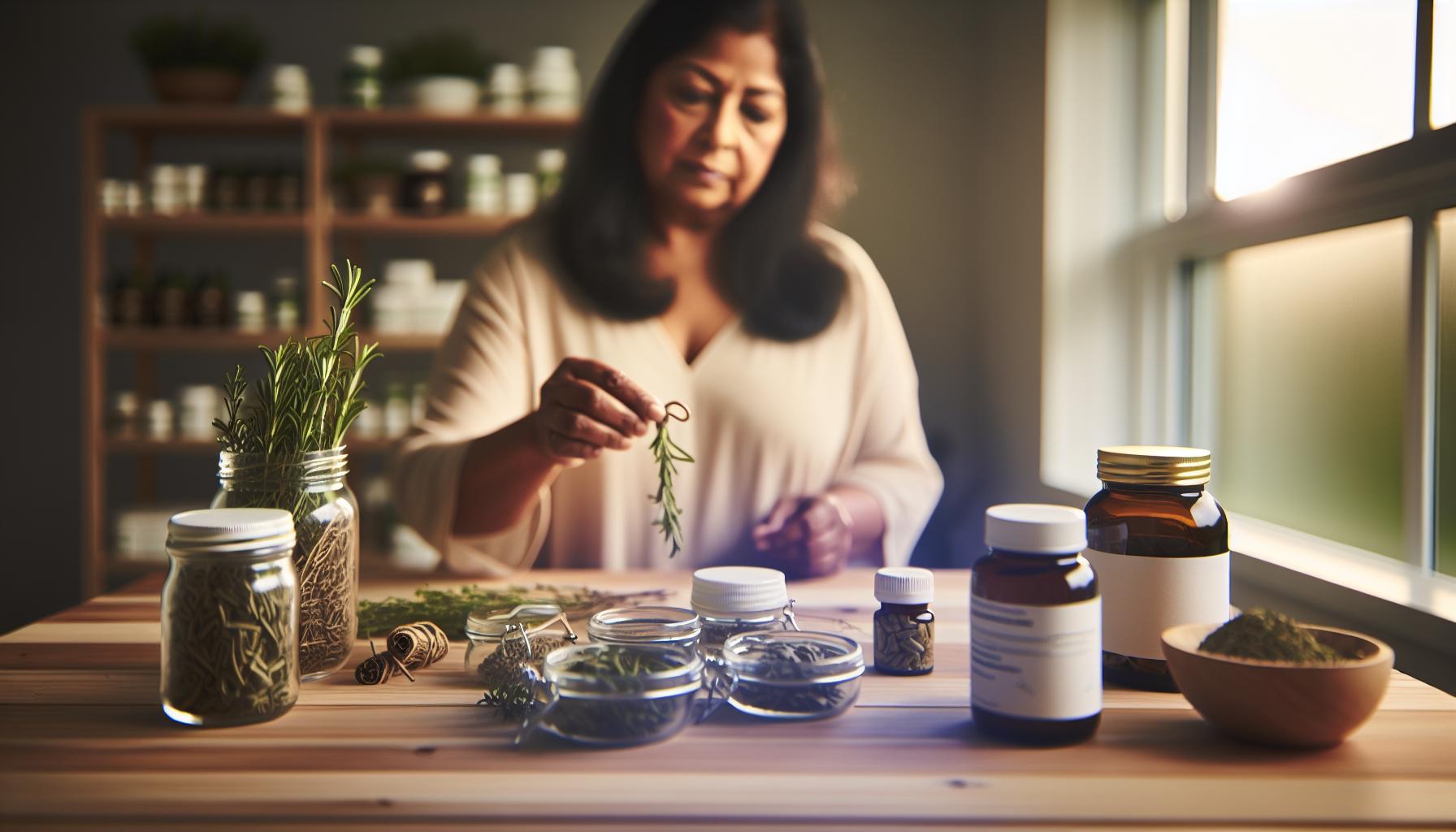
Gentle Self-Care Snacks: Quick Bites for Busy Moms
Nourishing your body with small, quick bites throughout the day can be a gentle yet powerful act of self-care during the busy postpartum period. When you’re caring for a newborn, steady energy and sustained milk production depend not only on what you eat at main meals but also on the snacks you choose between them. Snacks that combine protein, healthy fats, and wholesome carbohydrates help keep blood sugar balanced and mood steady — a true gift in those often unpredictable new-mom days. These bite-sized offerings also support your body’s healing postpartum, keep hydration in check, and gently nurture lactation.
Building Blocks of a Breastfeeding Snack
Simple,nutrient-dense ingredients are your best allies. Aim for snacks that offer:
- Protein: Supports milk synthesis and contributes to postpartum recovery. Examples include Greek yogurt, cottage cheese, hard-boiled eggs, or nut butters.
- Healthy Fats: Essential for brain health and mood stabilization. Think avocado slices, nuts, seeds, or olives.
- Complex Carbohydrates: Steady energy from whole grains, fruits, or vegetables to keep you energized without spikes.
- Fiber and Micronutrients: From fresh veggies, fruits, and seeds to nourish gut health and support iron, calcium, and vitamin needs.
Real-World Snack Ideas for New Moms
here are some easy, no-fuss ideas that many moms find helpful:
- Energy Bites: Rolled oats, ground flaxseed, nut butter, a touch of honey, and dark chocolate chips rolled into bite-sized balls.make a batch once a week and keep in the fridge for grab-and-go energy.
- veggie & Hummus Cups: Pre-cut colorful veggies like carrots, bell peppers, and cucumber paired with a small cup of hummus offer crunchy, satisfying nourishment and fiber.
- Fruit + Nut Butter: Apple or pear slices with a smear of almond or peanut butter combine sweetness, fiber, and healthy fats.
- Yogurt Parfait: Plain Greek yogurt layered with fresh berries, a sprinkle of chia seeds, and a drizzle of honey supports calcium and gut health.
- Cheese & Whole-Grain Crackers: A classic combo that provides protein, fat, and carbs in a comforting, easy-to-prepare snack.
DIY Lactation Support Smoothie
For an easy snack drink that also supports your milk supply, try this simple recipe:
- Ingredients: 1 cup unsweetened almond milk (or your favorite milk), 1 frozen banana, 1 tbsp ground flaxseed, 1 tbsp oats, 1 tsp fennel seeds (steeped then cooled), 1 tbsp almond butter, and a handful of spinach.
- Preparation: Blend all ingredients until smooth. Enjoy instantly.
- Benefits: Flaxseed and fennel are gentle galactagogues that may encourage milk flow, while spinach adds iron and vitamins.
Timing & Safety Notes
snacks are most helpful when spaced evenly every 2–3 hours to maintain your energy and hydration. Keep water or herbal teas nearby (see previous section for safe breastfeeding-friendly herbs). Always observe how your baby reacts to any new food or herb in your diet—each pair is unique. If in doubt, consult your lactation expert or healthcare provider to personalize snack choices to your needs and cultural tastes.
Table: Quick Snack Ideas for Breastfeeding Moms
| Snack | Key Nutrients | Preparation Time | Portion Suggestion |
|---|---|---|---|
| Energy Bites (oats, flax, nut butter) | Protein, healthy fats, fiber | 15 minutes + chill out | 2-3 bites |
| Veggie & Hummus Cups | Fiber, protein, vitamins | 5-10 minutes | 1 small cup + 1 cup veggies |
| Apple Slices & Nut Butter | Carbs, healthy fats, fiber | 2-3 minutes | 1 apple + 1 tbsp nut butter |
| Greek Yogurt Parfait | Protein, calcium, antioxidants | 5 minutes | 1 cup yogurt + 1/2 cup berries |
| Cheese & Whole-Grain Crackers | Protein, healthy fats, carbs | 2-3 minutes | 1 oz cheese + 4-5 crackers |
Remember, nourishing snacks are not about perfection or dieting but about creating moments of kindness for your body and mind. They serve as little anchors of energy when days feel unpredictable and help foster the balance between feeding your baby and nurturing yourself—a vital partnership on your breastfeeding journey.
customizing Your Meal Plan: Honoring your Unique Journey
One of the most beautiful—and sometimes challenging—aspects of the breastfeeding journey is how uniquely personal your nutritional needs can be. No two mothers are alike, and honoring your body’s rhythms, preferences, cultural background, and healing process is a powerful step toward sustainable nourishment for both you and your baby. This means your meal plan isn’t a fixed rulebook but a flexible map that adjusts as you grow into motherhood, physically and emotionally.
Every day postpartum brings new shifts: fluctuating milk supply, changing energy levels, evolving appetite, and yes, those emotional ups and downs driven by hormones and exhaustion. Listening closely to your body and gently customizing what you eat helps you stay nourished without pressure or guilt.For example, some moms may crave iron-rich foods like leafy greens or legumes to support postpartum recovery, especially if they experienced blood loss. Others find that small, frequent meals with complex carbs and healthy fats stabilize their mood and milk production better than large sittings at traditional meal times. And if cultural or family traditions call for specific nourishing broths, fermented foods, or herbal infusions, incorporating these safely can deepen your connection to ancestral wisdom while supporting wellness.
Finding Your Food Rhythm
- Start with your hunger cues. eat when you feel hungry rather than sticking rigidly to meal times. This supports steady energy and prevents dips in milk supply.
- Experiment with flavors and textures. Breastfeeding can heighten taste sensitivity. You might find more enjoyment and comfort in softer foods, warm meals, or favorites from your childhood.
- Honor cultural foods that feel comforting. Traditional postpartum meals are often nutrient-dense and grounding. Combine modern nutrition insights with these approaches—just check herb safety if you include any supplements or teas.
- Adjust portions and ingredients based on how your milk and body respond. If certain foods cause discomfort for you or your baby, switch it up. Every dyad is unique.
Practical Tips to Personalize Your Plan
Start with a simple checklist to tune into your needs:
| Focus Area | How to Customize |
|---|---|
| Energy Levels | Incorporate slow-release carbs like quinoa, sweet potatoes, or oats.add healthy fats such as avocado or nuts to prevent energy crashes. |
| Milk Supply | Include natural galactagogues like flaxseed, oats, and fennel (in moderate amounts). Track how your supply adjusts and tweak herbs or foods accordingly. |
| Emotional Wellbeing | Choose foods rich in omega-3s (salmon, chia seeds), magnesium (leafy greens), and vitamin B complex (whole grains) to support mood regulation. |
| Digestive comfort | Opt for fiber-rich fruits and vegetables,and consider probiotics from yogurt or fermented foods to maintain gut health. |
Remember, making space for your own preferences and body signals fosters a nurturing relationship with food that transcends diet trends. Give yourself permission to rest, adjust recipes, and even skip meals if needed without judgment. Over time, this gentle, individualized approach creates a meal plan that not only supports your breastfeeding goals but also celebrates the fullness of your motherhood journey.
Tips for Managing Appetite, Cravings, and Emotional Wellbeing
Breastfeeding journeys can sometimes stir powerful waves of appetite and craving, alongside emotional highs and lows. This happens partly because your body is working overtime—meeting the nutritional demands of milk production while also healing from birth and adjusting hormonally. Recognizing that these feelings are natural and valid helps you approach nourishment with kindness, not judgment. You’re doing an incredible job, and small mindful steps can gently balance your energy and mood without pressure or “shoulds.”
Many moms notice that hunger can strike suddenly and intensely during breastfeeding, which makes having wholesome, ready-to-go snacks a practical lifesaver. Combining protein, healthy fats, and complex carbs in snacks stabilizes blood sugar and keeps energy steady. for example, a handful of nuts with some fresh fruit or a small bowl of oatmeal topped with flaxseed not only fuels your body but also supports milk supply and mood regulation.When cravings strike, pause for a moment to check in with your body—is your craving rooted in true hunger, or is it a signal for comfort? Sometimes, a warm cup of herbal tea (like mild chamomile or fennel, both traditionally used postpartum) or a calming smoothie rich in magnesium and B vitamins can soothe emotional hunger while nourishing.
Practical Strategies to Tame cravings and Support Emotional Wellbeing
- Honor your cravings mindfully. Rather of resisting them,try to satisfy cravings with nutrient-dense alternatives that also support lactation. For example, if you crave something sweet, try a smoothie blended with frozen berries, Greek yogurt, spinach, and a touch of honey.
- Stay hydrated. Dehydration can masquerade as hunger or fatigue. Keep a water bottle nearby, or sip on lactation-supportive herbal teas throughout the day.
- Set small, attainable food goals. Large meal preps may feel overwhelming. Rather,focus on small “wins” like preparing overnight oats or chopping veggies for snacks when you have a burst of energy.
- Use grounding breath or gentle movement. Aromatherapy with safe essential oils (like lavender) or short walks outside can definitely help ease stress-driven cravings without turning to food automatically.
| Common Craving | Healthy Swap or Soothing Strategy |
|---|---|
| Sweet treats | Fresh fruit with nut butter, smoothie with bananas and spinach, or dates rolled in coconut |
| Salty/snacky | Roasted chickpeas, seaweed snacks, or homemade trail mix with seeds and nuts |
| Comfort carbs | Warm quinoa porridge, baked sweet potato with cinnamon, or vegetable-rich soups |
| Emotional eating | Herbal teas (chamomile, lemon balm), journaling, or connecting with a supportive friend or mom group |
Remember that emotional wellbeing is intimately connected to your nutrition but also to your rest, hydration, and social support. If feelings of overwhelm or sadness linger, reaching out to a postpartum counselor or peer group can provide additional care and connection. Your experience is unique, and with patience and gentle tuning in, you’ll find a nourishing rhythm that honors both your body’s signals and heart’s needs. This journey isn’t about perfection—it’s about compassion for yourself as you nurture your little one and yourself.

Real Mom Stories: Balancing Nutrition and Motherhood Joy
Many moms find that nourishing their bodies well during breastfeeding feels like learning a new language — one that blends the physical demands of milk production with the emotional dance of new motherhood. One mother shared how she began her days with a simple ritual: a warm bowl of oatmeal sprinkled with flaxseed and fresh berries. This small, comforting breakfast not only fueled her energy but became a mindful moment of self-care before the busy day unfolded. She found that when she prepared easy, wholesome meals ahead of time, like hearty quinoa salads or slow-cooked stews packed with seasonal vegetables and lean protein, she could relax more into the joys of bonding with her baby rather of worrying about what to eat next.
Another mom described how she honored both traditional postpartum wisdom and modern nutritional science by sipping herbal teas like fennel and chamomile throughout the day — herbs known for their gentle lactation-supporting properties and calming effects. She emphasized how this helped her create pockets of calm and nourishment amid the whirlwind of late-night feedings and hormonal shifts. Her approach was never about perfection but about gentle, consistent care: listening to how her body and emotions responded, sometimes swapping a planned lunch for a comforting smoothie rich in magnesium and B vitamins when fatigue hit hard.
Practical Insights from Mom Communities
- Meal prepping with flexibility: Several moms recommend batch cooking meals that can be repurposed, such as roasted vegetables that dress up quick grain bowls or protein-packed muffins that freeze well and thaw fast for on-the-go snacks.
- Embracing cravings with nutritious swaps: Instead of battling cravings, transform them—if salty snacks call, try crunchy roasted chickpeas; sweet tooth strikes, blend a smoothie with banana, spinach, and a touch of honey or dates.
- Prioritizing rest and hydration along with food: Moms remind each other that milk production needs more than just calories; staying hydrated and resting when possible profoundly impacts energy and emotional balance.
| Mom Wisdom | Tips and Examples |
|---|---|
| create small rituals | Starting the day with a nourishing breakfast bowl or a warm tea ritual can foster mindfulness and wellness. |
| Batch cook simple meals | Slow cooker soups and grain salads can be prepared in advance, offering quick nutrition on hectic days. |
| adjust to your body’s signals | Feel free to swap meals or snacks based on appetite and energy levels without guilt. |
Through their stories, it becomes clear that balancing nutrition with the emotional and physical realities of early motherhood is a personalized journey. With compassion as the foundation, nourishing meals become less about “perfect” nutrition and more about honoring your unique needs.Remember, what supports milk supply and wellbeing for one mom might differ for another — and that’s perfectly okay. Sharing experiences within trusting communities can be a vital source of strength and inspiration, empowering you to find your own joyful rhythm in feeding your body and your baby alike.
Frequently Asked Questions
Q: How can I adjust my 7-day breastfeeding meal plan to fit a busy schedule?
A: To fit a busy schedule, focus on meal prepping and batch cooking key ingredients ahead of time.Choose recipes with simple steps, like smoothies and one-pot meals from the meal plan sections on breakfasts and dinners. Keep healthy snacks ready for quick energy boosts between feeding sessions. Learn more in Gentle Self-Care Snacks and Customizing Your Meal Plan for practical tips.
Q: What are the best foods to include in a breastfeeding meal plan for increasing milk supply?
A: foods rich in protein, healthy fats, and hydration like oats, leafy greens, nuts, and seeds support milk production. Incorporate recipes with these ingredients, as highlighted in our Energizing Lunches and 7-Day Nourishing Meal Plan. Combining balanced nutrients with proper fluid intake helps maintain supply naturally without over-reliance on supplements.
Q: How can I safely include herbs and supplements in my breastfeeding meal plan?
A: Use only herbs proven safe for breastfeeding, such as fenugreek or fennel, in moderation and avoid unverified supplements. Refer to the Safe Herbs and Supplements section for guidance on dosages and potential side effects.Always consult your healthcare provider to ensure safety for both you and baby, especially when introducing new supplements or teas.
Q: When is the best time to eat meals and snacks to support breastfeeding energy levels?
A: Eat small, balanced meals or snacks every 3–4 hours to maintain steady energy and milk supply.Prioritize nutrient-dense options like those in Wholesome Breakfast Ideas and Gentle Self-Care Snacks to prevent fatigue. Timing meals around feeding or pumping schedules can help optimize nutrient absorption and sustain your wellness throughout the day.
Q: How do I customize the breastfeeding meal plan if I have food allergies or sensitivities?
A: Customize by substituting allergenic ingredients with safe alternatives (e.g., almond milk rather of dairy). Use the Customizing Your Meal Plan section to guide ingredient swaps while maintaining balanced nutrition. Always consider your unique needs and consult a dietitian if uncertain, ensuring both you and baby stay nourished and allergy-free.
Q: Why is hydration emphasized in a breastfeeding meal plan, and how can I increase fluid intake?
A: Hydration is crucial to support milk production and overall health. Increase fluids by drinking water, herbal teas, and hydrating smoothies included in the meal plan’s hydrating Teas and Smoothies section. Carry a water bottle and sip regularly, especially before and after feeds, to stay well-hydrated without overloading at once.
Q: What are quick and nourishing snack ideas for breastfeeding moms on the go?
A: Quick snacks like nut butter on whole-grain crackers, Greek yogurt with berries, or homemade lactation energy bites offer balanced nutrition and energy. Explore the Gentle Self-Care Snacks section for easy recipes packed with protein and healthy fats to keep you fueled during busy days. Preparing snacks ahead supports consistent nourishment between meals.
Q: How do emotional wellbeing and nutrition connect in a breastfeeding meal plan?
A: proper nutrition supports stable energy, mood balance, and stress management during postpartum. Incorporate comfort foods from Comforting Dinners and nutrient-rich snacks to soothe body and mind. Mindful eating combined with hydration and rest helps nurture your emotional health, empowering a positive breastfeeding journey tailored to your unique experience.
For more nourishing tips and personalized meal ideas, explore the full 7-day Nourishing meal Plan and join our supportive community celebrating motherhood’s joys and challenges.
In Conclusion
Nourishing your body thoughtfully during breastfeeding supports both you and your little one’s health, balancing essential nutrients with gentle care for your postpartum journey. This 7-day breastfeeding meal plan offers practical, easy-to-follow recipes designed to enhance lactation, boost energy, and honor your unique healing process. Remember, every mother’s needs vary—feel empowered to adjust ingredients and timing to what feels right for you.
Ready to deepen your wellness routine? Explore our Postpartum Self-Care Guide for nurturing practices beyond meals or dive into our Herbal Teas for Lactation recipes to naturally support milk flow.Don’t forget to subscribe to our newsletter for ongoing tips, ingredient spotlights, and expert insights shared kindly from one mom-midwife to another. Your journey is valid and beautiful—let’s continue it together.
Have questions or personal tips? Share your experience below or join our community forums to connect with other breastfeeding moms. Together, we celebrate every triumph and navigate challenges with warmth and confidence. Keep nourishing,keep thriving,and remember: your well-being is the foundation of your baby’s joy.
Get our latest guides, news, and insights highlighted in your Google Search & AI Overviews.


 JUST 15 MINUTES A DAY