
Breastfeeding Cookies Recipe: Boost Milk Supply Deliciously
Did you know that simple, wholesome foods can gently support your breastfeeding journey? If you’re looking for a tasty way to naturally boost your milk supply, these breastfeeding cookies offer a comforting, easy-to-make option. Designed with nourishing ingredients known to promote lactation, they fit perfectly into the busy postpartum days when self-care feels like a luxury. whether you’re navigating the early days of feeding or looking to maintain steady supply as your baby grows, these cookies blend tradition with evidence-based benefits—delivered in a warm, flavorful bite. This recipe honors your body’s unique rhythm, respects gentle healing, and invites you to nourish yourself while caring for your little one. ready to discover a nurturing snack that supports your breastfeeding goals? Let’s bake a batch of love and wellness together.
Contents
- Understanding how Breastfeeding Cookies Boost Milk Supply Safely
- Key Lactation-Boosting Ingredients and Their Benefits
- Step-by-Step Breastfeeding Cookies Recipe for New Moms
- Customizing Your Cookies for Dietary Needs and Preferences
- When and How Often to enjoy Your Milk-Boosting Cookies
- Holistic Tips to Enhance Lactation Alongside Cookies
- real Moms’ Stories: Success with Breastfeeding Cookies
- Common Questions and Safety Tips About Milk-Boosting Herbs
- Troubleshooting Milk Supply Challenges with Nutrition
- Beyond Cookies: Other Delicious Lactation-Boosting Recipes
- Frequently asked questions
- Q: How quickly can breastfeeding cookies help increase milk supply?
- Q: What are safe homemade alternatives to commercial lactation cookie mixes?
- Q: Can I freeze breastfeeding cookies and still keep their milk-boosting benefits?
- Q: Why do some moms not experience increased milk supply despite eating breastfeeding cookies?
- Q: How do breastfeeding cookies compare to other lactation-boosting foods like teas or smoothies?
- Q: When is the best time to eat breastfeeding cookies for optimal milk production?
- Q: Are there any allergies or interactions to watch for with common lactation cookie ingredients?
- Q: How can I adjust breastfeeding cookie recipes to suit vegan or gluten-free diets?
- Key Takeaways
Understanding how Breastfeeding Cookies Boost Milk Supply Safely
Few postpartum experiences are as empowering and nourishing as actively supporting your body’s milk-making process. Breastfeeding cookies don’t just satisfy a sweet craving—they become a gentle, practical way to encourage lactation by thoughtfully combining ingredients known to support milk supply safely. These cookies function as a nurturing self-care ritual, seamlessly blending wholesome nutrition and trusted galactagogues (milk-boosting foods) into a comforting treat that can help new moms feel more in control during an often unpredictable journey.
The key lies in carefully selected components that are widely celebrated for their lactation benefits while posing minimal risk when consumed in typical food amounts. For example, oats provide iron, fiber, and energy—essential for postpartum recovery—while flaxseed offers omega-3 fatty acids and gentle hormone balancing properties.Ingredients like brewer’s yeast contribute valuable B vitamins to support energy and milk production, and fennel seed, known for its mild estrogen-like compounds, may enhance milk flow. It’s critically important, though, to listen closely to your body and consult with a healthcare provider if you have a history of allergies or medical conditions. Unlike supplements or herbs taken in concentrated doses, these ingredients in cookie form are generally safe and nourishing, delivered alongside wholesome fats and proteins that also help stabilize blood sugar and mood.
Why Safety Matters Alongside Milk Supply Support
- Balanced Ingredients: Combining foods in familiar, food-safe forms reduces risks associated with herb overuse or supplement interactions.
- Individual Variation: Milk supply responds differently per person—what enhances lactation for one may not for another, and some may be sensitive to certain herbs.
- holistic Care: Cookies are an addition, not a solution alone—hydration, skin-to-skin contact, proper latch, rest, and frequent feeding remain foundational.
- Gentle Consistency: Regular enjoyment of these cookies supports gradual, steady milk supply increases rather than drastic spikes, honoring your body’s natural rhythms.
By integrating breastfeeding cookies into your postpartum routine,you cultivate a warm,supportive connection to the intimate work of nourishing your baby—making each bite a meaningful,safe,and delicious step toward your breastfeeding goals.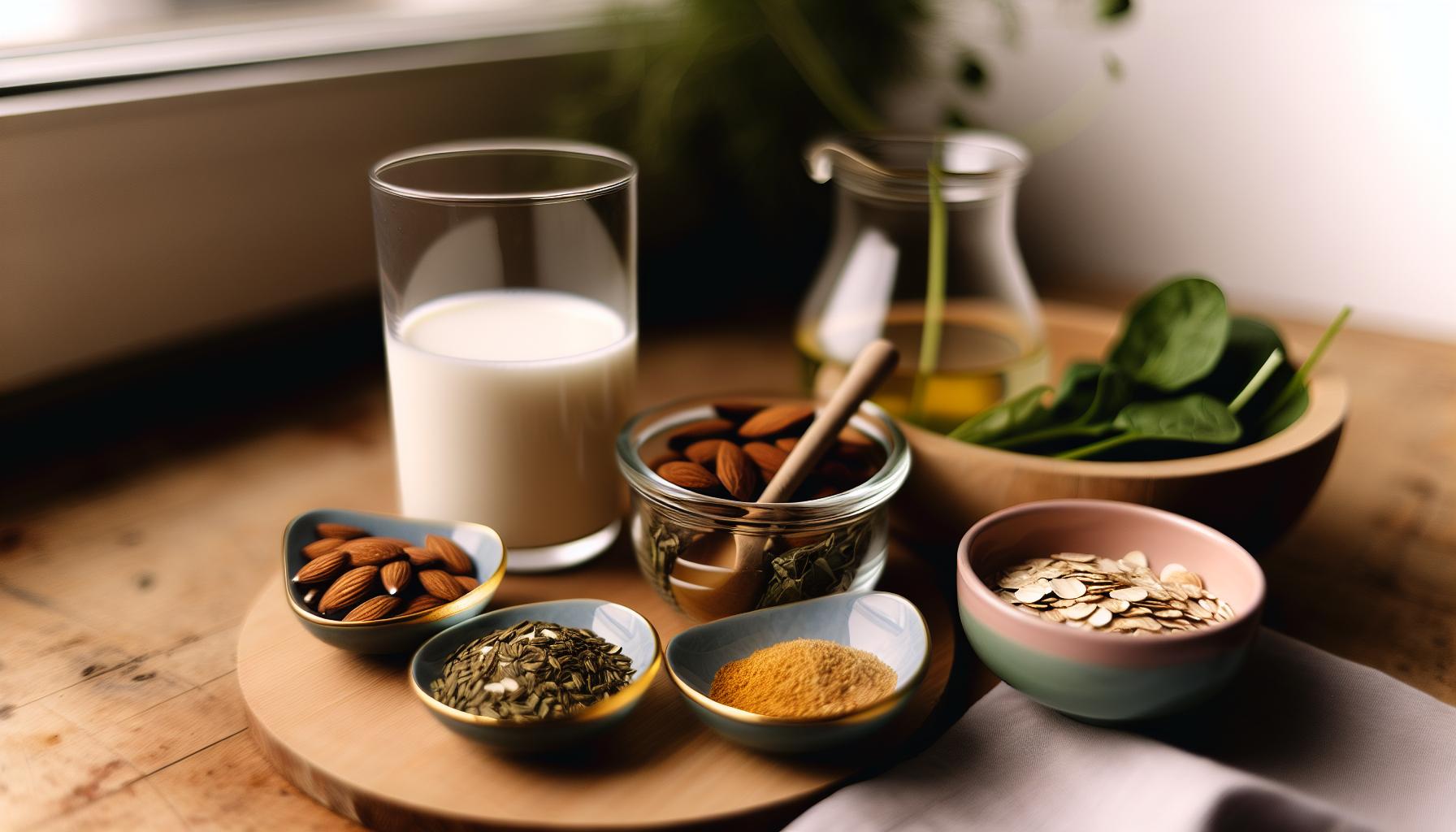
Key Lactation-Boosting Ingredients and Their Benefits
Many nourishing ingredients come together in breastfeeding cookies to gently support your milk supply while nurturing your whole body. Whether you’re a first-time mom or an experienced breastfeeding parent, incorporating these foods can offer comforting reassurance alongside the joys and challenges of feeding your baby. Each key ingredient brings its own blend of vitamins, minerals, and benefits that help balance energy, hormones, and hydration—all vital for steady lactation.
Oats are a foundational ingredient, prized not only for their mild, comforting flavor but also for their nutritional richness. they provide iron, which supports healthy blood levels after birth, and soluble fiber that helps regulate digestion. Oats are also a source of complex carbohydrates,fueling the calorie demands of milk production without causing energy crashes. Many moms notice that oat-based foods seem to have a calming effect, which can help ease the stress that sometimes interferes with let-down reflexes. Flaxseed adds a gentle dose of omega-3 fatty acids, which are important for hormone balance and baby’s brain development. its fiber content also supports digestion, making it a double benefit for postpartum wellness.
Brewer’s yeast is another star player in lactation cookies, packed with B-complex vitamins known to boost energy and aid in milk synthesis. These vitamins also contribute to mood regulation, helping to uplift you during emotionally demanding days. Fennel seeds add a fragrant, slightly sweet note and are traditionally used in cultures worldwide as a natural galactagogue, thanks to compounds that mimic mild estrogen effects to support milk flow. Other customizable ingredients like chia seeds, almonds, or coconut oil introduce healthy fats and plant-based proteins, which all stabilize blood sugar and mood.remember, while these ingredients are safe in typical food amounts, it’s always wise to notice how your body responds and consult your health provider if you experience sensitivities or have preexisting conditions.
Common Lactation-Boosting Ingredients and Their Benefits
| Ingredient | Key Benefits | Practical Notes |
|---|---|---|
| Oats | Rich in iron, fiber, complex carbs for energy | Soothing, helps avoid energy dips, supports digestion |
| Flaxseed | omega-3 fatty acids, fiber, hormone balance | Grind before use for best absorption; mild taste |
| Brewer’s Yeast | B vitamins (B1, B2, B3, B6, B12), energy boost | May cause mild digestive upset—start with small amounts |
| Fennel Seed | Mild estrogen-like effects, supports milk flow | Use in moderation; fragrant flavor complements cookies |
| Chia Seeds | Healthy fats, fiber, plant protein | Soak before baking to prevent dryness in cookies |
By thoughtfully combining these ingredients, breastfeeding cookies become more than a treat—they offer a wholesome, nurturing boost tailored to your postpartum needs. Listen gently to your body’s cues, enjoy these cookies as part of your self-care, and embrace that steady, kind rhythm of nourishing both you and your little one.
Step-by-Step Breastfeeding Cookies Recipe for New Moms
Breastfeeding cookies are a comforting and nourishing way to gently support milk supply while honoring your body’s unique postpartum journey. Creating these cookies at home invites you to slow down,connect with self-care,and offer your body the warm embrace it deserves. The ingredients are simple, wholesome, and thoughtfully chosen—not just for their galactagogue properties but for overall postpartum wellness, from energy balance to mood support.This recipe is adaptable for many tastes and dietary needs,making it a perfect little ritual in your breastfeeding routine.
Gather Your Ingredients
- 1 cup rolled oats (iron-rich and soothing for digestion)
- 1/4 cup flaxseed meal (omega-3 fatty acids for hormone balance)
- 2 tablespoons brewer’s yeast (a B-vitamin powerhouse for energy—but start with 1 tbsp if you’re sensitive)
- 1/2 teaspoon fennel seeds (crushed gently to release natural milk-supporting compounds)
- 1/4 cup chia seeds (soaked in ¾ cup water for 10 minutes; adds healthy fats and fiber)
- 1/2 cup almond flour (optional; adds protein and a rich, moist texture)
- 1/3 cup coconut oil (or your favorite healthy fat, melted)
- 1/3 cup maple syrup or honey (natural sweetness with antioxidants; avoid honey if your baby is under 1 year)
- 1 teaspoon vanilla extract (for comforting aroma and flavor)
- 1/2 teaspoon baking soda (helps with softness)
- Pinch of sea salt (enhances flavors)
Simple Step-by-Step Preparation
- Preheat your oven to 350°F (175°C) and line a baking sheet with parchment paper. This sets the perfect environment for soft, chewy cookies.
- Soak chia seeds in water for about 10 minutes, allowing them to form a gel.This natural binder replaces eggs, keeping the cookies moist and suitable for many diets.
- Mix the dry ingredients—combine oats, flaxseed meal, brewer’s yeast, crushed fennel seeds, almond flour, baking soda, and sea salt in a large bowl. Whisk gently to distribute everything evenly.
- Whisk together wet ingredients in a separate bowl: melted coconut oil, maple syrup (or honey), vanilla extract, and the chia gel.
- Combine wet and dry mixtures gradually. Use a wooden spoon or your hands to fold until the dough is thick, sticky, and well mixed. It should hold together but not be overly wet—add a tablespoon of water or almond milk if it’s to dry.
- Scoop dough onto your baking sheet using a tablespoon or small cookie scoop. Flatten gently with your fingers or the back of a spoon into even rounds about 1/2 inch thick.
- Bake for 12–15 minutes until edges are golden but centers remain soft.This tenderness helps keep the cookies pleasantly chewy, easing digestion.
- Cool on a wire rack entirely before storing in an airtight container. These last about a week at room temperature or up to two weeks refrigerated, perfect for busy days when you need a fast, nurturing bite.
Gentle Tips for Best Results
- Feel free to tweak the sweetness level. Many new moms prefer less sugar during postpartum, but a touch can offer comfort.
- If you’re new to brewer’s yeast, start with half the amount and notice how your digestion responds. For some, it can cause mild bloating, so gradual introduction is key.
- Use fresh oats and grind flaxseed just before mixing for maximum nutrient absorption.
- Involve your partner, siblings, or little helpers in mixing and shaping—it can be a joyful, grounding connection time.
- Enjoy your cookies alongside plenty of water and nourishing meals for a holistic support to milk supply and wellbeing.
Crafting these cookies is more than making food; it’s a small act of kindness for your body and spirit. Each bite holds vitamins, minerals, and loving intention—a sweet reminder that nurturing yourself is a beautiful part of nourishing your baby.
Customizing Your Cookies for Dietary Needs and Preferences
Every mother’s postpartum journey is deeply personal, with unique nutritional needs and preferences shaping what feels best day to day. Breastfeeding cookies are wonderfully flexible, crafted to honor your body’s signals while nourishing both you and your baby gently. Whether you’re navigating sensitivities,allergies,or simply craving variety,customizing your cookies can transform this small act of self-care into a joyful,empowering ritual that meets your dietary requirements without stress or compromise.
Many new moms find swapping ingredients helps create a cookie that feels perfectly “them.” Such as, if gluten or oats cause discomfort, try replacing rolled oats with certified gluten-free oats or ground quinoa flakes—both provide texture plus iron and fiber supportive of lactation.For nut allergies or preferences, almond flour can be swapped for coconut flour or oat flour, mindful to adjust liquid amounts slightly as each absorbs differently. if you prefer lower sugar or have little ones under one year, naturally sweetening with mashed banana or unsweetened applesauce can bring gentle sweetness without honey or maple syrup.
If brewer’s yeast doesn’t sit well with you, or you wont to experiment, ground fenugreek powder or spirulina (starting slowly) may offer lactation support with different nutrient profiles and flavors.For the adventurous, adding spices like cinnamon or cardamom can comfort mood and digestion while adding festive warmth. Remember, gentle trial and observation are key; every mother’s body responds uniquely, so listen to yours and enjoy this nurturing connection to yourself.
quick Ingredient Swap Ideas
- Gluten-Free: Use gluten-free oats or quinoa flakes rather of regular rolled oats.
- Nut-Free: Swap almond flour for coconut flour or oat flour,adjusting moisture.
- Natural Sweeteners: Replace honey/maple syrup with mashed banana or unsweetened applesauce.
- Brewer’s Yeast Alternatives: Try fenugreek powder or spirulina cautiously,starting with small amounts.
- Flavor Boosts: Add cinnamon, cardamom, or vanilla for comforting aromas and mood support.
Customization also offers a gentle way to honor cultural food traditions or personal ethics, like veganism or paleo preferences, by choosing plant-based fats (coconut oil) and sweeteners, or grain-free flours. the goal is always to support your lactation alongside your wellbeing, so try new versions slowly and savor the process — as nurturing for you as it is for your milk supply.
Example: Simple Nut-Free Lactation Cookies
| Ingredient | Substitution | Benefit |
|---|---|---|
| Rolled oats | Quinoa flakes (gluten-free) | High in iron, gentle on digestion |
| Almond flour | coconut flour | Rich in fiber, adds moisture |
| Honey | Mashed banana | Natural sweetness, potassium |
| Brewer’s yeast | Fenugreek powder (small amount) | Lactation support, B vitamins |
| Chia seeds | Remain | Healthy fats and fiber |
by embracing gentle modifications grounded in safety and your own comfort, these cookies can become a warm daily hug—a small but significant way to honor your body’s unbelievable work. Remember,your breastfeeding journey is unique,just like your cookie recipe,and both deserve to be as kind and joyful as possible.
When and How Often to enjoy Your Milk-Boosting Cookies
Few moments in motherhood feel as quietly powerful as nourishing your baby through breastfeeding. Enjoying milk-boosting cookies can be a comforting ritual that not only supports your lactation but also honors your body’s needs during this tender time. Typically, new moms find it helpful to space their cookie intake thoughtfully throughout the day—this encourages a steady flow of nutrients while syncing with feeding or pumping patterns that work best for both mom and baby.Most lactation experts and experienced mothers suggest having one to two cookies daily, depending on your appetite and overall dietary intake. Starting with one cookie in the morning can gently stimulate milk production as your body wakes and hormone levels adjust. You might then enjoy another mid-afternoon,especially during those natural dips in energy. Listening to your body is essential—if cookies help lift your spirits or add calm during a particular moment,let that guide your timing,rather than a rigid schedule.
Because every mother’s milk supply journey is unique, here are some gentle pointers to consider:
- Pair cookies with hydration: Breast milk production relies heavily on adequate fluids. Enjoy your cookie alongside a glass of water, herbal lactation tea, or warm milk for a soothing, hydrating combo.
- Mind working with herbs: Some lactation-boosting ingredients like brewer’s yeast or fenugreek may have mild side effects or interact with medications. Starting slowly (half a cookie portion daily) and observing your body’s response helps keep things safe and pleasant.
- Incorporate cookies as part of balanced meals: Use them as a nutritious snack rather than a meal replacement. Combining them with fruit, yogurt, or nuts increases the variety of nutrients you consume to support both you and your baby.
Signs You Might Adjust Frequency or Timing
- Feeling overly full or sluggish: If cookies add too much sweetness or fullness,try reducing quantity or opt for natural sweetener swaps.
- Milk supply plateaus or dips: Consider pairing cookies with other lactogenic foods or gentle nursing support techniques.
- Flavor fatigue: Changing cookie flavors with spices like cinnamon or cardamom can refresh your palate and keep you engaged with this nurturing habit.
Remember, this is not about “quick fixes” or pressure to consume a certain amount, but about gently inviting nourishment and self-compassion into your day. As one mom shared, “My afternoon cookie became my little moment of calm—it wasn’t just about milk; it was a warm hug I gave myself when things felt overwhelming.” such rituals build resilience, nurture your emotional well-being, and celebrate the magic of feeding your child.
Ultimately, let your intuition guide . Treat each bite as both nutrition and a celebration of your unique,beautiful postpartum journey.
Holistic Tips to Enhance Lactation Alongside Cookies
Finding gentle, holistic ways to nurture your milk supply complements the comforting ritual of enjoying lactation-boosting cookies. Remember, breastfeeding is as much an emotional and physical journey as it is nutritional. Small daily practices can create a ripple effect that supports both your body’s natural ability to produce milk and your overall well-being.
Hydration is foundational—breast milk is around 88% water, so pairing your cookies with plenty of fluids, like warm herbal teas (think fennel, nettle, or chamomile), can soothe and hydrate simultaneously. These herbs have been cherished traditionally for their lactation-supportive properties and calming effects, helping ease postpartum stress that might otherwise hinder milk flow. Incorporating gentle nipple stimulation through skin-to-skin contact or mindful pumping alongside nursing sessions encourages the hormone oxytocin, which naturally enhances milk release.
- Focus on balanced nutrition: Along with cookies,aim for meals rich in whole grains,lean proteins,healthy fats,and fresh vegetables. Nutrients like iron, calcium, and B vitamins play vital roles in milk quality and energy replenishment.
- rest and stress management: Your body’s healing post-birth influences lactation. Short naps, meditation, or breathing exercises—even just a quiet moment with your baby—can reduce cortisol levels, which or else may suppress milk production.
- stay socially connected: Sharing your successes and challenges with other breastfeeding mothers or support groups creates a safe space for encouragement and real-world wisdom.
Listening to Your Body’s Rhythms
Each mother’s experience is unique. The emotional nuances tied to breastfeeding—joy, frustration, tenderness—are all part of your normal postpartum landscape. Honor those feelings and let them inform your approach. If you notice milk supply dips,consider gentle adjustments like incorporating a warm compress before feeding or varying your nursing positions to improve flow comfort and efficiency. Ultimately,supporting lactation isn’t about perfection but patience,presence,and kindness toward yourself.
Together with thoughtfully enjoyed cookies, these holistic practices sew a quilt of nourishment—physical and emotional—that sustains both you and your baby through this miraculous phase.
real Moms’ Stories: Success with Breastfeeding Cookies
Many mothers find that the comforting ritual of enjoying lactation-boosting cookies becomes more than just a snack — it evolves into an empowering daily self-care moment that gently supports their milk supply. Take Sarah, for example, who shared that baking a batch of oats, flaxseed, and brewer’s yeast cookies not only helped with her milk let-down but provided a nourishing break amid the whirlwind of new motherhood. She noticed her baby feeding more efficiently after she consistently included cookies a couple of times daily, alongside staying well-hydrated and practicing skin-to-skin cuddles.
Another mother, Maya, found that customizing her breastfeeding cookies to include gluten-free flours and adding a touch of fenugreek helped ease postpartum digestion while boosting her confidence as a breastfeeding mom navigating food sensitivities. Her story reminds us that adaptability matters — these wholesome cookies can be tailored without losing their lactation-enhancing benefits, making them accessible and enjoyable for many dietary lifestyles.
- Consistency is key: Several moms emphasize the importance of eating lactation cookies regularly rather than occasionally, allowing the body’s natural supply hormones time to respond.
- Minding the whole picture: While the cookies were a helpful addition, moms also point to balanced meals, sufficient rest, and emotional support as vital pillars for accomplished breastfeeding.
- Listening to your body: Some mothers noticed their milk supply improved gradually, while others experienced quick effects, demonstrating the natural variation in postpartum journeys.
Knowing that nearly every lactation story is unique, these experiences highlight how breastmilk-supporting foods like cookies become part of a broader, nurturing approach that honors your healing process, emotional rhythms, and lifestyle. They celebrate small victories—like feeling empowered to meet your baby’s needs—with warmth and patience, guiding you gently through times of uncertainty.
Moms encourage connecting with breastfeeding circles or online groups where sharing recipes and tips cultivates a safe, judgment-free space. Here, the focus remains on kindness to yourself, learning from others’ successes and challenges, and embracing the beautiful complexity of motherhood without pressure or guilt. Incorporating lactation cookies as a ritual can be a comforting anchor amidst the unpredictable flow of early parenting, inviting a moment of joyful nourishment both for body and soul.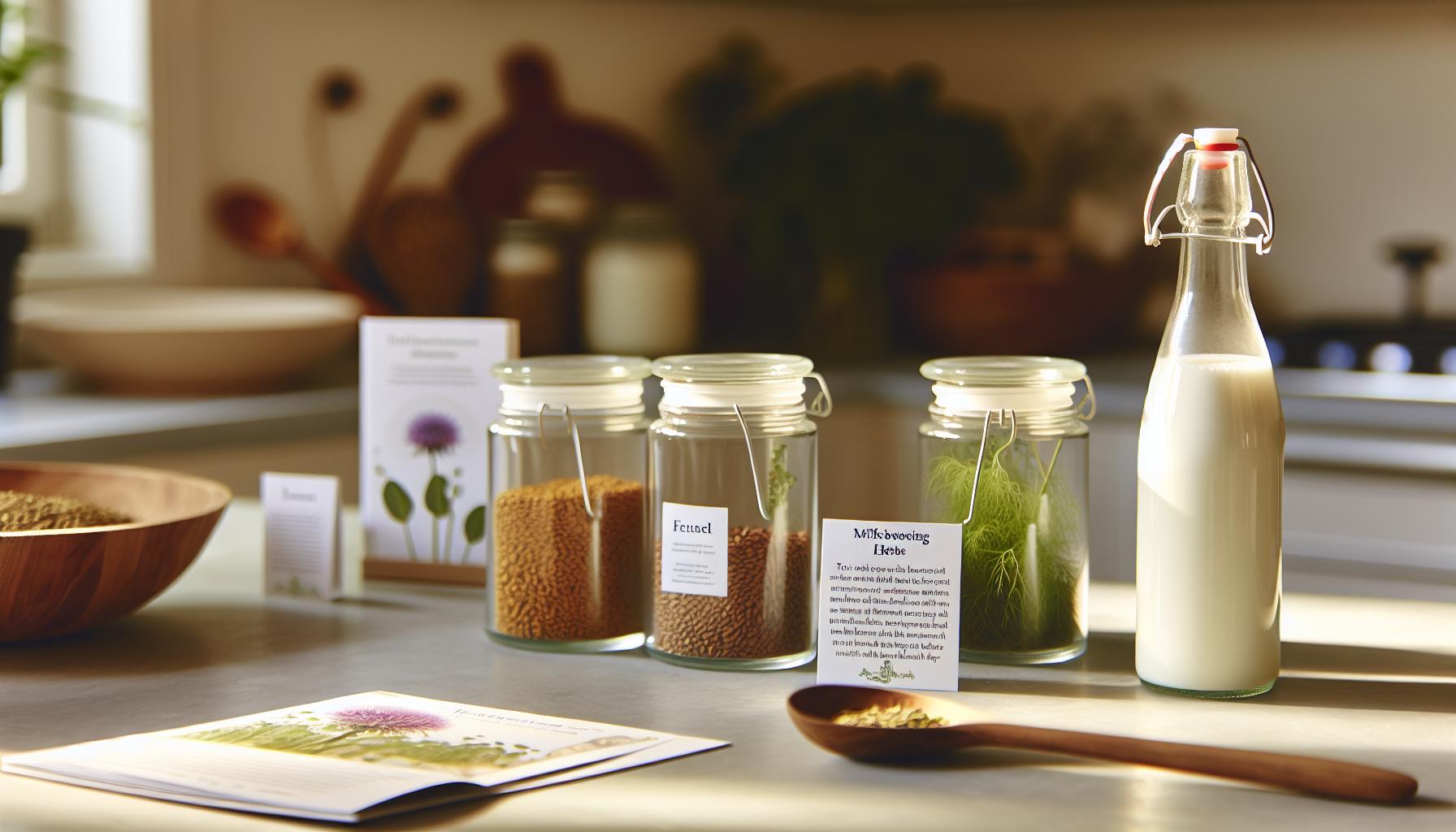
Common Questions and Safety Tips About Milk-Boosting Herbs
Many new moms turn to herbs like fenugreek, blessed thistle, and fennel, hoping to gently encourage their milk supply through natural means. While these plants have been used in traditional cultures for centuries and are generally considered safe when eaten in moderate amounts—such as those included in breastfeeding cookies—it’s important to approach herbal support thoughtfully. Every body responds differently, and what feels nurturing for one mother might not be the best choice for another. Before making herbs a regular part of your cookie recipe or routine, taking a moment to understand how they work and when to use them helps ensure a positive, stress-free experience.
- Fenugreek: This popular herb is well-known for its lactation-boosting potential but may cause mild side effects like maple-syrup smell in sweat or urine,digestive upset,or allergic reactions in some. It’s usually best to start with small doses and watch your body’s response. Avoid if you have a soy or peanut allergy, or if you have certain medical conditions such as diabetes without doctor supervision.
- Blessed Thistle: Often paired with fenugreek, blessed thistle may support milk flow and digestion. However, it should be used cautiously if you have hormone-sensitive conditions or if you’re pregnant, as reliable safety data is limited.
- Fennel: Known for soothing the digestive system and mild estrogen-like effects,fennel can be a gentle addition to lactation cookies. Yet excessive consumption may cause allergic reactions or interfere with some medications.
remember, herbs in baked goods are milder than concentrated extracts or supplements, which reduces the likelihood of side effects but also means the effects may take time and consistency to notice. Keeping communication open with your healthcare provider or lactation consultant ensures your choices support your unique postpartum journey safely.
Guidelines for safely Enjoying Milk-Boosting herbs in Cookies
- Moderation is essential: Start by incorporating one herbal ingredient at a time in small amounts. Notice how your body reacts over several days before increasing the dose.
- Timing matters: If you are breastfeeding a newborn, especially preterm or health-sensitive babies, consult your pediatrician about herbal intake to avoid any unintended effects through breastmilk.
- Allergy awareness: Be mindful of personal or family history of allergies to herbs, seeds, or nuts often used in lactation recipes.
- Monitor baby’s reactions: Some infants may react to herbal components via breastmilk with fussiness or digestive changes. If this happens, consider reducing or pausing the herb until you consult a professional.
Every mother’s story with milk supply is as unique as her experience of motherhood. Because herbs work subtly, pairing lactation cookies with other nurturing habits—hydration, stress reduction, frequent skin-to-skin contact—creates a holistic foundation to feed both body and soul. This approach reflects wisdom from communities where sharing recipes and gentle advice builds a safe space for exploring what works best, free of pressure and full of kindness.
| Herb | Common Benefit | Safety Notes | Example Dosage in Cookies* |
|---|---|---|---|
| Fenugreek | Supports prolactin, boosts milk production | Avoid if allergic to peanuts/soy; may affect blood sugar | 1-2 teaspoons ground seed per batch |
| Blessed Thistle | Promotes milk flow and digestion | Use cautiously if hormone sensitive; limited pregnancy data | 1 teaspoon dried herb per batch |
| Fennel | Soothes digestion; mild estrogenic effect | Possible allergies; avoid high doses | 1 teaspoon ground seed per batch |
*Dosages are approximate for homemade cookie recipes and can vary.
By embracing a gentle,informed approach to milk-boosting herbs in your cookies,you create a nurturing ritual with nourishing ingredients that honor your body’s rhythms and your baby’s needs. If questions arise or challenges persist, reaching out to trusted healthcare providers or lactation support networks can offer personalized guidance—and remind you that you never have to navigate this beautiful, sometimes complicated, journey alone.
Troubleshooting Milk Supply Challenges with Nutrition
Milk supply hiccups are surprisingly common and can feel overwhelming, but gentle nutritional tweaks frequently enough provide a soothing nudge back toward abundance.Many new moms find that while breastfeeding cookies offer a sweet and convenient boost,addressing deeper nutritional and lifestyle habits can make the difference between frustration and flourishing milk flow. Think of nutrition as one vital thread in your postpartum tapestry—a tender, ongoing practice rooted in kindness toward your body and baby.
One key consideration is ensuring your diet supports both hydration and balanced blood sugar, as these strongly influence milk production. Dehydration can silently stall supply, so alongside enjoying your lactation cookies, aim to sip water regularly throughout the day. Incorporating nutrient-rich, whole foods that provide iron, protein, and healthy fats also builds the foundation mothers need to maintain energy and milk volume. sometimes, it’s the small shifts—like adding a handful of oats to morning meals or selecting nut butters for snacks—that cumulatively create a significant supportive effect.
Practical Nutrition Tips for Milk Flow Challenges
- Hydrate consistently: aim for at least 8 cups of water daily, adjusting upward with activity or warm weather. Herbal teas like chamomile or raspberry leaf (once cleared by your healthcare provider) can add comforting variety.
- Choose nutrient-dense snacks: Beyond cookies, try homemade lactation smoothies blending ingredients such as oats, flaxseed, banana, and a touch of fenugreek powder. These provide fiber, essential fatty acids, and vitamins at easy-to-digest moments.
- Balance meals: Include proteins (eggs, beans, lean meats), complex carbs (quinoa, sweet potatoes), and greens rich in calcium and magnesium, which can help with muscle tone and comfort.
- Listen to your body’s hunger cues: Postpartum hormones and breastfeeding energy demands vary daily. Nourishing when hungry supports mood, milk supply, and overall resilience.
Many mothers share that they felt stuck until they looked beyond quick fixes and embraced a holistic approach. For example, one mom reported that adding iron-rich lentils and a daily beet smoothie alongside breastfeeding cookies eased her fatigue and noticeably improved her milk flow. Another found that focusing on small,frequent meals helped stabilize her blood sugar and reduced stress eating,which allowed her milk supply to build naturally over weeks.
Key Nutrients That Support Lactation
| Nutrient | Role in Lactation | Food Sources | Notes |
|---|---|---|---|
| Iron | Prevents fatigue, supports oxygen transport | Red meat, lentils, spinach, fortified cereals | low iron can reduce energy, impacting milk let-down |
| Protein | Essential for milk synthesis and tissue repair | eggs, beans, tofu, chicken, fish | Include moderate amounts throughout the day |
| Healthy Fats | Builds brain-healthy fatty acids in milk | Avocado, nuts, seeds, olive oil | Supports baby’s development and maternal mood |
| Calcium & Magnesium | support muscle function and bone health | Dairy, dark leafy greens, almonds, pumpkin seeds | Magnesium also helps with postpartum cramps |
What to Do If Milk Supply Still Struggles
Despite best efforts with cookies and nutrition, some mothers face ongoing challenges. Remember: Every lactation journey is unique and sometimes involves factors beyond diet, such as hormonal shifts, stress, or infant feeding patterns.Here are compassionate steps to consider:
- Track feeding and output patterns: Noticing baby’s wet/dirty diapers and feeding frequency helps identify true supply issues versus normal variations.
- Consult a lactation professional: International Board Certified Lactation Consultants (IBCLCs) offer hands-on help and tailored advice.
- Focus on rest and stress reduction: Cortisol, the stress hormone, can inhibit milk let-down—find moments for deep breathing, gentle walks, or loved ones’ support.
- Avoid comparing yourself to others: social pressure can increase anxiety, which may paradoxically reduce supply.
Sometimes, combining nourishing recipes like breastfeeding cookies with holistic self-care and expert guidance creates a nurturing ecosystem where milk supply gently recovers. Celebrate each small victory—a fuller feeding, a relaxed latch, or a baby’s satisfied sigh—as these moments reflect your deep care and resilience.
By honoring your unique journey,listening to both body and baby,and gently addressing nutrition alongside herbs,you nurture a balanced foundation for thriving breastfeeding. Your body remembers how to nourish, and with patience and kindness, your milk supply can flourish naturally and joyfully.
Beyond Cookies: Other Delicious Lactation-Boosting Recipes
Milk supply support doesn’t have to stop with cookies—there’s a whole pantry of delicious and nourishing options that can gently encourage lactation while adding variety to your postpartum menu. Many mothers find that expanding beyond baked treats to include warm teas, smoothies, and savory snacks not only helps sustain milk flow but also nurtures their body and soul during this tender phase. Embracing these recipes can feel empowering, providing tasty, easy-to-make comforts that fit into busy days and honor the unique rhythms of new motherhood.
Herbal Teas to Soothe and Stimulate
Herbal teas are a longstanding tradition in many cultures for supporting breastfeeding. Ingredients like fenugreek, fennel, anise, and red raspberry leaf are popular choices, each contributing gentle lactation-boosting properties. Red raspberry leaf, in particular, is rich in vitamins and minerals that support uterine health and overall postpartum recovery, while fenugreek is often praised for increasing prolactin levels, a hormone essential for milk production.
- Simple Fenugreek Tea: Soak 1 teaspoon of fenugreek seeds in hot water for 5–10 minutes. Sip 1–2 cups daily but avoid if you have allergies to legumes or notice any adverse reactions.
- Soothing Lactation Blend: Mix equal parts fennel seeds, anise seeds, and red raspberry leaf. Steep 1 tablespoon of the blend in hot water for 10 minutes. Enjoy up to 3 cups a day for gentle support.
Always double-check with your healthcare provider before adding herbs if you have any medical conditions or take medications, as some herbs can interact or be contraindicated during breastfeeding.
Nutritious Smoothies Packed with Lactation Power
For a refreshing, nutrient-rich boost, homemade smoothies provide an excellent canvas to combine lactation-kind ingredients with balanced proteins, fats, and fiber that support sustained energy and milk supply. start with a base of oats or flaxseeds—both contain nutrients linked to better milk flow—and add fresh or frozen fruits, a spoonful of nut butter, and a dairy or plant milk of choice.
Here’s an easy recipe to try:
| Ingredient | Amount | Lactation Benefit |
|---|---|---|
| Rolled oats | 1/4 cup | Rich in iron and fiber, helps milk production |
| Ground flaxseed | 1 tbsp | Provides essential fatty acids |
| Banana | 1 medium | Adds natural sweetness and potassium |
| Almond butter | 1 tbsp | Offers healthy fats and protein |
| Milk (dairy or plant) | 1 cup | Hydrates and provides calcium |
| A pinch of cinnamon | Optional | Supports blood sugar balance |
Blend all ingredients until smooth.This nutrient-packed drink works well as a quick breakfast or afternoon snack. Adjust ingredient amounts depending on your taste and appetite.
Savory Bites and Nourishing Snacks
Lactation support doesn’t have to be sweet! Many moms find that savory snacks can be just as comforting and effective. Think homemade oat energy balls with garlic-free hummus or baked seed crackers paired with cheese or avocado slices. These can provide the grounding proteins and fats that postpartum bodies crave without the added sugar.
Experiment with:
- Lentil and Herb Patties: Blend cooked lentils with fresh herbs like parsley or cilantro, a little garlic powder, and a pinch of salt. Form small patties and bake or lightly pan-fry for a warm, satisfying snack.
- Roasted Chickpeas: Season with a dash of paprika and cumin, then roast until crunchy. High in protein and fiber, these crunchy bites can be a tasty lactation-friendly nibble.
These snacks not only nourish your body but also provide slow-release energy to support milk production through the day.
Remember, every body’s response to lactation foods and herbs is individual. what boosts one mother’s milk flow may not have the same effect for another—and that’s perfectly okay. The goal is kindness toward yourself and your baby, finding a rhythm that feels joyful and sustainable. Gentle experimentation and listening to your body’s needs, alongside professional guidance, create a loving foundation for your breastfeeding journey.
Frequently asked questions
A: Breastfeeding cookies may start supporting milk supply within a few days,but noticeable effects often appear after consistent daily consumption for 1-2 weeks. For best results, combine cookies with other lactation tips from our Holistic Tips to Enhance Lactation Alongside Cookies section in the article.
A: safe homemade alternatives include recipes with natural galactagogues like oats, flaxseed, brewer’s yeast, and fennel seed. Avoid artificial additives or excessive herbs. Check the article’s Customizing Your Cookies for Dietary Needs and Preferences for easy, safe DIY variations tailored to your health and taste.
A: Yes, you can freeze breastfeeding cookies to preserve freshness without losing key lactation ingredients’ benefits. Freeze in an airtight container and thaw at room temperature. This lets you enjoy the Step-by-Step Breastfeeding Cookies Recipe for New Moms prep in batches hassle-free.
A: Some moms may not see increased supply due to individual body responses, underlying health issues, or insufficient breastfeeding frequency. Combining lactation cookies with regular nursing or pumping and addressing nutrition can help. See Troubleshooting Milk Supply Challenges with Nutrition for tailored strategies.
A: Breastfeeding cookies offer a convenient, tasty way to consume multiple milk-boosting ingredients in one snack, unlike teas or smoothies that might provide isolated benefits.Exploring Beyond Cookies: Other Delicious Lactation-Boosting Recipes can enrich your diet with variety and sustained support.
A: The best time to eat breastfeeding cookies is mid-morning or between meals to maintain steady energy and lactation support. Avoid eating them too close to bedtime or large meals. More timing tips are in the article’s When and How Frequently enough to Enjoy Your Milk-Boosting Cookies section.
A: Yes, watch for allergies to nuts, gluten, dairy, or brewer’s yeast commonly found in lactation cookies. Also, consult your healthcare provider if breastfeeding herbs are combined with medications. Our Common Questions and Safety Tips About Milk-boosting Herbs section offers crucial guidance.
A: You can substitute butter with plant-based oils or vegan butter, flax eggs for regular eggs, and gluten-free oats or substitutes for traditional oats. These swaps keep your cookies delicious and effective. Check Customizing Your Cookies for Dietary Needs and Preferences for detailed vegan and gluten-free recipe adaptations.
For more personalized tips on boosting milk supply deliciously and safely with breastfeeding cookies, explore our full guides and real mom stories—you’re supported every step of your motherhood journey!
Key Takeaways
Nourishing your body with these breastfeeding cookies is a gentle, delicious way to support lactation and nurture your postpartum journey. Remember, each mom’s milk supply responds differently, so trust your body and enjoy this natural boost as part of a well-rounded self-care routine. if you’re curious about other lactation-boosting foods or safe herbal teas, be sure to explore our [Ultimate Guide to Postpartum Nutrition] and [Calming Teas for New Moms], crafted to complement your healing and milk flow.
Ready to deepen your support system? Join our newsletter for weekly tips on nourishing motherhood, or visit our [Lactation Resources page] for expert advice and real-mom stories that uplift without pressure. Whether you’re seeking practical recipes or gentle encouragement, you’re not alone on this path. Share your experience below—what worked for you or what challenges you’re facing—so we can build a warm, informed community together. Embrace this sweet step toward boosting your milk supply naturally, and let’s continue this nurturing journey hand in hand.
Get our latest guides, news, and insights highlighted in your Google Search & AI Overviews.


 CRITICAL DEVELOPMENT WINDOW