
Is Flonase Safe for Breastfeeding? Nasal Relief Options
Contents
- Is Flonase Safe for Breastfeeding Moms?
- How Flonase Works and why It Matters During Lactation
- Potential risks and Side Effects for Nursing Babies
- Recommended Dosage and Timing for Breastfeeding mothers
- Natural and Holistic Nasal Relief Alternatives While Nursing
- Doctor and Lactation Consultant Insights on Nasal Sprays
- How to Monitor Your Baby for Signs of Flonase Sensitivity
- Combining Flonase with Other Postpartum medications Safely
- when to Seek Medical Advice About Nasal Symptoms
- Everyday Self-Care Tips for Respiratory Comfort During Breastfeeding
- FAQ
- Q: Can Flonase nasal spray affect breast milk production while breastfeeding?
- Q: How long should breastfeeding mothers wait to nurse after using Flonase nasal spray?
- Q: Are there any safer nasal spray alternatives to Flonase for breastfeeding moms?
- Q: What symptoms should prompt a breastfeeding mom to consult a doctor when using Flonase?
- Q: Can Flonase interact with other postpartum medications while breastfeeding?
- Q: How can breastfeeding moms safely use Flonase to minimize any risks for their babies?
- Q: What are natural ways to relieve nasal congestion during breastfeeding without using Flonase?
- Q: Why is choosing the right nasal spray important for breastfeeding mothers?
- In Retrospect
- Essential Guide and Practical Insights: Flonase Over The Counter
Is Flonase Safe for Breastfeeding Moms?
Many breastfeeding moms find themselves juggling the joys of new motherhood with the challenges of seasonal allergies or nasal congestion. It’s natural to wonder how using a nasal spray like Flonase (fluticasone) might affect your little one. the good news is that Flonase is generally considered safe for breastfeeding moms when used correctly. Because it works locally in your nose with very minimal absorption into the bloodstream, very little of the medication enters breast milk—so exposure to your nursing baby is extremely low.
Why Flonase Can Be a Suitable choice While Nursing
flonase is a topical corticosteroid nasal spray designed to reduce inflammation inside the nasal passages, relieving symptoms like stuffiness, sneezing, and runny nose without the systemic effects that oral steroids might cause. This targeted action helps keep medication levels in your body—and subsequently in breast milk—very low. According to many healthcare providers,the tiny amount that does enter breast milk is unlikely to cause any harm or side effects in breastfed infants. Still, it’s wise to start with the lowest effective dose and monitor your baby’s reaction, especially in the first few days of use.Practical Tips for Mindful Use
- Use as directed. Stick to the recommended dosage and avoid overusing the spray beyond prescribed amounts.
- Timing matters. Although Flonase is safe at any time,some moms find taking it right after nursing helps maximize spacing between medication use and feeding.
- Observe your baby. While adverse reactions are rare, watch for unusual fussiness, rash, or breathing changes to catch any unlikely sensitivity early.
- Consult your healthcare provider. If you have concerns or are using other medications postpartum, expert guidance helps tailor safe and effective plans.
How Flonase Works and why It Matters During Lactation

Many new moms facing the sniffles wonder how a nasal spray like Flonase truly works and why its design matters during the delicate breastfeeding phase. Flonase contains fluticasone, a corticosteroid that calms the inflammation causing your nasal passages to swell and clog. What makes it so thoughtfully suited for nursing mothers is its targeted, local effect inside your nose, which rarely spreads through your bloodstream in significant amounts. This means very little of the medication sneaks into your breast milk, keeping your baby’s exposure minimal—an important comfort when you’re pouring so much love and care into every feeding.Because it operates directly within your nasal tissues,Flonase reduces allergy symptoms like stuffiness,sneezing,and a runny nose without the full-body impact that oral steroids might cause. This focused approach helps keep mom’s body balanced during a postpartum period frequently enough filled with fluid shifts and hormonal ups and downs. Moms frequently enough feel relief quickly, which can be a soothing balm in the midst of physical recovery, breastfeeding sessions, and sleep cycles that might still be a bit unpredictable.
How Flonase Delivers Gentle Relief Without Disrupting lactation
- Local action: It acts right where the allergy symptoms start—inside the nose—without traveling broadly through your system.
- Minimal absorption: The tiny amount absorbed into the bloodstream is usually too low to reach your breast milk in meaningful amounts, considerably limiting your baby’s drug exposure.
- Reduced systemic risks: As it’s not taken orally and doesn’t circulate widely, it doesn’t exert the broader immune-suppressing effects oral steroids sometimes have.
- Steady symptom control: Regular use helps maintain calm nasal tissues, preventing the cycle of irritation and discomfort that might pull your attention away from precious moments with your baby.
Potential risks and Side Effects for Nursing Babies
Many breastfeeding moms naturally worry about how any medication might affect their little one, especially with something like Flonase, which contains fluticasone, a corticosteroid. The good news is that because Flonase is sprayed directly into the nose and only a tiny fraction of the drug passes into the bloodstream, the amount that reaches breast milk—and therefore your nursing baby—is typically extremely low. This means the likelihood of any direct side effects in nursing infants is minimal. Though, every baby is wonderfully unique, and it’s normal to watch closely for any subtle changes once you start using Flonase.While documented cases of infants experiencing adverse effects from Flonase during breastfeeding are rare, a few practical considerations can provide extra peace of mind. for instance, if your baby has a sensitive system or history of infant allergies, it’s thoughtful to observe for mild signs like unusual fussiness, changes in feeding patterns, or slight digestive upset, though these are uncommon. Always remember that these symptoms can also result from typical newborn adjustments or unrelated minor illnesses, so don’t jump to conclusions but keep a gentle eye.Signs to Watch for in Your Baby
- Increased irritability or persistent crying beyond usual patterns can hint at discomfort.
- Feeding difficulties or changes in appetite, such as refusing to nurse or seeming less satisfied.
- Rashes or skin sensitivities that develop unexpectedly.
- Breathing changes like wheezing or coughing, though these are very rare and more ofen linked to other causes.
Balancing Safety with Comfort
Being a nurturing mom means caring for both yourself and your baby. Using Flonase thoughtfully—such as applying it after nursing or during predictable intervals—helps keep exposure low and supports your own wellbeing. As you soothe your nasal allergies and breathe easier, you’ve got more energy and calm to meet your baby’s needs, which makes your entire breastfeeding relationship that much sweeter.Remember, your nurturing instincts paired with open communication with your care team create the safest, most supportive habitat. If you prefer an extra layer of safety, explore natural remedies alongside your medication. Simple steam inhalations with herbs like chamomile or saline nasal rinses can complement Flonase without adding risk. Embrace these moments as part of your postpartum self-care—gentle, intentional breathing moments that honor both your healing and your baby’s gentle rhythms.Ultimately, minimal drug transfer means Flonase remains a generally safe option, but your loving vigilance and responsive care are the true heartbeats of protection during this precious breastfeeding journey.Recommended Dosage and Timing for Breastfeeding mothers
Nasal sprays like flonase, when used thoughtfully, can be a gentle ally for nursing moms navigating the challenges of postpartum allergies.As Flonase delivers medication directly into your nasal passages and only a tiny fraction reaches your bloodstream, adhering to the right dosage and timing not only maintains symptom relief but also helps keep your baby’s exposure to a minimum. For breastfeeding mothers, the recommended approach typically involves using the lowest effective dose—often just one or two sprays per nostril once daily. Starting with the minimal dose necessary lets you gauge your body’s response and comfortably manage symptoms without overexposure.
Timing your Flonase use around nursing sessions can offer an additional layer of reassurance. applying the spray right after you’ve fed your baby can help ensure that the small amount of medication in your system has time to decrease before the next feeding. This rhythm supports your baby’s delicate system and honors the natural bonding flow of feeding times. Remember to use the spray consistently every day,at about the same time,to keep allergies well-controlled and prevent symptom flare-ups that can disrupt sleep and self-care,both critical in postpartum restoration.
Practical Tips for Flonase Usage While Breastfeeding
- Start low and slow: Begin with one spray per nostril daily and only increase if needed, after consulting your healthcare provider.
- Maintain routine: Use Flonase consistently—preferably at a predictable time after breastfeeding—to minimize infant exposure.
- Keep track: Maintain a simple diary noting when you use Flonase and your baby’s behavior, appetite, or mood changes to spot any subtle sensitivities early on.
- Consult freely: If symptoms persist or if you feel uncertain about dosing, reach out to your doctor or lactation consultant—they are your trusted partners in this journey.
This mindful approach aligns with the nurturing spirit of motherhood—balancing your comfort and health with your baby’s safety. By respecting your unique rhythms and responding to your baby’s cues, you create a safe, loving environment where both your healing and breastfeeding experience can flourish.
Natural and Holistic Nasal Relief Alternatives While Nursing

breathing freely can feel like a small luxury when you’re navigating the whirlwind of new motherhood. Many nursing moms seek gentle,natural ways to ease nasal congestion or allergy symptoms,mindful of feeding their little ones without chemical worries. Fortunately, several holistic options honor your body’s healing process while offering soothing relief. These alternatives can be splendid complements or sometimes gentle stand-ins for medicated sprays, especially when you prefer to minimize any substances entering your breastmilk.One of the simplest and safest approaches is saline nasal irrigation. Using a homemade saltwater rinse or a ready-made saline spray helps gently clear mucus and allergens from your nasal passages without introducing pharmaceuticals. Try this easy recipe for a mild saline rinse:
- Ingredients: 1 cup (240 ml) warm distilled or previously boiled water, ½ teaspoon non-iodized salt, and a pinch of baking soda.
- Readiness: Mix salt and baking soda thoroughly into warm water until dissolved. Use a bulb syringe,neti pot,or nasal spray bottle to irrigate one nostril at a time,leaning over a sink.
- Frequency: Up to twice daily as needed for relief.
Herbal Steam inhalation and Warm Compresses
Moist warmth is another nurturing tool.Steaming herbs like chamomile, eucalyptus, or peppermint (used sparingly, with caution around babies and pets) can open nasal passages and soothe swelling. Here’s a safe way to try it postpartum:- Boil water and carefully pour into a wide bowl.
- Add 1 teaspoon of dried chamomile flowers or a few drops of pure eucalyptus oil diluted well in a carrier oil (for safety, use essential oils only sparingly and after consulting your healthcare provider).
- Lean over the bowl at a comfortable distance, draping a towel over your head to trap the steam. Breathe deeply for 5–10 minutes.
- Follow with a warm compress over your nose and cheeks for extra relief.
Safe Natural Supplements and Lifestyle Practices
Certain foods and habits can support your immune and respiratory health,indirectly easing nasal discomfort. Drinking plenty of warm fluids, especially herbal teas like ginger or lemon balm, can hydrate and soothe mucous membranes. A simple honey-lemon-ginger tea recipe is both tasty and comforting:| Ingredient | Amount | Purpose |
|---|---|---|
| Fresh ginger (sliced) | 1–2 teaspoons | Anti-inflammatory,promotes circulation |
| Fresh lemon juice | Juice of half a lemon | Vitamin C,supports immunity |
| Raw honey | 1 teaspoon | Soothes throat,natural antimicrobial |
| Hot water | 1 cup (240 ml) | Base |
Doctor and Lactation Consultant Insights on Nasal Sprays
Many breastfeeding moms wonder if nasal sprays like Flonase can safely fit into their postpartum self-care routines. Healthcare providers and lactation consultants often reassure that when used correctly, fluticasone nasal sprays—Flonase’s active ingredient—pose minimal risk to your nursing baby. This is because fluticasone is a topical steroid with very low systemic absorption, meaning only tiny amounts enter your bloodstream and, consequently, breastmilk. Still, everyone’s body is unique, so thoughtful use and open communication with your care team help ensure comfort and confidence.Doctors often emphasize the importance of proper dosing and timing to maximize benefits while minimizing exposure. As an example, using the lowest effective dose, typically one to two sprays per nostril once daily, can provide relief without overuse. Many lactation consultants suggest waiting about 4–6 hours between applying Flonase and breastfeeding to further reduce any theoretical transfer. This timing is all about creating a gentle buffer,even though evidence shows the amount passing into milk is negligible. Listening to your body and your baby’s responses remains key.Practical Tips from Lactation Experts
- Prioritize symptom tracking. Note when congestion flares—especially during allergy seasons—and target Flonase use accordingly, rather than using daily “just in case.”
- combine with non-pharmaceutical methods. Use saline rinses or steam inhalation before turning to Flonase. This lowers the overall steroid need and respects your body’s natural healing rhythms.
- Keep consultation open. Share your nasal relief plan with your healthcare provider and lactation consultant. They can tailor advice based on your unique postpartum journey.
Understanding the Balance
It’s helpful to recall that nasal steroids like Flonase help reduce inflammation and congestion right at the source inside your nasal passages. Unlike oral steroids, their localized action means very little circulates widely in your body. This focus supports safety during lactation but also means the sprays won’t cause irritation or side effects in your baby when used responsibly. For added peace of mind, always check your baby regularly for unusual fussiness, rashes, or feeding changes—as Lactation Consultants advise—and notify your provider if you notice anything out of the ordinary.In this delicate postpartum phase, nurturing yourself includes being informed and gentle. With guidance, nasal sprays can be one small, effective part of your wellness toolkit, aligned with both medical insight and the loving practices many mothers cherish. Remember,your intuition combined with professional advice forms a strong foundation for peaceful breathing and joyful nursing ahead.[2] [3]How to Monitor Your Baby for Signs of Flonase Sensitivity
It’s a relief to know that Flonase’s active ingredient, fluticasone, passes into breastmilk in only tiny, almost undetectable amounts. Still, every baby is wonderfully unique, so gentle observation gives you confidence that your little one is thriving as you care for yourself. Watching closely in the days following your first doses helps catch any rare signs of sensitivity early, so you can respond calmly and protectively.Babies can’t tell us when something doesn’t feel right, but subtle shifts in behavior or comfort are frequently enough the first clues to notice. Keep a simple, relaxed log of your baby’s mood, feeding patterns, and skin changes. For example, if your usually calm baby becomes fussier than normal, has trouble latching, or suddenly feeds less, these might potentially be signals worth exploring. Skin changes such as unexpected redness, blotchy patches, or mild rash around the mouth and cheeks can occasionally hint at sensitivity, even though these reactions are rare with Flonase.Practical Signs to Gently Track
- Feeding changes: Watch if your baby nurses less or seems uncomfortable during feeds.
- Mood shifts: Keep an eye out for unusual fussiness, excessive crying, or unsettled sleep patterns.
- Skin reactions: Notice any new redness, rashes, or dry patches around the face or body.
- Breathing and congestion: Although very unlikely, check that your baby’s breathing remains easy and clear.
Combining Flonase with Other Postpartum medications Safely
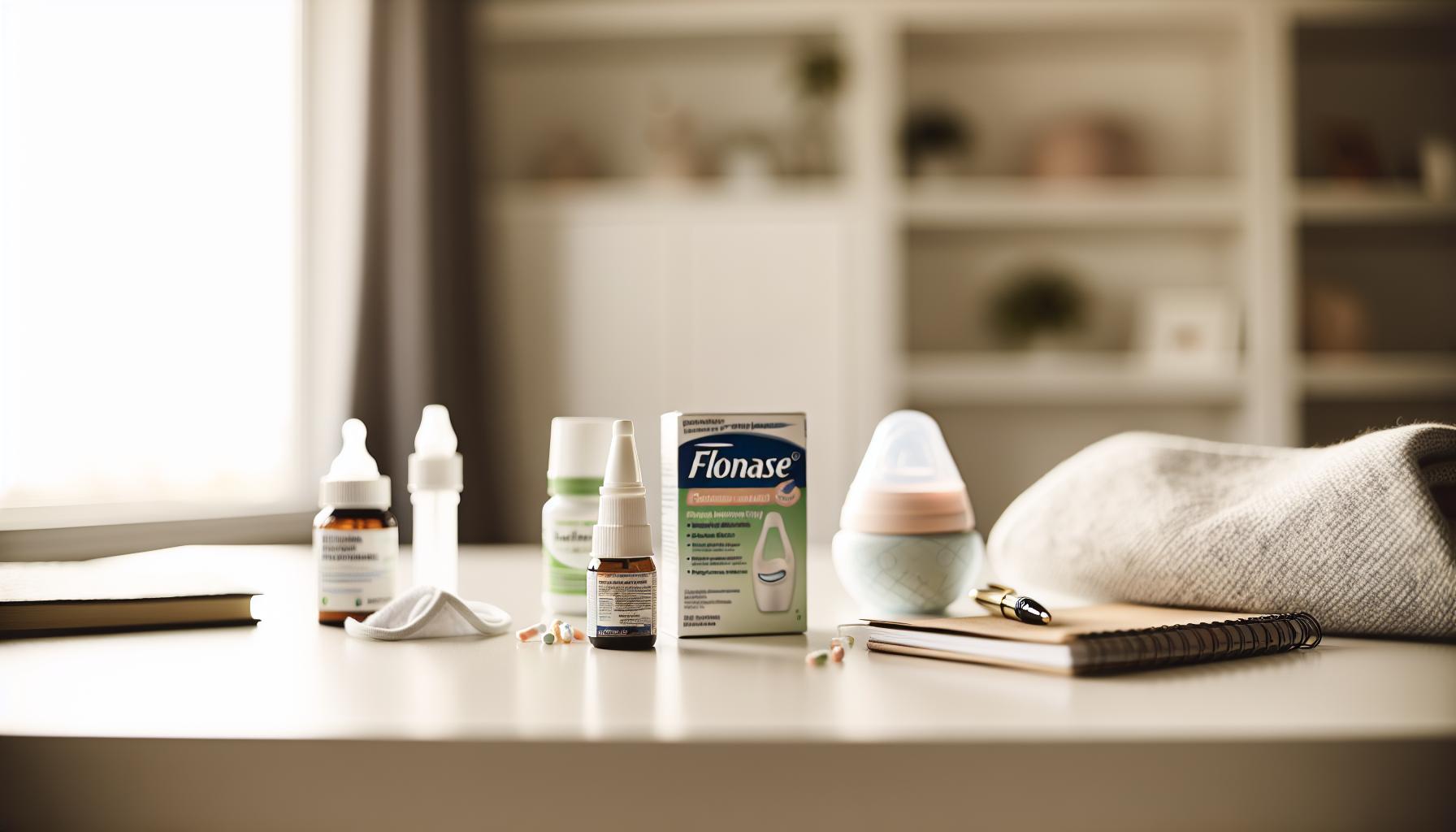
Sometimes, new mothers find themselves juggling several medications postpartum—from pain relievers to vitamins, and perhaps nasal sprays like Flonase for allergy relief. It’s critically important to approach this balancing act with gentle care and informed awareness,especially when breastfeeding. Flonase (fluticasone) is generally considered safe during lactation as its absorption into breast milk is minimal; though, combining it with other medications requires thoughtful attention to avoid unwanted interactions or increased risks for both mother and baby.When using flonase alongside other postpartum medications, the key is clear communication with your healthcare team and timing your doses mindfully. For example, many new moms might potentially be prescribed acetaminophen or ibuprofen for postpartum discomfort. These medications typically do not interfere with Flonase or breastfeeding, but always confirm with your provider. If you use hormonal treatments, such as progesterone or estrogen supplements, or other steroids, let your doctor know since overlapping corticosteroids can raise risks of side effects for you or your nursing child.
Practical Guidelines for combining Meds During breastfeeding
- Consult early and frequently enough: Inform your healthcare provider and lactation consultant about all medications and supplements you’re using, including over-the-counter products and herbal remedies.
- Space out doses: When possible, stagger medications to reduce the chance of interactions and give your body time to process each one safely.
- Watch for side effects: Stay alert to any new symptoms in yourself or your baby, such as increased fussiness, poor feeding, or skin changes, which might signal sensitivity or an interaction.
- Limit systemic exposure: Choose topical or localized treatments (like nasal sprays) over oral steroids to minimize passing medication through breast milk.
| Type of Medication | Compatibility with Flonase | Breastfeeding Safety Tips |
|---|---|---|
| NSAIDs (ibuprofen, naproxen) | Generally safe to use with flonase | Use at lowest effective dose; monitor baby for changes |
| Oral steroids | Caution advised; potential additive steroid effects | Consult provider before combining; watch baby closely |
| Hormonal treatments (estrogen, progesterone) | Possible interactions with steroids | Inform provider; space dosing; observe carefully |
| Herbal supplements (chamomile, nettle) | Typically safe but varies by herb | Check with lactation expert; avoid unknown herbs |
when to Seek Medical Advice About Nasal Symptoms
It’s normal to feel unsure about when nasal symptoms might signal a need for extra care, especially while breastfeeding. Your body is already working hard to heal and nurture your baby, so knowing when to seek medical advice can bring peace of mind and protect both of you. Mild congestion, sneezing, and allergy symptoms frequently enough improve with safe, gentle remedies like Flonase or saline sprays. However, if these symptoms intensify or linger beyond a couple of weeks, they might point toward an underlying infection or other issues requiring medical attention.Watch closely for signs such as persistent nasal pain, thick green or yellow mucus, fever, or facial swelling. These symptoms coudl indicate sinus infections or other complications that won’t respond to regular allergy treatments and might need antibiotics or specialized care. Likewise, if your nasal passages are so blocked that you’re struggling to breathe comfortably, sleep, or breastfeed, don’t hesitate to reach out for help.Remember, nourishing your baby well depends on your comfort and health, so prioritizing effective symptom relief benefits both of you deeply.When to Contact Your Healthcare Provider
- Fever higher than 100.4°F (38°C): This may signal infection needing evaluation.
- Severe or worsening headaches or facial pain: Could suggest sinusitis or another issue.
- Bleeding or unusual nasal discharge: Not typical for allergies and should be checked.
- Symptoms that don’t improve after 10 days: Persistent congestion or cough may require different treatment.
- Increased fatigue, dizziness, or difficulty breathing: Immediate medical attention may be necessary.
Everyday Self-Care Tips for Respiratory Comfort During Breastfeeding
A stuffy nose or irritated sinuses can make breastfeeding feel even more exhausting, yet simple, thoughtful practices can bring gentle relief and comfort without interfering with your body’s healing or milk supply.Hydration is a cornerstone of respiratory well-being—sip warm water throughout the day to keep mucus thin and flowing smoothly, helping your nasal passages clear naturally. Adding steam to your routine can soothe inflamed tissues and open airways; consider a warm shower or a swift inhale over a bowl of steaming water,covering your head with a soft towel to trap the steam for about 5–10 minutes. This simple ritual not only eases congestion but also offers a quiet moment for grounding during the whirlwind of postpartum days.- Saline nasal sprays: These are safe and effective first steps, especially during breastfeeding, because they don’t contain medications and hydrate nasal tissues gently.
- Elevate your head while resting: Keeping your head slightly raised on pillows encourages sinus drainage and better breathing at night.
- Use a humidifier: Dry air can worsen nasal irritation—running a cool-mist humidifier in your breastfeeding or sleeping area can maintain moisture and ease breathing.
DIY Herbal Steam for Sinus Relief
If you enjoy holistic remedies,herbal steam inhalation made from safe fresh herbs can complement your self-care without risking your baby’s safety. Here’s a gentle recipe used by many mothers to clear nasal passages:| Ingredient | Amount | Purpose |
|---|---|---|
| Fresh peppermint leaves | 1 handful | Natural decongestant, cooling effect |
| Chamomile flowers | 1 handful | Anti-inflammatory, calming |
| Warm water | 4 cups | Steam base |
Preparation & Use:
- Boil the water and pour it into a large heat-safe bowl.
- Add the fresh herbs, cover with a towel, and let steep for 5 minutes.
- Lean over the bowl (keeping a safe distance to avoid burns), cover your head with a towel, and breathe deeply through your nose for 5–10 minutes.
- Repeat once daily as needed, particularly before bedtime or nursing sessions.
Building a Routine Around respiratory Comfort
Taking a mindful pause to care for your breathing can nourish both body and spirit. Simple daily habits, like gentle facial massage around your sinuses, applying a warm compress to ease tension, or even experimenting with nasal breathing exercises (in through the nose, out through the mouth), foster self-awareness and provide comfort. Remember that rest and balanced nutrition support your immune system and healing process—foods rich in vitamin C, zinc, and antioxidants, such as citrus fruits, leafy greens, and nuts, can bolster your body’s defenses naturally. If you occasionally use Flonase or other recommended nasal sprays, pairing these self-care steps can improve relief without over-reliance on medications.Embracing these gentle, proven practices honors your postpartum journey with compassion and practicality, affirming that small, consistent actions can clear airways and uplift spirits—even on days when exhaustion feels overwhelming. Your well-being is a vital gift to your baby and the foundation for many joyful nursing moments ahead.FAQ
Q: Can Flonase nasal spray affect breast milk production while breastfeeding?
A: Flonase is unlikely to affect breast milk production because it works locally in the nasal passages with minimal systemic absorption. Most breastfeeding moms do not experience changes in milk supply when using flonase as directed. For reassurance, check the section on Flonase safety during lactation in our main article.Q: How long should breastfeeding mothers wait to nurse after using Flonase nasal spray?
A: breastfeeding mothers can generally nurse promptly after using Flonase, as it delivers medication locally with very low absorption into the bloodstream. However, waiting 1–2 hours can offer extra peace of mind, especially if concerned about infant sensitivity. See recommended timing for breastfeeding moms for more tips.Q: Are there any safer nasal spray alternatives to Flonase for breastfeeding moms?
A: Yes, saline nasal sprays and natural steam inhalation are safer alternatives that provide gentle nasal relief without drugs. They can be used alongside holistic remedies like essential-oil-free steam or herbal teas while nursing. Explore our natural and holistic nasal relief alternatives section for DIY recipes and safe options.Q: What symptoms should prompt a breastfeeding mom to consult a doctor when using Flonase?
A: Seek medical advice if your baby shows unusual irritability, rash, or breathing changes after your use of Flonase. Also, if your nasal symptoms worsen or cause significant discomfort, professional guidance can optimize safe treatment.Refer to when to seek medical advice about nasal symptoms for detailed signs to watch for. Q: Can Flonase interact with other postpartum medications while breastfeeding?
A: Flonase nasal spray has minimal systemic absorption, so it is unlikely to interfere with most postpartum medications. However, always inform your healthcare provider about all medications you use to prevent any unexpected interactions. Review combining Flonase with other postpartum medications safely for personalized guidance.Q: How can breastfeeding moms safely use Flonase to minimize any risks for their babies?
A: Use Flonase exactly as prescribed—spray gently,avoid swallowing,and limit usage to recommended doses. Monitoring your baby for any signs of sensitivity, such as fussiness or rash, helps ensure safety. Our article’s monitoring your baby for Flonase sensitivity section offers detailed strategies.Q: What are natural ways to relieve nasal congestion during breastfeeding without using Flonase?
A: Breathing warm steam, using saline sprays, and drinking hydrating herbal teas like chamomile or ginger can ease congestion safely during breastfeeding. These methods nurture your respiratory comfort naturally,complementing any medical advice detailed in natural and holistic nasal relief alternatives while nursing.Q: Why is choosing the right nasal spray important for breastfeeding mothers?
A: Selecting a nasal spray that is safe for breastfeeding protects your baby from unwanted drug exposure while effectively managing your symptoms. Flonase is often preferred due to its low systemic absorption, supporting both respiratory relief and breastfeeding health. Learn more in doctor and lactation consultant insights on nasal sprays.For more personalized guidance and gentle self-care tips, be sure to explore our full article, where we blend expert advice with nurturing, mom-friendly wisdom to support your breastfeeding journey.
In Retrospect
Navigating nasal relief while breastfeeding can feel overwhelming, but knowing that Flonase offers a safe and effective option brings much-needed comfort during this tender phase. Remember, timing and careful use are key to supporting both your wellbeing and your baby’s health. If you’re exploring gentle alternatives or want to learn how to blend herbal teas and postpartum-friendly remedies, be sure to check out our guides on natural sinus relief and safe lactation supplements.For more tips tailored to new moms, including step-by-step self-care routines and expert advice on postpartum wellness, explore our Motherhood Support section. don’t hesitate to join our community newsletter to receive fresh insights and connect with other mothers navigating similar journeys. Your questions and experiences matter here—share your thoughts below or reach out anytime as you continue embracing this beautiful, complex chapter.Together, we honor your unique path through breastfeeding and self-care, keeping safety and comfort at the heart of every choice—from Flonase nasal sprays to holistic healing options. Let’s keep the conversation going and support one another with kindness and trusted knowledge.Essential Guide and Practical Insights: Flonase Over The Counter
When navigating pregnancy, postpartum recovery, and motherhood, understanding flonase over the counter is essential for making informed, confident wellness decisions. Practical preparation, clinical awareness, and evidence-based routines provide substantial support for both maternal well-being and newborn care.
Prioritizing nutrient-dense nutrition, adequate hydration, gentle movement, and restorative rest directly fosters physical recovery and hormonal balance during the fourth trimester and beyond.
Frequently Asked Questions: Flonase Over The Counter
What are the most important considerations for flonase over the counter?
Always prioritize evidence-based guidance and consult your midwife, lactation consultant, or OB-GYN regarding personalized adjustments to your daily routine.
How does this support postpartum recovery and maternal health?
Consistent self-care protocols and informed daily habits help stabilize energy levels, reduce physical discomfort, and promote overall wellness throughout motherhood.
Get our latest guides, news, and insights highlighted in your Google Search & AI Overviews.


 STRUGGLING READER TRANSFORMED